Search results
Search for "cathode" in Full Text gives 168 result(s) in Beilstein Journal of Nanotechnology.
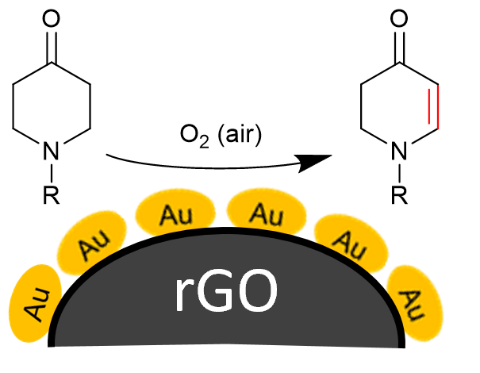
Gold nanoparticle-decorated reduced graphene oxide as a highly effective catalyst for the selective α,β-dehydrogenation of N-alkyl-4-piperidones
Beilstein J. Nanotechnol. 2026, 17, 218–238, doi:10.3762/bjnano.17.15


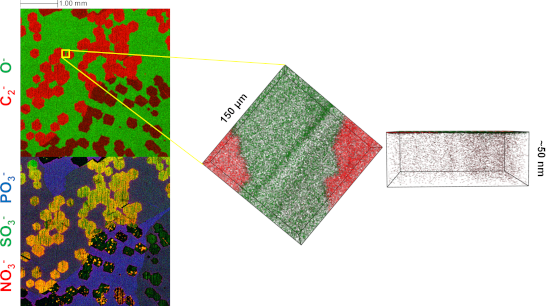
Time of flight secondary ion mass spectrometry imaging of contaminant species in chemical vapour deposited graphene on copper
Beilstein J. Nanotechnol. 2026, 17, 200–213, doi:10.3762/bjnano.17.13
- remove the top surface layer of the foil and reduce surface roughness (EP) or a wet back side oxidation process to introduce oxygen into the Cu foil prior to growth (BO). The electro-polishing solution was prepared by mixing H3PO4 (85 wt % in H2O, Sigma Aldrich) in a 7:3 ratio with DI water. The cathode
- (Cu foil) area was chosen to be four times larger than the anode. The distance between cathode and anode was 4 cm. After electro-polishing the Cu foil was rinsed in a water jet for 5 min and then dried with N2 after dipping in isopropyl alcohol (IPA). The oxidation of the Cu foil was performed in a 30








Reduced graphene oxide paper electrode for lithium-ion cells – towards optimized thermal reduction
Beilstein J. Nanotechnol. 2026, 17, 24–37, doi:10.3762/bjnano.17.3
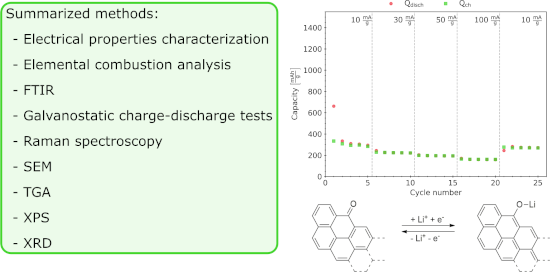
- carbonaceous base material was chosen due to its high conductivity. The relevance of rGO is not limited to only one electrode; Kiran et al. revealed performance enhancement of both cathode and anode materials for hybrid supercapacitors as a result of rGO application as core structure [11]. A similar approach
- , that is, rGO as conductive support, was presented by Thangappan et al. for nanostructured MoS2 in supercapacitor electrodes [12]. Another application of graphene materials is current collectors for both anode and cathode based on CVD-grown graphene foam, as described by Li et al., who reported lithium
- -ion batteries with Li4T5O12 and LiFePO4 active materials for the electrodes [13]. Chen et al. described current collectors based on rGO films [14]. Reduced graphene oxide finds further use in sodium-ion composite cathode materials as a conduction-improving agent with Prussian white as the active




Laser ablation in liquids for shape-tailored synthesis of nanomaterials: status and challenges
Beilstein J. Nanotechnol. 2025, 16, 1963–1997, doi:10.3762/bjnano.16.137
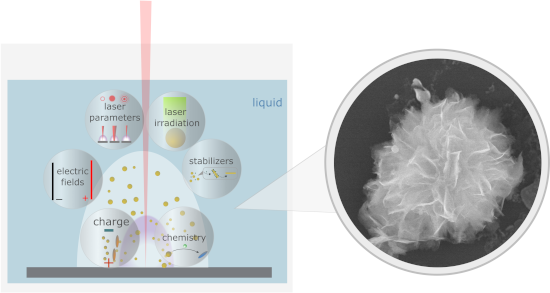
- , Figure 2 demonstrates the correlation of the shape of laser-induced plasma generated in the electric field applied directly to a Zn target with NP structure. The plasma imaging (Figure 2b,c) demonstrates clear differences in shape depending on the applied field direction. In case of cathode ablation, the
- plasma is nonuniform as compared to the anode case. As a result, during cathode ablation, spherical nanostructures appear only as a minor component, while ZnO nanosheets dominate in the colloid. The surface charges can be considered among the key parameters influencing NP shape. The charge of the NPs is






Laser processing in liquids: insights into nanocolloid generation and thin film integration for energy, photonic, and sensing applications
Beilstein J. Nanotechnol. 2025, 16, 1428–1498, doi:10.3762/bjnano.16.104
- pulsed laser ablation, and used the NPs to fabricate Cu–In composite NPs and Cu(In,Ga)Se2 (CIGS) thin film solar cells through EPD [134][135]. They used cathodic EPD, where the substrate serves as the cathode, to prevent potential oxidation of the metallic NPs and substrate that could occur on the anode







Wavelength-dependent correlation of LIPSS periodicity and laser penetration depth in stainless steel
Beilstein J. Nanotechnol. 2025, 16, 1302–1315, doi:10.3762/bjnano.16.95
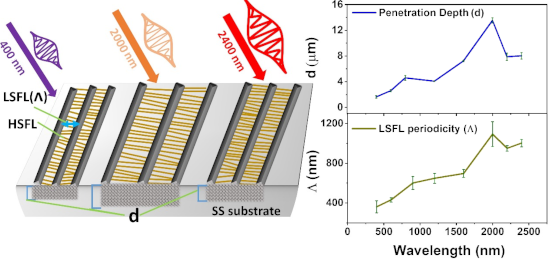
- voltage of 10 kV. In this procedure, a steel plate served as the cathode and was submerged in the oxalic acid solution, while the steel sample acted as the anode and was also immersed in the solution. Etching was carried out for 80 s to unveil the microstructure. Characterization and measurements High





Synthesis of biowaste-derived carbon-dot-mediated silver nanoparticles and the evaluation of electrochemical properties for supercapacitor electrodes
Beilstein J. Nanotechnol. 2025, 16, 933–943, doi:10.3762/bjnano.16.71
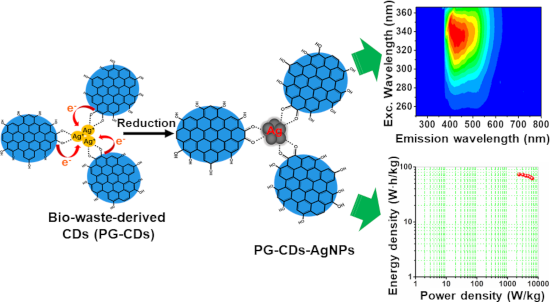
- retention of the device improved over the first 4000 cycles as the electrolyte ions gradually permeated the electrode pores, activating both the anode and cathode materials. A slight decline in the capacitance retention was primarily attributed to the progressive mechanical deformation of the electrode


Morphology and properties of pyrite nanoparticles obtained by pulsed laser ablation in liquid and thin films for photodetection
Beilstein J. Nanotechnol. 2025, 16, 785–805, doi:10.3762/bjnano.16.60
- related to FeS2 [3]. Pyrite has shown outstanding performance and a long shelf life as a high-capacity cathode and has been utilized in batteries [4]. Pyrite has also been identified as a promising material for effectively removing environmental contaminants in the environment near the surface of the
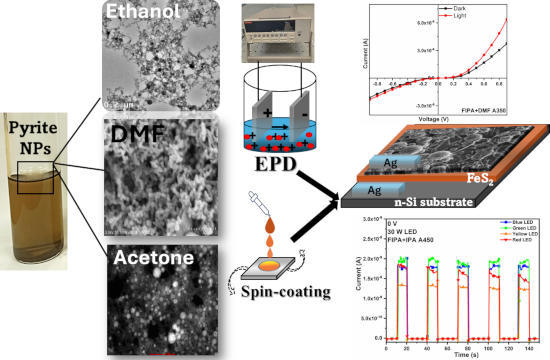
- [35], the p-type nature of FeS2 was identified. Based on this, an n-type Si (n-Si) substrate was chosen to achieve the photodiode structure. Well cleaned n-type silicon substrates were used as the anode and the cathode in the EPD setup. With a 4.5 mm gap between them, the electrodes were positioned








Performance optimization of a microwave-coupled plasma-based ultralow-energy ECR ion source for silicon nanostructuring
Beilstein J. Nanotechnol. 2025, 16, 484–494, doi:10.3762/bjnano.16.37

- ][18]. In the past few decades, DC ion sources were commonly used [19][20][21]. These DC ion sources consist of a hot cathode or filament, which is not appropriate in cases of reactive gas discharge; hence, their lifetime is limited [22][23]. Moreover, the beam current produced by those ion sources is


Pulsed laser in liquid grafting of gold nanoparticle–carbon support composites
Beilstein J. Nanotechnol. 2025, 16, 349–361, doi:10.3762/bjnano.16.26
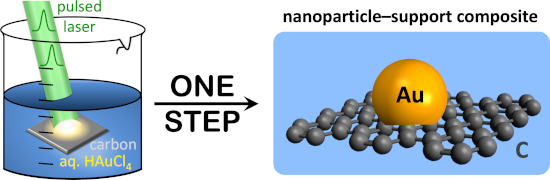
- fibers, taking advantage of the high internal surface area of carbon fiber paper. The pulsed laser-grafted composites exhibited zero measurable charge transfer resistance between gold nanoparticles and the carbon support, leading to superior cathode performance over conventionally prepared electrodes for
- prepared cathode (Figure 6A). We attribute the superior performance of pulsed laser-grafted electrodes to the improved adhesion and electrical contact and concomitant absence of charge transfer resistance between the grafted gold nanoparticles and the carbon fiber paper support. Generated currents were
- normalized to the geometric area of the cathode and the mass of gold, which we obtained from digesting the electrodes in aqua regia and collecting inductively coupled plasma mass spectrometry data. We note that only gold was quantified, as carbon has a Z number that is too low for ICP-MS detection [68


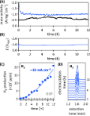
Electron-induced ligand loss from iron tetracarbonyl methyl acrylate
Beilstein J. Nanotechnol. 2024, 15, 797–807, doi:10.3762/bjnano.15.66
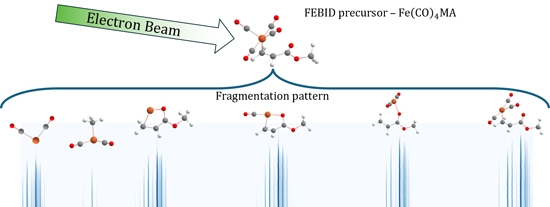
- beam is produced from a directly heated yttrium-coated iridium cathode, and a trochoidal electron monochromator is used to narrow down the electron energy distribution and to produce a quasi-monochromatic electron beam. A gas-phase effusive beam was produced by introducing the liquid Fe(CO)4MA sample




Comparative electron microscopy particle sizing of TiO2 pigments: sample preparation and measurement
Beilstein J. Nanotechnol. 2024, 15, 317–332, doi:10.3762/bjnano.15.29
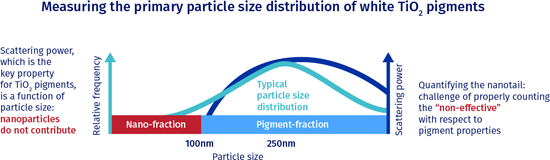
- , equipped with a LaB6 cathode, using the SE and STEM detectors, and VEGA3 control software version 4.2.26.0, build 1344. BET SSA measurement The SSA measurements of the E171 samples were originally performed according to an internal procedure inspired by the ISO 9277 standard as mentioned in [11]. To


CdSe/ZnS quantum dots as a booster in the active layer of distributed ternary organic photovoltaics
Beilstein J. Nanotechnol. 2024, 15, 144–156, doi:10.3762/bjnano.15.14
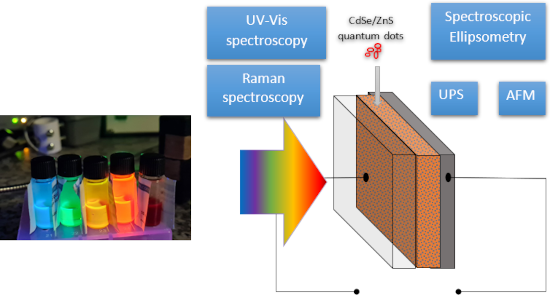
- recombination, and increased charge transport. This was also demonstrated by Lv and co-workers [65]. The LUMO level of QD600 is lower than that of the donor P3HT, while the other QDs have higher LUMO levels. This difference in LUMO levels poses a challenge for the transportation of electrons to the cathode





In situ optical sub-wavelength thickness control of porous anodic aluminum oxide
Beilstein J. Nanotechnol. 2024, 15, 126–133, doi:10.3762/bjnano.15.12
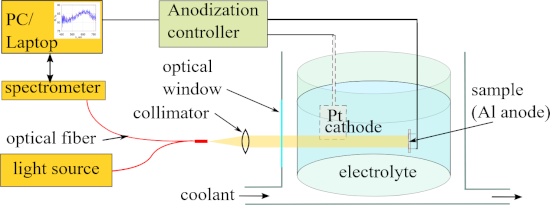
- samples at constant 40 V potential. Platinum cathode and single crystal Al(100) (MTI Corp. mcALa101010) anode were immersed in 0.3 M oxalic acid electrolyte inside a multiwalled container with a transparent optical window. The container was placed on a magnetic stirrer and cooled to 5 °C. The reflectance
- other anodization voltages. The current flow through the Pt cathode could be established or interrupted automatically through a relay switch triggered by the thickness measurement software upon reaching the predefined threshold value. The anode current was monitored using a current-to-voltage (I/U


Nanoarchitectonics for advanced applications in energy, environment and biology: Method for everything in materials science
Beilstein J. Nanotechnol. 2023, 14, 738–740, doi:10.3762/bjnano.14.60

- also discuss coordination-assembled myricetin nanoarchitectonics [32], nanoarchitectonics for membranes with enhanced gas separation capabilities [33], nanoarchitectonics of the cathode of Li–O2 batteries [34], nanoarchitectonics in moist-electric generation [35], nanoarchitectonics for drug delivery

Metal-organic framework-based nanomaterials as opto-electrochemical sensors for the detection of antibiotics and hormones: A review
Beilstein J. Nanotechnol. 2023, 14, 631–673, doi:10.3762/bjnano.14.52



A novel approach to pulsed laser deposition of platinum catalyst on carbon particles for use in polymer electrolyte membrane fuel cells
Beilstein J. Nanotechnol. 2023, 14, 190–204, doi:10.3762/bjnano.14.19
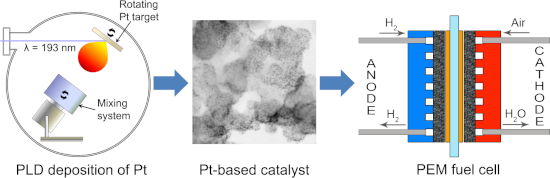
- cost of PEMFCs depend on the materials used to construct their major components, which are anode, cathode, and polymer electrolyte membranes [3][6]. Therefore, supplying good-performance materials with controlled nanostructures to fuel cell technology is a crucial issue [7]. One solution to this
- commonly used catalyst in PEMFCs is platinum on various carbon support materials, which is used in both the anode and cathode because of its high catalytic activity toward the hydrogen oxidation reaction (HOR) and oxygen reduction reaction (ORR) [6][17][18][19][21][22][23][24][25]. Pt is also characterized
- dedicated to reducing the Pt loading at the cathode without performance loss of PEMFCs or to finding an alternative catalyst material [4][6][21]. The reduction of Pt loading on various carbon supports can be achieved by combining Pt with other metals [21] as well as by modifications of the various chemical



Antimicrobial and mechanical properties of functionalized textile by nanoarchitectured photoinduced Ag@polymer coating
Beilstein J. Nanotechnol. 2023, 14, 95–109, doi:10.3762/bjnano.14.11
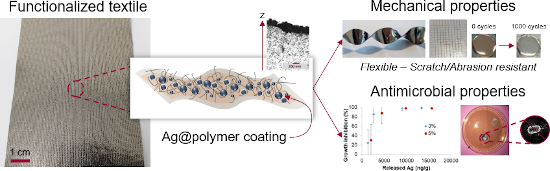
- measurements. A Bio photometer UV–vis spectrometer from Eppendorf was used to assess bacteria and yeast suspensions by OD measurements at 600 nm. Surface characterizations were carried out using transmission electron microscopy (TEM) at 200 kV on a Philips CM200 instrument (LaB6 cathode) and scanning electron





Photoelectrochemical water oxidation over TiO2 nanotubes modified with MoS2 and g-C3N4
Beilstein J. Nanotechnol. 2022, 13, 1541–1550, doi:10.3762/bjnano.13.127
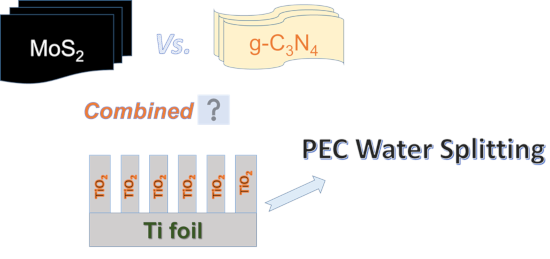
- and reduction reactions at, respectively, the anode and cathode described by Equation 3 and Equation 4. Oxidation reaction at the anode: Reduction reaction at the cathode: Carrying out the reactions in a neutral medium also contributes to the increased durability of the electrodes. However, the lack
- of initial H+ concentration can reduce the efficiency of the H2 production. For an effective water splitting process, the oxidation reaction of OH− ions in the electrolyte needs to take place at the anode to generate e− and H+ ions along with O2. The e− current will immediately migrate to the cathode
- to perform reduction reactions. At that time, H+ will also be reduced at the cathode to form H2. The higher the efficiency of the oxidation reaction, the more e− are generated and the stronger the H+ reduction reaction will be. Preventing recombination of photo-generated e−–h+ pairs in the MoS2/TNAs


A TiO2@MWCNTs nanocomposite photoanode for solar-driven water splitting
Beilstein J. Nanotechnol. 2022, 13, 1520–1530, doi:10.3762/bjnano.13.125
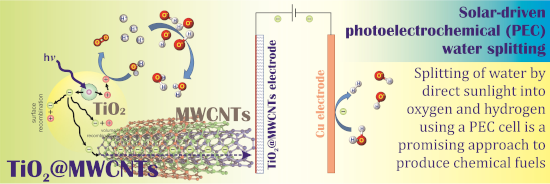
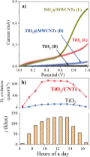
- -electrode cell, including the photoanode and a Cu-based cathode. Hydrogen evolution at the cathode and the solar irradiance is recorded at 60 min intervals. The prepared photoelectrochemical electrode is wholly immersed in KOH electrolyte before each photoelectrochemical measurement. Only one electrode
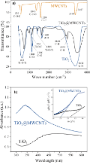
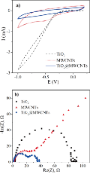
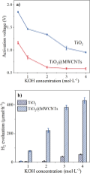
- [46]. For the TiO2@MWCNTs nanocomposite, the TiO2 agglomerates attached to the MWCNTs are found to prevent the recombination of the h+/e− pairs and the H+/O− couples. Furthermore, excitons in the MWCNT structure can absorb visible-light irradiation and accordingly produce a sub-cathode current [8



Structural studies and selected physical investigations of LiCoO2 obtained by combustion synthesis
Beilstein J. Nanotechnol. 2022, 13, 1473–1482, doi:10.3762/bjnano.13.121
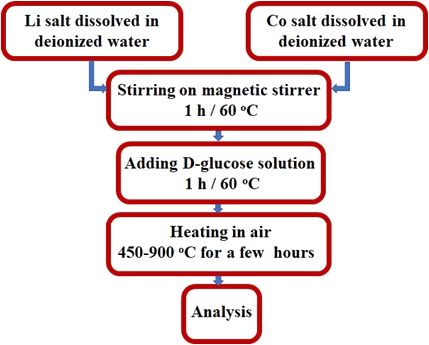
- the annealing temperature causes a steady decrease in the DC conductivity. Keywords: lithium cobalt oxide; lithium-ion battery; nanocrystalline powder; solution combustion synthesis; Introduction Lithium cobalt oxide (LiCoO2, LCO) of hexagonal structure () was first used as cathode material in
- lithium cells in 1979 by researchers from Oxford University [1]. The cell consisted of LCO, which was used as the cathode material, and metallic lithium, which was used as the anode material. In 1985, it was proposed to replace the Li metal in the negative electrode with the carbonaceous material graphite
- cathode and a graphite anode immersed in a lithium-ion conducting electrolyte, which is 1 M lithium hexafluorophosphate LiPF6 in a 1:1 (v/v) mixture of ethylene and dimethyl carbonate. Most commercial Li-ion cells are used to power portable devices, including mobile phones, laptops, and cameras [5][6][7




Application of nanoarchitectonics in moist-electric generation
Beilstein J. Nanotechnol. 2022, 13, 1185–1200, doi:10.3762/bjnano.13.99
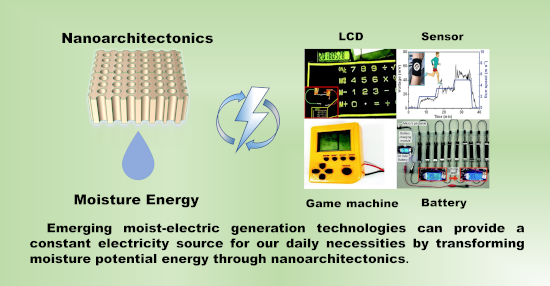
- voltage to two spiral electrodes, the material between the electrodes generated a gradient of hydroxy groups through polarization. The cathode was reduced to generate more hydroxy groups; the anode was oxidized to generate more o-quinone structures. This asymmetry was demonstrated by the stronger hydrogen
- bonding near the cathode, measured by infrared spectroscopy (Figure 8f,g). Under moist conditions, a voltage signal could be measured in the gradient structure device, while the PDA film without polarization treatment did not produce an obvious voltage or current signal. This lateral gradient
- electrodes for (1) the anode and (2) the cathode. (f) Infrared spectra of g-PDA near (1) the anode and (2) the cathode. (g) High-resolution C 1s spectra of the g-PDA film for (1) the anode and (2) the cathode. Figure 8e–g were reprinted with permission from [84], Copyright 2019 American Chemical Society


Electrocatalytic oxygen reduction activity of AgCoCu oxides on reduced graphene oxide in alkaline media
Beilstein J. Nanotechnol. 2022, 13, 1020–1029, doi:10.3762/bjnano.13.89
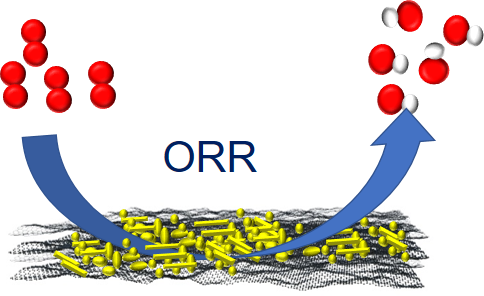
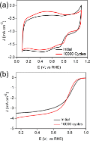
- AgCuCo (0.6:1.5:1.5, 2:1:1, and 6:1:1) oxide NPs supported on a reduced graphene oxide (rGO) matrix. Morphology, composition, and functional groups were methodically analysed using various microscopic and spectroscopic techniques. The as-prepared electrocatalysts were employed as cathode substrates for


Recent advances in nanoarchitectures of monocrystalline coordination polymers through confined assembly
Beilstein J. Nanotechnol. 2022, 13, 763–777, doi:10.3762/bjnano.13.67

- single crystals could also serve as templates to derive microporous CoSe2@C, which was used as cathode for aluminum-ion batteries [119]. The connected macropores could facilitate the diffusion of large chloroaluminate anions and provide more exposed active sites, thus, showing excellent rate capacity






Nanoarchitectonics of the cathode to improve the reversibility of Li–O2 batteries
Beilstein J. Nanotechnol. 2022, 13, 689–698, doi:10.3762/bjnano.13.61
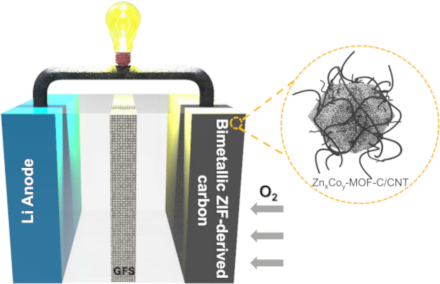
- Institute for Innovative Materials, University of Wollongong, Squires Way, North Wollongong, NSW 2500, Australia 10.3762/bjnano.13.61 Abstract The strategic design of the cathode is a critical feature for high-performance and long-lasting reversibility of an energy storage system. In particular, the round
- electrical conductivity further, ultimately leading to better electrochemical stability in the cathode. As a result, the optimized bimetallic ZIF–carbon/CNT composite exhibits a high discharge capacity of 16,000 mAh·g−1, with a stable cycling performance of up to 137 cycles. This feature is also beneficial
- for lowering the overpotential of the cathode during cycling, even at the high current density of 2,000 mA·g−1. Keywords: cathode composition; electrochemistry; Li–O2 battery; metal–organic framework; nanoarchitectonics; zeolitic imidazolate framework; Introduction Recently, lithium–oxygen batteries