Search results
Search for "dielectric" in Full Text gives 450 result(s) in Beilstein Journal of Nanotechnology. Showing first 200.
Multilayered hyperbolic Au/TiO2 nanostructures for enhancing the nonlinear response around the epsilon-near-zero point
Beilstein J. Nanotechnol. 2026, 17, 251–261, doi:10.3762/bjnano.17.17
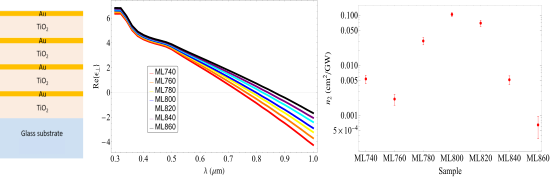
- –dielectric Au/TiO2 structures. The samples were fabricated using Joule effect evaporation for gold and electron beam evaporation for titanium dioxide. Their structure was designed to have an epsilon-near-zero (ENZ) point at different wavelengths around 800 nm, in order to study their nonlinear response as a
- , negative refractive index, and near-zero permittivity. The main benefit of HMMs is that, with the correct manipulation of the design, we are able to choose the wavelength in which we would like these phenomena to appear. Hyperbolic dispersion can be achieved by combining a dielectric, which has a
- layered Ag/TiO2 and determined via spectroscopy that its ENZ point laid within the visible spectrum [7]. Since then, a wide array of layered metal–dielectric configurations have been demonstrated, including silver-based combinations such as Ag/SiO2 [1], Ag/Al2O3 [6], Ag/LiF [8], Ag/TiO2 [9], Ag/Ge [10


Structure-dependent thermochromism of PAZO thin films: theory and experiment
Beilstein J. Nanotechnol. 2026, 17, 186–199, doi:10.3762/bjnano.17.12
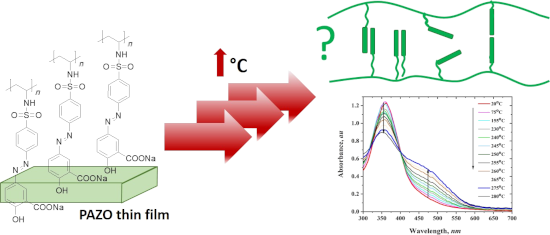
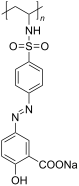
- = 1). This finding highlights the influence of solvent polarity, as the diminished dielectric screening characteristic of nonpolar media enhances monomer–monomer association, whereas polar environments preferentially stabilize the monomeric state. Conclusion Understanding the aggregation states and


Influence of surface characteristics on the in vitro stability and cell uptake of nanoliposomes for brain delivery
Beilstein J. Nanotechnol. 2026, 17, 139–158, doi:10.3762/bjnano.17.9
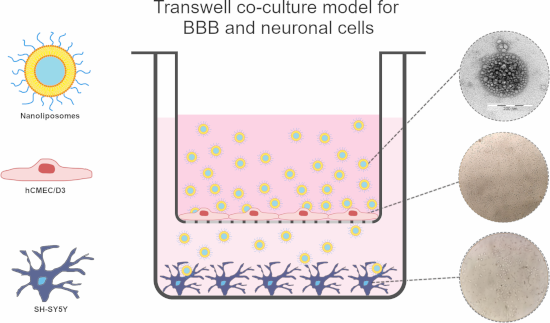
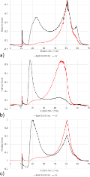
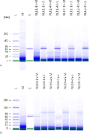
- following conditions: 25 °C, thermostating time of 120 s, viscosity of the medium 0.8894 cP, dielectric constant of 78.5, and an angle of 173°. At least three separate preparations (batches) from each sample were measured in triplicate. The results of each analysis were the average of 12 consecutive


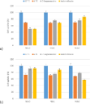


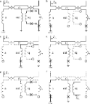
Capabilities of the 3D-MLSI software tool in superconducting neuron design
Beilstein J. Nanotechnol. 2026, 17, 122–138, doi:10.3762/bjnano.17.8

- dielectric layers are planarized, as is done, for example, in the process described in [6]. One more important feature of the program is non-uniform meshing related to the Triangle meshing engine [52]. It allows for a reduction of allocated memory and solution time, and provides better accuracy as well



Internal 3D temperature mapping in biological systems using ratiometric light-sheet imaging and lipid-coated upconversion nanothermometers
Beilstein J. Nanotechnol. 2025, 16, 2306–2316, doi:10.3762/bjnano.16.159
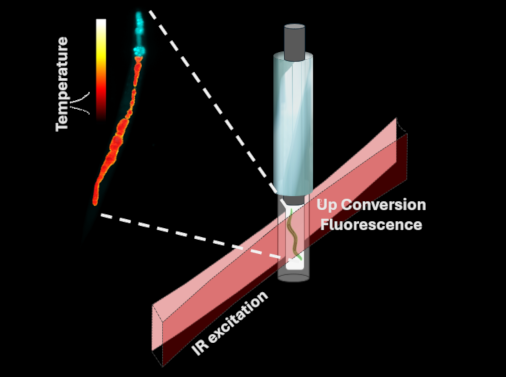
- insensitive to minor dielectric or chemical variations in the surrounding medium [61]. Therefore, the overall influence of fixation on the recorded fluorescence and thermal response is negligible [62]. Extending this method to live imaging presents additional challenges related to the simultaneous acquisition


Terahertz-range on-chip local oscillator based on Josephson junction arrays for superconducting quantum-limited receivers
Beilstein J. Nanotechnol. 2025, 16, 2296–2305, doi:10.3762/bjnano.16.158
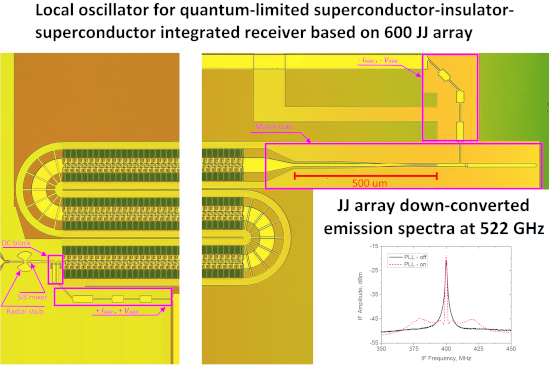
- attenuation in the CPW becomes smaller. This approach will be used in the topology of new designs. The width of the central electrode Wc is also changed in order to keep the characteristic impedance close to 50 Ω and the effective dielectric constant close to the ones in this study. However, the width of the


Chiral plasmonic nanostructures fabricated with circularly polarized light
Beilstein J. Nanotechnol. 2025, 16, 2245–2264, doi:10.3762/bjnano.16.154
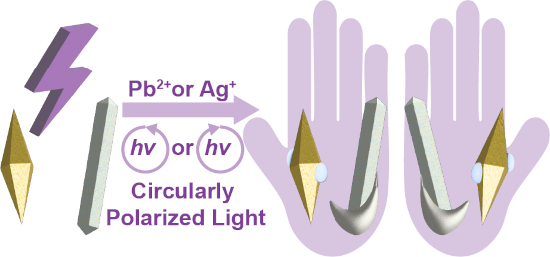
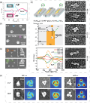
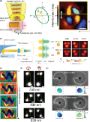
- structural chirality and optical activity of Au/PbO2 heterostructures. Similar wavelength-dependent chiroptic properties were obtained with chiral Au triangle prism/PbO2 nanostructures [92] (Figure 3e). The CD of the chiral Au/PbO2 nanostructures arises from PbO2 modifying the dielectric constant in the
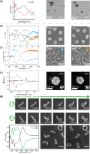
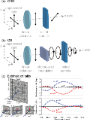
- physics. The different shapes, sizes, and dielectric environments of the achiral PNSs were more accurately accounted for using numerical simulations. Govorov et al. described the inhomogeneous distribution of hot electrons in PNSs under CPL [75][76]. The map of the differential hot electron excitation
- ]. In addition, when molecules are attached near the cPNSs, their CD spectra shift due to modifications in the dielectric constant. All these factors contribute to the spectral changes observed when cPNSs detect chiral molecules. Still, it is important to point out that cPNSs are very useful for





Optical bio/chemical sensors for vitamin B12 analysis in food and pharmaceuticals: state of the art, challenges, and future outlooks
Beilstein J. Nanotechnol. 2025, 16, 2207–2244, doi:10.3762/bjnano.16.153
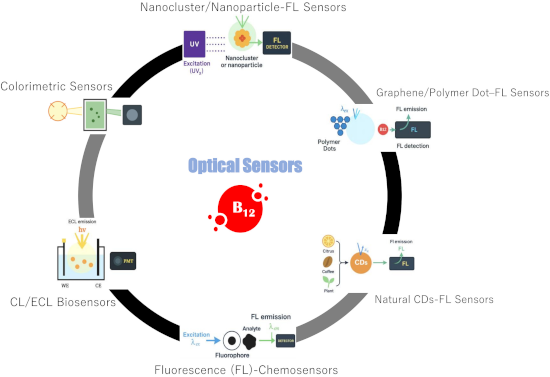
- plasmon resonance (SPR) sensors operate through a simple and effective mechanism in five key steps: (i) An electromagnetic field at the metal–dielectric interface excites coherent electron oscillations in the metal; (ii) this leads to the generation of surface plasmon polaritons (SPPs; i.e., oscillating


Electron transport through nanoscale multilayer graphene and hexagonal boron nitride junctions
Beilstein J. Nanotechnol. 2025, 16, 2132–2143, doi:10.3762/bjnano.16.147
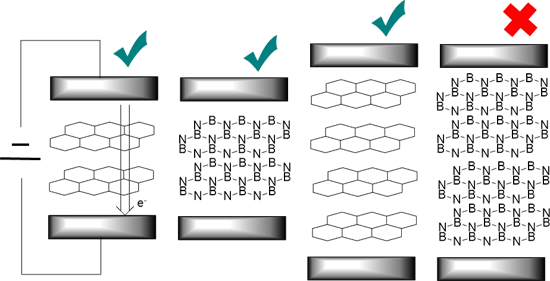
- graphene-based electronics and as a dielectric material in nanoelectronics devices. It finds application regarding corrosion resistance and antioxidation protective coatings [19]. Due to its high thermal conductivity and electrical insulation, h-BN is used in thermal management applications. h-BN is used
- findings establish h-BN as a high-quality, atomically thin dielectric suitable for next-generation tunneling devices and graphene-based heterostructures. From the results in Figure 4, Figure 5, Table 1, and Table 2 we can conclude that, at thicknesses of one to three layers, the transport is dominated by


Stereodiscrimination of guests in chiral organosilica aerogels studied by ESR spectroscopy
Beilstein J. Nanotechnol. 2025, 16, 2034–2054, doi:10.3762/bjnano.16.140
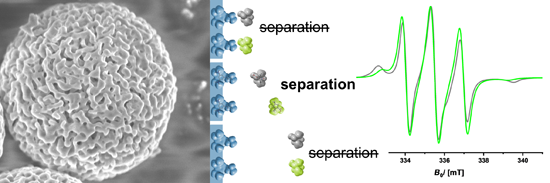
- first as this, according to [42][44], alters the difference in the interaction profiles. Isopropanol (ε = 18.3, μ = 1.66 D) has a lower dielectric constant ε and lower dipole moment μ than ethanol (ε = 24.2, μ = 1.69 D). Because of the carboxyl group in 3CP (see Figure 3), together with the dipole


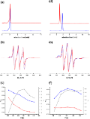


Laser ablation in liquids for shape-tailored synthesis of nanomaterials: status and challenges
Beilstein J. Nanotechnol. 2025, 16, 1963–1997, doi:10.3762/bjnano.16.137
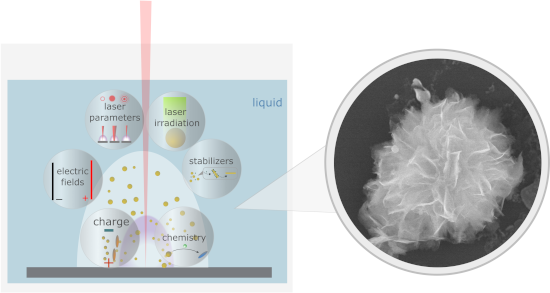
- process with the formation of dendritic structures. The authors discussed the evolution of NP shape based on the electrostatic attraction between species released from the plasma plume and liquid molecules, so that the resulting shape of the forming NPs would depend on the dielectric constant and dipole


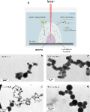
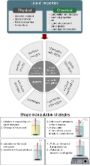


Quantum circuits with SINIS structures
Beilstein J. Nanotechnol. 2025, 16, 1931–1941, doi:10.3762/bjnano.16.134
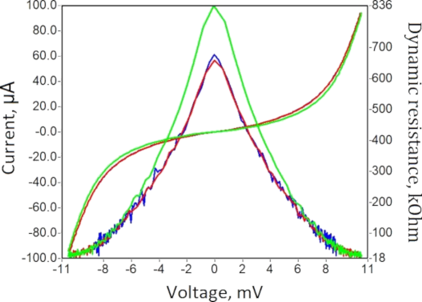
- tunnel junction In tunnel structures, the barrier is a dielectric layer between two metal films (often the oxide layer on the surface of the first metal layer is used as a dielectric). The first experimental study of a tunnel junction was carried out in 1960 [21] for an aluminum–aluminum oxide–lead


Low-temperature AFM with a microwave cavity optomechanical transducer
Beilstein J. Nanotechnol. 2025, 16, 1873–1882, doi:10.3762/bjnano.16.130
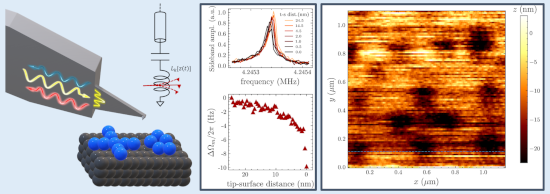
- in the literature [28][29][30]. The main limitation to the internal quality factor of our microwave resonators is the highly disordered low-stress Si–N layer, which causes significant dielectric losses [31]. As discussed above, the figure of merit of a displacement detector should be evaluated with


Electrical, photocatalytic, and sensory properties of graphene oxide and polyimide implanted with low- and medium-energy silver ions
Beilstein J. Nanotechnol. 2025, 16, 1794–1811, doi:10.3762/bjnano.16.123
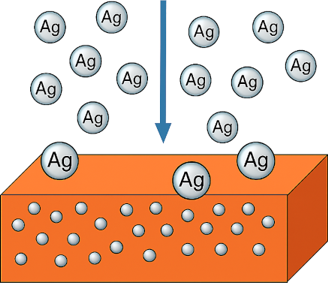
- controlled modification of the electrical properties of dielectric and semiconducting materials [7]. When Ag ions are implanted into polymer substrates, such as polyimide (PI) or graphene oxide (GO), fundamental changes occur at the molecular and electronic levels, leading to a significant decrease in the


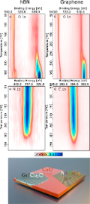
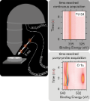
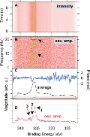
Ambient pressure XPS at MAX IV
Beilstein J. Nanotechnol. 2025, 16, 1677–1694, doi:10.3762/bjnano.16.118
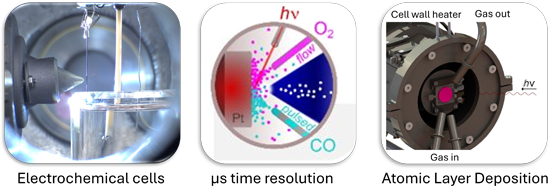
- , even on topologically complex surfaces, making it essential for the fabrication of next-generation devices [46][47][48]. In the semiconductor industry, ALD enables the creation of nanoscale transistors and high-k dielectric materials, essential for shrinking transistor dimensions and enhancing





Modeling magnetic properties of cobalt nanofilms used as a component of spin hybrid superconductor–ferromagnetic structures
Beilstein J. Nanotechnol. 2025, 16, 1557–1566, doi:10.3762/bjnano.16.110
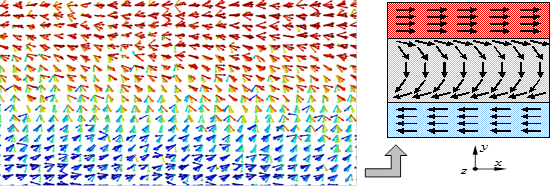
- ], reinforcing, light-reflecting, conductive, and dielectric materials. Their utilization extends to contacts, printed circuit boards, and integrated circuit elements in microelectronics, as well as to the fabrication of optical filters, the component base of optoelectronics, and advanced lithographic processes


Transient electronics for sustainability: Emerging technologies and future directions
Beilstein J. Nanotechnol. 2025, 16, 1545–1556, doi:10.3762/bjnano.16.109

- such as Mg and Mo have been deposited onto bioresorbable polymer substrates in the form of resistive-type sensors or interconnects using shadow masking techniques [14][48][63][64]. In addition, semiconductor or dielectric materials such as ZnO and MgO have been patterned and deposited using shadow
- semiconductor processes, the substitution of conventional dielectric and metal layers with biodegradable counterparts suggests the feasibility of wafer-scale foundry integration (Figure 2d) [80]. For example, the foundry-scale fabrication of transient complementary metal-oxide-semiconductor devices (inverter


Laser processing in liquids: insights into nanocolloid generation and thin film integration for energy, photonic, and sensing applications
Beilstein J. Nanotechnol. 2025, 16, 1428–1498, doi:10.3762/bjnano.16.104
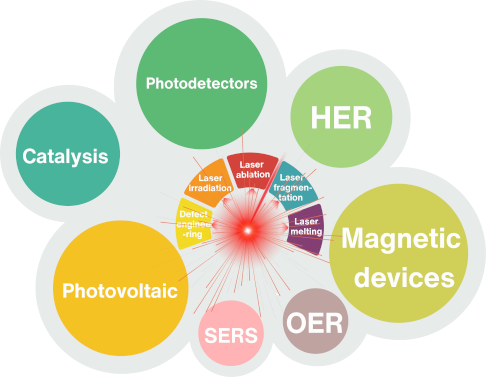
- illustrations of the pulsed laser heating mechanism are presented in Figure 7f,g. Factors such as laser fluence, irradiation time, and solvent properties, such as dielectric constant and thermal conductivity, must be carefully controlled to optimize nanoparticle formation [49][68][69][75]. Other factors like






The role of biochar in combating microplastic pollution: a bibliometric analysis in environmental contexts
Beilstein J. Nanotechnol. 2025, 16, 1401–1416, doi:10.3762/bjnano.16.102

- type and size, of 98.4% for PP (1–2 mm), 98.2% for cellulose acetate (1–2 mm), 91.7% for PE (286.7 µm), and 93.2% for polymethyl methacrylate (6.3 µm) [77]. The dielectric properties of MPs also influence electrocoagulation performance; for example, PVC (insulator 10 × 105 Ω·cm) undergoes optimal



Wavelength-dependent correlation of LIPSS periodicity and laser penetration depth in stainless steel
Beilstein J. Nanotechnol. 2025, 16, 1302–1315, doi:10.3762/bjnano.16.95
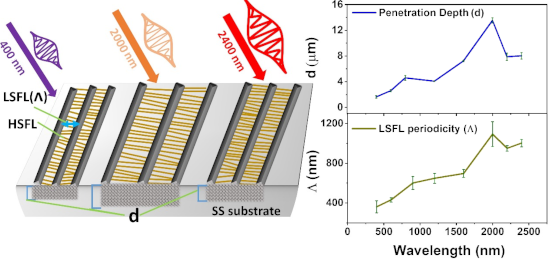
- modulation of the net localized energy distribution on the surface, and this field absorption is manifested as LIPSS on the surface. This process depends on several experimental factors, namely, incident wavelength, polarization, material dielectric, dielectric, fluence of the laser, pulse width, repetition
- angle, the period of the resulting ripples can be determined using the equation [57][58][59]: where Λ is the ripple periodicity (LSFL spatial periodicity), λ is the incident wavelength, and εd and εm are the dielectric constants of the medium and metal, respectively. εd = 1 (dielectric constant of the
- on tissue penetration during light–tissue interaction. They found that higher wavelengths result in greater penetration depth, while larger spot sizes do not significantly increase penetration depth [63]. The penetration depth depends on the material’s dielectric properties and the interface’s




Piezoelectricity of hexagonal boron nitrides improves bone tissue generation as tested on osteoblasts
Beilstein J. Nanotechnol. 2025, 16, 1068–1081, doi:10.3762/bjnano.16.78
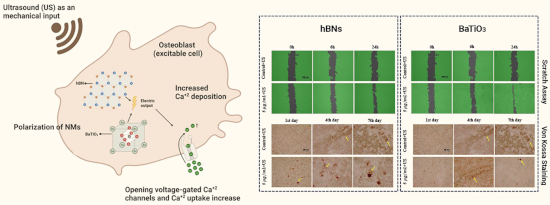
- , making them particularly attractive for biomedical applications. [21][22]. Barium titanate (BaTiO3) is one of the most well-known piezoelectric nanomaterials (NMs), characterized by a cubic structure with four polymorphs which change depending on the temperature and a high dielectric constant. All its


Time-resolved probing of laser-induced nanostructuring processes in liquids
Beilstein J. Nanotechnol. 2025, 16, 968–1002, doi:10.3762/bjnano.16.74
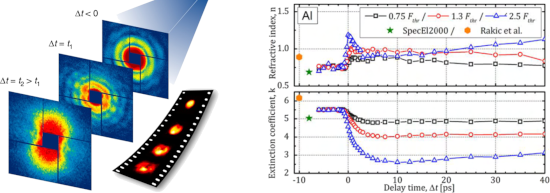
- given by the dielectric functions of metal and medium and are described by Mie theory [113]. Mie theory allows one to derive absolute absorption and scattering cross sections of primarily spherical or core–shell objects, but also different shapes by extensions of the Mie–Gans [114] theory or numerical
- nanobubbles [127] shown in Figure 8B. The SPR of liquid metal particles, such as gold, should drastically change because of the change of the dielectric function. Nevertheless, the melting transition has never been detected spectroscopically on an ultrafast timescale. In thin-film geometry, the optical


Heat-induced transformation of nickel-coated polycrystalline diamond film studied in situ by XPS and NEXAFS
Beilstein J. Nanotechnol. 2025, 16, 887–898, doi:10.3762/bjnano.16.67
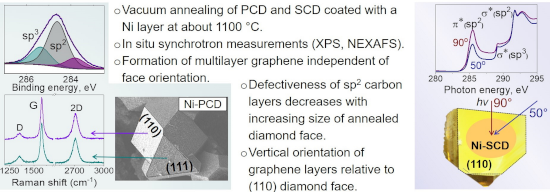
- of diamond surfaces is important for many applications, which require the formation of thin conductive electrodes on dielectric substrates. Transition metal catalysts can facilitate the graphitization process, which depends on the diamond face orientation. In the present work, the role of a nickel
- surface. Our results can be useful for controlling the growth of graphitic coatings on dielectric diamond surfaces with a polycrystalline structure and grains of different sizes and crystallographic orientations. Experimental The growth of PCD films on silicon substrates was performed using PE CVD with a


Morphology and properties of pyrite nanoparticles obtained by pulsed laser ablation in liquid and thin films for photodetection
Beilstein J. Nanotechnol. 2025, 16, 785–805, doi:10.3762/bjnano.16.60
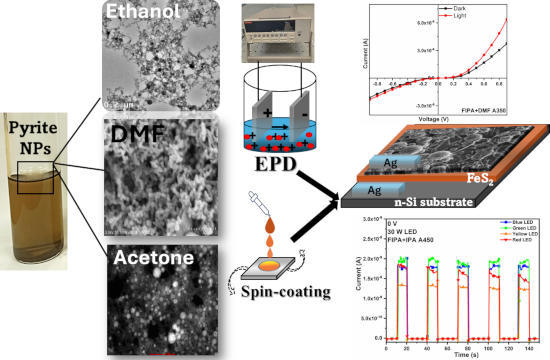
- experimental variables that cause the kinetics of the nanoparticles formation to change, resulting in nanoparticles with different sizes and morphologies [40]. Thermodynamic properties such as density, dielectric constant, viscosity, vapor pressure, and optical properties of the solvents are some of the






Nanoscale capacitance spectroscopy based on multifrequency electrostatic force microscopy
Beilstein J. Nanotechnol. 2025, 16, 637–651, doi:10.3762/bjnano.16.49

- , enabling the measurement of the local dielectric function over a wide range of frequencies. We demonstrate the reliable operation of MFH-EFM using standard atomic force microscopy equipment plus an external lock-in amplifier up to a frequency of 5 MHz, which can in principle be extended to gigahertz
- frequencies and beyond. Our results show a significant reduction of signal background from long-range electrostatic interactions, resulting in highly localized measurements. Combined with refined tip–sample capacitance models, MFH-EFM will enhance the precision of quantitative studies on dielectric effects in
- nanoscale systems across materials science, biology, and nanotechnology, complementing established methods in the field. Keywords: atomic force microscopy; capacitance gradients; dielectric constant; dielectric spectroscopy; heterodyne frequency mixing; Kelvin probe force microscopy; multifrequency AFM