


3 article(s) from Nazeer, Muhammad Anwaar
Nanomaterials for biomedical applications
- Iqra Zainab,
- Zohra Naseem,
- Syeda Rubab Batool,
- Filippo Pierini,
- Seda Kizilel and
- Muhammad Anwaar Nazeer
Beilstein J. Nanotechnol. 2025, 16, 1499–1503, doi:10.3762/bjnano.16.105

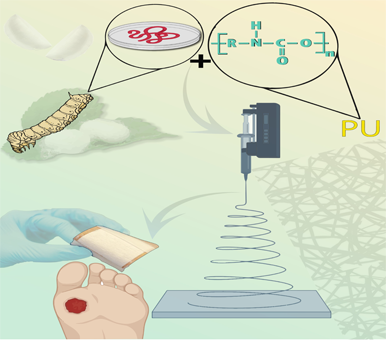
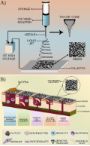
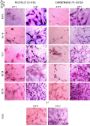
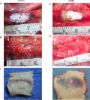
Polyurethane/silk fibroin-based electrospun membranes for wound healing and skin substitute applications
- Iqra Zainab,
- Zohra Naseem,
- Syeda Rubab Batool,
- Muhammad Waqas,
- Ahsan Nazir and
- Muhammad Anwaar Nazeer
Beilstein J. Nanotechnol. 2025, 16, 591–612, doi:10.3762/bjnano.16.46



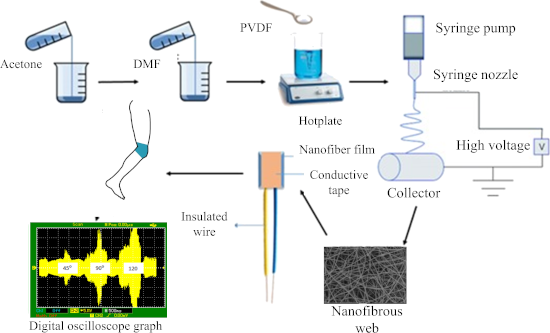
Piezoelectric nanogenerator for bio-mechanical strain measurement
- Zafar Javed,
- Lybah Rafiq,
- Muhammad Anwaar Nazeer,
- Saqib Siddiqui,
- Muhammad Babar Ramzan,
- Muhammad Qamar Khan and
- Muhammad Salman Naeem
Beilstein J. Nanotechnol. 2022, 13, 192–200, doi:10.3762/bjnano.13.14


Other Beilstein-Institut Open Science Activities



