Search results
Search for "DSC" in Full Text gives 72 result(s) in Beilstein Journal of Nanotechnology.
Nanocarrier-integrated multilayer films produced by 3D printing for improved skin adhesion and curcumin photostability
Beilstein J. Nanotechnol. 2026, 17, 440–453, doi:10.3762/bjnano.17.30
- of curcumin was assayed by HPLC using the method described in section “Curcumin content and encapsulation efficiency“. The entire assay was conducted under protection from light. Differential scanning calorimetry Differential scanning calorimetry (DSC) was performed using a differential scanning
- calorimeter (Shimadzu DSC-60), at a heating rate of 10 °C/min, from room temperature to 300 °C. N2 gas was used at a flow rate of 50 mL/min. All film components (chitosan, CMC and alginate), as well as the resulting films (FC-NC and FC) were analysed separately. Skin adhesion measurements Bioadhesion tests of
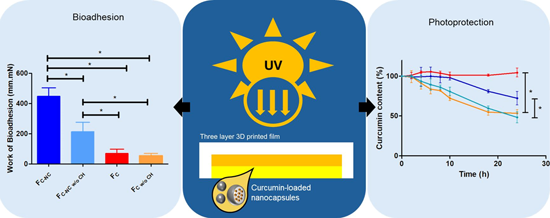
- printing inks (hydrogels). These values are suitable for topical products, whose recommended pH values are between 4 and 6 [42]. DSC (Supporting Information File 1, Figure S1) analysis demonstrates that crystalline curcumin has an endothermic peak at 175 °C [43]. This signal was not observed in the


Quality by design optimization of microemulsions for topical delivery of Passiflora setacea seed oil
Beilstein J. Nanotechnol. 2025, 16, 2116–2131, doi:10.3762/bjnano.16.146
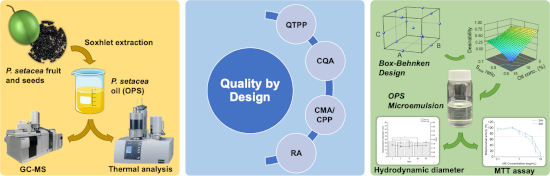
- incompatibility among the excipients, such as the lowering of degradation temperatures. The thermal events observed in the DTG and DSC curves correspond to the loss of free water (≈98 °C), solvation water (≈110 °C), and thermal degradation of the oil phase (≈417 °C), overlapping with the degradation profiles of
- hoc test was used to assess statistical significance. Differences were considered significant when p < 0.05. Thermogravimetric analysis, derivative thermogravimetry (DTG), and differential scanning calorimetry (DSC) of P. setacea seed oil. Legend: The black line indicates the TGA curve (% mass loss
- ); the blue line corresponds to the DTG; and the red line shows the DSC signal (mW/mg). Ishikawa (fishbone) diagram illustrating potential sources of variability affecting CQAs in the development of the microemulsion system. Key influencing categories include people, process, equipment, materials


Beyond the shell: exploring polymer–lipid interfaces in core–shell nanofibers to carry hyaluronic acid and β-caryophyllene
Beilstein J. Nanotechnol. 2025, 16, 2015–2033, doi:10.3762/bjnano.16.139
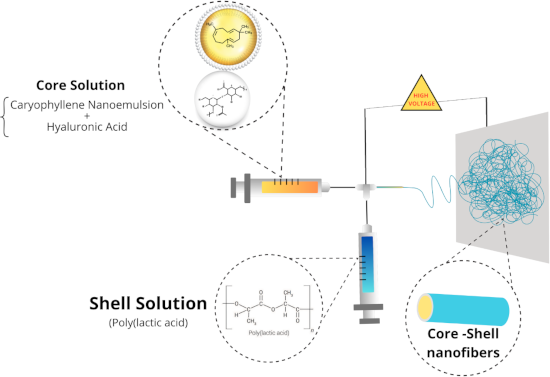
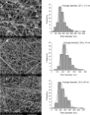
- nanofibers The thermal properties and crystallinity of NF-PLA (monolithic), NF-HA/PLA, and NF-HA+NE2/PLA nanofibers were analyzed using thermogravimetric analysis (TGA), X-ray diffraction (XRD), and differential scanning calorimetry (DSC). Thermal behavior and crystallinity of the nanofibers mats of βCp
- nanoemulsion-loaded PLA are displayed in Figure 8. The TGA and DTG curves provide insights into the thermal stability and decomposition behavior of the nanofibers [65]. At the same time, the DSC and XRD analyses complement the study by elucidating the crystallinity and thermal transitions of the samples
- presence of the core did not reduce the thermal stability of the nanofibers, suggesting that the hybrid HA+NE core may have enhanced this stability, likely due to an interaction between the core and the shell. Complementing the thermal analysis performed by TGA, DSC was used to obtain detailed information




Multifunctional anionic nanoemulsion with linseed oil and lecithin: a preliminary approach for dry eye disease
Beilstein J. Nanotechnol. 2025, 16, 1711–1733, doi:10.3762/bjnano.16.120
- bioactivity. No signs of oxidation or thermal degradation were observed at this temperature. TGA and DSC analyses confirm that degradation processes begin only above 340 °C, ensuring that the oil’s quality and functional properties are preserved during formulation. The optimal lecithin concentration was
- Thermogravimetric (TG) and differential scanning calorimetry (DSC) analyses of LO (20.5 mg) were performed using a Simultaneous Thermal Analyzer (STA) 449 F3 Jupiter (NETZSCH, Germany). The samples were scanned from 25 to 700 °C at a heating rate of 10 K·min−1 under a nitrogen (N2) atmosphere with a flow rate of 50
- temperature. This finding aligns with the results obtained through GC-FID analysis, confirming that heating to 75 °C did not affect the quality of the oil. To provide a comprehensive understanding of the thermal behavior of LO, the TG and DSC curves are presented in Figure 1b. The TGA curve for the LO



Crystalline and amorphous structure selectivity of ignoble high-entropy alloy nanoparticles during laser ablation in organic liquids is set by pulse duration
Beilstein J. Nanotechnol. 2025, 16, 1141–1159, doi:10.3762/bjnano.16.84
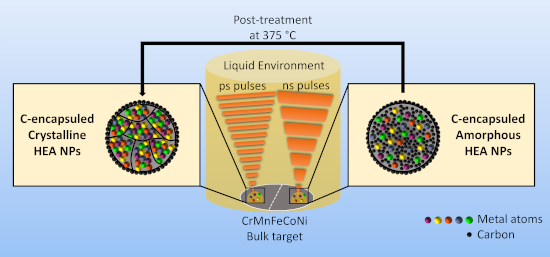
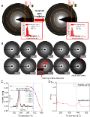
- indicates the formation of larger crystallites in SAED. As shown in the differential scanning calorimetry (DSC) measurement in Figure 4D, the crystallization of the amorphous particles is an exothermic process and begins at approximately 375 °C, which is exactly the same temperature where the rapid decrease




Multifunctional properties of bio-poly(butylene succinate) reinforced with multiwalled carbon nanotubes
Beilstein J. Nanotechnol. 2025, 16, 1014–1024, doi:10.3762/bjnano.16.76
- in the PBS/CNT_0.5 nanocomposite was verified, with TGA data indicating a content of approximately 0.6 wt %. Differential scanning calorimetry (DSC) analysis was conducted to assess the effect of CNTs on the thermal properties and crystallinity of PBS. The DSC thermograms (Figure 5 and Figure 6
- , all samples were dried at 70 °C for 8 h in an air dryer. Thermal studies were conducted using a differential scanning calorimeter (DSC), type DSC 1 STARe System (Mettler Toledo, Columbus, OH, USA), following a procedure similar to [29][30]. The thermal cycle included heating from 0 to 300 °C at a rate
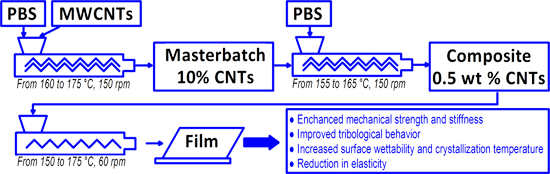
- ). TG (green) and DTG (blue) curves of the PBS/CNT_0.5 nanocomposite. DSC curves of neat PBS. DSC curves of the PBS/CNT_0.5 nanocomposite. PBS (white) and PBS/CNT_0.5 (black) flat films. A schematic diagram of the two-stage process for obtaining the nanocomposite and the film based on it. Summary of TGA



Aprepitant-loaded solid lipid nanoparticles: a novel approach to enhance oral bioavailability
Beilstein J. Nanotechnol. 2025, 16, 652–663, doi:10.3762/bjnano.16.50
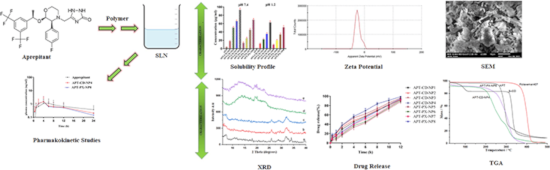
- microscopy (SEM), X-ray diffraction (XRD), differential scanning calorimetry (DSC) and thermogravimetric analysis (TGA), in vitro drug release in 0.1 M HCl (pH 1.2) and phosphate-buffered saline (PBS, pH 7.4), and pharmacokinetic studies. The optimal formulation (APT-CD-NP4) containing the highest
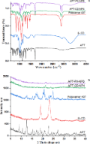
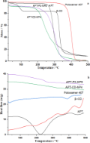
- the crystal state into an amorphous state after SLN preparation. FTIR results indicated compatibility between APT and the polymers. XRD, TGA, and DSC results indicated no physical interaction between drug and polymers. In vitro drug release studies showed that APT-CD-NP4 yielded the maximum drug
- solubility and enhanced dissolution using a minimum quantity of carriers. The developed SLNs were evaluated regarding drug content and using scanning electron microscopy (SEM), thermal gravimetric analysis (TGA) and differential scanning calorimetry (DSC), as well as polydispersity index (PDI), particle size



The effect of age on the attachment ability of stick insects (Phasmatodea)
Beilstein J. Nanotechnol. 2024, 15, 867–883, doi:10.3762/bjnano.15.72

- animals were documented postmortem using a stereo microscope (Nikon SMZ745T, Nikon Corporation, Tokyo, Japan). Pictures were taken using a Sony DSC-RX0 (Sony Group Corporation, Tokyo, Japan) equipped with a C-mount adapter using a RX0 Mod Kit (Back-Bone Gear Inc., Ontario, Canada). Frozen animals were


Fabrication of nanocrystal forms of ᴅ-cycloserine and their application for transdermal and enteric drug delivery systems
Beilstein J. Nanotechnol. 2024, 15, 465–474, doi:10.3762/bjnano.15.42
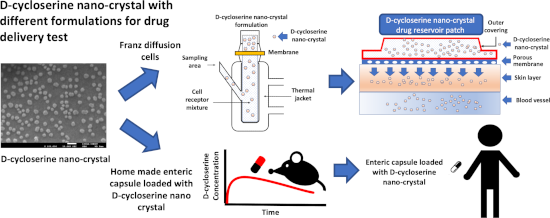
- storage conditions for the formulation of the DSC aqueous solution, and any potential incompatibilities between the DSC aqueous solution and other excipients. We found that without adding NaOH solution to the Formulation Test 2 and 3 in Table 1, the color of the DCS solution changed from colorless to dark


Two-dimensional molecular networks at the solid/liquid interface and the role of alkyl chains in their building blocks
Beilstein J. Nanotechnol. 2023, 14, 872–892, doi:10.3762/bjnano.14.72
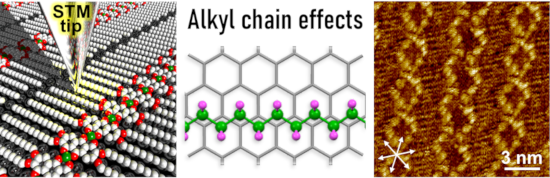
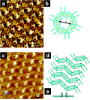
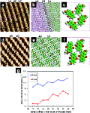
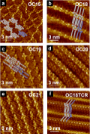
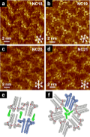
- (melting point temperature Tm) of 1-HA-OCn and 2-HA-OCn was revealed. The Tm values measured by differential scanning calorimetry (DSC) increased upon increase of the alkyl chain length exhibiting a zigzag fashion (Figure 11g) [129]. Such periodic changes in the 2D structure as well as Tm were also
- revealed for 2,6-bisalkoxy-substituted anthraquinone derivatives within the alkyl chain length range of C7–C18 [133]. STM, in conjunction with DSC studies, suggested that the balance between hydrogen bonding and dispersion interactions co-regulates Tm. Other substitution effects, such as different









Nanostructured lipid carriers containing benznidazole: physicochemical, biopharmaceutical and cellular in vitro studies
Beilstein J. Nanotechnol. 2023, 14, 804–818, doi:10.3762/bjnano.14.66
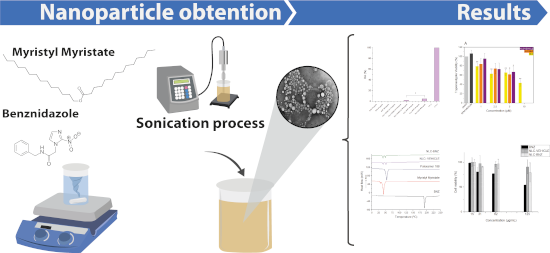
- (ζ) was measured by Doppler anemometry, and it was found to be around −13 mV. Differential scanning calorimetry (DSC) and thermogravimetric analysis (TGA) were performed to determine the thermal stability and melting/recrystallization processes of the components after drug encapsulation. Overlaid DSC
- scanning calorimetry analysis Thermal analysis of BNZ, myristyl myristate, poloxamer 188, and NLC-BNZ was performed by differential scanning calorimetry (DSC Q2000, TA Instruments, New Castle, DE, USA) under an inert atmosphere of dry nitrogen (50 mL·min−1). A standard aluminum pan containing approximately
- tests. Statistical significance was set at p < 0.05. TEM image of NLC-BNZ. DSC thermograms of BNZ, myristyl myristate, poloxamer 188, NLC VEHICLE, and NLC-BNZ. Thermogravimetric (A) and derivative thermogravimetric (B) curves of BNZ, myristyl myristate, poloxamer 188, NLC-VEHICLE, and NLC-BNZ. ATR-FTIR


Silver nanoparticles loaded on lactose/alginate: in situ synthesis, catalytic degradation, and pH-dependent antibacterial activity
Beilstein J. Nanotechnol. 2023, 14, 781–792, doi:10.3762/bjnano.14.64
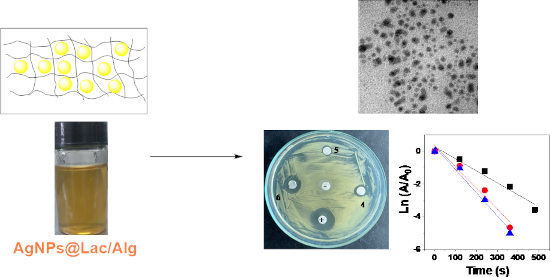
- , respectively, while those of AgNPs@Lac/Alg-0.7 were 4.09 ± 0.2 Å and 68.4 ± 0.8 Å3, respectively [43]. Thus, the XRD data provide evidence for the presence of AgNPs in the nanocomposites. To evaluate the thermal properties of the AgNPs@Lac/Alg nanocomposites, TGA and DSC measurements were performed on both the
- nanocomposite. DSC analysis revealed weakly exothermic peaks in the range of 150–300 °C, corresponding to the oxidation of organic components in the nanocomposites. The temperature peak for the blank sample was found at 248 °C, while for the nanocomposites AgNPs@Lac/Alg-0.3 and AgNPs@Lac/Alg-0.7, the peaks
- morphology of the nanocomposites was investigated using transmission electron microscopy (TEM) with a JEOL JEM-1400 instrument. Thermal analysis, including thermogravimetry analysis (TGA) and differential scanning calorimetry (DSC), was conducted using a LabSys Evo 1600 thermal analyzer (SETARAM, France


Effects of drug concentration and PLGA addition on the properties of electrospun ampicillin trihydrate-loaded PLA nanofibers
Beilstein J. Nanotechnol. 2022, 13, 245–254, doi:10.3762/bjnano.13.19
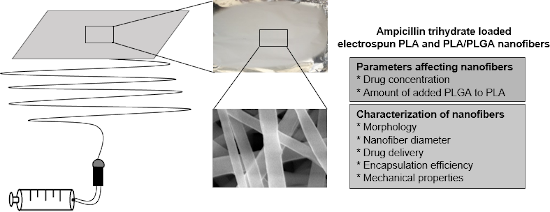
- 125.58 °C specific to pure ampicillin trihydrate on the DSC thermograms of PLA, PLGA, PLA nanofibers, and PLA/PLGA nanofibers proves that ampicillin trihydrate was loaded in the nanofibers in an amorphous form. Mechanical properties of nanofibers The mechanical properties of nanofibers depend on their
- . Characterization of nanofibers Differential scanning calorimetry analysis Differential scanning calorimetry analysis thermograms of drug, polymer, and nanofibers were obtained using a differential scanning calorimeter (Shimadzu DSC-60, Kyoto, Japan). The samples were heated from 25 to 200 °C at a rate of 10 °C/min
- )]. Differential scanning calorimetry analysis (DSC) thermograms of ampicillin trihydrate, PLA, PLGA, PLA nanofibers, and PLA/PLGA nanofibers. PLA nanofibers prepared in the study. PLA/PLGA nanofibers prepared in the study. Mechanical properties of PLA nanofibers. Mechanical properties of PLA/PLGA nanofibers.


Electrical, electrochemical and structural studies of a chlorine-derived ionic liquid-based polymer gel electrolyte
Beilstein J. Nanotechnol. 2021, 12, 1252–1261, doi:10.3762/bjnano.12.92
- STIC, and Cochin University, Kerala, for DSC measurements.



Silver nanoparticles nucleated in NaOH-treated halloysite: a potential antimicrobial material
Beilstein J. Nanotechnol. 2021, 12, 798–807, doi:10.3762/bjnano.12.63
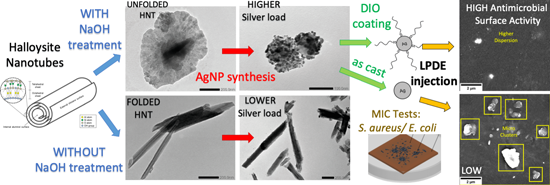
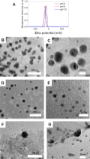
- . Transmission electron microscopy (TEM) was performed in a Jeol JEM-1400 plus (480 keV), energy-dispersive X-ray spectroscopy (EDS) and scanning electron microscopy (SEM) in a Zeiss EVO MA15, and thermogravimetric analysis (TGA) and differential scanning calorimetry (DSC) in a simultaneous thermal analyzer
- and DSC analysis, from room temperature up to 600 °C, at constant heating of 20 °C/min. In order to observe the phases identified in the DSC/TGA measurements, four 10 g samples of HNT-8 were loaded with AgNO3 using the process described in section “Silver nanoparticle synthesis” and heated up to 65
- , 105, 230, and 505 °C. After that, TEM images were obtained to correlate morphological changes occurring during the synthesis with the thermodynamic data from DSC/TGA analysis. Finally, another 10 g of HNT-8 was loaded with AgNO3 and heated up to 700 °C, with visual inspections being performed at 40




Differences in surface chemistry of iron oxide nanoparticles result in different routes of internalization
Beilstein J. Nanotechnol. 2021, 12, 270–281, doi:10.3762/bjnano.12.22
- . Plasmid CLLCb-pEGFP was kindly provided by Prof. Ernst J. Ungewickell (Department of Cell Biology, Centre of Anatomy, Hannover Medical School, Germany) and vector pcDNA 3.1 (+) was kindly provided by Katarina Luciakova, DSc. (Cancer Research Institute, Biomedical Research Center SAS, Bratislava, Slovakia



Plant growth regulation by seed coating with films of alginate and auxin-intercalated layered double hydroxides
Beilstein J. Nanotechnol. 2020, 11, 1082–1091, doi:10.3762/bjnano.11.93
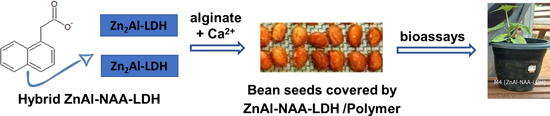
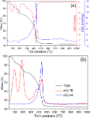
- agreement with a Zn/Al molar ratio of 2. Figure 2 shows the thermogravimetric analysis-differential scanning calorimetry (TG-DSC) and thermogravimetric analysis mass spectrometry (TG-MS) curves of ZnAl-NAA-LDH, which evidence three main steps of mass loss. The first step occurs from room temperature to 155
- analyses (TG-DSC-MS) were performed on a Netzsch thermoanalyzer model TGA/DSC 409 PC – Luxx coupled to an Aëolos 403 C mass spectrometer, using alumina crucibles and a heating rate of 10 °C/min under synthetic air flow of 50 cm3/min from ambient temperature up to 1000 °C. Surface area analysis was
- Tukey test with 5.0% significance. XRD patterns of (a) NAA and (b) ZnAl-NAA-LDH. (a) TG-DSC curves and (b) TG-MS curves of ZnAl-NAA-LDH. Nitrogen adsorption and desorption isotherms for ZnAl-NAA-LDH. Representative SEM images of (a) NAA (3000× magnification), (b) NAA (10000× magnification), (c) ZnAl-NAA



Poly(1-vinylimidazole) polyplexes as novel therapeutic gene carriers for lung cancer therapy
Beilstein J. Nanotechnol. 2020, 11, 354–369, doi:10.3762/bjnano.11.26
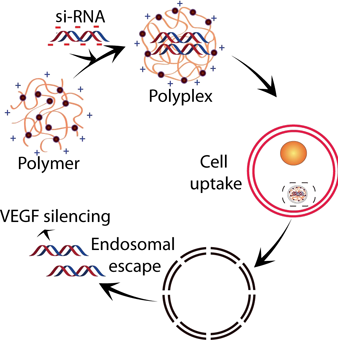
- nanoparticles and of the PVI–siRNA polyplex were recorded using differential scanning calorimetry (DSC, Polyma 214, Netzsch, Germany) in the temperature range of 0–300 °C in a nitrogen atmosphere at a scan rate of 5 °C·min−1. The samples were placed in an aluminium pan with lid, which also served as the
- investigated by using FTIR and DSC (Figure 2). The FTIR of PVI shows vibration bands at 2950 cm−1 (imidazole C–H stretching vibrations) and at 1645, 1506 and 1411 cm−1 (imidazole C–N stretching vibrations). The N–H in-plane bending vibrations are observed at 1235 cm−1. The polyplex also shows stretching


Size effects of graphene nanoplatelets on the properties of high-density polyethylene nanocomposites: morphological, thermal, electrical, and mechanical characterization
Beilstein J. Nanotechnol. 2020, 11, 167–179, doi:10.3762/bjnano.11.14
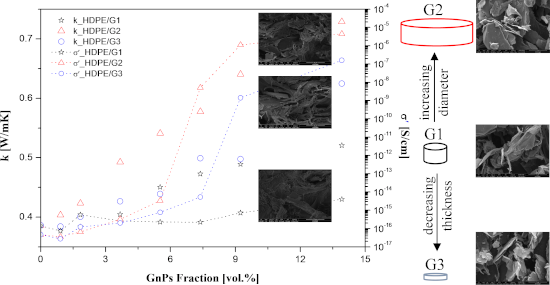
- each sample. Thermogravimetric analysis (TGA) of the samples was performed using a Q500 system from TA Company. TGA was carried out at a heating rate of 10 °C/min from room temperature to 700 °C under a nitrogen atmosphere. Differential scanning calorimetry (DSC) analysis was performed using a
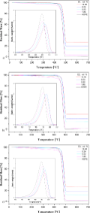
- chemical composition of GnPs, as determined by XPS. DSC results for the HDPE/GnP nanocomposites. Results of the TGA analysis of the HDPE/GnP nanocomposites. Sizes of GnPs used in this study. Supporting Information Supporting Information File 90: FTIR spectroscopy and XRD patterns of HDPE/GnP


BergaCare SmartLipids: commercial lipophilic active concentrates for improved performance of dermal products
Beilstein J. Nanotechnol. 2019, 10, 2152–2162, doi:10.3762/bjnano.10.208
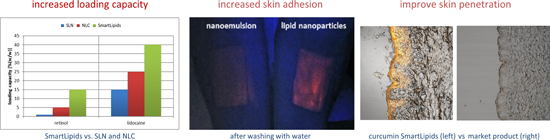
- loaded active agents, which can be measured by combining differential scanning calorimetry (DSC) with X-ray diffraction. Ruick showed a fast transition from the α modification to the β modification when SLNs were produced with tristearin (Figure 3), while a SmartLipids mixture with eight solid lipids
- is very easy by measuring the melting enthalpy using differential scanning calorimetry (DSC). The melting enthalpy of a SmartLipids suspension can be determined before addition to the product, after addition to a gel or a cream and after storage. In case the particles dissolve, e.g., in an oil of a


Nanoporous smartPearls for dermal application – Identification of optimal silica types and a scalable production process as prerequisites for marketed products
Beilstein J. Nanotechnol. 2019, 10, 1666–1678, doi:10.3762/bjnano.10.162
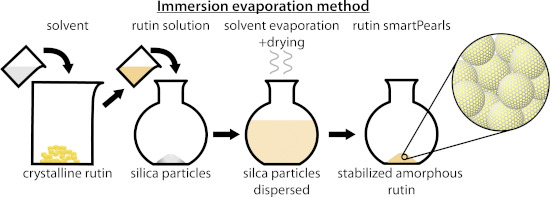
- fractions unless otherwise stated. Each loading for each type of silica was performed once. Differential scanning calorimetry (DSC) The physical state of the silica particles, the rutin raw active agent powder and the rutin smartPearls was investigated by differential scanning calorimetry (DSC, Mettler
- , larger pores and larger pore volume are easier to process on a large scale. Determination of amorphous-phase content The degree of amorphous phase of the loading was determined by performing DSC and XRD. An amount of 5% rutin in the physical mixture with amorphous unloaded silica was detectable by DSC
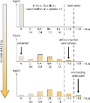
- . The analysis of the physical mixture of silica with crystalline rutin powder showed that an amount of only 3% crystalline rutin was clearly detectable by XRD, while 1.5% was hardly detectable (XRD not shown). Figure 3 shows the DSC thermograms for the maximum-loaded silica, SP53D, which was loaded




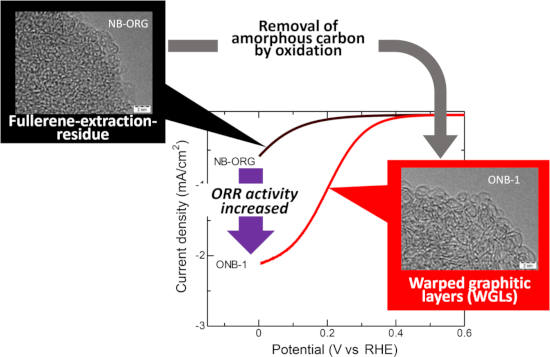
Warped graphitic layers generated by oxidation of fullerene extraction residue and its oxygen reduction catalytic activity
Beilstein J. Nanotechnol. 2019, 10, 1391–1400, doi:10.3762/bjnano.10.137
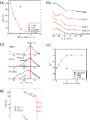
- ) Heat of O2-adsorption measured with a dynamic adsorption method using differential scanning calorimetry (DSC). (a) Cyclic voltammograms of the samples for the redox reaction ferricyanide/ferrocyanide (potential sweep rate = 5 mV/s). (b) Dependence of ΔEP on treatment time. (a) Oxygen reduction reaction



Outstanding chain-extension effect and high UV resistance of polybutylene succinate containing amino-acid-modified layered double hydroxides
Beilstein J. Nanotechnol. 2019, 10, 684–695, doi:10.3762/bjnano.10.68
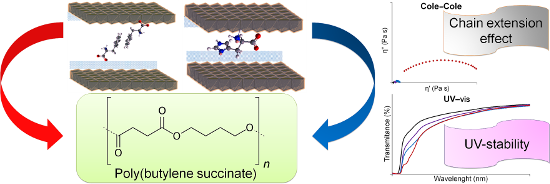
- , DSC, DMTA and melt rheology). Impressively a pronounced chain-extension effect for PBS was observed with both organo-modified LDHs, especially in the case of PBS–LDH/PHE, for which the apparent molecular weight was almost 400 times higher than the pristine PBS. Finally, PBS composites were subjected
- (DSC) using a Perkin-Elmer DSC6 apparatus. The analyses were carried out under nitrogen, and firstly, the samples (≈10 mg) were heated from 40–150 °C at 20 °C min−1, then kept at high temperature for 2 min, and then cooled down to −60 °C at 10 °C min−1. After that, the thermal history of the samples
- (PBS) to 83 and 82 °C for PBS–LDH/HIS and PBS–LDH/PHE, respectively. Small differences are also observed in Tg, but without a regular trend. However, Tg will be discussed further in the next paragraph, because DMTA is a more sensitive method to detect this. TGA and DSC traces for all nanocomposites are


Graphene–graphite hybrid epoxy composites with controllable workability for thermal management
Beilstein J. Nanotechnol. 2019, 10, 95–104, doi:10.3762/bjnano.10.9
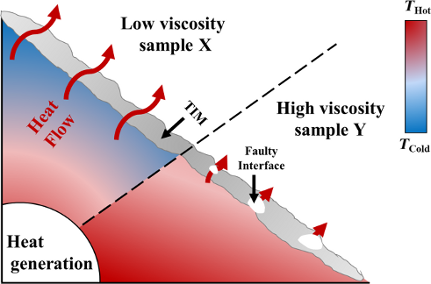
- subsequently cured for 20 h at 80 °C. Thermal conductivity (TC) The TC of the matrix (TCmatrix) and of the composites (TCcomposite) was measured by differential scanning calorimetry (DSC, Mettler Toledo Star system operated under a N2 flow of 80 mL/min and equipped with 70 μL alumina crucibles) [24][25]. The



Electrolyte tuning in dye-sensitized solar cells with N-heterocyclic carbene (NHC) iron(II) sensitizers
Beilstein J. Nanotechnol. 2018, 9, 3069–3078, doi:10.3762/bjnano.9.285
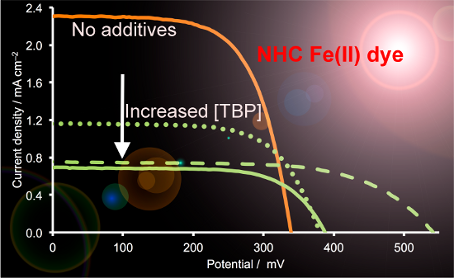
- M), DSC performance depended on the ionic liquid with 1-ethyl-3-methylimidazolium hexafluoridophosphate (EMIMPF) > 1,2-dimethyl-3-propylimidazolium iodide (DMPII) > 1-butyl-3-methylimidazolium iodide (BMII) ≈ 1-butyl-3-methylimidazolium hexafluoridophosphate (BMIMPF). Omitting the MBI leads to a
- achieved giving η in the range of 0.47 to 0.57% which represents 7.8 to 9.3% relative to an N719 reference DSC set at 100%. Electrochemical impedance spectroscopy has been used to understand the role of the MBI additive in the electrolytes. Keywords: dye-sensitized solar cell; electrolyte; nanoparticles
- iron versus copper, the holy grail of sustainable DSCs is the use of iron-based sensitizers. Ferrere and Gregg [25] were the first to report of the use of a simple iron(II) sensitizer in a functional DSC; in the presence of the co-adsorbant chenodeoxycholic acid (cheno, Scheme 2), a DSC containing cis