


Search results
Search for "anticancer" in Full Text gives 95 result(s) in Beilstein Journal of Nanotechnology.
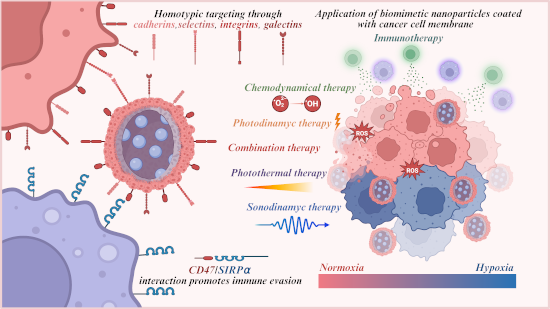
Biomimetic nanoparticles in cancer photodynamic therapy: a review of targeted delivery systems and therapeutic outcomes
Beilstein J. Nanotechnol. 2026, 17, 396–422, doi:10.3762/bjnano.17.27


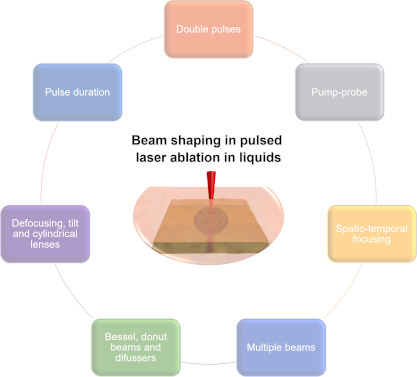
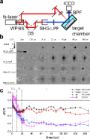
Beam shaping techniques for pulsed laser ablation in liquids: Unlocking tunable control of nanoparticle synthesis in liquids
Beilstein J. Nanotechnol. 2026, 17, 309–342, doi:10.3762/bjnano.17.22
- neutron capture therapy [62][63], viral [64][65] and microbial growth inhibition [42][66], antibacterial agents [67][68], anticancer treatments [67][69], magnetic resonance imaging contrast agent [70], photothermal therapy [71][72], cell imaging [73], proton therapy enhancement [74][75], fluorescence [76







From shield to spear: Charge-reversible nanocarriers in overcoming cancer therapy barriers
Beilstein J. Nanotechnol. 2026, 17, 159–175, doi:10.3762/bjnano.17.10
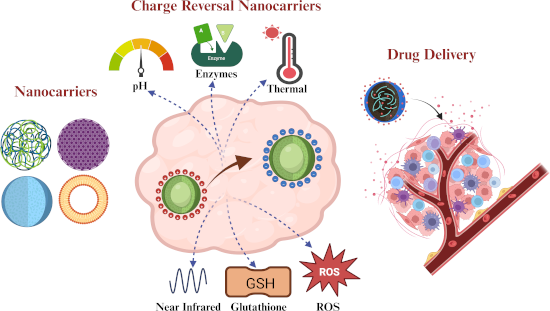
- enhancing the therapeutic efficacy and safety profiles of nanocarriers in clinical applications [15]. The functional mechanism of CRNs (Figure 2) is designed to enhance the selectivity and efficacy of anticancer drug delivery systems, along with their behaviour in response to the acidic environment of
- multiple drugs in response to the biochemical cues of the tumour microenvironment, enhancing anticancer activity with reduced off-target effects [53]. 2.4 Light-responsive nanocarriers Light-sensitive nanocarriers represent an innovative approach to regulated drug delivery, utilizing photosensitive
- in cancer therapy [76]. 3.2 Controlled drug release Biodegradable nanoparticles and micelles offer significant potential as nanosystems for delivering powerful anticancer drugs directly to target sites. Using specific polymers as nanocarriers allows for targeted drug delivery and controlled release


Rapid synthesis of highly monodisperse AgSbS2 nanocrystals: unveiling multifaceted activities in cancer therapy, antibacterial strategies, and antioxidant defense
Beilstein J. Nanotechnol. 2025, 16, 2105–2115, doi:10.3762/bjnano.16.145
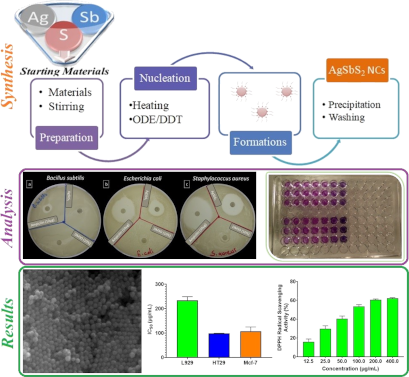
- , particularly on cancer cell lines (MCF-7 and HT-29), in a dose-dependent manner over a 24 h period. These findings highlight the potential of the NCs as anticancer agents. Furthermore, the synthesized NCs demonstrated potent antibacterial properties against the tested microorganisms and notable antioxidant
- biological activity (e.g., antioxidant, antimicrobial, and anticancer) of nanomaterials has emerged as a crucial area of investigation in the field of nanoscience and nanotechnology. In many studies, chemically or biologically synthesized nanoparticles have a wide range of pharmacological activity ranging
- pathogenic microorganisms. Moreover, the strong anticancer effects of these NCs against HT-29 and MCF-7 cancer cell lines suggest promising alternative strategies for the therapeutic treatment of colon and breast cancers, while their remarkable antioxidant properties indicate that they may exhibit versatile


Toward clinical translation of carbon nanomaterials in anticancer drug delivery: the need for standardisation
Beilstein J. Nanotechnol. 2025, 16, 2092–2104, doi:10.3762/bjnano.16.144

- –2010, the cancer mortality rate decreased by only 17%. The decrease is even lower (5%) in countries with medium-to-high HDI. The inadequacy of prevention strategies and the persistent prevalence of cancer emphasise the importance of developing appropriate and effective anticancer therapies so that the
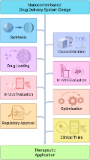
- treated. Perspective The development of a novel CNM-based drug delivery system for targeted anticancer therapeutic delivery is a complex and multistep process that involves several key milestones (Figure 3), each of which requires distinct expertise in materials science, chemistry, biology, and regulatory
- , laser ablation, or electrochemical techniques, among others. These CNMs must then be thoroughly characterised to confirm their structural and physicochemical properties, including size, shape, charge, surface functionality, stability, and potential toxicity. Following characterisation, anticancer



On the road to sustainability – application of metallic nanoparticles obtained by green synthesis in dentistry: a scoping review
Beilstein J. Nanotechnol. 2025, 16, 1851–1862, doi:10.3762/bjnano.16.128
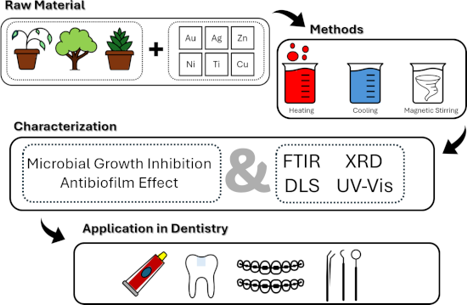
- properties that enhance their versatility across multiple applications [23][24][25]. Biosynthesized AgNPs have been assessed regarding their antimicrobial, antioxidant, and anticancer effects, as well as for their therapeutic potential in treating dermatitis and other conditions [26]. Studies have
- nanoparticles [39][40]. The Asteraceae family includes species rich in flavonoids like quercetin and luteolin, and sesquiterpene lactones, which have been associated with both nanoparticle synthesis and broad-spectrum biological effects, such as antibiofilm and anticancer activities [36][41]. Plants from the


Exploring the potential of polymers: advancements in oral nanocarrier technology
Beilstein J. Nanotechnol. 2025, 16, 1751–1793, doi:10.3762/bjnano.16.122
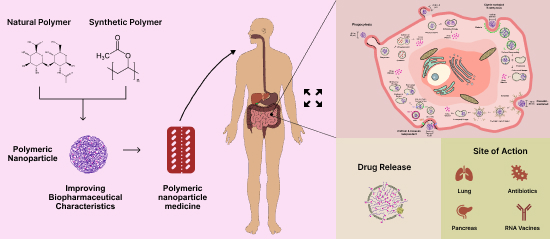
- anticancer activities mediated through diverse molecular mechanisms. Mahidhara et al. [145] incorporated LF into chitosan NPs coated with alginate, which solubilized the protein in an aqueous environment. Controlled release was achieved, with the nanoparticle undergoing endocytosis and transcytosis during LF
- mouse plasma. Oral administration in mice demonstrated that the NPs crossed the mucosal barrier without damaging the molecule, exhibiting high anticancer activity against colon tumors. This effect was attributed to the improved bioavailability provided by the nanoformulation, which induced rapid tumor


Advances of aptamers in esophageal cancer diagnosis, treatment and drug delivery
Beilstein J. Nanotechnol. 2025, 16, 1734–1750, doi:10.3762/bjnano.16.121
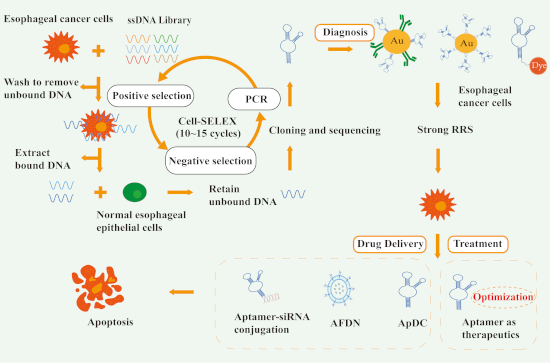
- drugs from clearance, improve their accumulation at tumor sites, and potentially lead to more positive clinical feedback. Paclitaxel (PTX) was approved by the FDA in 1992 for the treatment of a variety of solid tumors. Poor water solubility is a major obstacle limiting its anticancer activity. PTX


Prospects of nanotechnology and natural products for cancer and immunotherapy
Beilstein J. Nanotechnol. 2025, 16, 1644–1667, doi:10.3762/bjnano.16.116
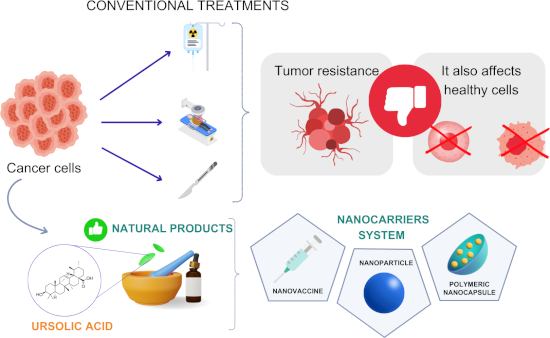
- , enhancing stability, and reducing adverse effects. Concurrently, natural products are being extensively researched for their anticancer and immunomodulatory properties. This patent review aims to analyze publications that integrate nanotechnology with natural products to develop cancer treatments and
- bioactive compounds primarily extracted from plants. Among the most frequently identified natural products were ursolic acid, hyaluronic acid, and catechins. These bioactive compounds have been shown to promote cell cycle arrest, reduce tumor size, and exhibit synergistic effects with other anticancer
- ]. Given this scenario, bioactive compounds from natural products, such as alkaloids, flavonoids, and terpenoids, have garnered interest due to their anticancer and immunomodulatory properties [13][14]. Derivatives from plants, fungi, and microorganisms offer diverse mechanisms of action, including immune


Enhancing the therapeutical potential of metalloantibiotics using nano-based delivery systems
Beilstein J. Nanotechnol. 2025, 16, 1350–1366, doi:10.3762/bjnano.16.98
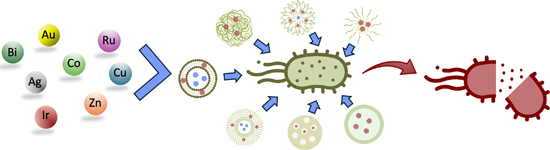
- control drug release, the nanoencapsulation of clotrimazole silver complex enhances and prolongs the antibacterial activity. Gold complexes Gold compounds have garnered significant attention in recent years for their diverse clinical applications. Widely recognized for their anti-rheumatic and anticancer
- drugs. Copper complexes Copper complexes have garnered attention due to their diverse applications, owing to their antioxidant, antiviral, antibacterial and anticancer properties [114]. Many studies attribute the antibacterial activity of copper to its capacity to release ions that can disrupt bacterial
- ruthenium complex 19 composed of the antibacterial drug trimethoprim and a well-known anticancer Ru fragment (Figure 5) [128]. While encapsulation did not affect the antibacterial activity of the Ru complex against P. aeruginosa and S. aureus, the systemic toxicity of the complex was significantly reduced


Ferroptosis induction by engineered liposomes for enhanced tumor therapy
Beilstein J. Nanotechnol. 2025, 16, 1325–1349, doi:10.3762/bjnano.16.97
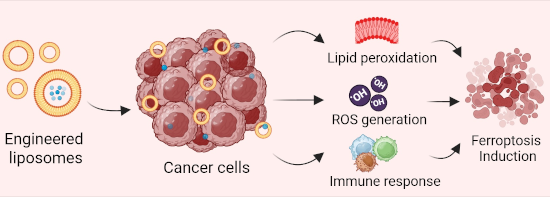
- systems include precise targeting, controlled release over time, prolonged half-life, and reduced systemic toxicity [19]. Liposomes, as lipid-based nanoparticles, hold promise for improving cancer therapies as they can encapsulate various anticancer molecules [20]. A liposome typically consists of a
- simultaneous presence of Fe3+ and Fe2+ ions [28]. Induction of ferroptosis could be a valuable strategy to overcome tumor resistance to apoptosis or anticancer drugs and increase the effectiveness of cancer cell killing. It also contributes to the T cells’ immune response against cancer [25]. Ferroptosis and
- have been used for various therapeutic agents, including antibiotics, analgesics, and anticancer drugs [114]. Microfluidics enables the production of liposomes with precise control over size, composition, and EE. Microfluidics-based methods can produce liposomes with uniform size, which is critical for


Better together: biomimetic nanomedicines for high performance tumor therapy
Beilstein J. Nanotechnol. 2025, 16, 1246–1276, doi:10.3762/bjnano.16.92
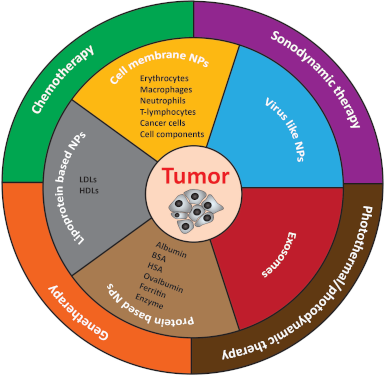
- cells, which could exploit homotypic targeting mechanism and exosomes, are being employed to deliver anticancer/immune modulating drugs or vaccine delivery [2][24]. The cell or biomimetic NPs can alter biological functions via various pathways and can be effectively used in targeting and manipulating
- with chemotherapeutic agents, rHDL shows outstanding active targeting and anticancer activities [57]. Moreover, rHDL showed potential to co-load hydrophobic paclitaxel and hydrophilic doxorubicin in apo A-I targeted rHDL nanoparticles. These nanoparticles showed superior antitumor activity in vitro and
- chemotherapeutic effects and synergistically kill the tumor cells [137]. The immunosuppressive TME considerably attenuated the chemotherapeutic effect of various anticancer drugs. Therefore, reprogramming of TME and targeting tumor-associated macrophages (TAMs) could be a promising strategy to enhance






Electronic and optical properties of chloropicrin adsorbed ZnS nanotubes: first principle analysis
Beilstein J. Nanotechnol. 2025, 16, 1184–1196, doi:10.3762/bjnano.16.87
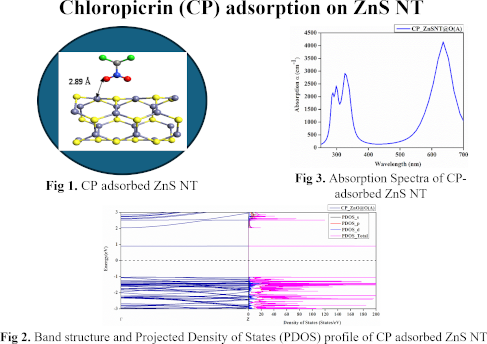
- , which can be tailored through rational design. By precisely controlling their size, shape, synthesis conditions, and functionalization, nanomaterials can achieve extraordinary magnetic, electrical, optical, mechanical, sensing, anticancer, and photocatalytic properties that significantly differ from


Synthetic-polymer-assisted antisense oligonucleotide delivery: targeted approaches for precision disease treatment
Beilstein J. Nanotechnol. 2025, 16, 435–463, doi:10.3762/bjnano.16.34


Probing the potential of rare earth elements in the development of new anticancer drugs: single molecule studies
Beilstein J. Nanotechnol. 2025, 16, 187–194, doi:10.3762/bjnano.16.15
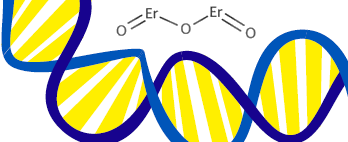
- , Minas Gerais, Brazil Departamento de Ciências Naturais, Universidade Federal do Acre, Rio Branco, Acre, Brazil 10.3762/bjnano.16.15 Abstract We use optical tweezers and atomic force microscopy to investigate the potential of rare earth elements to be used as anticancer agents in the development of new
- side effects related to these therapies. Actually, both aspects depend on the development of new drugs and/or drug carriers that can improve the selectivity of these anticancer agents to reach their specific targets inside tumor cells [3][4][5]. Although commonly used in a number of technological
- (ytterbium, neodymium, and erbium) to interact with double-stranded DNA (dsDNA) in buffers of physiological relevance. This is an important issue since dsDNA is one of the main targets of anticancer drugs inside cells; hence, a compound that interacts significantly with the biopolymer presents an interesting


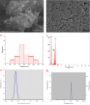
Characterization of ZnO nanoparticles synthesized using probiotic Lactiplantibacillus plantarum GP258
Beilstein J. Nanotechnol. 2025, 16, 78–89, doi:10.3762/bjnano.16.8
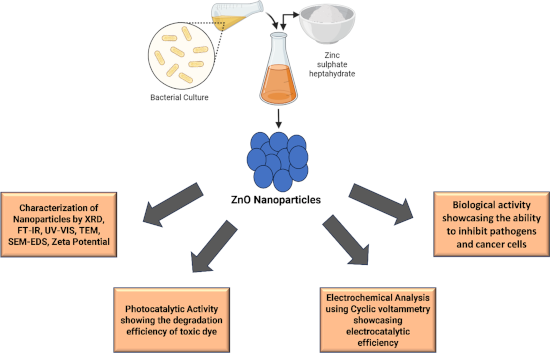
- applications. Keywords: anticancer; green synthesis; lactic acid bacteria; nanoparticles; zinc oxide; Introduction Nanotechnology has revolutionized various fields through its remarkable development and the unique properties exhibited by nanoparticles (NPs) at the mesoscopic level. Dimension, form, surface
- semiconductors. Also, ZnO NPs exhibit antimicrobial activity, targeted drug delivery, catalytic activity, and antidiabetic, larvicidal, acaricidal and anticancer activity in addition to their usage in different medical devices and pharmaceuticals [11][12][13]. We report the ecologically safe production of ZnO
- characterization using UV–vis spectroscopy, Fourier-transform infrared spectroscopy, X-ray diffraction measurements, energy-dispersive X-ray spectroscopy, scanning and transmission electron microscopy, photocatalytic studies, electrochemical analysis, and determination of antibacterial and anticancer activity. The



Biomimetic nanocarriers: integrating natural functions for advanced therapeutic applications
Beilstein J. Nanotechnol. 2024, 15, 1619–1626, doi:10.3762/bjnano.15.127

- reactions have also been reported [59][61]. Nanocarriers have evolved into intricate chemical structures that include specific functionalities, allowing them to preferentially target sites of interest with their payload while minimizing immune clearance (Figure 2C) [62]. In studies on the anticancer


Polymer lipid hybrid nanoparticles for phytochemical delivery: challenges, progress, and future prospects
Beilstein J. Nanotechnol. 2024, 15, 1473–1497, doi:10.3762/bjnano.15.118
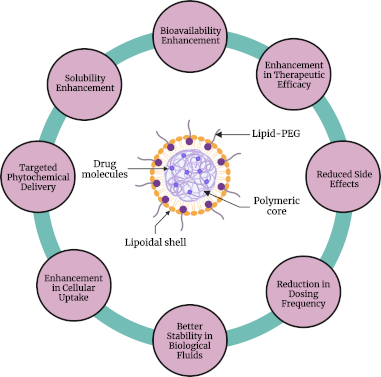
- wide range of therapeutic properties, including antioxidant, anti-inflammatory, anticancer, and antimicrobial activities. However, their clinical application is often hindered by poor water solubility, low bioavailability, rapid metabolism, and instability under physiological conditions. Polymer lipid
- , each with distinct chemical structures and biological activities [4][5]. Phytochemicals have captured the interest of the scientific community and the pharmaceutical industry alike because of their extensive therapeutic potential. They function as antioxidants, anti-inflammatory agents, anticancer
- in Ayurvedic and Chinese medicine because of its numerous health benefits. CUR is known for a wide range of therapeutic effects, which include anti-inflammatory, antioxidant, antimicrobial, anticancer, cardioprotective, neuroprotective, anti-diabetic, and anti-arthritic properties [77][78]. Despite


Dual-functionalized architecture enables stable and tumor cell-specific SiO2NPs in complex biological fluids
Beilstein J. Nanotechnol. 2024, 15, 1238–1252, doi:10.3762/bjnano.15.100
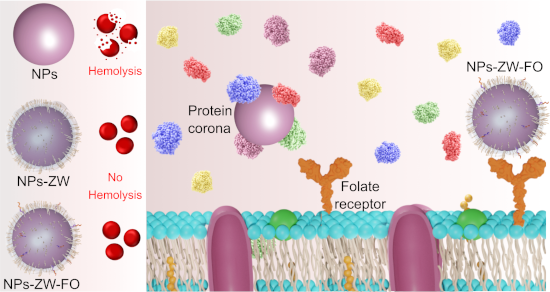
- anticancer nanomedicines are administered intravenously. This route is fast and precise as the drug enters directly into the systemic circulation, without undergoing absorption processes. When nanoparticles come into direct contact with the blood, however, they interact with physiological components that can


Synthesis, characterization and anticancer effect of doxorubicin-loaded dual stimuli-responsive smart nanopolymers
Beilstein J. Nanotechnol. 2024, 15, 1189–1196, doi:10.3762/bjnano.15.96
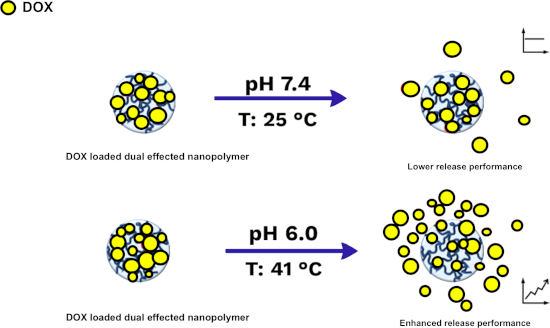
- drug doxorubicin (DOX) has been used in the present study. It is a known antitumor antibiotic of the anthracycline series, which has been approved as anticancer drug in 1974. It has antimitotic and antiproliferative effects. The mechanism of action is interaction with DNA, the formation of free
- loading levels [23]. Such smart polymer nanoparticles have been suggested in the literature, and their effectiveness has been proven by our group, especially for the loading and enhanced release of naringenin [20][24], another anticancer drug, and ʟ-asparaginase, a therapeutic enzyme [22]. Studies
- against the cancer cell line Hela at different DOX concentrations and incubation times showed a prolonged DOX release and a good anticancer effect. The effect was similar to that observed in a commercial liposomal formulation of doxorubicin (Doxil) as well as to that of other polymeric formulations of DOX


AI-assisted models to predict chemotherapy drugs modified with C60 fullerene derivatives
Beilstein J. Nanotechnol. 2024, 15, 1170–1188, doi:10.3762/bjnano.15.95
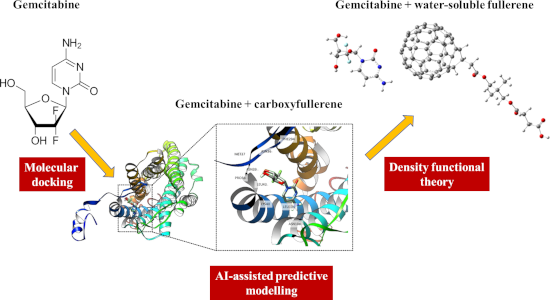
- well. Baglayan and coworkers carried out a conformation analysis within DFT to obtain the ground state structure for C60–COOH [34]. In addition, they discussed its usage as a potential drug carrier for the antimetabolic and anticancer drug 5-fluoruracil [34]. Similarly, Parlak and Alver reported a
- theoretical study on the interactions and stability of paracetamol complexes with C60–COOH [35]. Consequently, this work proposes the interaction of C60–COOH fullerene with anticancer drugs. As a complement, a water-soluble fullerene predicted as stable at the normal human body temperature was proposed to
- addition, their interactions with a water-soluble fullerene derivative were studied as well. Both anticancer agents are presented in Figure 5 interacting with a water-soluble fullerene [36][37]. Doxorubicin, an antibiotic that belongs to the family of tetracycline pharmaceutical agents, has gained


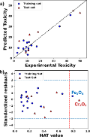
Introducing third-generation periodic table descriptors for nano-qRASTR modeling of zebrafish toxicity of metal oxide nanoparticles
Beilstein J. Nanotechnol. 2024, 15, 1142–1152, doi:10.3762/bjnano.15.93
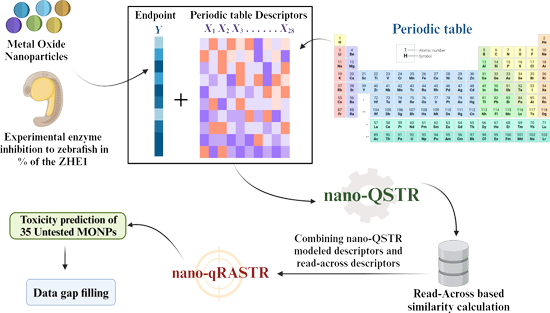
- strong antibacterial, antifungal, antidiabetic, antioxidant, anticancer, and photocatalytic activities [7][8][9]. Besides the medical field, they are also commonly used in commercial products such as fuel cells and plastics, and environmental applications such as analysis, sensing, remediation, and


Therapeutic effect of F127-folate@PLGA/CHL/IR780 nanoparticles on folate receptor-expressing cancer cells
Beilstein J. Nanotechnol. 2024, 15, 954–964, doi:10.3762/bjnano.15.78
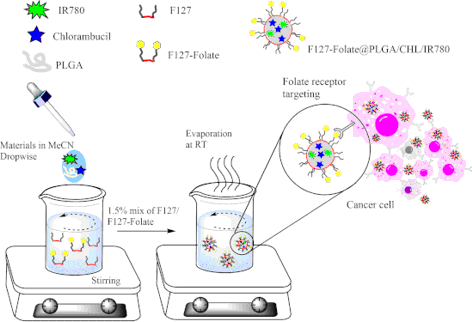
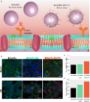
- . The outer PEO corona prevents aggregation, protein adsorption, and recognition by the reticuloendothelial system, while the hydrophobic PPO core may be modified to contain hydrophobic anticancer drugs, fluorophores, or even anchor to the hydrophobic layer of the nanoparticles [8][9]. The F127



Electrospun nanofibers: building blocks for the repair of bone tissue
Beilstein J. Nanotechnol. 2024, 15, 941–953, doi:10.3762/bjnano.15.77
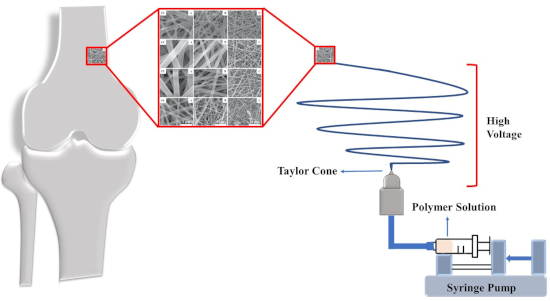
- , antibiotics, anticancer agents, proteins, DNA, RNA, and growth factors for tissue regeneration [6][7][8]. In addition, nanofibers as drug delivery systems provide rapid or delayed and controlled release of pharmaceuticals. Apart from being implantable drug delivery systems, nanofiber scaffolds can contribute


Vinorelbine-loaded multifunctional magnetic nanoparticles as anticancer drug delivery systems: synthesis, characterization, and in vitro release study
Beilstein J. Nanotechnol. 2024, 15, 256–269, doi:10.3762/bjnano.15.24
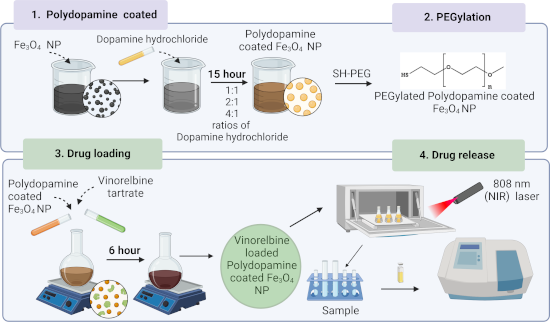
- anticancer drugs while mitigating the adverse effects of large dosage administration [6][7]. Additionally, it offers several advantages, such as controlled release, targeted drug delivery, and improved stability [8]. Moreover, nanoscale drug delivery systems hold great promise for specific cancer treatments
- multifunctional PEGylated magnetic nanoparticles coated with polydopamine (PDA) exhibit strong near-infrared absorption because of the PDA layer and have the ability to deliver drugs under a magnetic field owing to their superparamagnetism [51]. During the drug loading studies, the anticancer drug vinorelbine was





