Search results
Search for "biomedical applications" in Full Text gives 231 result(s) in Beilstein Journal of Nanotechnology. Showing first 200.
Restorative potential of laser-synthesized silver nanoparticles with Salvia officinalis for periodontal disease treatment: an in vitro study
Beilstein J. Nanotechnol. 2026, 17, 781–795, doi:10.3762/bjnano.17.55
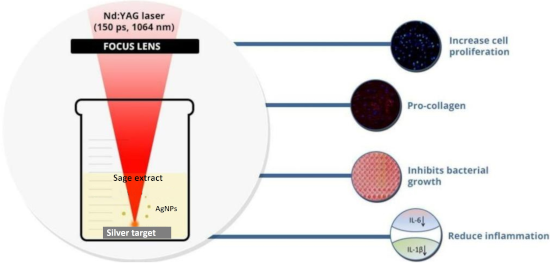
- ; silver nanoparticles (AgNPs); Introduction Synthesis of silver nanoparticles (AgNPs) is a promising nanotechnology with numerous biomedical applications, especially in the field of tissue restoration and regeneration [1]. The most commonly used methods in AgNP synthesis are (i) chemical methods, which
- AgNPs in biomedical applications. PLAL addresses the limitations of both biosynthesis and chemical synthesis by offering a reproducible, contaminant-free method with high reproducibility and size control. Combining laser ablation of a metal target with natural compounds is a unique concept that provides



Protein-based custom-designed molecular nanotraps for biomedical applications
Beilstein J. Nanotechnol. 2026, 17, 683–687, doi:10.3762/bjnano.17.47

- biocompatible and non-toxic, de facto meet all the essential requirements for any intended clinical or biomedical applications, while improving sustainability [7][8]. From the concept to the practical aspects, a key question is: How should the choice of the natural biopolymer building blocks for the synthesis
- ]. Besides, gelatin and GelMA hydrogels exhibit enhanced biocompatibility, making them suitable for biomedical applications, cell scaffolds, wound dressings, and drug delivery [13]. Silk is another promising protein-based material used in tissue engineering [15]. The structure of silk consists of two
- reproducibility of bioMIPs. This may result in limited robustness and a degree of unpredictability in the performance of the resulting bioMIPs. In addition, the use of naturally derived biomaterials for intended biomedical applications requires access to controlled and reproducible protein sources. Achieving

Cellulose as a photocatalyst support material: extraction, structural features, and environmental applications
Beilstein J. Nanotechnol. 2026, 17, 635–652, doi:10.3762/bjnano.17.44
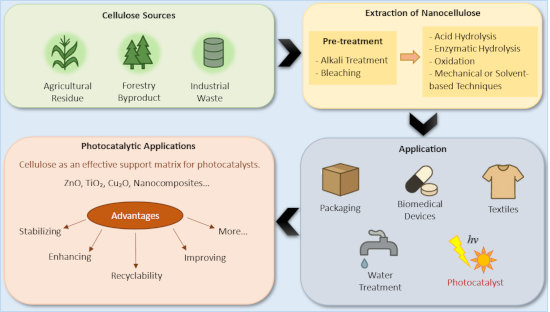
- polymers provide distinct advantages such as renewability, biodegradability, and biocompatibility, which make them particularly valuable for biomedical applications. Among polysaccharides, cellulose is the most abundant biodegradable polymer [1]. Many researchers have reported on the extraction of
- chemical and mechanical strength, and relatively high heat resistance. These features make CA an essential material for diverse biomedical applications, including drug delivery systems, wound care products, and scaffolds for tissue engineering [70][71][72], reinforcing its position as a reliable and


Two-step laser synthesis of Ag@TiO2 nanomaterials for the photocatalytic degradation of rhodamine B
Beilstein J. Nanotechnol. 2026, 17, 622–634, doi:10.3762/bjnano.17.43
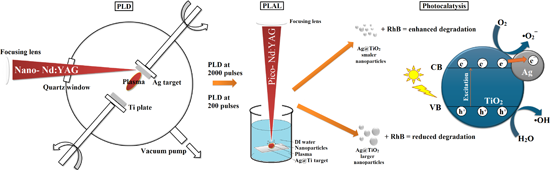
- [10][11][12][13][14][15][16][17]. Rhodamine B (RhB, Figure 1) is a synthetic fluorescent dye from the xanthene family, widely utilized across multiple industrial sectors such as textile manufacturing, papermaking, plastic processing, cosmetics, and biomedical applications, due to its vivid color


Advances in nanotechnology applied to natural products
Beilstein J. Nanotechnol. 2026, 17, 555–558, doi:10.3762/bjnano.17.36
- modifications (e.g., polymer or polysaccharide coatings) can be used to tailor stability and biological interactions [16]. These vesicles are attractive due to their biocompatibility and capacity to encapsulate both hydrophilic and lipophilic substances [17]. Liposomes have been explored in diverse biomedical
- applications, including cancer therapy, where they may be designed as conventional liposomes or as immunoliposomes functionalized with antibodies or ligands to promote targeted delivery to tumor cells or components of the immune microenvironment [18]. Combining liposomes with natural products and co-loaded
Beam shaping techniques for pulsed laser ablation in liquids: Unlocking tunable control of nanoparticle synthesis in liquids
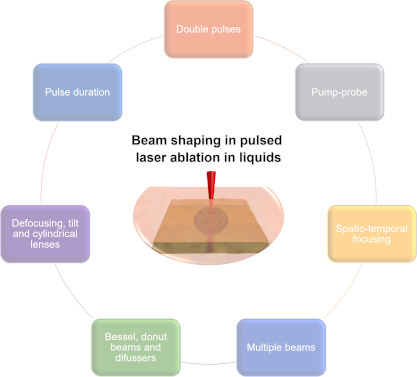
Beilstein J. Nanotechnol. 2026, 17, 309–342, doi:10.3762/bjnano.17.22







Durable antimicrobial activity of fabrics functionalized with zeolite ion-exchanged nanomaterials against Staphylococcus aureus and Escherichia coli
Beilstein J. Nanotechnol. 2026, 17, 262–274, doi:10.3762/bjnano.17.18
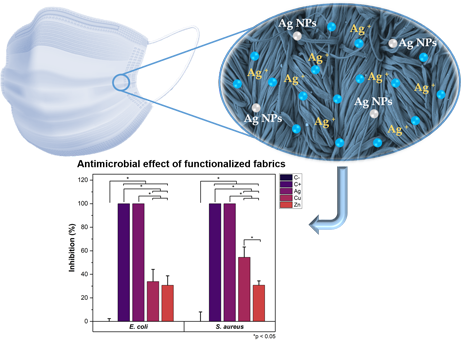
- are currently explored for various biomedical applications, including disease prevention, diagnosis, and the improvement of antiviral drug delivery systems [5][6]. In some cases, the antimicrobial properties of NPs lead to creation of new “nano-antimicrobial” materials [7]. The mechanism by which




Internal 3D temperature mapping in biological systems using ratiometric light-sheet imaging and lipid-coated upconversion nanothermometers
Beilstein J. Nanotechnol. 2025, 16, 2306–2316, doi:10.3762/bjnano.16.159
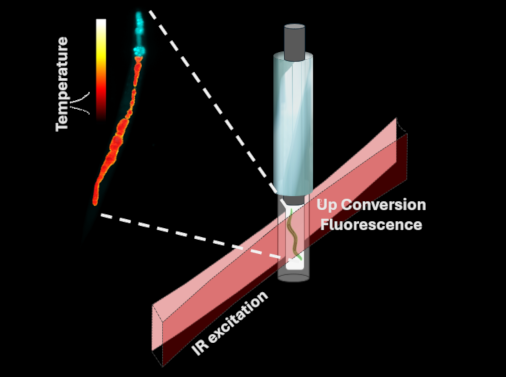
- (UC) fluorescence, enabling the conversion of low-energy excitation (longer wavelengths) into high-energy emission (shorter wavelengths). This is particularly advantageous for biomedical applications, as it eliminates the need for ultraviolet or visible excitation, which can cause photobleaching and
- extending this technique to other small model organisms, organoids, or individual mammalian cells. In summary, LSFM-enabled upconversion nanothermometry emerges as a powerful, non-invasive platform for probing spatiotemporal temperature dynamics across diverse biomedical applications, from cellular


Improving magnetic properties of Mn- and Zn-doped core–shell iron oxide nanoparticles by tuning their size
Beilstein J. Nanotechnol. 2025, 16, 2285–2295, doi:10.3762/bjnano.16.157
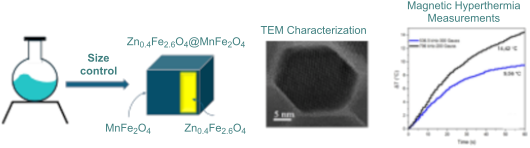
- unique magnetic properties, small size, and biocompatibility, which enable them to be used in a wide range of biomedical applications. These applications include magnetic resonance imaging, magnetic separation, targeted drug delivery, and hyperthermia [1][2]. Magnetic hyperthermia has been extensively
- the magnetic saturation and improve hyperthermia performance. However, the cytotoxicity of Co-based nanoparticles poses a significant challenge for biomedical applications. Studies have demonstrated that Co2+ ions released from these particles can enter the bloodstream and accumulate in organs, where
- microscopy (HRTEM) provides a comprehensive understanding of the material’s composition and properties. This work paves the way for the development of next-generation biocompatible magnetic nanoparticles for cancer therapy and other biomedical applications. Materials and Methods Materials Iron



Optical bio/chemical sensors for vitamin B12 analysis in food and pharmaceuticals: state of the art, challenges, and future outlooks
Beilstein J. Nanotechnol. 2025, 16, 2207–2244, doi:10.3762/bjnano.16.153


Ultrathin water layers on mannosylated gold nanoparticles
Beilstein J. Nanotechnol. 2025, 16, 2183–2198, doi:10.3762/bjnano.16.151
- selected surface [21][22][36][49]. However, these studies were performed on particle clusters in crowded environments, which induce collective phenomena [36][49] that are not in our scope. Conclusion Gold nanoparticles (AuNPs) have been widely investigated for biomedical applications like biochemical



Rapid synthesis of highly monodisperse AgSbS2 nanocrystals: unveiling multifaceted activities in cancer therapy, antibacterial strategies, and antioxidant defense
Beilstein J. Nanotechnol. 2025, 16, 2105–2115, doi:10.3762/bjnano.16.145
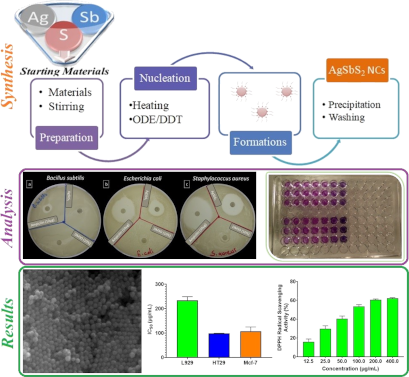
- Humicola sp. in biomedical applications were investigated. Cancer experiments were carried out using breast cancer and Burkitt’s lymphoma cancer cells, while the biocompatibility tests of α-AgS nanoparticles were also conducted using human peripheral blood mononuclear cells (PBMCs) [18]. Additionally
- h [17]. In another study, the antibacterial effects of Ag, Ag2S, and Ag2Se NCs on gram-negative and gram-positive bacteria were investigated [15]. As a result of the literature review, biomedical applications of silver-based NCs were exemplified above. As can be seen from these studies, biomedical
- applications of AgSbS2 NCs have not been found. Therefore, biomedical applications of AgSbS2 NCs are presented to the literature for the first time with the present study. Materials and Methods Chemicals Silver nitrate (AgNO3, ≥99.5%), tert-dodecylmercaptan (t-DDT, C12H26S), oleylamine (70%), antimony(III


Toward clinical translation of carbon nanomaterials in anticancer drug delivery: the need for standardisation
Beilstein J. Nanotechnol. 2025, 16, 2092–2104, doi:10.3762/bjnano.16.144
- nanotubes, and carbon dots, have attracted considerable interest as nanocarriers for drug delivery due to their unique physicochemical properties. Their high surface area, biocompatibility, and modifiable surface chemistry make them highly attractive for a range of biomedical applications. However, concerns
- energy sectors (Figure 1). NMs have seen use as antimicrobial agents [1], catalysts [2], bioimaging agents [3][4][5][6], magnetic particle imaging agents [7], nanofluids [8], antiviral agents [9], photothermal convertors [10], and in environmental remediation [11]. Topically, the biomedical applications



Beyond the shell: exploring polymer–lipid interfaces in core–shell nanofibers to carry hyaluronic acid and β-caryophyllene
Beilstein J. Nanotechnol. 2025, 16, 2015–2033, doi:10.3762/bjnano.16.139
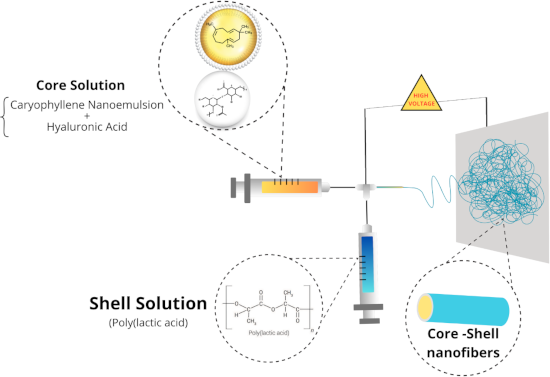
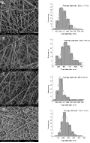
- encapsulated within a PLA shell, highlighting substantial potential for biomedical applications by overcoming key material integration hurdles. Keywords: co-axial nanofibers; electrospinning; hybrid nanosystem; nanofibers; nanoemulsion; poly(lactic acid); Introduction Driven by the significant potential of
- concentration, surface tension, conductivity, and solvent volatility, alongside careful consideration of electrospinning conditions, such as temperature and humidity [18][19]. The polymer selection of nanofibers intended for biomedical applications must prioritize not only mechanical strength, controlled
- various biomedical applications [28][29]. Complementing the regenerative and biocompatible profile of HA, β-caryophyllene (βCp) is another critical component of significant pharmaceutical potential. Among the array of attributes exhibited by βCp, it notably possesses potent analgesic, antioxidant




Targeting the vector of arboviruses Aedes aegypti with nanoemulsions based on essential oils: a review with focus on larvicidal and repellent properties
Beilstein J. Nanotechnol. 2025, 16, 1894–1913, doi:10.3762/bjnano.16.132
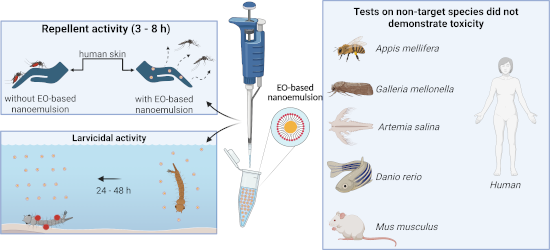
- biomedical applications. These include: (a) superior stability during storage compared to that of macroemulsions, attributed to their small droplet size, which prevents flocculation, creaming, and sedimentation; (b) enhanced bioavailability and improved aqueous solubility of lipophilic molecules; (c


Self-assembly and adhesive properties of Pollicipes pollicipes barnacle cement protein cp19k: influence of pH and ionic strength
Beilstein J. Nanotechnol. 2025, 16, 1863–1872, doi:10.3762/bjnano.16.129
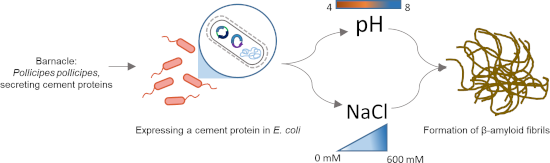
- scalability concerns [10]. Additionally, M. edulis Mfp exhibits optimal adhesion under acidic conditions [11], potentially limiting its biomedical application. Meanwhile, synthetic sealants based on DOPA functionalisation of natural or synthetic polymers have shown promise in biomedical applications, but


Exploring the potential of polymers: advancements in oral nanocarrier technology
Beilstein J. Nanotechnol. 2025, 16, 1751–1793, doi:10.3762/bjnano.16.122
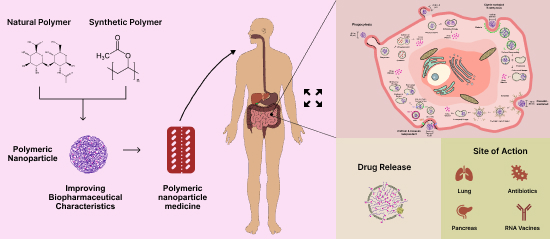
- and other environments, has significant biomedical applications [148]. In this study, NPs were incorporated into biofilms for oral administration, demonstrating controlled release and effective protection of curcumin from external factors. The results discussed in this section highlight the potential


Multifunctional anionic nanoemulsion with linseed oil and lecithin: a preliminary approach for dry eye disease
Beilstein J. Nanotechnol. 2025, 16, 1711–1733, doi:10.3762/bjnano.16.120



Prospects of nanotechnology and natural products for cancer and immunotherapy
Beilstein J. Nanotechnol. 2025, 16, 1644–1667, doi:10.3762/bjnano.16.116
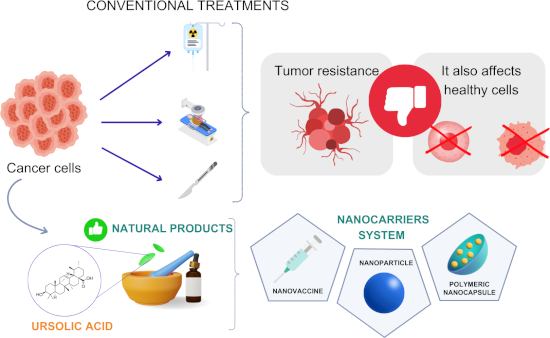
- -EGCG, as well as manganin, FeCl3, and the PD-L1 antibody. Hyaluronic acid is a non-sulfated glycosaminoglycan component of the extracellular matrix and has diverse biomedical applications [115]. It can be obtained through the fermentation of bacteria and yeasts, as well as animal sources, using


Nanotechnology-based approaches for the removal of microplastics from wastewater: a comprehensive review
Beilstein J. Nanotechnol. 2025, 16, 1607–1632, doi:10.3762/bjnano.16.114
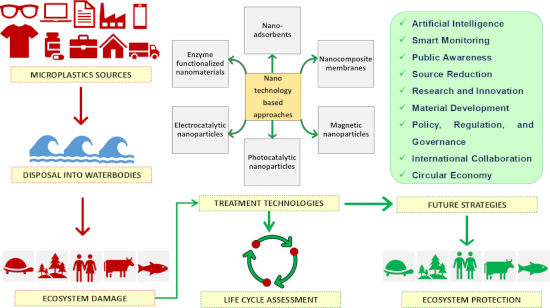
- techniques for the removal of MPs. Nanoparticle-based removal Advancements in characterization and synthesis techniques have enabled the manipulation of materials at the nanoscale, leading to innovations across various domains, including energy, electronics, and biomedical applications. Figure 5 depicts


Transient electronics for sustainability: Emerging technologies and future directions
Beilstein J. Nanotechnol. 2025, 16, 1545–1556, doi:10.3762/bjnano.16.109
- development of advanced sensing platforms capable of detecting and responding to complex biological signals, alongside the integration of AI-based algorithms for real-time lifetime prediction and adaptive control. Beyond biomedical applications, such intelligent transient systems hold significant promise in
- transient technologies across biomedical, environmental, and security applications. Transient electronics for implantable biomedical applications. (a) A biodegradable silicon pressure sensor (left) and its application to intracranial pressure monitoring in the brain (right). Figure 1a was adapted from [6


Cross-reactivities in conjugation reactions involving iron oxide nanoparticles
Beilstein J. Nanotechnol. 2025, 16, 1504–1521, doi:10.3762/bjnano.16.106
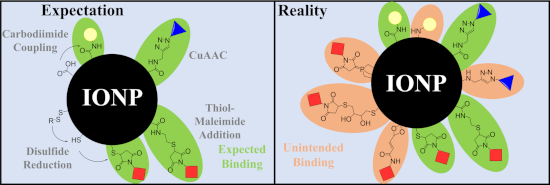
- (IONPs) with functional organic molecules is a major area of research for biomedical applications. Conjugation reactions, such as carbodiimide coupling and the highly selective class of reactions known as “click chemistry”, have been instrumental in tailoring the ligand layers of IONPs to produce
- erroneous conclusions about the efficacy of conjugation reactions, which can have detrimental impacts on the functionality and safety of IONPs in biomedical applications. Keywords: click chemistry; copper-catalyzed azide–alkyne cycloaddition; disulfide reduction; iron oxide nanoparticles; thiol–maleimide
- conclusions about the efficacy of common conjugation reactions on the IONP surface. This, in turn, can have detrimental impacts on the functionality and safety of IONPs in biomedical applications. Results and Discussion Use of propargylamine for EDC coupling to IONPs and CuAAC coupling of Cy5-azide PPA is a







Nanomaterials for biomedical applications
Beilstein J. Nanotechnol. 2025, 16, 1499–1503, doi:10.3762/bjnano.16.105
- , Istanbul, Turkey 10.3762/bjnano.16.105 Keywords: biomedical applications; drug delivery; nanocarriers; nanomaterials; nanomedicine; nanoparticles; polymeric nanoparticles; tissue regeneration; Medicine has rapidly advanced over the last few decades, and nanotechnology has played a significant role in
Enhancing the therapeutical potential of metalloantibiotics using nano-based delivery systems
Beilstein J. Nanotechnol. 2025, 16, 1350–1366, doi:10.3762/bjnano.16.98
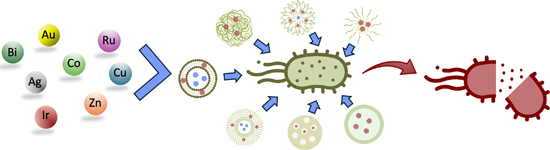
- against E. coli, S. aureus, and L. monocytogenes. In addition, improved biofilm disruption and reduced cytotoxicity were also observed. Bismuth complexes Bismuth and its derivatives have been widely employed in biomedical applications [130]. Among their most prominent applications is the treatment of
- significant intrinsic cytotoxicity of Ir(III) complexes remains a limiting factor for biomedical applications; in this regard, the development of nanocarriers that can enhance the biocompatibility of these complexes is currently of much interest [139][140]. For example, the encapsulation of the Ir-based


Better together: biomimetic nanomedicines for high performance tumor therapy
Beilstein J. Nanotechnol. 2025, 16, 1246–1276, doi:10.3762/bjnano.16.92
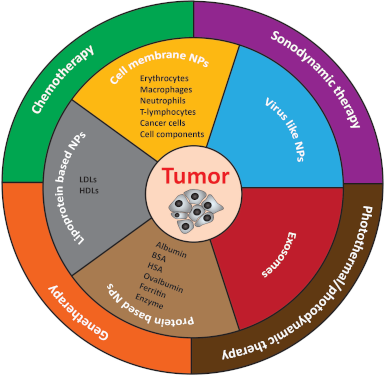
- physicochemical and biological properties, and incredible potential of being therapeutic agent carriers for biomedical applications [10][11]. They are capable to deliver a range of therapeutics including genes, vaccines, biological macromolecules, hydrophobic/hydrophilic drugs, and proteins to certain organs such
- easiest to use for biomedical applications as they lack mature DNA and other organelles [26]. There are various methods to load agents inside or attach onto the surface of RBCs by either chemical or physical methods such as (A) hypotonic presealing, (B) hypotonic loading, (C) electroporation, and (D
- structure of protein, and reducible disulfide groups [78][79][80]. 1.3.2 Bovine serum albumin. Bovine serum albumin (BSA) is widely used in biomedical applications such as supplemental growth media and protein standards. BSA was used as a template for the synthesis of organic–inorganic hybrid nanoparticles