


Search results
Search for "biomimetic" in Full Text gives 141 result(s) in Beilstein Journal of Nanotechnology.
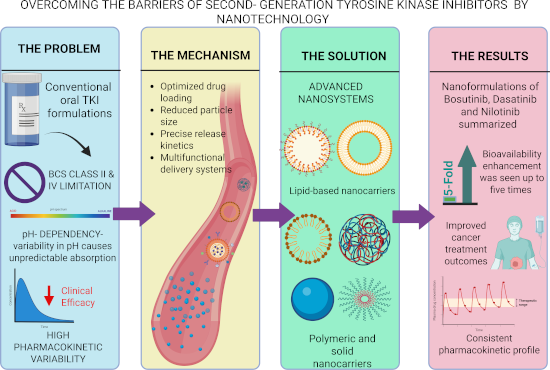
Breaking barriers: nanosystems to overcome solubility and permeability challenges of second-generation tyrosine kinase inhibitors
Beilstein J. Nanotechnol. 2026, 17, 1063–1086, doi:10.3762/bjnano.17.73
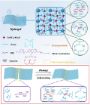
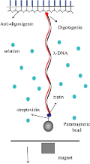
- hydration technique to exploit their radiosensitising potential in tumours. This biomimetic system enables natural tumour targeting via the scavenger receptor class B type 1 (SR-B1), which is overexpressed on tumour cells and tumour-associated macrophages. An apolipoprotein A-1 mimetic peptide solution was


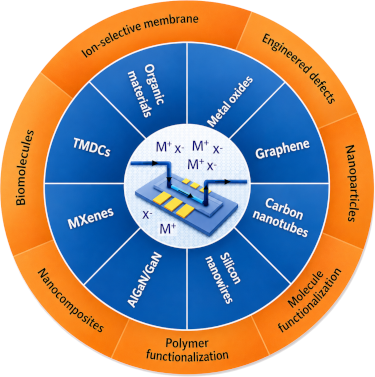
Materials challenges in solid-state sensors for continuous monitoring of ions in water
Beilstein J. Nanotechnol. 2026, 17, 935–973, doi:10.3762/bjnano.17.66


Nanocarrier strategies to overcome P-glycoprotein-mediated drug resistance in cancer therapy
Beilstein J. Nanotechnol. 2026, 17, 882–921, doi:10.3762/bjnano.17.64
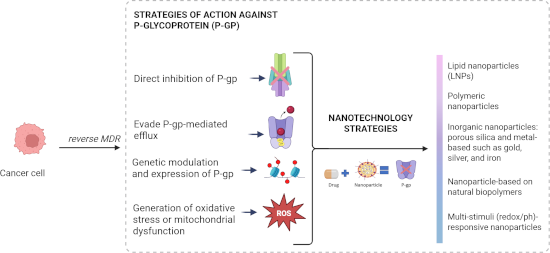
- ) suppression of transporter expression via co-delivery of siRNA, shRNA, or anti-miRNA payloads targeting ABCB1 regulatory pathways. We further discuss advances in nanoplatform engineering, including lipid-based nanoparticles, polymeric micelles, lipid–polymer hybrid systems, and biomimetic carriers designed to


Nanoparticle delivery systems for HIV pre-exposure prophylaxis (PrEP): advances and challenges
Beilstein J. Nanotechnol. 2026, 17, 839–853, doi:10.3762/bjnano.17.60
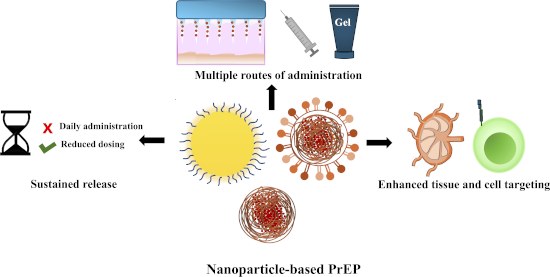
- tunability of a drug-loaded polymer core can be combined with the biomimetic properties of a lipid membrane in lipid-coated polymer nanoparticles to generate a delivery platform with optimized core and surface properties. The hybrid approach and its ability to equip different polymer cores with specific


Protein-based custom-designed molecular nanotraps for biomedical applications
Beilstein J. Nanotechnol. 2026, 17, 683–687, doi:10.3762/bjnano.17.47

- strategies such as monoclonal antibodies [9], and comparable to emerging biomimetic systems such as polymeric telodendrimers [22][23] and to lipid-based therapeutics [24], careful consideration must be given to the potential limitations and challenges associated to this protein-based bioMIP approach; some

Biomimetic nanoparticles in cancer photodynamic therapy: a review of targeted delivery systems and therapeutic outcomes
Beilstein J. Nanotechnol. 2026, 17, 396–422, doi:10.3762/bjnano.17.27
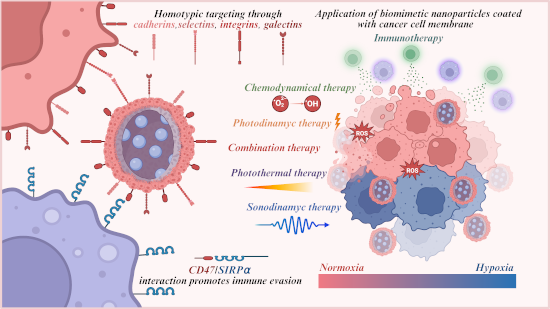
- cancer treatment that uses photosensitizers (PSs) activated by light to produce cytotoxic reactive oxygen species (ROS). Although PDT shows clinical promise, its effectiveness is limited by factors such as insufficient tumor targeting, tumor hypoxia, PS instability, and weak immune responses. Biomimetic
- treatments. Keywords: biomimetic nanoparticles; immunogenic cell death; nanocarriers; photodynamic therapy; targeted drug delivery; tumor hypoxia modulation; Review Introduction Cancer remains a formidable global health challenge, demanding innovative therapeutic strategies that balance efficacy with
- ][12]. Biomimetic nanoparticles (BNPs) represent a transformative novel approach for PS delivery [13]. By mimicking biological structures, such as cell membranes, proteins, or endogenous carriers, BNPs enhance PS delivery through improved biocompatibility, immune evasion, and active tumor targeting


Micro- and nanoscale effects in biological and bioinspired materials and surfaces
Beilstein J. Nanotechnol. 2026, 17, 214–217, doi:10.3762/bjnano.17.14
- interdisciplinary forum for exploring emerging trends related to biological and bioinspired surfaces. The topics covered ranged across various aspects of biomimetic research from characterization of biological functions to bioinspired technical applications, with central themes including micro- and nanostructured
- bioinspired surfaces and their tribological characteristics (friction, wear resistance, and adhesion), as well as self-cleaning and optical properties, underscoring the overarching aim of the symposium to integrate biological phenomena and materials science towards biomimetic approaches. The fruitful
- ] provided insights into biological plant materials combining experiments with simulations that provide inspiration for biomimetic actuators. For animals, Jain et al. [20] applied a multiscale computational model to gain detailed insights into the molecular and mechanical behavior of gecko setae during
From shield to spear: Charge-reversible nanocarriers in overcoming cancer therapy barriers
Beilstein J. Nanotechnol. 2026, 17, 159–175, doi:10.3762/bjnano.17.10
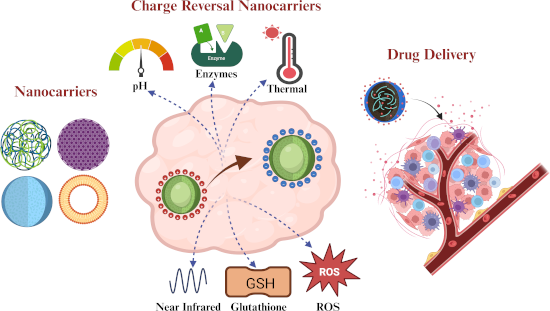
- et al. developed a dual immune checkpoint-inhibiting nanocarrier, aLS@VpNPs, which is cloaked with triple-negative breast cancer (TNBC) cell membranes and incorporates anti-LAG3 and Siglec10 proteins. This biomimetic design enhances tumour targeting and biocompatibility. Moreover, the nanocarrier is
- cells and macrophages, offering a promising therapeutic strategy for TNBC [89]. In a similar approach, Yang et al. designed biomimetic nanovaccines targeting the CXCR4 receptor, incorporating ROS-responsive cores to simultaneously deliver STING agonists and tumour-associated antigens to dendritic cells


Optical bio/chemical sensors for vitamin B12 analysis in food and pharmaceuticals: state of the art, challenges, and future outlooks
Beilstein J. Nanotechnol. 2025, 16, 2207–2244, doi:10.3762/bjnano.16.153


Molecular and mechanical insights into gecko seta adhesion: multiscale simulations combining molecular dynamics and the finite element method
Beilstein J. Nanotechnol. 2025, 16, 2055–2076, doi:10.3762/bjnano.16.141
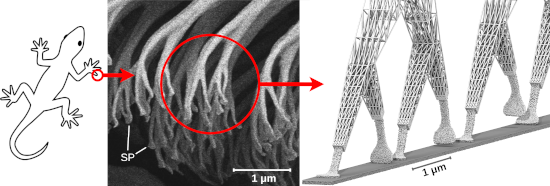
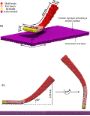
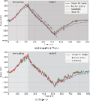
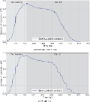
- structures on their feet [1][2]. This bioadhesion mechanism has been studied extensively, especially for biomimetic adhesive applications [3][4][5][6][7][8][9]. Understanding these interactions presents a formidable challenge in biophysics and materials science due to the extremely small length and time






The cement of the tube-dwelling polychaete Sabellaria alveolata: a complex composite adhesive material
Beilstein J. Nanotechnol. 2025, 16, 1998–2014, doi:10.3762/bjnano.16.138
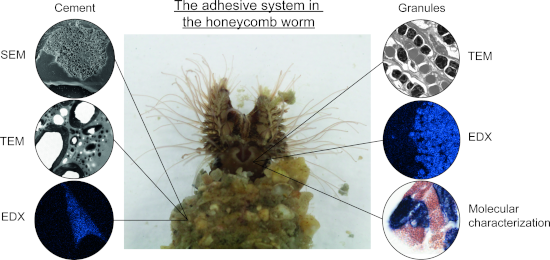
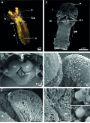
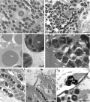
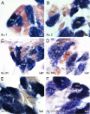
- of inspiration for developing biomimetic adhesives. However, a thorough understanding of their composition and operating mechanism is essential for advancing such applications. Sabellariid tubeworms are model organisms in bioadhesion research, and their adhesive system has been characterized in



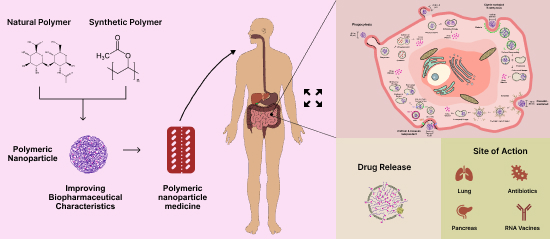
Exploring the potential of polymers: advancements in oral nanocarrier technology
Beilstein J. Nanotechnol. 2025, 16, 1751–1793, doi:10.3762/bjnano.16.122


Beyond the bilayer: multilayered hygroscopic actuation in pine cone scales
Beilstein J. Nanotechnol. 2025, 16, 1695–1710, doi:10.3762/bjnano.16.119
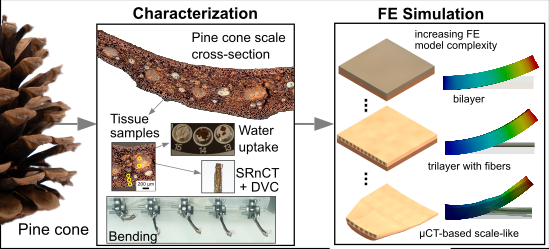
- integrate high-resolution computed tomography-based geometries to further elucidate the mechanisms underlying hygroscopic actuation. This integrative approach will bridge experimental findings with computational modeling and advance plant biomechanics and biomimetic transfer. Keywords: digital volume


Ambient pressure XPS at MAX IV
Beilstein J. Nanotechnol. 2025, 16, 1677–1694, doi:10.3762/bjnano.16.118
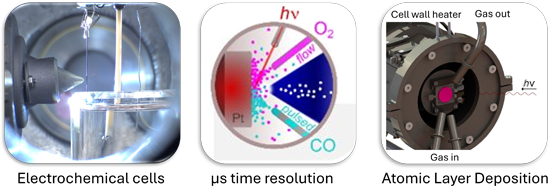
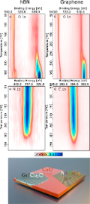
- here. Instead, we focus on a study by Vesselli and co-workers that directly addresses catalytic activity in a biomimetic SAC system [20][21]. In their work, a cobalt single-atom biomimetic model catalyst is based on a self-assembled monolayer of Co-porphyrins grown on an almost free-standing graphene





Prospects of nanotechnology and natural products for cancer and immunotherapy
Beilstein J. Nanotechnol. 2025, 16, 1644–1667, doi:10.3762/bjnano.16.116
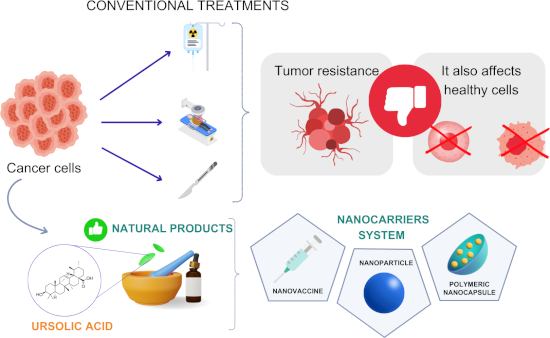
- ]. Additionally, the use of biomimetic nanoparticles, including exosome-based delivery systems and cell membrane-coated nanoparticles, has shown promise in improving targeting efficiency and immune evasion [18][19]. Despite these advances, significant challenges remain, including nanoparticle stability in


Better together: biomimetic nanomedicines for high performance tumor therapy
Beilstein J. Nanotechnol. 2025, 16, 1246–1276, doi:10.3762/bjnano.16.92
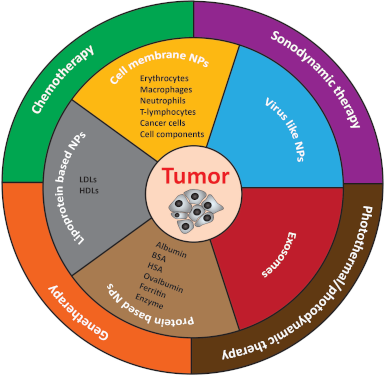
- 38040, Turkey Department of Pharmaceutics, School of Pharmacy, China Pharmaceutical University, Nanjing 211198, PR China 10.3762/bjnano.16.92 Abstract The emergence of nanotechnology offers a promising avenue for enhancing cancer treatment outcomes. In this context, biomimetic nanoparticles have
- inherent traits endow biomimetic nanoparticles with a suite of intelligent features, including biocompatibility, low immunogenicity, reduced toxicity, immune evasion, prolonged circulation, homotypic binding, enhanced tumor targeting, and the capability of precise delivery. By integrating biologically
- applications. This discussion delves into the challenges and opportunities presented by biomimetic nanoparticles and offers a comprehensive exploration of their fundamentals and recent breakthroughs, with an eye towards clinical translation. By bridging the gap between scientific innovation and clinical






Piezoelectricity of hexagonal boron nitrides improves bone tissue generation as tested on osteoblasts
Beilstein J. Nanotechnol. 2025, 16, 1068–1081, doi:10.3762/bjnano.16.78
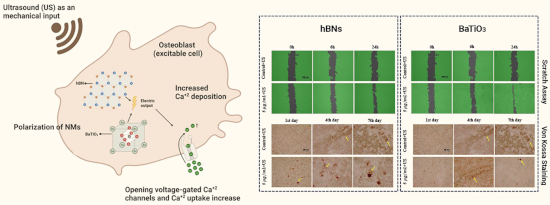
- bioactive molecules, biomimetic fibrous substitutes, biomaterials-based 3D cell-printing substitutes, and nanoscaffolds incorporating stem cells [15]. Piezoelectric materials are also under active investigation for their potential application in bone regeneration therapies [2][8][16]. These materials can


Soft materials nanoarchitectonics: liquid crystals, polymers, gels, biomaterials, and others
Beilstein J. Nanotechnol. 2025, 16, 1025–1067, doi:10.3762/bjnano.16.77






Supramolecular hydration structure of graphene-based hydrogels: density functional theory, green chemistry and interface application
Beilstein J. Nanotechnol. 2025, 16, 806–822, doi:10.3762/bjnano.16.61
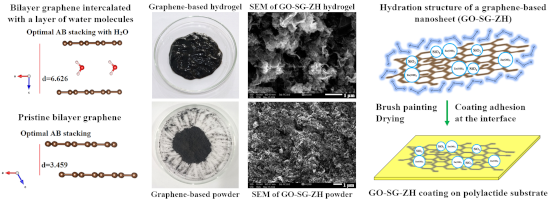
- hydrogel in Figure 2a is biomimetic to the natural system of biological cells described in Figure 2b. Hydration shells on GO-SG-ZH nanosheets, particularly the first interfacial water layer, generate hydration forces to maintain intersheet distances and nanoscale structures in the artificial system. The
- shows SEM images of surfaces at the fracture of a GO-SG-ZH/PLA film generated by the tensile measurement. Conclusion Supramolecular graphene-based hydrogels are bioinspired structures which are biomimetic to natural hydration structures of cellular membranes, proteins, and other biomolecules. While


Polyurethane/silk fibroin-based electrospun membranes for wound healing and skin substitute applications
Beilstein J. Nanotechnol. 2025, 16, 591–612, doi:10.3762/bjnano.16.46
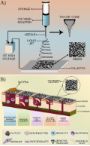
- improved osteoblastic differentiation as evidenced by the upregulation of specific osteogenic genes [88]. Zhou et al. improved bone tissue engineering by creating a composite biomimetic scaffold incorporating autologous concentrated growth factor (CGF) to repair bone defects. Freeze drying and chemical



Nanomaterials in targeting amyloid-β oligomers: current advances and future directions for Alzheimer's disease diagnosis and therapy
Beilstein J. Nanotechnol. 2025, 16, 561–580, doi:10.3762/bjnano.16.44
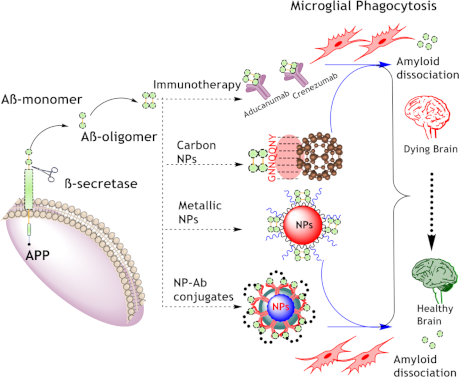
- organized the NPs into four primary categories, namely, carbon based nanomaterials (CNMs), metal based NMs, biomimetic NMs and antibody-functionalized NMs. Carbon-based nanomaterials for the detection and inhibition of AβO Recent advances in nanomedicine have spotlighted CNMs because of their remarkable
- oligomerization but also in paving the way for effective therapeutic strategies against NDs. Biomimetic nanomaterials based on cell primitives for targeting AβOs The treatment of AD using conventional pharmacological agents has encountered significant challenges, prompting researchers to explore multifunctional
- nanobiomaterials derived from cell primitives as a promising therapeutic strategy. These biomimetic nanomaterials, comprising components such as cells, extracellular vesicles (EVs), and cell membranes offer several advantages. Their nanoparticulate size facilitates long-term circulation, reduces immune response


Biomimetics and bioinspired surfaces: from nature to theory and applications
Beilstein J. Nanotechnol. 2025, 16, 418–421, doi:10.3762/bjnano.16.32
- Journal of Nanotechnology emerged from this fruitful exchange of ideas. The symposium featured a range of topics across biomimetic and bioinspired approaches, as well as the characterization of biological surfaces with properties of technological interest. A significant deal of research focused on
- understanding the biological systems and their potential as inspiration for innovation in producing biomimetic and bioinspired surfaces. Key topics included bioinspired micro- and nanostructured surfaces, and their tribological properties like friction, wear resistance, and adhesion. Discussions also addressed
- the structure–function relationships of these surfaces useful for translational approaches. Further general insights into biological principles and their subsequent transfer into biomimetic engineering are provided in a multiscale biological analysis by Amador et al. [6], ranging from viruses to

Enhancing mechanical properties of chitosan/PVA electrospun nanofibers: a comprehensive review
Beilstein J. Nanotechnol. 2025, 16, 286–307, doi:10.3762/bjnano.16.22

- nanofibrous matrix with a chitosan solution to create a biomimetic nanofibrous wound dressing. Electrospinning of chitosan/PVA blend nanofibers has been successfully reported by many researchers. In these studies, two of the most common solvents used to dissolve chitosan and PVA are water and acetic acid [82


Nanocarriers and macrophage interaction: from a potential hurdle to an alternative therapeutic strategy
Beilstein J. Nanotechnol. 2025, 16, 97–118, doi:10.3762/bjnano.16.10
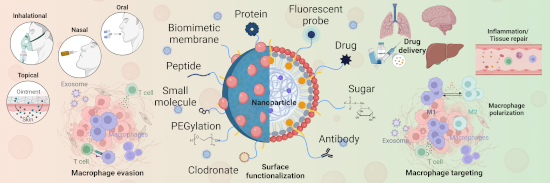
- activation of the complement system, due to the accumulation of PEG in the body as a non-biodegradable polymer. Therefore, PEGylation must be carefully considered when designing NC-based therapies [49][50]. A strategy to avoid possible immunoreactions is to mask NPs by marking them as “self” and biomimetic
- examines strategies that position macrophages as direct biological targets of NPs, aiming to modulate their activity as a therapeutic intervention for various pathological conditions, rather than merely using them as biomimetic drug carriers. 5.1 Targeted drug delivery to macrophages As described


Bioinspired nanofilament coatings for scale reduction on steel
Beilstein J. Nanotechnol. 2025, 16, 25–34, doi:10.3762/bjnano.16.3

- calcium carbonate scale at the interface. Conclusion In conclusion, our study demonstrates the potential of biomimetic approaches to address the industrial challenge of scaling on steel surfaces. By drawing inspiration from the unique water-repelling properties of Collembola skin, we have fabricated





