Search results
Search for "cellulose" in Full Text gives 131 result(s) in Beilstein Journal of Nanotechnology.
Development of Protium heptaphyllum essential oil-loaded nanocapsules: experimental design and biological activity
Beilstein J. Nanotechnol. 2026, 17, 974–990, doi:10.3762/bjnano.17.67
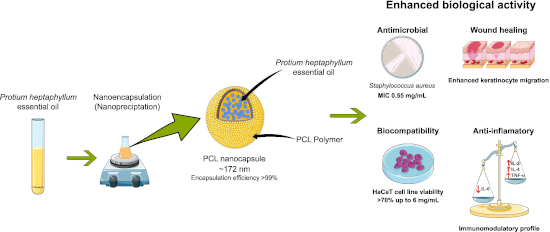
- . Since this method may be affected by adsorption or retention phenomena within the filtration membrane, Microcon® devices with Ultracel® regenerated cellulose membranes (low-binding, hydrophilic) were utilized to minimize nonspecific interactions with lipophilic compounds. Recovery tests were performed


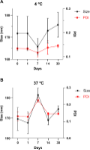


Nanocarrier strategies to overcome P-glycoprotein-mediated drug resistance in cancer therapy
Beilstein J. Nanotechnol. 2026, 17, 882–921, doi:10.3762/bjnano.17.64
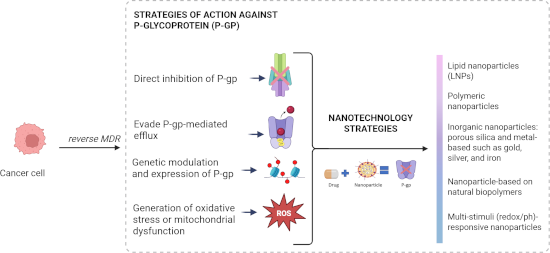


Nanoparticle delivery systems for HIV pre-exposure prophylaxis (PrEP): advances and challenges
Beilstein J. Nanotechnol. 2026, 17, 839–853, doi:10.3762/bjnano.17.60
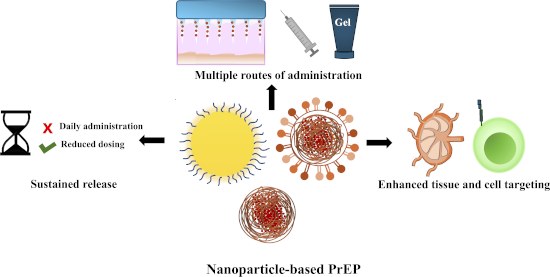
- ), polycaprolactone (PCL), or cellulose acetate phthalate (CAP). These systems are known for their controlled degradation and tunable drug release profiles. Their ability to sustain therapeutic levels over extended periods of time makes them particularly suitable for both systemic and topical LA-PrEP. (2) Lipid-based


Environmental applications of silver nanoparticles: state-of-the-art review and emerging trends
Beilstein J. Nanotechnol. 2026, 17, 697–736, doi:10.3762/bjnano.17.49
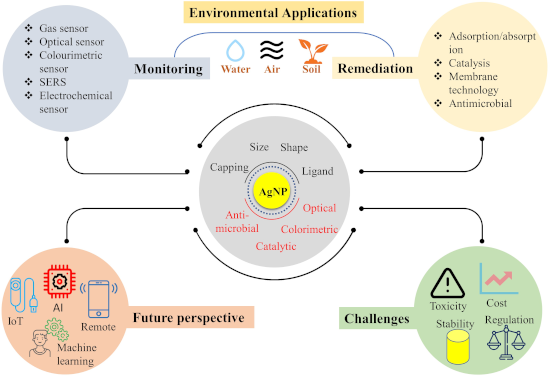
- achieve antifouling. Dye degradation of 99% and 90% was achieved after the first and fifth cycles, respectively, indicating the efficiency of the engineered membrane [114]. Another study developed a photocatalytic membrane using AgNPs, graphene oxide, carbon nitride, and mixed cellulose ester as substrate
- . aureus, with inhibition zones of 1.52 and 2.04 mm, respectively [153]. AgNPs exhibit antimicrobial properties and reduce foul-smelling pollutants, helping maintain air quality. The AgNPs–cellulose derivative-impregnated PP fibres were used to correct air odour by removing sulfur compounds [154]. The


Cellulose as a photocatalyst support material: extraction, structural features, and environmental applications
Beilstein J. Nanotechnol. 2026, 17, 635–652, doi:10.3762/bjnano.17.44
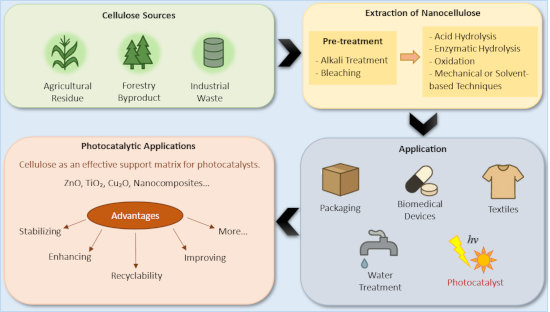
- and Natural Sciences, Gadjah Mada University, Yogyakarta, 55281, Indonesia 10.3762/bjnano.17.44 Abstract Cellulose is the most abundant and renewable biopolymer found in nature, primarily derived from plant biomass. Its wide availability, low cost, biodegradability, and non-toxic nature make it a
- promising candidate for sustainable material development across various industries. This review focuses on the extraction and isolation of cellulose from different types of biomass waste, including agricultural residues, forestry byproducts, and industrial waste. Several conventional and advanced methods
- for cellulose extraction were also explored such as acid hydrolysis, enzymatic hydrolysis, oxidation, and mechanical or solvent-based techniques. Besides that, this review highlights the role of cellulose in photocatalytic applications, where its high surface area, structural porosity, and abundance


Synthesis of Cu–Mo/TiO2 and Co–Mo/TiO2 photocatalysts for the efficient degradation of organic pollutants in water
Beilstein J. Nanotechnol. 2026, 17, 559–570, doi:10.3762/bjnano.17.37
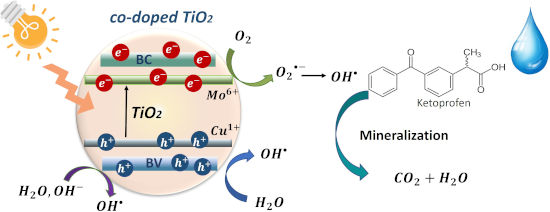
- , HPLC, and TOC measurements. Before analysis, all reaction samples were filtered through a 0.22 μm GV cellulose acetate membrane (Millipore Corp. Bedford, MA, USA). Chemical analysis of the reaction samples was carried out by UV–vis spectroscopy in a Shimadzu UV-2600 spectrophotometer. HPLC analysis of



Upcycling agroindustrial waste into graphene oxide supports for gold nanoparticles: toward sustainable nanomaterials
Beilstein J. Nanotechnol. 2026, 17, 489–504, doi:10.3762/bjnano.17.32
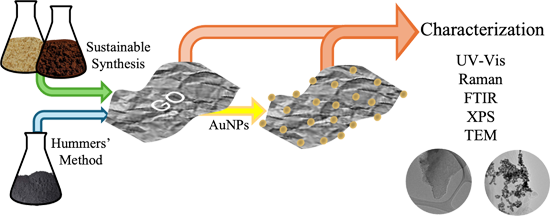
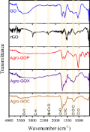
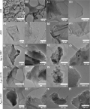
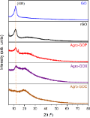
- . Peanut shells (Arachis hypogaea) are among the main agroindustrial wastes worldwide, with global peanut production reaching 46 million tons in 2019 [25]. These shells are rich in bioactive compounds such as phenolics and flavonoids, as well as cellulose, hemicellulose, and lignin fibers, which are eco
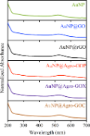
- coffee grounds; the latter are rich in carbon-containing biomolecules such as cellulose, hemicellulose, lignin, and phenolic compounds, making them ideal as carbonaceous precursors [27][28]. Given that GO is frequently hybridized with other materials to enhance its performance in several applications, it



Nanocarrier-integrated multilayer films produced by 3D printing for improved skin adhesion and curcumin photostability
Beilstein J. Nanotechnol. 2026, 17, 440–453, doi:10.3762/bjnano.17.30
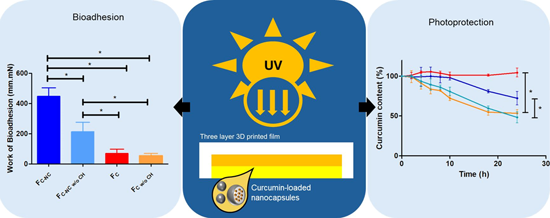
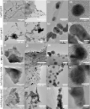
- alginate–cellulose nanofibre patches exhibiting adequate disintegration and in vitro release properties for the local administration of curcumin [23]. Although curcumin-loaded chitosan or alginate films have been previously reported, no studies have explored the deliberate spatial distribution of
- containing unloaded curcumin (HG-ChiC), chitosan hydrogel containing curcumin-loaded polymeric nanocapsules (HG-ChiC-nc) and chitosan hydrogel (HG-Chi), and (C, F) blend of sodium carboxymethyl cellulose and alginate hydrogels containing curcumin in hydroalcoholic solution (HG-CMC/AlgC), blend of sodium


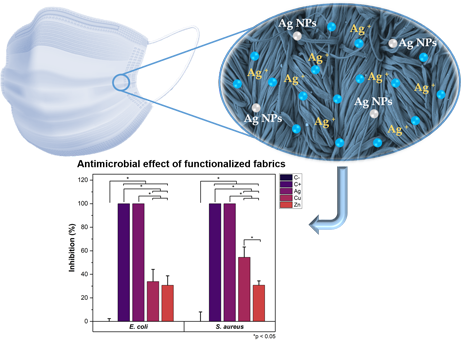
Durable antimicrobial activity of fabrics functionalized with zeolite ion-exchanged nanomaterials against Staphylococcus aureus and Escherichia coli
Beilstein J. Nanotechnol. 2026, 17, 262–274, doi:10.3762/bjnano.17.18
- functionalized textiles. X-ray diffraction XRD patterns of bramante fabrics, composed of 50% cotton and 50% polyester fibers, are shown in Figure 3. The bramante fabrics exhibited a typical cotton cellulose pattern, with three characteristic peaks at 2θ ≈ 14.7°, 16.3°, and 22.4°, corresponding to the

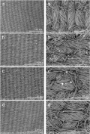



Comparative study on 3D morphologies of delignified, single tracheids and fibers of five wood species
Beilstein J. Nanotechnol. 2026, 17, 239–250, doi:10.3762/bjnano.17.16
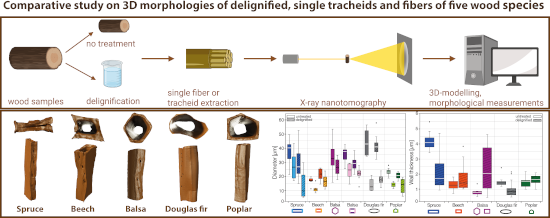
- , Technical University of Munich, Straubing, Germany Helmholtz-Zentrum Hereon, Geesthacht, Germany 10.3762/bjnano.17.16 Abstract Wood tracheids and fibers exhibit diverse structures and shapes across plant species. The hierarchical structure and composition of cellulose, hemicelluloses, and lignin enables
- part of the membrane (torus) that is slightly larger than the pit aperture [4][7]. Similar to other plant cells, fibers and tracheids have a primary wall (P) composed of cellulose, hemicelluloses, and pectin that are formed during cell growth [8][9]. Once fully grown, they develop two secondary walls
- delignification (Figure 6B). This increase might be due to differences in wood samples and possible discrepancies between EW and LW. The stability of the tracheid/fiber dimensions after delignification suggests that hemicellulose and cellulose may play an important role in maintaining the basic single tracheid


Gold nanoparticle-decorated reduced graphene oxide as a highly effective catalyst for the selective α,β-dehydrogenation of N-alkyl-4-piperidones
Beilstein J. Nanotechnol. 2026, 17, 218–238, doi:10.3762/bjnano.17.15
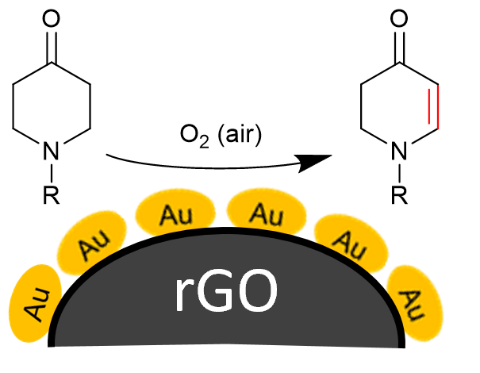
- , which were not retained by the used MN 615 1/4 cellulose filter paper with 4.0–12.0 µm pore sizes [53]. These results unambiguously demonstrate that the reaction proceeds via a truly heterogeneous catalytic mechanism, with Au nanoparticles remaining immobilized on the rGO support throughout the reaction


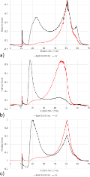
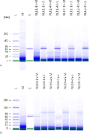
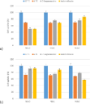
Influence of surface characteristics on the in vitro stability and cell uptake of nanoliposomes for brain delivery
Beilstein J. Nanotechnol. 2026, 17, 139–158, doi:10.3762/bjnano.17.9
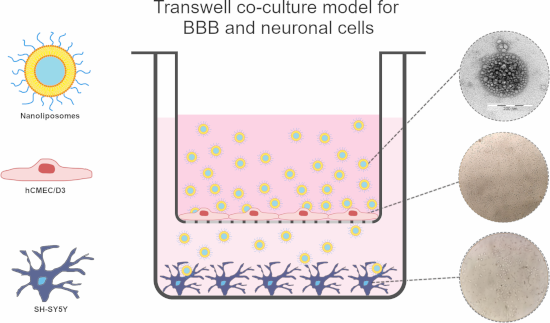
- nm. In the Eclipse SC separation channel, regenerated cellulose membranes (10 kDa) and a spacer height of 350 μm were used. Phosphate buffer was used as the eluent. The detector flow rate was set to 0.5 mL/min and the injection volume was 50 µL. The separation settings were: a) elution 0–3 min; b




Functional surface engineering for cultural heritage protection: the role of superhydrophobic and superoleophobic coatings – a comprehensive review
Beilstein J. Nanotechnol. 2026, 17, 63–96, doi:10.3762/bjnano.17.6
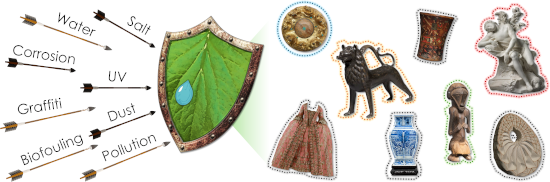
- once polymerized. Silva et al. [63] investigated a single solution to solve such environmental issues by using chitosan coatings filled with essential oils, also to impart a bactericidal effect without the use of biocides or synthetic materials. In addition, they added microcrystalline cellulose (MCC




Ultrathin water layers on mannosylated gold nanoparticles
Beilstein J. Nanotechnol. 2025, 16, 2183–2198, doi:10.3762/bjnano.16.151
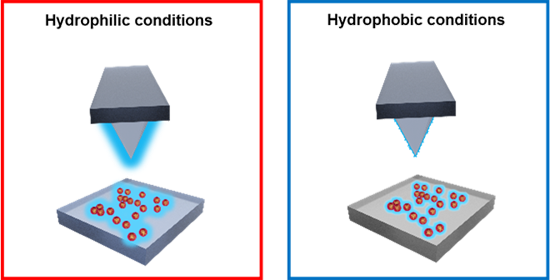
- microbalance observations of highly hydrated cellulose films [48], which found 3.6 mol water per cellulose subunit at 97% RH. Under hydrophobic conditions, PEG AuNPs show a moderate increase in AFM height, corresponding to one water layer, not observed under hydrophilic conditions. It is possible that this is



Quality by design optimization of microemulsions for topical delivery of Passiflora setacea seed oil
Beilstein J. Nanotechnol. 2025, 16, 2116–2131, doi:10.3762/bjnano.16.146
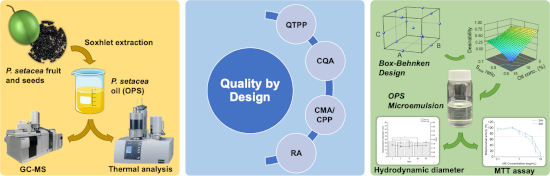
- and polydispersity index below 0.2 and remained stable for 60 days. The ME was gelled with sodium carboxymethyl cellulose, while vitamin E and Liquid Germall® Plus were incorporated as antioxidant and preservative agents, respectively, yielding the final topical gel formulation. Cytocompatibility
- (polyethoxylated castor oil 30 mol, “PEG 30”, Oxiteno – São Paulo, SP) and sodium carboxymethyl cellulose (NaCMC – All chemistry, São Paulo, Brazil). Span® 80 was obtained from Sigma-Aldrich Inc. (St. Louis, MO – USA). Extraction of Passiflora setacea oil Oil extraction was performed using a Soxhlet apparatus with


Stereodiscrimination of guests in chiral organosilica aerogels studied by ESR spectroscopy
Beilstein J. Nanotechnol. 2025, 16, 2034–2054, doi:10.3762/bjnano.16.140
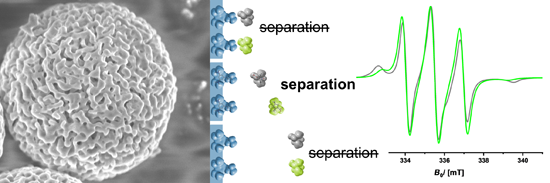
- SerNH10SIL where values higher than αs = 2 are reached. Investigations on an independent chiral matrix Chiralpak IG-3 is a commercially available type of chiral stationary phase used in HPLC for the separation of enantiomers [66]. Chiralpak IG-3 consists of a chiral selector that is based on cellulose




Current status of using adsorbent nanomaterials for removing microplastics from water supply systems: a mini review
Beilstein J. Nanotechnol. 2025, 16, 1837–1850, doi:10.3762/bjnano.16.127
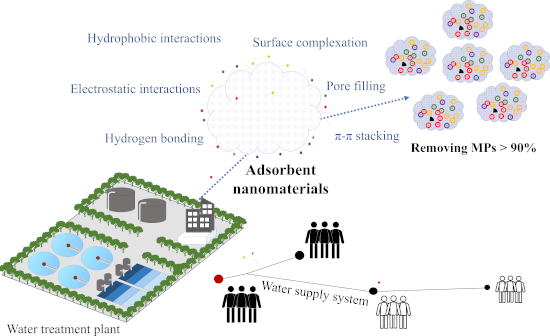
- ]. Modifying a cellulose nanofiber aerogel, Zhuang et al. showed the ability for MP removal with an improved adsorption capacity of 146.38 mg·g−1 for MPs [90]. Thus, while conventional methods remain practical and widely applied, nanomaterial-based strategies demonstrate superior effectiveness. Despite proving
- (a) the highest occupied molecular orbital (HOMO) and lowest unoccupied molecular orbital (LUMO) of chitosan (CS), bacterial cellulose (BC), crosslinked CS, and PS. (b) Energy gaps among PS, CS, BC, and crosslinked-CS. (c) scenarios of hardwood vessel-inspired chitosan-based sponges (BGCS)-120


Prospects of nanotechnology and natural products for cancer and immunotherapy
Beilstein J. Nanotechnol. 2025, 16, 1644–1667, doi:10.3762/bjnano.16.116
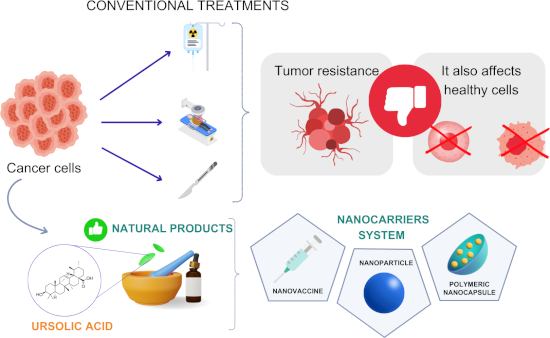
- , lignin, cellulose, and starch [155][156]. Furthermore, quantum nanoparticles offer advantages for cancer treatment. They can manipulate emission properties near the infrared region, improving drug targeting and solubility, enhancing tumor detection, and reducing adverse effects on adjacent healthy


Bioinspired polypropylene-based functionally graded materials and metamaterials modeling the mistletoe–host interface
Beilstein J. Nanotechnol. 2025, 16, 1592–1606, doi:10.3762/bjnano.16.113
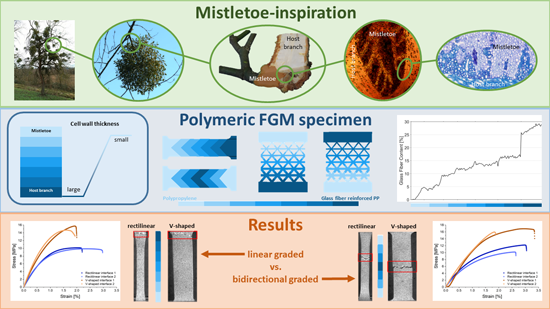
- extended by suitable combinations of materials with different mechanical properties but similar melting temperatures. In order to contribute to more sustainable material use, the transferability to bio-based or biodegradable material combinations (such as cellulose plastic) should be explored. The


The role of biochar in combating microplastic pollution: a bibliometric analysis in environmental contexts
Beilstein J. Nanotechnol. 2025, 16, 1401–1416, doi:10.3762/bjnano.16.102
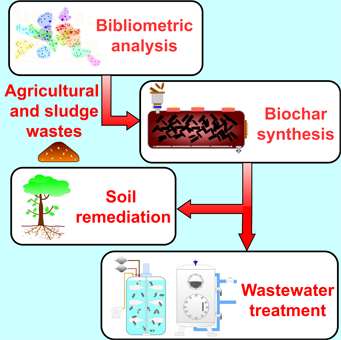
- type and size, of 98.4% for PP (1–2 mm), 98.2% for cellulose acetate (1–2 mm), 91.7% for PE (286.7 µm), and 93.2% for polymethyl methacrylate (6.3 µm) [77]. The dielectric properties of MPs also influence electrocoagulation performance; for example, PVC (insulator 10 × 105 Ω·cm) undergoes optimal



Synthesis and antibacterial properties of nanosilver-modified cellulose triacetate membranes for seawater desalination
Beilstein J. Nanotechnol. 2025, 16, 1380–1391, doi:10.3762/bjnano.16.100
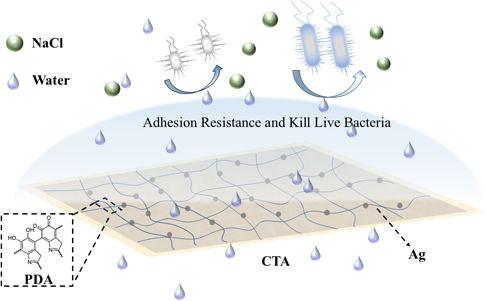
- pollution in cellulose triacetate (CTA) membranes during seawater desalination, silver (Ag) nanoparticles were incorporated onto the CTA surface using polydopamine (PDA). PDA, which contains phenolic and amino groups, exhibits excellent adhesiveness and provides active sites for the attachment and reduction
- rates of the Ag@PCTA membrane were comparable to those of the parent CTA membrane. Keywords: antibacterial properties; cellulose triacetate; nanosilver; seawater desalination; Introduction As the global population continues to grow at a rapid pace, the demand for freshwater resources is escalating
- photocatalytic properties of TiO2, which generate ROS that degrade bacterial membranes [23]. Yang and Wang’s group introduced carbon nanotubes (CNTs) into a mixed cellulose esters (MCE) membrane to create a robust porous bi-layered photothermal membrane (CNT@PEI/MCE) for efficient solar-driven interfacial water


Enhancing the therapeutical potential of metalloantibiotics using nano-based delivery systems
Beilstein J. Nanotechnol. 2025, 16, 1350–1366, doi:10.3762/bjnano.16.98
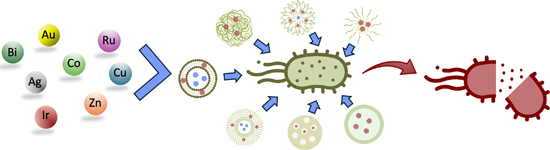
- cellulose-based dressings. The resulting formulation displayed improved antimicrobial activity and enhanced wound healing properties [105]. Additionally, in vitro assays revealed that encapsulating silver sulfadiazine in SLNs protected fibroblasts and keratinocytes from metal-induced toxicity. Finally, the


Functional bio-packaging enhanced with nanocellulose from rice straw and cinnamon essential oil Pickering emulsion for fruit preservation
Beilstein J. Nanotechnol. 2025, 16, 1234–1245, doi:10.3762/bjnano.16.91
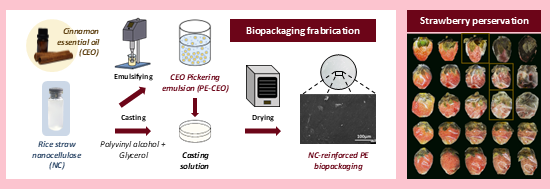
- visibly lower. This may be related to the disruption of the crystalline structure of PVA after encapsulation of essential oil. For rBP and rCBP, which also contains NC, a small rise in the XRD signal can be seen at around 18°, which may be from the (110) plane of the Iβ cellulose crystalline phase [32
- a bleaching stage were used to extract cellulose from the straw. In the first acid hydrolysis step, the cellulose was treated with 62% H2SO4 solution at a solid-to-liquid ratio of 1:12 (g·mL−1), continuously stirred at a temperature of 40–42 °C for 2 h. The reaction was then quenched by 10-fold



Hydrogels and nanogels: effectiveness in dermal applications
Beilstein J. Nanotechnol. 2025, 16, 1216–1233, doi:10.3762/bjnano.16.90
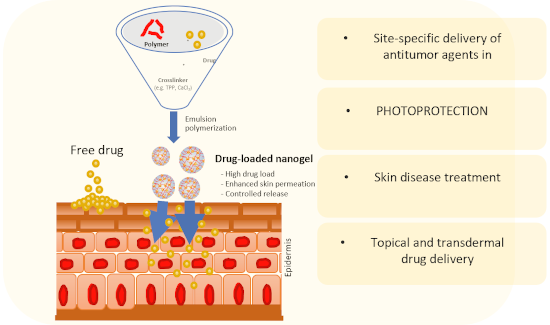
- amine (NH2) and hydroxyl (OH) functional groups [77], as shown in Figure 1. The stability of hydrogels is maintained by cross-links that, in aqueous media, prevent the dissolution of polymer chains [134]. Another polymer widely used in the preparation of hydrogels is cellulose. Cellulose hydrogels have
- become attractive due to their high biocompatibility and long circulating time in the blood, as well as low cytotoxicity [73]. They can be prepared by various methods, including phase inversion [73], copolymerization [110][111], and double chemical cross-linking reaction [51]. Cellulose derivatives, such
- as cellulose ether [90], carboxymethyl cellulose (CMC) [82], hydroxyethyl cellulose (HEC) [113], or cellulose nanofibers [135] yield valuable hydrogels. Keratin hydrogels are interesting for the properties of keratin, as they have intrinsic biocompatibility, therapeutic activity, and favorable


Chitosan nanocomposite containing rotenoids: an alternative bioinsecticidal approach for the management of Aedes aegypti
Beilstein J. Nanotechnol. 2025, 16, 1197–1208, doi:10.3762/bjnano.16.88
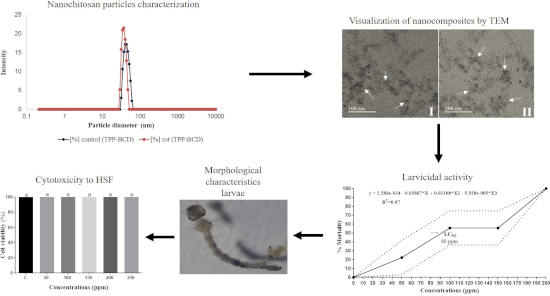
- , surpassed only by cellulose. Its relevance as a biopolymer is due to its properties such as biodegradability, biocompatibility, and nontoxicity to humans, characteristics that make it widely used in various scientific and technological fields [16][17]. Therefore, we used chitosan as the coating material for