Search results
Search for "controlled release" in Full Text gives 84 result(s) in Beilstein Journal of Nanotechnology.
Development of Protium heptaphyllum essential oil-loaded nanocapsules: experimental design and biological activity
Beilstein J. Nanotechnol. 2026, 17, 974–990, doi:10.3762/bjnano.17.67
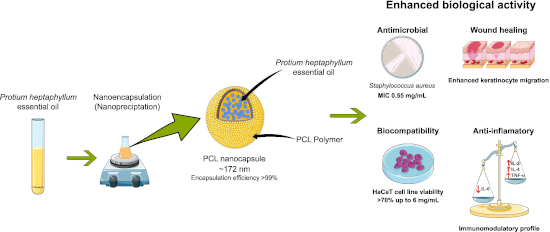
- tea tree have been widely studied, demonstrating improved physicochemical stability, enhanced antimicrobial activity, and controlled release profiles [2][9][10]. This approach protects the active constituents from degradation and enhances bioavailability [11][12]. Polymeric nanocapsules are especially
- advantageous, providing increased stability as well as ensuring controlled release and improved interactions with biological matrices [13][14]. They can be engineered using various techniques, such as emulsification–solvent evaporation, interfacial polymerization, solvent displacement, and microfluidics, each




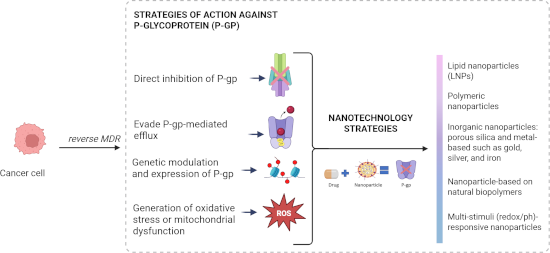
Nanocarrier strategies to overcome P-glycoprotein-mediated drug resistance in cancer therapy
Beilstein J. Nanotechnol. 2026, 17, 882–921, doi:10.3762/bjnano.17.64
- carriers (NLCs), which incorporate liquid lipids into a solid lipid matrix. This design prevents excessive crystallization, enhances stress resistance, and allows for more efficient and controlled release of active compounds. NLCs are typically categorized into amorphous, imperfect, and multitype
- . For instance, Abasian et al. [103] highlighted the role of polymer-based nanocarriers in overcoming MDR through passive and active targeting mechanisms, while Abbasi et al. [104] reported advances in the design of polymeric delivery systems enabling enhanced drug loading and controlled release


Nanoparticle delivery systems for HIV pre-exposure prophylaxis (PrEP): advances and challenges
Beilstein J. Nanotechnol. 2026, 17, 839–853, doi:10.3762/bjnano.17.60
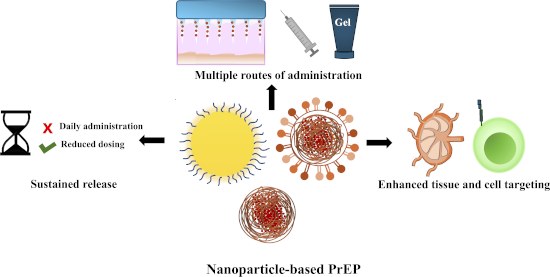
- loading and controlled release. PrEP nanoparticle delivery platforms can be equipped with different functionalization and passivation chemistries. The surface properties determine colloidal stability as well as the interactions between the nanoparticles and the surrounding. These properties are critical
- composed of two or more distinct materials whose combinations provide opportunities for enhancing materials properties relevant for LA-PrEP, such as improved stability, enhanced drug loading, controlled release, or targeted delivery to certain immune cell populations or tissue reservoirs. These


Restorative potential of laser-synthesized silver nanoparticles with Salvia officinalis for periodontal disease treatment: an in vitro study
Beilstein J. Nanotechnol. 2026, 17, 781–795, doi:10.3762/bjnano.17.55
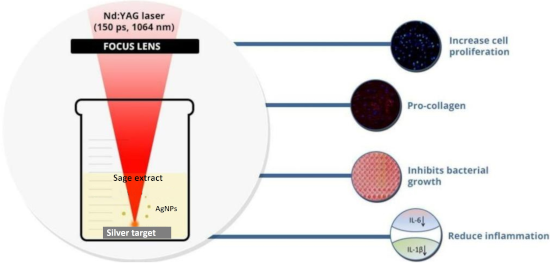
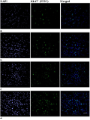
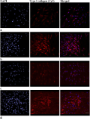
- incorporating nanoparticles into controlled-release local delivery systems, enabling sustained therapeutic levels while avoiding cytotoxic peaks. Future studies incorporating optimized concentrations or surface modifications may allow for a broader comparative biological assessment. Conclusion AgNPs synthesized



Advances in nanotechnology applied to natural products
Beilstein J. Nanotechnol. 2026, 17, 555–558, doi:10.3762/bjnano.17.36

- experimental models [13]. In topical applications, they can promote skin permeation, and controlled release and support formulation robustness, including those intended for transdermal and ocular administration, thereby consolidating microemulsions as versatile and practical platforms for the development of
- nanofibers, have been proposed for the simultaneous transport of hydrophilic and lipophilic bioactives, leveraging compartmentalization to combine material advantages and enable multifunctional controlled-release strategies [25]. Beyond organic nanocarriers, research has increasingly extended to inorganic
Nanocarrier-integrated multilayer films produced by 3D printing for improved skin adhesion and curcumin photostability
Beilstein J. Nanotechnol. 2026, 17, 440–453, doi:10.3762/bjnano.17.30
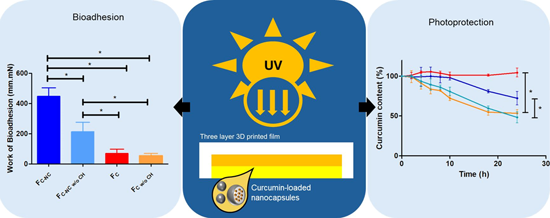
- printed material, as molecular dispersion in FC may be associated with greater rheological rigidity and a faster initial drug release, whereas FC-NC is expected to provide improved storage stability and controlled release profile [44][45]. The 3D films were intended to be used to facilitate skin repair


Biomimetic nanoparticles in cancer photodynamic therapy: a review of targeted delivery systems and therapeutic outcomes
Beilstein J. Nanotechnol. 2026, 17, 396–422, doi:10.3762/bjnano.17.27
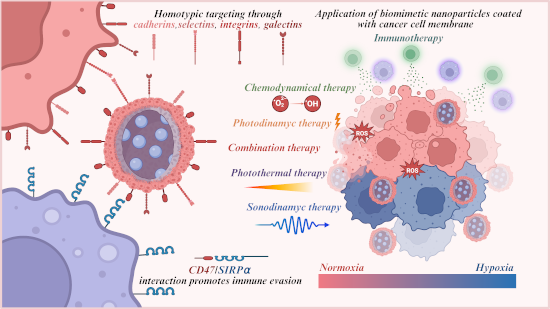
- detoxification is essential to eliminate toxic components without compromising immunogenic properties [61]. Finally, the biomimetic coating can influence drug release profiles, potentially hindering the controlled release of therapeutic agents [62]. Optimizing these systems requires careful consideration of
- , controlled release, and overcoming biological barriers. One promising strategy is the creation of hybrid biomimetic coatings, where membranes from multiple cell types are fused to combine their unique functionalities. For example, NPs coated with a mix of RBC, cancer cell, and immune cell membranes can
- conformations and orientations, thereby enhancing their functional activity in binding to cellular receptors. A key emerging trend in such delivery systems is the development of smart platforms that respond to external stimuli, enabling remote-controlled release of therapeutic payloads. A significant


Eco-efficient materials for agricultural crops based on a mineral rich in MOR- and HEU-type zeolites
Beilstein J. Nanotechnol. 2026, 17, 381–395, doi:10.3762/bjnano.17.26
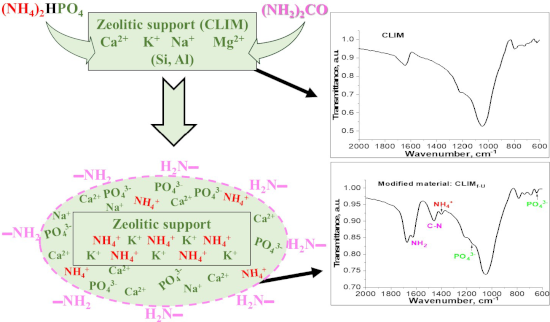
- losses during dissolution [6][7][8][9]; also, more than 30% of their total weight is water, which provides additional moisture during hot and dry periods. These characteristics make zeolites potentially applicable in agriculture for the development of modern fertilizers with controlled release and
- the type of species present. These features affect the rate at which cations are delivered to the external environment. This aspect is relevant for agricultural applications, where zeolites are used as controlled-release fertilizers [28] for a range of nutrients. Besides this, most prior work has
- essential mainly during the early stages of crop development. This scenario could lead to impeded diffusion and consequent slow release of nutrients from the zeolitic material into the soil solution. This late delivery of nutrients is consistent with the concept of slow or controlled release and increases




From shield to spear: Charge-reversible nanocarriers in overcoming cancer therapy barriers
Beilstein J. Nanotechnol. 2026, 17, 159–175, doi:10.3762/bjnano.17.10
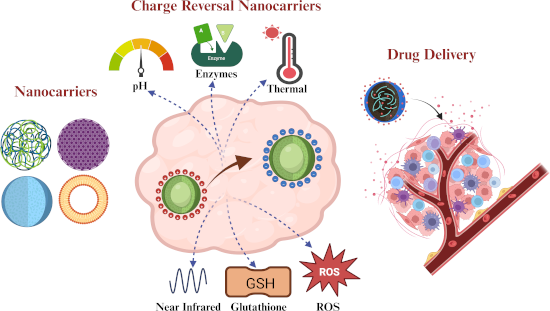
- , which enhances drug targeting while reducing off-target effects. These carriers leverage triggers such as changes in pH, enzymatic activity, redox conditions, temperature, light, ultrasound, X-rays, and magnetic fields to enable intelligent and controlled release of therapeutics. This review examines
- enhances cellular uptake by facilitating better interaction with the negatively charged cell membrane, improving drug delivery efficiency [45]. For example, nanoparticles engineered with pH-responsive polymers facilitate the controlled release of therapeutic agents specifically within the acidic tumour
- materials such as graphene, azobenzene, and gold nanorods [54]. Upon exposure to UV–vis or near-infrared (NIR) light, these materials undergo structural changes or generate ROS, triggering controlled release of their therapeutic cargo. This precise spatiotemporal control over drug release and therapeutic


Influence of surface characteristics on the in vitro stability and cell uptake of nanoliposomes for brain delivery
Beilstein J. Nanotechnol. 2026, 17, 139–158, doi:10.3762/bjnano.17.9
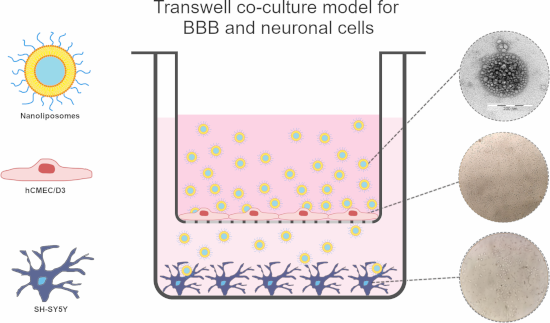
- characteristics; Introduction Advancements in nanotechnology and the use of nanoliposomes (NLs) as carriers for targeted delivery and controlled release of active components (AC) show promise in addressing multiple pathologies associated with neurodegenerative diseases like Alzheimer's disease (AD) [1]. It is


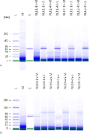
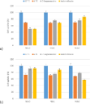


Development and in vitro evaluation of liposomes and immunoliposomes containing 5-fluorouracil and R-phycoerythrin as a potential phototheranostic system for colorectal cancer
Beilstein J. Nanotechnol. 2026, 17, 97–121, doi:10.3762/bjnano.17.7
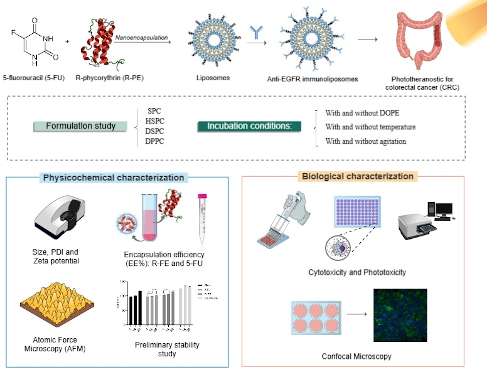
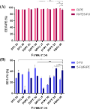

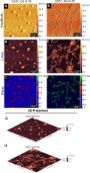
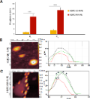


Beyond the shell: exploring polymer–lipid interfaces in core–shell nanofibers to carry hyaluronic acid and β-caryophyllene
Beilstein J. Nanotechnol. 2025, 16, 2015–2033, doi:10.3762/bjnano.16.139
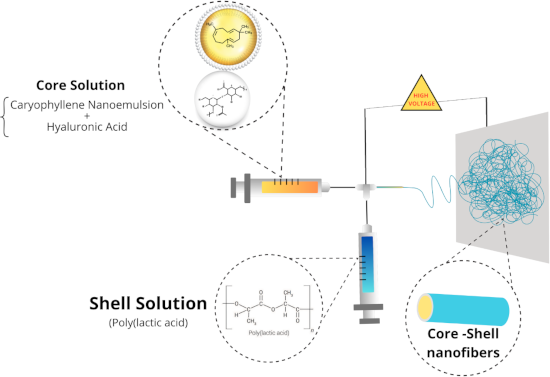
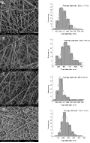
- advancements in the controlled release of diverse bioactive compounds [5][6][7][8][9][10]. Among the various nanostructured platforms explored for these purposes, nanofibers have gained attention due to their high surface area, adjustable porosity, and robust mechanical properties, which set them apart from
- –shell nanofibers can enhance the system in various scenarios (e.g., improving formulation stability, increasing the encapsulation efficiency, and tailoring the controlled release of therapeutically active molecules [39][40]). This approach has demonstrated promising results, especially for topical drug
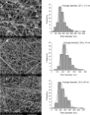
- observable beads, and a heterogeneous diameter distribution. Structural characterization of nanofibers Core–shell nanofibers create a protective environment for bioactive agents within the core, preserving their activity while enabling controlled release. By tailoring the shell architecture, the release




Targeting the vector of arboviruses Aedes aegypti with nanoemulsions based on essential oils: a review with focus on larvicidal and repellent properties
Beilstein J. Nanotechnol. 2025, 16, 1894–1913, doi:10.3762/bjnano.16.132
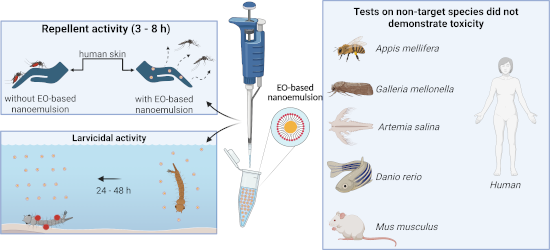
- ]. Furthermore, they increase the water solubility of poorly soluble compounds, improve the dispersion of essential oils in vector control, and provide a controlled release of the bioactives. Finally, these systems can be obtained at low cost and through more sustainable technologies [36]. Given these advantages
- , volatility, and skin permeation of the active compounds, prolonging the repellent effect due to the controlled release of these compounds [151][152]. The mechanism of action may involve interference with the olfactory system of the mosquitoes, masking host signals and disrupting orientation behavior [147
- %). The study also demonstrated controlled release of the active ingredient, with 53.3% released in 8 hours (33.31 mg/mL) and 71.5% after 24 hours. Finally, cytotoxicity tests were conducted, wherein the nanoemulsion maintained high cellular compatibility, with viability greater than 97% in murine


Exploring the potential of polymers: advancements in oral nanocarrier technology
Beilstein J. Nanotechnol. 2025, 16, 1751–1793, doi:10.3762/bjnano.16.122
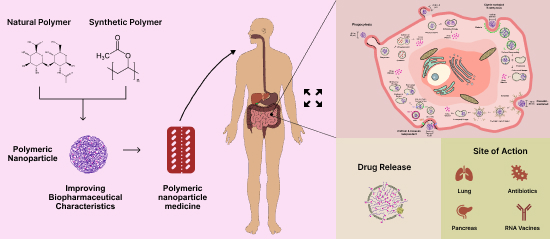
- permeability, critical factors for effective oral drug delivery, are discussed in detail. Furthermore, nanoparticle synthesis methods that enable controlled release profiles, optimized biodistribution, and improved therapeutic efficacy are also explored. Thus, polymers represent a dynamic platform for
- . Diffusion-controlled release is directly influenced by the effective diffusion coefficient of the drug within the polymer matrix [10]. Erosion, as a release mechanism, involves the degradation of the polymer matrix, altering the nanostructure in two ways: surface and bulk erosion. In surface erosion, the
- . Each absorption route offers specific advantages and challenges that must be addressed based on the therapeutic application [16]. In this context, the chemical functionality of polymers, their interaction with cell membranes, and controlled release dynamics are critical for drug delivery. Understanding


Prospects of nanotechnology and natural products for cancer and immunotherapy
Beilstein J. Nanotechnol. 2025, 16, 1644–1667, doi:10.3762/bjnano.16.116
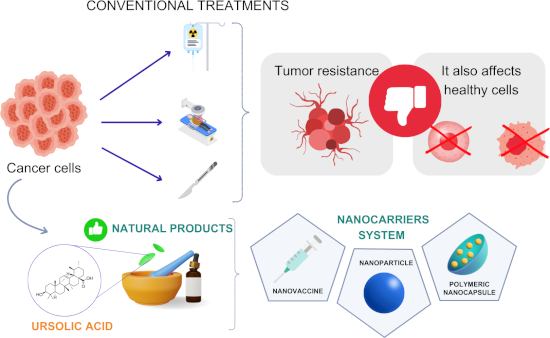
- . [56][57][58]. Additionally, the controlled release of the drug provided by pharmaceutical technologies can help reduce the toxicity and adverse effects of cancer treatments [59]. Consequently, the implementation of nanotechnology is seen as fundamental to the production of antineoplastic and


Venom-loaded cationic-functionalized poly(lactic acid) nanoparticles for serum production against Tityus serrulatus scorpion
Beilstein J. Nanotechnol. 2025, 16, 1633–1643, doi:10.3762/bjnano.16.115
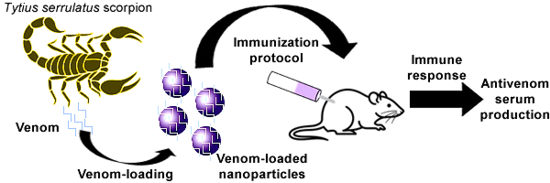
- barriers, their biocompatibility, and low toxicity [18]. Their manipulation at the nanoscale changes specific surface properties, possibly improving the ability to cross biological barriers targeting the affected tissues [18][19]. In this context, nanoparticle controlled release based on biodegradable
- detoxify, preserve antigenicity, and enhance immune protection against scorpion toxins [11]. At the same time, it has always been a constant effort and focus to either search for alternative adjuvants or to reduce the quantity of aluminum in the vaccines. In this direction, controlled release of micro- and


Nanomaterials for biomedical applications
Beilstein J. Nanotechnol. 2025, 16, 1499–1503, doi:10.3762/bjnano.16.105
- their controlled release. They are also being investigated as gene delivery agents since they can transport DNA or RNA, making them a potential candidate for therapies such as gene therapy and RNA-based vaccines [11]. Furthermore, carbon nanotubes have revealed promising results in targeted delivery
Enhancing the therapeutical potential of metalloantibiotics using nano-based delivery systems
Beilstein J. Nanotechnol. 2025, 16, 1350–1366, doi:10.3762/bjnano.16.98
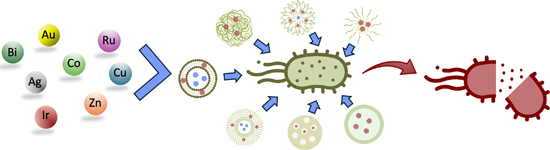
- enabling controlled release and selective accumulation at the infection site, as well as facilitating the delivery of antibiotics to intracellular bacterial reservoirs [54][55]. Altogether, these advantages contribute to enhanced therapeutic efficacy, improved solubility of poorly water-soluble compounds
- presence of polar silanol groups, which enhance stability and the ability to absorb water. These properties make them excellent carriers for bioactive molecules, providing efficient encapsulation and controlled release. SiNPs can be engineered to release their payloads in response to specific stimuli
- -PLGA-NPs. High negative zeta potential values suggested that both encapsulation systems are sufficiently stable for drug delivery. In addition, both systems exhibited a biphasic release pattern, with an initial burst release followed by sustained and controlled release of the morin-Cu(II) complex


Ferroptosis induction by engineered liposomes for enhanced tumor therapy
Beilstein J. Nanotechnol. 2025, 16, 1325–1349, doi:10.3762/bjnano.16.97
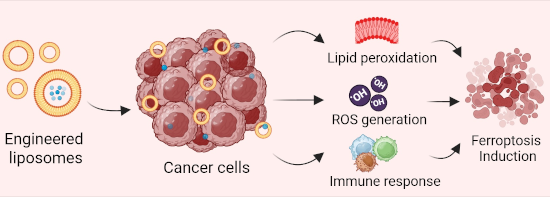
- systems include precise targeting, controlled release over time, prolonged half-life, and reduced systemic toxicity [19]. Liposomes, as lipid-based nanoparticles, hold promise for improving cancer therapies as they can encapsulate various anticancer molecules [20]. A liposome typically consists of a
- delivery, owing to their exceptional features such as shielding encapsulated substances from physiological degradation, extending drug half-life, enabling controlled release of drug molecules, and excellent biocompatibility and safety. Beyond medicine, they have also found widespread applications in the
- release of sorafenib at pH 5.5, achieving 83% within 24 h. These pH-responsive liposomes showed controlled release of sorafenib and hemin under TME conditions, enabling ferroptosis–apoptosis therapy of HCC [29]. Malignant tumors require an abundant supply of nutrients to support the rapid growth of cancer


Better together: biomimetic nanomedicines for high performance tumor therapy
Beilstein J. Nanotechnol. 2025, 16, 1246–1276, doi:10.3762/bjnano.16.92
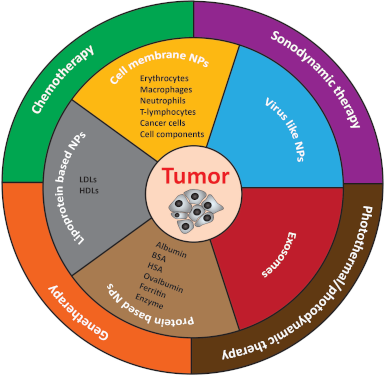
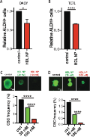
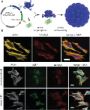
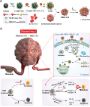
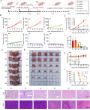
- cavity provided subcellular localization of payload in the nucleus subsequent to cellular internalization. The whole nanosystem demonstrated a significant anti-tumor activity. Shao et al. established X-ray-responsive CCM-covered mesoporous organosilica nanoparticles for the controlled release of DOX [135






Functional bio-packaging enhanced with nanocellulose from rice straw and cinnamon essential oil Pickering emulsion for fruit preservation
Beilstein J. Nanotechnol. 2025, 16, 1234–1245, doi:10.3762/bjnano.16.91
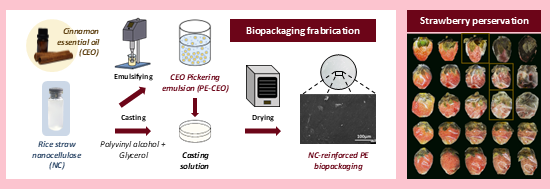
- strength tests confirmed that NC improves the structural integrity. The controlled release of CEO helped to ensure prolonged bioactive effects, providing a dual-function material suitable for food preservation applications. The resulting films demonstrated their practical potential by extending the shelf
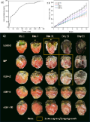
- absorbance of the sample containing both the test substance and DPPH, and Acolor is the absorbance of the sample containing the test substance without DPPH. Controlled release profile. The controlled release of CEO from the films was evaluated every 20 min over 380 min by soaking exactly 1 g of film sample



Hydrogels and nanogels: effectiveness in dermal applications
Beilstein J. Nanotechnol. 2025, 16, 1216–1233, doi:10.3762/bjnano.16.90
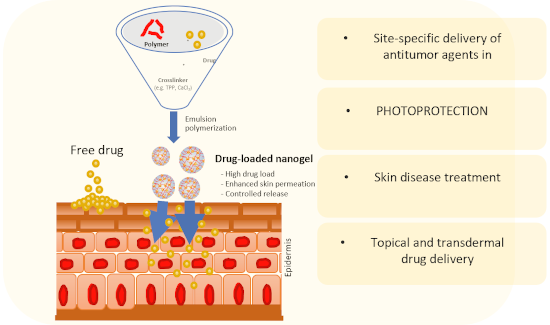
- nanocarriers, pharmacokinetic and pharmacodynamic parameters – such as size, release kinetics, and biodistribution of the encapsulated drug – must be carefully defined to maximize the efficacy of the system [65]. Such considerations are essential to obtain stable formulations with a controlled release profile
- encapsulation of poorly water-soluble drugs and allowing the controlled release of the encapsulated compound [142][144]. These innovations represent a significant advance in the development of multifunctional and biocompatible nanogels, suitable for applications in oncology, gene therapy, and precision medicine


Investigation of the solubility of protoporphyrin IX in aqueous and hydroalcoholic solvent systems
Beilstein J. Nanotechnol. 2025, 16, 1209–1215, doi:10.3762/bjnano.16.89
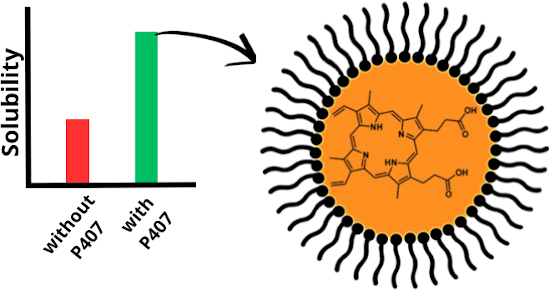
- ), indicated a Fickian diffusion mechanism occuring after the initial phase of micelle formation and subsequent accommodation of PpIX within the micellar core of the P407-based systems. These results reinforce the structural stability and controlled-release potential of the micellar formulations, particularly


Soft materials nanoarchitectonics: liquid crystals, polymers, gels, biomaterials, and others
Beilstein J. Nanotechnol. 2025, 16, 1025–1067, doi:10.3762/bjnano.16.77
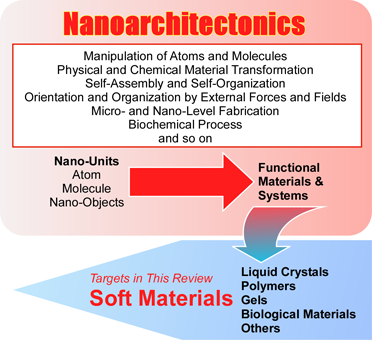
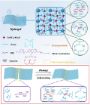
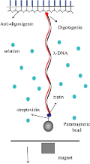
- release of protein biopharmaceuticals in response to antibodies. It is anticipated that these hydrogels will prove useful in a number of biomedical applications, including the three-dimensional controlled release of drugs and proteins, the construction of hierarchical organoids, and the development of
- attribute can also be harnessed for the regulated release of protein-based biopharmaceuticals. Furthermore, it has been demonstrated that by incorporating functional molecules such as enzymes and their inhibitors, supramolecular polymer composite hydrogels can be employed as matrices for the controlled






Polyurethane/silk fibroin-based electrospun membranes for wound healing and skin substitute applications
Beilstein J. Nanotechnol. 2025, 16, 591–612, doi:10.3762/bjnano.16.46
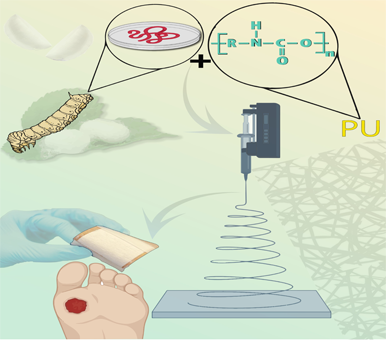
- -based electrospun fibers for biomedical applications Silk from Bombyx mori has been used as biomedical suture for centuries [94]. Generally, silks are protein polymers that are spun into fibers, which provides a wide range of material options for controlled release systems, biomaterials, and tissue
- new area for exploring an environmentally friendly variant of urethanes. Typical 3D printing frequently uses heat, organic solvents, or cross-linkers, which decrease the bioactivity of the chemicals. It may be challenging to include bioactive compounds for controlled release. Thus, a water-based