


Search results
Search for "endothelial" in Full Text gives 88 result(s) in Beilstein Journal of Nanotechnology.
Towards targeted drugs and next generation of nanomedicines
Beilstein J. Nanotechnol. 2026, 17, 598–601, doi:10.3762/bjnano.17.41

- size in a "big" human. At the same time, recent findings suggested that nanoparticles may be able to reach tumor tissue also via active mechanisms of uptake and transport across tumor endothelial cells, potentially opening up new ways to reach tumors with drugs [20][21][22]. Next to passive targeting
Nanoinformatics: spanning scales, systems and solutions
Beilstein J. Nanotechnol. 2026, 17, 423–427, doi:10.3762/bjnano.17.28
- classification, random forest, support vector classifier, and linear discriminant analysis) applied to multiple cell types (pancreatic cancer cells (PaCa2), human endothelial cells (HUVEC) and human macrophage cells (U937)). The best model for each cell type was identified, and the structural fingerprints

Biomimetic nanoparticles in cancer photodynamic therapy: a review of targeted delivery systems and therapeutic outcomes
Beilstein J. Nanotechnol. 2026, 17, 396–422, doi:10.3762/bjnano.17.27
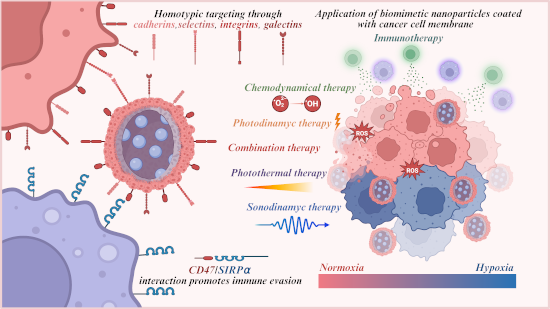
- clinical settings [91]. High malignancy cancer cells display reduced homotypic adhesion but increased heterotypic adhesion to endothelial cells, mediated by molecules such as IL6R [92], CXCR4 [93], and EPCAM [94], which are targeted via peptide-functionalized BNPs to inhibit metastasis. Additionally, NGR


Polycatecholamine nanocoatings on stainless steel: the effect on attachment of human fibroblasts and platelets
Beilstein J. Nanotechnol. 2026, 17, 365–380, doi:10.3762/bjnano.17.25
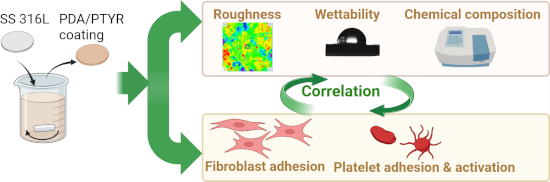
- thin, expandable struts. However, bare SS 316L stents exhibit limited hemocompatibility and are susceptible to in-stent restenosis and thrombosis [6][7]. Early and complete endothelialization plays a crucial protective role in preventing these complications, as endothelial cells restore vascular




Influence of surface characteristics on the in vitro stability and cell uptake of nanoliposomes for brain delivery
Beilstein J. Nanotechnol. 2026, 17, 139–158, doi:10.3762/bjnano.17.9
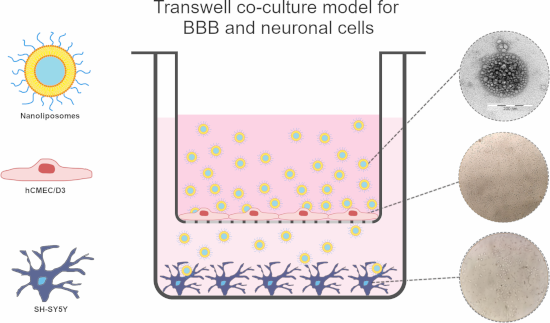
- endothelial monolayer integrity and permeability of hCMEC/D3 and SH-SY5Y in order to accurately simulate NLs uptake across the BBB and to obtain accurate representation of neuronal uptake mechanisms [14]. Other factors playing a key role in maximization of the uptake efficiency and prevention of saturation or
- from rat tail, fluorescein isothiocyanate isomer I (FITC), and Nile red dye were obtained from Sigma-Aldrich (St. Louis, USA). Immortalized human cerebral microvascular endothelial (hCMEC/D3) cell line (CELLutions, Biosistems/Cedarlane®, Canada) were maintained in Endothelial Basal Medium-2 (EBM-2
- in the basal part of the well). The medium was changed every 2–3 days until a transendothelial resistance (TEER) value >230 Ω was reached, indicative of confluent monolayer formation and tight junctions between endothelial cells [11]. In parallel, SH-SY5Y cells were seeded onto 12-well plates (3




Quality by design optimization of microemulsions for topical delivery of Passiflora setacea seed oil
Beilstein J. Nanotechnol. 2025, 16, 2116–2131, doi:10.3762/bjnano.16.146
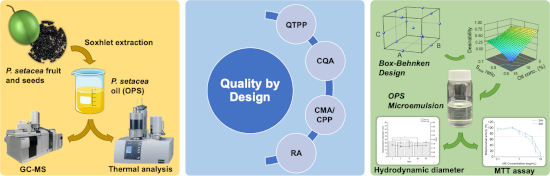
- assays demonstrated high cell viability for ME at concentrations below 2 mg/mL in RAW 264.7 macrophages and 0.5 mg/mL in human umbilical vein endothelial cells. Overall, this work presents a promising nanotechnology-based topical delivery platform for P. setacea seed oil, employing quality by design
- lines relevant to wound healing and topical application: murine macrophages (RAW 264.7) and human umbilical vein endothelial cells (HUVECs) (Figure 11). According to ISO 10993-13 guidelines, the base ME was considered cytocompatible up to concentrations of 2 mg/mL for RAW cells and 0.5 mg/mL for HUVECs
- . The observed cytotoxicity at higher concentrations is likely due to the increase proportion of surfactants in the formulation. Additionally, under certain experimental conditions, fatty acids may induce lipid peroxidation and trigger pro-inflammatory responses in endothelial cells such as HUVECs


PEGylated lipids in lipid nanoparticle delivery dynamics and therapeutic innovation
Beilstein J. Nanotechnol. 2025, 16, 1914–1930, doi:10.3762/bjnano.16.133
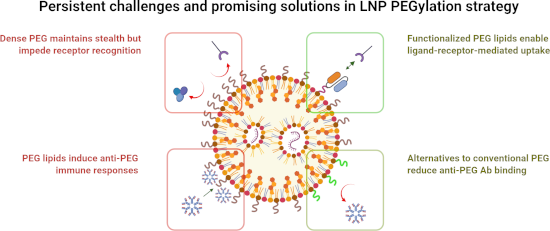
- endothelial and neuronal cells than that of the negative control LNP without peptide [40]. Notably, these enhancements remained consistent in pLNPs pretreated with serum, indicating that the peptide-conjugated LNPs using DSPE-PEG-maleimide retained targeting ability despite protein corona formation


Advances of aptamers in esophageal cancer diagnosis, treatment and drug delivery
Beilstein J. Nanotechnol. 2025, 16, 1734–1750, doi:10.3762/bjnano.16.121
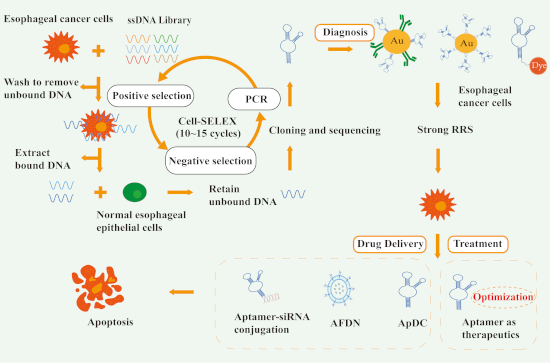
- , targeted agents targeting epidermal growth factor receptor (EGFR), human epidermal growth factor receptor 2 (HER2), and vascular endothelial growth factor receptor can also overcome the limitations of the high incidence of adverse events in traditional radiotherapy and chemotherapy models [19]. However


Better together: biomimetic nanomedicines for high performance tumor therapy
Beilstein J. Nanotechnol. 2025, 16, 1246–1276, doi:10.3762/bjnano.16.92
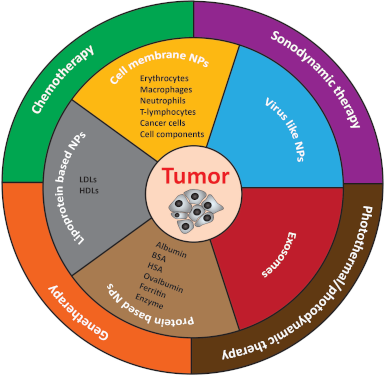
- release [152]. In another example of RBC camouflaged particle, amphiphilic copolymer of PLGA-PEI was coated with RBC membrane to transfect endothelial cells with plasmid DNA for EGFR expression [153]. In another approach, CCM-based biomimetic nanomedicine for siRNA delivery has also been reported [154






Hydrogels and nanogels: effectiveness in dermal applications
Beilstein J. Nanotechnol. 2025, 16, 1216–1233, doi:10.3762/bjnano.16.90
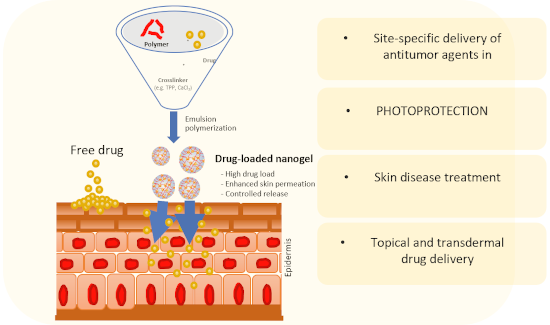
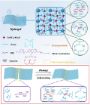
- the tumor with leakage permeable to blood flow due to disordered endothelial cell layers. This cellular organization of the vasculature with increased permeability allows increased uptake of nanoparticles by endocytosis and, consequently, increased cytotoxic effect of antineoplastic drugs. Thus, with


Soft materials nanoarchitectonics: liquid crystals, polymers, gels, biomaterials, and others
Beilstein J. Nanotechnol. 2025, 16, 1025–1067, doi:10.3762/bjnano.16.77
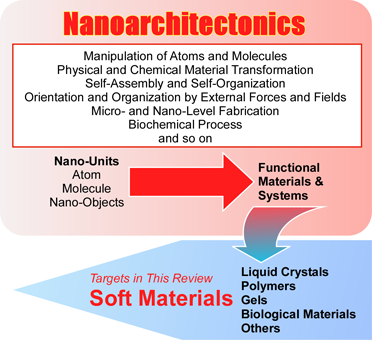
- material was observed to eliminate excessive oxidative stress, promote the growth of H2O2-injured human umbilical vein endothelial cells, and facilitate the secretion of endothelial growth factor, which is essential for angiogenesis. The subcutaneous implant model in diabetic rats and the bone tissue






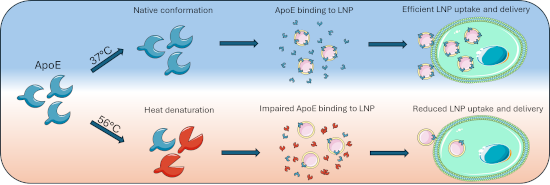
Serum heat inactivation diminishes ApoE-mediated uptake of D-Lin-MC3-DMA lipid nanoparticles
Beilstein J. Nanotechnol. 2025, 16, 740–748, doi:10.3762/bjnano.16.57
- MDA-MB-231 (ATCC) were cultured in DMEM medium with 10% FCS (Gibco) and 1% penicillin-streptomycin (PS) (Fisher Scientific). The human dermal microvascular endothelial cell line HMEC-1 (ATCC) was cultured in MCDB-131 medium supplemented with 10% FCS (Gibco), 2 mM l-glutamine (Gibco), 10 ng/mL rhEGF


Polyurethane/silk fibroin-based electrospun membranes for wound healing and skin substitute applications
Beilstein J. Nanotechnol. 2025, 16, 591–612, doi:10.3762/bjnano.16.46
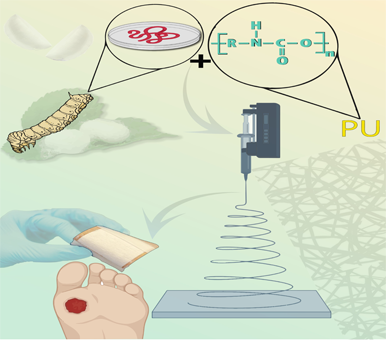
- endothelial cells are heavily activated during the proliferation stage, which helps in matrix deposition, wound closure, and angiogenesis. In wound healing, the formation of granulation tissue occurs, which is composed of cellular and fibril matrix [42]. Fibroblasts synthesize the fibrillar components
- , myofibroblasts help in wound contraction, and endothelial cells are involved in neo-angiogenesis. The re-epithelization process involves proliferation and migration towards the wound area and fills the wound with granulation tissues. In this matrix, keratinocytes live, move, and proliferate to close the wound
- [43]. Remodeling phase Remodeling is the last phase of wound healing, which ends with the formation of scars and clearance of immune cells from the epidermis. All processes from the previous stages are completed in this phase [44]. When a wound heals, endothelial cells and myofibroblasts leave behind



Recent advances in photothermal nanomaterials for ophthalmic applications
Beilstein J. Nanotechnol. 2025, 16, 195–215, doi:10.3762/bjnano.16.16
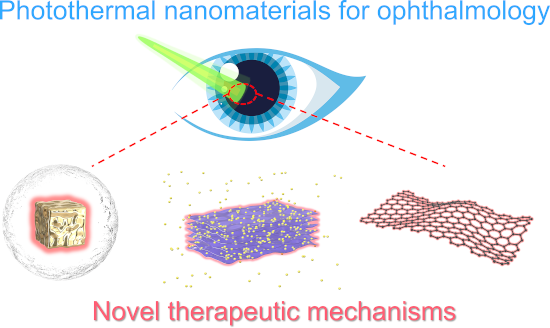
- clinical adoption of anti-vascular endothelial growth factor drugs and laser therapy [3][4]. Despite these strides, challenges remain in effectively addressing complex ophthalmic issues, particularly in underprivileged areas where high costs associated with precision optical diagnostics and advanced drug
- the AuAg core, work synergistically to eradicate multidrug-resistant bacteria. Additionally, the release of Cu+ ions from the Cu2O shell aids in accelerating endothelial cell angiogenesis and fibroblast migration, thereby enhancing the wound healing process. Clinical assessments, including ophthalmic


Nanocarriers and macrophage interaction: from a potential hurdle to an alternative therapeutic strategy
Beilstein J. Nanotechnol. 2025, 16, 97–118, doi:10.3762/bjnano.16.10
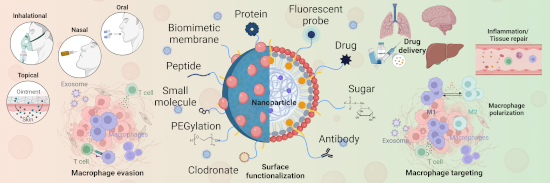
- ], as well as vascular endothelial growth factor (VEGF) and platelet-derived growth factor (PDGF), which promote extracellular matrix (ECM) deposition and angiogenesis, playing a key role in conditions like fibrosis and wound healing [14][17]. The M2 activation state is mediated by the STAT6 pathway via
- shapes like ellipsoids, discoids, and nanorods with higher aspect ratios are more effectively localized close to blood vessel walls, enhancing their internalization into endothelial cells and potentially improving their therapeutic delivery [1]. After systemic administration, NCs tend to accumulate in


Nanotechnological approaches for efficient N2B delivery: from small-molecule drugs to biopharmaceuticals
Beilstein J. Nanotechnol. 2024, 15, 1400–1414, doi:10.3762/bjnano.15.113
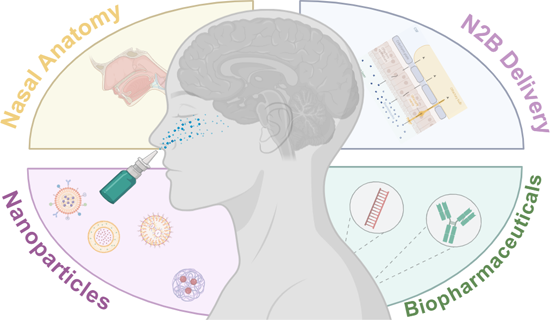
- considered a challenge because of the existence of the blood–brain barrier (BBB, Figure 1), which is composed of several cell types [7]. The BBB is a dynamic and selective interface between the systemic circulation and the brain [8]. The structure of the healthy BBB relies on the endothelial cells and the
- ongoing clinical trials [165]. However, more research is still needed regarding clinical studies and the commercialization of these strategies. Therefore, commercialization and scale-up should be the next steps in the future of N2B delivery research. Structure of the blood–brain barrier. The endothelial


A biomimetic approach towards a universal slippery liquid infused surface coating
Beilstein J. Nanotechnol. 2024, 15, 1376–1389, doi:10.3762/bjnano.15.111
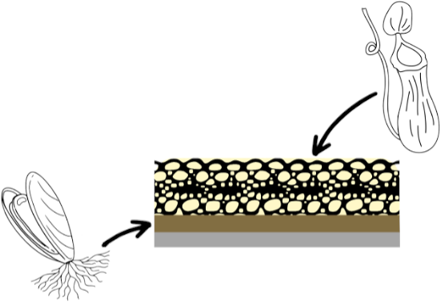
- removal and or repulsion of these important molecules that control the clotting cascade. The most prominent of the methods are ones that aim to reduce non-specific protein adsorption, increase adhesion resistance, use biomolecules to remove targets of interest, and enhance endothelial cell attachment. One




Recent updates in applications of nanomedicine for the treatment of hepatic fibrosis
Beilstein J. Nanotechnol. 2024, 15, 1105–1116, doi:10.3762/bjnano.15.89
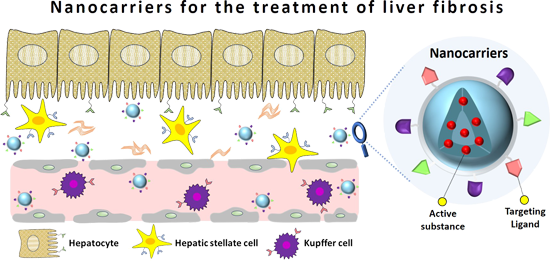
- interactions The accumulation of any type of NPs in the liver is generally accomplished because of the central role of the liver itself as a main metabolic and excretory organ in the body. The presence of fenestrations in the layers of liver sinusoidal endothelial cells (LSECs) and the absence of the
- hydrophilicity [25]. For instance, the passive liver targeting strategy highly depends on the size of nanocarriers as the endothelial fenestrations of liver sinusoids span approximately 50–200 nm in diameter (Figure 2a). In their study, Hirn and co-workers revealed that 50% of small gold NPs (around 1.4 nm) were
- dynamic endothelial fenestrations to reach HSCs in the perisinusoidal space or even hepatocytes [24][29]. Smaller nanocarriers (10–20 nm) can be taken up rapidly by hepatocytes [32]. Besides the size of the administered nanocarriers, surface properties also play an important role in dictating


Entry of nanoparticles into cells and tissues: status and challenges
Beilstein J. Nanotechnol. 2024, 15, 1017–1029, doi:10.3762/bjnano.15.83
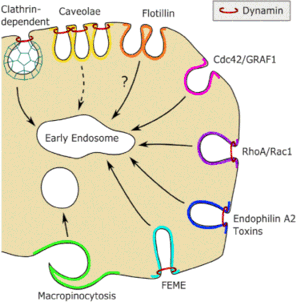
- stimulation of protein kinase A [7]. To which extent this is a general phenomenon is still unknown. In contrast, in endothelial cells caveolae can be seen on both sides of the endothelial cell layer, and caveolae have been reported to be involved in transcytosis across the cell layer [23]. It should, however
- , be noted that some endothelial cell layers have such a short distance between the poles of the cells that alternative mechanisms for transendothelial transport have been suggested [24]. Also, in non-polarized cells the growth conditions may affect the endocytic pathways and the physiology of the
- tissue from blood? The so-called enhanced permeability and retention (EPR) effect has for many years been stated to be the main mechanism for delivery of NPs from blood into tumors. This effect is explained by the fact that more NPs enter and are retained in tumors due to a leakier endothelial cell layer


Therapeutic effect of F127-folate@PLGA/CHL/IR780 nanoparticles on folate receptor-expressing cancer cells
Beilstein J. Nanotechnol. 2024, 15, 954–964, doi:10.3762/bjnano.15.78
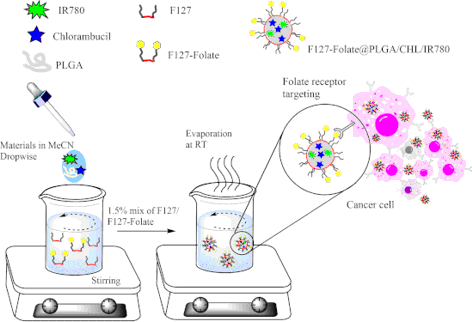
- , respectively (Table 1), which is acceptable for systemic administration. According to a review, these negative charges could reduce kidney excretion. The endothelial glycocalyx layer, glomerular basement membrane, and podocyte glycocalyx layer have negative charges, which filter positive nanoparticles faster



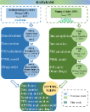
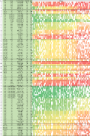
Identification of structural features of surface modifiers in engineered nanostructured metal oxides regarding cell uptake through ML-based classification
Beilstein J. Nanotechnol. 2024, 15, 909–924, doi:10.3762/bjnano.15.75
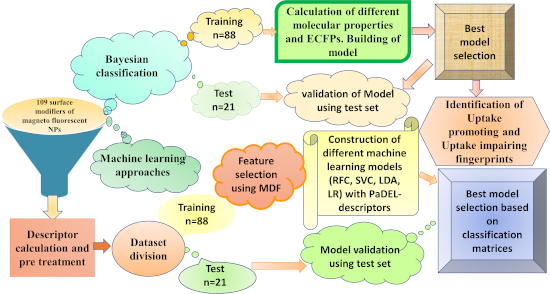
- significantly contribute to the cellular uptake of ENMOs in multiple cell types, including pancreatic cancer cells (PaCa2), human endothelial cells (HUVEC), and human macrophage cells (U937). The best models have been identified for each cell type and analyzed to detect the structural fingerprints/features
- ENMOs (monocrystalline magnetic nanoparticles having overall size of 38 nm and an average of 60 ligands per nanoparticle, indicating a consistent level of attachment across different preparations) regarding human pancreatic ductal adenocarcinoma cells (PaCa2), human umbilical vein endothelial cells
- (HUVEC), and the human monocyte lymphoma cell line U937 [34]. PaCa2 cells are derived from a human pancreatic tumor and are adherent and epithelial in nature, providing insights into the uptake and behavior of nanoparticles in pancreatic cancer. HUVEC cells are endothelial cells derived from the vein of


Radiofrequency enhances drug release from responsive nanoflowers for hepatocellular carcinoma therapy
Beilstein J. Nanotechnol. 2024, 15, 569–579, doi:10.3762/bjnano.15.49
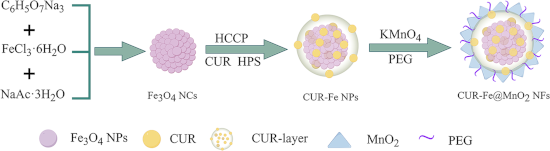
- suppressor gene [14]. Curcumin can also curtail HCC angiogenesis by decreasing the expression of vascular endothelial growth factors (VEGFs) [15]. Furthermore, CUR has the potential to inhibit HCC by reducing the number of myeloid-derived suppressor cells (MDSCs) and interfering with angiogenesis by
- downregulating the expression of VEGFs and the endothelial cell adhesion molecule CD31 [16]. However, disadvantages of CUR include its poor stability, rapid metabolism, and low solubility, which limits its application [17][18][19][20]. To address the aforementioned challenges, intelligent delivery systems have


On the additive artificial intelligence-based discovery of nanoparticle neurodegenerative disease drug delivery systems
Beilstein J. Nanotechnol. 2024, 15, 535–555, doi:10.3762/bjnano.15.47
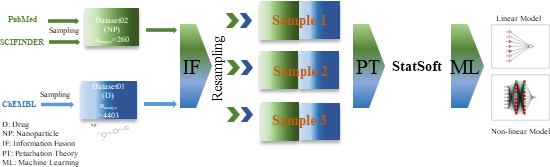
- size on the probability to cross the BBB by using the endothelial brain cell method. The results indicated that the intracellular uptake of NPs strongly depends on the NP size. This characteristic has a direct impact on biomedical applications. When NPs serve as carriers for drug delivery through



Cholesterol nanoarchaeosomes for alendronate targeted delivery as an anti-endothelial dysfunction agent
Beilstein J. Nanotechnol. 2024, 15, 517–534, doi:10.3762/bjnano.15.46
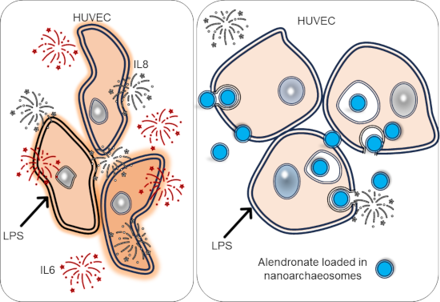
- into targeted nanovesicles, its anti-inflammatory activity may be amplified towards extra-osseous and noncalcified target cells, such as severely irritated vascular endothelium. Here cytotoxicity, mitochondrial membrane potential, ATP content, and membrane fluidity of human endothelial venous cells
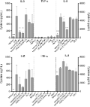
- basal compartments. The endocytosis of nanoARC-Chol(ALN), was observed to partly reduce the endothelial-mesenchymal transition of HUVECs. Besides, while 10 mg/mL dexamethasone, 7.6 mM free ALN and ALN-loaded liposomes failed, 50 μg/mL TL + 2.5 μg/mL ALN (i.e., nanoARC-Chol(ALN)) reduced the IL-6 and IL
- , not only surpassing that of free ALN but also that of dexamethasone. Keywords: alendronate; archaeolipids; endothelial; inflammation; Introduction Many acute lethal events and chronic inflammatory diseases are mediated by initial or consequential damage to the vascular endothelium. Endothelial





Fabrication of nanocrystal forms of ᴅ-cycloserine and their application for transdermal and enteric drug delivery systems
Beilstein J. Nanotechnol. 2024, 15, 465–474, doi:10.3762/bjnano.15.42
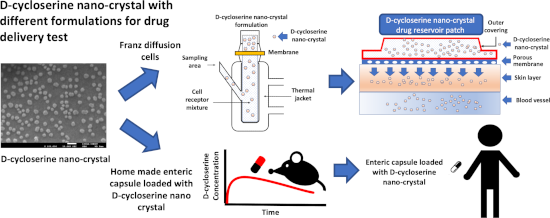
- vascular endothelial cells are at low frequency, and that the trans-endothelial pathways are the dominant mechanisms for nanoparticle extravasation in tumors (also called enhanced permeability and retention (EPR) effect) [37]. Since the skin has a denser structure than that of tumor vessels, we speculated





