Search results
Search for "in vitro studies" in Full Text gives 69 result(s) in Beilstein Journal of Nanotechnology.
Nanoparticle delivery systems for HIV pre-exposure prophylaxis (PrEP): advances and challenges
Beilstein J. Nanotechnol. 2026, 17, 839–853, doi:10.3762/bjnano.17.60
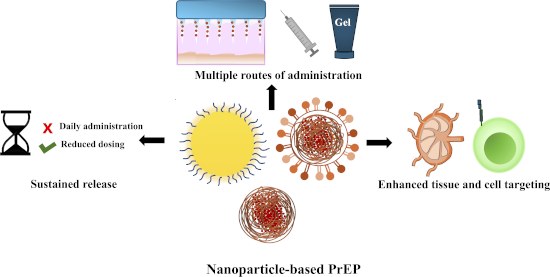
- acidic pH (4.2), representative of vaginal environment, and significantly enhanced drug release at neutral pH (7.4), simulating semen exposure. The in vitro studies also showed cellular uptake of CAP nanoparticles into vaginal epithelial cells and sustained intracellular presence over 7 days. The CAP-DTG
- that can be particularly useful for the pericoital protection of females [64]. In this system TDF encapsulated in liposomes and FTC were incorporated into a hydrogel matrix. In vitro studies showed that this formulation provides rapid initial release of FTC (40% of total FTC within the first hour


Biomimetic nanoparticles in cancer photodynamic therapy: a review of targeted delivery systems and therapeutic outcomes
Beilstein J. Nanotechnol. 2026, 17, 396–422, doi:10.3762/bjnano.17.27
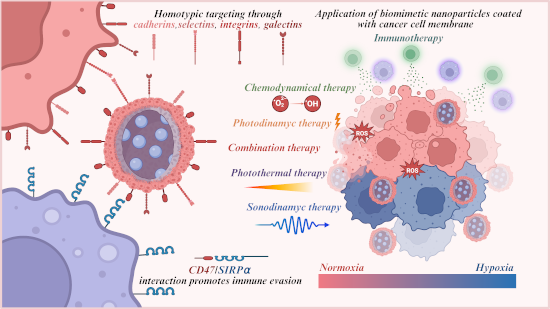
- the control group [178]. Another system consisted of ICG and PFTBA loaded into a HSA core, which was subsequently coated with an erythrocyte membrane containing the CD47 protein to enable prolonged circulation (up to 24 h) and immune evasion. In vitro studies using HeLa cells and RAW264.7 macrophages


Optical bio/chemical sensors for vitamin B12 analysis in food and pharmaceuticals: state of the art, challenges, and future outlooks
Beilstein J. Nanotechnol. 2025, 16, 2207–2244, doi:10.3762/bjnano.16.153


PEGylated lipids in lipid nanoparticle delivery dynamics and therapeutic innovation
Beilstein J. Nanotechnol. 2025, 16, 1914–1930, doi:10.3762/bjnano.16.133
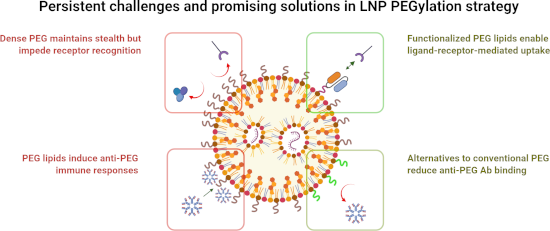
- the same mouse model, strong protein expressions were observed after injection of 10 µg mRNA per dose. Additionally, in vitro studies using human whole blood also revealed that pSar-LNPs triggered lower levels of the proinflammatory cytokines IL-1β, IL-6, and IL-8, compared to PEG-LNPs [81]. Recent


On the road to sustainability – application of metallic nanoparticles obtained by green synthesis in dentistry: a scoping review
Beilstein J. Nanotechnol. 2025, 16, 1851–1862, doi:10.3762/bjnano.16.128
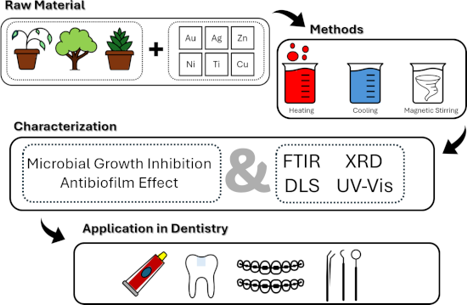
- content. Despite promising results, gaps remain, such as the predominance of in vitro studies (68.7%) and insufficient cytotoxicity assessments (47.8%), underscoring the need for translational research. This review highlights the transformative potential of green-synthesized nanoparticles in dentistry


Exploring the potential of polymers: advancements in oral nanocarrier technology
Beilstein J. Nanotechnol. 2025, 16, 1751–1793, doi:10.3762/bjnano.16.122


Prospects of nanotechnology and natural products for cancer and immunotherapy
Beilstein J. Nanotechnol. 2025, 16, 1644–1667, doi:10.3762/bjnano.16.116
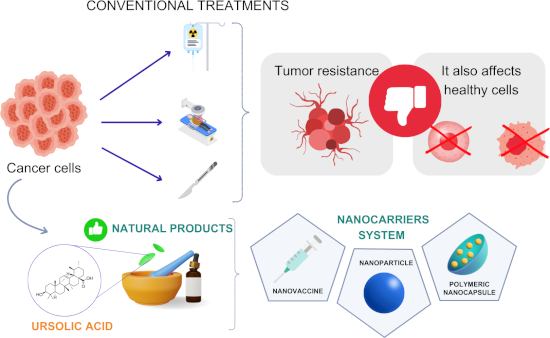
- inhibition of cancer cell migration, invasion, and metastasis [122][123]. The patent characterizes the NPs through DLS and TEM, confirming a uniform size distribution. Additionally, in vitro studies using MCF-7 breast cancer cells demonstrated inhibition of cell proliferation, with the NP inducing apoptosis


Piezoelectricity of hexagonal boron nitrides improves bone tissue generation as tested on osteoblasts
Beilstein J. Nanotechnol. 2025, 16, 1068–1081, doi:10.3762/bjnano.16.78
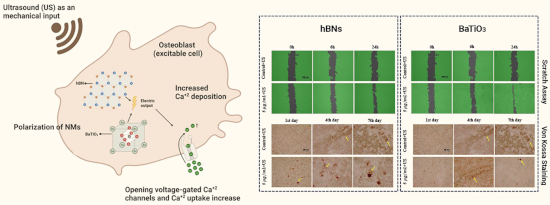
- evaluated. The synthesized hBNs and purchased BaTiO3 were used after their full characterization by imaging and spectroscopic techniques. The piezoelectric behavior of both NMs was evaluated using piezoresponse force microscopy (PRFM). During in vitro studies, the piezoelectricity of the NMs was stimulated
- hBN. The materials were characterized using spectroscopic, imaging, and thermal techniques, followed by assessment of their piezoelectric properties via piezoresponse force microscopy (PRFM). In vitro studies on human osteoblasts (HOb) under ultrasound (US) exposure examined proliferation, cellular


Serum heat inactivation diminishes ApoE-mediated uptake of D-Lin-MC3-DMA lipid nanoparticles
Beilstein J. Nanotechnol. 2025, 16, 740–748, doi:10.3762/bjnano.16.57
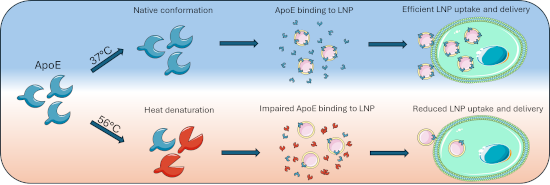
- knockdown efficiency of C12 LNPs. Moreover, the addition of ApoE to HI FCS did not increase knockdown compared to HI FCS in U87 or MDA-MB-231 (Figure 5). Collectively, our results show that the source and condition of serum components, such as ApoE, define the performance of MC3 LNPs in in vitro studies


Polyurethane/silk fibroin-based electrospun membranes for wound healing and skin substitute applications
Beilstein J. Nanotechnol. 2025, 16, 591–612, doi:10.3762/bjnano.16.46
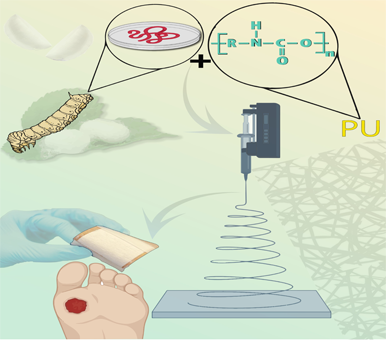
- dermal matrix [85]. In vitro studies showed that the use of electrospun silk nanofibers favors the attachment of human fibroblasts, keratinocytes, and deposition of collagen type I [86]. Silk can be processed into hydrogels, scaffolds, and films with the incorporation of bioactive factors such as growth
- scaffold was cytocompatible and osteoconductive. In vitro studies showed that the scaffold successfully supported the osteogenic differentiation of human mesenchymal stem cells, migration and proliferation of endothelial cells, and growth of neural stem cells. The combination of BMP2, VEGF, and NGF
- cross-linking were used to develop a silk fibroin/chitosan/nanohydroxyapatite (SF/CS/nHA) scaffold in three different concentrations (3%, 4%, and 5%). The 4% SF/CS/nHA scaffold was shown to be the most effective for bone repair. In vitro studies involved seeding bone marrow mesenchymal stem cells (BMSCs



Synthetic-polymer-assisted antisense oligonucleotide delivery: targeted approaches for precision disease treatment
Beilstein J. Nanotechnol. 2025, 16, 435–463, doi:10.3762/bjnano.16.34

- activity of a series of transferrin-conjugated LPNs with varied physicochemical properties, designed to deliver a phosphorothioate ASO targeting ribonucleotide nuclease R1 [114]. Experimental and in vitro studies indicated that optimal biostability and cytocompatibility were achieved with particles bearing
- the antitumoral activity of Ku86 ASOs complexed with Pluronic (P85)–PEI (2 kDa) conjugates [123]. In vitro studies revealed a significant reduction in Ku86 protein levels and increased apoptosis rates following radiotherapy in cells treated with these cationic polyplexes. Moreover, experimental


Engineered PEG–PCL nanoparticles enable sensitive and selective detection of sodium dodecyl sulfate: a qualitative and quantitative analysis
Beilstein J. Nanotechnol. 2025, 16, 385–396, doi:10.3762/bjnano.16.29
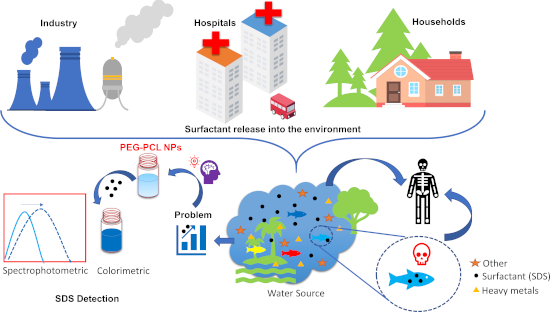
- , 190, 12, and 4 h of exposure, respectively [6]. The sub-lethal chronic effects of SDS were observed on the survival, metabolic processes, and development of juvenile Centropomus parallelus specimens exposed to the compound at three distinct salinity levels [7]. In vitro studies on bovine lenses at an


Development of a mucoadhesive drug delivery system and its interaction with gastric cells
Beilstein J. Nanotechnol. 2025, 16, 371–384, doi:10.3762/bjnano.16.28

- , A2033), poloxamer 407 (16758), calcium chloride, and mucin from porcine stomach (M1778) were purchased from Sigma-Aldrich, USA. Sunflower oil and sorbitan monooleate (Span 80) were from TCI Chemicals, USA. For in vitro studies, high-glucose DMEM and Pen-Step solution were purchased from Sartorius


Nanocarriers and macrophage interaction: from a potential hurdle to an alternative therapeutic strategy
Beilstein J. Nanotechnol. 2025, 16, 97–118, doi:10.3762/bjnano.16.10
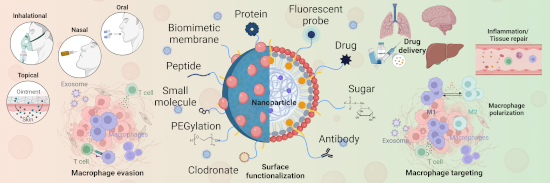
- consist of a polymeric core coated with a phospholipid layer enabling the loading of multiple agents. Moreover, Craparo et al. have demonstrated their effectiveness in COPD treatment in preliminary in vitro studies incorporating a mannose-conjugated ligand targeting CD206 receptors on AMs [113]. 6.2.2


Green synthesis of silver nanoparticles derived from algae and their larvicidal properties to control Aedes aegypti
Beilstein J. Nanotechnol. 2024, 15, 1566–1575, doi:10.3762/bjnano.15.123
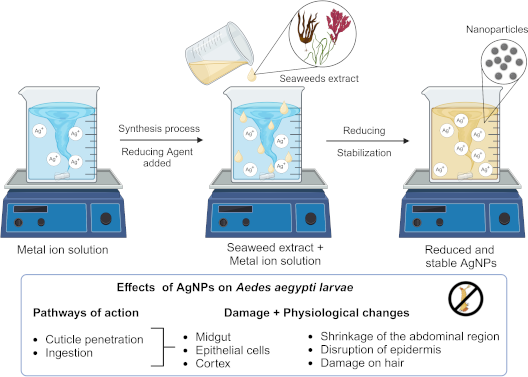
- the presence or absence of larvae feeding must be established for better reliability of larvicidal studies. Furthermore, although the studies included did not carry out toxicity studies on non-target species, it is important to highlight the need for studies such as phytotoxicity, in vitro studies in


Entry of nanoparticles into cells and tissues: status and challenges
Beilstein J. Nanotechnol. 2024, 15, 1017–1029, doi:10.3762/bjnano.15.83
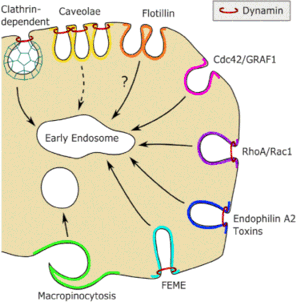
- obtained during such studies [81]. As described above for in vitro studies, there are many similarities both regarding possibilities and challenges in how to perform such studies with NPs and EVs. Both types of particles can be labelled using partly similar strategies, and the same imaging modalities are
- ) Independently of which modality used, one should always ask the following questions: What are we now seeing? Is it the labelled NPs or is it just the label that in some way has been released from the NPs? The same question should, of course, be raised in in vitro studies; however, the challenge may be even
- importance of such studies is that in vitro studies using mice plasma was reported to give a different protein corona than that obtained in vivo in mice [86]. Also, in vitro studies performed in the presence of various serum concentrations revealed different types of protein corona and endocytic uptake [87


Classification and application of metal-based nanoantioxidants in medicine and healthcare
Beilstein J. Nanotechnol. 2024, 15, 396–415, doi:10.3762/bjnano.15.36
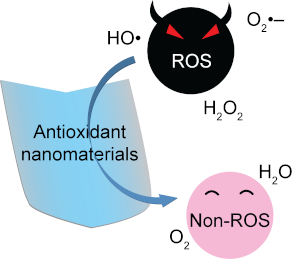
- , which are a cluster of hundreds to thousands atoms aggregated together [135]. The potential of natural antioxidant nanodelivery systems for treating age-related metabolic disorders has been proved in both in vivo and in vitro studies. For example, a nanoparticle-based formulation of curcumin exhibited


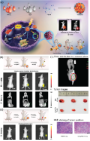
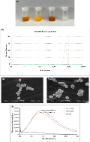
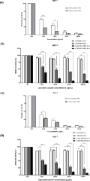
Curcumin-loaded albumin submicron particles with potential as a cancer therapy: an in vitro study
Beilstein J. Nanotechnol. 2023, 14, 1127–1140, doi:10.3762/bjnano.14.93
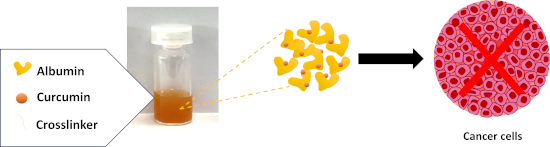
- especially anticancer potential [1][2]. Several in vivo and in vitro studies in recent years have demonstrated that CUR can influence cancer cell proliferation, invasion, angiogenesis, and metastasis [3]. It has been reported that CUR exerts anticancer effects in human breast cancer cells (MCF-7) by



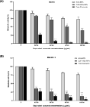

Antibody-conjugated nanoparticles for target-specific drug delivery of chemotherapeutics
Beilstein J. Nanotechnol. 2023, 14, 912–926, doi:10.3762/bjnano.14.75
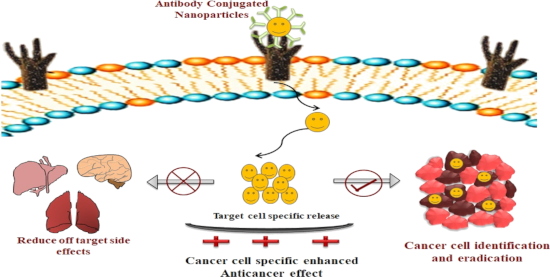
- of the specific nature of the targeting antibody. ACNPs are expected to accumulate at the target site and to improve the tumor uptake. ACNPs receptor binding efficacies were determined using in vitro studies including cellular uptake and internalization studies [71]. Multivalent effect of antibody

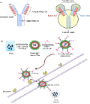


Biomimetics on the micro- and nanoscale – The 25th anniversary of the lotus effect
Beilstein J. Nanotechnol. 2023, 14, 850–856, doi:10.3762/bjnano.14.69

- -coated artificial leaf surfaces with chemical composition and wettability of wheat (Triticum aestivum) leaves. Such artificial leaves are of interest for in vitro studies of interactions of plant surfaces with living organisms and the non-living environment, as demonstrated by Huth et al. [11], where the


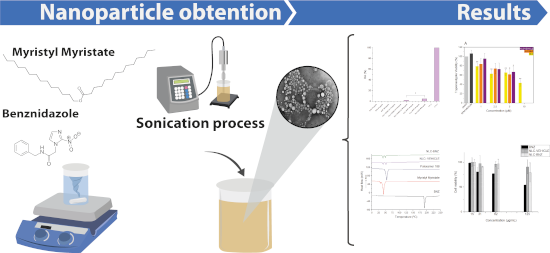
Nanostructured lipid carriers containing benznidazole: physicochemical, biopharmaceutical and cellular in vitro studies
Beilstein J. Nanotechnol. 2023, 14, 804–818, doi:10.3762/bjnano.14.66


Polymer nanoparticles from low-energy nanoemulsions for biomedical applications
Beilstein J. Nanotechnol. 2023, 14, 339–350, doi:10.3762/bjnano.14.29
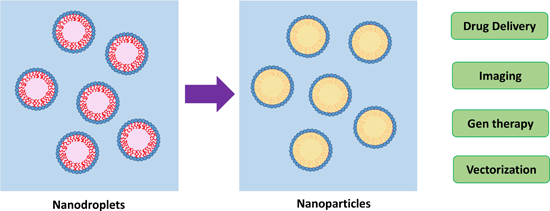
- inherent cytotoxicity of PLGA may come from the accumulation of the degraded polymer components leading to changes in osmolality of the culture medium [50]. Other in vitro studies also reported that the size of PLGA nanoparticles had a significant impact on cytotoxicity against BEAS-2B and RAW264.7 cells




Photothermal ablation of murine melanomas by Fe3O4 nanoparticle clusters
Beilstein J. Nanotechnol. 2022, 13, 255–264, doi:10.3762/bjnano.13.20
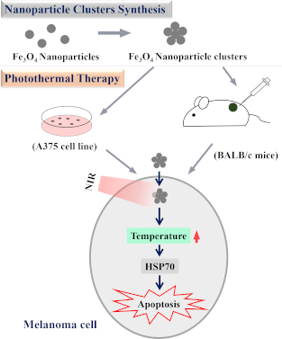
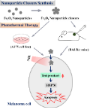
- vivo. Conclusion In summary (Figure 6), we fabricated Fe3O4 nanoparticle clusters of uniform spherical shape, with high absorption at the near-infrared 808 nm wavelength, superparamagnetism, and a strong capacity of photothermal conversion. Both in vitro studies using an immortalized A375 melanoma cell


Theranostic potential of self-luminescent branched polyethyleneimine-coated superparamagnetic iron oxide nanoparticles
Beilstein J. Nanotechnol. 2022, 13, 82–95, doi:10.3762/bjnano.13.6
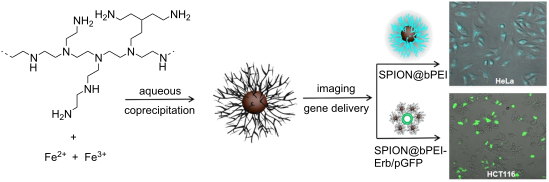
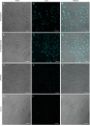
- in many in vitro studies including, for example, flow cytometry or fluorescence imaging, since the luminescence of the polymer was not detected [18][33][34]. Unfortunately, the luminescence of the fluorophores (dye or quantum dots) that are active in the visible range is usually significantly reduced




Biocompatibility and cytotoxicity in vitro of surface-functionalized drug-loaded spinel ferrite nanoparticles
Beilstein J. Nanotechnol. 2021, 12, 1339–1364, doi:10.3762/bjnano.12.99
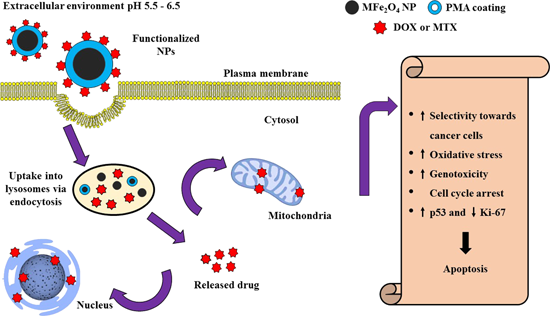
- excellent magnetic, colloidal, cytotoxic, and biocompatible aspects. However, detailed mechanistic, in vivo cytotoxicity, and magnetic-field-assisted studies are required to fully exploit these nanocarriers in therapeutic applications. Keywords: anticancer drugs; doxorubicin; drug carriers; in vitro
- studies; magnetic spinel ferrite nanoparticles; methotrexate; poly(isobutylene-alt-maleic anhydride); Introduction Cancer is the second leading cause of death and, as such, it is a global health concern [1]. It is caused by uncontrolled cell proliferation, reduced cell death rate, or both [2