Search results
Search for "lipid nanoparticles" in Full Text gives 39 result(s) in Beilstein Journal of Nanotechnology.
Nanocarrier strategies to overcome P-glycoprotein-mediated drug resistance in cancer therapy
Beilstein J. Nanotechnol. 2026, 17, 882–921, doi:10.3762/bjnano.17.64
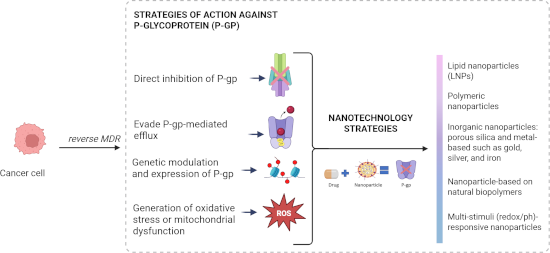
- . prepared solid lipid nanoparticles (EQNPs) loaded with erlotinib, an anticancer drug, and quercetin (Quer), a natural product that increases apoptosis and autophagy in cancer. The authors found that this combination generated a synergistic effect against A549 and NCI H460 cells, overcoming the limitations
- . Lipid nanoparticles (LNPs) are nanoscale drug delivery systems composed of lipids that enable the encapsulation and transport of active substances such as drugs, nucleic acids, proteins, and other therapeutic compounds [43]. These structures reduce systemic toxicity and improve therapeutic efficacy and
- resensitization in clinical trials. 3.2.1.2 Solid lipid nanoparticles. Solid lipid nanoparticles (SLNs) are nanoscale structures composed of solid lipids and stabilizing agents. They provide superior biocompatibility and facilitate prolonged drug release [62]. Nonetheless, their utilization is constrained by a


Nanoparticle delivery systems for HIV pre-exposure prophylaxis (PrEP): advances and challenges
Beilstein J. Nanotechnol. 2026, 17, 839–853, doi:10.3762/bjnano.17.60
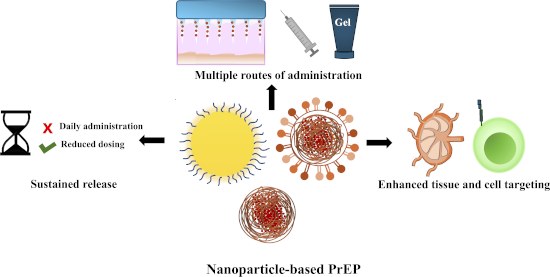
- nanoparticles (LBNPs): These include liposomes, lipid nanoparticles (LNPs), solid lipid nanoparticles (SLNs), and nanostructured lipid carriers (NLCs). LNPs have a less ordered internal structure than liposomes and are primarily used for nucleic acid delivery [28]. In general, LBNPs can encapsulate a wide range


Towards targeted drugs and next generation of nanomedicines
Beilstein J. Nanotechnol. 2026, 17, 598–601, doi:10.3762/bjnano.17.41

- potentially create synergistic effects for the treatment of complex pathologies [1][2][3]. Since the approval of the first liposomal drug for cancer therapy, Doxil [4], multiple nanomedicines have reached the market, including lipid nanoparticles for RNA delivery used worldwide for the vaccines against SARS
- for colloids, which were investigated also long before they were called "nanoparticles". On the other hand, such argument leaves out the fact that lipid-based drug carriers and colloids used today in nanomedicine are quite distinct from the ones from the past. For instance, the lipid nanoparticles
- interaction with the low density lipopoprotein receptor (LDLR) on the hepatocytes [29]. Other examples of nanomedicines exploiting endogenous targeting are the so-called selective organ-targeting (SORT) lipid nanoparticles, which adsorb different corona proteins on their surface depending on their charge
Influence of surface characteristics on the in vitro stability and cell uptake of nanoliposomes for brain delivery
Beilstein J. Nanotechnol. 2026, 17, 139–158, doi:10.3762/bjnano.17.9
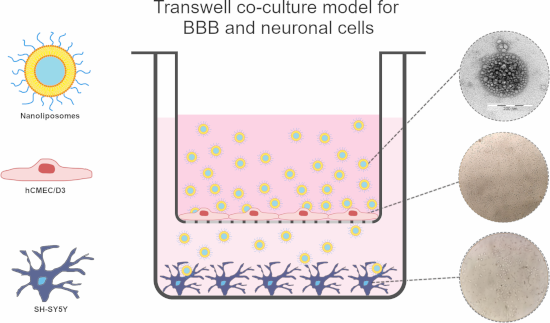
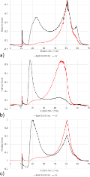


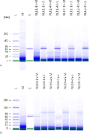
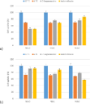


PEGylated lipids in lipid nanoparticle delivery dynamics and therapeutic innovation
Beilstein J. Nanotechnol. 2025, 16, 1914–1930, doi:10.3762/bjnano.16.133
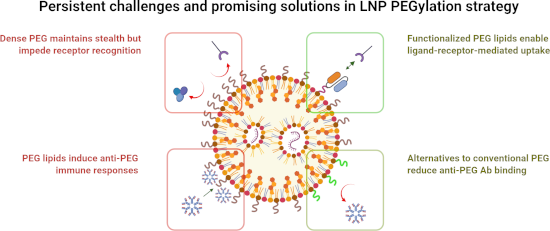
- Peiyang Gao Independent researcher, 140 First St, Cambridge, MA, 02140, USA 10.3762/bjnano.16.133 Abstract Lipid nanoparticles (LNPs) have become significant vehicles in the delivery of therapeutic substances, particularly for nucleic acid vaccines and gene therapies. A key component in the
- PEG; immunogenicity; lipid nanoparticles; PEG alternatives; PEG lipids; therapeutic delivery; Review Introduction Lipid nanoparticles (LNPs) have become a promising platform in modern nanomedicine, especially for delivering genetic payloads such as mRNA and siRNA. These nanoscale particles can
- cosmetics, hydrogels, and lubricants [62]. In lipid nanoparticles, PEG is normally incorporated in the form of PEG lipids, which reside in the surface bilayer to reduce particle aggregation and nonspecific binding. However, studies have shown that PEGylated LNPs can elicit immune responses and accelerated


Targeting the vector of arboviruses Aedes aegypti with nanoemulsions based on essential oils: a review with focus on larvicidal and repellent properties
Beilstein J. Nanotechnol. 2025, 16, 1894–1913, doi:10.3762/bjnano.16.132
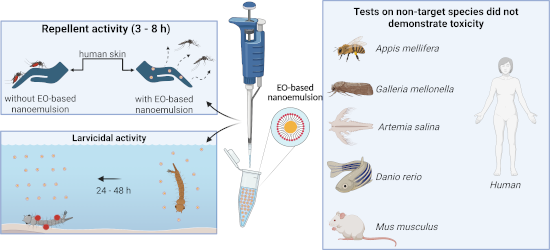
- , nanotechnological strategies have been used, such as polymeric nanocarriers [30], solid lipid nanoparticles [31], liposomes [32], and nanoemulsions [13][14][33]. Among these strategies, nanoemulsions, kinetically stable nanometric dispersions (20–500 nm) of two immiscible liquids, stabilized by surfactants, have


Exploring the potential of polymers: advancements in oral nanocarrier technology
Beilstein J. Nanotechnol. 2025, 16, 1751–1793, doi:10.3762/bjnano.16.122


Advances of aptamers in esophageal cancer diagnosis, treatment and drug delivery
Beilstein J. Nanotechnol. 2025, 16, 1734–1750, doi:10.3762/bjnano.16.121
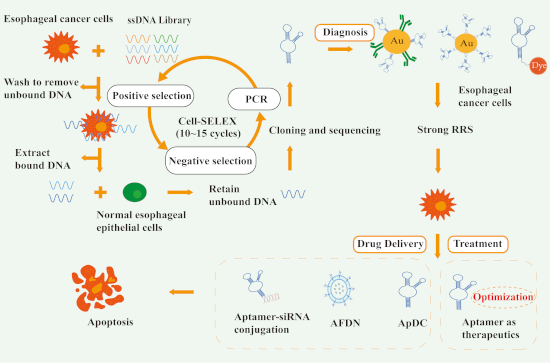
- help of aptamers. Common nanocarrier systems, including micelles, liposomes, metal nanoparticles, and solid lipid nanoparticles, demonstrate well-established fabrication protocols, yet often face challenges with in vivo stability. Emerging nanoplatforms, such as four-way junction RNA nanostructures


Enhancing the therapeutical potential of metalloantibiotics using nano-based delivery systems
Beilstein J. Nanotechnol. 2025, 16, 1350–1366, doi:10.3762/bjnano.16.98
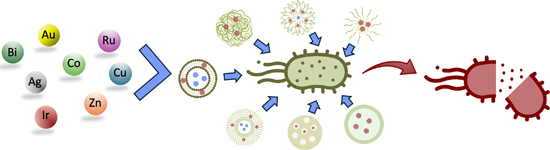
- , studies have demonstrated that mannose receptor-targeted rifampicin delivery through solid lipid nanoparticles (SLNs) can be effectively applied to the treatment of infections, highlighting the role of polymer-based systems in enhancing drug delivery to macrophages [53]. Both passive and active targeting
- by phagocytic cells, which is particularly beneficial for treating infections with biofilm-forming bacteria [67][68][69]. Solid lipid nanoparticles: SLNs are sub-micrometer colloidal carriers, typically ranging from 50 to 1000 nm, composed of lipids that remain solid at room and body temperatures


Ferroptosis induction by engineered liposomes for enhanced tumor therapy
Beilstein J. Nanotechnol. 2025, 16, 1325–1349, doi:10.3762/bjnano.16.97
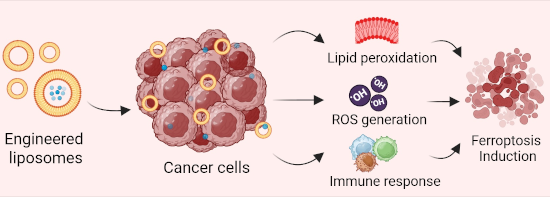
- traditional methods, such as thin film hydration, to produce liposomes and lipid nanoparticles [113][120]. Microfluidics offers exceptional control over particle size, lower variability, higher EE, and better scalability, making it the most advanced and practical approach for nanoparticle production [115][119


Better together: biomimetic nanomedicines for high performance tumor therapy
Beilstein J. Nanotechnol. 2025, 16, 1246–1276, doi:10.3762/bjnano.16.92
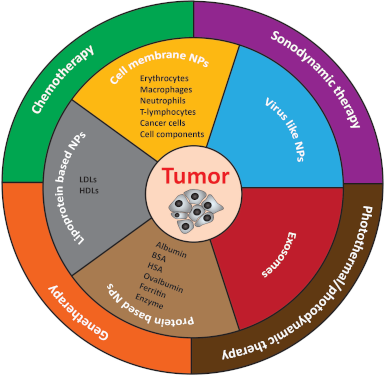
- polarization, and cRGD modification further enhances tumor accumulation [32]. In another study, Hou et al. employed M1-type macrophages and loaded them with sorafenib (SF) to develop lipid nanoparticles (M1/SLNPs). The M1/SLNPs showed an increase in tumor accumulation and enhanced the SF tumor targeting
- -modified nanosystem showed increased drug accumulation and enhanced therapeutic activity both in subcutaneous and orthotopic tumor models [125][126]. Another study regarding targeted therapy and improved drug delivery to the brain used the dual modification of RBC-coated lipid nanoparticles with T7 peptide


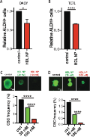



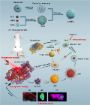

Serum heat inactivation diminishes ApoE-mediated uptake of D-Lin-MC3-DMA lipid nanoparticles
Beilstein J. Nanotechnol. 2025, 16, 740–748, doi:10.3762/bjnano.16.57
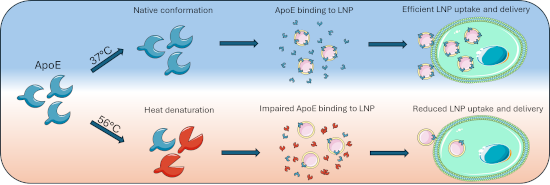
- surface of nanoparticles after administration has garnered substantial attention due to the significant effects it has on their performance. Lipid nanoparticles (LNPs) depend on protein corona formation to mediate their targeting. Such protein–nanoparticle interactions are often initially studied using in
- a crucial part during pre-clinical nanoparticle development. The influence of the protein corona is particularly evident for the efficacy of lipid nanoparticles used for RNA delivery. Lipid nanoparticles (LNPs) protect the encapsulated RNA from premature clearance and simultaneously facilitate the


Aprepitant-loaded solid lipid nanoparticles: a novel approach to enhance oral bioavailability
Beilstein J. Nanotechnol. 2025, 16, 652–663, doi:10.3762/bjnano.16.50
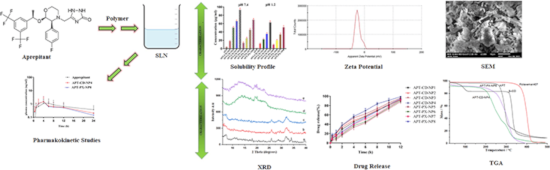
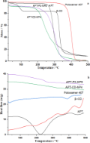
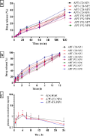
- , Robert Stevenson Road, Edinburgh, EH9 3FB, United Kingdom 10.3762/bjnano.16.50 Abstract Objectives of the present study are the development of aprepitant (APT)-loaded solid lipid nanoparticles (SLNs) using the polymers poloxamer 407 and β-cyclodextrin for enhanced solubility and their pharmacokinetic
- . Therefore, the optimal SLN formulation APT-CD-NP4 is a promising tool for oral administration with sustained release to improve the bioavailability of the BCS class-IV drug APT. Keywords: aprepitant; β-cyclodextrin; pharmacokinetic study; poloxamer; solid lipid nanoparticles; Introduction Cancer is a
- class-IV drug [10]. Low solubility and poor dissolution of BCS class-IV drugs can be improved by using techniques such as incorporating the drug or prodrug into lipid or polymeric formulations, using solid lipid nanoparticles (SLNs), applying surfactants, adjusting the pH value, reducing particle size



Synthetic-polymer-assisted antisense oligonucleotide delivery: targeted approaches for precision disease treatment
Beilstein J. Nanotechnol. 2025, 16, 435–463, doi:10.3762/bjnano.16.34

- antitumour activity in xenograft mouse models. Later experiments investigated the effect resulting from the incorporation of targeting agents into the surface of lipid–polycation vectors. For example, Yuan et al. prepared transferrin-conjugated PEI1200–lipid nanoparticles (LPNs), for the targeted delivery of
- exhibited greater splice correction effectiveness on mRNA and protein levels, measured by the increase in luciferase activity on engineered HeLa cells containing an altered luciferase gene. In later reports, Yang et al. demonstrated that bPEI–lipid nanoparticles functionalised with small cell-penetrating


Recent advances in photothermal nanomaterials for ophthalmic applications
Beilstein J. Nanotechnol. 2025, 16, 195–215, doi:10.3762/bjnano.16.16
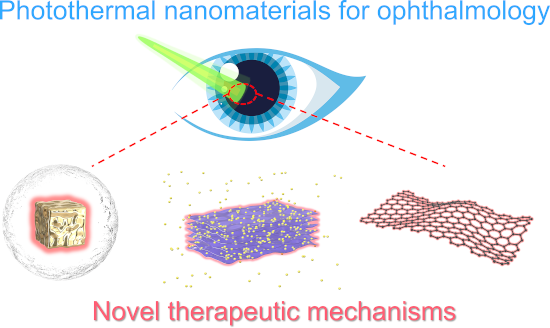
- bovine ILM and the unusually thick human ILM. In addition, this photoporation strategy allowed model nanoparticles to break through the ILM barrier for highly successful delivery to the retina and was also able to increase the efficacy of mRNA-loaded lipid nanoparticles in the bovine retina fivefold. In


Nanocarriers and macrophage interaction: from a potential hurdle to an alternative therapeutic strategy
Beilstein J. Nanotechnol. 2025, 16, 97–118, doi:10.3762/bjnano.16.10
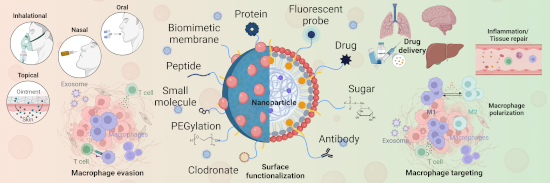
- high buffering capacities in the acidic pH range of endosomes (pH 5–6). Lipid nanoparticles (LNPs), which include cationic and ionizable materials, exhibit such intracellularly triggered delivery mechanisms and are often used to carry nucleic acids into cells. In this case, the endosomal escape is


Nanotechnological approaches for efficient N2B delivery: from small-molecule drugs to biopharmaceuticals
Beilstein J. Nanotechnol. 2024, 15, 1400–1414, doi:10.3762/bjnano.15.113
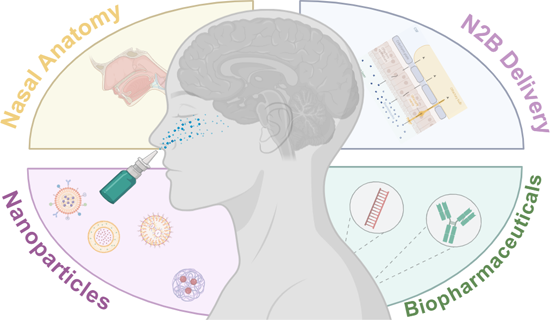
- ; intranasal delivery; liposomes; nanomedicine; nanostructured lipid carriers (NLCs); polymer nanoparticles; RNA delivery; solid lipid nanoparticles (SLNs); Introduction The central nervous system (CNS) consists of the brain and the spinal cord and is considered the body’s processing and control center. While


Recent updates in applications of nanomedicine for the treatment of hepatic fibrosis
Beilstein J. Nanotechnol. 2024, 15, 1105–1116, doi:10.3762/bjnano.15.89
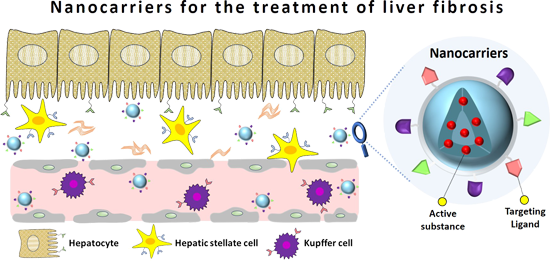
- fact that there are over 50 nanotechnology-based medical products approved by regulatory bodies worldwide for various medical purposes, including AmBisome® (liposomal amphotericin B) for fungal infections, Visudyn® (liposomal vertepor) for macular degeneration, and Onpattro® (lipid nanoparticles with


Classification and application of metal-based nanoantioxidants in medicine and healthcare
Beilstein J. Nanotechnol. 2024, 15, 396–415, doi:10.3762/bjnano.15.36
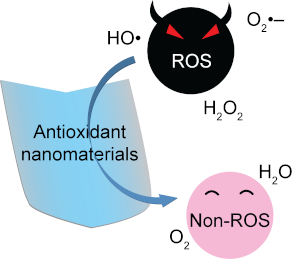
- : (1) nanoliposomes, which are a nanoscale bilayer lipid vesicle [132]; (2) nanocapsules, which consist of an inner aqueous core surrounded by a nontoxic polymeric membrane [133]; (3) solid lipid nanoparticles, which consist of a solid lipid core stabilized by a surfactant [134]; and (4) nanocrystals


Nanomedicines against Chagas disease: a critical review
Beilstein J. Nanotechnol. 2024, 15, 333–349, doi:10.3762/bjnano.15.30
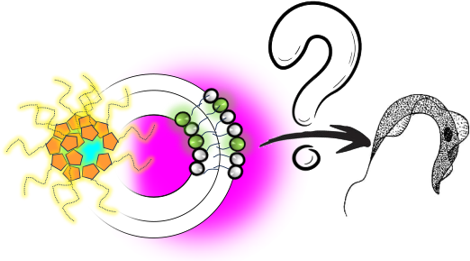
- countries’ institutions (Brazil and Argentina), and private pharmaceutical companies. The project started proposing a sublingual formulation of BNZ within liposomes or lipid nanoparticles, assuming the intact formulations could reach the blood, avoid the hepatic first-pass metabolism, and reduce the
- toxicity of BNZ. The project, however, failed in its attempt to incorporate BNZ into liposomes, while lipid nanoparticles could not be formulated into sublingual tablets. The project changed to formulate BNZ/hydroxypropyl-β-cyclodextrin complexes. These complexes were prepared on a scale seven times larger
- nanoparticles orally and intravenously administered has also been tested (Table 3). For example, oral solid lipid nanoparticles loaded with a poorly bioavailable lipophilic cyclic compound derived from dithiocarbazate, effectively reduced parasitemia, diminished inflammation and lesions of the liver and heart

Curcumin-loaded nanostructured systems for treatment of leishmaniasis: a review
Beilstein J. Nanotechnol. 2024, 15, 37–50, doi:10.3762/bjnano.15.4
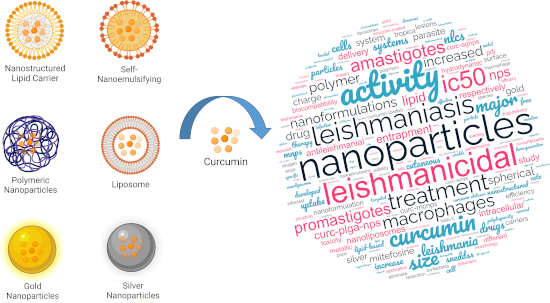
- , lipid nanoparticles, nano- and microemulsions, liposomes, or metallic nanoparticles [68]. Costa-Lima and colleagues incorporated bisnaphthalimidopropyldiaaminooctane (BNIPDaoct) into PLGA polymeric nanoparticles and obtained particles with sizes around 150 nm, with encapsulation efficiency around 90
- following the Ambisome® path. Nanostructured lipid carriers Nanostructured lipid carriers (NLCs) are lipid-based formulations with a solid matrix at room temperature that differ from solid lipid nanoparticles when it comes to their matrix organizational level. Nanostructured lipid carriers offer advantages
- such as enhanced stability, low toxicity, increased shelf life, improved drug loading capacity, and biocompatibility over other conventional lipid-based nanocarriers, such as nanoemulsions and solid lipid nanoparticles [91]. Due to their properties, the use of NLCs has been a successful strategy for


Nanotechnological approaches in the treatment of schistosomiasis: an overview
Beilstein J. Nanotechnol. 2024, 15, 13–25, doi:10.3762/bjnano.15.2
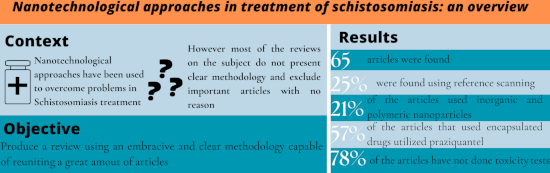
- lipid nanoparticles (SLN) are solid lipid matrices at room and body temperature [35]. Their advantages are similar to classic nanocarriers, such as protection of labile drugs from biodegradation process, excellent excipient tolerability, and prolonged release. In addition, some disadvantages of the
- liposomes (500 mg/kg) could be more efficient than free PZQ treatment. Similar results have been shown in other works that also used liposome with PZQ in different concentrations [50][51][52][53]. In addition, Xie et al. [54] studied the pharmacokinetics of solid lipid nanoparticles composed of castor oil
- encapsulating PZQ. They observed that the drug took more than one week in vitro to be released. A pharmacokinetic study in vivo also showed that the PZQ concentration in the plasma was sustained for longer times when the nanoformulation was studied in mice. Thus, the results show that solid lipid nanoparticles


Nanostructured lipid carriers containing benznidazole: physicochemical, biopharmaceutical and cellular in vitro studies
Beilstein J. Nanotechnol. 2023, 14, 804–818, doi:10.3762/bjnano.14.66
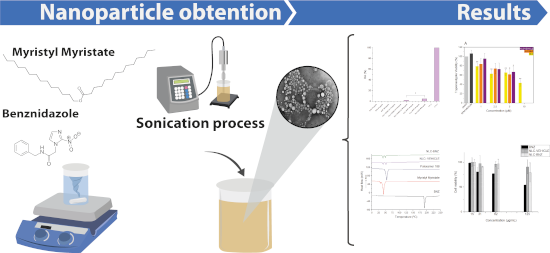
- efficiently. Many developments have been made in the past years resulting in lipid formulations such as liposomes, solid lipid nanoparticles (SLNs), and nanoemulsions, which increased the apparent solubility of BNZ and its efficacy against parasites [17]. Remarkably, oil-in-water nanoemulsions improved the


The steep road to nonviral nanomedicines: Frequent challenges and culprits in designing nanoparticles for gene therapy
Beilstein J. Nanotechnol. 2023, 14, 351–361, doi:10.3762/bjnano.14.30
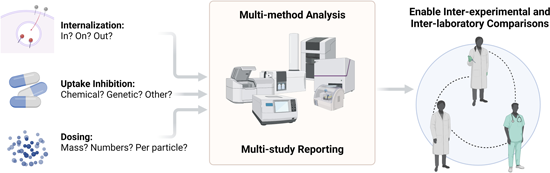
- polymeric (e.g., core–shell micelles), oligomeric (e.g., lipid nanoparticles), or biomacromolecular (e.g., protein nanoparticles) components complicates matters only further by generating a higher-than-normal background through non-specific interactions with the assay media. In addition, a significant bias

Polymer nanoparticles from low-energy nanoemulsions for biomedical applications
Beilstein J. Nanotechnol. 2023, 14, 339–350, doi:10.3762/bjnano.14.29
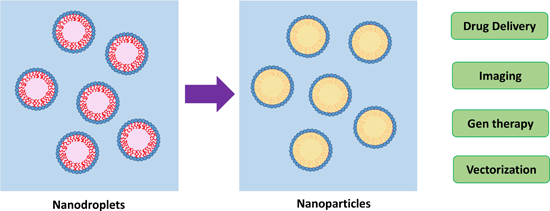
- escape from endosomes. Notably, lipid nanoparticles enabled the remarkably fast development of mRNA vaccines against COVID-19. Still, there is much to be done to reach the final goal of developing formulations that can deliver drugs at preset rates and periods of time to specific targets [1]. To this end