Search results
Search for "liposome" in Full Text gives 37 result(s) in Beilstein Journal of Nanotechnology.
Influence of surface characteristics on the in vitro stability and cell uptake of nanoliposomes for brain delivery
Beilstein J. Nanotechnol. 2026, 17, 139–158, doi:10.3762/bjnano.17.9
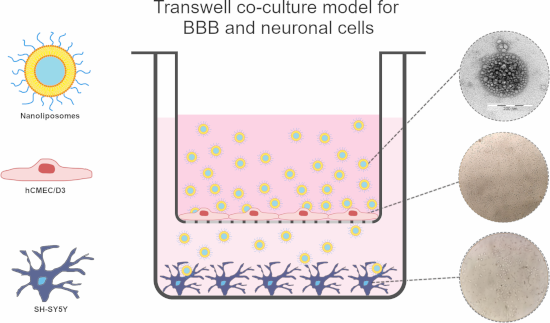
- qualitatively confirmed by spectrophotometry (e.g., by the absence of fluorescence in the supernatant obtained in the last washing cycle), ensuring that the fluorescence signal in subsequent experiments originates exclusively from liposome-associated dye. Particle size, particle size distribution and z
- variability (e.g., in cell number, fluorescence intensity calibration, or liposome batch differences) as well as to directly compare the relative contribution of each endocytic pathway to the overall internalization process. The experiments were performed three times on six replicates from each sample. Cell
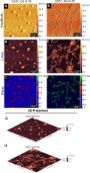
- chains on the liposome surface is expected to be increased and be characterized with a“dense brush” conformation as steric hindrances restrict movement and self-coiling of the grafted polymer [44]. This fact is supported by the literature data that confirms that nanosystems characterized by “dense brush




Development and in vitro evaluation of liposomes and immunoliposomes containing 5-fluorouracil and R-phycoerythrin as a potential phototheranostic system for colorectal cancer
Beilstein J. Nanotechnol. 2026, 17, 97–121, doi:10.3762/bjnano.17.7
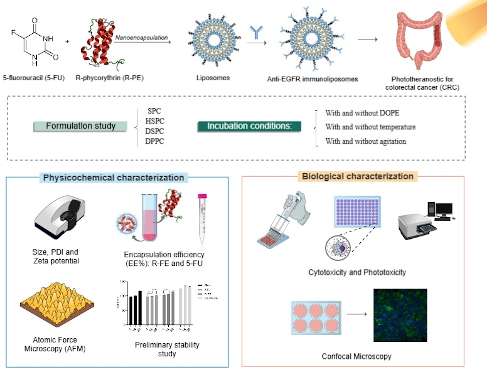
- in a stable range. From the choice of the 50 mg HSPC liposome, the immunoliposomes were developed. The selected immunoliposomes, composed HSPC/DOPE/Chol/DSPE-PEG-Mal in a ratio of 64:10:22.2:3.7, were named HSPC IM 07. This formulation presented low PDI (0.185 ± 0.01), small vesicle size (99.45
- : Q500) at a 20% amplitude, for 5 min, under an ice bath [19]. 2.2.2 Immunoliposomes Immunoliposomes were developed from the chosen liposome formulation (HSPC/DOPE/Chol/DSPE–PEG–MAL in a ratio of 64:10:22.2:3.7), with adaptations for better antibody conjugation. Cetuximab (2.0 mg/mL) was thiolated using
- , consequently, cytotoxicity [29]. For this, the cells were plated onto 96-well plates with 7 × 10⁴ cells per well at 37 °C in 5% CO2. After 24 h, the cells were treated with the formulations: liposome (HSPC/Chol/DSPE–PEG2000; 70:20:5; 50 mg of HSPC) and immunoliposome (HSPC/Chol/DOPE/DSPE–PEG–MAL; 64:10:22.2



Multifunctional anionic nanoemulsion with linseed oil and lecithin: a preliminary approach for dry eye disease
Beilstein J. Nanotechnol. 2025, 16, 1711–1733, doi:10.3762/bjnano.16.120
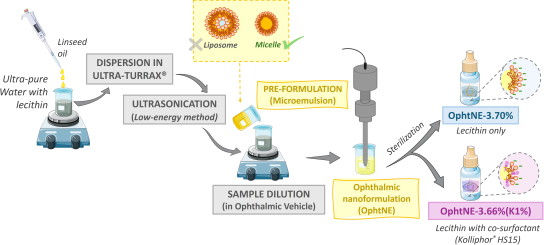
- its polar portions, and the length of its hydrophobic chain [49]. PPC values below 0.5 indicate the formation of monolayer micelles, whereas values between 0.5 and 1.0 favor liposome formation [49][50]. A value of p ≥ 0.5 has been reported for phosphatidylcholine, indicating that lecithin can form



Nanomaterials for biomedical applications
Beilstein J. Nanotechnol. 2025, 16, 1499–1503, doi:10.3762/bjnano.16.105

- membranes [8]. They can carry both water-soluble and fat-soluble drugs, shielding them from breaking down and extending their circulation time. Certain liposome-based drugs have already been approved for therapeutic use, especially in cancer therapy, where they may protect nearby healthy cells from toxicity
Enhancing the therapeutical potential of metalloantibiotics using nano-based delivery systems
Beilstein J. Nanotechnol. 2025, 16, 1350–1366, doi:10.3762/bjnano.16.98
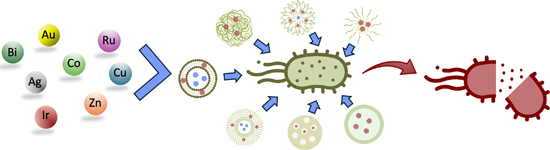
- during synthesis, making them adaptable for different drug delivery needs [59][60][61]. Surface modifications, such as the incorporation of polyethylene glycol (PEG) or specific targeting ligands, are commonly used to enhance liposome circulation time and promote targeted drug delivery. These


Ferroptosis induction by engineered liposomes for enhanced tumor therapy
Beilstein J. Nanotechnol. 2025, 16, 1325–1349, doi:10.3762/bjnano.16.97
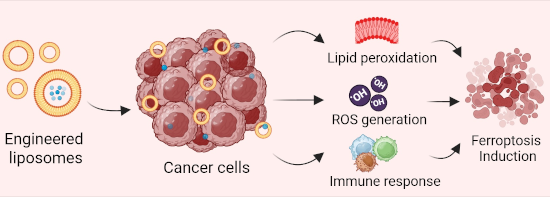
- tumor therapy. It also highlights the fascinating outcome of liposome-mediated ferroptosis in overcoming the obstacles to cancer therapy, along with the limitations and possible future directions. Keywords: cancer; ferroptosis; liposome; nanomedicine; stimuli-responsive; Review 1 Introduction Cancer
- systems include precise targeting, controlled release over time, prolonged half-life, and reduced systemic toxicity [19]. Liposomes, as lipid-based nanoparticles, hold promise for improving cancer therapies as they can encapsulate various anticancer molecules [20]. A liposome typically consists of a
- , reduced drug toxicity, improved pharmacokinetics, the ability to release drugs in a controlled manner, and the ability to target tumors. However, certain limitations also exist, including off-target accumulation and fast clearance [21]. This review explores the design of liposome structures aimed at


Better together: biomimetic nanomedicines for high performance tumor therapy
Beilstein J. Nanotechnol. 2025, 16, 1246–1276, doi:10.3762/bjnano.16.92
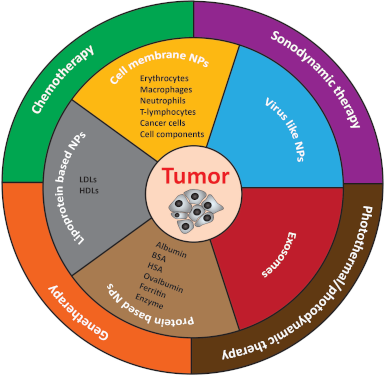
- different steps of a metabolic pathway [100]. Later, this strategy has evolved into the development of artificial organelles, which contain enzymes for a complex cascade reaction. Artificial organelles consist of capsosomes with a polymeric shell containing multiple liposomes, where each liposome may carry
- ]. In that study, a PEGylated-lipid nanoparticle (PEG-liposome) with a mesoporous silica nanoparticle core (LM) was prepared, and then the nanosystem was coated with CCM (CCM@LM). The biomimetic nanomedicine showed high internalization in a way similar to an enveloped virus. The PEGylation of the inner






Nanomaterials in targeting amyloid-β oligomers: current advances and future directions for Alzheimer's disease diagnosis and therapy
Beilstein J. Nanotechnol. 2025, 16, 561–580, doi:10.3762/bjnano.16.44
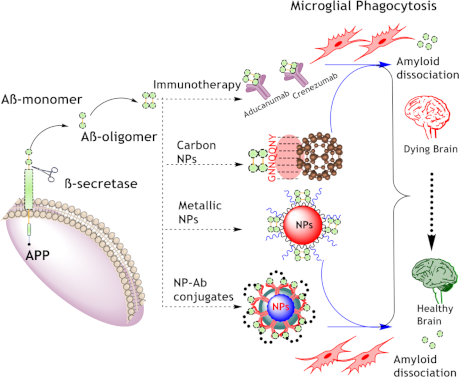
- -mediated mitophagy [66]. Moreover, Yuyama et al. reported that exosomes secreted by neuronal cells inhibit Aβ oligomerization by enhancing microglia-mediated Aβ clearance in vitro [86]. In a different approach, Senapati et al. developed a multifunctional liposome-based platform incorporating a novel cyclic


Nanocarriers and macrophage interaction: from a potential hurdle to an alternative therapeutic strategy
Beilstein J. Nanotechnol. 2025, 16, 97–118, doi:10.3762/bjnano.16.10
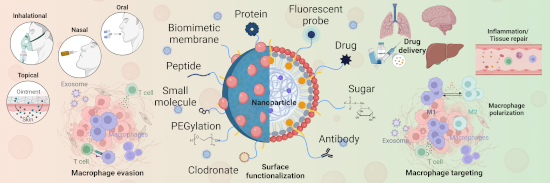
- ADP/ATP translocase in the mitochondria, ultimately leading to KCs apoptosis. When encapsulated in liposome in combination with nintedanib, a triple tyrosine kinase inhibitor, there is also a reduction in the secretion of inflammatory cytokines, which enhances the antifibrotic effects. This has been


Mechanistic insights into endosomal escape by sodium oleate-modified liposomes
Beilstein J. Nanotechnol. 2024, 15, 1667–1685, doi:10.3762/bjnano.15.131
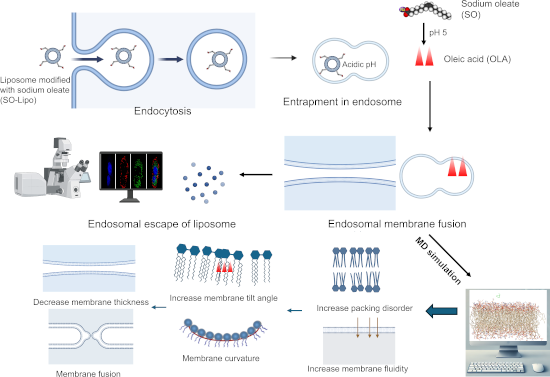
- complexes with liposomal components, enhancing both liposome stability and drug encapsulation. To gain deeper insight into the mechanisms underpinning SO’s potential as an endosomal escape agent, molecular dynamics (MD) simulations have emerged as an indispensable computational tool. These simulations
- . The SO-Lipo variant was enriched with 10 mol % sodium oleate incorporated into the lipid blend before the liposome assembly process. Divergently, the fabrication of AUR-Lipo involved the post-integration of 135 µM stearylated aurein 1.2 peptide into pre-assembled liposomes, using HEPES buffer as the
- medium. This approach ensures the anchorage of the peptide to the liposome membrane surface. Synthesis of the liposomal formulations was conducted via a refined thin-film hydration technique, as inspired by existing protocols [34]. Initially, the lipids were dissolved in a chloroform and methanol




Nanotechnological approaches for efficient N2B delivery: from small-molecule drugs to biopharmaceuticals
Beilstein J. Nanotechnol. 2024, 15, 1400–1414, doi:10.3762/bjnano.15.113
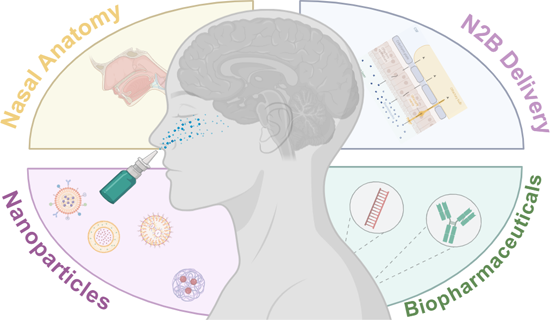
- ]. Liposomes Liposomes are another type of DDS that has been extensively investigated over the years [87][88][89]. The structure of a liposome contains a lipid bilayer surrounding an aqueous core, which offers advantages in encapsulating both hydrophobic and hydrophilic substances [90]. The additional


Synthesis, characterization and anticancer effect of doxorubicin-loaded dual stimuli-responsive smart nanopolymers
Beilstein J. Nanotechnol. 2024, 15, 1189–1196, doi:10.3762/bjnano.15.96
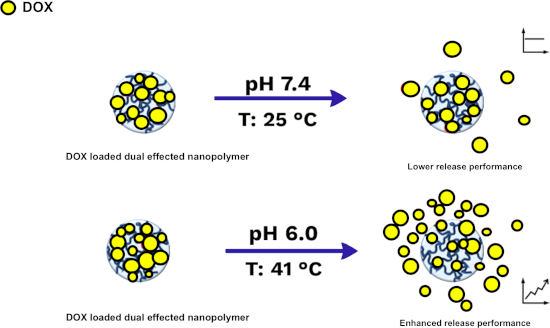
- ” and “Doxil”. The non-pegylated liposomal doxorubicin Myocet liposomal was approved in the European Union and in Canada for the therapy of metastatic breast cancer in combination with cyclophosphamide [5][6]. The FDA approved Doxil [4]. It was found that liposome-encapsulated DOX is less cardiotoxic


Recent updates in applications of nanomedicine for the treatment of hepatic fibrosis
Beilstein J. Nanotechnol. 2024, 15, 1105–1116, doi:10.3762/bjnano.15.89
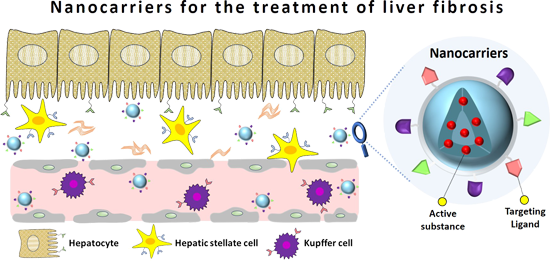
- the antifibrosis compound myricetin in pro-liposome nanocarriers to improve its solubility, stability, and low oral bioavailability [57]. As illustrated in Figure 3, the surface modification of pro-liposome with ᴅ-α-tocopheryl polyethylene glycol 1000 succinate (vitamin E-TPGS) enhanced the stability
- . 154-155, by R. Böttger et al., “Lipid-based nanoparticle technologies for liver targeting“, pages 79-101, Copyright (2020), with permission from Elsevier. This content is not subject to CC BY 4.0. Schematic illustration of non-targeted pro-liposome myricetin nanocarriers modified with vitamin E-TPGS


Nanomedicines against Chagas disease: a critical review
Beilstein J. Nanotechnol. 2024, 15, 333–349, doi:10.3762/bjnano.15.30
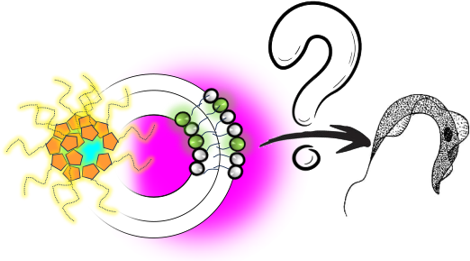
- nanoparticulate vaccine is the anti-malarial Mosquirix™ (RTS, S/AS01), recommended by the World Health Organization in four doses for children in 2021. Mosquirix™ employs a liposome-based adjuvant, AS01 (GlaxoSmithKline) [103] that contains 3-O-desacyl-monophosphoryl lipid A and QS-21, a water-soluble triterpene

Curcumin-loaded nanostructured systems for treatment of leishmaniasis: a review
Beilstein J. Nanotechnol. 2024, 15, 37–50, doi:10.3762/bjnano.15.4
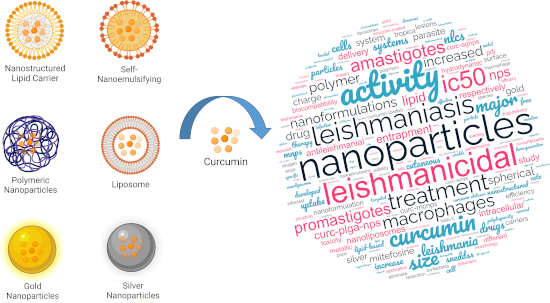
- , respectively) and promastigote forms (IC50 values for SNEDDSs A and B, 0.017 and 0.031, respectively). These results evidenced the effectiveness of different SNEDDSs when compared to that of the control AmB-liposome AmBisome, which demonstrated IC50 values 10 times higher for amastigotes and promastigotes [79


Nanotechnological approaches in the treatment of schistosomiasis: an overview
Beilstein J. Nanotechnol. 2024, 15, 13–25, doi:10.3762/bjnano.15.2
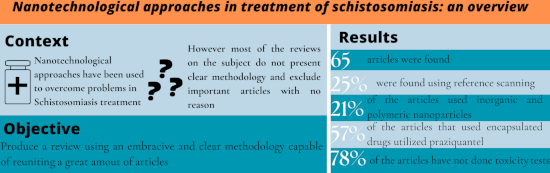
- liposomes (500 mg/kg) could be more efficient than free PZQ treatment. Similar results have been shown in other works that also used liposome with PZQ in different concentrations [50][51][52][53]. In addition, Xie et al. [54] studied the pharmacokinetics of solid lipid nanoparticles composed of castor oil


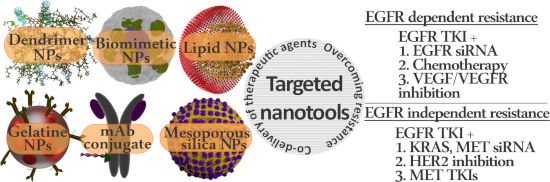
Nanotechnology – a robust tool for fighting the challenges of drug resistance in non-small cell lung cancer
Beilstein J. Nanotechnol. 2023, 14, 240–261, doi:10.3762/bjnano.14.23


Ethosomal (−)-epigallocatechin-3-gallate as a novel approach to enhance antioxidant, anti-collagenase and anti-elastase effects
Beilstein J. Nanotechnol. 2022, 13, 491–502, doi:10.3762/bjnano.13.41
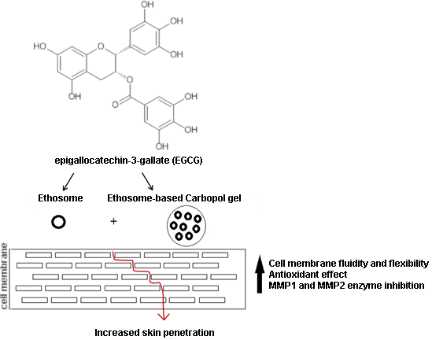
- EGCG [8]. In a previous work from our team, an ethosomal formulation developed with rosmarinic acid showed higher inhibition on collagenase and elastase enzymes compared to that of solution and liposome forms. Data supporting the access of ETHs to the deeper layers of the skin were obtained [22



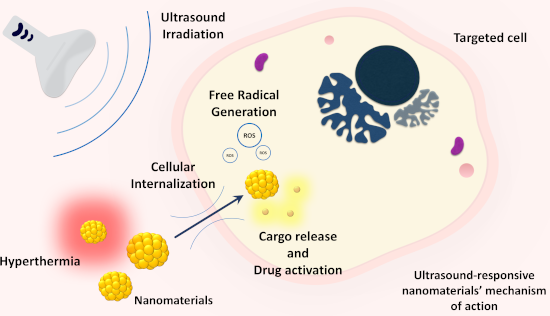
Comprehensive review on ultrasound-responsive theranostic nanomaterials: mechanisms, structures and medical applications
Beilstein J. Nanotechnol. 2021, 12, 808–862, doi:10.3762/bjnano.12.64


The impact of molecular tumor profiling on the design strategies for targeting myeloid leukemia and EGFR/CD44-positive solid tumors
Beilstein J. Nanotechnol. 2021, 12, 375–401, doi:10.3762/bjnano.12.31
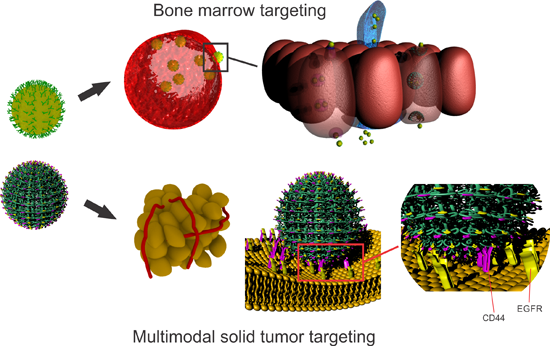
- estimate that the high levels of BM accumulation for this liposome formulation were probably due to the presence of 20% DSPG in the liposomal bilayer. This yields an overall anionic surface, which is known to have an affinity for the scavenger receptor on BM macrophages. Other polyanions, such as dextran


Key for crossing the BBB with nanoparticles: the rational design
Beilstein J. Nanotechnol. 2020, 11, 866–883, doi:10.3762/bjnano.11.72
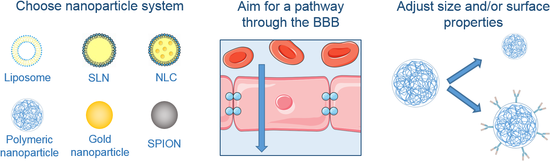
- hydrophilic core. Liposomes can thus be loaded with a wide variety of hydrophilic and lipophilic cargos [151]. Some liposome formulations have already received marketing authorizations, such as Ambisome®, Doxil®, Myocet® or more recently Onivyde™. However, no liposomal formulations have received approval for


Rational design of block copolymer self-assemblies in photodynamic therapy
Beilstein J. Nanotechnol. 2020, 11, 180–212, doi:10.3762/bjnano.11.15






Bombesin receptor-targeted liposomes for enhanced delivery to lung cancer cells
Beilstein J. Nanotechnol. 2019, 10, 2553–2562, doi:10.3762/bjnano.10.246
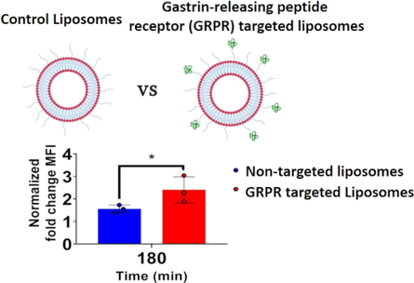
- targeting has potential for enhancing drug accumulation in resistant cancer cells. Keywords: bombesin; GRPR; liposome; lung cancer; targeting; Introduction Small-cell lung cancer (SCLC) accounts for approximately one in five lung cancer diagnoses. In spite of global efforts to reduce tobacco smoking in
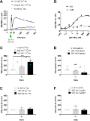
- the purposes of enhanced liposome delivery to lung cancer. Results and Discussion GRPR as a target in lung cancer The functionality of GRPR in SCLC cells was confirmed by Fura-2 studies in which NCI-H345 or NCI-H82 SCLC cell models were exposed to a dose-range of the canonical GRPR agonist peptide
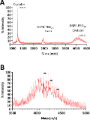
- those reported for other pegylated liposomes by others [27]. The vesicles were colloidally stable in PBS over 72 h at temperatures of 4, 25 and 37 °C with no significant changes in size, PDI or zeta potential observed (Figure 3a,b). It was noted that the diameter of both liposome formulations was larger

Incorporation of doxorubicin in different polymer nanoparticles and their anticancer activity
Beilstein J. Nanotechnol. 2019, 10, 2062–2072, doi:10.3762/bjnano.10.201
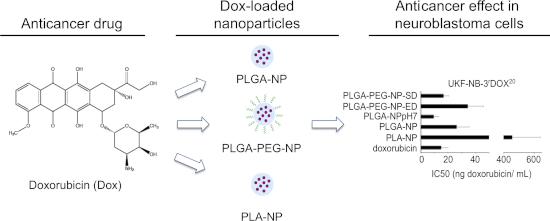
- shown to bypass efflux-mediated drug resistance [25]. This included various nanoparticle and liposome formulations of the ABCB1 substrate doxorubicin that were shown to modify the cellular uptake and intracellular distribution of doxorubicin resulting in enhanced effects against ABCB1-expressing cancer





Synthesis and potent cytotoxic activity of a novel diosgenin derivative and its phytosomes against lung cancer cells
Beilstein J. Nanotechnol. 2019, 10, 1933–1942, doi:10.3762/bjnano.10.189
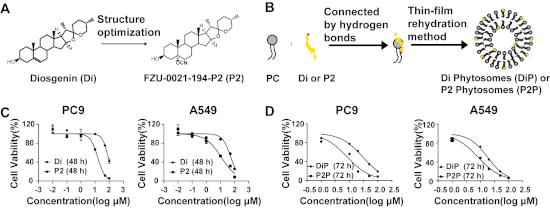
- analogues have a sterol structure that is very similar to cholesterol. It was reported that Di and lipids formed highly stable complexes at the air–water interface [18]. Therefore, Di and its derivatives could be substituted for cholesterol to form novel stable liposome-like phytosomes. The prepared
- phytosomes were expected to enhance the solubility and bioavailability of the Di derivative for clinical transformation. In this study, we first prepared several Di derivatives and screened the most potent candidate through a preliminary structure–activity relationship study. Then the liposome-like