


Search results
Search for "liposomes" in Full Text gives 91 result(s) in Beilstein Journal of Nanotechnology.
Nanocarrier strategies to overcome P-glycoprotein-mediated drug resistance in cancer therapy
Beilstein J. Nanotechnol. 2026, 17, 882–921, doi:10.3762/bjnano.17.64
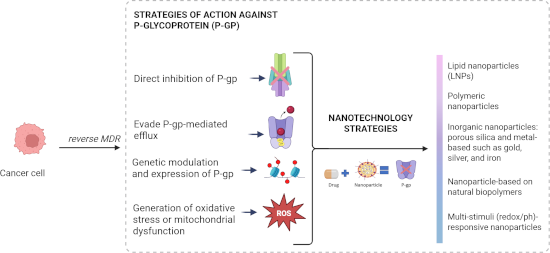
- keywords, including P-glycoprotein, multidrug resistance (MDR), nanoparticles, drug delivery, cancer, siRNA, efflux transporters, tumor microenvironment, stimuli-responsive systems, liposomes, polymeric micelles, hybrid nanocarriers, P-gp inhibitors, and cell membrane-coated nanoparticles. The search
- ”) AND (“liposomes” OR “polymeric micelles” OR “hybrid nanoparticles” OR “stimuli-responsive systems”) AND (“drug resistance”). These search strings were adapted to the syntax requirements of each database to optimize retrieval while maintaining specificity. The final literature search was conducted in
- , including polymeric micelles, metallic nanoparticles, liposomes, exosomes and extracellular vesicles, functionalized liposomes, and mesoporous silica nanoparticles. Each platform offers distinct advantages depending on the drug, tumor type, and specific resistance mechanisms targeted. 3.1 General


Nanoparticle delivery systems for HIV pre-exposure prophylaxis (PrEP): advances and challenges
Beilstein J. Nanotechnol. 2026, 17, 839–853, doi:10.3762/bjnano.17.60
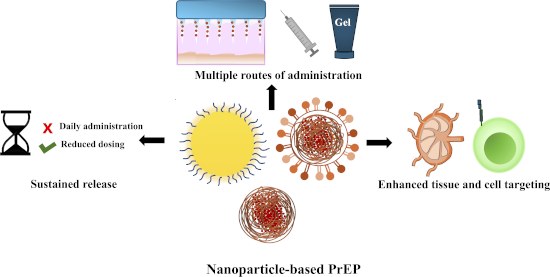
- nanoparticles (LBNPs): These include liposomes, lipid nanoparticles (LNPs), solid lipid nanoparticles (SLNs), and nanostructured lipid carriers (NLCs). LNPs have a less ordered internal structure than liposomes and are primarily used for nucleic acid delivery [28]. In general, LBNPs can encapsulate a wide range
- solutions [55]. This effect may be attributed to mannose receptor-mediated uptake into macrophages, but the exact mechanism of blood–brain barrier (BBB) transfer has not been determined. Lipid-based nanoparticles LBNPs, including liposomes, LNPs, SLNs, and NLCs, represent a well-established class of
- that can be particularly useful for the pericoital protection of females [64]. In this system TDF encapsulated in liposomes and FTC were incorporated into a hydrogel matrix. In vitro studies showed that this formulation provides rapid initial release of FTC (40% of total FTC within the first hour


Towards targeted drugs and next generation of nanomedicines
Beilstein J. Nanotechnol. 2026, 17, 598–601, doi:10.3762/bjnano.17.41

- that the first drug carriers that reached the clinics, such as liposomes and protein-based drug carriers (e.g., Doxil and Abraxane, respectively) have been investigated for drug delivery long before the term "nanomedicine" was coined, at the end of the last century, and became popular. The same is true
Advances in nanotechnology applied to natural products
Beilstein J. Nanotechnol. 2026, 17, 555–558, doi:10.3762/bjnano.17.36
- , and liposomes, are prominent across both experimental investigations and comprehensive reviews. Nanoemulsions are kinetically stable nanoscale systems (typically ≈20–200 nm, sometimes extending into the submicron range) formed by two immiscible liquids and stabilized by surfactants; they can be
- formulations based on natural products [14][15]. Among lipid-based vesicular nanosystems, liposomes are widely investigated for the delivery of natural products. Liposomes consist primarily of phospholipids (often with cholesterol or others sterols) arranged in one or more bilayers, while additional surface
- modifications (e.g., polymer or polysaccharide coatings) can be used to tailor stability and biological interactions [16]. These vesicles are attractive due to their biocompatibility and capacity to encapsulate both hydrophilic and lipophilic substances [17]. Liposomes have been explored in diverse biomedical
Biomimetic nanoparticles in cancer photodynamic therapy: a review of targeted delivery systems and therapeutic outcomes
Beilstein J. Nanotechnol. 2026, 17, 396–422, doi:10.3762/bjnano.17.27
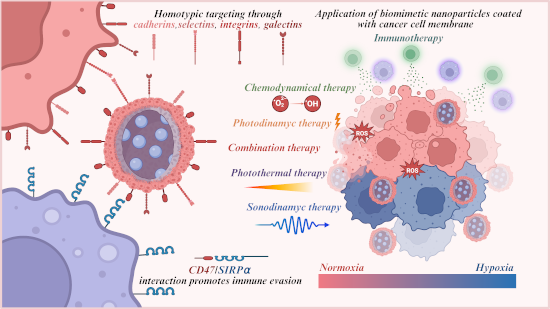
- , nanoencapsulation strategies for PSs are being actively developed [7][8]. Encapsulation of hydrophobic PSs in nanocarriers such as liposomes, polymeric nanoparticles, or micelles addresses solubility and stability, preventing aggregation [9]. Nanoparticles with sizes of 10–200 nm passively accumulate in tumor


From shield to spear: Charge-reversible nanocarriers in overcoming cancer therapy barriers
Beilstein J. Nanotechnol. 2026, 17, 159–175, doi:10.3762/bjnano.17.10
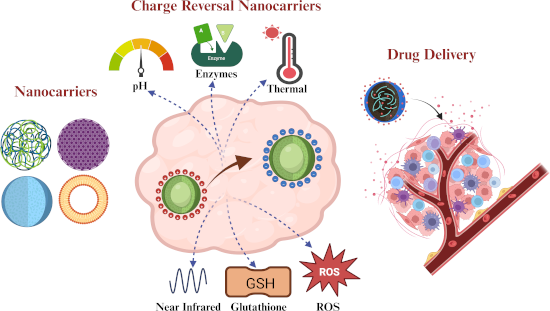
- , nanocarriers encompass diverse types including polymeric nanoparticles, liposomes, micelles, dendrimers, lipid-based carriers, carbon-based nanomaterials, and gold nanoparticles. They exhibit versatile structures (1–100 nm) with diverse morphologies (e.g., spherical, tubular, or conical shapes [14]). With


Influence of surface characteristics on the in vitro stability and cell uptake of nanoliposomes for brain delivery
Beilstein J. Nanotechnol. 2026, 17, 139–158, doi:10.3762/bjnano.17.9
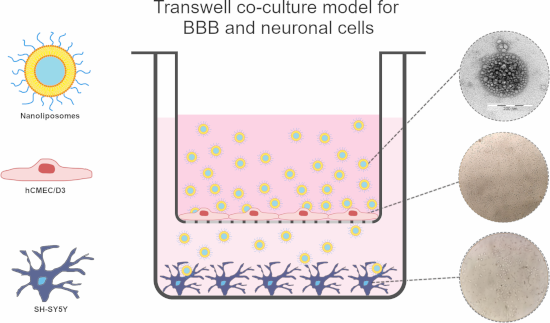
- . Additionally, the information regarding the influence of different experimental conditions on the NL cell uptake outcome in brain cell culture lines is also scarce. In our previous work, we compared nanostructured lipid carriers (NLCs) and liposomes modified with different stealth polymers (poloxamer or poly
- ; ULTRASONS-H, J.P. Selecta), vortexing (Tehtnika, EV-102, Slovenia), and manual mixing at room temperature. The prepared liposomes underwent high shear homogenization (24,000 rpm for 5 min; Ultra-Turrax T25, IkaWerke, Germany) and were then incubated at 4–8 °C for 24 h. Finally, the liposomal dispersion was
- nanovesicles with diameter >200 nm, and also, have better encapsulation efficiency than liposomes <100 nm [20]. On the other hand, in the study of Nowak et al. [21] it was confirmed that spherical particles around 120 nm associate with the endothelium approximately 30‐fold more than 200 nm particles, which is




Development and in vitro evaluation of liposomes and immunoliposomes containing 5-fluorouracil and R-phycoerythrin as a potential phototheranostic system for colorectal cancer
Beilstein J. Nanotechnol. 2026, 17, 97–121, doi:10.3762/bjnano.17.7
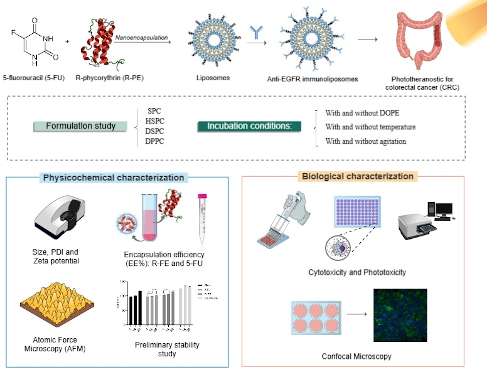
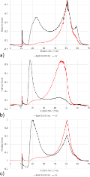
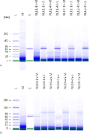
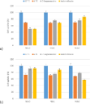
- stability hampers its clinical use. Thus, the present work aimed to develop co-encapsulated liposomes system for co-delivery of 5-FU and R-PE as theranostic nanosystems for CRC, as well as immunoliposomes targeted with the anti-EGFR monoclonal antibody, cetuximab, as a strategy for targeted delivery to EGFR
- -positive CRC. To the best of our knowledge, this is the first study to report the development and in vitro evaluation of liposomes and immunoliposomes co-encapsulating 5-FU and R-PE. Thus, liposomes containing 25 mg or 50 mg of soybean phosphatidylcholine (SPC), diesterolphosphatidylcholine (DSPC
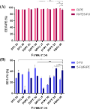
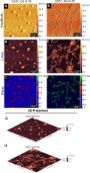
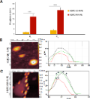
- ), dipalmitoylphosphatidylcholine (DPPC), hydrogenated soybean phosphatidylcholine (HSPC) with cholesterol (Chol) and 1,2-distearol-sn-glycero-3-phosphoethanolamine-N-[amino(polyethylene glycol)-2000] (DSPE-PEG 2000) were prepared and characterized. Among the liposomes, those containing HSPC lipid at 50 mg showed a low



PEGylated lipids in lipid nanoparticle delivery dynamics and therapeutic innovation
Beilstein J. Nanotechnol. 2025, 16, 1914–1930, doi:10.3762/bjnano.16.133
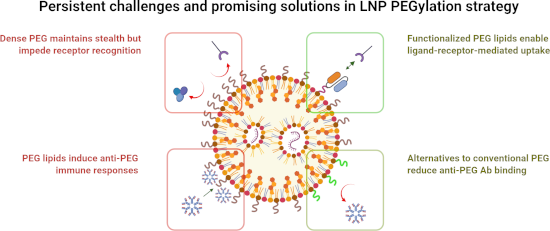
- LNPs remain limited, substantial insights can be drawn from studies on liposomes and polymeric nanoparticles. As shown in Figure 1, the PEG chain conformation is found to be fundamentally determined by the PEG grafting density on the nanoparticle surface, which can be quantitatively estimated by the


Targeting the vector of arboviruses Aedes aegypti with nanoemulsions based on essential oils: a review with focus on larvicidal and repellent properties
Beilstein J. Nanotechnol. 2025, 16, 1894–1913, doi:10.3762/bjnano.16.132
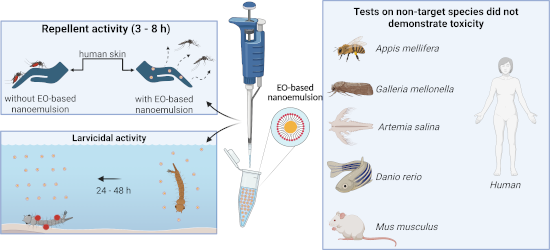
- , nanotechnological strategies have been used, such as polymeric nanocarriers [30], solid lipid nanoparticles [31], liposomes [32], and nanoemulsions [13][14][33]. Among these strategies, nanoemulsions, kinetically stable nanometric dispersions (20–500 nm) of two immiscible liquids, stabilized by surfactants, have
- Food and Drug Administration (FDA) agency approved the first nanomedicine, Doxil® (doxorubicin-loaded liposomes) for chemotherapy. Over the past 30 years, research and development in nanotechnology have expanded significantly, with more than 70 nanomedicines approved by FDA or EMA [83][84][85][86
- ]. Beyond liposomes, other lipid-based nanosystems have gained prominence, such as nanoemulsions (NEs) [87]. NEs are kinetically stable dispersed systems composed of two immiscible phases, typically an oil and aqueous phases, with droplets (20–500 nm) stabilized by surfactants. NEs can be classified as oil


Advances of aptamers in esophageal cancer diagnosis, treatment and drug delivery
Beilstein J. Nanotechnol. 2025, 16, 1734–1750, doi:10.3762/bjnano.16.121
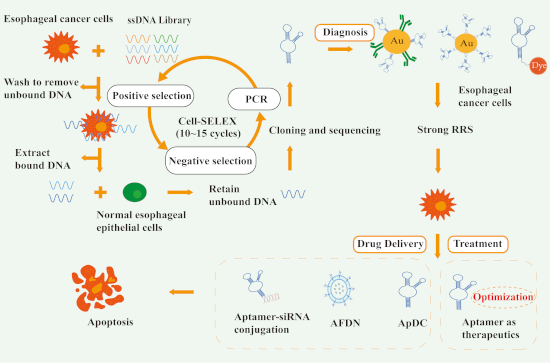
- , coupling drugs, covalent binding with siRNA, and chemical modification [34][35] to promote their role in cancer drug delivery. Conventional drug delivery systems, including metal nanoparticles, nanohydrogels, liposomes, and polymeric micelles [36][37][38], have gained widespread adoption due to their
- help of aptamers. Common nanocarrier systems, including micelles, liposomes, metal nanoparticles, and solid lipid nanoparticles, demonstrate well-established fabrication protocols, yet often face challenges with in vivo stability. Emerging nanoplatforms, such as four-way junction RNA nanostructures
- delivery of gene-silencing therapeutics; (2) direct intercalation of aptamers with small-molecule chemotherapeutic drugs (e.g., DOX), forming stable complexes; (3) co-encapsulation of aptamers and hydrophobic drugs into nanoparticles (e.g., liposomes or polymeric micelles) to improve drug solubility and


Multifunctional anionic nanoemulsion with linseed oil and lecithin: a preliminary approach for dry eye disease
Beilstein J. Nanotechnol. 2025, 16, 1711–1733, doi:10.3762/bjnano.16.120
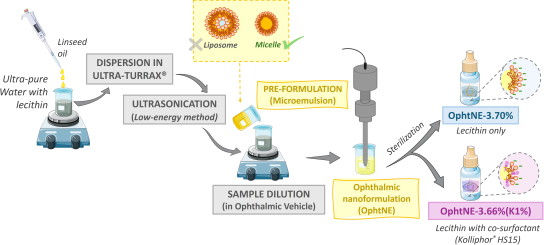
- reduce DED symptoms. ONSs include nanoparticles such as nanoemulsions, liposomes, nanomicelles, and dendrimers, which can serve as carriers for both lipophilic and hydrophilic drugs. This allows for smaller doses and more precise drug targeting [16]. Nanoemulsions (NEs) show promise in improving drug
- factors are crucial for organizing amphiphilic molecules and influencing the uniformity of micellar dispersions in ophthalmic nanoformulations. Lecithin is a mixture of phospholipids and consists mainly of phosphatidylcholine, which typically forms liposomes (concentric lipid bilayers) rather than
- , thus destabilizing bilayer formation. Conversely, lecithins with a higher proportion of saturated phospholipids are more likely to organize into stable bilayer vesicles like liposomes. These structural features of lecithin play a crucial role in determining the physicochemical properties of the



Nanomaterials for biomedical applications
Beilstein J. Nanotechnol. 2025, 16, 1499–1503, doi:10.3762/bjnano.16.105
- designing nanomaterials that can bring the drug to the required place and then release it in a planned way. One of the earliest nanocarriers examined for drug delivery was liposomes. They are tiny spheres made of lipids, either naturally or synthetically, and their structure is closely similar to the cell
- [9]. Along with liposomes, polymeric nanoparticles have turned out to be an equally dynamic platform. Typically, these particles are composed of biodegradable materials, such as poly(lactic-co-glycolic acid) (PLGA) or chitosan. One of the main advantages of polymers is that they can be designed to
- usage in everyday healthcare is becoming more evident. Liposomes and polymeric nanoparticles are already being used in certain cancer and vaccine treatments [41]. Detection of diseases at an early stage is becoming more possible with gold nanoparticles or quantum dots. Scaffolds made from nanofibers and
Enhancing the therapeutical potential of metalloantibiotics using nano-based delivery systems
Beilstein J. Nanotechnol. 2025, 16, 1350–1366, doi:10.3762/bjnano.16.98
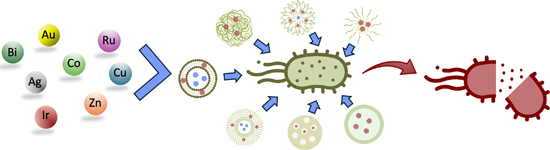
- application of metalloantibiotics is limited by their potential toxicity, instability, and lack of target specificity. Encapsulating metalloantibiotics in drug delivery systems, such as liposomes, nanoparticles, and polymeric carriers, could mitigate these challenges, enhancing their therapeutic index and
- systems [40][41]. Other bacteria, such as Staphylococcus aureus express alpha-toxin, which perforates the membrane of liposomes and can be utilized to trigger the release of antibiotics from the drug delivery system at the target site [42]. Also, enhanced permeability and retention (EPR) is observed at
- targeted therapeutic effect, and the desired release rate. The most common encapsulation nanosystems are represented in Figure 2. Organic nanoparticles Lipid-based nanoparticles. Liposomes: Liposomes are versatile lipid-based nanoparticles that have gained prominence in drug delivery systems due to their


Ferroptosis induction by engineered liposomes for enhanced tumor therapy
Beilstein J. Nanotechnol. 2025, 16, 1325–1349, doi:10.3762/bjnano.16.97
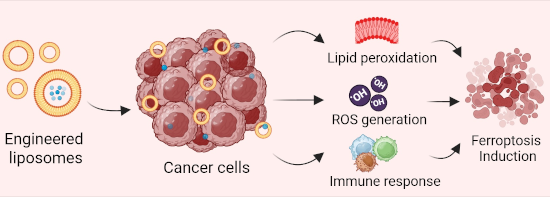
- ferroptosis-based therapy. Among them, engineered liposomes have received more attention due to their biocompatibility, low immunogenicity, and flexibility in chemical and structural modifications. The present review focuses on the mechanisms of ferroptosis and its induction by engineered liposomes to improve
- systems include precise targeting, controlled release over time, prolonged half-life, and reduced systemic toxicity [19]. Liposomes, as lipid-based nanoparticles, hold promise for improving cancer therapies as they can encapsulate various anticancer molecules [20]. A liposome typically consists of a
- hydrophobic phospholipid bilayer and a hydrophilic core. Depending on the physicochemical properties of the drug, this type of structure allows the entrapment of both hydrophilic and hydrophobic drugs [1]. Liposomes, like other nanosystems, have many benefits, such as prolonged systemic blood circulation


Better together: biomimetic nanomedicines for high performance tumor therapy
Beilstein J. Nanotechnol. 2025, 16, 1246–1276, doi:10.3762/bjnano.16.92
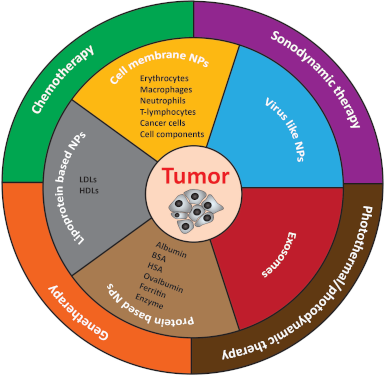
- release behavior, targeting ability, and surface modifications [12][13][14][15]. A variety of nanoparticles have been researched including liposomes, polymer NPs, solid lipid NPs, and hybrid NPs [16]. Nanoscale drug carriers with the advantage of high penetration, long circulation, and significant
- targetability have been employed for the treatment of various fatal diseases such as cancer, Alzheimer’s, stroke, and diabetes [17][18][19]. However, the development of optimum NP drug carriers is still critical as they all come with several limitations. For example, liposomes can carry hydrophilic drugs that
- [41]. Wayteck et al. have prepared liposomes that can hitchhike on cells to the tumor site and get separated to perform their cytotoxic activity [42]. 1.1.5 Cancer cells. Cancer cells establish their own mechanism to escape immune response [43]. They are tightly bound by surface proteins to hinder the






Hydrogels and nanogels: effectiveness in dermal applications
Beilstein J. Nanotechnol. 2025, 16, 1216–1233, doi:10.3762/bjnano.16.90
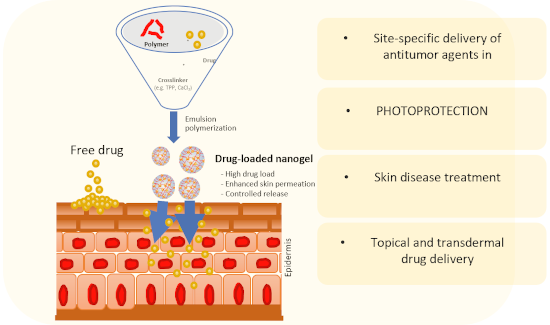
- antimetabolite used to treat rheumatoid arthritis, were obtained by Sadarani et al. (2019). First, methotrexate was encapsulated in deformable liposomes followed by incorporation in the hydroxyethylcellulose gel. The nanogel-MTX presented a small particle size of 110 ± 20 nm and a drug encapsulation rate of 42


Fabrication of metal complex phthalocyanine and porphyrin nanoparticle aqueous colloids by pulsed laser fragmentation in liquid and their potential application to a photosensitizer for photodynamic therapy
Beilstein J. Nanotechnol. 2025, 16, 1088–1096, doi:10.3762/bjnano.16.80
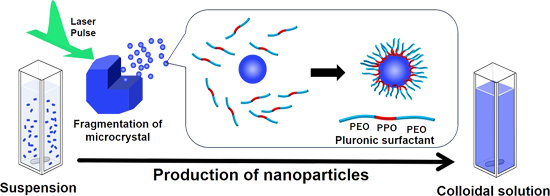
- nanoparticles and nanomicelle encapsulation have been used to disperse them in water [2][3][4][5][6][7]. For example, AlClPc has been loaded into nanoemulsions using castor oil and Cremophor ELP® [5]. ZnPc was dispersed in unilamellar liposomes by a solvent exchange method [7][8], and its photocytotoxicity


Nanomaterials in targeting amyloid-β oligomers: current advances and future directions for Alzheimer's disease diagnosis and therapy
Beilstein J. Nanotechnol. 2025, 16, 561–580, doi:10.3762/bjnano.16.44
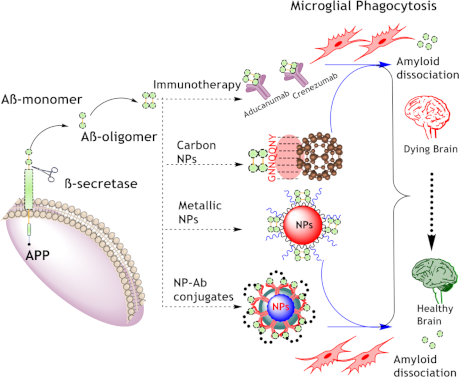
- peptide (CP-2) that selectively targets toxic AβOs. Their studies indicated that CP-2-liposomes effectively disrupt Aβ aggregation, mitigate Aβ-mediated toxicity, and improve cognitive and behavioral outcomes in both in vitro and in vivo models. Notably, these liposomes can cross the BBB, suggesting their


Synthetic-polymer-assisted antisense oligonucleotide delivery: targeted approaches for precision disease treatment
Beilstein J. Nanotechnol. 2025, 16, 435–463, doi:10.3762/bjnano.16.34


Radiosensitizing properties of dual-functionalized carbon nanostructures loaded with temozolomide
Beilstein J. Nanotechnol. 2025, 16, 229–251, doi:10.3762/bjnano.16.18
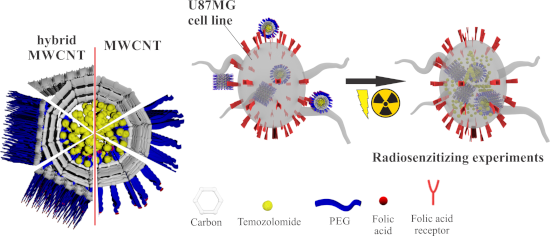
- incorporation of TMZ in organic and inorganic nanomaterials and their hybrids, designed in a wide variety of shapes such as nanoparticles (NPs), conjugates, dendrimers, and liposomes [35]. With various bioengineering techniques, the nanomaterials’ size, shape, and surface properties were modified to improve




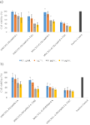
Recent advances in photothermal nanomaterials for ophthalmic applications
Beilstein J. Nanotechnol. 2025, 16, 195–215, doi:10.3762/bjnano.16.16
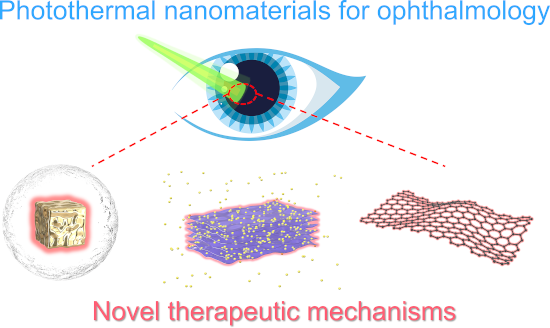
- conditions of the ICG NPs. Among them, only ICG liposomes synthesized using lipids can induce the production of VNBs. The ICG concentration in PLGA ICG NPs is below 15 μg·mL−1, which is not sufficient to rapidly increase the temperature to produce VNBs. Evaluation of the VNB effect in bovine retinal explants
- showed that ICG liposomes led to subtle disruption effects in the ILM, in which completely ablated ILM regions alternate with intact regions. Photoporation strategies to overcome the ILM have the potential to improve the efficacy of all retinal therapies impeded by ILM delivery barriers, including
- sources, high adjustability, and ease of access, have paved the way for precise and controllable photothermal therapies. Notably, therapeutic platforms that integrate photothermal nanomaterials with drugs, antibodies, liposomes, hydrogels, heat/pH-sensitive materials, and shape memory materials have


Nanocarriers and macrophage interaction: from a potential hurdle to an alternative therapeutic strategy
Beilstein J. Nanotechnol. 2025, 16, 97–118, doi:10.3762/bjnano.16.10
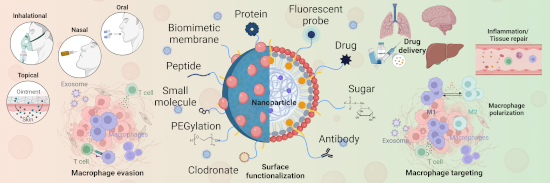
- . Intranasal delivery has emerged as a promising strategy for targeting the central nervous system by bypassing the blood–brain barrier (BBB). This approach was demonstrated by the nose-to-brain administration of D6-cholestrol-loaded liposomes, which led to an accumulation of D6-cholesterol in the brain in
- STAT6 inhibitor AS1517499, zoledronic acid, or muramyl tripeptide (MTP), these liposomes inhibited M2 polarization. In preclinical breast cancer models, PAPC nanoliposomes reduced tumor growth, inhibited the M2 phenotype, and prevented pre-metastatic niche formation, achieving up to a 70% reduction in
- inflammation resolution and tissue repair. In IBD, sustaining the M2 phenotype is particularly challenging because of the pro-ferroptotic microenvironment, which undermines macrophage survival. Zhao et al. addressed this issue by developing calcium carbonate (CaCO3)-mineralized liposomes (CLF) loaded with the


Mechanistic insights into endosomal escape by sodium oleate-modified liposomes
Beilstein J. Nanotechnol. 2024, 15, 1667–1685, doi:10.3762/bjnano.15.131
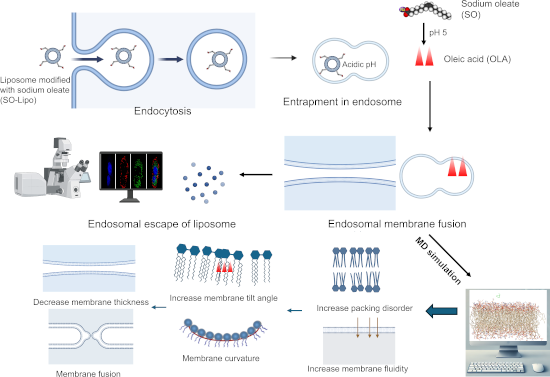
- .15.131 Abstract Endosomal entrapment significantly limits the efficacy of drug delivery systems. This study investigates sodium oleate-modified liposomes (SO-Lipo) as an innovative strategy to enhance endosomal escape and improve cytosolic delivery in 4T1 triple-negative breast cancer cells. We aimed to
- elucidate the mechanistic role of sodium oleate in promoting endosomal escape and compared the performance of SO-Lipo with unmodified liposomes (Unmodified-Lipo) and Aurein 1.2-modified liposomes (AUR-Lipo). Liposomes were prepared using the thin-film hydration method, resulting in Unmodified-Lipo, SO-Lipo
- measuring the colocalization of labeled liposomes with lysosomal markers, quantified using Pearson’s correlation coefficient. Lipid mixing assays assessed the potential fusogenic effect, and molecular dynamics (MD) simulations explored the interactions of protonated sodium oleate (SO) with the endosomal




Biomimetic nanocarriers: integrating natural functions for advanced therapeutic applications
Beilstein J. Nanotechnol. 2024, 15, 1619–1626, doi:10.3762/bjnano.15.127

- differences in key characteristics. The National Nanotechnology Initiative (NNI) emphasizes that nanomaterials hold promising potential across various fields of knowledge [1][5]. Materials such as liposomes, nanoparticles, polymer–drug conjugates, inorganic noble metals, and quantum dots may improve
- is linked to dementia and neuronal loss [70]. Focusing on BBB compatibility, lipid-based nanoparticles demonstrate high potential in facilitating drug delivery. Macrophage membrane-coated liposomes co-modified with the RVG29 peptide and triphenylphosphine cation have shown improved targeting of brain





