Search results
Search for "mechanism of action" in Full Text gives 36 result(s) in Beilstein Journal of Nanotechnology.
Rapid synthesis of highly monodisperse AgSbS2 nanocrystals: unveiling multifaceted activities in cancer therapy, antibacterial strategies, and antioxidant defense
Beilstein J. Nanotechnol. 2025, 16, 2105–2115, doi:10.3762/bjnano.16.145
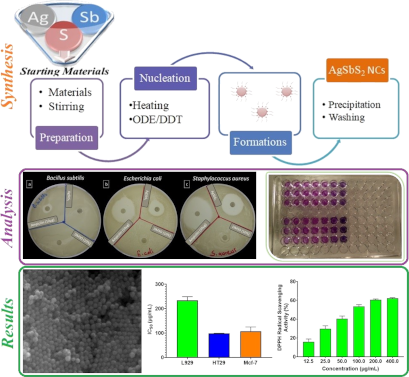
- bacterial cell wall and cell disruption when the NCs enter into the cell [39]. Thus, induction of apoptosis in bacterial cells occurs, resulting in an inevitable antibacterial mechanism of action. The data shows that the synthesized NCs in the study can be used as an antimicrobial agent in various
- radicals by donating electrons, thereby stabilizing these reactive species and mitigating potential cellular damage. The primary mechanism of action for the synthesized nanoparticles in this study is likely to involve electron donation to the DPPH radical [50]. Consistent with the DPPH results, the FRAP


Targeting the vector of arboviruses Aedes aegypti with nanoemulsions based on essential oils: a review with focus on larvicidal and repellent properties
Beilstein J. Nanotechnol. 2025, 16, 1894–1913, doi:10.3762/bjnano.16.132
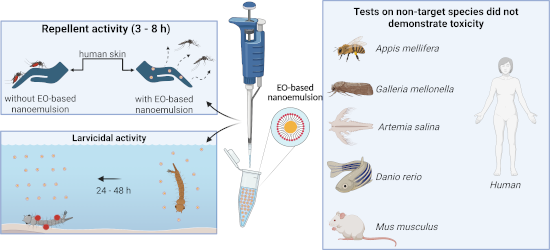
- , volatility, and skin permeation of the active compounds, prolonging the repellent effect due to the controlled release of these compounds [151][152]. The mechanism of action may involve interference with the olfactory system of the mosquitoes, masking host signals and disrupting orientation behavior [147


Phytol-loaded soybean oil nanoemulsion as a promising alternative against Leishmania amazonensis
Beilstein J. Nanotechnol. 2025, 16, 1826–1836, doi:10.3762/bjnano.16.126

- and in vivo investigations to confirm its efficacy, tissue distribution, and mechanism of action. Experimental Material ʟ-α-Phosphatidylcholine (95%) (Avanti Polar lipids, United States); polaxamer 407 (Sigma-Aldrich, Brazil); glycerin (Vetec, Brazil); phytol (97%), mixture of isomers (Sigma-Aldrich


Advances of aptamers in esophageal cancer diagnosis, treatment and drug delivery
Beilstein J. Nanotechnol. 2025, 16, 1734–1750, doi:10.3762/bjnano.16.121
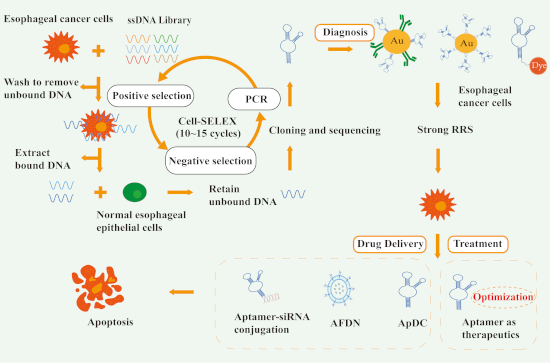
- cells, slow down tumor growth and metastasis, and had no obvious toxicity to human normal esophageal epithelial cells. Cluster analysis showed that the mechanism of action of peptide 58 may be closely related to the inhibition of ESCC cell metabolism. However, pharmacokinetic data on peptide 58 remain
- azithromycin, but its effect in vivo is inferior. It is expected that ZY3A can be applied to clinical practice through optimizing drug administration strategies, such as combination of antibiotics and improvement of the aptamer structure. The mechanism of action of ZY3A may be to inhibit NF-κB pathway and MMP2


Enhancing the therapeutical potential of metalloantibiotics using nano-based delivery systems
Beilstein J. Nanotechnol. 2025, 16, 1350–1366, doi:10.3762/bjnano.16.98
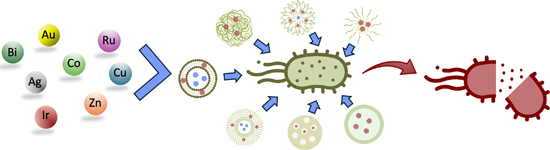
- considered as fully innovative, that is, no cross-resistance, new chemical class, new target, and new mechanism of action. Furthermore, just four of them are active against at least one pathogen of the top risk category [12]. The urgent need for novel antibiotics has led researchers to consider repurposing
- antimicrobial agents since they usually exhibit superior antimicrobial activity compared to silver(I) alone [100]. The mechanism of action of most silver complexes is based on a slow release of the silver(I) ions, which react with the thiol groups of proteins or with key functional groups of enzymes; the


A formulation containing Cymbopogon flexuosus essential oil: improvement of biochemical parameters and oxidative stress in diabetic rats
Beilstein J. Nanotechnol. 2025, 16, 617–636, doi:10.3762/bjnano.16.48
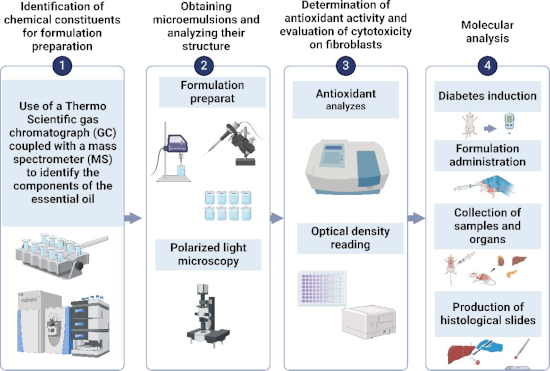
- . The use of STZ in animals causes conditions similar to that of some humans with type-1 diabetes without glycemic control. STZ has been shown to significantly increase blood glucose levels in Wistar rats. STZ’s mechanism of action alters the DNA base sequences of pancreatic islet β-cells and stimulates




Clays enhanced with niobium: potential in wastewater treatment and reuse as pigment with antibacterial activity
Beilstein J. Nanotechnol. 2025, 16, 141–154, doi:10.3762/bjnano.16.13
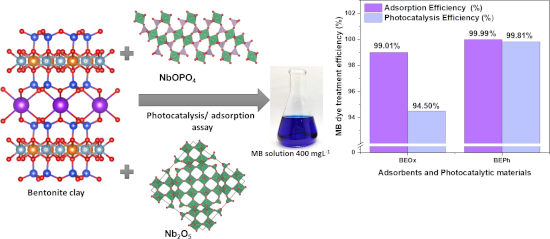
- mechanism of action remains unclear. The BEPh, BEOx, A-BEPh, A-BEOx, A-BEPhP, and A-BEOxP samples did not exhibit minimum inhibitory activity against the other studied bacterial strain Bacillus cereus. These results highlight the selectivity of the studied samples (A-BEPh, A-BEPhP, A-BEOx, and A-BEOxP) in



Liver-targeting iron oxide nanoparticles and their complexes with plant extracts for biocompatibility
Beilstein J. Nanotechnol. 2024, 15, 1593–1602, doi:10.3762/bjnano.15.125
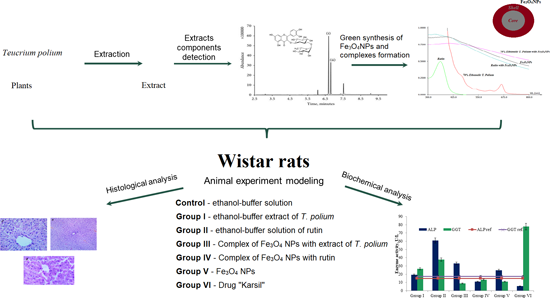
- , unlike their complexes. All agents exert a hypolipidemic effect by lowering LDL, despite maintaining the synthetic functions of the liver. Fe3O4 NPs increase the activity of GPO, which is associated with their peroxidase-like properties. A multifaceted and diverse mechanism of action of all studied


Green synthesis of silver nanoparticles derived from algae and their larvicidal properties to control Aedes aegypti
Beilstein J. Nanotechnol. 2024, 15, 1566–1575, doi:10.3762/bjnano.15.123
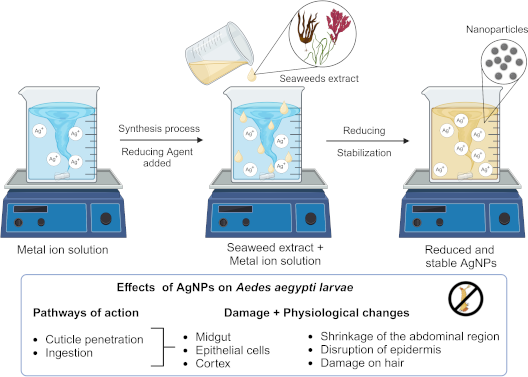
- nanoparticles via green synthesis and their larvicidal activity against A. aegypti, some challenges still persist. Aspects such as the mechanism of action of AgNPs in the different stages of A. aegypti, resistance of mosquitoes to larvicides, and the long-term effects of NPs on non-target organisms still need


Synthesis, characterization and anticancer effect of doxorubicin-loaded dual stimuli-responsive smart nanopolymers
Beilstein J. Nanotechnol. 2024, 15, 1189–1196, doi:10.3762/bjnano.15.96
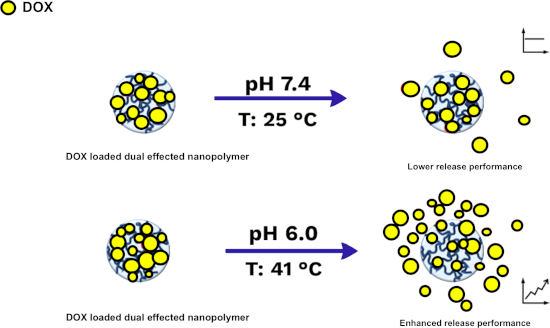
- drug doxorubicin (DOX) has been used in the present study. It is a known antitumor antibiotic of the anthracycline series, which has been approved as anticancer drug in 1974. It has antimitotic and antiproliferative effects. The mechanism of action is interaction with DNA, the formation of free


AI-assisted models to predict chemotherapy drugs modified with C60 fullerene derivatives
Beilstein J. Nanotechnol. 2024, 15, 1170–1188, doi:10.3762/bjnano.15.95
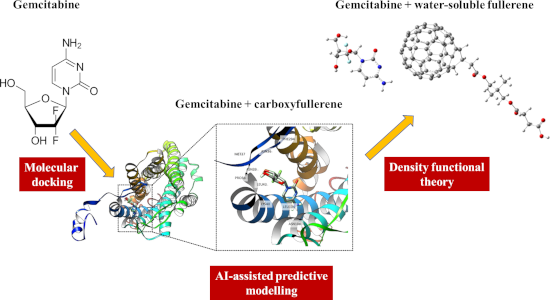
- are mostly designed to serve as chemotherapy agents for breast cancer. Thus, it is possible to assume that several drugs share a common mechanism of action and, subsequently, a common protein target, such as CXCR7. For instance, gemcitabine, shown in Figure 2, shares the pocket within CXCR7 with


Interface properties of nanostructured carbon-coated biological implants: an overview
Beilstein J. Nanotechnol. 2024, 15, 1041–1053, doi:10.3762/bjnano.15.85
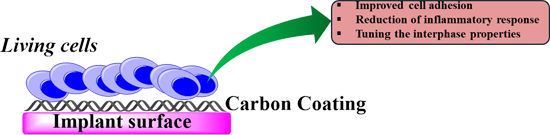
- hydrophobicity and nanostructuring [128][129]. Kang et al. [130] suggested that the main mechanism of action is cell disruption due to the mechanical effect of CNTs themselves via surface polarity changes. Rodrigues et al. [131] dwelled more deeply into CNT coatings and found a correlation between the exopolymer



Classification and application of metal-based nanoantioxidants in medicine and healthcare
Beilstein J. Nanotechnol. 2024, 15, 396–415, doi:10.3762/bjnano.15.36
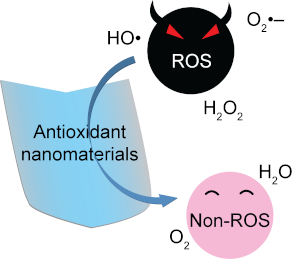
- metal-based nanoantioxidants of each type are described focusing on the mechanism of action, antioxidant activities, and individual properties. Second, the application of metal-based nanoantioxidants in medicine and healthcare is carefully discussed in order to demonstrate the potential of
- antioxidant appearing in low-density lipoprotein and human blood plasma contributing to the decrease of oxidative stress. Its mechanism of action relies on the ability to transfer the phenolic H atom to a peroxyl radical (ROO•) much more rapidly than the propagation reactions [50][51][52][53]. Despite the
- on the mechanism of action, metal-based nanoantioxidants can be divided into two main types, namely (1) preventive metal-based nanoantioxidants and (2) chain-breaking metal-based nanoantioxidants. Preventive metal-based nanoantioxidants can interfere with the initiation of oxidative reactions, while


Curcumin-loaded nanostructured systems for treatment of leishmaniasis: a review
Beilstein J. Nanotechnol. 2024, 15, 37–50, doi:10.3762/bjnano.15.4
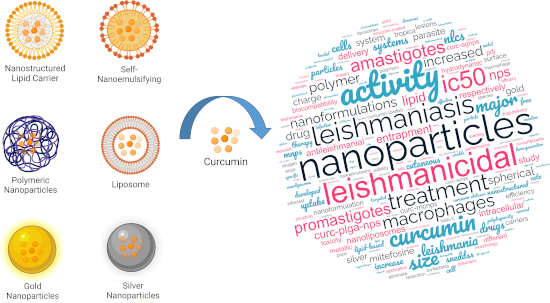
- Leishmania spp. Although its mechanism of action has not yet been fully elucidated, its leishmanicidal potential may be associated with its antioxidant and anti-inflammatory properties. However, it has limitations that compromise its clinical use. Conversely, nanotechnology has been used as a tool for


Nanotechnological approaches in the treatment of schistosomiasis: an overview
Beilstein J. Nanotechnol. 2024, 15, 13–25, doi:10.3762/bjnano.15.2
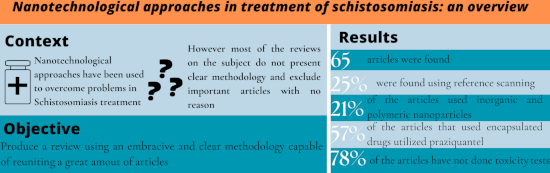
- mechanism by which the nanoemulsion could reduce the worm burden is its antimicrobial activity, connecting changes in microbiota with the response to parasites. However, the mechanism of action of carvacrol remains unknown [67]. Repositioned drugs Works utilizing compounds repositioned from other diseases


Overview of mechanism and consequences of endothelial leakiness caused by metal and polymeric nanoparticles
Beilstein J. Nanotechnol. 2023, 14, 329–338, doi:10.3762/bjnano.14.28
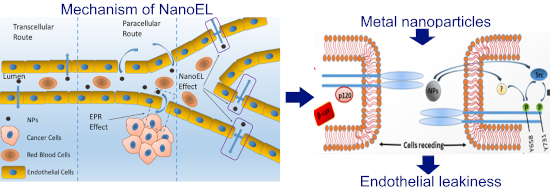
- cytokines known to increase endothelial permeability. Moreover, modulators that stimulate endothelial permeability include thrombin, angiopoietins (Ang1, Ang2), bacterial endotoxin (LPS), and VEGF (vascular permeability factor). The main mechanism of action of the above modulators is based primarily on the
- unheard of in a tumor-dependent EPR effect. The extracellular NP mechanism of action for NPs including Ag, Au, Si, TiO2, and SiO2 was also confirmed in other studies, which indicated that it is the most likely method of NanoEL induction. Endothelial leakiness induced by nanomaterials is a direct mechanism


Nanotechnology – a robust tool for fighting the challenges of drug resistance in non-small cell lung cancer
Beilstein J. Nanotechnol. 2023, 14, 240–261, doi:10.3762/bjnano.14.23
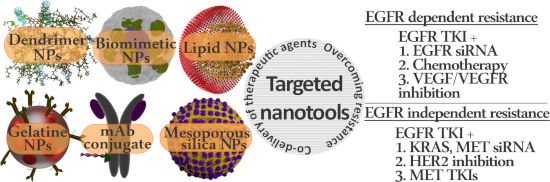
- breast cancer involving factors crucial for their mechanism of action are reported across the literature [66][67]. This suggests that such acquired resistance might also become a common problem in advanced NSCLC treatment [68]. Some of the potential factors of resistance, such as poor internalization


Microneedle-based ocular drug delivery systems – recent advances and challenges
Beilstein J. Nanotechnol. 2022, 13, 1167–1184, doi:10.3762/bjnano.13.98
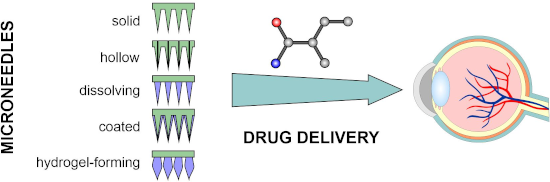
- microneedle coating are depicted in Figure 3 [171]. 3 An overview of microneedle systems for ocular drug delivery Considering the construction and the mechanism of action, four types of MNs used to deliver a drug to the eye can be distinguished in the scientific literature: (i) Solid MNs, used mostly for


Use of nanosystems to improve the anticancer effects of curcumin
Beilstein J. Nanotechnol. 2021, 12, 1047–1062, doi:10.3762/bjnano.12.78
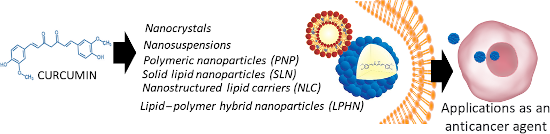
- remain one of the most common treatment options. Each specific compound will have a particular mechanism of action (alkylating agents, topoisomerase inhibitors), but they all mainly target rapidly dividing cells. However, most tend to be non-specific, thus, they are distributed indiscriminately to all


Comprehensive review on ultrasound-responsive theranostic nanomaterials: mechanisms, structures and medical applications
Beilstein J. Nanotechnol. 2021, 12, 808–862, doi:10.3762/bjnano.12.64
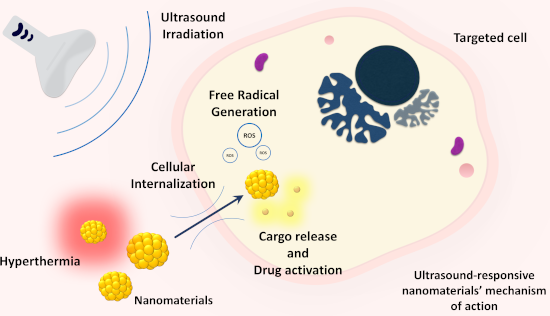
- methods, advantages and disadvantages, mechanism of action, and recent relevant researches. Finally, the clinical trials on US-responsive nanomaterials are presented and discussed. A summary on the content of this review can be found in Figure 1. Mechanisms of action of ultrasound-induced drug release The
- generation are recognized as the mechanism of action of US-responsive nanomaterials. These nanomaterials can act through at least one of the mechanisms. Cargo release, drug activation, cell damage, and enhanced cargo penetration, in addition to contrast enhancement, are the clinically practical consequences
- nanomaterials, different in nature, have been applied as US-responsive nanomaterials. The nature of the nanomaterials determines their response to US waves and subsequently defines their further applications. In other words, the mechanism of action of US-responsive nanomaterials mostly depends on their


A review on nanostructured silver as a basic ingredient in medicine: physicochemical parameters and characterization
Beilstein J. Nanotechnol. 2021, 12, 440–461, doi:10.3762/bjnano.12.36
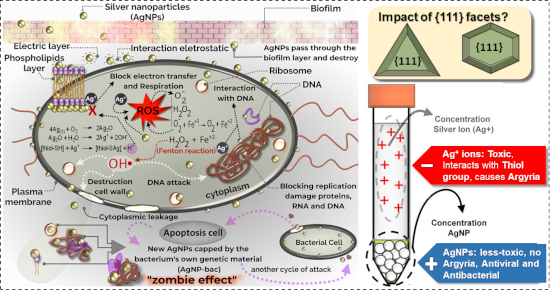
- prominent {111} facets. In addition to prioritizing the characterization we have also discussed the importance of quantifying AgNPs and silver ion content (Ag+) and their different mechanisms at the chemical, biological, pharmacological, and toxicological levels. The mechanism of action of AgNPs against
- studies of this promising agent in nanomedicine and in clinical practice. Keywords: bactericidal agent; {111} facets; mechanism of action; silver ion; silver nanoparticles; quality control; virucidal agent; Review Introduction Silver is one of the oldest bactericidal agents in history and is also
- ]. Conclusion The remarkable biological properties of AgNPs as antiviral and antibacterial agents draw the attention to the development of new products in the healthcare sector. The mechanism of action of AgNPs against bacteria and viruses has been analyzed and that knowledge will help in a better understanding


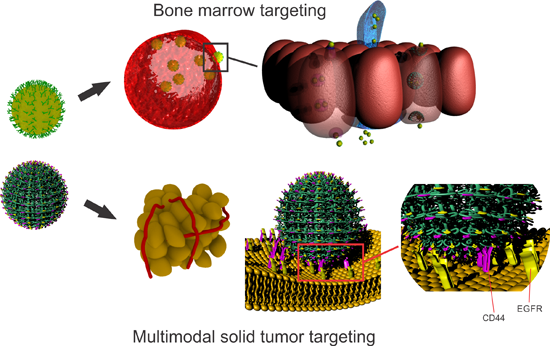
The impact of molecular tumor profiling on the design strategies for targeting myeloid leukemia and EGFR/CD44-positive solid tumors
Beilstein J. Nanotechnol. 2021, 12, 375–401, doi:10.3762/bjnano.12.31


Differences in surface chemistry of iron oxide nanoparticles result in different routes of internalization
Beilstein J. Nanotechnol. 2021, 12, 270–281, doi:10.3762/bjnano.12.22
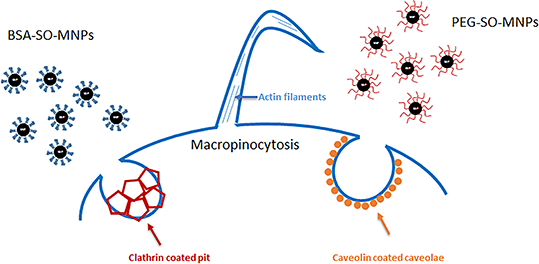
- probe the mechanism involved in NP uptake, various inhibitors of endocytosis with a different mechanism of action are frequently used [49]. CPZ causes a loss of clathrin from the cell surface by inhibiting the function of adaptor protein 2 (AP2), one of the key adaptor proteins in clathrin-mediated



Cu2O nanoparticles for the degradation of methyl parathion
Beilstein J. Nanotechnol. 2020, 11, 1546–1555, doi:10.3762/bjnano.11.137
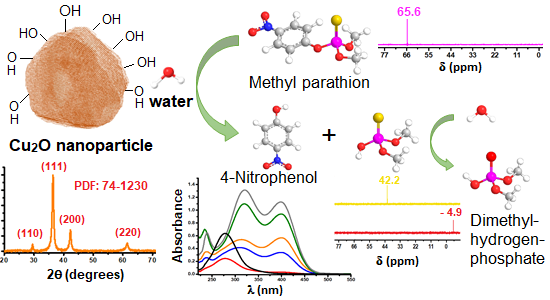
- . Keywords: copper(I) oxide (Cu2O); Cu2O nanoparticles; degradation; methyl parathion; surface basicity; Introduction Organophosphorus pesticides (OPPs) are one of many kinds of pesticides that have attracted some attention mainly due to their neurotoxic effect [1][2][3]. The primary mechanism of action of


Examination of the relationship between viscoelastic properties and the invasion of ovarian cancer cells by atomic force microscopy
Beilstein J. Nanotechnol. 2020, 11, 568–582, doi:10.3762/bjnano.11.45
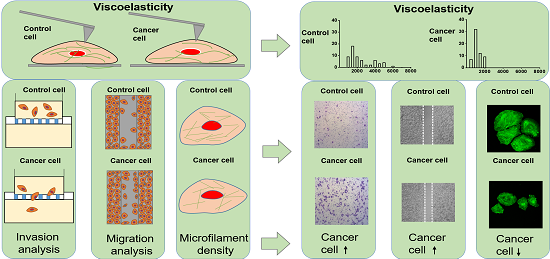
- ]. These results were discussed in relation to the underlying mechanical mechanism of action in cancer cells [54]. The average viscosity values of HOSEpiC, OVCAR-3 and HO-8910 cells treated with 0.25 μM Ech for 3 h were 24.11 ± 1.81 Pa·s, 13.89 ± 1.03 Pa·s and 16.73 ± 0.89 Pa·s, respectively (Figure 4