Search results
Search for "micelles" in Full Text gives 117 result(s) in Beilstein Journal of Nanotechnology.
Nanocarrier strategies to overcome P-glycoprotein-mediated drug resistance in cancer therapy
Beilstein J. Nanotechnol. 2026, 17, 882–921, doi:10.3762/bjnano.17.64
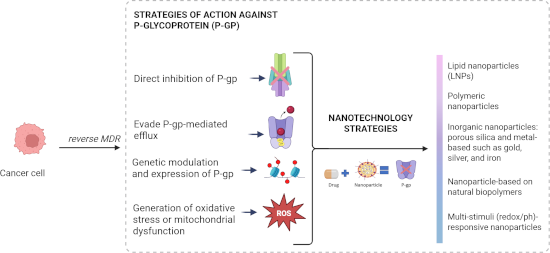
- ) suppression of transporter expression via co-delivery of siRNA, shRNA, or anti-miRNA payloads targeting ABCB1 regulatory pathways. We further discuss advances in nanoplatform engineering, including lipid-based nanoparticles, polymeric micelles, lipid–polymer hybrid systems, and biomimetic carriers designed to
- keywords, including P-glycoprotein, multidrug resistance (MDR), nanoparticles, drug delivery, cancer, siRNA, efflux transporters, tumor microenvironment, stimuli-responsive systems, liposomes, polymeric micelles, hybrid nanocarriers, P-gp inhibitors, and cell membrane-coated nanoparticles. The search
- ”) AND (“liposomes” OR “polymeric micelles” OR “hybrid nanoparticles” OR “stimuli-responsive systems”) AND (“drug resistance”). These search strings were adapted to the syntax requirements of each database to optimize retrieval while maintaining specificity. The final literature search was conducted in


Biomimetic nanoparticles in cancer photodynamic therapy: a review of targeted delivery systems and therapeutic outcomes
Beilstein J. Nanotechnol. 2026, 17, 396–422, doi:10.3762/bjnano.17.27
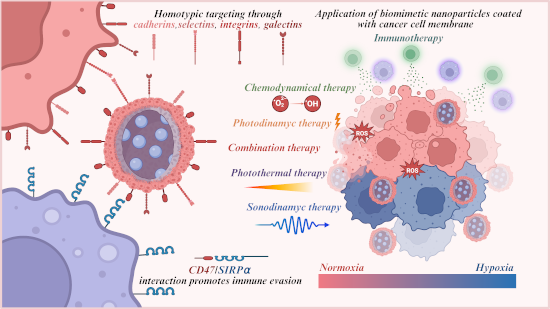
- , nanoencapsulation strategies for PSs are being actively developed [7][8]. Encapsulation of hydrophobic PSs in nanocarriers such as liposomes, polymeric nanoparticles, or micelles addresses solubility and stability, preventing aggregation [9]. Nanoparticles with sizes of 10–200 nm passively accumulate in tumor


Structure-dependent thermochromism of PAZO thin films: theory and experiment
Beilstein J. Nanotechnol. 2026, 17, 186–199, doi:10.3762/bjnano.17.12
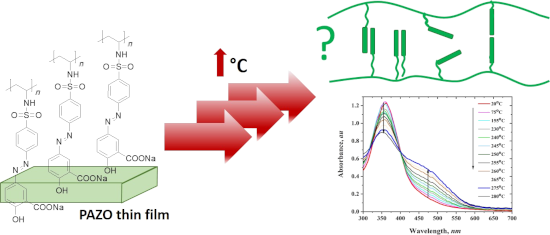
- stronger noncovalent π–π interactions between the azobenzene groups, ultimately driving the self-assembly of these polymers into spherical micelles [23]. An important characteristic of photoreactive polymers is that not only chromophores undergo reorientational motion, but also entire polymer segments


From shield to spear: Charge-reversible nanocarriers in overcoming cancer therapy barriers
Beilstein J. Nanotechnol. 2026, 17, 159–175, doi:10.3762/bjnano.17.10
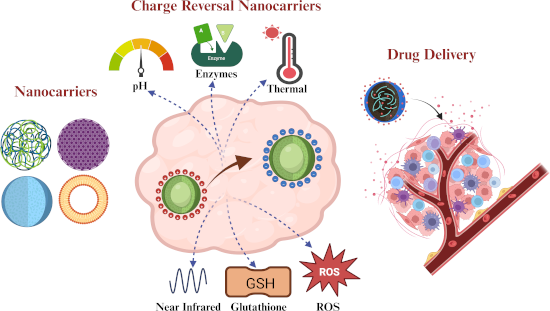
- , nanocarriers encompass diverse types including polymeric nanoparticles, liposomes, micelles, dendrimers, lipid-based carriers, carbon-based nanomaterials, and gold nanoparticles. They exhibit versatile structures (1–100 nm) with diverse morphologies (e.g., spherical, tubular, or conical shapes [14]). With
- lysosomes. Upon bond cleavage, the nanoparticles undergo a surface charge shift by exposing cationic groups, which significantly enhances cellular adsorption and uptake. This charge-switching mechanism, exemplified by PEG-b-poly(ʟ-lysine)-hydrazone- doxorubicin micelles from the cited study, enables
- in cancer therapy [76]. 3.2 Controlled drug release Biodegradable nanoparticles and micelles offer significant potential as nanosystems for delivering powerful anticancer drugs directly to target sites. Using specific polymers as nanocarriers allows for targeted drug delivery and controlled release


Internal 3D temperature mapping in biological systems using ratiometric light-sheet imaging and lipid-coated upconversion nanothermometers
Beilstein J. Nanotechnol. 2025, 16, 2306–2316, doi:10.3762/bjnano.16.159
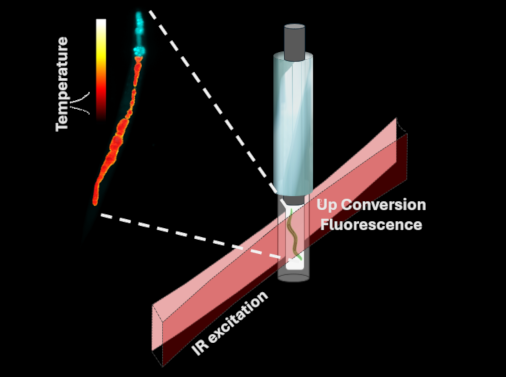
- obtained. For instance, Vetrone et al. [36] used UCNP@PEI as nanothermometers for two-dimensional (2D) temperature mapping inside Hella cells. Similarly, Piñol and co-workers [20] used the FIR of Ln3+ (Sm, Eu)-bearing polymeric micelles to achieve real-time 2D temperature maps of breast metastatic


Chiral plasmonic nanostructures fabricated with circularly polarized light
Beilstein J. Nanotechnol. 2025, 16, 2245–2264, doi:10.3762/bjnano.16.154
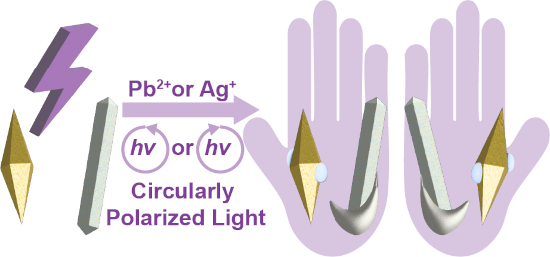
- investigation [50][51]. Another important breakthrough is the micelle-directed seeded growth of chiral gold nanorods (AuNRs) [52]. In this approach, the surfactant of the achiral AuNR seeds, cetyltrimethylammonium chloride (CTAC), formed micelles adsorbed on NRs in the presence of dissymmetric cosurfactants





Exploring the potential of polymers: advancements in oral nanocarrier technology
Beilstein J. Nanotechnol. 2025, 16, 1751–1793, doi:10.3762/bjnano.16.122
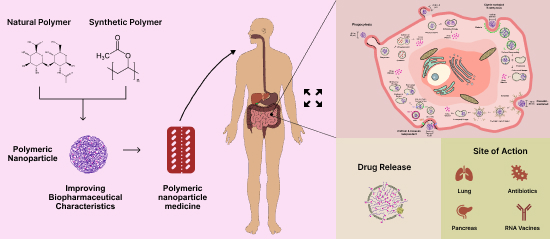
- copolymers and polyethylene glycol, as these materials tend to self-assemble into micelles or stable nanostructures when exposed to concentration gradients in aqueous solutions. Preformed polymer-based methods stand out for their simplicity, reproducibility, and regulatory compliance, reinforcing their
- , forming polymeric complexes. Consequently, the incorporation of genetic material can occur via encapsulation, adsorption, or electrostatic interactions, resulting in nanocapsules, micelles, and diverse morphologies and shapes, as well as varying release profiles [139]. Considering that, to reach their


Advances of aptamers in esophageal cancer diagnosis, treatment and drug delivery
Beilstein J. Nanotechnol. 2025, 16, 1734–1750, doi:10.3762/bjnano.16.121
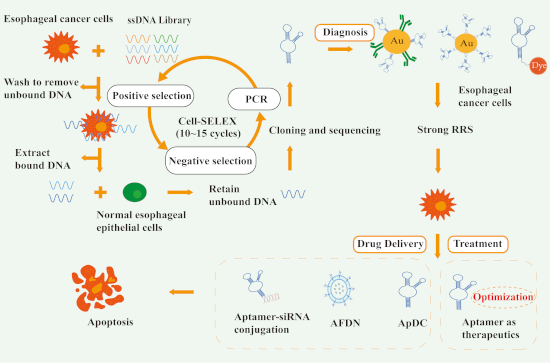
- , coupling drugs, covalent binding with siRNA, and chemical modification [34][35] to promote their role in cancer drug delivery. Conventional drug delivery systems, including metal nanoparticles, nanohydrogels, liposomes, and polymeric micelles [36][37][38], have gained widespread adoption due to their
- help of aptamers. Common nanocarrier systems, including micelles, liposomes, metal nanoparticles, and solid lipid nanoparticles, demonstrate well-established fabrication protocols, yet often face challenges with in vivo stability. Emerging nanoplatforms, such as four-way junction RNA nanostructures
- delivery of gene-silencing therapeutics; (2) direct intercalation of aptamers with small-molecule chemotherapeutic drugs (e.g., DOX), forming stable complexes; (3) co-encapsulation of aptamers and hydrophobic drugs into nanoparticles (e.g., liposomes or polymeric micelles) to improve drug solubility and


Multifunctional anionic nanoemulsion with linseed oil and lecithin: a preliminary approach for dry eye disease
Beilstein J. Nanotechnol. 2025, 16, 1711–1733, doi:10.3762/bjnano.16.120
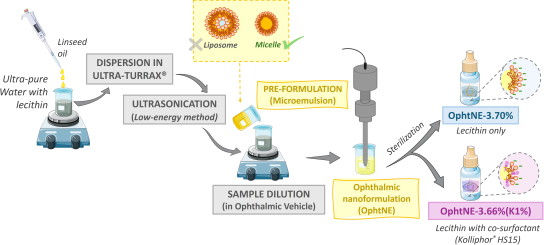
- efficacy and safety for ocular administration. Keywords: eye drops; micelles; low-energy method; ophthalmic vehicle; sample dilution; stability; Introduction Dry eye disease (DED) is a multifactorial condition affecting the ocular surface, characterized by changes in tear fluid composition and/or
- micelles (single-layered lipid structures) [43]. The hydrophilic portion of lecithin consists of phospholipids, while the presence of unsaturated and/or saturated fatty acids determines its hydrophobic characteristics, thereby influencing its hydrophilic–lipophilic balance (HLB) values [44]. However
- its polar portions, and the length of its hydrophobic chain [49]. PPC values below 0.5 indicate the formation of monolayer micelles, whereas values between 0.5 and 1.0 favor liposome formation [49][50]. A value of p ≥ 0.5 has been reported for phosphatidylcholine, indicating that lecithin can form



Prospects of nanotechnology and natural products for cancer and immunotherapy
Beilstein J. Nanotechnol. 2025, 16, 1644–1667, doi:10.3762/bjnano.16.116
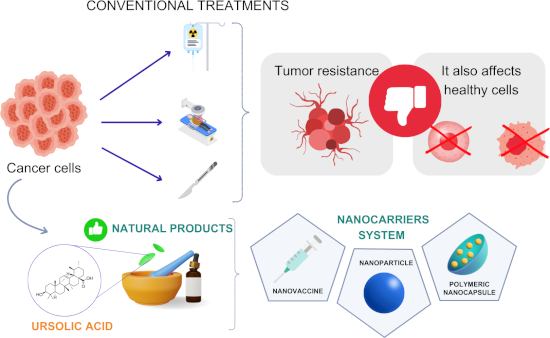
- light, synthesis in reverse micelles, and condensation processes [148]. Gold nanoparticles have great benefits for cancer and immunotherapy, providing increased efficiency and effectiveness by acting as immune regulators, enhancing the delivery of antitumor drugs, and improving biocompatibility


Enhancing the therapeutical potential of metalloantibiotics using nano-based delivery systems
Beilstein J. Nanotechnol. 2025, 16, 1350–1366, doi:10.3762/bjnano.16.98
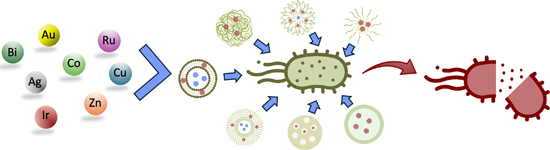
- copolymers, exhibit good stability and cargo-retention efficiency, making them ideal for cytosolic drug delivery [79]. Polymeric micelles, with a hydrophilic core and hydrophobic outer shell, protect aqueous drug cargo and improve circulation time, often being used for the delivery of cancer therapeutics [80
- micelles [102]. The nano-encapsulated complexes maintained their antibacterial properties, improving solubility and stability. In addition, reduced toxicity and side effects were observed for the nano-encapsulated Ag-NHC complexes compared to the free metallodrug. Additionally, the encapsulation system
- zebrafish embryo model, showing improved survival rates against pneumococcal infections on treatment with auranofin-loaded NPs compared to free auranofin. In another example, the gold(III) bisdithiolate complex 11 (Figure 4) was encapsulated in block copolymer micelles (BCMs) to improve solubility


Investigation of the solubility of protoporphyrin IX in aqueous and hydroalcoholic solvent systems
Beilstein J. Nanotechnol. 2025, 16, 1209–1215, doi:10.3762/bjnano.16.89
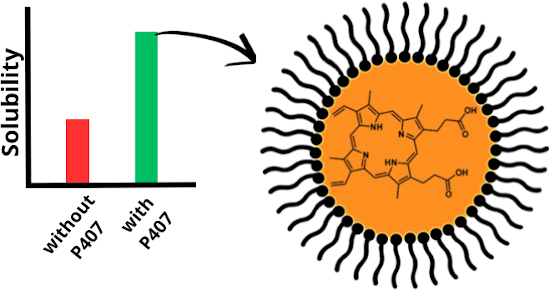
- min. The dissolution profiles of the micellar systems were also evaluated using the Korsmeyer–Peppas model with lag time (tlag), which indicated a Fickian diffusion mechanism, preceded by a thermodynamically driven accommodation stage of PpIX into the micelles. The solubility of PpIX ranged from 0.138
- properties, capable of forming micelles that encapsulate PpIX, increasing its solubility and facilitating its administration [7][11][12]. In this context, poloxamer 407 (P407) is notable for its biocompatibility and ability to form stable nanometric micelles [8][13][14]. Its amphiphilic nature allows for the
- self-assembly of monomers into micelles with a hydrophobic core of polypropylene oxide (PPO) and a hydrophilic corona of polyethylene oxide (PEO), creating an environment suitable for the encapsulation of hydrophobic drugs such as PpIX [15]. These micelles enhance drug solubility, protect against


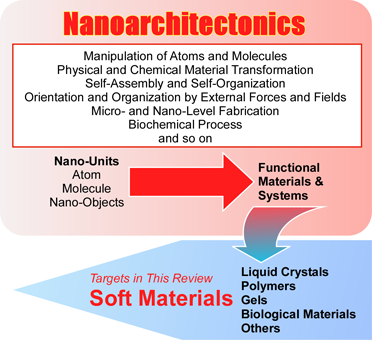
Soft materials nanoarchitectonics: liquid crystals, polymers, gels, biomaterials, and others
Beilstein J. Nanotechnol. 2025, 16, 1025–1067, doi:10.3762/bjnano.16.77




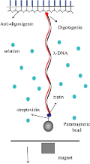


Nanomaterials in targeting amyloid-β oligomers: current advances and future directions for Alzheimer's disease diagnosis and therapy
Beilstein J. Nanotechnol. 2025, 16, 561–580, doi:10.3762/bjnano.16.44
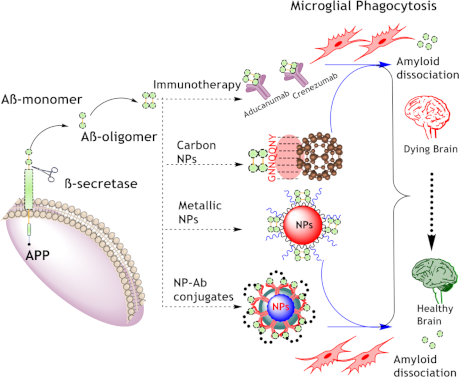
- interactions between n-mers (oligomers formed from a defined number of monomers), or from non-specific interactions, akin to micelles. The precise mechanisms underlying the formation of AβOs during the growth of AβFs remain elusive. However, researchers have identified three main pathways to explain this


Synthetic-polymer-assisted antisense oligonucleotide delivery: targeted approaches for precision disease treatment
Beilstein J. Nanotechnol. 2025, 16, 435–463, doi:10.3762/bjnano.16.34

- systems for cancer therapy, Kim et al. employed PLL in the synthesis of dually stabilised triblock copolymer micelles for the systemic delivery of phosphorothioate ASOs (metastasis associated lung adenocarcinoma transcript 1 lncRNA-targeted ASO (MALAT1-ASO) and GL3 luciferase-targeted ASO (GL3-ASO
- )) targeting solid tumours [66]. Triblock copolymers comprising poly(2-ethyl-2-oxazoline) (PEtOx), poly(2-n-propyl-2-oxazoline) (PnPrOx), and PLL (Mw = 6.9 kDa, degree of polymerization (DP) = 42) segments allowed for the formation of compartmentalised micelles bearing a hydrophilic PEtOx shell, a
- crucial role in gene silencing since it enabled the formation of (Luc-ASO-HE12):PEI–DNA micelles, which provided greater stability and protection of antisense nucleotides. This resulted in enhanced cell uptake and transfection activity when compared to free ASO and Luc-ASO-(HE-HEG)6 complexes


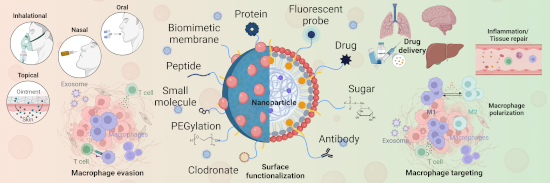
Nanocarriers and macrophage interaction: from a potential hurdle to an alternative therapeutic strategy
Beilstein J. Nanotechnol. 2025, 16, 97–118, doi:10.3762/bjnano.16.10


Nanoarchitectonics with cetrimonium bromide on metal nanoparticles for linker-free detection of toxic metal ions and catalytic degradation of 4-nitrophenol
Beilstein J. Nanotechnol. 2024, 15, 1312–1332, doi:10.3762/bjnano.15.106
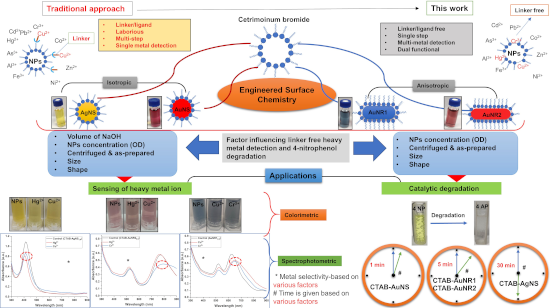
- (5–50 µL) results in the controlled desorption of CTAB from the metal surface. A recent study demonstrated the ability of NaOH to interfere with CTAB micelles, where the pH value played a key role [33]. Optimized conditions enabled the linker-free sensing of heavy metal ions (Figure 1c
- plasmons due to the easy desorption of CTAB in the presence of NaOH, which is not observed in the case of small gold nanorods and nanospheres. The CTAB is tightly packed on short nanorods and nanospheres [43]. It was reported that NaOH significantly alters the micelles of quaternary ammonium surfactants
- CTAB micelles without hampering the physicochemical properties of the synthesized nanoparticles. This weakening of CTAB solves the persistent problem of surface modification or the use of linker molecules with CTAB-capped nanoparticles for sensing applications. In addition, the nanorod size might be


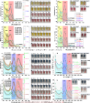


Synthesis, characterization and anticancer effect of doxorubicin-loaded dual stimuli-responsive smart nanopolymers
Beilstein J. Nanotechnol. 2024, 15, 1189–1196, doi:10.3762/bjnano.15.96
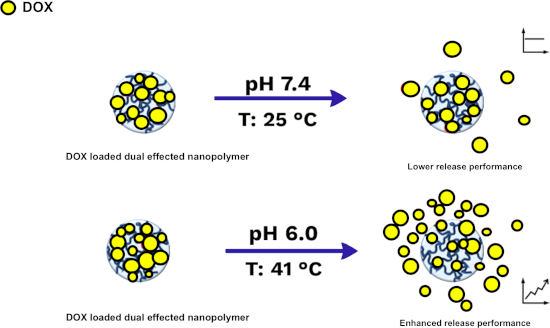
- than free DOX. To date, several types of nanoparticles, such as liposomes, micelles, and metal-organic frameworks, have been studied to encapsulate DOX to obtain effective and non-toxic drugs [7][8]. Great attention has been paid to nanoparticles because of their specific properties, such as small size


Recent updates in applications of nanomedicine for the treatment of hepatic fibrosis
Beilstein J. Nanotechnol. 2024, 15, 1105–1116, doi:10.3762/bjnano.15.89
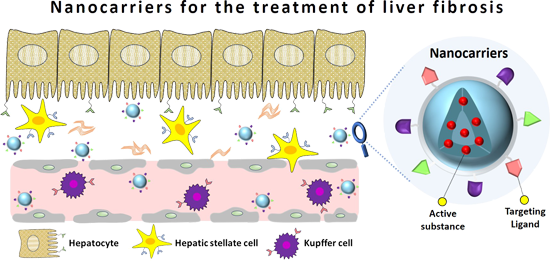
- , liver-targeted nanocarriers are needed to increase the drug concentration in the liver with minimum off-target effects. For this purpose, both passive and active targeting strategies of nanomedicine-based drug deliveries have been studied. Liposomes, micelles, solid lipid NPs, and gold NPs are examples
- as an absorption enhancer [51]. The therapeutic potential of curcumin using nanoformulations was reviewed by several researchers, summarizing recent curcumin encapsulation works on various NP platforms (liposomes, solid lipid NPs, micelles, and polymeric NPs) [52][53]. For example, polymeric


Gold nanomakura: nanoarchitectonics and their photothermal response in association with carrageenan hydrogels
Beilstein J. Nanotechnol. 2024, 15, 678–693, doi:10.3762/bjnano.15.56

- well known to generate anisotropic nanomaterials. The mechanism mainly involves the arrangement of surfactant micelles which dictates anisotropy in nanoparticle during synthesis. A seed is a tiny crystal of ≈2–3 nm that initiates growth of a nanoparticle when introduced in a proper growth solution. The
- structures, micelles with longer carbon tail lengths form more compact bilayer structures and vice versa. Also, the density of mixed micellar structure of CTAB is higher and is followed by MTAB and DTAB, respectively; thus, resulting in the formation of AuNMs of different aspect ratios. The corroboration of
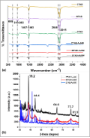
- DTAB-AuNM, respectively. Growth mechanism of gold nanomakura particles (AuNM). (a) AuNM surrounded by surfactant micelles; (b) growth facet of AuNM; and (c) stepwise growth mechanism during AuNM formation. (a) Seed-mediated synthesis of CTAB-capped AuNR. (b) Seedless synthesis of DTAB-capped AuNR. (c






Nanomedicines against Chagas disease: a critical review
Beilstein J. Nanotechnol. 2024, 15, 333–349, doi:10.3762/bjnano.15.30
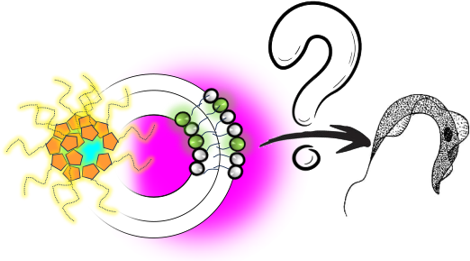
- be able to do it? The answer is more political than technical. A search conducted on PubMed (17 November 2023), employing the following keywords (articles make no distinction between treatment and diagnosis): “Chagas and liposomes”, “Chagas and nanoparticles”, “Chagas and micelles”, “cruzi and
- liposomes”, “cruzi and nanoparticles”, “cruzi and micelles”; “leishmania and liposomes”, “leishmania and nanoparticles”, “leishmania and micelles”; “malaria and liposomes”, “malaria and nanoparticles”, “malaria and micelles”, “plasmodium and liposomes”, “plasmodium and nanoparticles”, and “plasmodium and
- micelles”. In vitro performance of BNZ-based nanomedicines.a In vivo performance of oral BNZ-based nanomedicines.a In vivo performance of nanomedicines based on non-approved drugs.

Development and characterization of potential larvicidal nanoemulsions against Aedes aegypti
Beilstein J. Nanotechnol. 2024, 15, 104–114, doi:10.3762/bjnano.15.10
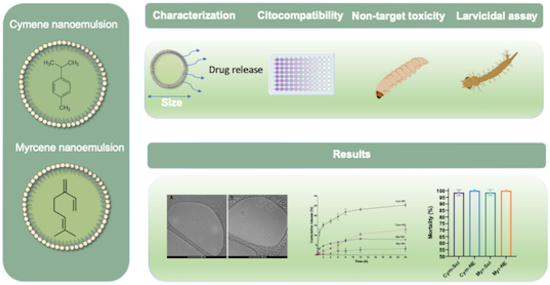
- oil–surfactant core–shell structure within the micelles. Consequently, a lower amount of monoterpenes is released into the surrounding medium [42]. Among the mathematical models used to study drug kinetics, the Korsmeyer–Peppas release model proved to be the most suitable for our formulations (Table 4


Curcumin-loaded nanostructured systems for treatment of leishmaniasis: a review
Beilstein J. Nanotechnol. 2024, 15, 37–50, doi:10.3762/bjnano.15.4
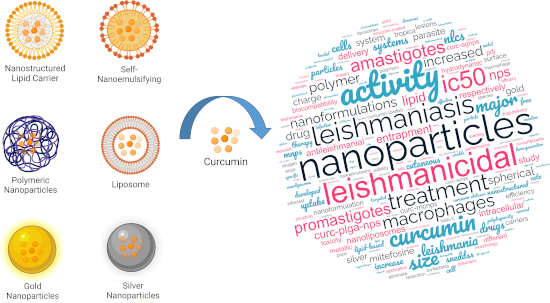
- systems [19], nanoparticles [20], nanoliposomes [21], micelles [22], and nanocrystals [23] have been utilized. These systems can promote (i) protection of the drug against degradation in physiological media, (ii) increase in drug solubility, and (iii) modification/targeting of the drug enabling transport


The steep road to nonviral nanomedicines: Frequent challenges and culprits in designing nanoparticles for gene therapy
Beilstein J. Nanotechnol. 2023, 14, 351–361, doi:10.3762/bjnano.14.30
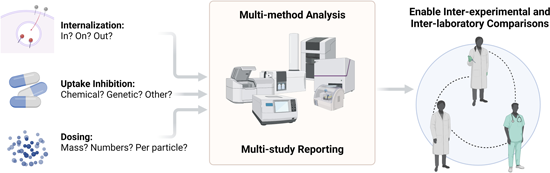
- polymeric (e.g., core–shell micelles), oligomeric (e.g., lipid nanoparticles), or biomacromolecular (e.g., protein nanoparticles) components complicates matters only further by generating a higher-than-normal background through non-specific interactions with the assay media. In addition, a significant bias

Polymer nanoparticles from low-energy nanoemulsions for biomedical applications
Beilstein J. Nanotechnol. 2023, 14, 339–350, doi:10.3762/bjnano.14.29
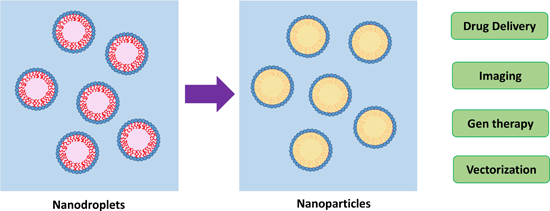
- (non-adsorbed) surfactant can be in the form of micelles that coexist with the nanoemulsion droplets. The kinetics of surfactant adsorption during droplet formation, droplet coarsening, as well as uncertainties in the estimation of as could also explain the divergences between calculated and
- surface charge (ca. −11 mV). The drug encapsulation efficiencies were higher than 98%, although loadings were not enough to achieve therapeutic concentrations. The GAL release from the nanoparticles was slower than that from aqueous GAL solutions and surfactant micelles. Viabilities of HeLa and SH-SY5Y