


Search results
Search for "peptide" in Full Text gives 125 result(s) in Beilstein Journal of Nanotechnology.
Nanocarrier strategies to overcome P-glycoprotein-mediated drug resistance in cancer therapy
Beilstein J. Nanotechnol. 2026, 17, 882–921, doi:10.3762/bjnano.17.64
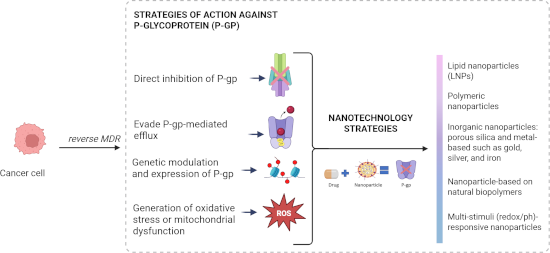
- strategy, the DOX/CEL-MTS-R8H3 system utilizes a hybrid peptide that facilitates cell penetration, lysosomal escape, and mitochondrial targeting. This leads to a 5.7-fold augmentation in intracellular drug absorption, improved ROS generation, and substantial suppression of P-gp efflux relative to non
- -peptide-functionalized liposomes [36]. Both methodologies affirm that the crux resides in activating internalization routes that circumvent the efflux pump while concurrently depleting its energy source or locally blocking it. Supporting this concept is the incorporation of TPGS into the liposomal bilayer


Nanoparticle delivery systems for HIV pre-exposure prophylaxis (PrEP): advances and challenges
Beilstein J. Nanotechnol. 2026, 17, 839–853, doi:10.3762/bjnano.17.60
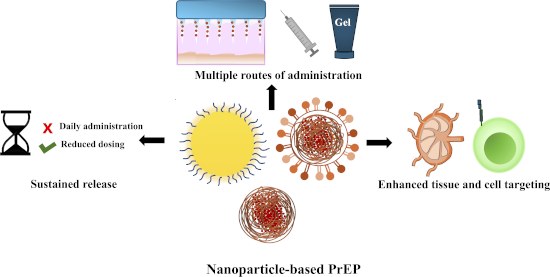
- surface-conjugated with a peptide with affinity for CD4 receptors [58]. The clinical use of DRV has been limited by its low bioavailability largely due to its lipophilic nature. First pass metabolism and efflux transport further reduce bioavailability [59]. To address these limitations, DRV-loaded SLNs
- were designed to improve delivery to HIV reservoirs [58]. In permeability studies, the nanoparticles showed a fourfold increase in transport across a Caco-2 cell membrane compared to plain drug solution. Furthermore, the peptide-grafted SLNs achieved enhanced cellular uptake in a CD4+ T cell model
- with the CCR5 binding peptide D-Ala-Ser-Thr-Thr-Thr-Asn-Tyr-Thr-NH2 (LBNP-RPV-CCR5) [61]. CCR5 is a co-receptor for HIV entry into host cells that is expressed on the surface of various immune cells, including CD4+ T cells and macrophages. When nanoparticle uptake was tested in monocyte derived


Protein-based custom-designed molecular nanotraps for biomedical applications
Beilstein J. Nanotechnol. 2026, 17, 683–687, doi:10.3762/bjnano.17.47

- selective molecular recognition. Concerning the breadth of targets and the effectiveness of the molecular recognition, bioMIPs were prepared to recognize either entire proteins (e.g., human serum albumin [5]), or oligopeptides (the peptide hormone hepcidin [18]), or portions of a protein, that is, an
- epitope (C-terminus of interleukin-6 [6]). The tailored affinity towards the targets was remarkably high and comparable to that of natural antibodies, being estimated in the low nanomolar range. Selectivity for the target was proven, up to the level of discriminating scrambled sequences of the peptide
- immunogenicity due to the presence of short sequences capable of triggering immune responses. This constraint may significantly limit the range of suitable protein sources to prepare bioMIPs with the finality of clinical translation. Another aspect to consider is the occurrence of specific peptide motifs

Biomimetic nanoparticles in cancer photodynamic therapy: a review of targeted delivery systems and therapeutic outcomes
Beilstein J. Nanotechnol. 2026, 17, 396–422, doi:10.3762/bjnano.17.27
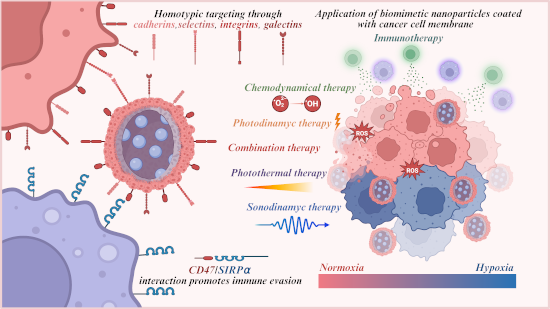
- times in αVβ3-positive U-87 MG glioblastoma cells compared to αVβ3-negative HeLa cells [90]. In urological cancers, integrin α5β1 is upregulated, facilitating cell adhesion to fibronectin; PHSCN peptide-targeted BNPs have shown efficacy in inhibiting prostate cancer metastasis in preclinical and
- clinical settings [91]. High malignancy cancer cells display reduced homotypic adhesion but increased heterotypic adhesion to endothelial cells, mediated by molecules such as IL6R [92], CXCR4 [93], and EPCAM [94], which are targeted via peptide-functionalized BNPs to inhibit metastasis. Additionally, NGR
- peptides targeting aminopeptidase N have improved photoinduced activity of chlorin e6 in fibrosarcoma cells [95]; dual peptide modification of PLGA nanoparticles enhanced brain targeting in glioma models [96]. Integrin expression varies across tumor types, influencing homotypic targeting strategies [89][97


From shield to spear: Charge-reversible nanocarriers in overcoming cancer therapy barriers
Beilstein J. Nanotechnol. 2026, 17, 159–175, doi:10.3762/bjnano.17.10
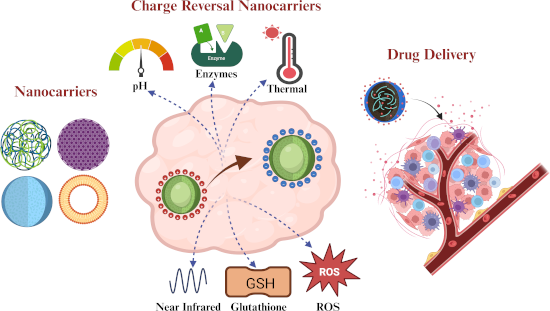
- tumours, undergoing enzymatic cleavage of peptide bonds which causes nanocarrier destabilization, charge reversal, and size reduction. These transformations triggered drug release within the tumour tissue and improved nuclear targeting, optimizing therapeutic efficacy [50]. Thereafter, a study by Lin et
- al. developed MMP-2-responsive PEG-coated nanocarriers that, upon peptide cleavage, underwent PEG detachment, charge reversal, and size reduction, enhancing cellular uptake and tumour-specific drug release. This system effectively inhibited tumour growth with minimal systemic toxicity in mice [51


Visualizing nanostructures in supramolecular hydrogels: a correlative study using confocal and cryogenic scanning electron microscopy
Beilstein J. Nanotechnol. 2025, 16, 2274–2284, doi:10.3762/bjnano.16.156
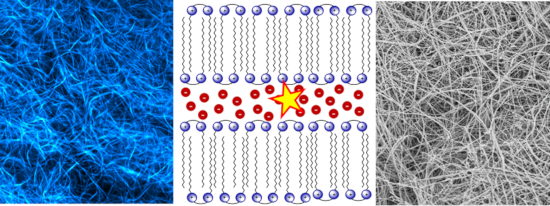
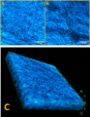
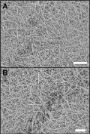
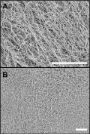
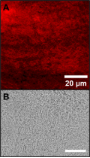
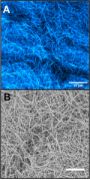
- material. The application of confocal microscopy, stimulated emission depletion (STED) microscopy, and conventional transmission electron microscopy (TEM) to a supramolecular peptide material has been shown to allow for sub-diffraction resolution imaging of fibre morphology in situ without covalent



Chiral plasmonic nanostructures fabricated with circularly polarized light
Beilstein J. Nanotechnol. 2025, 16, 2245–2264, doi:10.3762/bjnano.16.154
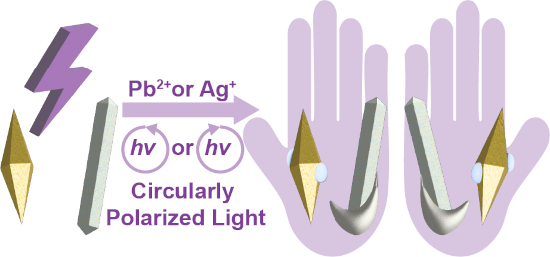
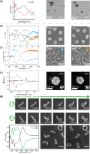
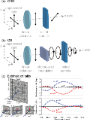
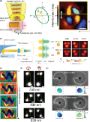
- was the amino acid- and peptide-directed seeded growth of gold helicoids [19] (Figure 1d). This was the first time molecular chirality was transferred to plasmonic nanoparticle shapes at the single NC level. However, an atomic-level understanding of how the chiral geometry occurs is still under





The cement of the tube-dwelling polychaete Sabellaria alveolata: a complex composite adhesive material
Beilstein J. Nanotechnol. 2025, 16, 1998–2014, doi:10.3762/bjnano.16.138
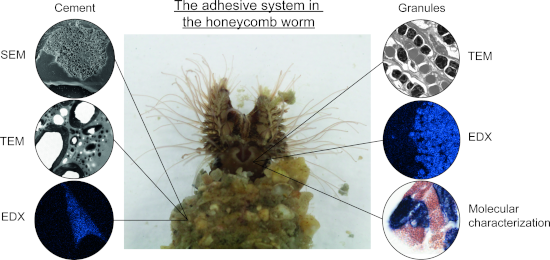
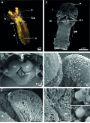
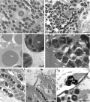
- only five, referred to as Pc-1 to -5, have been partially characterized [8][12][14][15][16]. Pc-1 and Pc-2 are basic proteins that contain glycine-rich peptide repeats [14][15]. A fraction of their tyrosine residues are post-translationally hydroxylated to form 3,4-dihydroxyphenylalanine (DOPA
- translated and analyzed in silico. Molecular weight and theoretical pI were computed using the ProtParam tool (https://web.expasy.org/protparam/) [27], and amino acid composition was analyzed using SAPS (https://www.ebi.ac.uk/jdispatcher/seqstats/saps) [28]. The presence of a signal peptide was predicted
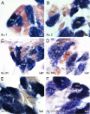
- (Supporting Information File 1, Table S5). It contains a signal peptide and has a molecular weight of 38.4 kDa (Table 1). Both Sa-5 and Sa-3C are overexpressed in the worm’s parathoracic region at the mRNA level (Table 1). In this study, we hypothesized that FAM20C kinases might be the enzymes responsible for



PEGylated lipids in lipid nanoparticle delivery dynamics and therapeutic innovation
Beilstein J. Nanotechnol. 2025, 16, 1914–1930, doi:10.3762/bjnano.16.133
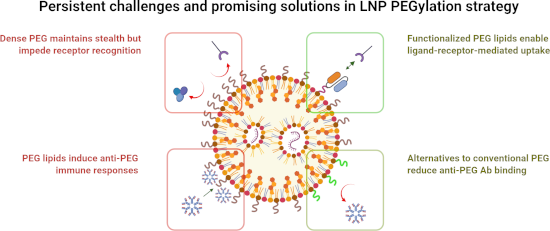
- moieties that might be adversely affected by harsh reaction conditions [36][37]. A selection of functionalized PEG lipids for ligand conjugation is shown in Figure 4. A study of engineered peptide-functionalized LNPs (pLNPs) used DSPE-PEG-maleimide as a linker to conjugate brain-targeting peptides
- endothelial and neuronal cells than that of the negative control LNP without peptide [40]. Notably, these enhancements remained consistent in pLNPs pretreated with serum, indicating that the peptide-conjugated LNPs using DSPE-PEG-maleimide retained targeting ability despite protein corona formation
- azidoacetyl-modified A PD-L1-binding ᴅ-peptide before introducing to LNP formulation. The synthesized DSPE-PEG2K-Pep conjugate was incorporated into LNPs at 0.3 mol % for optimal coating saturation. Quantitative analysis showed Pep-LNPs achieved over 85% of surface coverage by DSPE-PEG2K-Pep conjugate without


Exploring the potential of polymers: advancements in oral nanocarrier technology
Beilstein J. Nanotechnol. 2025, 16, 1751–1793, doi:10.3762/bjnano.16.122


Advances of aptamers in esophageal cancer diagnosis, treatment and drug delivery
Beilstein J. Nanotechnol. 2025, 16, 1734–1750, doi:10.3762/bjnano.16.121
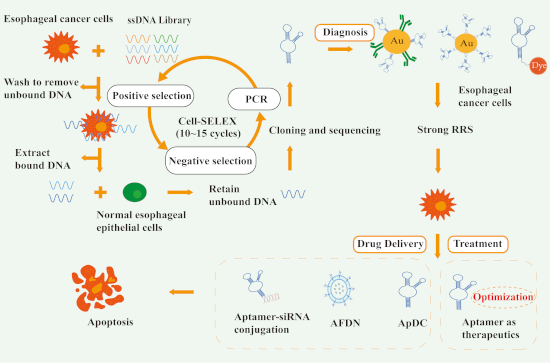
- lifestyle-related risk factors. However, the discovery of aptamers and the development of nanocarriers bring great benefits to the diagnosis, treatment, and targeted drug delivery of EC. Aptamers or peptide aptamers as biosensors or therapeutic agents for the diagnosis or treatment of EC, aptamer–drug
- obstacles to their safe application. Hence, ongoing research explores strategies to optimize the solubility and targeting ability of anti-EC drugs, and aptamers [25] represent a distinct class of molecular tools. Aptamers are small nucleotide or peptide sequences screened by “systematic evolution of ligands
- , this synergistic strategy presents a promising approach to circumvent chemotherapy resistance in cancer treatment. In general, DNA aptamers have higher thermal stability, RNA aptamers are richer in secondary structure, and peptide aptamers are smaller in size and easier to enter cells [29]. Furthermore


Prospects of nanotechnology and natural products for cancer and immunotherapy
Beilstein J. Nanotechnol. 2025, 16, 1644–1667, doi:10.3762/bjnano.16.116
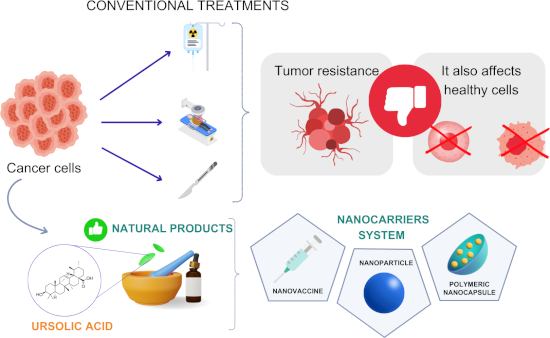
- ) complex that targets the PD-L1 gene, a cell-penetrating peptide, and a tumor cell membrane derived from HepG2 cells. Characterization of the nanoparticles showed that the nanocomplex was stabilized by hydrogen bonds, van der Waals forces, and hydrophobic forces. In addition, confocal microscopy, gene
- compared to the individual components, revealing a synergistic activity for cancer treatment [71]. Patent CN114470229 (2022) describes carrier-free double-drug self-assembled nanoparticles for treating liver cancer. This technology contains indocyanine green, a cell-penetrating peptide, a nucleic acid


Venom-loaded cationic-functionalized poly(lactic acid) nanoparticles for serum production against Tityus serrulatus scorpion
Beilstein J. Nanotechnol. 2025, 16, 1633–1643, doi:10.3762/bjnano.16.115
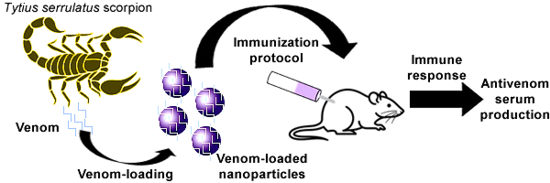
- a Brazilian scorpion species with great medical significance [2][5], responsible for the highest number of accidents and also the most severe ones [6][7]. Scorpion toxins represent a vast collection (≈100,000) of pharmacologically relevant peptide toxins that have provided an important foundation


Better together: biomimetic nanomedicines for high performance tumor therapy
Beilstein J. Nanotechnol. 2025, 16, 1246–1276, doi:10.3762/bjnano.16.92
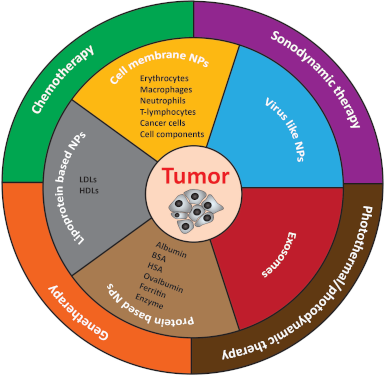
- phage for targeted drug delivery. In a recent study, the DNA of the M13 phage was modified to encode for SPARC binding peptide and cathepsin B cleavage peptide. Then, superparamagnetic iron oxide nanoparticles were covalently bonded to cathepsin B expressed on M13 phages to track their intracellular
- nanostructures were investigated and successfully used for different tumor targeting and treatment applications [120][121][122][123]. In this respect, drug nanocrystals coated with RBC membrane and modified with a tumor-targeting peptide was successfully used for targeted therapy of glioma [124]. The peptide
- -modified nanosystem showed increased drug accumulation and enhanced therapeutic activity both in subcutaneous and orthotopic tumor models [125][126]. Another study regarding targeted therapy and improved drug delivery to the brain used the dual modification of RBC-coated lipid nanoparticles with T7 peptide






Hydrogels and nanogels: effectiveness in dermal applications
Beilstein J. Nanotechnol. 2025, 16, 1216–1233, doi:10.3762/bjnano.16.90
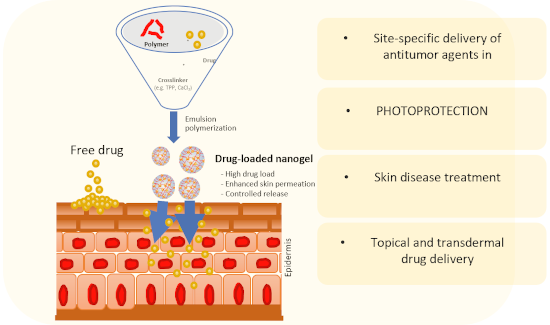
- matrix organization and increase stratum corneum fluidity, thus favoring drug permeation. In addition, a cell-penetrating peptide (R8H3) was functionalized on the transfersome surface to improve skin and tumor penetration. The oligopeptide hydrogel composed of Fmoc-Phe-Phe-Phe-Dopa served as a drug


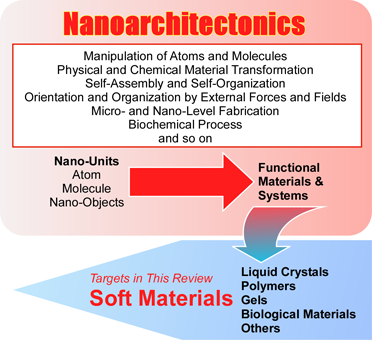
Soft materials nanoarchitectonics: liquid crystals, polymers, gels, biomaterials, and others
Beilstein J. Nanotechnol. 2025, 16, 1025–1067, doi:10.3762/bjnano.16.77






Polyurethane/silk fibroin-based electrospun membranes for wound healing and skin substitute applications
Beilstein J. Nanotechnol. 2025, 16, 591–612, doi:10.3762/bjnano.16.46
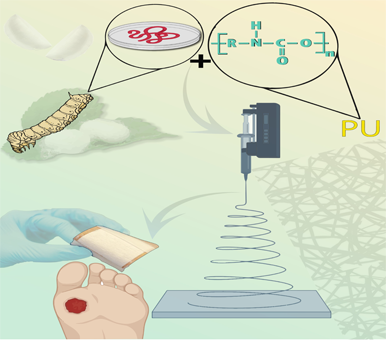
- typically range from 200 to 300 nm [74]. The basic structure of SF is formed by the HL complex, in which H is the heavy peptide chain with a molecular weight of 350 kDa and L is the light peptide chain of about 25 kDa; both are bonded together by disulfide connections [83]. The glycoprotein P25 is non



Nanomaterials in targeting amyloid-β oligomers: current advances and future directions for Alzheimer's disease diagnosis and therapy
Beilstein J. Nanotechnol. 2025, 16, 561–580, doi:10.3762/bjnano.16.44
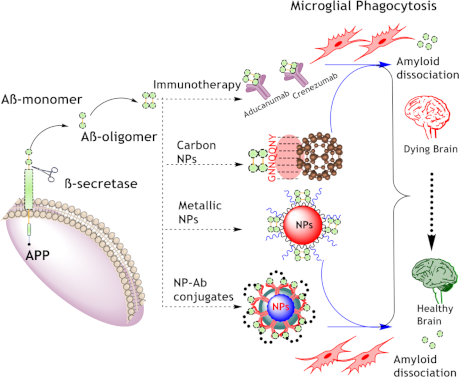
- . The most widely utilized monoclonal antibodies in AD research are 6E10 and 4G8 [19][20][21]. These antibodies were generated by immunizing mice with specific peptide fragments of Aβ, allowing them to bind effectively to amyloid aggregates. Importantly, the development of “conformation-dependent
- , particularly those associated with NDs like AD. Research has demonstrated the ability of fullerenes to prevent the aggregation of Aβ peptides. For instance, molecular dynamics simulations have shown that fullerenes inhibit the fibrillation of the hydrophobic KLVFFAE peptide by disrupting the formation of β
- peptide, effectively redirecting the formation of potentially toxic oligomers towards disordered coil structures. This mechanism not only hinders fibril formation but also shifts the balance toward less harmful aggregates [71]. Single-walled carbon nanotubes (SWCNTs) have emerged as another promising CNM


Synthetic-polymer-assisted antisense oligonucleotide delivery: targeted approaches for precision disease treatment
Beilstein J. Nanotechnol. 2025, 16, 435–463, doi:10.3762/bjnano.16.34

- optimise ASO-based therapeutics for more precise and effective disease treatments. Keywords: antisense oligonucleotides; enhanced delivery; gene transfection; intracellular uptake; locked nucleic acid (LNA); nanoparticles; peptide nucleic acid (PNA); personalised therapy; phosphorodiamidate morpholino
- ′ position of the ribose ring, whereas third-generation ASOs are more diverse, containing a variety of sugar ring modifications or base modifications [19][20]. These include locked nucleic acids (LNAs) [21][22], phosphorodiamidate morpholino oligomers (PMOs) [23][24][25], peptide nucleic acids (PNAs) [26][27
- synthetic approaches, that is, chemical–enzymatic synthesis (CES), solid-phase peptide synthesis (SPPS), and ring-opening polymerisation (ROP) of N-carboxy anhydrides [62]. While CES and SPPS offer access to structural isomers (i.e., α-PLL or ε-PLL) and sequence-controlled ʟ-lysine-rich peptides


Development of a mucoadhesive drug delivery system and its interaction with gastric cells
Beilstein J. Nanotechnol. 2025, 16, 371–384, doi:10.3762/bjnano.16.28

- positive charge. A peptide, as a model drug, was loaded onto the nanoparticles with an encapsulation efficiency of 58%. The release of the model drug from the delivery system was pH-independent and lasted for 7 days. The periodic acid–Schiff stain assay indicated 69% mucin interaction for the nanoparticles
- action of drugs with increased retention. We have developed an mucoadhesive alginate-based drug delivery system to be used in the stomach delivery of drugs. For the study, we used a carboxyfluorescein (FAM)-labeled peptide (Mw = 2.8 kDa) as a model drug to be encapsulated in alginate nanoparticles. The
- EudAlg nanoparticles Encapsulation efficiency is an important parameter in determining the dose of therapeutic agents and, thus, the efficacy of the treatment. In the present study, we aimed to determine the encapsulation of a positively charged and large peptide molecule (Mw = 2.8 kDa) into the delivery


Nanocarriers and macrophage interaction: from a potential hurdle to an alternative therapeutic strategy
Beilstein J. Nanotechnol. 2025, 16, 97–118, doi:10.3762/bjnano.16.10


Mechanistic insights into endosomal escape by sodium oleate-modified liposomes
Beilstein J. Nanotechnol. 2024, 15, 1667–1685, doi:10.3762/bjnano.15.131
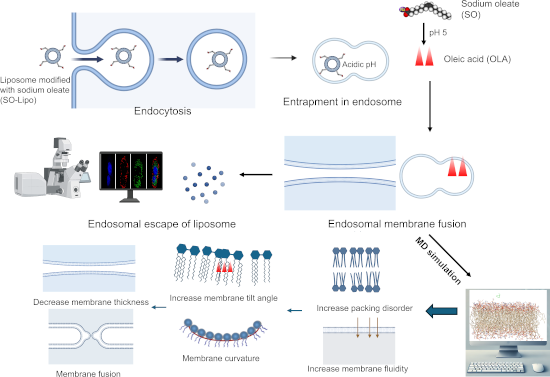
- escape efficacy of SO with Aurein 1.2 (AUR), a well-established endosomal escape peptide known for its efficacy both in vitro and in vivo, serving as a positive control [12]. Our findings have the potential to significantly advance the development of safer and more effective liposomal drug delivery
- nanoformulations. Interestingly, the zeta potential of AUR-Lipo remained virtually unchanged at −2.42 ± 2.41 mV, indicating that the neutral charge of the AUR peptide effectively preserved the nanoparticle’s surface charge. When exposed to pH 5 for 1 h, Unmodified-Lipo maintained its size and charge, demonstrating
- evidenced by a shift in zeta potential to a slightly positive value of 1.07 ± 1.80 mV. This shift may be attributed to the protonation of amino acids such as glutamic and aspartic acid in the peptide sequence, which, under acidic conditions, likely contributes to an increase in positive charge [13




Biomimetic nanocarriers: integrating natural functions for advanced therapeutic applications
Beilstein J. Nanotechnol. 2024, 15, 1619–1626, doi:10.3762/bjnano.15.127

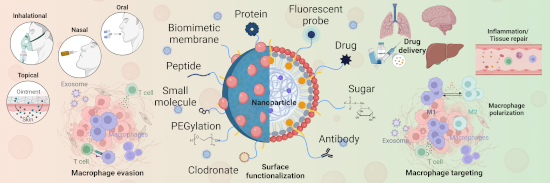
- coated nanocarriers, such as PLGA NPs and silica NPs, enhance interactions with dendritic cells, leading to antitumor responses [25][26]. In a similar study with CMC-NPs composed of C-phycocyanin (C-PC) and a CD59-specific binding peptide (CD59sp), the antitumor activity of the C-PC/CMC-CD59sp
- is linked to dementia and neuronal loss [70]. Focusing on BBB compatibility, lipid-based nanoparticles demonstrate high potential in facilitating drug delivery. Macrophage membrane-coated liposomes co-modified with the RVG29 peptide and triphenylphosphine cation have shown improved targeting of brain


Polymer lipid hybrid nanoparticles for phytochemical delivery: challenges, progress, and future prospects
Beilstein J. Nanotechnol. 2024, 15, 1473–1497, doi:10.3762/bjnano.15.118
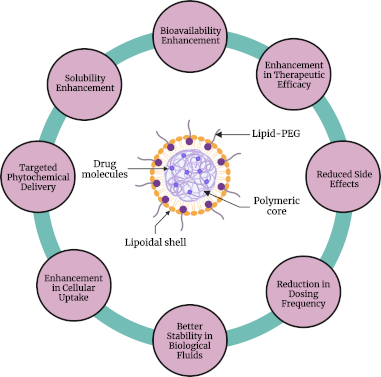
- , instability at physiological pH, and rapid metabolism hinder its clinical utilization [125]. Yang et al. fabricated HCT-encapsulated cyclic RGD peptide (c(RGDyk))-modified PLHNPs for improved therapeutic efficacy against BC [126]. Surface functionalization and PEG conjugation did not modulate the drug release


Nanotechnological approaches for efficient N2B delivery: from small-molecule drugs to biopharmaceuticals
Beilstein J. Nanotechnol. 2024, 15, 1400–1414, doi:10.3762/bjnano.15.113
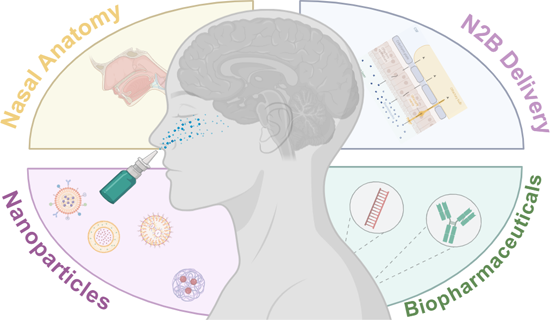
- treating glioblastoma [161]. The delivery of RNA can also be increased by functionalization. One of the most popular functionalization choices is a 29 amino-acid peptide derived from the rabies virus glycoprotein (RVG29) as it enhances brain targeting [162]. Therefore, researchers combined RVG29 and RNA
- modification with PEG and RVG29 improved the intranasal delivery of the NPs [163]. Li et al. also worked on RVG29 and developed core–shell lesion-recognizing NPs consisting of RVG29 peptide-modified mesenchymal stem cell-derived exosomes as the shell and a reactive oxygen species-responsive polymer loaded with





