Search results
Search for "plasma" in Full Text gives 637 result(s) in Beilstein Journal of Nanotechnology. Showing first 200.
Materials challenges in solid-state sensors for continuous monitoring of ions in water
Beilstein J. Nanotechnol. 2026, 17, 935–973, doi:10.3762/bjnano.17.66
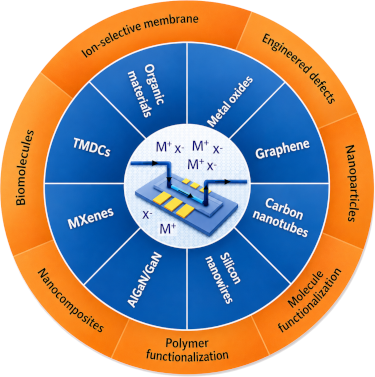



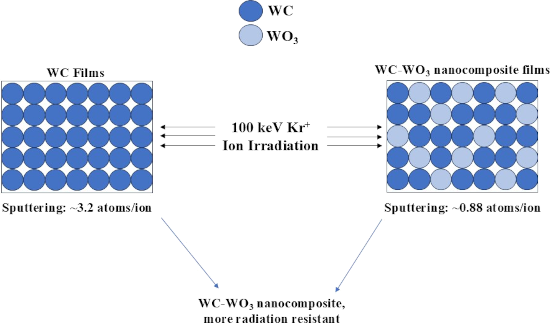
Enhanced erosion resistance and radiation stability of WC–WO3 nanocomposite films under 100 keV Kr+ ion irradiation
Beilstein J. Nanotechnol. 2026, 17, 922–934, doi:10.3762/bjnano.17.65
- Shristi Bist Parswajit Kalita Ratnesh K. Pandey Sejal Shah Richa Krishna Umapathy G. R. Sunil Ojha Devesh K. Avasthi Department of Physics, School of Engineering, UPES, Dehradun 248007, Uttarakhand, India ITER India, Institute for Plasma Research, Bhat, Gandhinagar 382428, India Homi Bhabha
- /bjnano.17.65 Abstract Plasma-facing components (PFCs) in fusion reactors are exposed to extreme radiation and thermal environments, leading to material degradation processes such as sputtering erosion and amorphization. This study investigates and compares the erosion behaviour of tungsten (W) in
- , indicating dynamic microstructural evolution rather than amorphization under irradiation. These results highlight the potential of WC–WO3 nanocomposites as erosion-resistant and structurally resilient candidates for future plasma-facing applications in fusion reactors. Keywords: low energy ions; plasma



Nanocarrier strategies to overcome P-glycoprotein-mediated drug resistance in cancer therapy
Beilstein J. Nanotechnol. 2026, 17, 882–921, doi:10.3762/bjnano.17.64
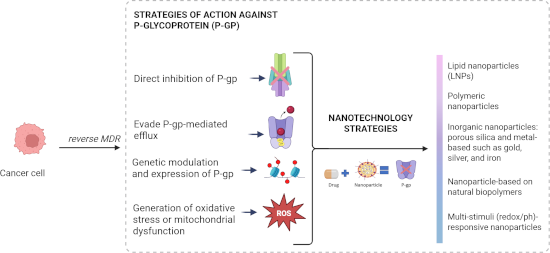
- , bypassing P-gp at the plasma membrane, and by enabling co-delivery of P-gp inhibitors or siRNA at therapeutically relevant intracellular concentrations, nanocarrier systems offer a route to restoring drug sensitivity without the systemic toxicity liabilities associated with conventional inhibition
- glioblastoma), where bypassing the plasma membrane efflux pump is advantageous; it shows good translational promise due to biocompatibility and tunable release control [33]. Gene silencing of ABCB1 via siRNA or CRISPR-loaded nanoparticles is the mechanistically most specific approach and ideal for tumors with


Light-driven ammonia electrooxidation via carbon nitride–ruthenium molecular interfaces
Beilstein J. Nanotechnol. 2026, 17, 854–862, doi:10.3762/bjnano.17.61
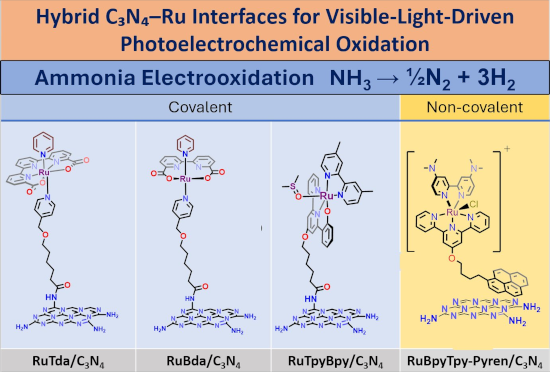
- preliminary unpublished data, to strengthen the credibility of this strategy, RuBda covalently grafted onto polymeric C3N4 nanoparticles, achieved a ruthenium surface density of 5.5 mol % Ru (5.5 × 10⁻⁴ mol per gram of C3N4), validated by ion-coupled plasma and a turnover frequency for ammonia oxidation of


Nanoparticle delivery systems for HIV pre-exposure prophylaxis (PrEP): advances and challenges
Beilstein J. Nanotechnol. 2026, 17, 839–853, doi:10.3762/bjnano.17.60
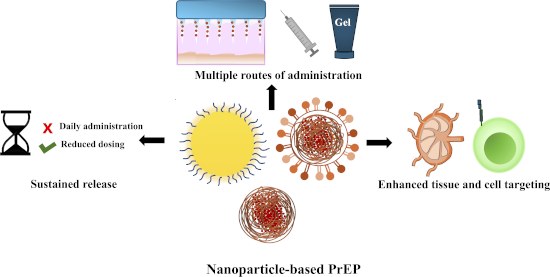
- throughout the polymer matrix. This property is particularly beneficial for drugs with poor bioavailability or short plasma half-lives, as it allows a reduction in dosing frequency and improves adherence. In some designs, drug cargo is confined within nanocapsule-like structures formed by a polymer shell [49
- significant difference compared to IM injection. Although the overall exposure was lower than for IM injection, the plasma levels of BIC were sustained above the inhibitory threshold for up to 21 days showing strong potential for its use in LA-PrEP. The study investigated TAF, and further evaluation of the
- drugs showed prolonged persistence in key HIV target tissues including spleen, vagina, colon, and lymph nodes (LNs). In addition, BIC and TFV (TAF metabolite) concentrations were maintained above the half maximal inhibitory concentration (IC50) for at least 30 days in plasma as well as in LNs and spleen


Sustainable fabrication of 2D-based devices through reuse of substrates with microfabricated electrodes
Beilstein J. Nanotechnol. 2026, 17, 818–827, doi:10.3762/bjnano.17.58
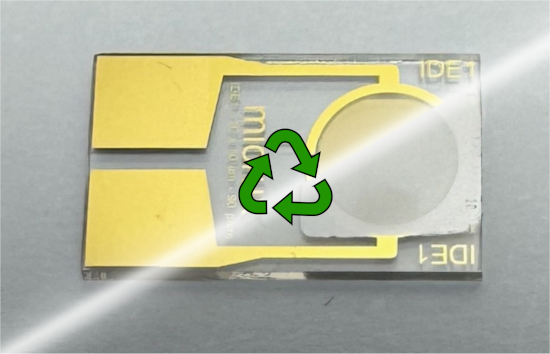
- example, Bhalla et al. investigated various cleaning and regeneration techniques for electrochemical sensor chips, comparing piranha solution, plasma, oxidative, and reductive electrochemical cleaning methods [19]. Similarly, Stan et al. showed different cleaning methods for screen-printed gold electrodes


Restorative potential of laser-synthesized silver nanoparticles with Salvia officinalis for periodontal disease treatment: an in vitro study
Beilstein J. Nanotechnol. 2026, 17, 781–795, doi:10.3762/bjnano.17.55
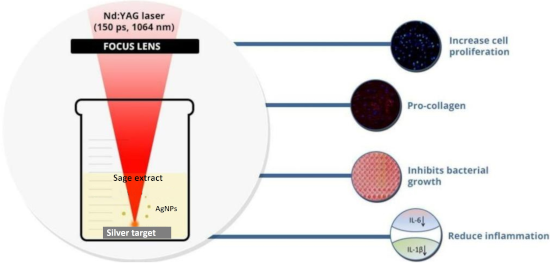
- . AgNPs were synthesized at two laser pulse energies (2 and 6 mJ), in sage extract and deionized water, and characterized by dynamic light scattering, transmission electron microscopy, and inductively coupled plasma optical emission spectroscopy. Synthesis at 6 mJ in sage extract (SageAgNPs6mJ) yielded
- , specifically pulsed laser ablation in liquid (PLAL), involves laser ablation of a metal target immersed in a liquid, upon which a laser plasma is produced and nanoparticles are generated [4]. To the best of our knowledge, although PLAL is traditionally associated with lower yields compared to conventional
- conditions. After synthesis, characterization of the AgNP samples was performed. AgNP characterization The total concentration of silver in obtained colloidal solutions was determined using inductively coupled plasma optical emission spectroscopy (ICP-OES, iCap7400 DUO, Thermo Fisher, USA) and expressed as



Tailoring Ag–Pt nanoalloys through solid-state dewetting: structural and optical insights
Beilstein J. Nanotechnol. 2026, 17, 748–759, doi:10.3762/bjnano.17.52

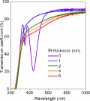
- were employed for optical investigations. Both types of substrates were cleaned with acetylacetone, subsequently rinsed with ethanol, and dried. Thin Pt and Ag thin films were sputtered using a table-top DC magnetron sputtering coater (EM SCD 500, Leica) in a pure Ar plasma environment (Argon, Air




Environmental applications of silver nanoparticles: state-of-the-art review and emerging trends
Beilstein J. Nanotechnol. 2026, 17, 697–736, doi:10.3762/bjnano.17.49
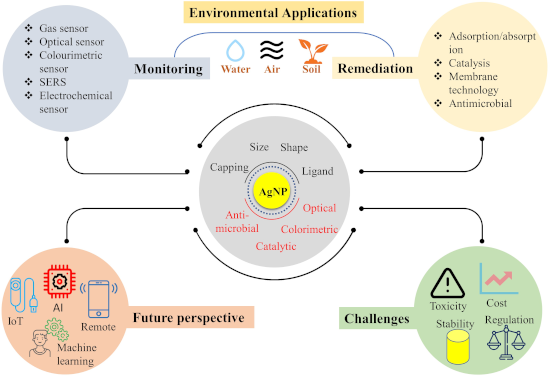
- technique can detect environmental contaminants using AgNPs as the probe. The ICPMS (Inductively Coupled Plasma Mass Spectrometry) and AAS (Atomic Absorption Spectroscopy ) were used to measure unknown metal (Ag) content by plotting linear curves using the known Ag standard [49]. Electrochemical techniques


Defects and defect-mediated engineering of two-dimensional materials: challenges and open questions
Beilstein J. Nanotechnol. 2026, 17, 454–488, doi:10.3762/bjnano.17.31
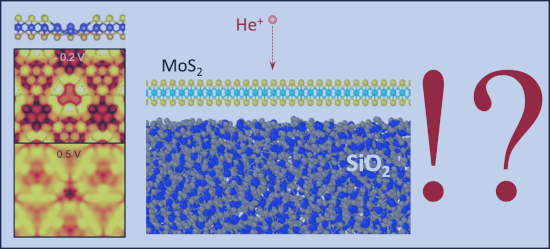
- layers was predicted to be very high [62], hampering the vacancy diffusion mechanism. Nevertheless, a relatively thick native oxide layer can still form on otherwise stable HfS2 after plasma oxidation. In this process, O ions are believed to permeate through grain boundaries between small crystals and





Biomimetic nanoparticles in cancer photodynamic therapy: a review of targeted delivery systems and therapeutic outcomes
Beilstein J. Nanotechnol. 2026, 17, 396–422, doi:10.3762/bjnano.17.27
- clinical practice. Crossing of biological barriers BNPs face a series of biological barriers upon administration, which significantly influence their therapeutic and diagnostic effectiveness [63]. One of the first challenges is opsonization, where plasma proteins form a “protein corona” [64] on the
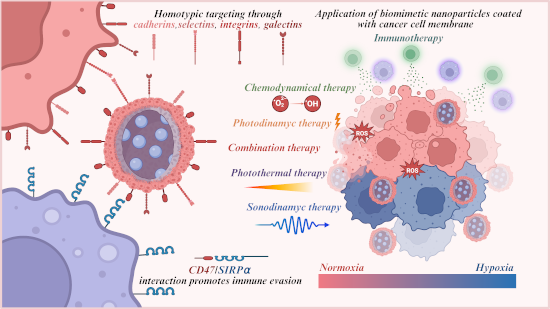
- by proteins present on their plasma membranes, which not only serve structural roles but also mediate cell–cell adhesion, either homotypic or heterotypic, depending on molecular affinity. The primary mechanisms underlying homotypic binding involve various classes of adhesion proteins, such as


Polycatecholamine nanocoatings on stainless steel: the effect on attachment of human fibroblasts and platelets
Beilstein J. Nanotechnol. 2026, 17, 365–380, doi:10.3762/bjnano.17.25
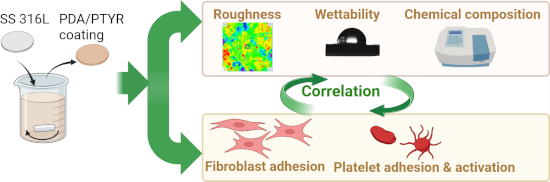
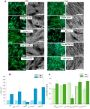
- distinguishing mildly and strongly activated ones. Because platelet reactivity varies individually, platelet-rich plasma (PRP) obtained from three donors was independently tested. Figure 9 presents the evaluation of the material coating effect on platelet attachment and activation. In the case of donor 1, there
- -thrombogenic plasma proteins, such as fibrinogen, which is present in PRP and was used for the study [46]. This can lead to the formation of fibrin clots on the biomaterial surface [47]. To date, PDA coatings prepared using a traditional way (slow air oxidation) have been known for increasing the adhesion of
- results demonstrated that, using plasma from different donors, many adhered and activated platelets were detectable on bare SS 316L. This was most probably caused by the hydrophobicity of this surface as SS with an untreated surface is known to attract platelets [50]. SS-PTYR 24 h nanocoating reduced




Beam shaping techniques for pulsed laser ablation in liquids: Unlocking tunable control of nanoparticle synthesis in liquids
Beilstein J. Nanotechnol. 2026, 17, 309–342, doi:10.3762/bjnano.17.22
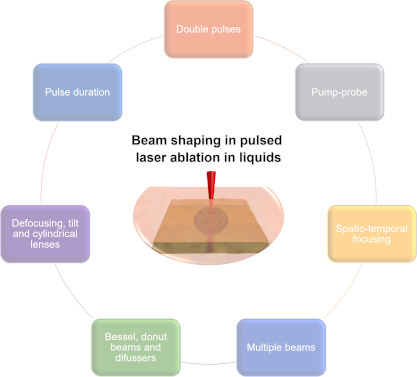
- , heating, and evaporation of the material, leading to plasma formation. The plasma cools down in the surrounding liquid releasing nanoparticles (NPs) into the liquid; the cooling process also generates gas bubbles from the liquid environment. These gas bubbles nucleate, forming a cavitation bubble (CB
- and avoiding nonlinear optical effects [17]. Upon reaching the target, the laser pulse induces rapid electronic excitation, leading to the injection of electrons into the surrounding liquid, within the first few picoseconds, from 1 to 20 ps [18]. This triggers the formation of a dense plasma composed
- of the target material components, which remains active for 20 to 200 ps [19][20]. The plasma expands rapidly, generating a mechanical shockwave in both the target and the liquid, with pressures at the laser’s focal spot reaching tens of gigapascals, but strongly depending on the specific laser







Advancing nanolithography: a comprehensive review of materials for local anodic oxidation with AFM
Beilstein J. Nanotechnol. 2026, 17, 275–291, doi:10.3762/bjnano.17.19
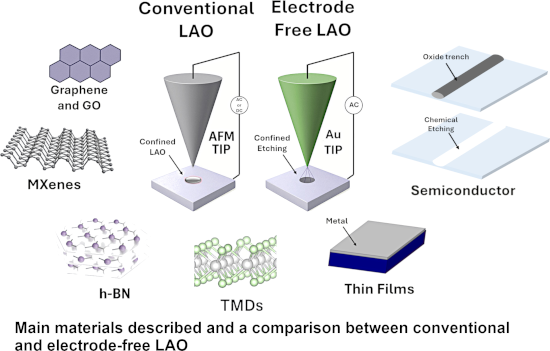
- ] or modified LAO setups. Topography also plays a significant role: While low-roughness surfaces facilitate the process, RMS roughness above roughly 1–2 nm can distort the meniscus and induce lateral broadening of the oxide features. Notably, Ryu et al. demonstrated that oxygen plasma pretreatment of
- higher oxidation states, such as MoO3 or WO3, which can be selectively etched or retained depending on the desired application. Studies have demonstrated that LAO can achieve sub-20 nm patterning resolution on MoS2 [21] and WSe2 [24], enabling the fabrication of nanoribbon-based FETs. Oxygen plasma
- -assisted LAO has been employed to enhance the precision and reduce defects in the resulting patterns [21], making the process highly suitable for device applications requiring nanoscale control. In fact, LAO patterning of both MoS2 and WSe2 is enhanced by an initial oxygen plasma treatment, which forms a


Durable antimicrobial activity of fabrics functionalized with zeolite ion-exchanged nanomaterials against Staphylococcus aureus and Escherichia coli
Beilstein J. Nanotechnol. 2026, 17, 262–274, doi:10.3762/bjnano.17.18
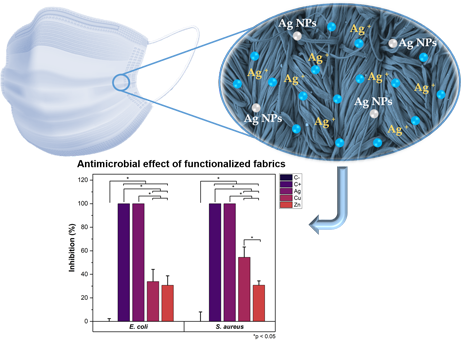
- plasma optical emission spectroscopy (ICP-OES). The results confirmed silver, copper, and zinc contents of around 1.0–1.5 atom % [4]. Energy-dispersive X-ray spectroscopy (EDS) analysis performed on the functionalized fabrics in the present work confirmed the presence of silver (1.3 wt %), as well as




Multilayered hyperbolic Au/TiO2 nanostructures for enhancing the nonlinear response around the epsilon-near-zero point
Beilstein J. Nanotechnol. 2026, 17, 251–261, doi:10.3762/bjnano.17.17
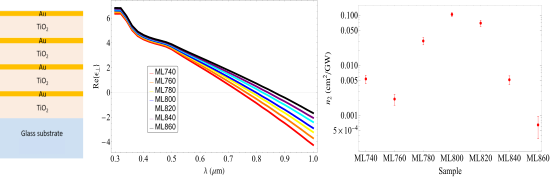
- permittivity that is always positive, and a metal, which has a negative real part of the permittivity below the plasma frequency. The properties of the new material depend on the constituting materials and the geometry of the design. The property of this type of materials we are interested in for this work is


From shield to spear: Charge-reversible nanocarriers in overcoming cancer therapy barriers
Beilstein J. Nanotechnol. 2026, 17, 159–175, doi:10.3762/bjnano.17.10
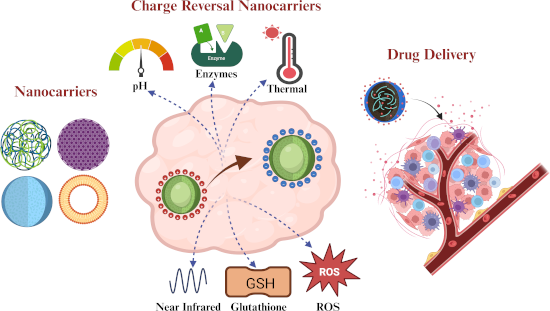
- physicochemical parameters, the surface charge is essential for determining nanocarrier interactions with biological membranes, cellular uptake, and biodistribution [17]. With a positive charge, the nanocarrier tends to be absorbed by high plasma proteins and cleared faster from the bloodstream. In contrast


Influence of surface characteristics on the in vitro stability and cell uptake of nanoliposomes for brain delivery
Beilstein J. Nanotechnol. 2026, 17, 139–158, doi:10.3762/bjnano.17.9
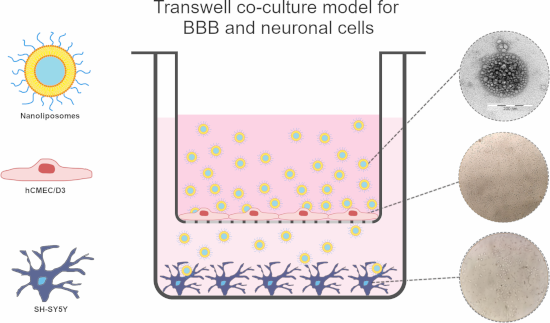
- lipid structure of NLs, leading to AC leakage, while plasma protein adsorption may cause particle aggregation [7]. In this sense, the presence of proteins in the tissue environment can alter cellular uptake of both cationic and anionic carriers [8]. In short, our understanding of how nanodelivery
- biological media, and thereby enhancing colloidal stability and circulation time. The PEG2000 chains, with a molecular weight of approximately 2 kDa, are of sufficient length to adopt a brush-like conformation when incorporated in a higher molar ratio, limiting access of plasma proteins to the lipid surface




Development and in vitro evaluation of liposomes and immunoliposomes containing 5-fluorouracil and R-phycoerythrin as a potential phototheranostic system for colorectal cancer
Beilstein J. Nanotechnol. 2026, 17, 97–121, doi:10.3762/bjnano.17.7
- structural and functional integrity of the bioactive compounds. 3.5 Stability of nanoparticles in serum Assessing colloidal stability in bovine serum is a critical parameter for inferring the in vivo behavior of nanostructured systems, as the presence of plasma proteins can induce adsorption on the particle
- the surface. This effect is consistent with the literature describing immunoliposomes as more susceptible to interactions with plasma proteins due to the presence of exposed protein domains [71]. The incorporation of 5-FU and R-PE did not promote instability, although small changes in zeta potential



Quantitative estimation of nanoparticle/substrate adhesion by atomic force microscopy
Beilstein J. Nanotechnol. 2026, 17, 1–14, doi:10.3762/bjnano.17.1

- were plasma-cleaned in a Diener electronic Tetra 30 system at a N2 pressure of 50 Pa for 20 min. Immediately after plasma cleaning, the substrates were loaded in the NP deposition chamber. The NP deposition experiments were conducted using DC magnetron sputter inert gas condensation in a Moorfield
- /substrate interface [43] might be possible reasons. In addition, since Si(100) substrates are naturally covered by a thin native SiO2 layer under ambient conditions and may form a mixed SiOxNy surface after N2 plasma cleaning, local modification of this oxide or oxynitride layer by NP impact, such as
- partial penetration, removal, or reduction cannot be excluded. We did not detect changes in the roughness between pristine and plasma-treated surfaces (RMS < 0.2 nm at 5 × 5 µm area) that would contribute to a change in friction. Interfacial redox reactions between the copper NP and the wafer surface



Optical bio/chemical sensors for vitamin B12 analysis in food and pharmaceuticals: state of the art, challenges, and future outlooks
Beilstein J. Nanotechnol. 2025, 16, 2207–2244, doi:10.3762/bjnano.16.153
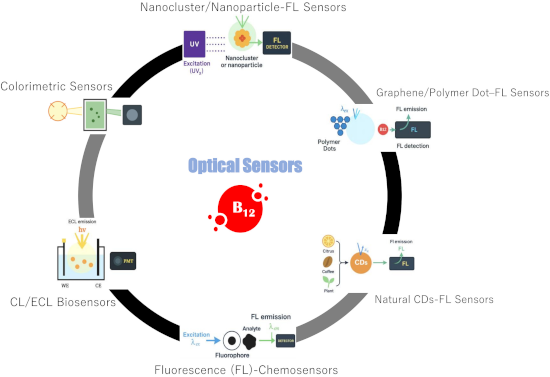
- isolation process [2][12]. Quality control measures in the industry include the analysis of VB12 concentrations in serum extracted from blood plasma, pharmaceutical products such as tablets and injections, and fermentation-derived products [13]. The most common techniques to determine the VB12 content in
- different food and pharma formulations include high-performance liquid chromatography (HPLC) [14], HPLC coupled with inductively coupled plasma-mass spectrometry (ICP-MS) [15], and a diode array detector [16], atomic absorption spectroscopy [17], surface-enhanced Raman spectroscopy [18][19], capillary
- ) [58][59]. Accordingly, MeCbl emerges as the prevalent form of VB12 in plasma, while AdoCbl is dominant across all tissues [47][60]. MeCbl plays a crucial role in the remethylation of homocysteine (Hcy) to methionine, a process catalyzed by methionine synthase. In this reaction, 5


Ultrathin water layers on mannosylated gold nanoparticles
Beilstein J. Nanotechnol. 2025, 16, 2183–2198, doi:10.3762/bjnano.16.151
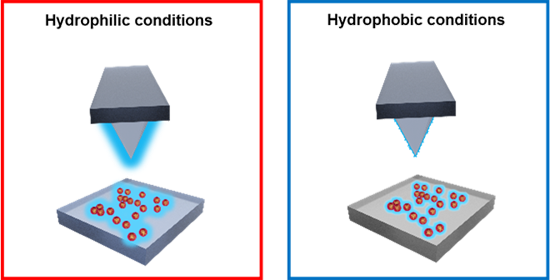
- -propanol, and absolute ethanol and then dried with a nitrogen stream. Oxygen plasma etching (Diener, DE) was carried out for 8 min with 300 W of nominal power (100%), at millibars of oxygen pressure, which creates an OH-terminated layer of hydrophilic silicon oxide. For the hydrophilic functionalization



Beyond the shell: exploring polymer–lipid interfaces in core–shell nanofibers to carry hyaluronic acid and β-caryophyllene
Beilstein J. Nanotechnol. 2025, 16, 2015–2033, doi:10.3762/bjnano.16.139
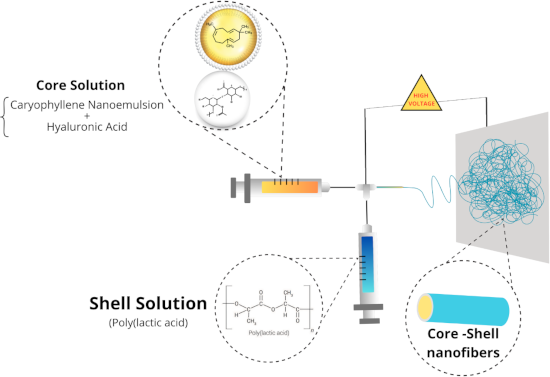
- premature degradation. Although such high hydrophobicity may limit direct cell interactions, it can be controllably modulated through surface modifications, such as plasma treatment [80], photopolymerization [81], or chemical grafting [82]. These approaches introduce polar functional groups and tune




Laser ablation in liquids for shape-tailored synthesis of nanomaterials: status and challenges
Beilstein J. Nanotechnol. 2025, 16, 1963–1997, doi:10.3762/bjnano.16.137
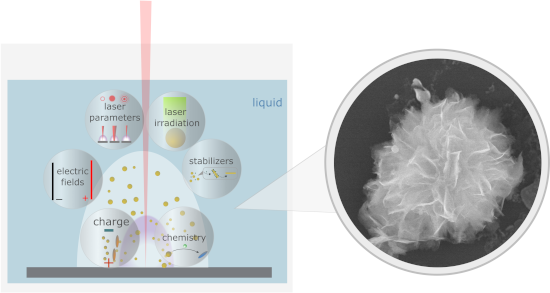
- shown below. However, obtaining the information on spatial and temporal evolution of transient laser-induced plasma represents a challenge due to the short plasma lifetime. 1.1 Plasma formation and propagation In a widely accepted mechanism of PLAL, the formation of NPs occurs via two major processes
- : thermal evaporation and explosive ejection [1]. According to the thermal evaporation mechanism, the action of a laser beam on the surface of a solid target initiates the absorption of the laser pulse energy. This results in initiation of melting and ionization with the formation of a plasma plume near the
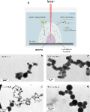
- , and focusing conditions. The processes occurring during plasma stage are extensively investigated and simulated (Figure 1b) [5][6]. According to the described mechanism, the induction of nonspherical shapes is possible by either variation of the conditions of plasma propagation and expansion or by





PEGylated lipids in lipid nanoparticle delivery dynamics and therapeutic innovation
Beilstein J. Nanotechnol. 2025, 16, 1914–1930, doi:10.3762/bjnano.16.133
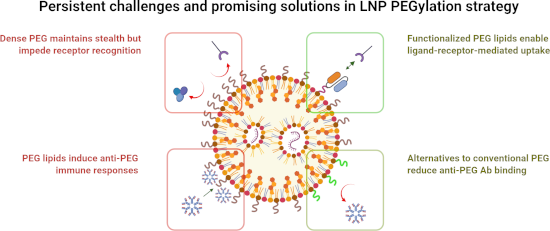
- with thiol-containing plasma proteins and trigger the alternative complement pathway [57]. Therefore, quenching free maleimide groups with cysteine will be required but with added complexity in processing [59]. In addition to these functionalized PEG lipids for click conjugation, trans-cycloctene (TCO
- intramuscular injections of firefly luciferase or erythropoietin (EPO) mRNA within pSar-LNPs or PEG-LNPs. In ALC-0315 formulations, pSar-LNPs achieved over fivefold higher luminescence and significantly elevated EPO levels in muscle tissue and plasma compared to PEG-LNPs. While SM-102 formulations showed