


Search results
Search for "skin" in Full Text gives 191 result(s) in Beilstein Journal of Nanotechnology.
Development of Protium heptaphyllum essential oil-loaded nanocapsules: experimental design and biological activity
Beilstein J. Nanotechnol. 2026, 17, 974–990, doi:10.3762/bjnano.17.67
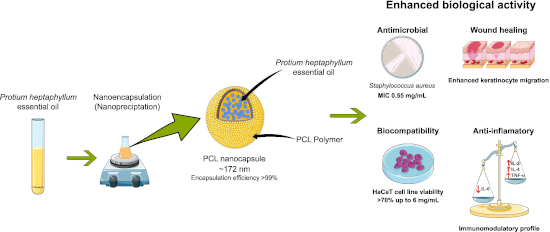
- Gram-positive bacterium widely associated with skin and wound infections. Nanocapsules containing P. heptaphyllum essential oil (NPNC) exhibited significant antimicrobial activity against S. aureus (ATCC 25923), with a minimum inhibitory concentration (MIC) of 0.55 mg/mL (IC 95%: 0.55–56 mg/mL) (Figure




Nanoparticle delivery systems for HIV pre-exposure prophylaxis (PrEP): advances and challenges
Beilstein J. Nanotechnol. 2026, 17, 839–853, doi:10.3762/bjnano.17.60
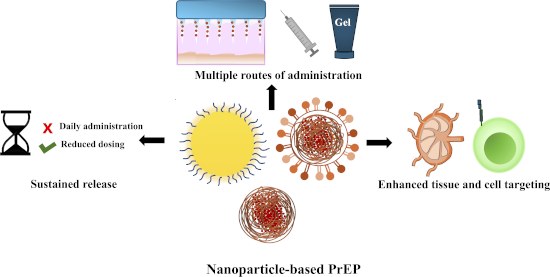
- suspension. Ex vivo skin permeation of the LPV-SNL gel demonstrated sustained release with ≈71% drug release over 12 h compared to nearly complete release (≈98%) at the end of 10 h for the plain LPV gel. Cmax and AUC were also higher for the LPV-SLN gel when topically applied in rats compared to plain LPV


Restorative potential of laser-synthesized silver nanoparticles with Salvia officinalis for periodontal disease treatment: an in vitro study
Beilstein J. Nanotechnol. 2026, 17, 781–795, doi:10.3762/bjnano.17.55
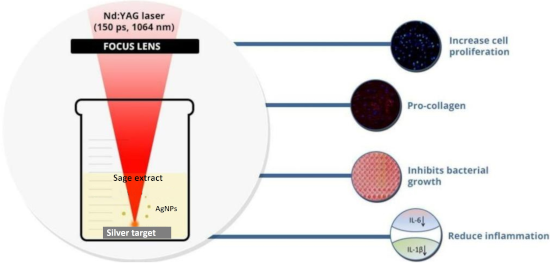
- . In contrast, Mostafavi and colleagues [10], investigated the wound-healing potential of combined AgNP and sage extract treatment in an in vivo mouse skin model, indicating possible synergistic effects between silver and sage. Nevertheless, the antibacterial activity was not evaluated, and sage was


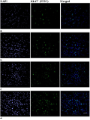
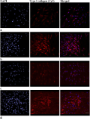

Protein-based custom-designed molecular nanotraps for biomedical applications
Beilstein J. Nanotechnol. 2026, 17, 683–687, doi:10.3762/bjnano.17.47

- far explored for preparing bioMIPs, there is gelatin, which is obtained from collagen, the most plentiful structural protein in animals that offers mechanical strength and supports tissues like skin, tendons, and bones. While collagen consists of triple-helix polypeptide chains, which are particularly

Cellulose as a photocatalyst support material: extraction, structural features, and environmental applications
Beilstein J. Nanotechnol. 2026, 17, 635–652, doi:10.3762/bjnano.17.44
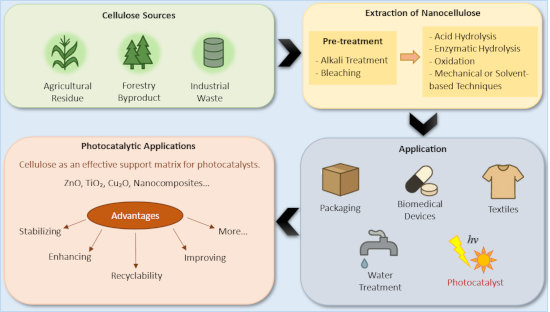
- biosensors using cellulose nanocrystals combined with magnetite to create (x-CNC)-Fe3O4 systems, which demonstrate excellent biocompatibility and are tailored for glucose detection. These biosensors are often fabricated as thin-film strips that can be applied directly onto the skin or tongue, where they


Advances in nanotechnology applied to natural products
Beilstein J. Nanotechnol. 2026, 17, 555–558, doi:10.3762/bjnano.17.36
- experimental models [13]. In topical applications, they can promote skin permeation, and controlled release and support formulation robustness, including those intended for transdermal and ocular administration, thereby consolidating microemulsions as versatile and practical platforms for the development of
Nanocarrier-integrated multilayer films produced by 3D printing for improved skin adhesion and curcumin photostability
Beilstein J. Nanotechnol. 2026, 17, 440–453, doi:10.3762/bjnano.17.30
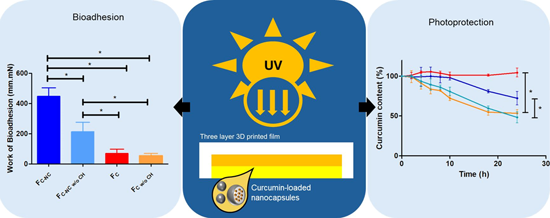
- , Brazil 10.3762/bjnano.17.30 Abstract This proof-of-concept study evaluated whether semi-solid extrusion (SSE) 3D printing could be used to fabricate multilayer topical films that simultaneously enhance skin bioadhesion and photoprotection of curcumin, a highly photolabile anti-inflammatory and
- antioxidant compound. The development of topical films for cutaneous delivery faces several challenges, including the need for strong skin adhesion and the protection of photolabile actives from light exposure. We hypothesized that multilayered films designed for the cutaneous delivery of curcumin and
- tailored to the requirements of specific applications, such as the production of films intended to promote skin healing [7][8]. Although topical films can be an effective option for facilitating skin repair and wound healing, they must be carefully manufactured to maintain optimal moisture levels, which


Interconnection morphology effects on the radio frequency response of carbon nanotube sponges
Beilstein J. Nanotechnol. 2026, 17, 343–351, doi:10.3762/bjnano.17.23
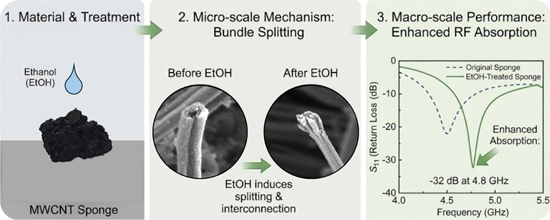
- the design of resonance antennas with dimensions down to one fiftieth or less of conventional metallic resonance antennas [4]. In addition, the electrons can travel freely along the 1D length of the tubes but not in the transverse direction, so that the high-frequency skin effect usually observed in



Subdigital integumentary microstructure in Cyrtodactylus (Squamata: Gekkota): do those lineages with incipiently expressed toepads exclusively exhibit adhesive setae?
Beilstein J. Nanotechnol. 2026, 17, 38–56, doi:10.3762/bjnano.17.4
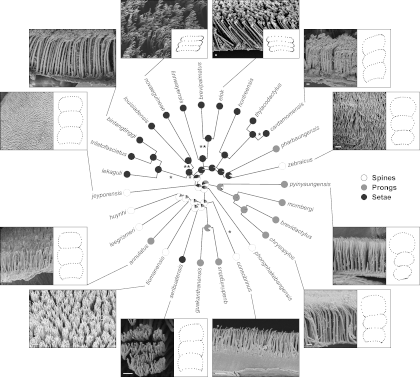
- putatively originally served as epidermal structures that facilitated shedding [26] and/or aided in maintaining skin hygiene thanks to their hydrophobic and self-cleaning properties [27][28]. The presence of setae is considered to be an adaptation associated with a scansorial (climbing), and especially
- examined under a ZEISS Stemi 508 stereoscopic microscope (Carl Zeiss Microscopy GmbH, Göttingen, Germany) at magnifications between ×5 and ×100. Skin samples were taken exclusively from the fourth digit of the left or right pes, depending on which was in better condition. Ventral epidermal samples were


Quality by design optimization of microemulsions for topical delivery of Passiflora setacea seed oil
Beilstein J. Nanotechnol. 2025, 16, 2116–2131, doi:10.3762/bjnano.16.146
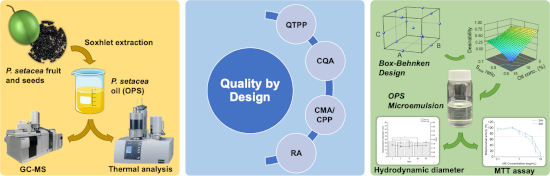
- principles to ensure formulation performance, stability, and skin cell compatibility. Keywords: design of experiments (DoE); microemulsions; nanotechnology; natural products; passion fruit; quality by design; skin delivery; Introduction Species of the Passiflora genus are known for their rich composition
- linked to diverse biological effects, including anti-inflammatory, antioxidant, and skin-regenerative activities, underscoring its potential for dermatological applications [4]. Despite these promising attributes, the direct use of natural oils in topical applications is often limited by their
- cytotoxicity and skin irritation [8]. Furthermore, the optimization of microemulsion formulations may be time-consuming and costly, and their stability is often sensitive to environmental factors (e.g., pH, salinity, and temperature). These challenges highlight the importance of a comprehensive understanding


Toward clinical translation of carbon nanomaterials in anticancer drug delivery: the need for standardisation
Beilstein J. Nanotechnol. 2025, 16, 2092–2104, doi:10.3762/bjnano.16.144
- , throat, and gastrointestinal tract, causing pain and diarrhoea; skin reactions such as rash and redness; and a higher risk of secondary cancers, including leukaemia. Most of anticancer therapeutics are also generally associated with flu-like symptoms, such as fever, chills, and muscle aches, and in rare



Beyond the shell: exploring polymer–lipid interfaces in core–shell nanofibers to carry hyaluronic acid and β-caryophyllene
Beilstein J. Nanotechnol. 2025, 16, 2015–2033, doi:10.3762/bjnano.16.139
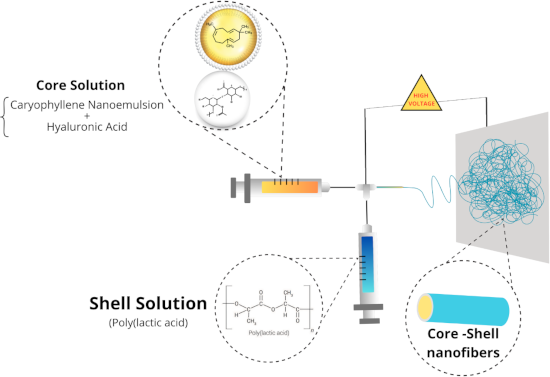
- , antimicrobial, and anti-inflammatory effects [30][31]. It is also currently been evaluated as a candidate for skin regeneration due to its effect as a cannabinoid receptor 2 (CB2) ligand, with studies suggesting that CB2 activation by selective agonists can enhance re-epithelialization, reduce pain, and improve




The cement of the tube-dwelling polychaete Sabellaria alveolata: a complex composite adhesive material
Beilstein J. Nanotechnol. 2025, 16, 1998–2014, doi:10.3762/bjnano.16.138
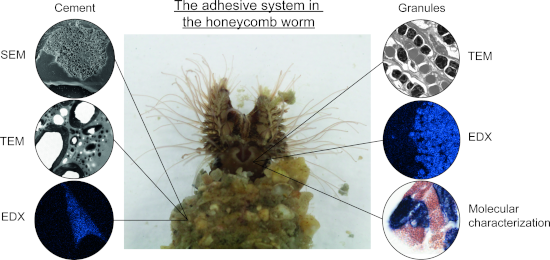
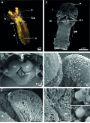
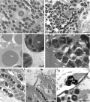
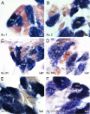
- ). Ultrastructure of the cement SEM observations of the tubes made up of glass beads show that the beads are connected one to another by four to five cement spots with diameters ranging from 100 to 160 µm (Figure 2A–C). Cement spots display a smooth outer skin both at their margin and at the interface with the



Targeting the vector of arboviruses Aedes aegypti with nanoemulsions based on essential oils: a review with focus on larvicidal and repellent properties
Beilstein J. Nanotechnol. 2025, 16, 1894–1913, doi:10.3762/bjnano.16.132
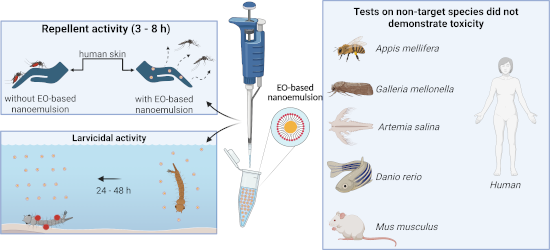
- . Additionally, commonly used components have been associated with allergic reactions, skin irritation, and adverse effects on the nervous, cardiovascular, and respiratory systems of humans because these chemicals are highly toxic to non-target organisms and are not selective for the vector [11][20][21
- , volatility, and skin permeation of the active compounds, prolonging the repellent effect due to the controlled release of these compounds [151][152]. The mechanism of action may involve interference with the olfactory system of the mosquitoes, masking host signals and disrupting orientation behavior [147
- conducted in a laboratory under controlled conditions, where samples of the nanoemulsion were applied to simulated human skin (using an artificial membrane) and exposed to previously fasted adult females of Ae. aegypti. The formulation, at a concentration of 200 µg/mL, provided a protection rate of 77.67


Phytol-loaded soybean oil nanoemulsion as a promising alternative against Leishmania amazonensis
Beilstein J. Nanotechnol. 2025, 16, 1826–1836, doi:10.3762/bjnano.16.126

- formulation parameters – such as drug miscibility with the oil phase, droplet size, and size uniformity – have been directly correlated with permeation efficiency across the skin barrier [32][33]. Specifically, the encapsulation of lipophilic compounds like phytol in finely dispersed droplets within oil-in
- surface curvature and increased solute concentration at the droplet interface in the aqueous phase. Such structural features can promote a higher drug flux and localized delivery in the skin layers [34][35][36]. Chiu et al. (2024) reported a significant increase in curcumin skin permeability when carried
- by nanoemulsions with a mean diameter between 84.3 and 241.6 nm [37]. In this context, PHYT-NE exhibits suitable droplet size, low PdI, spherical shape, and a pH value within the physiological range of human skin, which suggests that it is a promising formulation for transdermal administration route


Laser processing in liquids: insights into nanocolloid generation and thin film integration for energy, photonic, and sensing applications
Beilstein J. Nanotechnol. 2025, 16, 1428–1498, doi:10.3762/bjnano.16.104
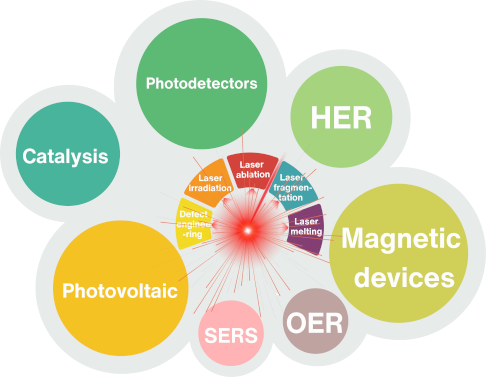
- convective outflow and solvent evaporation, highlighting the formation of a solid “skin” at the surface, which could lead to defects if convective flow ceases too late [101]. By 2009, spin coating had become the dominant technique for producing uniform thin films of photosensitive organic materials, with






Enhancing the therapeutical potential of metalloantibiotics using nano-based delivery systems
Beilstein J. Nanotechnol. 2025, 16, 1350–1366, doi:10.3762/bjnano.16.98
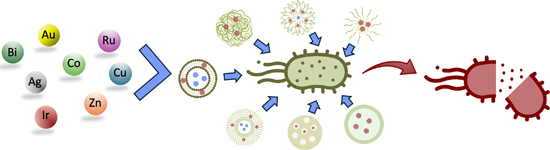
- ]. Dellera et al. developed wound dressings containing silver sulfadiazine 7 and platelet lysate encapsulated in SLNs to treat persistent skin lesions. The Ag-encapsulating SLNs were prepared using ultrasound and hot homogenization techniques and incorporated into chitosan glutamate or hydroxypropylmethyl
- early stages of infection and biofilm formation. Iridium complexes Antimicrobial photodynamic therapy (aPDT) is gaining recognition as a promising alternative to traditional antibiotics for managing chronic skin infections [136]. However, its broader application is contingent upon the development of
- higher light absorption, and greater photoemission output, resulting in enhanced bactericidal activity against S. aureus (Figure 7). The Ir-complex liposomes interact efficiently with 450 nm LED light, leading to ROS generation and subsequent bacterial inactivation at the site of an infected chronic skin


Wavelength-dependent correlation of LIPSS periodicity and laser penetration depth in stainless steel
Beilstein J. Nanotechnol. 2025, 16, 1302–1315, doi:10.3762/bjnano.16.95
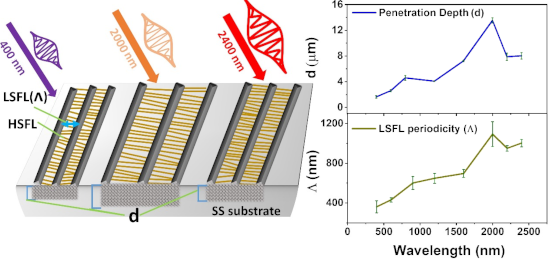
- depth of LIPSS for the broadband in the existing literature. As we know, energy penetration depth under intense femtosecond laser irradiation can be described by the following equation: where d is the skin depth of the material, is the intensity-dependent complex refractive index, and is the
- imaginary part of the refractive index, responsible for absorption at the given intensity [68][69]. If the incident light wavelength increases, the skin depth of the material also increases. This means that longer wavelengths can penetrate deeper into the metal than shorter wavelengths, creating a larger
- pure metals [70][71][72]. Figure 7 displays cross-sectional surface morphology images for samples irradiated with 600, 1200, 2000, 2200, and 2400 nm laser wavelength. As depicted in Figure 8 and Table 2, the diagram reveals a contradiction to the established principle of skin depth, as the depth of




Hydrogels and nanogels: effectiveness in dermal applications
Beilstein J. Nanotechnol. 2025, 16, 1216–1233, doi:10.3762/bjnano.16.90
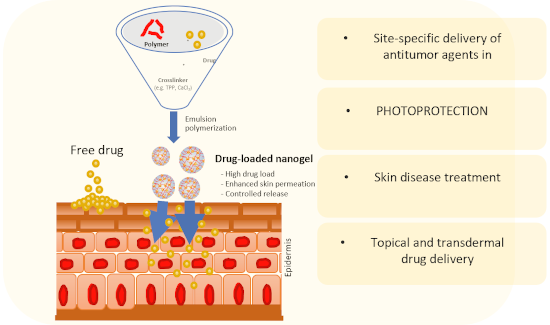
- pathophysiological processes through the incorporation of drugs for enhancing skin permeation brings out promising prospects for innovation which may arise in the drug delivery field. Keywords: cross-linking; drug delivery; formulation; nanogel; polymer; Introduction The systematic study of gels began in the mid
- have emerged as promising alternatives for various medical purposes, including skin [7], nasal [4], and eye [8] applications. The evolution of ocular contact lenses, for example, has benefited from the development of hydrogels [9][10]. Hydrogels can be described as cross-linked polymeric networks
- largest organ in the body, the human skin has a critical role in the maintenance of vital functions: it provides protection to all internal organs, contributes to immune responses, and receives sensorial stimuli from the external environment [39]. The complexity of human skin makes it challenging to mimic


Chitosan nanocomposite containing rotenoids: an alternative bioinsecticidal approach for the management of Aedes aegypti
Beilstein J. Nanotechnol. 2025, 16, 1197–1208, doi:10.3762/bjnano.16.88
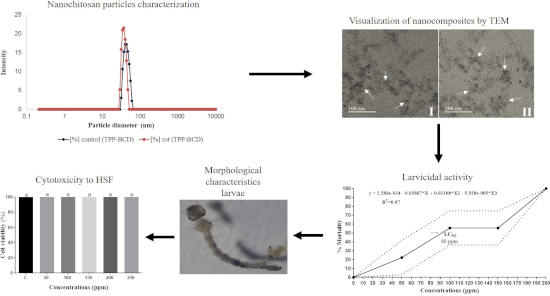
- % improvement in the larvicidal activity rate of the rotenoids in their original forms. The nanocomposites caused morphological and biochemical alterations to the larvae similarly to those caused by in natura rotenoids, but with greater intensity. Cytotoxicity MTT assays using human skin fibroblasts
- Probit regression performed in RStudio with the glm() function (binomial family, probit link). The lethal concentrations (LC50 and LC90) were calculated based on the estimated model parameters [40]. Cellular viability assessment by MTT assay The cellular viability of human skin fibroblasts (HSF) exposed



Mechanical stability of individual bacterial cells under different osmotic pressure conditions: a nanoindentation study of Pseudomonas aeruginosa
Beilstein J. Nanotechnol. 2025, 16, 1171–1183, doi:10.3762/bjnano.16.86
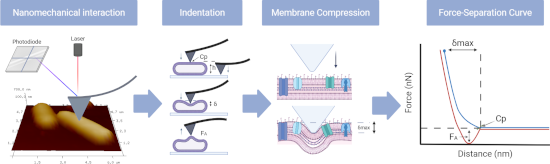
- medical devices [1][2][3][4][5]. Although PA is part of the normal microbiota of the skin and mucous membranes of many healthy individuals, it can cause serious opportunistic infections in the respiratory and urinary tracts and during wound healing in people with weakened immune systems or in hospitalized


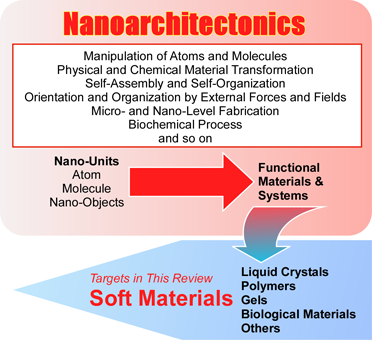
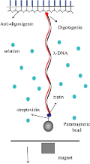
Soft materials nanoarchitectonics: liquid crystals, polymers, gels, biomaterials, and others
Beilstein J. Nanotechnol. 2025, 16, 1025–1067, doi:10.3762/bjnano.16.77






Polyurethane/silk fibroin-based electrospun membranes for wound healing and skin substitute applications
Beilstein J. Nanotechnol. 2025, 16, 591–612, doi:10.3762/bjnano.16.46
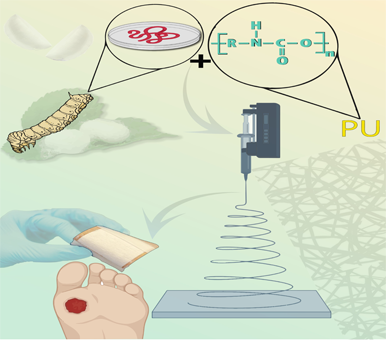
- 37610, Pakistan 10.3762/bjnano.16.46 Abstract The importance of electrospun membranes for biomedical applications has increased, especially when it comes to skin regeneration and wound healing. This review presents the production and applications of electrospun membranes based on polyurethane (PU) and
- silk fibroin (SF) and highlights their benefits as a skin substitute. This review also highlights the electrospinning technique used to prepare nanofibers for these biomedical applications. Silk, well-known for its excellent biocompatibility, biodegradability, structural properties, and low immunogenic
- offers a number of enhanced properties. The study offers a comprehensive overview of the advanced developments and applications of PU/SF composites, highlighting their significant potential in wound healing. These composite membranes present promising advancements in wound healing and skin regeneration



Nanomaterials in targeting amyloid-β oligomers: current advances and future directions for Alzheimer's disease diagnosis and therapy
Beilstein J. Nanotechnol. 2025, 16, 561–580, doi:10.3762/bjnano.16.44
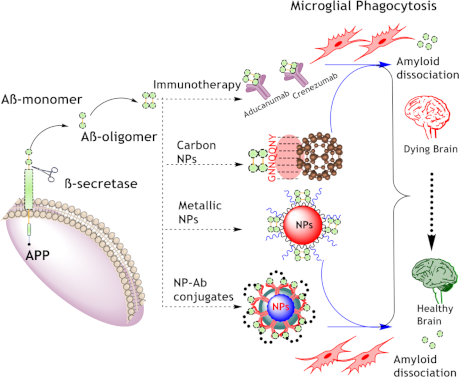
- oligomerization and provide potential therapeutic approaches for Alzheimer’s disease and other neurodegenerative conditions. Distribution and clearance of NPs Because of their small size and high surface area-to-volume ratio, NPs have the ability to cross biological barriers such as skin and BBB, which makes them


Synthetic-polymer-assisted antisense oligonucleotide delivery: targeted approaches for precision disease treatment
Beilstein J. Nanotechnol. 2025, 16, 435–463, doi:10.3762/bjnano.16.34

- , allowed for efficient delivery of ASOs into the cytoplasm of keratinocytes without significantly affecting the expression of key genes, such as androgen receptor and β-actin. This study highlighted poly(ʟ-ornithine) as a promising tool for enhancing ASO delivery in epithelial skin cells while maintaining
- oligonucleotides [150]. In vitro experiments revealed that anodal iontophoresis of ASO–dendrimer complexes considerably improved ASO skin penetration and cellular uptake, leading to a 46% inhibition of Bcl-2 expression compared to just 20% with passive delivery of free ASOs. Additionally, in vivo studies showed a
- gradual reduction in skin tumour size by up to 40% after a seven-day treatment with antisense dendriplexes while no significant changes were observed in mice treated with free ASOs. More recently, Tai et al. designed penetratin-conjugated PAMAM G5 dendrimers complexed with an ASO targeting luciferase





