


Search results
Search for "sustained release" in Full Text gives 53 result(s) in Beilstein Journal of Nanotechnology.
From shield to spear: Charge-reversible nanocarriers in overcoming cancer therapy barriers
Beilstein J. Nanotechnol. 2026, 17, 159–175, doi:10.3762/bjnano.17.10
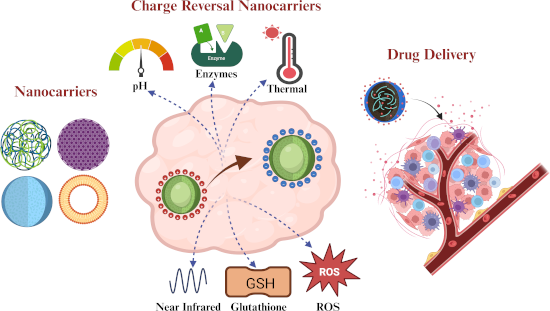
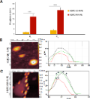
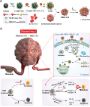
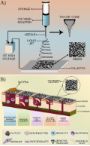
- biodistribution while protecting fragile biomolecules such as proteins and nucleic acids [11]. Through targeted and sustained release, these systems enhance therapeutic efficacy, prolong circulation, and reduce systemic toxicity compared to conventional formulations [12][13]. As illustrated in Figure 1


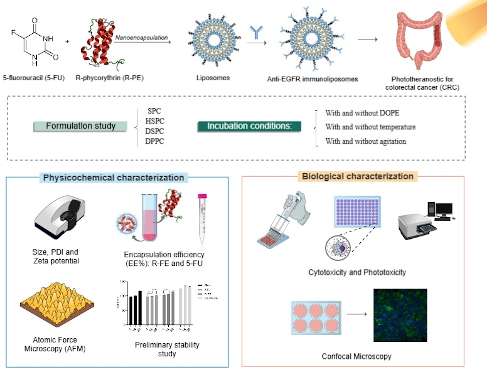
Development and in vitro evaluation of liposomes and immunoliposomes containing 5-fluorouracil and R-phycoerythrin as a potential phototheranostic system for colorectal cancer
Beilstein J. Nanotechnol. 2026, 17, 97–121, doi:10.3762/bjnano.17.7



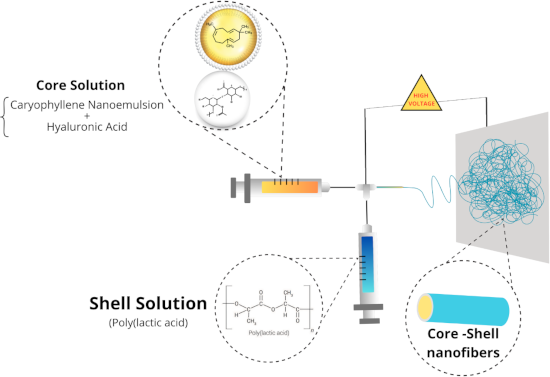
Beyond the shell: exploring polymer–lipid interfaces in core–shell nanofibers to carry hyaluronic acid and β-caryophyllene
Beilstein J. Nanotechnol. 2025, 16, 2015–2033, doi:10.3762/bjnano.16.139
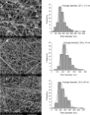
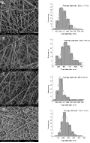
- potential suitability for subsequent applications. The observed discontinuities could act as preferential sites for accelerated diffusion and burst release of encapsulated compounds, potentially compromising a sustained release profile while being advantageous for applications requiring an initial burst. To




Exploring the potential of polymers: advancements in oral nanocarrier technology
Beilstein J. Nanotechnol. 2025, 16, 1751–1793, doi:10.3762/bjnano.16.122
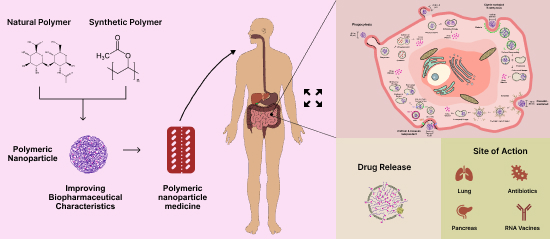
- physically encapsulates hydrophobic compounds, enabling sustained release. Zein is considered safe and can self-assemble into NPs with various structures, depending on the solvents and processing conditions used [151], as shown in Table 3. The characteristics of zein enable its NPs to move slowly through the


Prospects of nanotechnology and natural products for cancer and immunotherapy
Beilstein J. Nanotechnol. 2025, 16, 1644–1667, doi:10.3762/bjnano.16.116
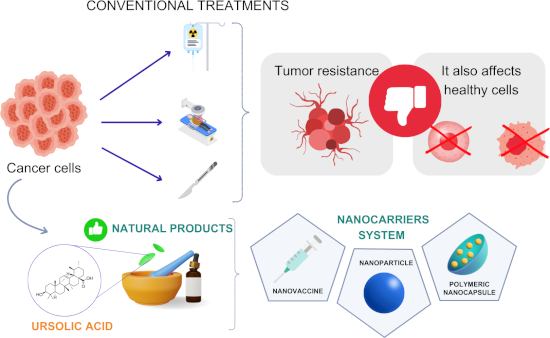
- chemical, enzymatic, and combined extraction methods [116][117]. CN115887415 (2023) describes a methoxypoly(ethyleneglycol)-poly(lactic-co-glycolic acid) (mPEG-PLGA) nanocarrier containing dehydrocurvularin; the latter is the API of the formulation and exhibits sustained release. Dehydrocurvularin is a
- -molecule drugs, including methotrexate (MTX) and doxorubicin (DOX), and divalent cations like calcium (Ca2+). Alginate is a cross-linked polymeric network derived from algae and shows potential for cancer treatment due to its improved bioavailability, sustained release, and environmentally benign


Venom-loaded cationic-functionalized poly(lactic acid) nanoparticles for serum production against Tityus serrulatus scorpion
Beilstein J. Nanotechnol. 2025, 16, 1633–1643, doi:10.3762/bjnano.16.115
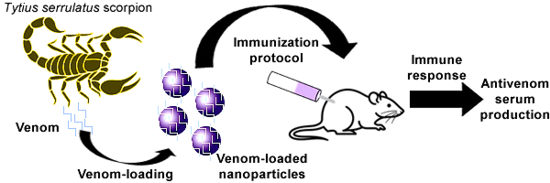
- analysis supported small and narrow-sized cationic functionalized nanoparticles. Atomic force microscopy and scanning electron microscopy images showed nanoparticles with a spherical and smooth shape. The stability of tested formulations was accessed for six weeks, and the sustained release of proteins


Enhancing the therapeutical potential of metalloantibiotics using nano-based delivery systems
Beilstein J. Nanotechnol. 2025, 16, 1350–1366, doi:10.3762/bjnano.16.98
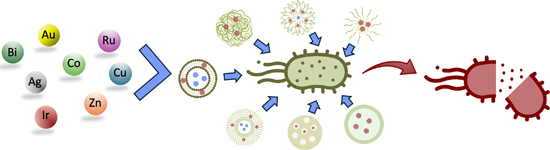
- significantly reduced by the aerosol application. Collectively, in vitro and in vivo studies demonstrated that these nanoparticles achieve sustained release of the active drug species over several days, leading to a notable survival advantage in mouse infection models with only two doses. This sustained release
- coatings also exhibited excellent biocompatibility, elasticity, hydration, and bioadhesion properties [106]. Encapsulation into SLNs was also used to enhance antibacterial activity and achieve sustained release of the silver–furosemide (FSE) complex 8 (Figure 3) [107]. Although the free complex showed
- into SLNs resulted in sustained release of complex 8 over a 96-hour period. Additionally, the antibacterial activity was significantly improved, with a twofold increase against P. aeruginosa and a fourfold increase against S. aureus. These findings suggest that Ag-FSE-loaded SLNs hold promise for the


Ferroptosis induction by engineered liposomes for enhanced tumor therapy
Beilstein J. Nanotechnol. 2025, 16, 1325–1349, doi:10.3762/bjnano.16.97
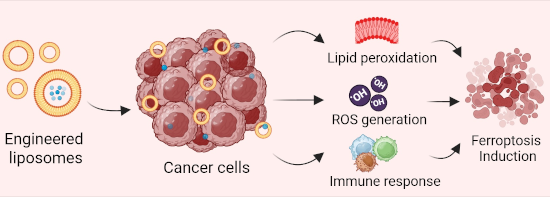
- method for clinical liposome formulations is the thin film hydration/Bangham technique [113]. DepoFoam liposome technology utilizes a proprietary liposome formulation that can be administered by injection and provides sustained release of the encapsulated drug over an extended period. DepoFoam liposomes


Better together: biomimetic nanomedicines for high performance tumor therapy
Beilstein J. Nanotechnol. 2025, 16, 1246–1276, doi:10.3762/bjnano.16.92
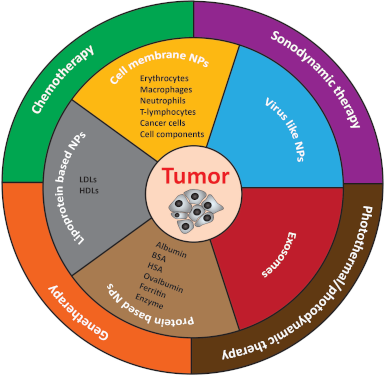
- as brain, liver, spleen, lungs, arterial walls for both immediate and sustained release. Their degradation and release kinetics can be controlled or manipulated by different methods and incorporation or conjugation of specific materials. Importantly, they mainly focus on different biomaterials, drug






Aprepitant-loaded solid lipid nanoparticles: a novel approach to enhance oral bioavailability
Beilstein J. Nanotechnol. 2025, 16, 652–663, doi:10.3762/bjnano.16.50
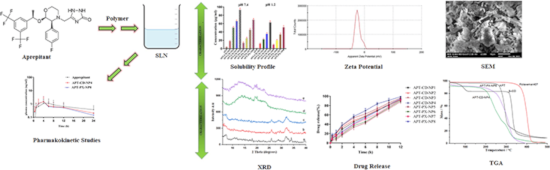
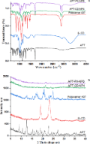
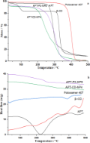
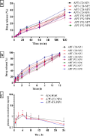
- . Therefore, the optimal SLN formulation APT-CD-NP4 is a promising tool for oral administration with sustained release to improve the bioavailability of the BCS class-IV drug APT. Keywords: aprepitant; β-cyclodextrin; pharmacokinetic study; poloxamer; solid lipid nanoparticles; Introduction Cancer is a
- than the poloxamer 407-based formulations in phosphate-buffered saline (pH 7.4) and 0.1 N HCl (pH 1.2). The optimal SLN formulation APT-CD-NP4 is a promising tool for oral sustained-release dosage in order to improve the bioavailability of the BCS class-IV drug APT. Solubility analysis of APT and APT



Polyurethane/silk fibroin-based electrospun membranes for wound healing and skin substitute applications
Beilstein J. Nanotechnol. 2025, 16, 591–612, doi:10.3762/bjnano.16.46
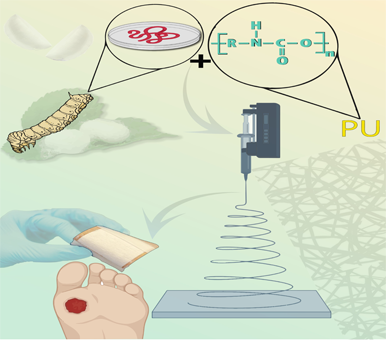
- mechanical capabilities, while improving blood clotting as demonstrated by reduced whole blood coagulation time. This study also indicated a sustained release of CHD over 8 h, with a faster drug release rate in an acidic environment. These properties highlight the dressing’s potential for effective



Synthetic-polymer-assisted antisense oligonucleotide delivery: targeted approaches for precision disease treatment
Beilstein J. Nanotechnol. 2025, 16, 435–463, doi:10.3762/bjnano.16.34


Development of a mucoadhesive drug delivery system and its interaction with gastric cells
Beilstein J. Nanotechnol. 2025, 16, 371–384, doi:10.3762/bjnano.16.28

- polymer enables drug release by diffusion [21]. Eudragit RS30D is the 30% aqueous dispersion of Eudragit RS100, which is promptly used as coating material [22] or within formulations of drug delivery systems with sustained release characteristics [23]. Although the mucoadhesion of this polymer is known
- negatively charged alginate nanoparticles were then coated with positively charged Eudragit RS100 with the intent of obtaining mucoadhesive nanoparticles with sustained release properties. The characterization of the delivery system was studied in terms of charge, size, encapsulation efficiency, and release


Enhancing mechanical properties of chitosan/PVA electrospun nanofibers: a comprehensive review
Beilstein J. Nanotechnol. 2025, 16, 286–307, doi:10.3762/bjnano.16.22

- efficient sustained release. These nanofibers also exhibit better stability, which are vital properties in drug delivery systems [183][184]. These superior properties have gained recent attention for enhancing the functional performance of chitosan-based nanofibers. Core–shell chitosan nanofibers have been


Radiosensitizing properties of dual-functionalized carbon nanostructures loaded with temozolomide
Beilstein J. Nanotechnol. 2025, 16, 229–251, doi:10.3762/bjnano.16.18
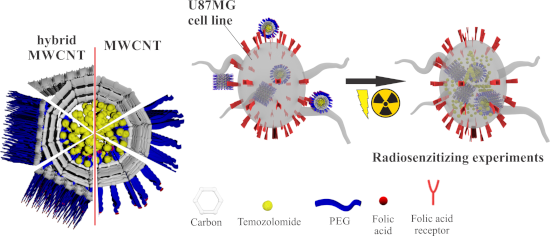
- suitable for crossing the BBTB and targeting brain cancer cells. A biphasic drug release profile was observed for all functionalized TMZ-loaded formulations in simulated in vivo conditions, with a sustained release pointing to the potential for controlled release of TMZ in brain tumor cells. The
- the same TMZ-loaded CNs was performed using PEG1500, PEG4000, and PEG6000, sustained release over extended periods of time was also observed, with no significant difference in the drug release profile between the different PEGylated formulations. Therefore, in the current study, PEG6000 was used for




Nanocarriers and macrophage interaction: from a potential hurdle to an alternative therapeutic strategy
Beilstein J. Nanotechnol. 2025, 16, 97–118, doi:10.3762/bjnano.16.10


Polymer lipid hybrid nanoparticles for phytochemical delivery: challenges, progress, and future prospects
Beilstein J. Nanotechnol. 2024, 15, 1473–1497, doi:10.3762/bjnano.15.118
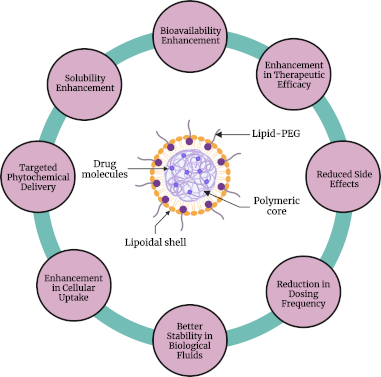
- effectiveness [34][35]. In addition, conventional delivery systems often cannot provide controlled or sustained release of phytochemicals, leading to fluctuating plasma levels. These fluctuations can result in suboptimal therapeutic effects and increased side effects. Lack of controlled release is particularly
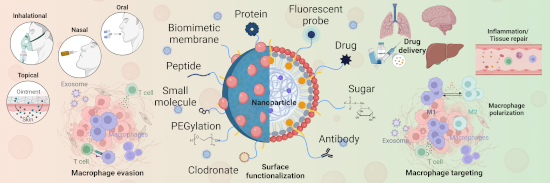
- yields a natural vehicle for drug delivery, and these nanocarriers can easily escape the uptake by macrophages. In this system, the drugs are encapsulated in the lipophilic polymeric core, and the lipids in the outer natural membrane enhance the sustained release of drugs. With the development of these
- . This leads to improved bioavailability and allows for sustained release of the encapsulated therapeutic agents [64][65][66]. The advantages of PEGylated PLHNPs include enhanced biocompatibility and reduced immunogenicity. The PEG layer creates a hydrophilic barrier around the nanoparticles, which


Unveiling the potential of alginate-based nanomaterials in sensing technology and smart delivery applications
Beilstein J. Nanotechnol. 2024, 15, 1077–1104, doi:10.3762/bjnano.15.88
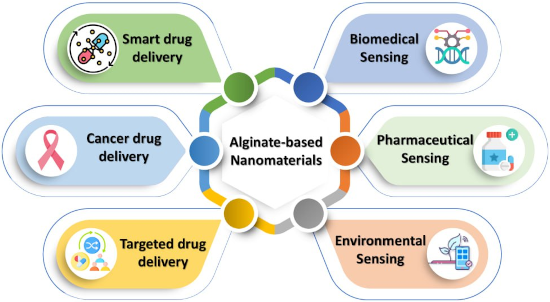
- sustain the medicine or gene effect in targeted tissues. This sustained release of medication extends the duration of the effect of the drug, ensuring optimal treatment efficacy. Additionally, biopolymeric nanoparticles can carry various functional groups on their surface enabling targeted drug delivery
- NPs, yielding sustained release of the medicine and promising results as a transmucosal DDSs for hydrophobic medicines. Another enhanced cancer drug delivery system was developed by Iranian scientists. They conceived a nanoparticles-in-nanofibers DDS, which they called nano-in-nano delivery technique


Electrospun nanofibers: building blocks for the repair of bone tissue
Beilstein J. Nanotechnol. 2024, 15, 941–953, doi:10.3762/bjnano.15.77
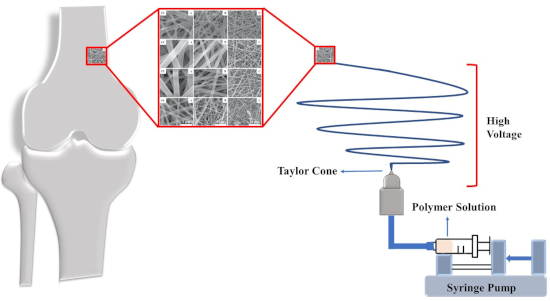
- the surface of the nanofibrous scaffolds increases the therapeutic response to the drugs by a controlled and sustained release in the targeted tissue [35]. (v) Their ability to carry different drugs in their structure reduces the risk of multidrug resistance in cancer treatment with dose-specific or


Fabrication of nanocrystal forms of ᴅ-cycloserine and their application for transdermal and enteric drug delivery systems
Beilstein J. Nanotechnol. 2024, 15, 465–474, doi:10.3762/bjnano.15.42
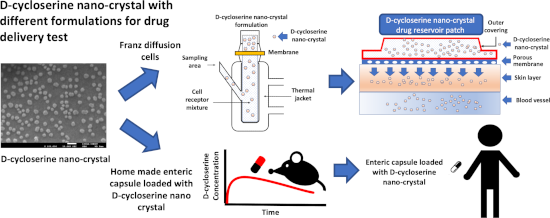
- penetrate the highly hydrophobic membrane (Strat-M membrane) with a favorable long-term release time profile. In our study, the DCS nanocrystals in the transdermal patch provided a sustained release for six days. Moreover, the DCS nanocrystal formulation, which showed no color change, suggested the


Nanomedicines against Chagas disease: a critical review
Beilstein J. Nanotechnol. 2024, 15, 333–349, doi:10.3762/bjnano.15.30
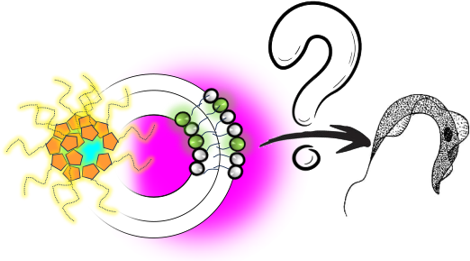
- augmenting their dissolution rate, and in vitro–in vivo correlation is normally applied [31]. These drugs are suitable for sustained release and controlled release formulations that provide more stable and predictable plasma levels. Drug solubility can be increased by employing strategies from classical

Development and characterization of potential larvicidal nanoemulsions against Aedes aegypti
Beilstein J. Nanotechnol. 2024, 15, 104–114, doi:10.3762/bjnano.15.10
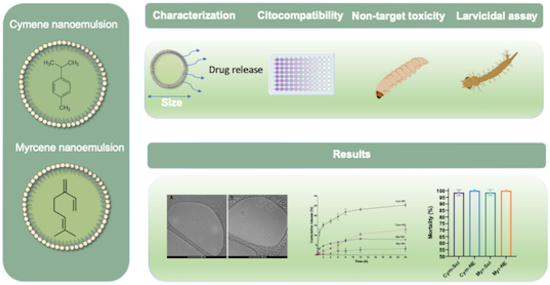
- myrcene or cymene in nanoemulsions led to a sustained release of the compounds, suggesting that they could potentially provide a more efficient method for delivering these compounds compared to free solutions. Furthermore, the study showed that the nanoemulsification process reduced the cytotoxicity of
- had equal or greater insecticidal properties than free terpenes and they might facilitate their dispersion in an aqueous environment. The larvicidal effect of the nanoemulsions, together with their safety and sustained release attributes, holds significant promise for environmentally friendly and


Berberine-loaded polylactic acid nanofiber scaffold as a drug delivery system: The relationship between chemical characteristics, drug-release behavior, and antibacterial efficiency
Beilstein J. Nanotechnol. 2024, 15, 71–82, doi:10.3762/bjnano.15.7
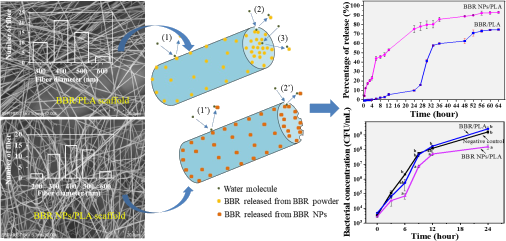
- , the BBR NPs/PLA nanofiber scaffold had more wettability and higher concentration of BBR NPs dispersed on the surface of PLA nanofibers. This led to a sustained release of 75 wt % of the loaded BBR during the first 24 h, and consequently boosted the antibacterial effectiveness. Moreover, the
- the surface of the fibers. In addition, the reduction in the hydrophobicity of the nanofiber network also caused a faster release of the drug. Meanwhile, the hydrophobic PLA nanofiber carrier showed a sustained release behavior of the Dox-base. This was because hydrophobic Dox-base significantly
- release of BBR, combining a fast-release step of BBR from hydrophilic polypyrrolidone nanofibers (47.9 wt % in the first hour) and a sustained-release step of BBR from the insoluble cellulose acetate microparticles (98.6 wt % for 60 h). In comparison with the aforementioned hybrid nanofibers, the release


Nanotechnological approaches in the treatment of schistosomiasis: an overview
Beilstein J. Nanotechnol. 2024, 15, 13–25, doi:10.3762/bjnano.15.2
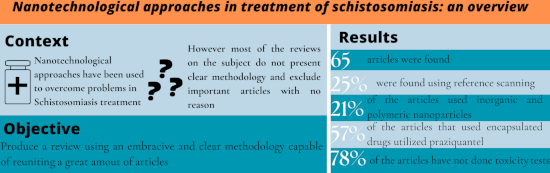
- sustained release and caused extreme changes in parasite tegument. In vivo, nanoparticles could reduce worm load and granuloma diameter and induce new biliary ducts. Nanoformulation was more effective in adult females than in juvenile forms and adult males [92]. Following the aforementioned studies, the


Elasticity, an often-overseen parameter in the development of nanoscale drug delivery systems
Beilstein J. Nanotechnol. 2023, 14, 1149–1156, doi:10.3762/bjnano.14.95
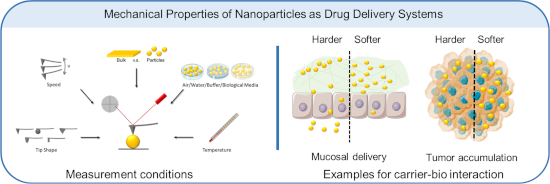
- important parameter. Tissue distribution and blood circulation Independent of the application route, blood circulation and tissue distribution are important factors regarding the fate of nanoparticles in vivo. The plasma half-life time is not only important for a sustained release but also to enhance the





