


Search results
Search for "swelling" in Full Text gives 103 result(s) in Beilstein Journal of Nanotechnology.
Cellulose as a photocatalyst support material: extraction, structural features, and environmental applications
Beilstein J. Nanotechnol. 2026, 17, 635–652, doi:10.3762/bjnano.17.44
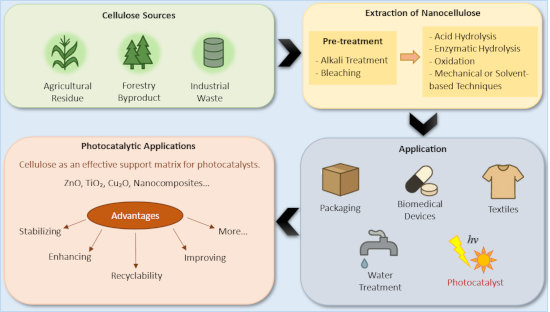
- mechanical strength, with a tensile capacity of about 10 GPa and a Young’s modulus of 140–150 GPa [11]. While CNFs can hold vast amounts of water, frequently exhibiting swelling ratios of 100 to 1,000 grams of water per gram of dry cellulose, which is 10,000% to 100,000% swelling capacity, while maintaining


Recent progress in enhancing built-in electric fields of perovskite solar cells via junction engineering
Beilstein J. Nanotechnol. 2026, 17, 602–621, doi:10.3762/bjnano.17.42
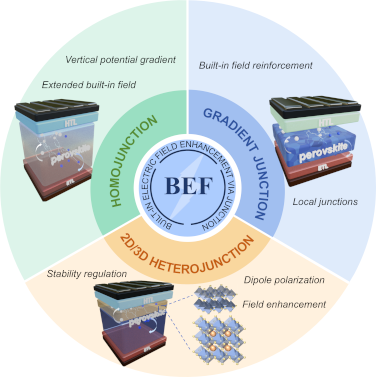
- surface Pb–I clusters, inducing a transient swelling that lowers the diffusion barrier for 2D spacer cations, promotes subsurface penetration, and facilitates secondary surface crystallization, resulting in a continuous, orientationally ordered n = 2 2D layer. This process establishes a stepwise energy



Biomimetic nanoparticles in cancer photodynamic therapy: a review of targeted delivery systems and therapeutic outcomes
Beilstein J. Nanotechnol. 2026, 17, 396–422, doi:10.3762/bjnano.17.27
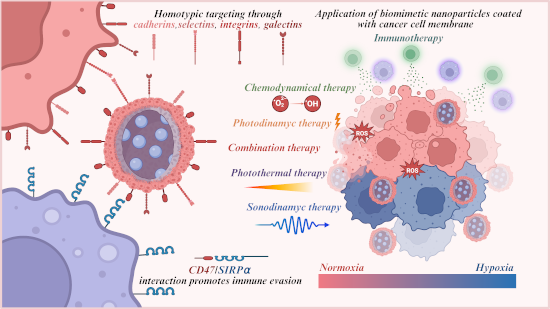
- ]; (ii) freeze–thaw cycles, that is, cell disruption via narrow pores (enhanced at low temperatures) [55]; (iii) mechanical shearing, that is, cell disruption via narrow pores (enhanced at low temperatures) [56]; and (iv) osmotic pressure, that is, hypotonic solutions are used to induce swelling and


Functional surface engineering for cultural heritage protection: the role of superhydrophobic and superoleophobic coatings – a comprehensive review
Beilstein J. Nanotechnol. 2026, 17, 63–96, doi:10.3762/bjnano.17.6

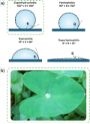
- ), to the initial mixture in order to reduce the wettability of the final coating. The formulation containing 2% of MCC enhanced with oregano essential oil (OEO) showed the lowest solubility, swelling, and wettability, along with strong antimicrobial activity against stone-deteriorating microorganisms
- protecting wood (Castanea sativa, chestnut, and Quercus pubescens, oak) by developing a highly hydrophobic coating using environmentally friendly components. Their work focused on protection against the principal threat of water adsorption (which may cause swelling, warping, and structural weakening) by




Ultrathin water layers on mannosylated gold nanoparticles
Beilstein J. Nanotechnol. 2025, 16, 2183–2198, doi:10.3762/bjnano.16.151
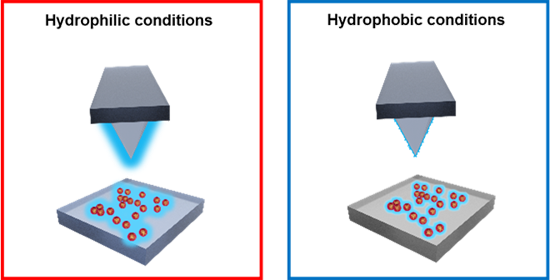
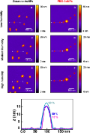
- identify if the increase in the maximum height of single particles was merely driven by the adsorption of water layers on top of the dimannose residues or by other mechanisms such as swelling, that is, the incorporation of water into the NP shell. As in the previously introduced cases, the particles
- ~1.5 nm (Figure 4). Hence, we propose a 100% thickness increase due to water adsorption or absorption, that is, the water can be adsorbed in a layer or absorbed among the various dimannoside groups. The latter case would correspond to a “swelling” of the AuNP coating, which is agreement with



Toward clinical translation of carbon nanomaterials in anticancer drug delivery: the need for standardisation
Beilstein J. Nanotechnol. 2025, 16, 2092–2104, doi:10.3762/bjnano.16.144

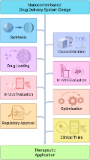
- cases, allergic reactions, which may include hives, difficulty breathing, and swelling of the face, lips, tongue, or throat. The severity of the side effects may vary depending on the dose, duration of treatment, and individual patient factors; and so, can be managed with supportive care and medications



The cement of the tube-dwelling polychaete Sabellaria alveolata: a complex composite adhesive material
Beilstein J. Nanotechnol. 2025, 16, 1998–2014, doi:10.3762/bjnano.16.138
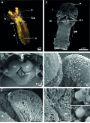
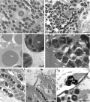
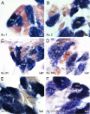
- of the cement spot. The inclusions of the heterogeneous granules disperse in this matrix to form dense granules and hollow spheroid structures. Among these, the largest spheroids (with diameters exceeding the size of a cement gland secretory granule) appear to originate from a remarkable swelling of
- the inclusions of the heterogeneous granules occurring through a still unknown process. This swelling was also suggested in P. californica based on the similar bright appearance of heterogeneous granule inclusions and spheroid cortex under scanning electron microscopy using backscattered electrons, as



Exploring the potential of polymers: advancements in oral nanocarrier technology
Beilstein J. Nanotechnol. 2025, 16, 1751–1793, doi:10.3762/bjnano.16.122
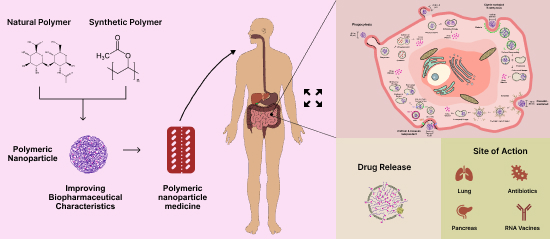
- . Release from nanospheres is generally governed by a combination of polymer degradation and drug diffusion through the matrix. Additionally, when hydrophilic polymers are employed, swelling-induced release becomes relevant, wherein polymer chain relaxation significantly influences the diffusion rate and
- unique spatial attributes, with monomeric structures and functional groups, hydrophobic or hydrophilic, that determine its properties [60]. The nature of monomers correlates with polymer crystallinity, which, in turn, defines mechanical strength, swelling, hydrolysis, and biodegradation rates
- triggers hydrolysis, producing acids that catalyze degradation, thus enlarging the pores, a phenomenon known as swelling, which is particularly relevant in systems based on hydrophilic polymers. The mobility of the polymer chains, which is influenced by their Tg (decreasing as the polymer molecular weight


Beyond the bilayer: multilayered hygroscopic actuation in pine cone scales
Beilstein J. Nanotechnol. 2025, 16, 1695–1710, doi:10.3762/bjnano.16.119
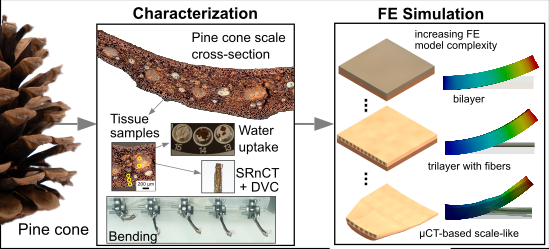
- investigated. Using gravimetric water uptake measurements, synchrotron radiation-based nano-holotomography, and digital volume correlation analysis, inter- and intra-tissue variations of hygroscopic swelling/shrinkage were observed. In addition, the moisture content of pine cone scale tissues was measured as a
- representing the deformation from one state to the other. Using this displacement field allows for the calculation of a strain tensor field, which describes the axis-dependent hygroscopic expansion [29]. Incorporating the anisotropic swelling and shrinkage behavior into in silico models of the pine cone scale
- based on the “trilayer with fibers” model showed the highest impact on bending for the z-axial hygroscopic expansion coefficient of the sclereid layer. More detailed results can be found in Table S1, Supporting Information File 2. Discussion Our analysis of axis-dependent swelling and shrinkage revealed


Hydrogels and nanogels: effectiveness in dermal applications
Beilstein J. Nanotechnol. 2025, 16, 1216–1233, doi:10.3762/bjnano.16.90
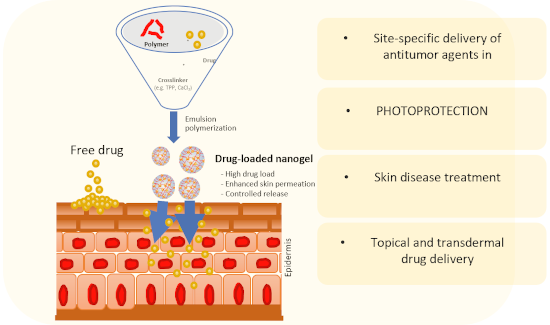
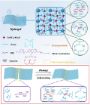
- suppressions of ear edema, pruritus, high IgE levels, epidermal swelling, and mast cell infiltration in Balb/c mouse model [62]. Temperature- and pH-responsive hydrogels loaded with gallic acid were developed using a combination of biocompatible polymers: Pluronic F-127, N,N,N-trimethyl chitosan, and


Investigation of the solubility of protoporphyrin IX in aqueous and hydroalcoholic solvent systems
Beilstein J. Nanotechnol. 2025, 16, 1209–1215, doi:10.3762/bjnano.16.89
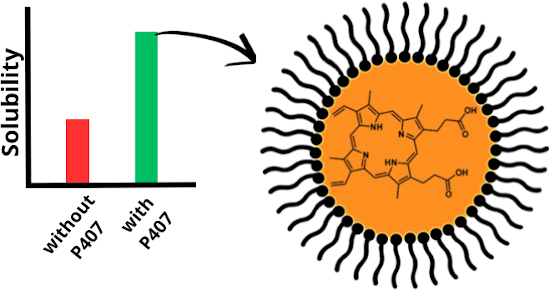
- dissolution mechanism is mainly governed by simple diffusion, without significant swelling or erosion of the polymeric matrix [8], which is commonly observed in hydrophilic polymeric systems, as those produced by P407 [24]. In this context, the drug molecules diffuse through the micellar network driven by


Mechanical stability of individual bacterial cells under different osmotic pressure conditions: a nanoindentation study of Pseudomonas aeruginosa
Beilstein J. Nanotechnol. 2025, 16, 1171–1183, doi:10.3762/bjnano.16.86
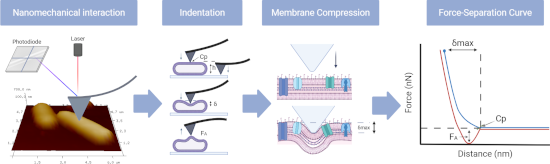
- membrane tension and rigidity are two intertwined physical parameters with a dynamic behavior dictated by the internal turgor pressure of the bacteria during swelling or plasmolysis. Therefore, understanding the dynamics of their mechanical response due to changes in external conditions or exposure to
- hypotonic and hypertonic solutions yielded mean values for the maximum penetration depths (δmax) of about 52 and 92 nm, respectively. In contrast, for PBS, an intermediate value was obtained. Considering the above information regarding the states of swelling or plasmolysis, our results for the stiffening
- within the first 150 ms following dilution, which should not only decelerate swelling but also return membrane tension below a threshold value during cell equilibration [14]. On the other hand, our reported values for Young’s modulus seem to capture the combined features in the force curve, meaning the


Soft materials nanoarchitectonics: liquid crystals, polymers, gels, biomaterials, and others
Beilstein J. Nanotechnol. 2025, 16, 1025–1067, doi:10.3762/bjnano.16.77
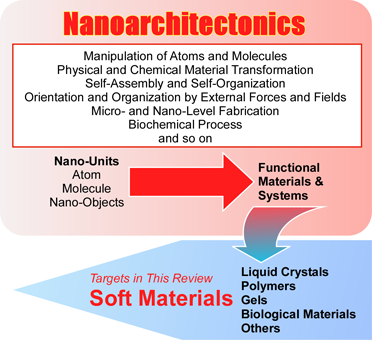
- swelling, degradability, self-repairing ability, and reworkability. It is anticipated that this will contribute to a number of research fields, including polymer degradation and recycling, the extension of the lifespan of polymer materials, the development of adhesive polymers for specific applications






Aprepitant-loaded solid lipid nanoparticles: a novel approach to enhance oral bioavailability
Beilstein J. Nanotechnol. 2025, 16, 652–663, doi:10.3762/bjnano.16.50
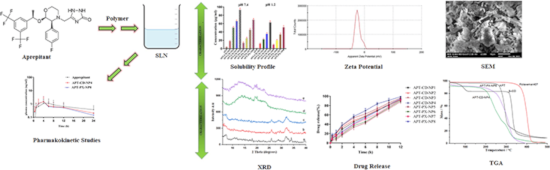
- increasing the swelling of the polymer [22]. In the dissolution medium, pores are formed in the polymeric membrane that determine the release of the drug through osmotic pressure difference [16]. Statistical analysis The drug release from the formulated SLNs was analyzed statistically using ANOVA, followed



A formulation containing Cymbopogon flexuosus essential oil: improvement of biochemical parameters and oxidative stress in diabetic rats
Beilstein J. Nanotechnol. 2025, 16, 617–636, doi:10.3762/bjnano.16.48
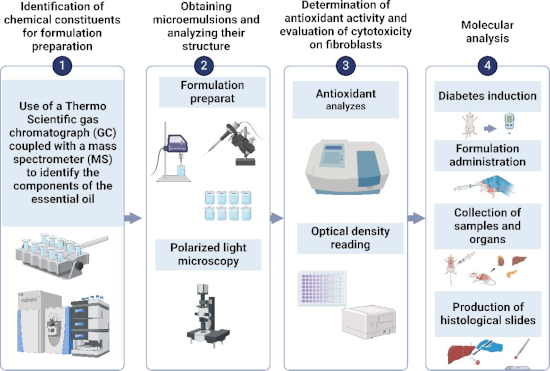
- pathological conditions. In addition, cell edema (B) was found, characterized by swelling of the hepatocytes due to excessive accumulation of intracellular fluid. This alteration may be associated with dysfunctions in the permeability of the plasma membrane, leading to an osmotic imbalance, which favors fluid




Development of a mucoadhesive drug delivery system and its interaction with gastric cells
Beilstein J. Nanotechnol. 2025, 16, 371–384, doi:10.3762/bjnano.16.28

- of the mucoid surface [17]. Eudragit RS100 polymer has been used for several applications aimed at different sites of the body such as skin [18], intestinal [16], intranasal [19], or ocular [20] drug delivery. This broad range of application sites is possible because pH-independent swelling of the


Enhancing mechanical properties of chitosan/PVA electrospun nanofibers: a comprehensive review
Beilstein J. Nanotechnol. 2025, 16, 286–307, doi:10.3762/bjnano.16.22

- process [198][199][200][201]. In one study, multilayered nanofibrous patches consisting of PCL nanofibers, chitosan/PVA nanofibers, and chamomile were successfully prepared. The results demonstrated that these multilayered nanofibrous mats exhibited comparable mechanical and swelling properties, along


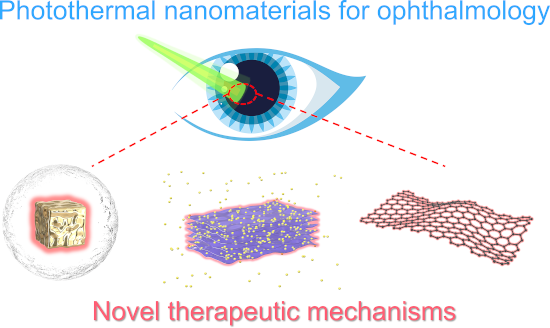
Recent advances in photothermal nanomaterials for ophthalmic applications
Beilstein J. Nanotechnol. 2025, 16, 195–215, doi:10.3762/bjnano.16.16


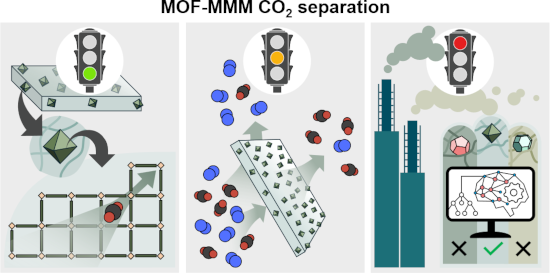
A review of metal-organic frameworks and polymers in mixed matrix membranes for CO2 capture
Beilstein J. Nanotechnol. 2025, 16, 155–186, doi:10.3762/bjnano.16.14
- effect in MMMs in general and can occur as a type of physical aging of the MMM [119]. This effect typically impacts the entire polymer matrix of the MMM. It may result from the infiltration of many instigating particles, causing swelling of the porous sites in the polymer matrix, as shown in Figure 6f
- plasticization reduce CO2 selectivity. However, swelling plasticization increases permeability, while equilibration plasticization decreases it [119][124][125]. MOFs within the membrane matrix mitigate this issue compared to pristine organic polymer membranes. Nevertheless, dedicated strategies such as polymer




Clays enhanced with niobium: potential in wastewater treatment and reuse as pigment with antibacterial activity
Beilstein J. Nanotechnol. 2025, 16, 141–154, doi:10.3762/bjnano.16.13
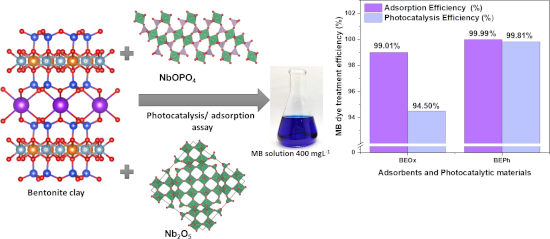
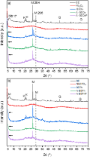
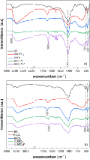
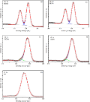
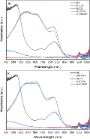
- for their potential as antibacterial hybrid pigments. The bentonite clay modified with niobium was prepared by a solution containing swelling clay mixed with niobium oxide (NbOx) and niobium phosphate (NbPh) in a water solution; after that, the suspension was calcinated. X-ray diffractometry, X-ray



Nanocarriers and macrophage interaction: from a potential hurdle to an alternative therapeutic strategy
Beilstein J. Nanotechnol. 2025, 16, 97–118, doi:10.3762/bjnano.16.10

- , induced M1 apoptosis, and facilitated M1 to M2 polarization. In murine models of collagen-induced arthritis, FA-AgNPs significantly reduced joint swelling, improved cartilage integrity, and outperformed standard treatments like methotrexate [67]. Stabilizing macrophage polarization for long-lasting


Effect of radiation-induced vacancy saturation on the first-order phase transformation in nanoparticles: insights from a model
Beilstein J. Nanotechnol. 2024, 15, 1453–1472, doi:10.3762/bjnano.15.117

- data, under operating conditions, HDCMs are susceptible to risks such as radiation-induced vacancy saturation (the accumulation of vacancy-type defects), swelling (an increase in linear dimensions and volume upon irradiation), damage, amorphization (crystal-to-glass transition), and other phase
- can be amorphized at an irradiation dose of 0.9 dpa, whereas bulk zirconia remains stable with respect to amorphization up to 680 dpa [5]. Additionally, experimental data indicate that materials containing coherent-to-the-matrix dispersed particles may experience reduced swelling under irradiation


Nanotechnological approaches for efficient N2B delivery: from small-molecule drugs to biopharmaceuticals
Beilstein J. Nanotechnol. 2024, 15, 1400–1414, doi:10.3762/bjnano.15.113

- limited insights as some factors, such as injection position and the effect of the mucus layer, were not considered [84]. The study also highlighted that the chitosan coating favored the penetration in the mucosa. This was attributed to the swelling of chitosan at the pH value of the healthy nose and the


Graphene removal by water-assisted focused electron-beam-induced etching – unveiling the dose and dwell time impact on the etch profile and topographical changes in SiO2 substrates
Beilstein J. Nanotechnol. 2024, 15, 190–198, doi:10.3762/bjnano.15.18
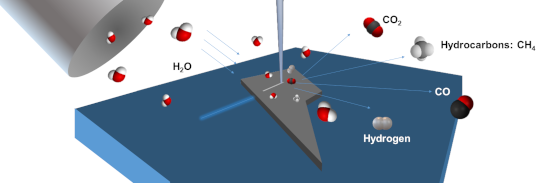
- dissociation products of water molecules and thus could be actively involved in the SiO2 removal process. Our results, showing topographical changes in SiO2 are partially consistent with former studies reported by Steven Kalceff et al. [24] of either swelling or deswelling of a silica substrate upon electron


Influence of conductive carbon and MnCo2O4 on morphological and electrical properties of hydrogels for electrochemical energy conversion
Beilstein J. Nanotechnol. 2024, 15, 57–70, doi:10.3762/bjnano.15.6
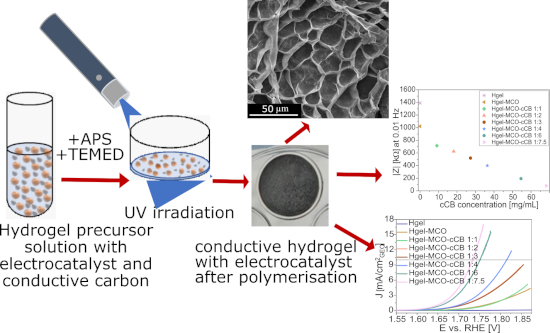
- porous structure is capable of swelling and thus accommodating large amounts of ionic liquids. Moreover, the swollen hydrogel structure provides constant access of electrolyte molecules/ions to the catalyst particles, increasing the speed and efficiency of the electrochemical reaction [20]. The swelling
- large as possible. The porous microstructure of the hydrogel matrix is capable of swelling and thus accommodating significant amounts of ionic liquids. Such a structure provides constant access of the electrolyte molecules/ions to the catalyst particles surrounding it, increasing the speed and





