


Search results
Search for "targeted delivery" in Full Text gives 66 result(s) in Beilstein Journal of Nanotechnology.
Advances in nanotechnology applied to natural products
Beilstein J. Nanotechnol. 2026, 17, 555–558, doi:10.3762/bjnano.17.36

- applications, including cancer therapy, where they may be designed as conventional liposomes or as immunoliposomes functionalized with antibodies or ligands to promote targeted delivery to tumor cells or components of the immune microenvironment [18]. Combining liposomes with natural products and co-loaded
Biomimetic nanoparticles in cancer photodynamic therapy: a review of targeted delivery systems and therapeutic outcomes
Beilstein J. Nanotechnol. 2026, 17, 396–422, doi:10.3762/bjnano.17.27
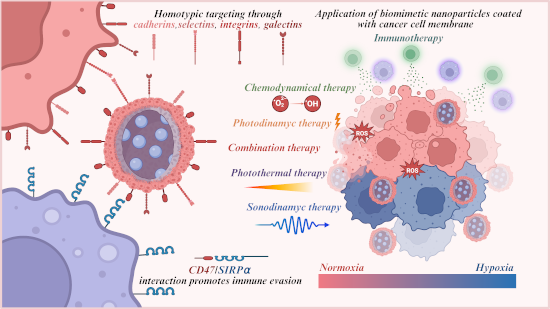
- . Additionally, it explores multifunctional and theranostic nanoplatforms, their applications in various cancers, and advances toward clinical use. By integrating targeted delivery, tumor microenvironment modulation, and immunotherapy, BNP-facilitated PDT holds great potential for advancing precise cancer
- ], mTHPC [26], bacteriochlorins [27], and phthalocyanines [28]), as well as non-porphyrinic structures like BODIPY dyes modified for enhanced ROS generation [29] and natural compounds such as hypericin and curcumin, primarily used in antimicrobial PDT [30]. Third-generation PSs focus on targeted delivery
- integrated loading/release optimizations are illustrated in Figure 5. In summary, biomimetic platforms coated with cell membranes or molecules offer a highly promising strategy for the targeted delivery in cancer theranostics, particularly in PDT. By leveraging homotypic recognition and binding to tumor


From shield to spear: Charge-reversible nanocarriers in overcoming cancer therapy barriers
Beilstein J. Nanotechnol. 2026, 17, 159–175, doi:10.3762/bjnano.17.10
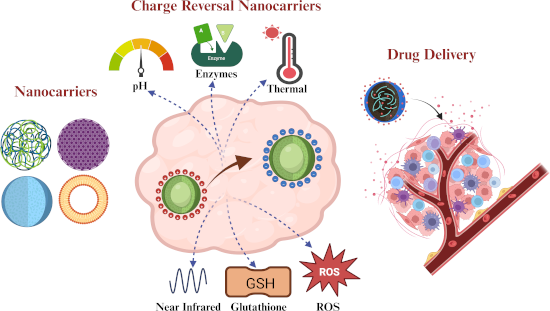
- ]. These studies demonstrate how enzyme substrates embedded in nanocarriers enable the selective cleavage, charge reversal, and targeted delivery of drugs in response to cancer-associated enzymes. 2.3 Redox-sensitive nanocarriers Redox-sensitive nanocarriers exploit the distinct intracellular environment
- their key functionality, mechanism of drug release, and surface modification. 3.1 Targeted delivery The charge-reversible NPs encapsulating diagnostic probes and therapeutic drugs result in efficient tumour-targeted delivery [86]. To achieve targeted delivery, charge reversal needs to be precisely
- controlled within a small pH range [87]. Chen et al. developed pH-activatable charge-reversal supramolecular nanocarriers, named MI7-β-CD/SA NPs, which show targeted delivery and controlled release of celastrol in tumour cells, enhancing drug accumulation and therapeutic effects while minimising toxicity to


Influence of surface characteristics on the in vitro stability and cell uptake of nanoliposomes for brain delivery
Beilstein J. Nanotechnol. 2026, 17, 139–158, doi:10.3762/bjnano.17.9
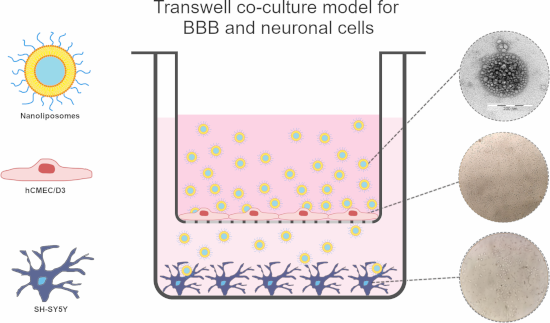
- characteristics; Introduction Advancements in nanotechnology and the use of nanoliposomes (NLs) as carriers for targeted delivery and controlled release of active components (AC) show promise in addressing multiple pathologies associated with neurodegenerative diseases like Alzheimer's disease (AD) [1]. It is


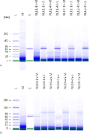
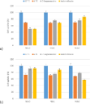


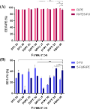
Development and in vitro evaluation of liposomes and immunoliposomes containing 5-fluorouracil and R-phycoerythrin as a potential phototheranostic system for colorectal cancer
Beilstein J. Nanotechnol. 2026, 17, 97–121, doi:10.3762/bjnano.17.7
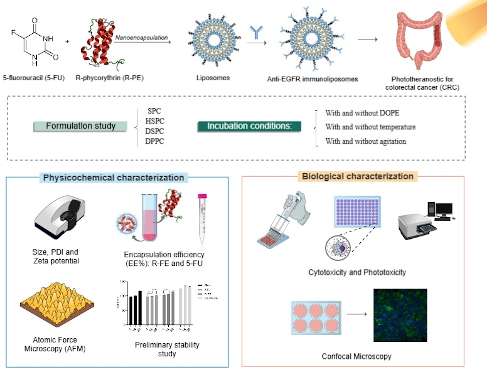
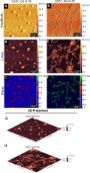
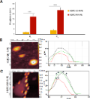
- stability hampers its clinical use. Thus, the present work aimed to develop co-encapsulated liposomes system for co-delivery of 5-FU and R-PE as theranostic nanosystems for CRC, as well as immunoliposomes targeted with the anti-EGFR monoclonal antibody, cetuximab, as a strategy for targeted delivery to EGFR



PEGylated lipids in lipid nanoparticle delivery dynamics and therapeutic innovation
Beilstein J. Nanotechnol. 2025, 16, 1914–1930, doi:10.3762/bjnano.16.133
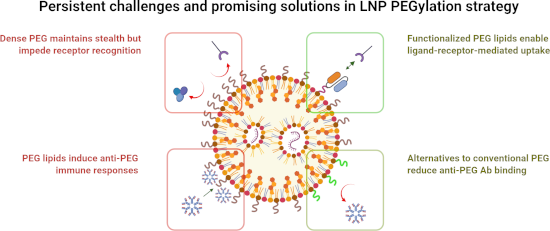
- properties of LNPs including particle size, surface charge, and encapsulation efficiency. Subsequent sections explore the roles of PEG lipids in modulating protein corona formation and cellular uptake. The latter parts highlight the potential of functionalized PEG lipids for targeted delivery and the
- maleimide groups are effective for ligand attachment to LNP surface and targeted delivery [40][41]. A dual-targeted LNP system composed of two functionalized PEG lipids was created for ligand-mediated targeting of DNA-loaded LNPs to breast cancer cells [42]. DSPE-PEG-folate was directly incorporated into
- where higher PEG density is required to maintain LNP stability but may impede cell uptake efficiency, using functionalized PEG lipids can enable LNP surface engineering to achieve both stability and targeted delivery [29][40][51][55]. Immunogenicity of pegylated LNPs and accelerated blood clearance


Phytol-loaded soybean oil nanoemulsion as a promising alternative against Leishmania amazonensis
Beilstein J. Nanotechnol. 2025, 16, 1826–1836, doi:10.3762/bjnano.16.126

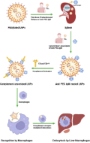
- can improve the cellular uptake of various drugs and can facilitate targeted delivery to the intracellular parasites [50][51]. Since the amastigote forms of Leishmania spp. reside within the phagolysosomes of macrophages, the phagocytic uptake of nanodroplets significantly increases the intracellular


Exploring the potential of polymers: advancements in oral nanocarrier technology
Beilstein J. Nanotechnol. 2025, 16, 1751–1793, doi:10.3762/bjnano.16.122
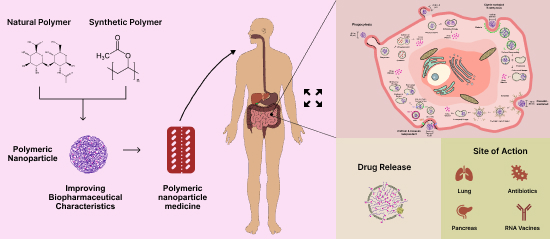
- investigated. These nanoparticles (NPs) preserve the bioactivity of the active compound during gastric transit and facilitate permeation through mucus and absorption by epithelial cells, enabling targeted delivery. In essence, PNs offer superior performance in protecting, targeting, and enhancing both the


Advances of aptamers in esophageal cancer diagnosis, treatment and drug delivery
Beilstein J. Nanotechnol. 2025, 16, 1734–1750, doi:10.3762/bjnano.16.121
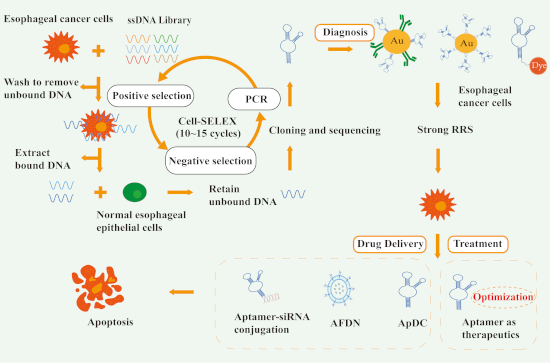
- therapeutics and targeted delivery agents to provide more accurate, efficient and safer diagnosis and treatment options for EC patients. Initially, this review describes the high selectivity and binding ability of aptamers to specific EC markers, showing great potential for early detection of EC and monitoring
- response rate of patients. Aptamers can be used not only as diagnostic probes for esophageal cancer, but also as carriers for therapeutic agents and drug delivery systems. By coupling with antitumor drugs and nanocarriers, aptamers can improve the targeted delivery efficiency of drugs and reduce non


Multifunctional anionic nanoemulsion with linseed oil and lecithin: a preliminary approach for dry eye disease
Beilstein J. Nanotechnol. 2025, 16, 1711–1733, doi:10.3762/bjnano.16.120
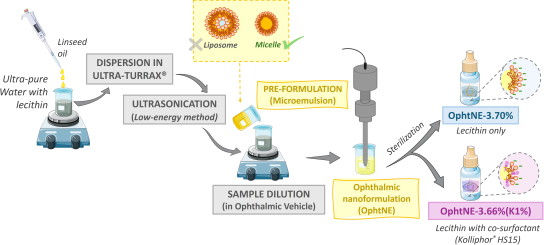
- for treating anterior and posterior eye diseases, including dry eye, keratitis, transplant rejection, uveitis, endophthalmitis, and proliferative vitreoretinopathy [52]. They can encapsulate hydrophilic and lipophilic drugs, enhancing bioavailability and targeted delivery [53]. However, their clinical



Prospects of nanotechnology and natural products for cancer and immunotherapy
Beilstein J. Nanotechnol. 2025, 16, 1644–1667, doi:10.3762/bjnano.16.116
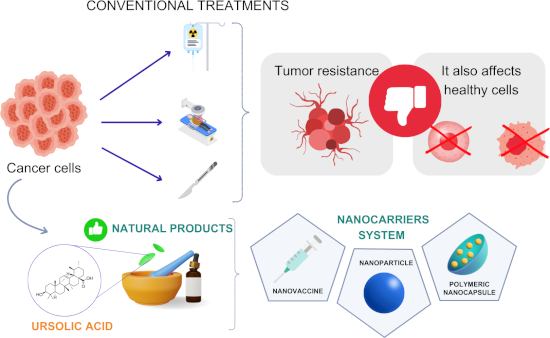
- targeted delivery [72]. Patent CN222367609 (2017) describes targeted amphiphilic nanoparticles composed lecithin, procyanidine, and doxorubicin condensated with epigallocatechin gallate in N-hydroxysuccinimide solution, which were developed to inhibit breast cancer. The procyanidine and epigallocatechin


Nanomaterials for biomedical applications
Beilstein J. Nanotechnol. 2025, 16, 1499–1503, doi:10.3762/bjnano.16.105
- their controlled release. They are also being investigated as gene delivery agents since they can transport DNA or RNA, making them a potential candidate for therapies such as gene therapy and RNA-based vaccines [11]. Furthermore, carbon nanotubes have revealed promising results in targeted delivery
Enhancing the therapeutical potential of metalloantibiotics using nano-based delivery systems
Beilstein J. Nanotechnol. 2025, 16, 1350–1366, doi:10.3762/bjnano.16.98
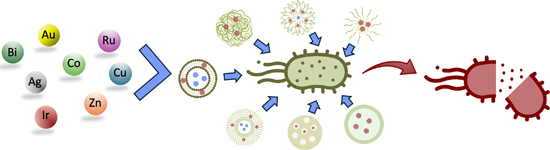
- : antimicrobial resistance; biocompatibility; metalloantibiotics; nanocarriers; targeted delivery; Introduction Antimicrobial resistance (AMR), the condition that bacteria no longer respond to drugs used to treat infections, has become one of the biggest public health challenges of the 21st century. According to
- interact with upregulated mannose receptors on macrophage surfaces during inflammation. Mannosylated polymeric ligands have been developed for targeted delivery of antibacterial drugs to macrophages, leveraging the high-affinity interaction with mannose receptors on these immune cells [52]. Additionally
- ]. Dendrimers, with their hyperbranched structures, can be precisely controlled for size, shape, and surface chemistry, allowing for highly targeted delivery of anti-biofilms drugs or nucleic acids [81][82]. Polymeric NPs offer several advantages, including biodegradability, biocompatibility, and stability


Ferroptosis induction by engineered liposomes for enhanced tumor therapy
Beilstein J. Nanotechnol. 2025, 16, 1325–1349, doi:10.3762/bjnano.16.97
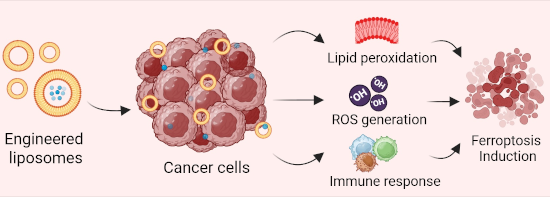
- helps organize lipid chains and regulates membrane rigidity and flexibility, which affects several functions, including liposome lifespan and controlled cargo release [108]. Liposomes are highly biocompatible, making them ideal for the targeted delivery of drugs to tumor sites. By encapsulating both


Better together: biomimetic nanomedicines for high performance tumor therapy
Beilstein J. Nanotechnol. 2025, 16, 1246–1276, doi:10.3762/bjnano.16.92
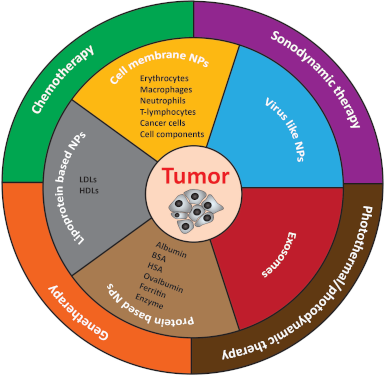
- successfully eradicate tumors [8]. To overcome these discrepancies, an efficient, biocompatible, nontoxic, non-immunogenic and precisely targeted drug delivery system is desirable [9]. Conventional non-targeted delivery systems result in off-targeting as they also affect healthy cells and organs. Therefore
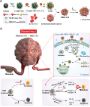
- metastatic breast cancer (Figure 7) [128]. The nanosystem was modified with TAT (T) and RGD (R) peptides for targeted delivery of the chemotherapeutics gamabufotalin (C) and doxorubicin (DOX) in triple-negative breast cancer (TNBC), resulting in potent inhibition of tumor growth and breast cancer metastasis
- . RBC membrane was also conjugated with gold nanostars to control the release with near-infrared irradiation. Also, RBC and platelet hybrid membrane-coated gold nanostars achieved targeted delivery to melanoma cells while avoiding macrophage phagocytosis [129]. Although RBC-camouflage nanomedicines are






Hydrogels and nanogels: effectiveness in dermal applications
Beilstein J. Nanotechnol. 2025, 16, 1216–1233, doi:10.3762/bjnano.16.90
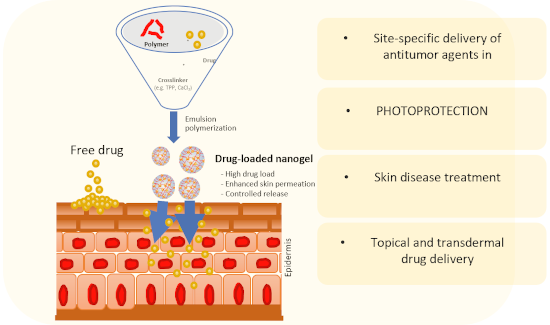
- cancer [210][211][212]. Polymeric nanogels [192], as well as stimulus-responsive nanogels [37][168], have proven to be effective in increasing the targeted delivery of antineoplastic drugs to fight skin cancer. Skin tumors have a microenvironment characterized by an anionic charge and a slightly acidic
- delivery [157][212][213]. Recent advances have shown the development of polymeric nanogels for targeted delivery of antimetabolite agents in the treatment of skin cancer [168]. Antimetabolite agents are antineoplastic drugs that act by inhibiting cell division by blocking DNA and, to a lesser extent, RNA
- , together with the ionic attraction mechanism, promotes the targeted delivery of capecitabine into the tumor. The ionic attraction between the cationic surface of the particles and the anionic cell membrane of the tumor facilitates the acidic degradation of the chitosan matrix. Thus, degradation of the


Nanomaterials in targeting amyloid-β oligomers: current advances and future directions for Alzheimer's disease diagnosis and therapy
Beilstein J. Nanotechnol. 2025, 16, 561–580, doi:10.3762/bjnano.16.44
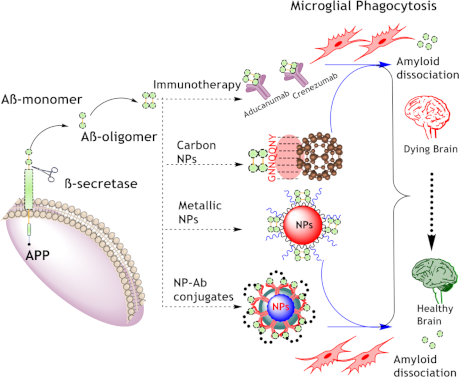
- , enables targeted delivery to lesion sites, and retains distinct biological functions. Emerging studies have highlighted the role of exosomes derived from AD brain samples, which contain elevated levels of AβOs. These exosomes are implicated in the propagation of AβOs between neurons, suggesting their
- clearance mechanisms. Achieving an ideal balance between prolonged circulation time, targeted delivery, and efficient clearance is crucial for maximizing the clinical potential of NPs. Toxicity concerns of NPs and their implications on health The prolonged retention and low clearance of NPs in the body may


Synthetic-polymer-assisted antisense oligonucleotide delivery: targeted approaches for precision disease treatment
Beilstein J. Nanotechnol. 2025, 16, 435–463, doi:10.3762/bjnano.16.34

- target diseases and genetic variations. However, the lack of disease-specific biomarkers, which facilitate the identification of disease phenotypes, the poor chemical stability of nucleotide-based molecules and their inefficient biodistribution and targeted delivery result in insufficient biological
- undetectable levels after treatment. Employing a similarly galactosylated PLL system, Jing et al. explored a novel approach using Gal–PLL (Mw = 48 kDa, Gal/PLL = 24:1) to enhance the targeted delivery of c-myc antisense oligodeoxynucleotides to hepatocellular carcinoma (HCC) cells via ultrasound-targeted
- . Ou et al. investigated the use of a modified PLL as a carrier for the targeted delivery of the radioiodinated 15-mer phosphorothioate ASO 5′-AACGTTGAGGGGCAT-3′ (131I-ASO) to HT29 human colon cancer xenografts [72]. In this study, PLL (Mw = 3 kDa) was conjugated to vasoactive intestinal peptide (VIP


Radiosensitizing properties of dual-functionalized carbon nanostructures loaded with temozolomide
Beilstein J. Nanotechnol. 2025, 16, 229–251, doi:10.3762/bjnano.16.18
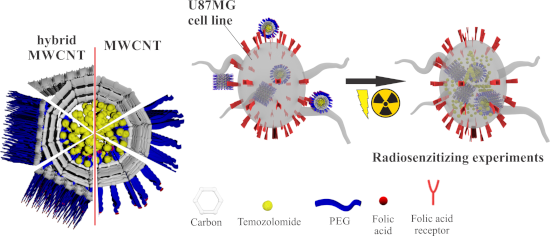
- for active agent loading and functionalization with (intra)cellular component targeting ligands, and extremely small size for crossing the blood–brain barrier (BBB) and targeted delivery to the brain. The hydrophobic nature of the CNs offers good membrane permeability. Through chemical modifications




Nanocarriers and macrophage interaction: from a potential hurdle to an alternative therapeutic strategy
Beilstein J. Nanotechnol. 2025, 16, 97–118, doi:10.3762/bjnano.16.10
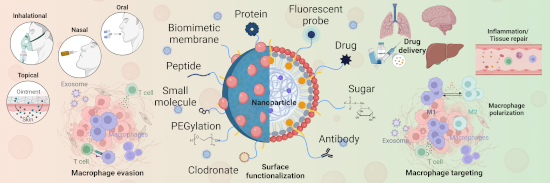
- into clinical practice requires overcoming key challenges, such as ensuring molecular stability, achieving targeted delivery, and minimizing immune activation. Ongoing research is addressing these barriers by advancing RNA delivery systems [77]. For example, mesoporous silica NPs have been utilized to
- pathway for improving mRNA-based therapies. These vaccines use LNPs designed to facilitate endosomal escape, preventing RNA degradation within lysosomes and improving intracellular delivery efficacy [80][81]. Developing targeted delivery systems, summarized in Table 2, that can fine-tune macrophage
- ), methionine-choline-deficient high-fat diet (MCDHF), and CCl4-induced fibrosis [95]. The application of nanotechnology in liver fibrosis treatment holds great potential. It offers targeted delivery systems that enhance the efficacy of therapeutic agents while minimizing systemic side effects. 6.1.3


Attempts to preserve and visualize protein corona on the surface of biological nanoparticles in blood serum using photomodification
Beilstein J. Nanotechnol. 2024, 15, 1654–1666, doi:10.3762/bjnano.15.130

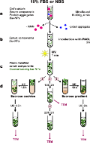
- efforts of many researchers are aimed at finding approaches and methods for “managing” the composition of the protein corona, which, in particular, can provide the possibility of targeted delivery of drugs [1][2][3]. The protein corona is formed by two layers on any NP, called the hard and soft coronas



Biomimetic nanocarriers: integrating natural functions for advanced therapeutic applications
Beilstein J. Nanotechnol. 2024, 15, 1619–1626, doi:10.3762/bjnano.15.127

- with cancer treatment offer numerous advantages, including immune evasion, targeting behavior, specific site accumulation, targeted delivery of drugs or genes, and reduced side effects. Studies involving inorganic nanocarriers with cell membrane coatings (CMC-NPs) have highlighted the importance of the
- drug delivery, immunotherapy, targeted delivery, biomimetic-derived NPs, and stimuli-responsive drug release (1). Coated NPs for improving biological activity through biomimetic biomembranes (2): Most used materials for creating nanoparticles (A), binders used for delivery and binding to target cells


Polymer lipid hybrid nanoparticles for phytochemical delivery: challenges, progress, and future prospects
Beilstein J. Nanotechnol. 2024, 15, 1473–1497, doi:10.3762/bjnano.15.118
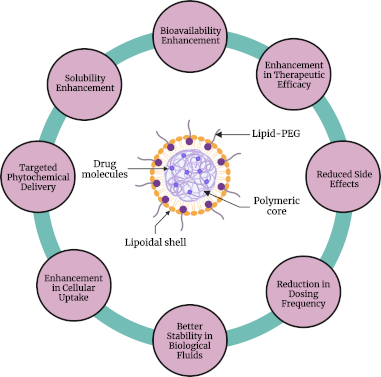
- problematic for chronic conditions that require consistent drug exposure over extended periods of time [36][37]. Therefore, there is a need for innovative delivery systems that improve solubility, stability, bioavailability, and targeted delivery, while also providing controlled release. PLHNPs represent a
- in cancer therapy. This targeted delivery can increase the therapeutic efficacy of drugs while reducing side effects by minimizing off-target effects [61][62]. For instance, Garg et al. fabricated fucose ligand-decorated PLHNPs for the co-delivery of methotrexate and aceclofenac to achieve targeted
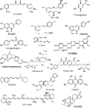
- single phytochemicals, offering enhanced stability, bioavailability, and targeted delivery. As previously discussed, many phytochemicals are lipophilic. Figure 5 illustrates the chemical structures of the various phytochemicals examined in this paper. After oral administration, phytochemicals exhibit


Dual-functionalized architecture enables stable and tumor cell-specific SiO2NPs in complex biological fluids
Beilstein J. Nanotechnol. 2024, 15, 1238–1252, doi:10.3762/bjnano.15.100
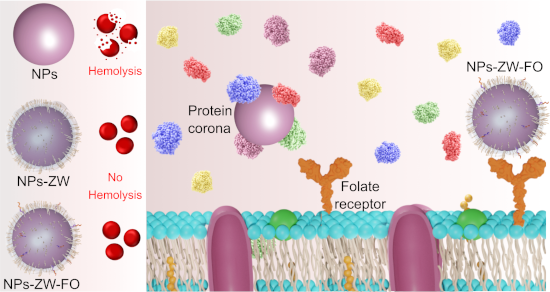
- and (ii) targeting peptide for targeted delivery aimed at increasing efficiency against cancer. Although valuable, these systems have not been able to provide reduced protein corona formation and targeting ability, or they have not been scrutinized in complex biological environments. In fact, there is


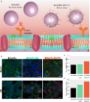
Recent updates in applications of nanomedicine for the treatment of hepatic fibrosis
Beilstein J. Nanotechnol. 2024, 15, 1105–1116, doi:10.3762/bjnano.15.89
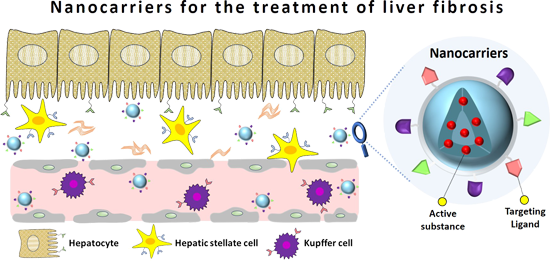
- enhancing the antioxidant defense mechanism. Besides providing the containment for the active substance, the nanostructured lipid nanocarriers could be utilized for targeted delivery without conjugating any specific ligand. Composed of natural phospholipids, liposomes are generally considered to be
- , inhibition of profibrogenic cytokine and growth factors secretion, and induction of ECM degradation [70]. A summary of liver-targeted delivery systems is shown in Table 1. Passive and active delivery strategies were combined by Luo and co-workers, who prepared silibinin–human serum albumin nanocrystals [71
- vitamin A-modified nanocarriers co-localized in HSCs, highlighting the success of targeted delivery. The therapeutic activity evaluation also revealed consistent results, showing decreased liver fibrosis in histological images, with low collagen accumulation and low serum biomarker level (i.e., AST and





