Search results
Search for "thermal stability" in Full Text gives 237 result(s) in Beilstein Journal of Nanotechnology. Showing first 200.
Ultrasonic irradiation in the synthesis of nanohydroxyapatite: a chemically friendly technique for improving hemocompatibility and antibiofilm applications
Beilstein J. Nanotechnol. 2026, 17, 991–1015, doi:10.3762/bjnano.17.68
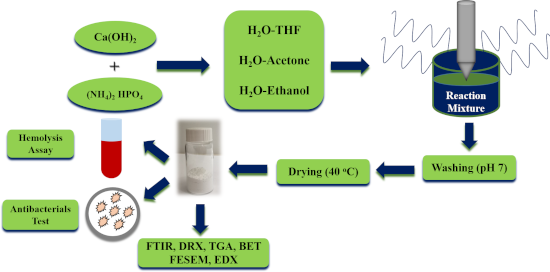
- nHA similar to biological apatite, with distinct morphologies and particle sizes dependent on the solvent system used. All synthesized materials exhibited high thermal stability and yields exceeding 80%. Hemocompatibility studies showed that nHA samples obtained in the W/THF mixture presented very low
- results conclusively demonstrate the wide range of possibilities for obtaining nHA with a highly energetic source, such as high-frequency ultrasound. Thermal stability study by TGA Figure 7 shows the thermograms of the nHA samples synthesized using W/ACET, W/THF, and W/ETOH mixtures. In general, the
- ][75], and it also supports the formation of calcite. Yet, when the thermal behavior of the nHA synthesized in this study is compared with that of previous studies, it is evident that the nHA obtained here showed remarkable thermal stability [76]. It has been previously reported that hydroxyapatite




Materials challenges in solid-state sensors for continuous monitoring of ions in water
Beilstein J. Nanotechnol. 2026, 17, 935–973, doi:10.3762/bjnano.17.66


Enhanced erosion resistance and radiation stability of WC–WO3 nanocomposite films under 100 keV Kr+ ion irradiation
Beilstein J. Nanotechnol. 2026, 17, 922–934, doi:10.3762/bjnano.17.65
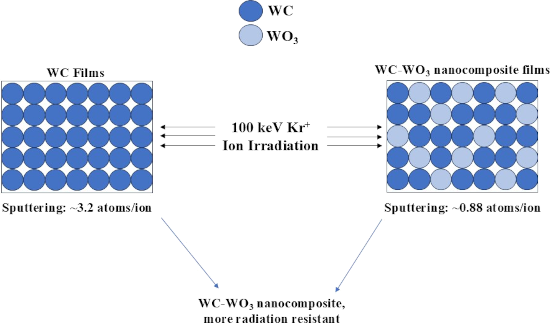
- stability [1][2][3][4][5]. WC is a refractory ceramic compound known for its exceptional hardness, high melting point, and chemical inertness [6]. As a ceramic, WC exhibits strong covalent and ionic bonding, contributing to its mechanical strength and thermal stability under extreme conditions. Its unique



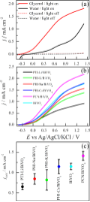
Glycerol photoelectrochemical oxidation reaction at carbon nitrides/BiVO4 materials
Beilstein J. Nanotechnol. 2026, 17, 806–817, doi:10.3762/bjnano.17.57
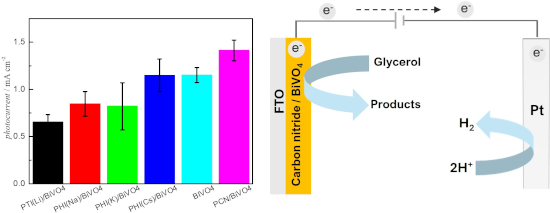
- )/BiVO4. The SEM-EDS analysis after electrochemical tests revealed that the presence of crystalline CNs induces the segregation of vanadium oxides, contributing to a decrease in activity. On the other hand, the superior performance of PCN/BiVO4 is attributed to a greater thermal stability of PCN during
- electrodes. These heterojunctions were applied to photoelectrochemical glycerol oxidation. Furthermore, the effect of Na, K, and Cs alkaline cations in the PHI structures was investigated and the photoactivity for glycerol oxidation was discussed in terms of CN thermal stability. Materials and Methods
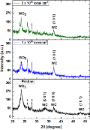
- TGA, as shown in Figure 1. PCN presented greater thermal stability at temperatures below 500 °C, the mass losses being more pronounced for temperatures higher than 550 °C, resulting in a residual mass of 3.3% at 700 °C. On the other hand, remaining materials (PTI-Li, PHI-Na, and PHI-K) exhibited mass




Cellulose as a photocatalyst support material: extraction, structural features, and environmental applications
Beilstein J. Nanotechnol. 2026, 17, 635–652, doi:10.3762/bjnano.17.44
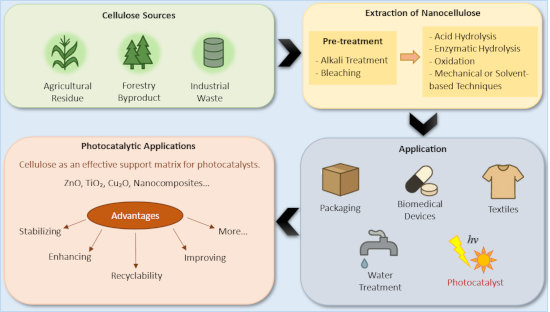
- several unique advantages, including improved thermal stability, more uniform particle sizes, and higher crystallinity relative to those produced by acid hydrolysis [8][46]. Despite these benefits, the process is generally slower and more costly, largely due to the high price of enzymes. Cellulases act as


Recent progress in enhancing built-in electric fields of perovskite solar cells via junction engineering
Beilstein J. Nanotechnol. 2026, 17, 602–621, doi:10.3762/bjnano.17.42
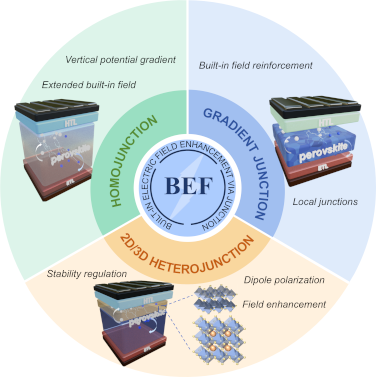
- interfacial compatibility are critical factors governing device performance [3][22][23]. Compared with organic hole transport layers (HTLs) such as Spiro-MeOTAD [24], PEDOT:PSS [25], and PTAA [26], which are prone to moisture absorption and exhibit poor thermal stability, inorganic materials such as CuO [27



Upcycling agroindustrial waste into graphene oxide supports for gold nanoparticles: toward sustainable nanomaterials
Beilstein J. Nanotechnol. 2026, 17, 489–504, doi:10.3762/bjnano.17.32
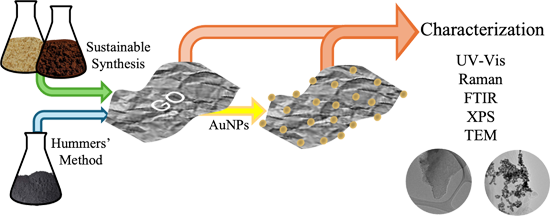
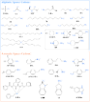
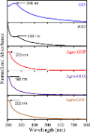
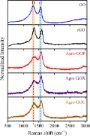
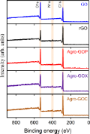
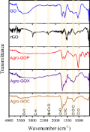
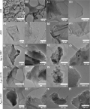
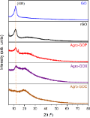
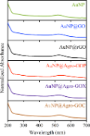
- biomass precursors. Overall, these thermal stability trends are in good agreement with XRD, XPS, Raman, UV–Vis, and TEM characterizations, collectively supporting the coexistence of GO-like domains and amorphous carbon in the agroindustrial waste-derived materials. The corresponding derivative


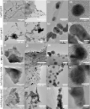

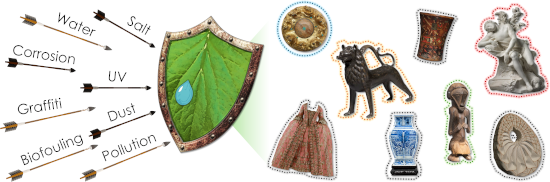
Functional surface engineering for cultural heritage protection: the role of superhydrophobic and superoleophobic coatings – a comprehensive review
Beilstein J. Nanotechnol. 2026, 17, 63–96, doi:10.3762/bjnano.17.6


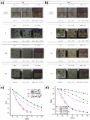
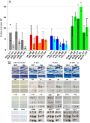


Quality by design optimization of microemulsions for topical delivery of Passiflora setacea seed oil
Beilstein J. Nanotechnol. 2025, 16, 2116–2131, doi:10.3762/bjnano.16.146
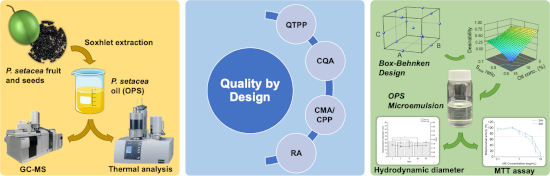
- healing [17][18][19]. In addition to its chemical characterization, the thermal stability in inert atmosphere (N2) of OPS was assessed. Thermogravimetric analysis (TGA) revealed an initial mass loss of less than 1% (Tonset = 60 °C), likely associated with the evaporation of residual solvent entrapped in


Beyond the shell: exploring polymer–lipid interfaces in core–shell nanofibers to carry hyaluronic acid and β-caryophyllene
Beilstein J. Nanotechnol. 2025, 16, 2015–2033, doi:10.3762/bjnano.16.139
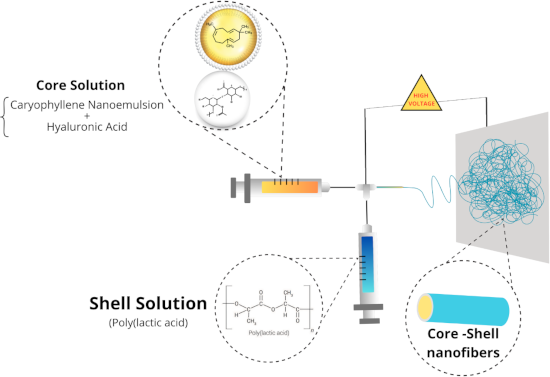
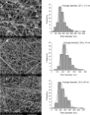
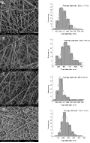
- membrane applications. Thermal and crystalline analyses demonstrated improved thermal stability upon NE-βCp incorporation. Collectively, these results provide robust evidence for the feasibility of producing multifunctional nanofiber membranes that successfully integrate a polymer–lipid hybrid core
- nanoemulsion-loaded PLA are displayed in Figure 8. The TGA and DTG curves provide insights into the thermal stability and decomposition behavior of the nanofibers [65]. At the same time, the DSC and XRD analyses complement the study by elucidating the crystallinity and thermal transitions of the samples
- presence of the core did not reduce the thermal stability of the nanofibers, suggesting that the hybrid HA+NE core may have enhanced this stability, likely due to an interaction between the core and the shell. Complementing the thermal analysis performed by TGA, DSC was used to obtain detailed information




Targeting the vector of arboviruses Aedes aegypti with nanoemulsions based on essential oils: a review with focus on larvicidal and repellent properties
Beilstein J. Nanotechnol. 2025, 16, 1894–1913, doi:10.3762/bjnano.16.132
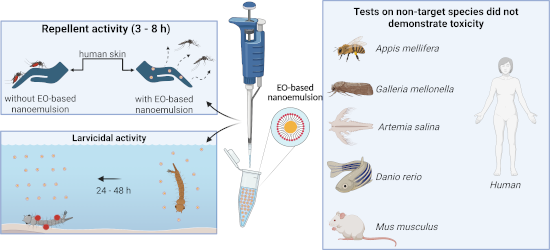
- ultrasound, with a ratio of 1:0.5 (oil/surfactant, polysorbate 80) and Milli-Q water. It presented an average size of 52.18 nm (±4.53), a polydispersity index of 0.237 (±0.006), and thermal stability. In bioassays, third instar larvae exposed to concentrations between 5 and 150 ppm showed LC50 of 58.72 ppm


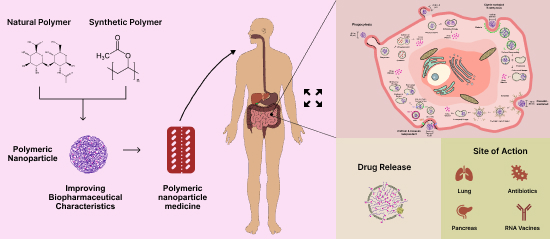
Exploring the potential of polymers: advancements in oral nanocarrier technology
Beilstein J. Nanotechnol. 2025, 16, 1751–1793, doi:10.3762/bjnano.16.122


Advances of aptamers in esophageal cancer diagnosis, treatment and drug delivery
Beilstein J. Nanotechnol. 2025, 16, 1734–1750, doi:10.3762/bjnano.16.121
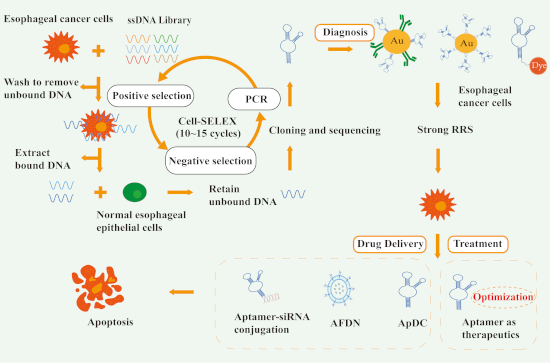
- , this synergistic strategy presents a promising approach to circumvent chemotherapy resistance in cancer treatment. In general, DNA aptamers have higher thermal stability, RNA aptamers are richer in secondary structure, and peptide aptamers are smaller in size and easier to enter cells [29]. Furthermore


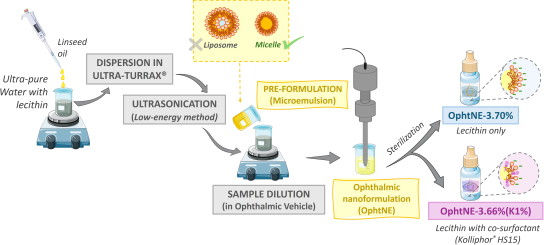
Multifunctional anionic nanoemulsion with linseed oil and lecithin: a preliminary approach for dry eye disease
Beilstein J. Nanotechnol. 2025, 16, 1711–1733, doi:10.3762/bjnano.16.120
- molecular rearrangement and decomposition of the oil into simpler compounds, such as aldehydes, ketones, and aromatic hydrocarbons. These findings affirm the thermal stability of linseed oil at 75 °C, showing no significant changes in acid value or oxidation signs as per GC-FID analysis. TGA and DSC results
- reveal that degradation only occurs above 340 °C, ensuring that the formulation temperature does not affect the oil’s quality or bioactivity. Overall, the oil’s consistent thermal stability, fatty acid profile, and reduced viscosity under heat facilitate the formation of nanoemulsions, thereby enhancing



Nanotechnology-based approaches for the removal of microplastics from wastewater: a comprehensive review
Beilstein J. Nanotechnol. 2025, 16, 1607–1632, doi:10.3762/bjnano.16.114
- consistent and efficient adsorption across reuse cycles. Layered double hydroxides (LDHs) are a distinctive group of 2D inorganic materials known for their remarkable physical and chemical characteristics. Their exceptional ion exchange ability, large surface area, high thermal stability, and customizable
- -dimensional nanomaterials, have received interest across scientific fields owing to their exceptional chemical and thermal stability. Their chemical formula is Mn+1XnTx (n = 1, 2, or 3), where M denotes an early transition metal such as titanium, molybdenum, or vanadium, while X denotes carbon and nitrogen


Dendrimer-modified carbon nanotubes for the removal and recovery of heavy metal ions from water
Beilstein J. Nanotechnol. 2025, 16, 1522–1532, doi:10.3762/bjnano.16.107

- and 150 °C for the unfunctionalized CNTs, which is attributed to the release of physically adsorbed water. Moreover, bare CNTs exhibited thermal stability up to 800 °C with a residual weight of 97.80% suggesting the absence of organic functional groups. In contrast, CNTs functionalized with MA and EDA
- 800 °C, indicating significant thermal stability, but surely less than unfunctionalized CNTs due to the presence of organic functional groups. Further thermal analysis of CNTs functionalized with dendrimers such as CNTs-G1, CNTs-G2, CNTs-G3, and CNTs-G5 have shown more pronounced weight losses at
- above 500 °C could be due to the breakdown of carbon bonds to reconstruct the more stable graphitic structures. The residual weight percentages of CNTs-G1, CNTs-G2, CNTs-G3, and CNTs-G5 at 800 °C were 77.28%, 76.09%, 65.49%, and 61.57%, respectively, indicating a successive decrease in thermal stability


Synthesis and antibacterial properties of nanosilver-modified cellulose triacetate membranes for seawater desalination
Beilstein J. Nanotechnol. 2025, 16, 1380–1391, doi:10.3762/bjnano.16.100
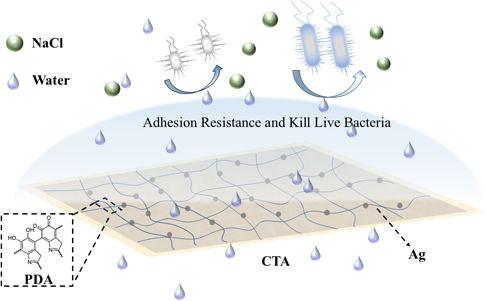
- PDA peaks in the NMR spectra, resulting in the absence of observable characteristic peaks of PDA. Thermogravimetric analysis (TGA) was used to evaluate the membrane’s thermal stability, with the results presented in Figure 2b–d. The minimal differences observed among the three TGA curves also indicate


Functional bio-packaging enhanced with nanocellulose from rice straw and cinnamon essential oil Pickering emulsion for fruit preservation
Beilstein J. Nanotechnol. 2025, 16, 1234–1245, doi:10.3762/bjnano.16.91
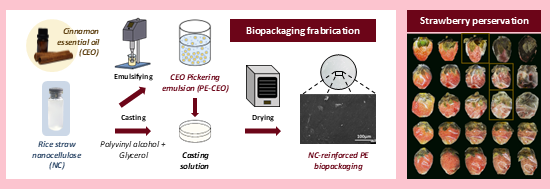
- matrix properties, including tensile strength, elasticity, and thermal stability, due to its high surface area, hydroxy groups forming hydrogen bonds, and excellent dispersion within the matrix [20][21]. This improvement is attributed to interaction between hydroxy groups in NC and PVA, effectively
- release [42]. At temperatures above 380 °C, carbonaceous residues decomposed. The addition of NC shifted the degradation onset temperature to a higher range, indicating improved thermal stability. This could be due to the rigid nature of NC particles, which enhance the structural integrity of the
- composite, delaying its decomposition [24]. CEO did not significantly alter the thermal degradation pattern, confirming that its incorporation did not compromise the thermal stability of the samples. These findings indicate that PVA-NC films are thermally suitable for applications like food packaging, where



Crystalline and amorphous structure selectivity of ignoble high-entropy alloy nanoparticles during laser ablation in organic liquids is set by pulse duration
Beilstein J. Nanotechnol. 2025, 16, 1141–1159, doi:10.3762/bjnano.16.84
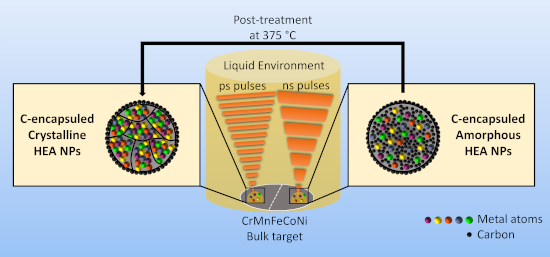
- occur coincidentally but are a reproducible observation (shown in Supporting Information File 1, Section S11). Thermal stability of the amorphous HEA nanoparticles Finally, we aimed to examine the temperature stability of the amorphous HEA NPs. Thereto, we conducted in situ heating experiments in TEM as




Piezoelectricity of hexagonal boron nitrides improves bone tissue generation as tested on osteoblasts
Beilstein J. Nanotechnol. 2025, 16, 1068–1081, doi:10.3762/bjnano.16.78
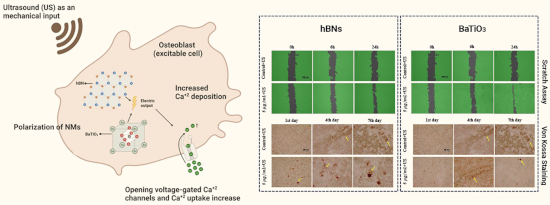
- -dimensional (2D) material, structurally similar to graphene, consisting of alternating boron and nitrogen atoms arranged in a hexagonal lattice. It is well known for its excellent thermal stability, electrical insulation, chemical inertness, and mechanical strength. Importantly, hBN exhibits piezoelectric


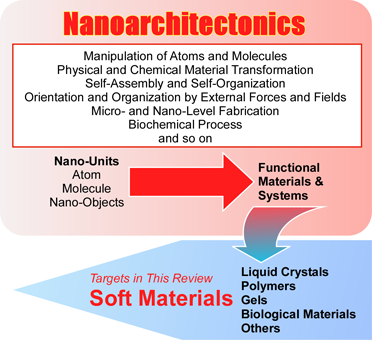
Soft materials nanoarchitectonics: liquid crystals, polymers, gels, biomaterials, and others
Beilstein J. Nanotechnol. 2025, 16, 1025–1067, doi:10.3762/bjnano.16.77
- plastic crystals exhibits exceptional thermal stability, electrochemical stability, and ionic conductivity, making it a promising option. Yoshizawa-Fujita and co-authors investigated the impact of anion species and Mg salt concentration on the characteristics of pyrrolidinium-based organic ionic plastic
- factors that influence the electrolyte properties. The findings demonstrated that, in general, the solids displayed remarkable thermal stability and exhibited high plasticity and ionic conductivity across a broad temperature range. It has been proposed that the formation of disordered interfaces of






Multifunctional properties of bio-poly(butylene succinate) reinforced with multiwalled carbon nanotubes
Beilstein J. Nanotechnol. 2025, 16, 1014–1024, doi:10.3762/bjnano.16.76
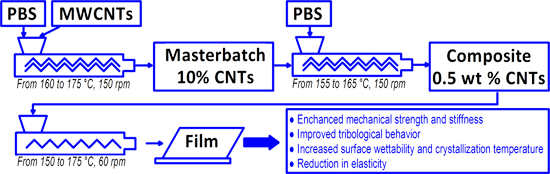
- strength, thermal stability, and biodegradability. However, to broaden its range of applications, certain properties require enhancement, including mechanical performance, thermal and electrical conductivity, biodegradation rate, and barrier properties [1][2][3][4][5]. The limited biodegradability of PBS
- morphology and properties of the polymer matrix by altering its structure, crystallinity, thermal stability, and mechanical behavior [9][10][11]. CNTs can be classified into two basic types, namely, single-walled carbon nanotubes (SWCNTs) and multiwalled carbon nanotubes (MWCNTs). SWCNTs exhibit slightly
- viscoelastic properties of PBS. Wang et al. [19] reported similar results when melt mixing 0.5, 1.0, 2.0, and 3.0 wt % pristine raw MWCNTs with PBS in a mixer. Additionally, they observed an increase in the thermal stability and crystallization temperature of PBS. Champa-Bujaico et al. [18] and Zeng et al. [22



Heat-induced transformation of nickel-coated polycrystalline diamond film studied in situ by XPS and NEXAFS
Beilstein J. Nanotechnol. 2025, 16, 887–898, doi:10.3762/bjnano.16.67
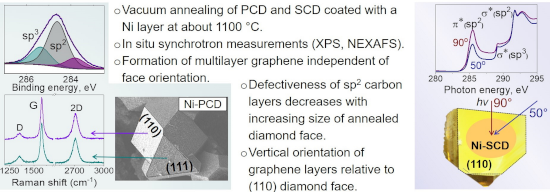
- diamond surfaces is initiated at 750 °C. A temperature of about 1500 °C is needed for the formation of extended graphene-like layers, and temperatures higher than 2000 °C are required for the complete conversion of the diamond (111) surface to graphitic layers [10][11]. Thermal stability of diamond


Serum heat inactivation diminishes ApoE-mediated uptake of D-Lin-MC3-DMA lipid nanoparticles
Beilstein J. Nanotechnol. 2025, 16, 740–748, doi:10.3762/bjnano.16.57
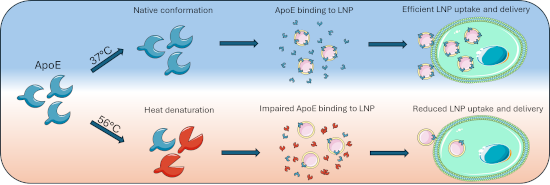
- ratio of both luciferase activities was used as a read out for LNP-mediated knockdown. Protein thermal stability To determine the thermal stability of ApoE, a solution of ApoE or BSA at 170 µg/mL in PBS was incubated at room temperature, 37 °C, 56 °C or 75 °C shaking at 300 rpm for 30 min. Subsequently
- , the solutions were transferred to a black 96 well plate (50 µL/well) after which an equal volume of 20 µM ThT in PBS was added. After 5 min at rt, the fluorescence was measured (excitation: 450 nm, emission: 505 nm) using a Spectramax iD3 plate reader (Molecular Devices). Thermal stability of ApoE in


Polyurethane/silk fibroin-based electrospun membranes for wound healing and skin substitute applications
Beilstein J. Nanotechnol. 2025, 16, 591–612, doi:10.3762/bjnano.16.46
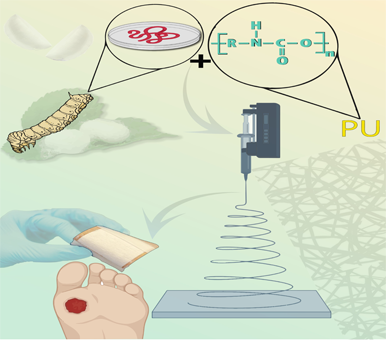
- . developed a micro–nanofiber dressing by electrospinning a blend of SF, chitosan, and halloysite nanotubes (HNTs) loaded with the antibacterial agent chlorhexidine digluconate (CHD). The addition of HNTs considerably altered the nanofiber structure, and increased the material’s thermal stability and