


Search results
Search for "zinc" in Full Text gives 265 result(s) in Beilstein Journal of Nanotechnology. Showing first 200.
Synthesis and characterization of RF-sputtered ZnTe/Cu2−xTe thin films for solar cell applications
Beilstein J. Nanotechnol. 2026, 17, 1016–1027, doi:10.3762/bjnano.17.69
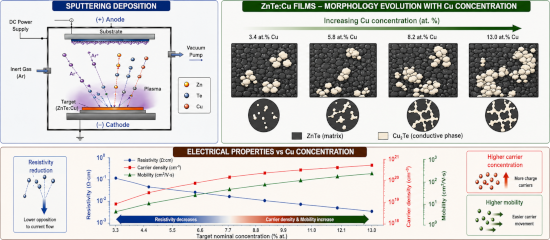
- /bjnano.17.69 Abstract The incorporation of copper and oxygen into zinc telluride (ZnTe) thin films deposited by radio-frequency magnetron sputtering from a single ZnTe–CuO composite target was investigated. The nominal Cu and O concentrations ranged from 3 to 13 atom %, and films were grown at substrate
- temperatures of 300 and 350 °C. Energy-dispersive X-ray spectroscopy confirmed controlled compositional transfer from the target to the films. X-ray diffraction analysis revealed that all films are polycrystalline, exhibiting a coexistence of zinc blende and wurtzite ZnTe phases. Low dopant concentrations
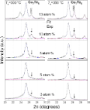
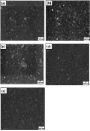
- weaker reflections in the 2θ range of 40–50°. These peaks correspond to a mixture of ZnTe crystalline phases, namely zinc blende [JCPDS 65-5730] and wurtzite [JCPDS 19-1482]. The coexistence of these two polymorphs is commonly reported in sputtered ZnTe films and is associated with growth kinetics and




Supramolecular one-dimensional conducting nanofibers from a C3-symmetric tetrathiafulvalene derivative
Beilstein J. Nanotechnol. 2026, 17, 872–881, doi:10.3762/bjnano.17.63
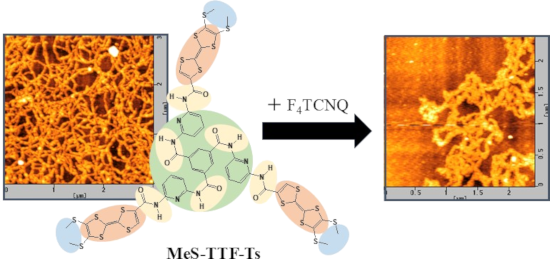
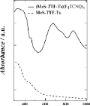
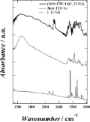
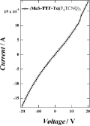
- purification unless otherwise noted. Synthesis of compounds 4,5-Bis(methylthio)-1,3-dithiole-2-thione (2) Iodomethane (790 mg, 5.56 mmol) was added to a solution of zinc chelate 1 (1.000 g, 1.39 mmol) in acetone (25 mL). The reaction mixture was stirred at 25 °C overnight. After removal of the solvent under


Environmental applications of silver nanoparticles: state-of-the-art review and emerging trends
Beilstein J. Nanotechnol. 2026, 17, 697–736, doi:10.3762/bjnano.17.49
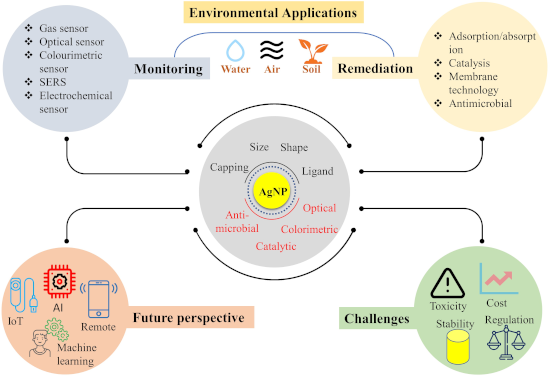
- capacity, which was increased by adding other materials. This includes carbon-based nanocomposites (activated carbon, graphene, and nanotubes), polymer-based nanocomposites (chitosan and alginate), and metal oxide-based nanocomposites (iron, zinc, and titanium) [26]. A recent study confirmed the removal of
- , or zinc oxide, to enhance their photocatalytic activity and improve the degradation of air pollutants [165][166]. A review article highlighted the role of Ag–CeO2 in catalytic removal of CO, soot, and VOCs via multiple mechanisms [167]. A recent study demonstrated the oxidation of acetone and ozone


Cellulose as a photocatalyst support material: extraction, structural features, and environmental applications
Beilstein J. Nanotechnol. 2026, 17, 635–652, doi:10.3762/bjnano.17.44
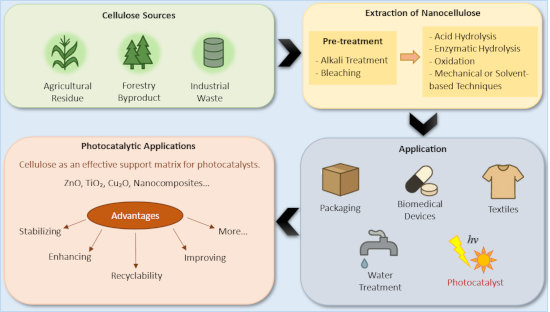
- materials that can absorb light energy and generate electron–hole pairs, which then participate in redox reactions to produce ROS that degrade organic pollutants. Titanium dioxide (TiO2) and zinc oxide (ZnO) are the common catalysts that have been used [18][19]. Figure 3 illustrates the general mechanism of


Impacts of annealing on structural and photophysical properties of zinc phthalocyanine adsorbed on graphene
Beilstein J. Nanotechnol. 2026, 17, 576–585, doi:10.3762/bjnano.17.39
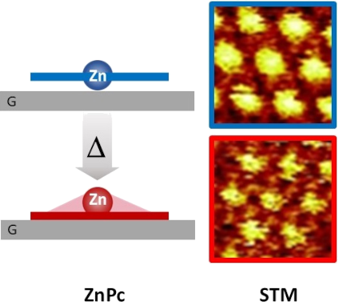
- -tunneling-microscopy and optical microspectroscopy of a 2D phase change experienced by a self-assembled zinc phthalocyanine (ZnPc) monolayer adsorbed on graphene. To probe the intrinsic properties of individual ZnPc molecules, they are spatially confined within the pores of a self-assembled 2D matrix. This
- treatments, as often shown for example with α and β phases of zinc phthalocyanines (ZnPc), with consequences on molecule orientations relative to the substrate and absorbance efficiency [21] or dynamics of charge migration and charge transfer to substrate [22]. Even inside a given phase, minute structural
- conjugated ring and in-plane bending of C–H. Such intensity changes in the bands corresponding to out-of-plane vibrations have been reported to be a consequence of an axial displacement of the zinc ion and subsequent out-of-plane distortion of the ring [43]. It results from a lowering of the symmetry of ZnPc


Probing internal continua and atomic ultrafast charge transfer within size-controlled nanoparticles by post-collision interaction in core-hole clock spectroscopy
Beilstein J. Nanotechnol. 2026, 17, 505–514, doi:10.3762/bjnano.17.33

- , the charge transfer times depend on the very local structure of the nearest atomic neighbors. As the shell growth of CdSe/ZnS QDs is known to be highly anisotropic and often exhibits crystallinity issues due to the lattice mismatch between CdSe and ZnS in zinc blende or wurtzite lattices [12][47], the




Durable antimicrobial activity of fabrics functionalized with zeolite ion-exchanged nanomaterials against Staphylococcus aureus and Escherichia coli
Beilstein J. Nanotechnol. 2026, 17, 262–274, doi:10.3762/bjnano.17.18
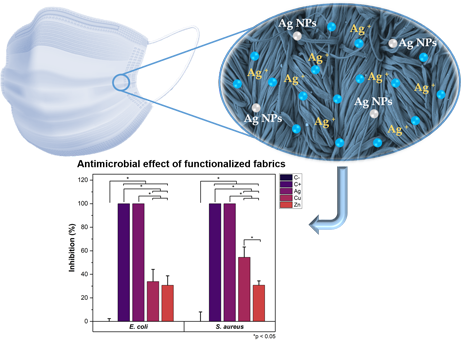
- , silver (Ag+), copper (Cu2+), and zinc (Zn2+) cations are ion-exchanged with Y-type zeolite (CBV-600) and subsequently applied to cotton fabrics using the pad–dry–cure method, with an acrylic resin serving as binder. The resulting functionalized fabrics, containing metal cation concentrations of 1.0–1.5
- microorganisms are unable to develop mutations for adaptation and are destroyed [8][9]. Recently, several types of NPs, including silver, copper, and zinc, have demonstrated great potential in antimicrobial applications due to their properties such as high specific surface area, safety for human use, multiple
- example, CuO NPs with a size of 4.8 nm demonstrated better antibacterial activity than larger particles (7.8 nm) [16]. The small Cu NPs have a greater capacity to penetrate the cell membrane [17][18]. Zinc oxide NPs are well known for their photocatalytic properties. Also, recent studies have demonstrated




Multilayered hyperbolic Au/TiO2 nanostructures for enhancing the nonlinear response around the epsilon-near-zero point
Beilstein J. Nanotechnol. 2026, 17, 251–261, doi:10.3762/bjnano.17.17
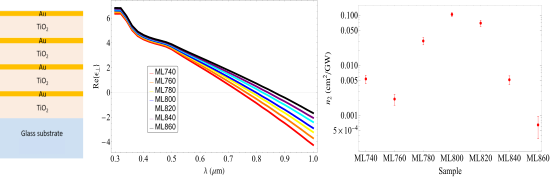
- available materials in nature that present hyperbolic dispersion, such as bismuth and 2D graphene sheets [2], indium tin oxide (ITO) [3], and aluminum-doped zinc oxide (AZO) [4]. HMMs are highly anisotropic and exhibit some interesting properties, including strong enhancement of spontaneous emission


Improving magnetic properties of Mn- and Zn-doped core–shell iron oxide nanoparticles by tuning their size
Beilstein J. Nanotechnol. 2025, 16, 2285–2295, doi:10.3762/bjnano.16.157

- . Consequently, efforts have been made to design new ferrite systems that offer improved performance. One promising strategy involves substituting iron with other divalent metal cations (M) in spinel ferrites (MFe2O4), such as cobalt (Co), manganese (Mn), zinc (Zn), and nickel (Ni), to modify the magnetic
- acetylacetonate, manganese acetylacetonate and oleic acid were purchased from Aldrich. Zinc acetylacetonate was purchased from Merck KGaA. Benzyl ether 99% from Acros organics. And finally, ethanol absolute anhydrous and toluene were purchased from Carlo ERBA. All the reactants were used as received. Synthesis



Visualizing nanostructures in supramolecular hydrogels: a correlative study using confocal and cryogenic scanning electron microscopy
Beilstein J. Nanotechnol. 2025, 16, 2274–2284, doi:10.3762/bjnano.16.156
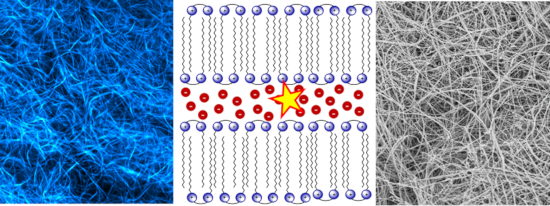
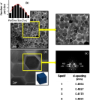
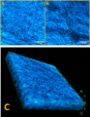
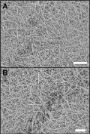
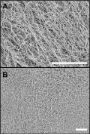
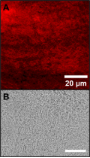
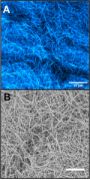
- supramolecular hydrogels present unique challenges in nanoscale morphological characterization because of their fragile fibrous nature and low concentration of the solid component. In this study, imidazolium-based hydrogels containing either diketopyrrolopyrrole (DPP) or zinc(II) phthalocyanine (ZnPc
- that closely correlate with those seen with cryo-SEM. In contrast, the analogous imidazolium gel system containing a sulfonated zinc phthalocyanine (ZnPc@Gel) yields poor CLSM images because of the relatively weak emission and sample disruption during compression, whereas cryo-SEM enables clear
- artefacts stresses the need for multiple orthogonal approaches when interpreting gel morphology [18]. In this study, the morphological features of imidazolium-based supramolecular hydrogel fibres incorporating two distinct fluorescent probes, namely, a zinc phthalocyanine tetrasulfonic acid (ZnPc) and a



Optical bio/chemical sensors for vitamin B12 analysis in food and pharmaceuticals: state of the art, challenges, and future outlooks
Beilstein J. Nanotechnol. 2025, 16, 2207–2244, doi:10.3762/bjnano.16.153


The cement of the tube-dwelling polychaete Sabellaria alveolata: a complex composite adhesive material
Beilstein J. Nanotechnol. 2025, 16, 1998–2014, doi:10.3762/bjnano.16.138
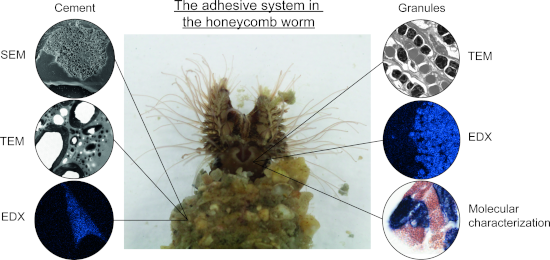
- their byssus [40]. For instance, His residues in the His-rich terminal domains of preCols, the collagenous proteins that make up over 95% of the byssal threads core, can form metal coordination cross-links with zinc ions [41][42]. In the byssal plaque, mfp-4, the protein linking the plaque to the thread





Laser ablation in liquids for shape-tailored synthesis of nanomaterials: status and challenges
Beilstein J. Nanotechnol. 2025, 16, 1963–1997, doi:10.3762/bjnano.16.137
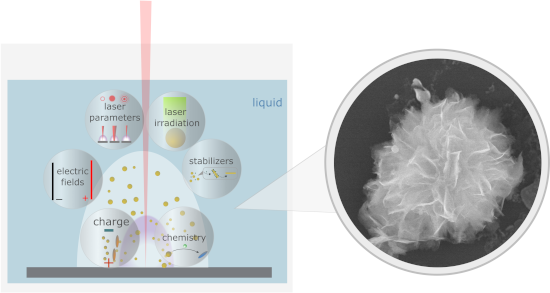
- mercaptan using millisecond laser pulses. The authors propose a mechanism in which zinc sulfide is formed via the reactions of zinc species formed in plasma with sulfur-containing reactive species formed as a result of liquid decomposition. The formation of nanowires was only observed in a narrow window of






On the road to sustainability – application of metallic nanoparticles obtained by green synthesis in dentistry: a scoping review
Beilstein J. Nanotechnol. 2025, 16, 1851–1862, doi:10.3762/bjnano.16.128
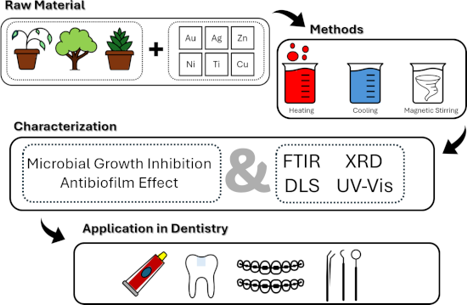
- , particularly in dentistry. This scoping review examines the rising focus on these nanoparticles regarding their antimicrobial, regenerative, and therapeutic potential in dental applications. Among the metals studied, silver and zinc oxide nanoparticles dominate because of their broad-spectrum antimicrobial
- widely studied nanomaterials are metallic nanoparticles, particularly silver (AgNPs), gold (AuNPs), and copper (CuNPs), and various metal oxide nanoparticles such as zinc oxide (ZnO-NPs), due to their high surface-to-volume ratio, chemical stability, and distinctive optical and antimicrobial properties
- biomaterials [16][17]. Owing to their high adaptability to various metals, including silver, zinc, iron, and platinum, their operational simplicity, and the ability to control nanoparticle size and morphology by selecting plant extracts and reaction conditions, green synthesis is gaining increasing prominence


Piezoelectricity of layered double hydroxides: perspectives regarding piezocatalysis and nanogenerators
Beilstein J. Nanotechnol. 2025, 16, 1812–1817, doi:10.3762/bjnano.16.124

- addition to zinc-aluminum LDHs, piezo-photocatalytic properties have also been studied for Ni/Fe LDH [15]. A Ni/Fe-LDH/Bi2MoO6−x composite has been designed for the piezo-photocatalytic N2 oxidation to NO3−. The obtained material displayed a high nitric acid production rate (7.23 mg·g−1·h−1). Experimental

Transient electronics for sustainability: Emerging technologies and future directions
Beilstein J. Nanotechnol. 2025, 16, 1545–1556, doi:10.3762/bjnano.16.109

- has prompted further exploration of chemically analogous materials, such as germanium [45][46], silicon–germanium alloys [45], amorphous semiconductors [45], indium–gallium–zinc oxide (IGZO) [47], and metal oxides such as zinc oxide [48], for their potential as bioresorbable semiconductors. These
- electronic systems. Traditionally studied bioresorbable metals include magnesium, zinc, and their alloy AZ31B [51][52]. Mg has been utilized as a transient conductive material in implantable pressure and temperature sensors, where it served as the interconnects and electrodes and underwent complete
- bioresorption in vivo [14]. Zinc has been proposed for use in bioabsorbable vascular stents, demonstrating ideal degradation behavior and mechanical integrity in animal models [51]. AZ31B, along with molybdenum and tungsten, have been investigated as a substrate and conductive layer in transient electronics due


Dendrimer-modified carbon nanotubes for the removal and recovery of heavy metal ions from water
Beilstein J. Nanotechnol. 2025, 16, 1522–1532, doi:10.3762/bjnano.16.107

- using 30 mL of distilled water through a ring-opening mechanism [51]. Then, 0.4 g of freshly prepared MA was mixed with 3.0 g of a DES synthesized by the reaction of choline chloride and zinc chloride in a 1:2 molar ratio under continuous stirring at room temperature until a homogeneous liquid was


Laser processing in liquids: insights into nanocolloid generation and thin film integration for energy, photonic, and sensing applications
Beilstein J. Nanotechnol. 2025, 16, 1428–1498, doi:10.3762/bjnano.16.104
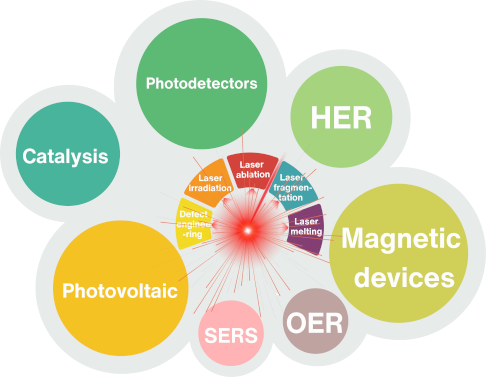
- pulse excitation (532 nm). The morphological changes induced by thermal and photochemical effects were found to influence the optical properties of these particles. Another commonly reported semiconductor material by LFL is zinc oxide (ZnO) [33][34]. The optical properties, particularly the UV emission
- flake-like aggregated structures with an average particle size of 77 nm were observed [114]. ZnO NPs were prepared by laser ablation of metallic zinc powders suspended in water, and thin films were fabricated by drop casting [115]. Figure 11a represents the UV–vis emission intensity ratio of ZnO







Enhancing the therapeutical potential of metalloantibiotics using nano-based delivery systems
Beilstein J. Nanotechnol. 2025, 16, 1350–1366, doi:10.3762/bjnano.16.98
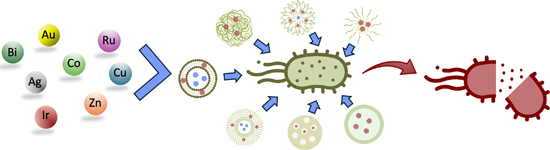
- and B. subtilis revealed that the Cu-loaded composites were active against Gram-positive bacteria but ineffective against Gram-negative strains. This difference is likely due to the hydrophobic nature of the nanofiber membranes, which may hinder interaction with Gram-negative bacteria. Zinc complexes
- Zinc complexes have demonstrated remarkable activity against both Gram-positive and Gram-negative bacteria. While zinc complexes show promise in their free form, their full potential is often limited by solubility, stability, and targeted delivery challenges. Encapsulation addresses these issues by
- advanced topical antibacterial treatments [120]. Different nanosystems have been explored to enhance the effectiveness of zinc complexes, including their incorporation into silica NPs. In this context, the Zn(II)–Schiff base complex 15 (Figure 4) was encapsulated in sol–gel-derived silica nanoparticles


Ferroptosis induction by engineered liposomes for enhanced tumor therapy
Beilstein J. Nanotechnol. 2025, 16, 1325–1349, doi:10.3762/bjnano.16.97
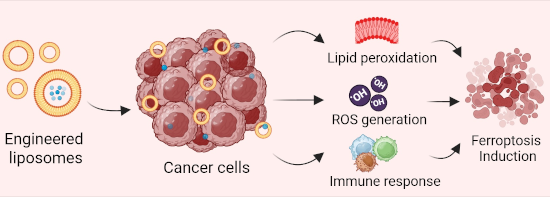
- often accumulate PUFAs due to elevated expression of zinc finger E-box binding homeobox 1 (ZEB1), elongation of very long-chain fatty acid protein 5 (ELOVL5), or fatty acid desaturase 1 (FADS1), which make them vulnerable to ferroptosis. In a similar manner, dedifferentiated melanoma cell subtypes are


Chitosan nanocomposite containing rotenoids: an alternative bioinsecticidal approach for the management of Aedes aegypti
Beilstein J. Nanotechnol. 2025, 16, 1197–1208, doi:10.3762/bjnano.16.88
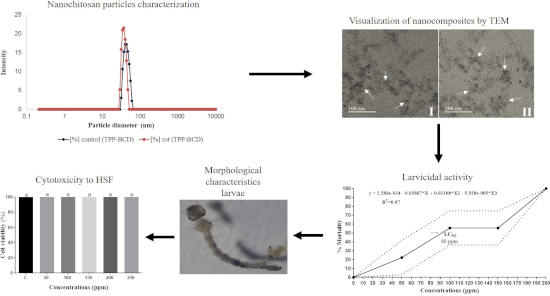
- the nanocomposite to reduce potential environmental damage, such as those reported in the literature for some metal-decorated nanomaterials and their derivatives (silver, gold, copper, zinc, titanium, and silicon) that can be highly toxic to non-target organisms in the environment [18]. The



Electronic and optical properties of chloropicrin adsorbed ZnS nanotubes: first principle analysis
Beilstein J. Nanotechnol. 2025, 16, 1184–1196, doi:10.3762/bjnano.16.87
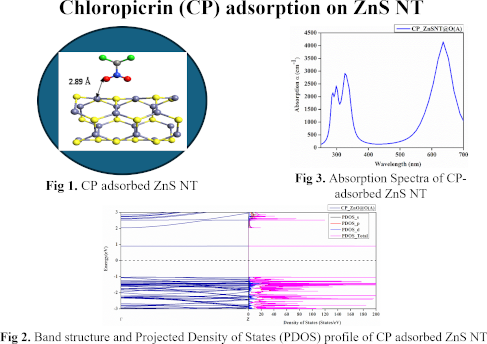
- Information Technology, Allahabad, UP-211015, India 10.3762/bjnano.16.87 Abstract Zinc sulfide nanotubes have garnered significant attention as potential candidates for chemical sensing applications owing to their exceptional structural, electronic, and optical properties. In this study, we employed density
- spectra and optical conductivity peaks, highlight the potential of ZnS NT for designing sensitive and reusable CP gas sensors. Keywords: chemical sensor; chloropicrin (CP); density functional theory; zinc sulfide nanotubes (ZnS NTs); Introduction Chloropicrin (CP), also known as trichloronitromethane
- their bulk counterparts [9][10][11][12][13][14]. Zinc sulfide (ZnS) attracts considerable attention among various nanomaterials due to its unique properties. Nanostructured ZnS with different morphologies, including nanotubes, nanowires, nanoparticles, and nanosheets has been extensively investigated


Fabrication of metal complex phthalocyanine and porphyrin nanoparticle aqueous colloids by pulsed laser fragmentation in liquid and their potential application to a photosensitizer for photodynamic therapy
Beilstein J. Nanotechnol. 2025, 16, 1088–1096, doi:10.3762/bjnano.16.80
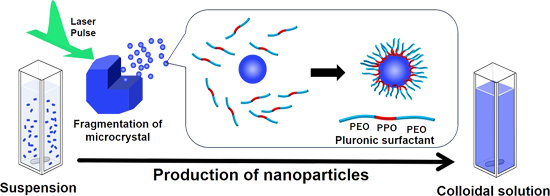
- phthalocyanine (AlClPc, 98%), iron(II) phthalocyanine (FePc, 95%), zinc phthalocyanine (ZnPc, >95%), and 1,3-diphenylisobenzofuran (DBPF) were purchased from TCI Chemicals. All materials were used without further purification. Aqueous solution samples were prepared with deionized water. Fabrication and


Ar+ implantation-induced tailoring of RF-sputtered ZnO films: structural, morphological, and optical properties
Beilstein J. Nanotechnol. 2025, 16, 872–886, doi:10.3762/bjnano.16.66
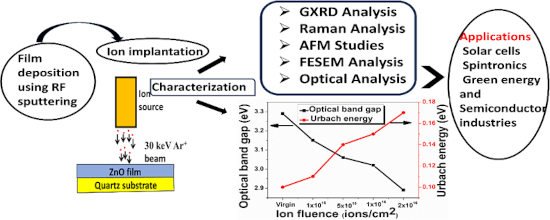
- Manu Bura Divya Gupta Arun Kumar Sanjeev Aggarwal Department of Physics, Kurukshetra University, Kurukshetra, 136119, India 10.3762/bjnano.16.66 Abstract Radio frequency-sputtered zinc oxide films are implanted with 30 keV Ar+ ions at various fluences ranging from 1 × 10¹⁵ to 2 × 10¹⁶ ions·cm−2
- , Urbach energy, and optical bandgap. The low reflectance values of implanted films assure their suitability as transparent windows and anti-reflective coating in various optoelectronic devices. Keywords: AFM; diffuse reflectance; GXRD; polycrystalline; ZnO films; Introduction Zinc oxide has emerged as a
- ] reported the presence of an A1 (LO) Raman mode and a disorder-induced band at low wavenumbers in cadmium-doped zinc oxide films irradiated using 120 MeV Ag9+ and 80 MeV O6+ ions at fluences of 1 × 10¹³ and 3 × 10¹³ ions·cm−2. Further, few studies [16][17] reported the emergence of optical longitudinal






Supramolecular hydration structure of graphene-based hydrogels: density functional theory, green chemistry and interface application
Beilstein J. Nanotechnol. 2025, 16, 806–822, doi:10.3762/bjnano.16.61
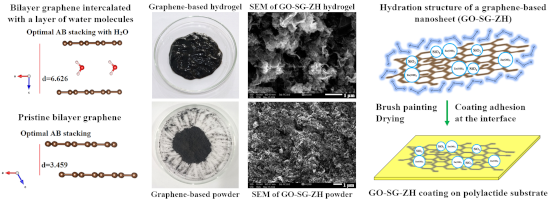
- graphene nanosheets in water-intercalated AB bilayer graphene structures. A layer of water molecules significantly decreases the intersheet van der Waals force. A novel hydrogel of graphene oxide–silica gel–zinc hydroxide (GO-SG-ZH) is experimentally synthesized to demonstrate the advantages of hydrated
- , bandgap energy, and formation energy of the molecular system of bilayer graphene intercalated with a water layer. In the experimental aspect, green chemistry methods were applied for synthesizing GO nanosheets, rice-husk-derived silica gel (SG), nanosilica–zinc hydroxide nanoparticles (SG-ZH), and
- graphene oxide–nanosilica–zinc hydroxide nanocomposites (GO-SG-ZH). Graphite oxidation reaction in a cascade design gives good efficiency values of energy, chemical reaction, and reaction time [14][15]. The recycling of rice husk ash waste into nanosilica products is eco-friendly and sustainable for





