


Search results
Search for "active targeting" in Full Text gives 28 result(s) in Beilstein Journal of Nanotechnology.
Bombesin receptor-targeted liposomes for enhanced delivery to lung cancer cells
Beilstein J. Nanotechnol. 2019, 10, 2553–2562, doi:10.3762/bjnano.10.246
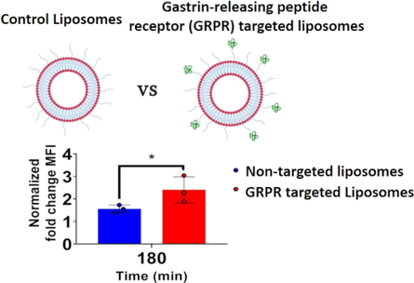
- solutions are used in combination [13]. In preclinical studies, improved therapeutic responses have been achieved by adopting an active targeting approach. Typically, this involves the incorporation of a surface-bound moiety that selectively binds to a cognate receptor/protein on the tumour cell surface
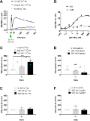
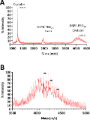

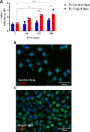
Targeting strategies for improving the efficacy of nanomedicine in oncology
Beilstein J. Nanotechnol. 2019, 10, 168–181, doi:10.3762/bjnano.10.16
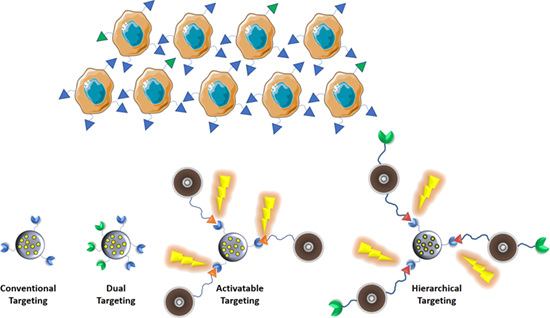
- ]. Active targeting: from cellular to organelle vectorization Once the nanoparticle reaches the tumoral area, it faces a complex scenario. Tumoral masses are not composed by an homogeneous tumoral cell distribution but they are formed by a myriad of different cell populations, from tumoral cells to immune
- solutions, a real alternative? Active targeting is already one of the most used strategies for bringing nanoformulations into tumoral cells. Although usually great results were achieved in vitro, the in vivo assays have shown smaller effects regarding cell internalization. There has been no real enhancement
- diagnosis in early stages of the disease. Thus, active targeting is still widely studied not only for nanomedicine but also for conjugate drugs [58][59]. As was mentioned above, there are three levels of active targeting: tissular targeting, cellular targeting and intracellular or organelle targeting. A


PLGA nanoparticles as a platform for vitamin D-based cancer therapy
Beilstein J. Nanotechnol. 2015, 6, 1306–1318, doi:10.3762/bjnano.6.135
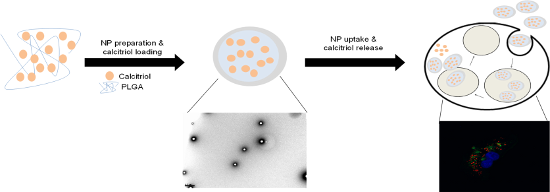
- active targeting, using functionalized NPs [21]. Thus, the drug toxicity on healthy cells could be reduced, increasing NPs accumulation in the target tissues [19]. Although several studies on vitamin D3 encapsulation for food fortification have been conducted, very few works reported the use of


Other Beilstein-Institut Open Science Activities



