


Search results
Search for "antioxidants" in Full Text gives 30 result(s) in Beilstein Journal of Nanotechnology.
Unraveling the neurotoxicity of titanium dioxide nanoparticles: focusing on molecular mechanisms
Beilstein J. Nanotechnol. 2016, 7, 645–654, doi:10.3762/bjnano.7.57
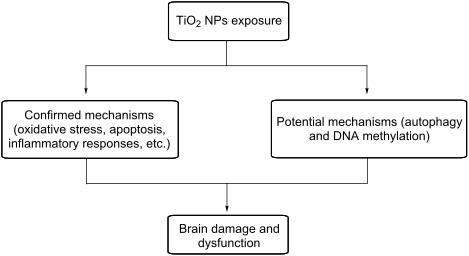
- metabolism [15][16]. However, these free radicals can interact within biological systems, resulting in oxidative damage to the organism. These harmful effects can be counteracted by biological antioxidants, including superoxide dismutase (SOD), catalase (CAT), glutathione peroxidase (GSH-Px), the expression
- of which needs to be coordinately regulated with the onset of OS [17][18]. If this balance is interrupted, levels of NPs-activated OS surpass the capacity of the biological antioxidants, potentially resulting in toxic oxidative stress. As a result, central nervous system (CNS) dysfunctions might
Electrochemical behavior of polypyrrol/AuNP composites deposited by different electrochemical methods: sensing properties towards catechol
Beilstein J. Nanotechnol. 2015, 6, 2052–2061, doi:10.3762/bjnano.6.209
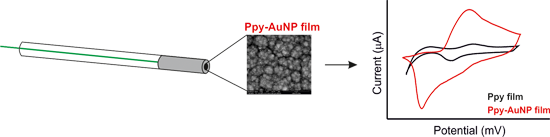
- , electrodes chemically modified with a variety of sensing materials (e.g., phthalocyanines or conducting polymers) have been successfully used as voltammetric sensors for the detection of antioxidants [27]. It has also been demonstrated that the combined use of electrocatalytic materials such as


Fulleropeptide esters as potential self-assembled antioxidants
Beilstein J. Nanotechnol. 2015, 6, 1065–1071, doi:10.3762/bjnano.6.107
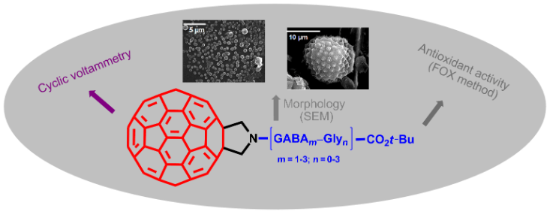


Interaction of dermatologically relevant nanoparticles with skin cells and skin
Beilstein J. Nanotechnol. 2014, 5, 2363–2373, doi:10.3762/bjnano.5.245
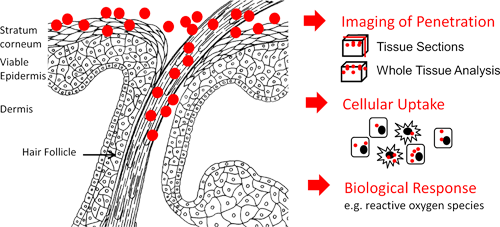
- . Reported studies on nanoparticle-induced oxidative stress use different read-outs for radical production including fluorochromic assays [39], depletion of antioxidants [40], enzyme activity (e.g., catalase [41], superoxide dismutase), or oxidative DNA damage. For example, reactive oxygen species-mediated


Liquid-phase exfoliated graphene: functionalization, characterization, and applications
Beilstein J. Nanotechnol. 2014, 5, 2328–2338, doi:10.3762/bjnano.5.242
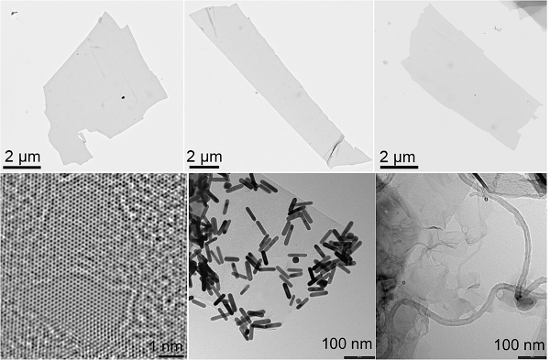
- with different physical and chemical properties. This flexibility allows the incorporation of additives such as surfactants [8], antioxidants [9], and polymers [10] during the ultrasonication process, while increasing the affinity for the solvent, the quality of the resulting graphene layers, or their




Other Beilstein-Institut Open Science Activities



