Search results
Search for "biopolymers" in Full Text gives 41 result(s) in Beilstein Journal of Nanotechnology.
Humidity-dependent wound sealing in succulent leaves of Delosperma cooperi – An adaptation to seasonal drought stress
Beilstein J. Nanotechnol. 2018, 9, 175–186, doi:10.3762/bjnano.9.20
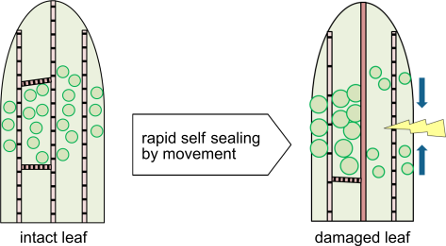
- healing phase can also be found individually [1]. Self-sealing and self-healing can be characterised by various functional principles, such as physical, chemical and/or biological principles, and can take place on one or more hierarchical levels, namely organs, tissues, cells and extracellular biopolymers


Cationic PEGylated polycaprolactone nanoparticles carrying post-operation docetaxel for glioma treatment
Beilstein J. Nanotechnol. 2017, 8, 1446–1456, doi:10.3762/bjnano.8.144
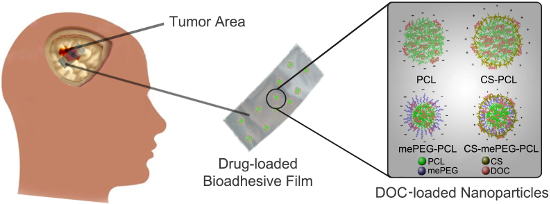
- from Sigma-Aldrich, USA. Chitosan (Protasan® G 113, MW < 200 kDa, deacetylation degree 75–90%) was purchased from FMC Biopolymers, Norway. HpC (Klucel™ hydroxypropylcellulose) was purchased from Ashland, USA. The model anticancer drug, docetaxel (purity 97%), was purchased from Fluka, Switzerland




The longstanding challenge of the nanocrystallization of 1,3,5-trinitroperhydro-1,3,5-triazine (RDX)
Beilstein J. Nanotechnol. 2017, 8, 452–466, doi:10.3762/bjnano.8.49
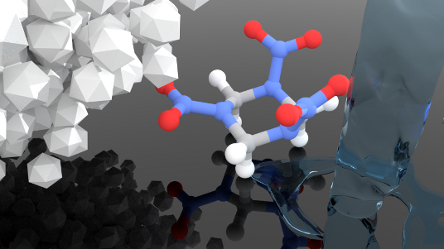
- biopolymers produced by ASES have been reported since the 1990s by Reverchon [55] and Dixon et al. [56]. Nevertheless, that technique can still be used on NC-based composites due to its polymer-like behavior. Solution-enhanced dispersion by supercritical fluid (SEDS) The solution-enhanced dispersion by


Template-controlled piezoactivity of ZnO thin films grown via a bioinspired approach
Beilstein J. Nanotechnol. 2017, 8, 296–303, doi:10.3762/bjnano.8.32
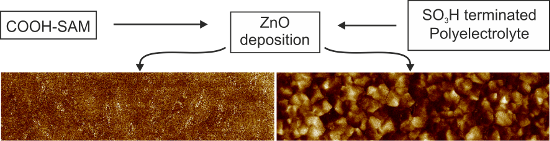
- composite nacre with its remarkable mechanical stability [37]. The growth of the inorganic, polycrystalline aragonite platelets is directed by biopolymers. This organic template leads to oriented attachment of the CaCO3 crystallites so that a preferred orientation along the c-axis arises [38]. According to


Intercalation and structural aspects of macroRAFT agents into MgAl layered double hydroxides
Beilstein J. Nanotechnol. 2016, 7, 2000–2012, doi:10.3762/bjnano.7.191
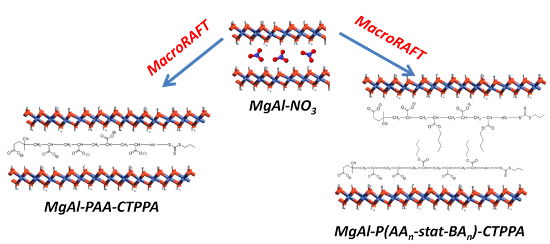
- matrices [5][6][7]. For instance, hybrid LDH involving amino acids, peptides, nucleosides, nucleic acids [8][9][10], biopolymers [11][12] and various drugs [13][14][15] were investigated to develop efficient systems for therapeutic applications [16][17]. Various dyes (sulfonated spyrospiran, methyl orange


3D solid supported inter-polyelectrolyte complexes obtained by the alternate deposition of poly(diallyldimethylammonium chloride) and poly(sodium 4-styrenesulfonate)
Beilstein J. Nanotechnol. 2016, 7, 197–208, doi:10.3762/bjnano.7.18
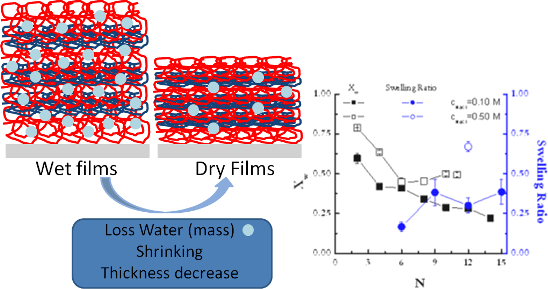
- polyelectrolytes, biopolymers – such as peptides, proteins and nucleic acids – colloidal particles, carbon nanotubes, and/or microgels [8][9][10], which confers to this method an almost unlimited chemical versatility. Even though the method frequently makes use of electrostatic interactions, the multilayers can



Chemical bath deposition of textured and compact zinc oxide thin films on vinyl-terminated polystyrene brushes
Beilstein J. Nanotechnol. 2016, 7, 102–110, doi:10.3762/bjnano.7.12
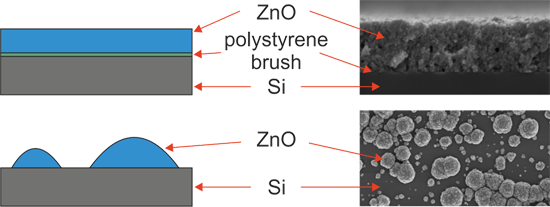
- deposition processes for ZnO nanostructures. For example, biopolymers can control the mineralization and the structure formation of inorganic materials in an aqueous environment. Biopolymeric templates and their structure-inducing properties are in the focus of many recent works and issued in a recent


Green and energy-efficient methods for the production of metallic nanoparticles
Beilstein J. Nanotechnol. 2015, 6, 2354–2376, doi:10.3762/bjnano.6.243
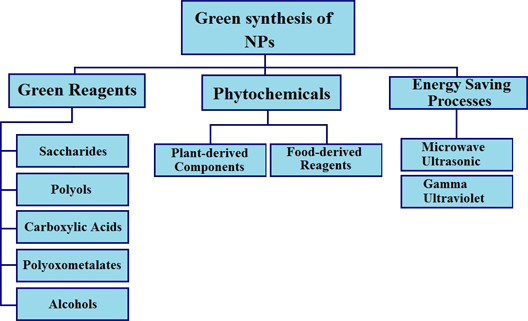
- synthesis of metallic NPs, using biopolymers such as chitosan can eliminate the need to use capping agents [56][86][99]. Catalysis: Selecting proper catalytic reactions can enhance the overall efficiency of the process by decreasing the activation energy and increasing product selectivity. These advantages
- stable in NaCl solution. However, they are aggregated in the presence of NaNO3 or NaH2PO4 [141]. Laudenslager et al. used CTS and carboxymethyl chitosan (CMC) as stabilizing agent for production of Pt, Au and Ag NPs. These two biopolymers gave similar size distributions, while CMC showed higher


Towards multifunctional inorganic materials: biopolymeric templates
Beilstein J. Nanotechnol. 2015, 6, 1698–1699, doi:10.3762/bjnano.6.172

- structure formation of inorganic components in an aqueous environment. Accordingly, composites made of inorganic solids (i.e., calcium phosphate or carbonate) and biopolymers are formed. Furthermore, the resulting combination of inorganic and bioorganic components yields biominerals with unique
Biopolymer colloids for controlling and templating inorganic synthesis
Beilstein J. Nanotechnol. 2014, 5, 2129–2138, doi:10.3762/bjnano.5.222
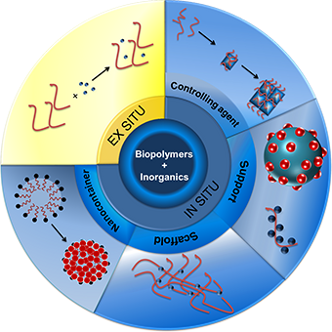
- Laura C. Preiss Katharina Landfester Rafael Munoz-Espi Max Planck Institute for Polymer Research, Ackermannweg 10, 55128 Mainz, Germany 10.3762/bjnano.5.222 Abstract Biopolymers and biopolymer colloids can act as controlling agents and templates not only in many processes in nature, but also in a
- wide range of synthetic approaches. Inorganic materials can be either synthesized ex situ and later incorporated into a biopolymer structuring matrix or grown in situ in the presence of biopolymers. In this review, we focus mainly on the latter case and distinguish between the following possibilities
- : (i) biopolymers as controlling agents of nucleation and growth of inorganic materials; (ii) biopolymers as supports, either as molecular supports or as carrier particles acting as cores of core–shell structures; and (iii) so-called “soft templates”, which include on one hand stabilized droplets


Controlling mechanical properties of bio-inspired hydrogels by modulating nano-scale, inter-polymeric junctions
Beilstein J. Nanotechnol. 2014, 5, 887–894, doi:10.3762/bjnano.5.101
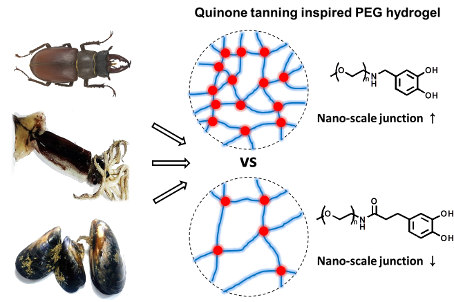
- general approach for creating novel catecholaminergic derivatives of biopolymers such as alginate, hyaluronic acid, chitosan, dextran, and other synthetic or proteineous materials for a variety of applications. Quinone, an oxidized form of catechol, is reactive to nucleophiles such as hydroxyl, amine, and



Cyclodextrin-poly(ε-caprolactone) based nanoparticles able to complex phenolphthalein and adamantyl carboxylate
Beilstein J. Nanotechnol. 2014, 5, 651–657, doi:10.3762/bjnano.5.76
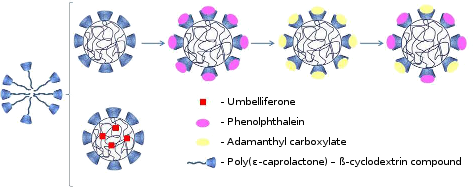
- Daniela Ailincai Helmut Ritter Centre of Advanced Research in Bionanoconjugates and Biopolymers, “Petru Poni” Institute of Macromolecular Chemistry of Romanian Academy, 41A Aleea Grigore Ghica Voda, 700487 Iasi, Romania Heinrich-Heine-Universität, Institut für Organische Chemie und Makromolekulare


Exploring the complex mechanical properties of xanthan scaffolds by AFM-based force spectroscopy
Beilstein J. Nanotechnol. 2014, 5, 365–373, doi:10.3762/bjnano.5.42
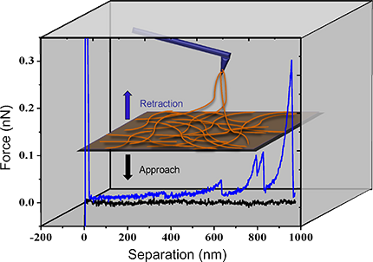
- ; Introduction In general, a scaffold is composed of small units including sheet-like, cylinder-like, tube-like, sphere-like and sponge-like structures. Scaffold structures formed by various biopolymers have attracted more and more attention due to their potential applications in tissue engineering [1], such as


Conducting composite materials from the biopolymer kappa-carrageenan and carbon nanotubes
Beilstein J. Nanotechnol. 2012, 3, 415–427, doi:10.3762/bjnano.3.48
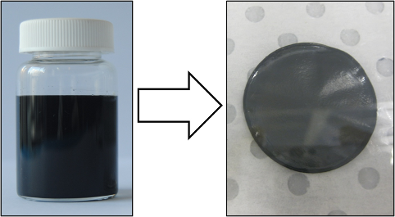
- prepared by evaporative casting. All composite films displayed sensitivity to water vapour, but MWNT films were more sensitive than SWNT films. Keywords: biopolymers; carbon nanotubes; carrageenan; composite materials; conductivity; mechanical; rheology; Introduction Carbon nanotubes (CNTs) have
- their high surface energy and van der Waals interactions [3][5][6][7]. To overcome this issue, a diverse range of molecules have been used to aid the dispersion of CNTs in aqueous media, such as surfactants, polymers and biopolymers [8][9][10][11][12][13][14][15][16]. Well known examples of surfactants
- and polymers include, sodium dodecyl sulfonate, Triton X-100 and polystyrene sulfonate [17][18][19][20][21][22][23][24]. In addition, it has been established that biopolymers such as gellan gum, xanthan gum, gum arabic and iota-carrageenan are effective for the dispersion of CNTs in aqueous solutions


Superhydrophobicity in perfection: the outstanding properties of the lotus leaf
Beilstein J. Nanotechnol. 2011, 2, 152–161, doi:10.3762/bjnano.2.19
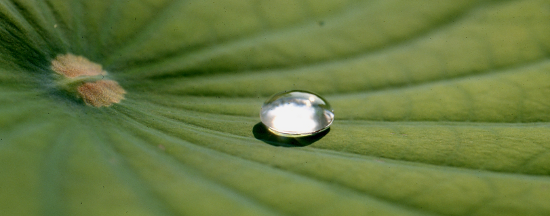
- structure consisting of coarse hairs which can hold a relatively thick air layer, and extremely fine hairs which ensure a high capillary pressure. The biopolymers used in these structures have the advantage of a much higher strength than waxes. On the other hand, the plant surfaces have the capability to







Sensing surface PEGylation with microcantilevers
Beilstein J. Nanotechnol. 2010, 1, 3–13, doi:10.3762/bjnano.1.2
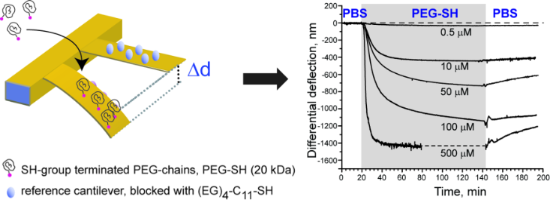
- conjunction with protein adsorption studies, this may have specific applications as integrated (and miniaturizable) process sensors. More generally, this particular capability of microcantilever sensors may provide new insight into the biochemical and nanomechanical properties of biopolymers in vitro. For