


Search results
Search for "cancer cells" in Full Text gives 166 result(s) in Beilstein Journal of Nanotechnology.
Nanocarriers and macrophage interaction: from a potential hurdle to an alternative therapeutic strategy
Beilstein J. Nanotechnol. 2025, 16, 97–118, doi:10.3762/bjnano.16.10
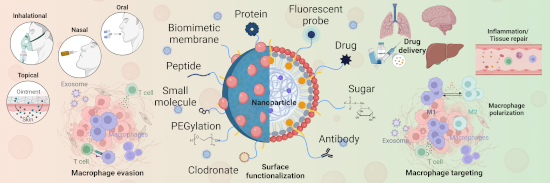
- normal liver tissue [98]. This targeted approach allows for the selective delivery of therapeutic agents to cancer cells, sparing healthy cells and reducing systemic toxicity. For example, gold NPs functionalized with antibodies against GPC3 have been used in photothermal therapy to selectively kill
- cancer cells upon near-infrared light exposure, significantly reducing tumor size with minimal damage to surrounding tissues [99]. Moreover, NCs can be designed to deliver immunomodulatory agents, such as checkpoint inhibitors or cytokines, directly to the tumor microenvironment to enhance antitumor


Mechanistic insights into endosomal escape by sodium oleate-modified liposomes
Beilstein J. Nanotechnol. 2024, 15, 1667–1685, doi:10.3762/bjnano.15.131
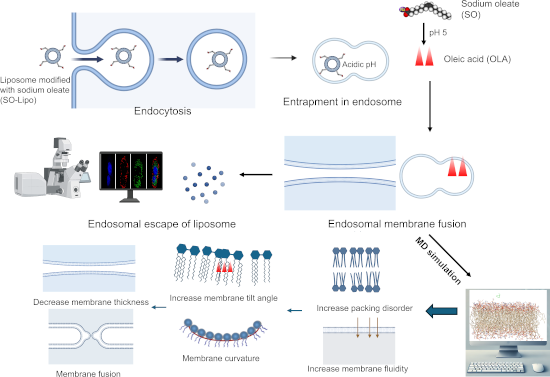
- .15.131 Abstract Endosomal entrapment significantly limits the efficacy of drug delivery systems. This study investigates sodium oleate-modified liposomes (SO-Lipo) as an innovative strategy to enhance endosomal escape and improve cytosolic delivery in 4T1 triple-negative breast cancer cells. We aimed to
- significantly enhance cytosolic delivery in 4T1 triple-negative breast cancer cells, as evidenced by a marked reduction in colocalization with lysosomal markers. The enhanced endosomal escape capability of SO-Lipo is primarily driven by its fusogenic interactions with the endosomal membrane, effectively
- ). The plates were incubated for an additional 3 h at 37 °C to facilitate the reduction of resazurin by the cells. Absorbance was subsequently measured at 570 and 600 nm using a microplate reader, providing data on cell viability. Cellular uptake assay 4T1 triple-negative breast cancer cells were seeded




Biomimetic nanocarriers: integrating natural functions for advanced therapeutic applications
Beilstein J. Nanotechnol. 2024, 15, 1619–1626, doi:10.3762/bjnano.15.127

- , anchored proteins, fatty acids, and other compounds present in these membranes not only confer cell-like properties to the carriers but also prevent immune recognition, extend circulation time, and enhance target mimicry, such as that of cancer cells [33]. Coating particles with membranes has been well
- involves increased material waste and costs [34][35][53]. Regardless of the membrane-masking technique, various cell types can enhance the efficiency of delivery systems, including immune cells (phagocytes, lymphocytes, and NK cells) [54], erythrocytes [55], platelets [56], cancer cells [57] and hybrid
- activity of polylactic glycolic acid (PLGA) nanoparticles coated with membranes, Zhang et al. (2021) tested nanoparticles loaded with gambogic acid and coated with red-blood-cell-derived membranes in colorectal cancer cells. They demonstrated a reduction in phagocytosis, increasing the circulation time of


Polymer lipid hybrid nanoparticles for phytochemical delivery: challenges, progress, and future prospects
Beilstein J. Nanotechnol. 2024, 15, 1473–1497, doi:10.3762/bjnano.15.118
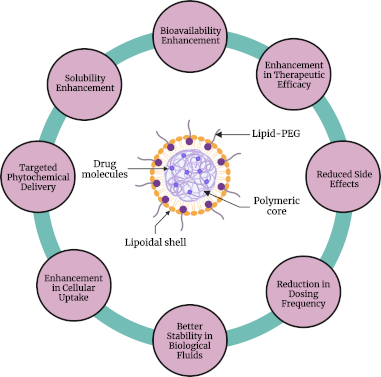
- potent antitumor activity. HCT exhibits significant therapeutic effects, primarily in oncology. It functions as a topoisomerase-I inhibitor, interfering with DNA replication and transcription in cancer cells, leading to cell cycle arrest and apoptosis [123][124]. However, poor aqueous solubility


Realizing active targeting in cancer nanomedicine with ultrasmall nanoparticles
Beilstein J. Nanotechnol. 2024, 15, 1208–1226, doi:10.3762/bjnano.15.98
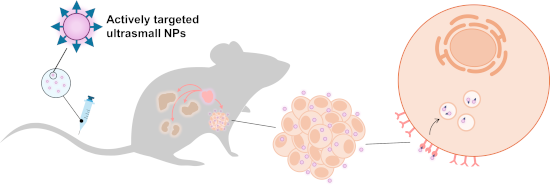
- primarily occurs via transendothelial transport pathways [6][7]. Regardless of the mode of NP extravasation, active targeting strategies have been widely explored to further enhance NP accumulation in tumors and NP internalization by cancer cells [8][9]. Active targeting involves the modification of NPs
- incorporation of active targeting strategies is expected to further enhance the selectivity and performance of usNPs for cancer treatment. By designing usNPs to target surface receptors on cancer cells, tumor retention can be improved by minimizing particle intravasation back to tumor blood vessels. Active
- interaction with cell surface receptors on cancer cells, the incorporation of targeting ligands onto usNPs must optimize the exposure, orientation, and conformation of the functional portion. For small molecules and peptides in particular, the functional moiety must circumvent both steric hindrance from the


Synthesis, characterization and anticancer effect of doxorubicin-loaded dual stimuli-responsive smart nanopolymers
Beilstein J. Nanotechnol. 2024, 15, 1189–1196, doi:10.3762/bjnano.15.96
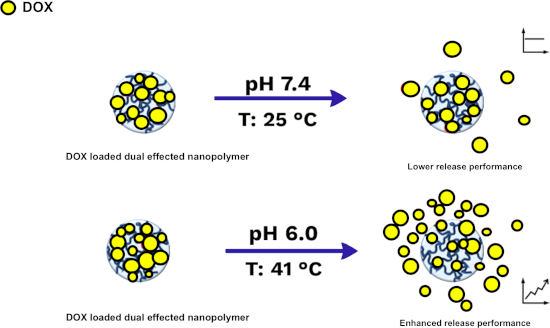
- our case we observed a release reaching a plateau after 12 h (Figure 4B). Also, it was found that in cancer cells in mice, ammonium/ammonia levels in tumor lesions are in the millimolar range, higher than in the blood plasma. Using tumor cells in culture, the authors showed that Doxil in the presence


AI-assisted models to predict chemotherapy drugs modified with C60 fullerene derivatives
Beilstein J. Nanotechnol. 2024, 15, 1170–1188, doi:10.3762/bjnano.15.95
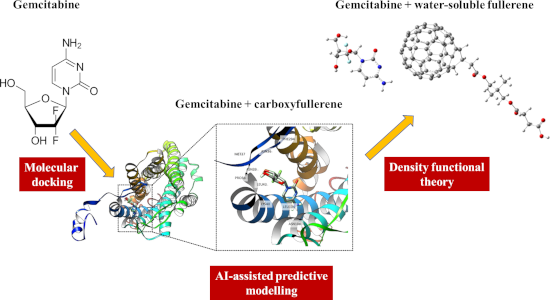
- ][17]. This G-protein is targeted because studies show a possible positive effect on inhibiting the metastasis of cervical cancer cells [18]. However, more clinical and preclinical studies on CXCR7 and its co-player CXCR4 are required since alterations have been detected in diseases such as cancer


Recent updates in applications of nanomedicine for the treatment of hepatic fibrosis
Beilstein J. Nanotechnol. 2024, 15, 1105–1116, doi:10.3762/bjnano.15.89
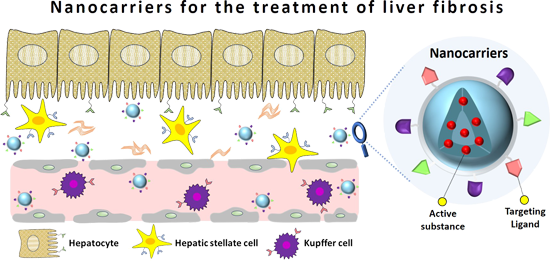
- accumulation selectively through specific binding to receptors overexpressed by cancer cells (left panel of Figure 1), resulting in enhanced therapeutic activity and reduced systemic toxicity. Globally, there are around 15 approved cancer drug nanoformulations for clinical use, and 80 candidates for novel
- illustration of the passive accumulation of NPs through the EPR effect (right panel) and of actively targeting overexpressed markers in cancer cells (left panel). The right panel displays leaky vasculature of tumor vessels with lack of effective lymphatic drainage, allowing for a higher permeability of


Unveiling the potential of alginate-based nanomaterials in sensing technology and smart delivery applications
Beilstein J. Nanotechnol. 2024, 15, 1077–1104, doi:10.3762/bjnano.15.88
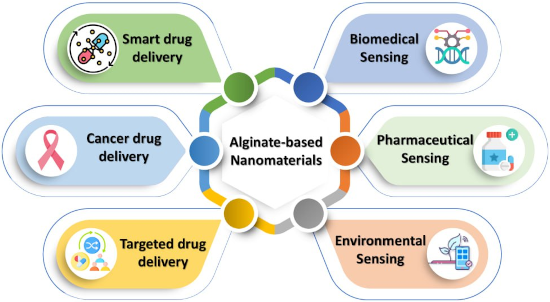
- discussed, including drug delivery and environmental sensing applications for humidity, heavy metals, and hydrogen peroxide. Moreover, biomedical sensing applications of alginate-based nanoparticles regarding various analytes such as glucose, cancer cells, pharmaceutical drugs, and human motion will also be
- example, it is possible to deliver medications to cancer cells with little side effects and minimum damage to healthy cells. As a result, DDSs can improve patient compliance and adherence to medications [39]. Furthermore, smart drug delivery can also increase the bioavailability of drugs, which refers to
- efficiency of 81.2% and a high drug loading capacity of 18.3% were obtained. Furthermore, at pH 5.0, 90% of the DOX was released from the conjugated NPs. An acidic environment can be cause for the reduced electrostatic interaction between alginate and DOX. It is noteworthy that KB cancer cells effectively


Entry of nanoparticles into cells and tissues: status and challenges
Beilstein J. Nanotechnol. 2024, 15, 1017–1029, doi:10.3762/bjnano.15.83
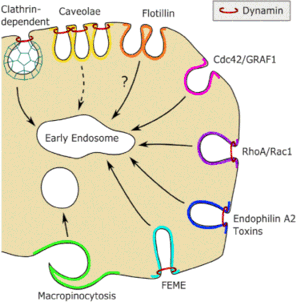
- , it might be an advantage if a given NP with a drug that is supposed to kill the target cell induces macropinocytosis and thereby increases drug uptake. However, increased uptake of nutrients by macropinocytosis has been shown to increase the survival/growth of cancer cells [65][66]. Thus, if one does
- reactions to, for instance, cancer cells and, at the same time, are toxic to the cells we want to kill? If the NPs need to be transported across the endothelial cell layer to reach a tumor, does the mechanism vary and can it be optimized? One should remember that by making complex NPs it could be difficult


Recent progress on field-effect transistor-based biosensors: device perspective
Beilstein J. Nanotechnol. 2024, 15, 977–994, doi:10.3762/bjnano.15.80
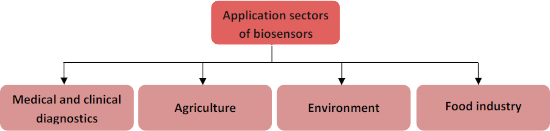
- biosensor. 4 Summary and future research works FET-based biosensors have been designed and developed to achieve higher performance and improved sensitivity in detecting various types of species, such as viruses, cancer cells, proteins, DNA, glucose, and nucleic acids. The latest emerging 3D and 2D FET-based




Therapeutic effect of F127-folate@PLGA/CHL/IR780 nanoparticles on folate receptor-expressing cancer cells
Beilstein J. Nanotechnol. 2024, 15, 954–964, doi:10.3762/bjnano.15.78
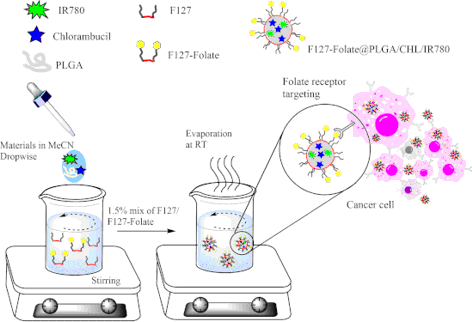
- chemotherapeutic agent chlorambucil (CHL) and the imaging agent IR780. The approach in this study incorporates Pluronic F127-folate onto the PLGA nanoparticles, which enables targeted delivery to folate receptor-expressing cancer cells. The F127-folate@PLGA/CHL/IR780 nanoparticles were formulated using a
- ). Additionally, the F127-folate@PLGA/CHL/IR780 nanoparticles exhibited a lower IC50 value against cancer cells than non-targeted F127@PLGA/CHL/IR780 nanoparticles. These findings suggest that the developed F127-folate@PLGA/CHL/IR780 nanoparticles hold promise as a theragnostic system for targeted cancer therapy
- used. Its receptor is significantly overexpressed in several types of cancer cells, while there is an undetectable expression in normal cells [12]. Hence, the incorporation of folic acid into nanoparticles is helpful in actively targeting tumors [12][13]. In our previous study, F127 was conjugated with



Identification of structural features of surface modifiers in engineered nanostructured metal oxides regarding cell uptake through ML-based classification
Beilstein J. Nanotechnol. 2024, 15, 909–924, doi:10.3762/bjnano.15.75
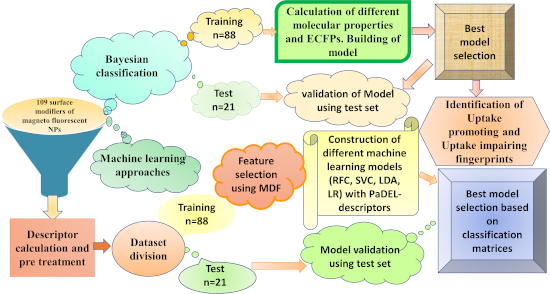
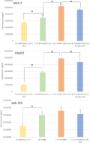
- significantly contribute to the cellular uptake of ENMOs in multiple cell types, including pancreatic cancer cells (PaCa2), human endothelial cells (HUVEC), and human macrophage cells (U937). The best models have been identified for each cell type and analyzed to detect the structural fingerprints/features
- . Ultimately, this cascade leads to damage to cellular organelles and the demise of the cell [13][14][15]. ENMOs have also been explored for potential diagnostic applications, particularly in targeting cancer cells [16][17]. To create target-specific NPs, researchers synthesized magnetofluorescent NPs with an


Radiofrequency enhances drug release from responsive nanoflowers for hepatocellular carcinoma therapy
Beilstein J. Nanotechnol. 2024, 15, 569–579, doi:10.3762/bjnano.15.49
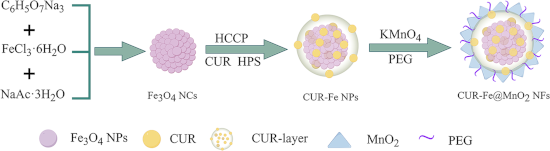
- ). The special structure of nanoflowers improves the stability and efficiency of the surface reaction [24]. Furthermore, prior research has verified that radiofrequency (RF) hyperthermia can significantly improve the sensitivity of cancer cells to chemotherapy at approximately 42 °C [25][26][27


Classification and application of metal-based nanoantioxidants in medicine and healthcare
Beilstein J. Nanotechnol. 2024, 15, 396–415, doi:10.3762/bjnano.15.36
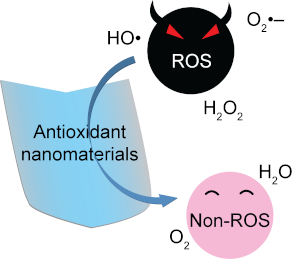
- ]. Antioxidants contribute to cancer inhibition and cancer treatment by several mechanisms. First, nanoantioxidants reduce cancer initiation by protecting DNA molecules from oxidative stress and stimulating DNA repair. For example, platinum nanoparticles inhibited the growth of epithelial lung cancer cells by


Exploring the relationships between physiochemical properties of nanoparticles and cell damage to combat cancer growth using simple periodic table-based descriptors
Beilstein J. Nanotechnol. 2024, 15, 297–309, doi:10.3762/bjnano.15.27
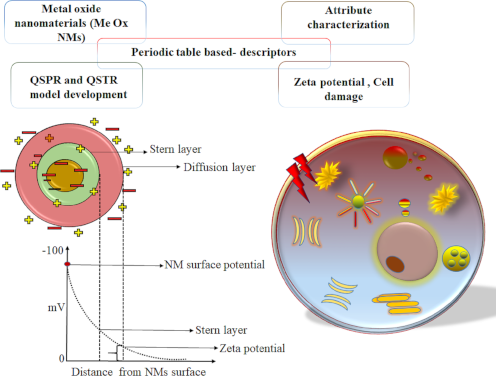
- treatment of cancer cells. To achieve this, QSPR modeling was first performed with 18 metal oxide (MeOx) NMs to measure their materials properties using periodic table-based descriptors. The features obtained were later applied for zeta potential calculation (imputation for sparse data) for MeOx NMs that
- systems. Metal NPs can lead to greater signal amplification, greater sensitivity, and higher detection. However, NPs with properties that generate ROS can increase cell damage. In cancer cells, rapid proliferation leads to an imbalance of oxygen, abnormal structure, and blood supply, making the tumor
- plot for cell damage endpoint (model 2). Zeta potential formation and influence phenomenon in respect to the modeled descriptors. Interpretation of descriptors with respect to cell damage (endpoint) in cancer cells. Results for read across prediction using different similarity-based approaches


Vinorelbine-loaded multifunctional magnetic nanoparticles as anticancer drug delivery systems: synthesis, characterization, and in vitro release study
Beilstein J. Nanotechnol. 2024, 15, 256–269, doi:10.3762/bjnano.15.24
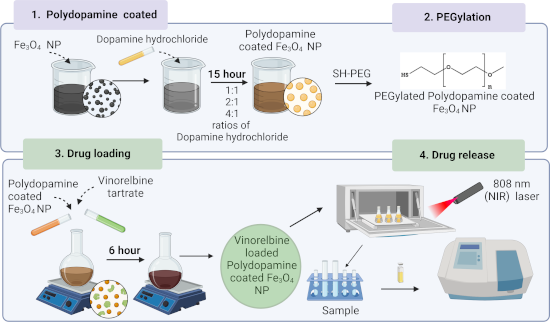
- . Vinorelbine (VNB), a chemotherapeutic agent, has seen significant clinical use in the treatment of lung cancer and advanced breast cancer [30]. VNB affects the continuous mitotic division in cancer cells, thereby impeding uncontrolled growth. By binding to microtubules, VNB exerts an inhibitory effect on


Nanocarrier systems loaded with IR780, iron oxide nanoparticles and chlorambucil for cancer theragnostics
Beilstein J. Nanotechnol. 2024, 15, 180–189, doi:10.3762/bjnano.15.17
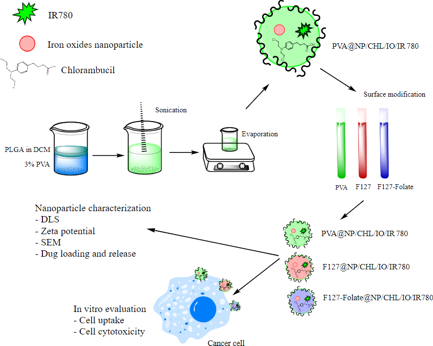
- oxide) (PEO). To improve the targeting ability of nanoparticles, ligands are typically designed to be located on the exterior of nanoparticles. Typically, ligands are cell-type-specific monoclonal antibodies, RGD peptides for the overexpression of the asialoglycoprotein receptor on cancer cells [5
- ], mannose for the mannose receptor on activated macrophages [6][7], and folic acid for the overexpression of the folate receptor on the surface of cancer cells and activated macrophages [8]. Thus, in this study, PLGA was chosen for NP formulation since it is a biocompatible and biodegradable material
- and IR783 are also promising diagnostic choices. Encapsulation of IR780 in nanoparticles can be used for imaging and photothermal, photodynamic, and combinatorial cancer therapies [20][21][22]. IR780 is also utilized in PEG-PLA nanoparticles for photodynamic therapy of human breast cancer cells [23


Elasticity, an often-overseen parameter in the development of nanoscale drug delivery systems
Beilstein J. Nanotechnol. 2023, 14, 1149–1156, doi:10.3762/bjnano.14.95
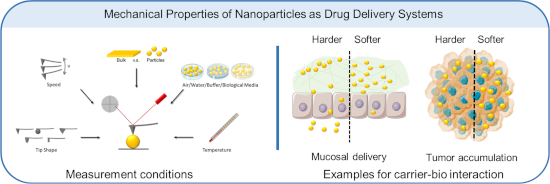
- system when they reach the end of their lifetime [11][12]. Similar data were reported for nanoparticulate systems [13]. Other examples are viruses [14] and cancer cells which can adapt their mechanical properties multiple times during the process of metastasis formation [15]. Looking at these examples


Curcumin-loaded albumin submicron particles with potential as a cancer therapy: an in vitro study
Beilstein J. Nanotechnol. 2023, 14, 1127–1140, doi:10.3762/bjnano.14.93
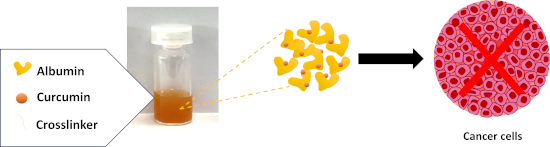
- to confirm the uptake of CUR-HSA-MPs by cancer cells. Our studies revealed that HSA-MPs are potentially promising vehicles for increasing the solubility and bioavailability of CUR. Keywords: albumin submicron particles; cancer therapy; curcumin; drug delivery; Introduction Curcumin (CUR) is a
- especially anticancer potential [1][2]. Several in vivo and in vitro studies in recent years have demonstrated that CUR can influence cancer cell proliferation, invasion, angiogenesis, and metastasis [3]. It has been reported that CUR exerts anticancer effects in human breast cancer cells (MCF-7) by
- silk core–shell nanoparticles show high cytotoxicity and cellular uptake regarding breast cancer cells [14]. However, the effectiveness of zein nanoparticles as a delivery vehicle is limited by their poor stability, as they tend to aggregate when suspended in water [15]. Lyophilizing the particles




Nanoarchitectonics of photothermal materials to enhance the sensitivity of lateral flow assays
Beilstein J. Nanotechnol. 2023, 14, 988–1003, doi:10.3762/bjnano.14.82
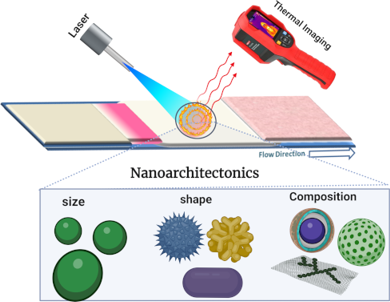
- cancer cells under 650 and 808 nm laser irradiation [54] (Figure 5B). The nanoparticles with a size of 2 nm showed a 5–6% higher photothermal conversion efficiency than the 80 nm particles. The higher photothermal effect of smaller nanoparticles can be explained by the Mie theory, which states that as
- on cancer cells generating two to five times more heat than from magnetic stimulation alone [70]. In another study, clustered iron oxide nanoparticles exhibited a higher PCE than separate iron oxide particles [71]. A study was conducted to analyse how a poly(acrylic acid) coating on iron oxide


Antibody-conjugated nanoparticles for target-specific drug delivery of chemotherapeutics
Beilstein J. Nanotechnol. 2023, 14, 912–926, doi:10.3762/bjnano.14.75
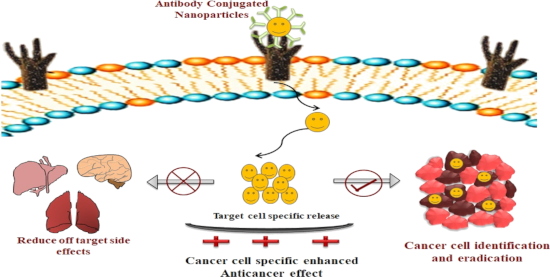
- , India Academy of Scientific & Innovative Research (AcSIR), Ghaziabad-201002, India 10.3762/bjnano.14.75 Abstract Nanotechnology provides effective methods for precisely delivering chemotherapeutics to cancer cells, thereby improving efficacy and reducing off-target side effects. The targeted delivery
- chemotherapeutics specifically to the targeted cancer cells. ACNPs combine the benefits of NPs and mAbs to provide high drug loads at the tumor site with better selectivity and delivery efficiency. The mAbs on the NP surfaces recognize their specific receptors expressed on the target cells and release the
- Herceptin® to improve cellular uptake and cytotoxicity in breast cancer cells [41]. Similarly, Rayavarapu et al. conjugated HER2 antibodies on the surface of gold nanoparticles using a noncovalent conjugation method in order to increase intracellular uptake into cancer cells [42]. The adsorption results



Specific absorption rate of randomly oriented magnetic nanoparticles in a static magnetic field
Beilstein J. Nanotechnol. 2023, 14, 485–493, doi:10.3762/bjnano.14.39
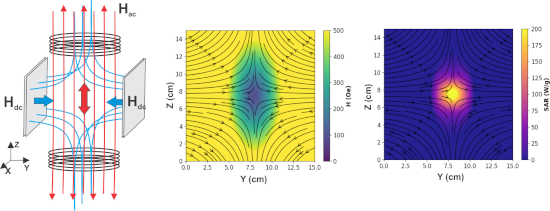
- the tumor in the range of 41–43 °C over several medical treatments leads to the tumor destruction, as well as to the activation of the body’s immune response to cancer cells [8]. However, the introduction of MH into clinical practice is hindered by a number of difficulties. Unfortunately, it is not


New trends in nanobiotechnology
Beilstein J. Nanotechnol. 2023, 14, 377–379, doi:10.3762/bjnano.14.32

- , Selangor, 43900, Malaysia School of Energy and Environment, City University of Hong Kong, Tat Chee Avenue, Kowloon, 999077, Hong Kong 10.3762/bjnano.14.32 Keywords: biocompatible nanoparticles; cancer cells; carrageenan; cytotoxic selectivity; green synthesis methods; nanobiotechnology; SARS-CoV-2; self
- infection caused by SARS-CoV-2. Another important topic covered in this thematic issue is presented in this article: “In search of cytotoxic selectivity on cancer cells with biogenically synthesized Ag/AgCl nanoparticles” [7]. This work explores the use of pineapple waste for the synthesis of silver and
Quercetin- and caffeic acid-functionalized chitosan-capped colloidal silver nanoparticles: one-pot synthesis, characterization, and anticancer and antibacterial activities
Beilstein J. Nanotechnol. 2023, 14, 362–376, doi:10.3762/bjnano.14.31
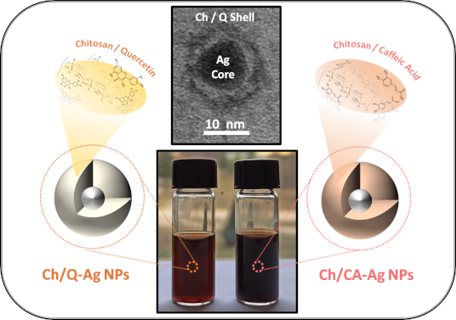
- high dose (500 µM) for 24 h. It decreased cell viability by 75% in glioblastoma cells and by 25% in non-cancerous cells (data not shown). From this, it can be concluded that the selected cancer drug is highly specific to the cancer cells [56]. Therefore, human glioblastoma (U-118 MG) cell lines were
- used to investigate the specificity of nanoparticles to the glioblastoma multiforme cancer cells in the current study. ARPE19 cells as a part of the central nervous system were also used as the non-cancer cell (control). In addition, the antibacterial activity of the synthesized Ag NPs was tested
- /synergistic effects against cancer cells. Moreover, this combination approach with different natural products in binary or ternary systems will offer a better synergistic effect against various bacteria or fungi. According to the results of this preliminary study, chitosan-stabilized silver nanoparticles





