Search results
Search for "development" in Full Text gives 1358 result(s) in Beilstein Journal of Nanotechnology. Showing first 200.
Durable antimicrobial activity of fabrics functionalized with zeolite ion-exchanged nanomaterials against Staphylococcus aureus and Escherichia coli
Beilstein J. Nanotechnol. 2026, 17, 262–274, doi:10.3762/bjnano.17.18
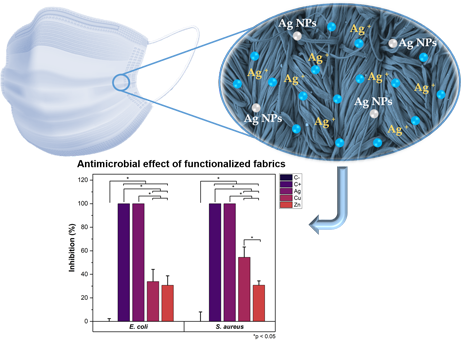
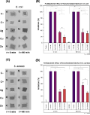
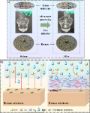
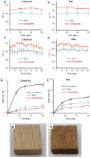
- functionalization. This method demonstrates a simple and industry-compatible approach for producing durable antimicrobial cotton fabrics. Keywords: antimicrobial activity; Escherichia coli; fabrics functionalization; ion exchange; nanomaterial; Staphylococcus aureus; zeolite; Introduction The development of

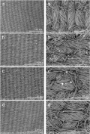



Comparative study on 3D morphologies of delignified, single tracheids and fibers of five wood species
Beilstein J. Nanotechnol. 2026, 17, 239–250, doi:10.3762/bjnano.17.16
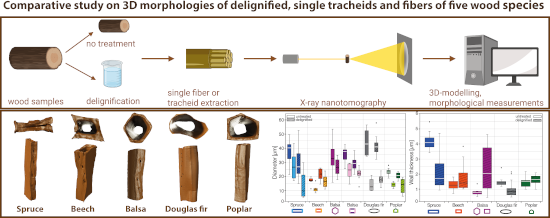
- a key role in preventing cell collapse under high tensile stress or/and inner pressure exerted by the water column during transpiration [8]. Wood delignification is a crucial process in various industries, particularly pulp and paper production, biofuel generation, and the development of advanced
- insights for applications in computer modelling of mechanical properties of fibers and tracheids and for development of novel bio-inspired materials for the industry. Material and Methods Wood samples Wood samples of five different species were used in this study, namely, spruce (Picea abies (L.) H.Karst
- fibers, in general, show wider lumina than softwood tracheids. Environmental factors, such as higher environmental temperatures and less compact, well-aerated soils also promote the development of fibers and tracheids with larger lumina [37][38], which very likely result from high evaporation, as well as


Gold nanoparticle-decorated reduced graphene oxide as a highly effective catalyst for the selective α,β-dehydrogenation of N-alkyl-4-piperidones
Beilstein J. Nanotechnol. 2026, 17, 218–238, doi:10.3762/bjnano.17.15
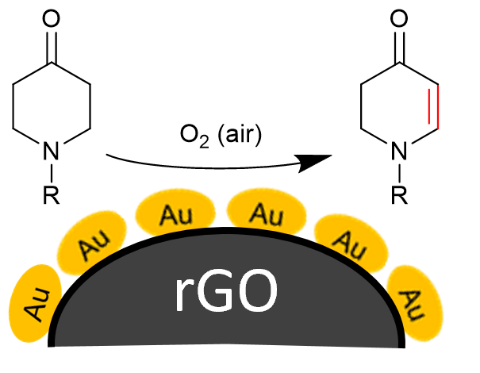
- development of highly efficient catalysts is of constant interest for advancements in organic chemistry, particularly in oxidation, hydrogenation, and coupling reactions. Gold nanoparticles (AuNPs) have emerged as exceptionally effective catalysts for facilitating these types of reactions [3][4]. The unique


Micro- and nanoscale effects in biological and bioinspired materials and surfaces
Beilstein J. Nanotechnol. 2026, 17, 214–217, doi:10.3762/bjnano.17.14

- materials research and technology development. Thies H. Büscher, Rhainer Guillermo Ferreira, Manuela Rebora, and Stanislav N. Gorb Kiel, Uberaba, and Perugia, January 2026
Time of flight secondary ion mass spectrometry imaging of contaminant species in chemical vapour deposited graphene on copper
Beilstein J. Nanotechnol. 2026, 17, 200–213, doi:10.3762/bjnano.17.13
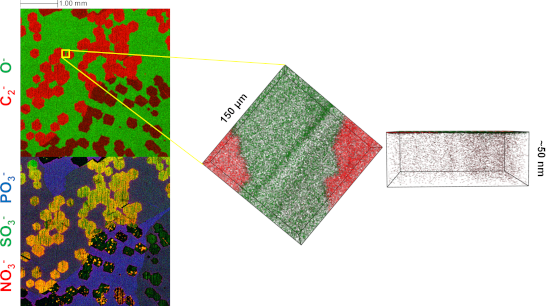
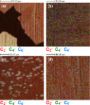
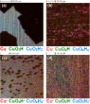
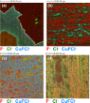
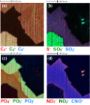
- ; Introduction The development of high quality, high throughput, and highly consistent chemical vapour deposition (CVD) processes for the growth of graphene is one of the major milestones that need to be overcome before the potential properties of graphene can be fully realised for device purposes [1][2][3][4





Structure-dependent thermochromism of PAZO thin films: theory and experiment
Beilstein J. Nanotechnol. 2026, 17, 186–199, doi:10.3762/bjnano.17.12
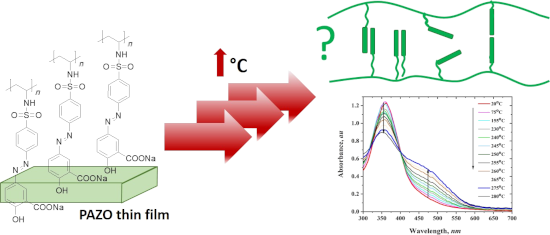
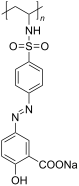
- -00001, Development of Holo-TV Core Technologies for Hologram Media Services). The financial support by the Bulgarian National Science Fund (BNSF) under contract КП-06-Н88/2 is gratefully acknowledged. The computational studies performed by N.K., T.D., and S.A. were funded by the Bulgarian National


Safe and sustainable by design with ML/AI: A transformative approach to advancing nanotechnology
Beilstein J. Nanotechnol. 2026, 17, 176–185, doi:10.3762/bjnano.17.11
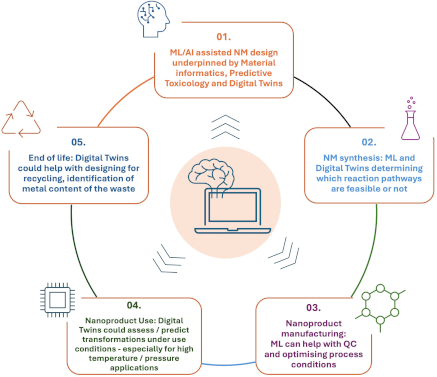
- Georgia Melagraki Hellenic Military Academy, Vari, Greece 10.3762/bjnano.17.11 Abstract Nanotechnology is revolutionizing different sectors such as medicine, energy, defence, and environmental science by enabling the development of materials and technologies with exceptional precision and
- considerations into the earliest stages of material development. Advances in machine learning (ML) and artificial intelligence (AI) have further enhanced the effectiveness of SSbD by providing predictive modelling, risk assessment, decision-making tools, and the ability to computationally screen candidate
- , engineered nanomaterials (ENMs) have been employed for environmental applications, such as water purification and pollutant removal, addressing some of the most pressing ecological challenges [4][5]. Nanotechnology has significant applications in defence [6], particularly in the development of lightweight


From shield to spear: Charge-reversible nanocarriers in overcoming cancer therapy barriers
Beilstein J. Nanotechnol. 2026, 17, 159–175, doi:10.3762/bjnano.17.10
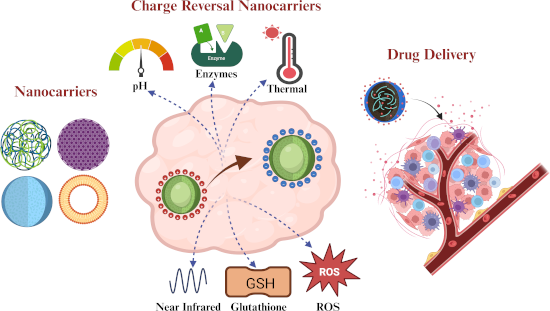
- advancements in nanocarrier-based cancer therapy, recent research has increasingly emphasised refining their physicochemical traits, especially surface charge, to boost therapeutic outcomes. A notable development in this context is the emergence of charge-reversible nanoscale drug delivery systems (CR-NDDSs
- development. Xia et al. developed redox/pH dual-responsive nanoparticles with reversible surface charge which were prepared using HA-SH and CS for the controlled release of the anticancer drug DOX [77]. Zhou et al. developed a pH-responsive charge-reversal polyelectrolyte, and an integrin αVβ3 antibody
- groups and the need for precise control over physicochemical characteristics further increase manufacturing costs and delay clinical development. Maintaining stability during storage is another critical concern, as environmental factors such as temperature fluctuations and light exposure may induce


Capabilities of the 3D-MLSI software tool in superconducting neuron design
Beilstein J. Nanotechnol. 2026, 17, 122–138, doi:10.3762/bjnano.17.8

- inductances has not yet been obtained, and the optimal parameter values are selected numerically [1][31][39][40][41][42]. A generalized theory of the Gauss neuron, accounting for the interaction of all five elements of the experimental device, is currently under development by our group. The necessity of



Development and in vitro evaluation of liposomes and immunoliposomes containing 5-fluorouracil and R-phycoerythrin as a potential phototheranostic system for colorectal cancer
Beilstein J. Nanotechnol. 2026, 17, 97–121, doi:10.3762/bjnano.17.7
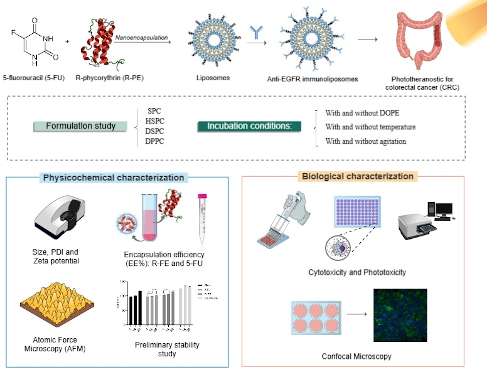
- -positive CRC. To the best of our knowledge, this is the first study to report the development and in vitro evaluation of liposomes and immunoliposomes co-encapsulating 5-FU and R-PE. Thus, liposomes containing 25 mg or 50 mg of soybean phosphatidylcholine (SPC), diesterolphosphatidylcholine (DSPC
- , the HSPC 50 formulation containing R-PE and 5-FU, functionalized with cetuximab, is a promising alternative for the development of co-encapsulation delivery systems as a phototheranostic nanocarriers. Keywords: colorectal cancer; immunoliposomes; photodynamic therapy; R-phycoerythrin; 5-fluorouracil
- by the National Cancer Institute (USA). 2.2 Formulation development 2.2.1 Liposomes Liposomes were prepared by the lipid film hydration method as previously described [18], based on phospholipid/Chol/DSPE–PEG 2000 (70:20:5) with eight different compositions varying the lipid type (HSPC, DSPC, DPPC



Functional surface engineering for cultural heritage protection: the role of superhydrophobic and superoleophobic coatings – a comprehensive review
Beilstein J. Nanotechnol. 2026, 17, 63–96, doi:10.3762/bjnano.17.6
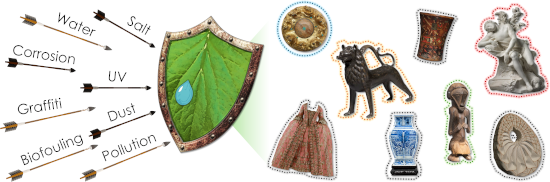
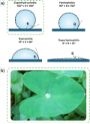
- explores recent advancements in protective strategies for heritage materials including stone, concrete, ceramic, glass, metal, wood, and textiles. Special attention is given to the development and application of superhydrophobic and superoleophobic coatings, which offer promising defense against moisture
- , the actual focus of the modern conservators and researchers in the field is on the design and the development of innovative materials and techniques to guarantee the safety and the preservation of the selected artwork, preventing possible damages and considering all the potential threats [17]. One of




Subdigital integumentary microstructure in Cyrtodactylus (Squamata: Gekkota): do those lineages with incipiently expressed toepads exclusively exhibit adhesive setae?
Beilstein J. Nanotechnol. 2026, 17, 38–56, doi:10.3762/bjnano.17.4
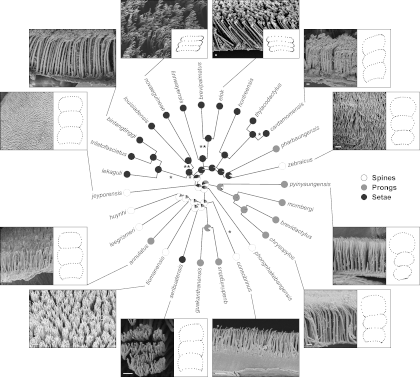
- early-stage development of macroscopically visible incipient toepads. Using SEM and phylogenetic comparative analyses, our objectives were to (a) clarify how integumentary microstructural traits relate to the presence of incipient toepads and (b) identify potential adaptations linked to specific habitat
- types. We hypothesized that (1) species showing incipient toepad development will possess setae, while those lacking obvious macrostructural modifications should exhibit only spines, prongs, or spinules. Additionally, we hypothesized that either (2) the presence of setae is associated with arboreal
- active distoproximal hyperextension of the digits [46][47][48]. In anoles, the pattern of setal length change and the direction of digit detachment from the substratum is reversed [47], and this is also the case in lineages of geckos that exhibit the most basic expression of toepad development [36]. In


Reduced graphene oxide paper electrode for lithium-ion cells – towards optimized thermal reduction
Beilstein J. Nanotechnol. 2026, 17, 24–37, doi:10.3762/bjnano.17.3
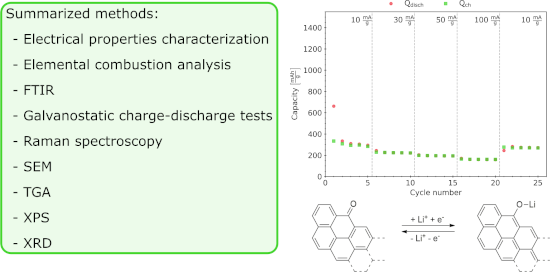
- vacancies enable adsorption sites for electrolyte ions [57]. This research contributes to the development of thermal reduction methods of free-standing rGO thin films, that is, rGO paper. It is worth emphasizing that the presented material was prepared without any additional surfactants or binding agents
- gravimetric capacity below 200 mAh/g obtained during cycling at 100 mA/g current density. The basic rGO paper parameters investigated herein allow for further development of graphene paper electrode materials with a particular focus on functionalization and the graphene paper thickness. (a) Scheme of a
- XPS spectra: samples T600 and T800. Funding The research leading to these results has received funding from the National Centre for Research and Development, Poland, under Grant Agreement No. MERA.NET3/2021/83/I4BAGS/2022 for project “Ion Implantation for Innovative Interface modifications in Battery



Terahertz-range on-chip local oscillator based on Josephson junction arrays for superconducting quantum-limited receivers
Beilstein J. Nanotechnol. 2025, 16, 2296–2305, doi:10.3762/bjnano.16.158
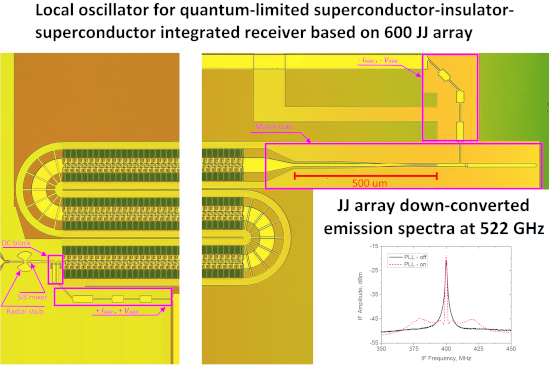
- , Moscow Region, 141701, Russian Federation 10.3762/bjnano.16.158 Abstract In this paper we present the results of the development, fabrication, measurements, and analysis of terahertz-range oscillators based on Josephson junction arrays embedded into the central electrode of a coplanar line. The
- local oscillator (LO) [4]. This effect together with the operation at cryogenic temperatures and the quantum nature of the mixer itself allow for the development of receivers with the noise temperature Tn only a few times higher than the quantum limit ≈hf/kB, where h and kB are the Planck and Boltzmann


Improving magnetic properties of Mn- and Zn-doped core–shell iron oxide nanoparticles by tuning their size
Beilstein J. Nanotechnol. 2025, 16, 2285–2295, doi:10.3762/bjnano.16.157
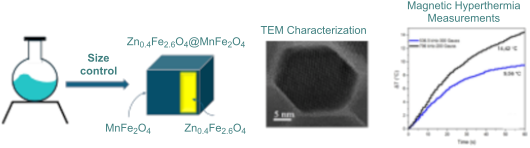
- development of magnetic nanoparticles with enhanced SAR and improved biocompatibility has been a major objective in the field of nanomedicine. Among the various materials used for magnetic hyperthermia, superparamagnetic iron oxide nanoparticles (SPIONs), such as magnetite (Fe3−δO4) and maghemite (γ-Fe2O3
- microscopy (HRTEM) provides a comprehensive understanding of the material’s composition and properties. This work paves the way for the development of next-generation biocompatible magnetic nanoparticles for cancer therapy and other biomedical applications. Materials and Methods Materials Iron



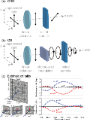
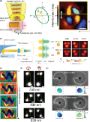
Chiral plasmonic nanostructures fabricated with circularly polarized light
Beilstein J. Nanotechnol. 2025, 16, 2245–2264, doi:10.3762/bjnano.16.154
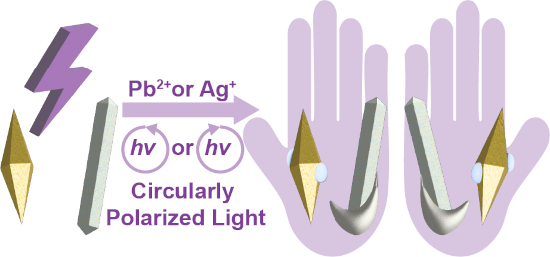
- . Additionally, the optical chirality at the near field is greater than that of the incident CPL, increasing the polarization selectivity of the interactions between molecules and CPL [17][18]. After more than two decades of development, the synthesis of cPNSs has evolved from nanolithography and self-assembly
- fundamental studies are needed to develop material platforms to advance more complicated commercial applications. Integrating nanolithography with CPL-induced solution synthesis can facilitate the construction of chiral metamaterials. This approach will accelerate material development and enhance the





Optical bio/chemical sensors for vitamin B12 analysis in food and pharmaceuticals: state of the art, challenges, and future outlooks
Beilstein J. Nanotechnol. 2025, 16, 2207–2244, doi:10.3762/bjnano.16.153
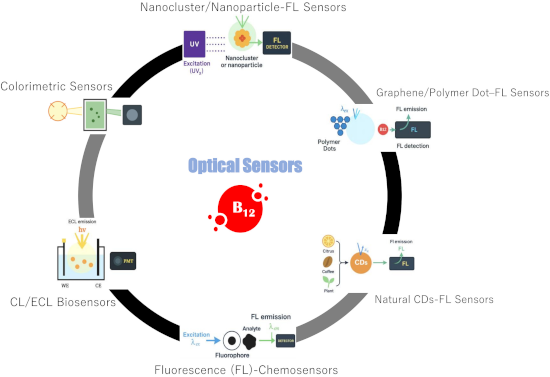
- dot (CD)- and quantum dot (QD)-based sensors). The advent of optical biosensing technologies has resulted in a new era for VB12 analysis, characterized by the development of innovative CD- and QD-based sensors. These nanomaterials offer several advantages over conventional methods, including enhanced
- ]. This water-soluble micronutrient is essential for improving brain and nervous system functions, blood cell development, bone health improvement, energy and DNA production, fertility and embryo development, control of neurological symptoms (e.g., stress, depression, dementia, and visual disturbances
- populations, vegetarians and vegans, pregnant women, and breastfeeding infants of VB12-deficient mothers, particularly in developing countries [10][38][39][40]. VB12 has a pivotal role in the development of the fetal and neonatal brain. Therefore, mothers with vegetarian and vegan diets should significantly


Missing links in nanomaterials research impacting productivity and perceptions
Beilstein J. Nanotechnol. 2025, 16, 2168–2176, doi:10.3762/bjnano.16.149
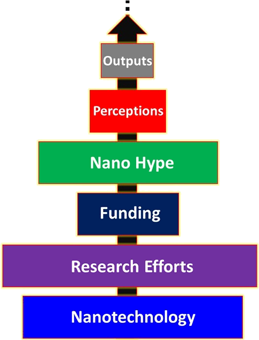
- internal research and development (R&D) programs focused on various aspects of nanomaterials. However, because their existing production and engineering infrastructures are heavily optimized for bulk materials, these companies are intentionally avoiding disruptive changes in instrumentation, processing
- . Unlike generative AI where a large portion of funding goes directly into product development and use, nanotechnology, still in a growing and exploratory phase has required considerable investment in physical infrastructure, metrology, safety protocols, and specialized facilities. These investments are
- . Although such funding adds to the nominal investment figures, it is frequently used to establish buildings and institutional branding rather than driving core scientific innovation and product development. These CSR contributions, especially when tied to tax benefits/political goodwill, rarely undergo
Microplastic pollution in Himalayan lakes: assessment, risks, and sustainable remediation strategies
Beilstein J. Nanotechnol. 2025, 16, 2144–2167, doi:10.3762/bjnano.16.148
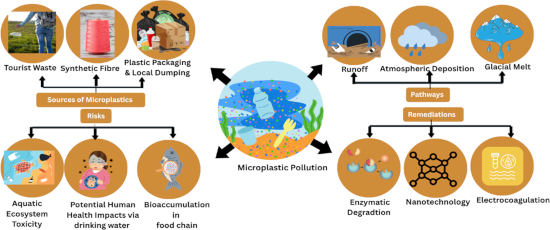
- Sameeksha Rawat S. M. Tauseef Madhuben Sharma Sustainability Cluster, School of Advanced Engineering, UPES, Dehradun, Uttarakhand, India Research & Development, UPES, Dehradun, Uttarakhand, India 10.3762/bjnano.16.148 Abstract Microplastic contamination is a newly emerging environmental problem
- also been used regarding Himalayan catchments to simulate subsurface flow and contaminant loading under varying climate and land use scenarios [22]. The models can be used to simulate MP transport in high-altitude lake basins, although particle-bound adaptations are under development. The melting of
- development of portable, low-cost systems for nanoscale analysis is a significant field of future studies [34]. 5 Remediation techniques 5.1 Overview of current technologies for microplastic removal Various physical, chemical, and biological methods are employed with the hope of effectively removing MPs from


Quality by design optimization of microemulsions for topical delivery of Passiflora setacea seed oil
Beilstein J. Nanotechnol. 2025, 16, 2116–2131, doi:10.3762/bjnano.16.146
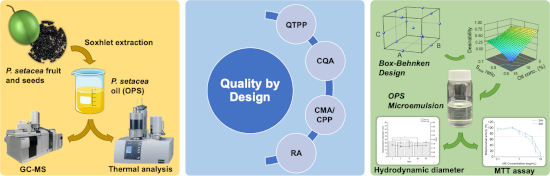
- of the physicochemical properties and interactions of their constituents [7][9]. In this context, the quality by design (QbD) framework provides a systematic and scientifically grounded approach for pharmaceutical formulation development. QbD emphasizes predefined quality objectives, product and
- for Passiflora setacea seed oil. QbD principles and experimental design methodologies were employed to guide formulation development. The microemulsion was designed to enhance physicochemical stability, improve skin application performance, and support future therapeutic applications. Results and
- formulation to ensure quality consistency. Experimental design for the development and optimization of Passiflora setacea microemulsion An initial exploratory 23 full factorial applied was employed to evaluate the effects and interactions among key formulation variables (see Supporting Information File 1


Rapid synthesis of highly monodisperse AgSbS2 nanocrystals: unveiling multifaceted activities in cancer therapy, antibacterial strategies, and antioxidant defense
Beilstein J. Nanotechnol. 2025, 16, 2105–2115, doi:10.3762/bjnano.16.145
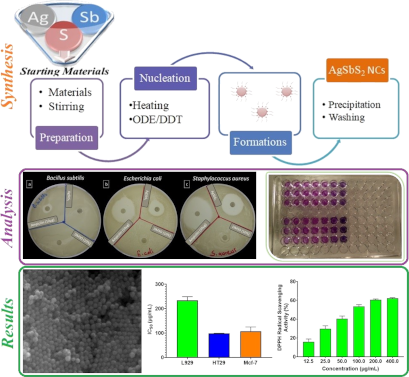
- years, the integration of science and technology has been well orchestrated to address challenges in medicine and health sciences and to evaluate therapeutic aspects [1]. This integration has contributed to the development of a more efficient healthcare system, innovative nanomedical tools and advanced
- , chemical, or biological attributes offer novel foundational elements for the design and development of devices and systems aimed at diagnosing and treating various diseases. Hence, nanoparticles or nanomaterials can be engineered to have various useful medical functions [4]. The assessment of the
- avenue for the development of targeted cancer therapies by leveraging this inherent selectivity. Although direct mechanistic assays such as ROS quantification or apoptosis marker analysis were not performed in this study, previous research on silver-based nanomaterials offers valuable insights into


Toward clinical translation of carbon nanomaterials in anticancer drug delivery: the need for standardisation
Beilstein J. Nanotechnol. 2025, 16, 2092–2104, doi:10.3762/bjnano.16.144
- enhancing therapeutic delivery, particularly in areas such as cancer treatment. This perspective highlights critical considerations in the development of CNM-based nanocarriers, spanning from initial design to clinical implementation. Keywords: carbon nanomaterials (CNMs); carbon nanoparticles (CNPs); drug
- Fund and the European Union [19]. Despite our understanding of preventable contributing factors, cancer remains a global burden, affecting over 10 million people annually. As of 2016, it is the leading cause of death in 55 countries (Figure 2), particularly those with high Human Development Index (HDI
- ) values. The higher cancer burden in high-HDI countries is attributed to the development of vaccines and treatments for infectious diseases and other causes of premature mortality [20][21]. With a 53% drop in cardiovascular disease mortality rates in countries with very high HDI between 1981–1985 and 2006



Molecular and mechanical insights into gecko seta adhesion: multiscale simulations combining molecular dynamics and the finite element method
Beilstein J. Nanotechnol. 2025, 16, 2055–2076, doi:10.3762/bjnano.16.141







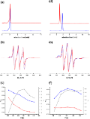
Stereodiscrimination of guests in chiral organosilica aerogels studied by ESR spectroscopy
Beilstein J. Nanotechnol. 2025, 16, 2034–2054, doi:10.3762/bjnano.16.140
- electromagnetic properties, enabling the development of metamaterials with negative refractive indices or chiral photonic crystals, which can manipulate light in novel ways. Another exciting area of research in chiral materials is developing supports for enantioselective catalysis [5][6]. Enantiomers are




Beyond the shell: exploring polymer–lipid interfaces in core–shell nanofibers to carry hyaluronic acid and β-caryophyllene
Beilstein J. Nanotechnol. 2025, 16, 2015–2033, doi:10.3762/bjnano.16.139
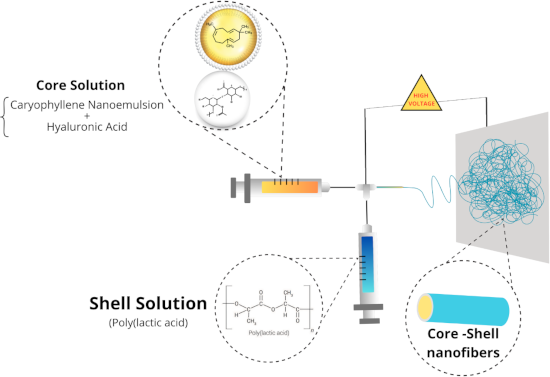
- biomaterials, recent decades have seen intensive research into novel therapeutic strategies for regenerative medicine [1][2][3][4]. Within this scenario, a pivotal current strategy in formulation development focuses on integrating nanocarriers with nanoscale three-dimensional biomaterials, enabling major
- conventional fibrous materials. Their flexibility in fabrication allows for integration into a broad range of applications, from drug delivery scaffolds to composite biomaterials, contributing to their increasing relevance in both scientific research and industrial development [11][12][13][14]. To leverage the
- -adherent dressings. However, for applications where cell adhesion is desired, surface modifications may be necessary. Thus, the data presented here significantly contribute to the understanding of polymer–lipid interactions in coaxial systems and pave the way for the development of multifunctional