


Search results
Search for "drug delivery systems" in Full Text gives 142 result(s) in Beilstein Journal of Nanotechnology.
Investigation of the solubility of protoporphyrin IX in aqueous and hydroalcoholic solvent systems
Beilstein J. Nanotechnol. 2025, 16, 1209–1215, doi:10.3762/bjnano.16.89
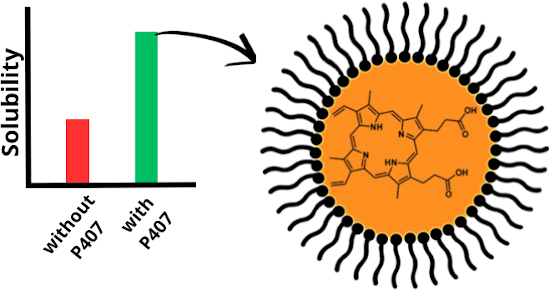
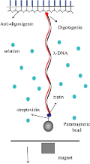
- its bioavailability and light absorption capacity will be increased [5]. To overcome this problem, the development of drug delivery systems, such as poloxamer-based ones, has played an important role on the delivery of dyes for PDT [8][9][10]. Poloxamers are triblock copolymers with thermosensitive
- optimize the development of new drug delivery systems for PDT applications. Moreover, the potential of P407 as a feasible system for PpIX delivery was also evaluated in different media. Experimental Preparation of the systems The systems were prepared at least 24 h before the test and used for up to seven


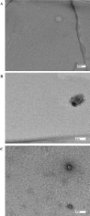
Soft materials nanoarchitectonics: liquid crystals, polymers, gels, biomaterials, and others
Beilstein J. Nanotechnol. 2025, 16, 1025–1067, doi:10.3762/bjnano.16.77






A formulation containing Cymbopogon flexuosus essential oil: improvement of biochemical parameters and oxidative stress in diabetic rats
Beilstein J. Nanotechnol. 2025, 16, 617–636, doi:10.3762/bjnano.16.48
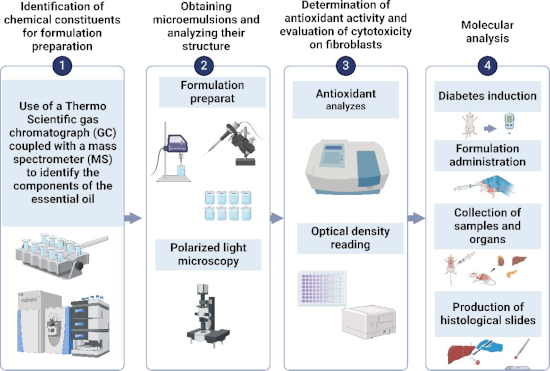
- antidyslipidemic properties in vivo [4][5][6]. EOs are volatile components that are sensitive to temperature, light, oxygen, and humidity [7]. Therefore, it is recommended to use them in drug delivery systems, such as nanostructured systems, which are able to guarantee stability and a better therapeutic effect
- of MEs is advantageous when taken orally as it facilitates oral application and dose adjustment; it also improves absorption and bioavailability. Additionally, MEs can be administered to humans as self-microemulsifying drug delivery systems (SMEDDSs) delivered in soft gelatin capsules as they are low




Polyurethane/silk fibroin-based electrospun membranes for wound healing and skin substitute applications
Beilstein J. Nanotechnol. 2025, 16, 591–612, doi:10.3762/bjnano.16.46
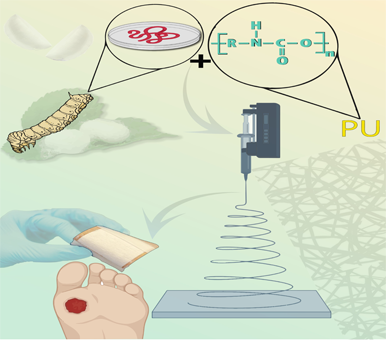
- the development of implants, medical devices, and drug delivery systems that solve challenging issues from health to medicine [5]. Because of innovations in tissue engineering, genetic engineering, and nanotechnology, scientists can now see into the innermost functions of living organisms with a level
- surrounding tissues [172]. In addition, they are also vital in advanced drug delivery systems where highly specific and localized release of drugs can be achieved through light, thus increasing the efficiency of various therapies [173]. Rybak et al. formulated a new 3D-printed hydrogel wound dressing for
- , scaffolds for tissue engineering, and drug delivery systems possible. These developments are essential for adjusting the composites’ biological and physical characteristics, which will enhance patient outcomes [178]. Researchers have thoroughly investigated the potential of electrospun composites based on



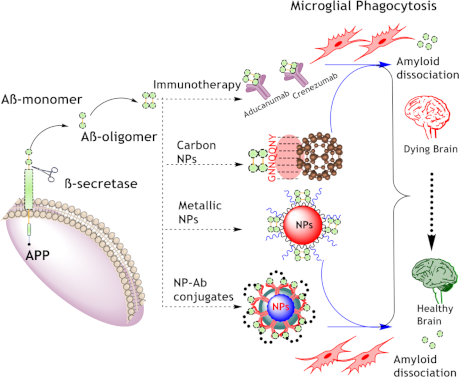
Nanomaterials in targeting amyloid-β oligomers: current advances and future directions for Alzheimer's disease diagnosis and therapy
Beilstein J. Nanotechnol. 2025, 16, 561–580, doi:10.3762/bjnano.16.44


Effect of additives on the synthesis efficiency of nanoparticles by laser-induced reduction
Beilstein J. Nanotechnol. 2025, 16, 464–472, doi:10.3762/bjnano.16.35
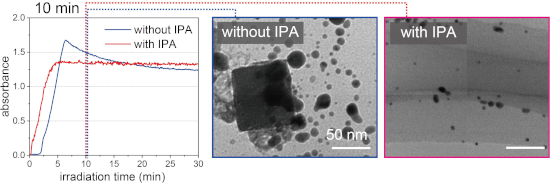
- including electrode materials [1], conductive pastes [2][3], catalysts [4][5], sensors [6][7][8], and drug delivery systems [9]. The chemical reduction [10] and the solvothermal methods [11][12] are well known for synthesizing nanoparticles in large quantities at low cost, but these methods require the use


Synthetic-polymer-assisted antisense oligonucleotide delivery: targeted approaches for precision disease treatment
Beilstein J. Nanotechnol. 2025, 16, 435–463, doi:10.3762/bjnano.16.34

- in ASO-based therapies. Some promising strategies to overcome these limitations involve the conjugation of ASOs with peptides [53], polymers [54], aptamers [55], and antibodies [56], as well as the development of novel drug delivery systems [57][58]. This review discusses the challenges associated
- internalisation mechanism for PLL-conjugated ASOs [67]. Specific molecular structures, however, can be utilised to facilitate the targeted uptake of drug delivery systems. Ligand–PLL–ASO conjugates, for instance, can enter target cells via receptor-mediated endocytosis [68]. This approach holds promise for
- conjugated drugs or drug delivery systems. For example, early studies by Zheng et al. demonstrated a strategic use of PLL conjugated to galactose (Gal–PLL, Gal/PLL = 10:1) as a carrier for a 16-mer phosphorothioate analogue of the antisense oligodeoxynucleotide 5′-CATGCCCCAAAGCCAC-3′, targeting the hepatitis


Development of a mucoadhesive drug delivery system and its interaction with gastric cells
Beilstein J. Nanotechnol. 2025, 16, 371–384, doi:10.3762/bjnano.16.28

- both situations, the effectiveness of the drug formulation depends on several factors such as gastric residence time, gastric emptying, release rate of the drug from the dosage form, and the therapeutic agent reaching the site of action or absorption. Conventional drug delivery systems may not be
- effective in overcoming these obstacles, particularly regarding drugs that are designed for the treatment of local gastric diseases [3]. The solution to this is the development of gastroretentive drug delivery systems. These are designed to increase the drug residence time in the upper part of the
- gastrointestinal system, which leads to higher effectiveness [4][5]. Over the years, different types of gastroretentive drug delivery systems have been developed, including floating, expandable, high-density, or mucoadhesive systems [6]. Among these, mucoadhesive systems are quite effective in localizing the drugs


Enhancing mechanical properties of chitosan/PVA electrospun nanofibers: a comprehensive review
Beilstein J. Nanotechnol. 2025, 16, 286–307, doi:10.3762/bjnano.16.22

- efficient sustained release. These nanofibers also exhibit better stability, which are vital properties in drug delivery systems [183][184]. These superior properties have gained recent attention for enhancing the functional performance of chitosan-based nanofibers. Core–shell chitosan nanofibers have been


Recent advances in photothermal nanomaterials for ophthalmic applications
Beilstein J. Nanotechnol. 2025, 16, 195–215, doi:10.3762/bjnano.16.16
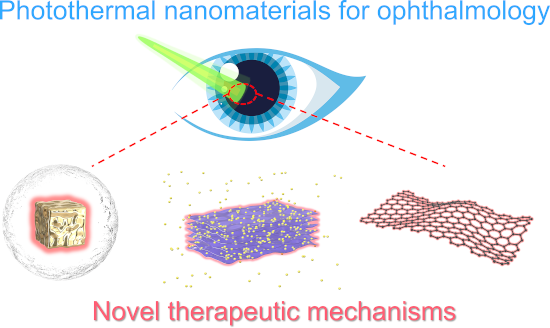
- neuropathy [125][126]. Currently, ocular drug delivery is the prevalent treatment approach; however, it faces challenges due to drug degradation and obstacles in drug diffusion, rendering the therapy less effective [127][128]. Therefore, ocular drug delivery systems capable of controlled and sustained drug
- energy into heat, which then triggers the release of the cargo from a heat-sensitive carrier [165]. Photothermal drug delivery systems allow for precise spatial and temporal control of drug release based on stimulus intensity and duration, thereby reducing the need for invasive ocular injections for the
- treatment of chronic ocular diseases, as well as the “explosive release” of passive drug delivery systems [116]. Furthermore, photothermal drug delivery systems can be surface-modified to prolong drug residence time, improve mobility, avoid trapping, and provide targeting capabilities, which helps to


Probing the potential of rare earth elements in the development of new anticancer drugs: single molecule studies
Beilstein J. Nanotechnol. 2025, 16, 187–194, doi:10.3762/bjnano.16.15
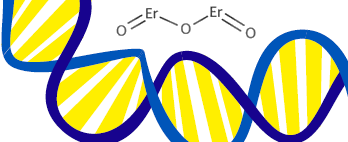
- condensation at high concentrations. These results suggest that rare earth elements can be used in the design of new drugs that have DNA as their target inside cells (e.g., chemotherapeutic drugs) or in the development of new carriers for drug delivery systems because of their ability to condense DNA


Nanocarriers and macrophage interaction: from a potential hurdle to an alternative therapeutic strategy
Beilstein J. Nanotechnol. 2025, 16, 97–118, doi:10.3762/bjnano.16.10
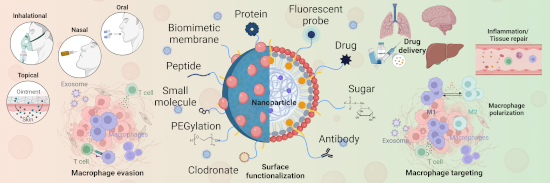
- decades of technological evolution, during which NCs have become indispensable components of drug delivery systems, known for their adaptability and efficiency [2]. The “family” of nanoparticles (NPs) includes a broad range of materials such as lipids, polymers, proteins, dextran, silica [3], and metals
- uptake and enabling the endosomal escape To improve the efficacy of NC-based drug delivery systems, it is crucial to develop strategies that reduce macrophage uptake and extend NC circulation time. This could be achieved by acting on NCs exploiting alternative administration routes or physicochemical
- potential of NCs by reducing macrophage uptake and extending circulation time. These strategies pave the way for more effective and targeted drug delivery systems. 5 Innovative therapeutic strategies using NCs Recent advancements in NC technologies have highlighted their remarkable potential in targeting


Mechanistic insights into endosomal escape by sodium oleate-modified liposomes
Beilstein J. Nanotechnol. 2024, 15, 1667–1685, doi:10.3762/bjnano.15.131
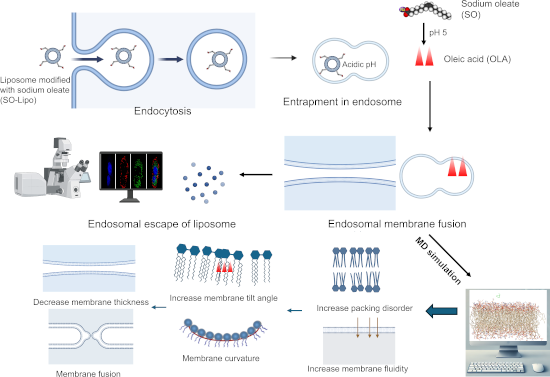
- .15.131 Abstract Endosomal entrapment significantly limits the efficacy of drug delivery systems. This study investigates sodium oleate-modified liposomes (SO-Lipo) as an innovative strategy to enhance endosomal escape and improve cytosolic delivery in 4T1 triple-negative breast cancer cells. We aimed to
- ][32][33]. These findings establish SO as a promising endosomal escape enhancer, offering significant potential for improving the efficiency of liposomal drug delivery systems. By combining in vitro experimentation with in silico MD simulations, this study underscores the importance of integrated
- liposomal formulations with optimized endosomal escape capabilities, advancing the development of next-generation drug delivery systems. Conclusion This study provides a comprehensive analysis of the mechanisms through which SO-Lipo facilitate endosomal escape. Our findings demonstrate that SO-Lipo




Biomimetic nanocarriers: integrating natural functions for advanced therapeutic applications
Beilstein J. Nanotechnol. 2024, 15, 1619–1626, doi:10.3762/bjnano.15.127

- targeting specificity. Biomimetic nanocarriers demonstrate significant advancements in drug delivery systems against cancer therapy, Alzheimer's disease, autoimmune diseases, and viral infections such as COVID-19. Here, we address the therapeutic applications of biomimetic nanocarriers and their promising
- main solutions that biomimetics addresses (Figure 2C). This approach has demonstrated that complex nanocarrier drug delivery systems need to exhibit compatible surfaces with target cells to enhance their functional capabilities [19]. Biomimetic Nanocarriers in Human Health The field of nanocarriers for


Polymer lipid hybrid nanoparticles for phytochemical delivery: challenges, progress, and future prospects
Beilstein J. Nanotechnol. 2024, 15, 1473–1497, doi:10.3762/bjnano.15.118


Nanotechnological approaches for efficient N2B delivery: from small-molecule drugs to biopharmaceuticals
Beilstein J. Nanotechnol. 2024, 15, 1400–1414, doi:10.3762/bjnano.15.113
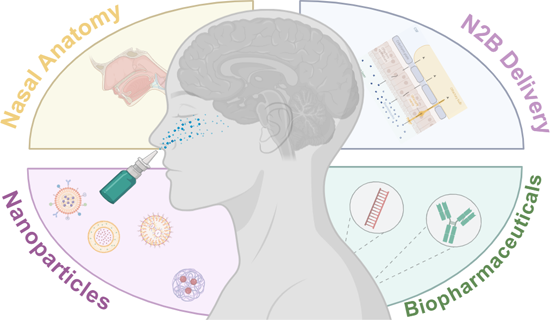
- drugs can be encapsulated into various drug delivery systems to enhance physicochemical characteristics and targeting success. Many preclinical data show that this strategy can effectively deliver biopharmaceuticals to the brain. Therefore, this review focuses on N2B delivery while giving examples of
- different drug delivery systems suitable for the applications. In addition, we emphasize the importance of the effective delivery of monoclonal antibodies and RNA and stress the recent literature tackling this challenge. While giving examples of nanotechnological approaches for the effective delivery of
- . While the systemic route of administration with the combination of drug delivery systems (DDSs) to cross the BBB has been promising, the efficiency is often not yet satisfactory [17]. Another noninvasive technique, nose-to-brain delivery or nasal-to-brain delivery (N2B delivery), in contrast, bypasses


Hymenoptera and biomimetic surfaces: insights and innovations
Beilstein J. Nanotechnol. 2024, 15, 1333–1352, doi:10.3762/bjnano.15.107
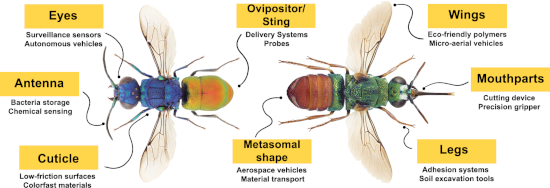
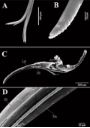
- biodiversity, and assessing environmental impacts, providing researchers with valuable data while preserving natural habitats. Delivery systems: Strength and efficiency of the ovipositor also offer insights into creating advanced drug delivery systems [169]. These systems can deliver medications directly to





Synthesis, characterization and anticancer effect of doxorubicin-loaded dual stimuli-responsive smart nanopolymers
Beilstein J. Nanotechnol. 2024, 15, 1189–1196, doi:10.3762/bjnano.15.96
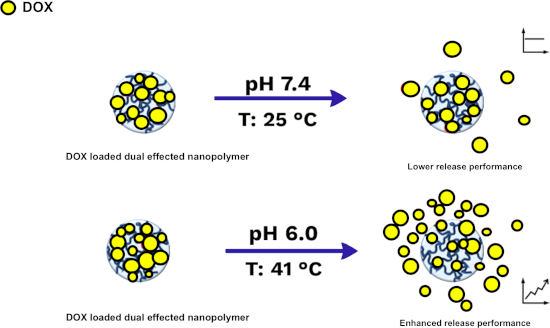
- intended compartment, make thermo- and pH-sensitive polymers a crucial subset of smart polymers in drug delivery systems (DDSs). These responsive platforms must maintain stability at physiological pH levels [21]. Poly(N-isopropylacrylamide) (PNIPAM) stands out as one of the most common and most extensively


AI-assisted models to predict chemotherapy drugs modified with C60 fullerene derivatives
Beilstein J. Nanotechnol. 2024, 15, 1170–1188, doi:10.3762/bjnano.15.95
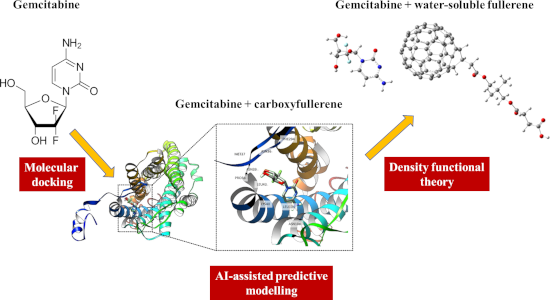
- treatments that release substances at specific sites of interest, reducing the required drug amount and side effects. Nanostructures to form these drug delivery systems can be divided into organic and inorganic [19][20], with the latter one being the less extensively studied. One option currently considered


Recent updates in applications of nanomedicine for the treatment of hepatic fibrosis
Beilstein J. Nanotechnol. 2024, 15, 1105–1116, doi:10.3762/bjnano.15.89
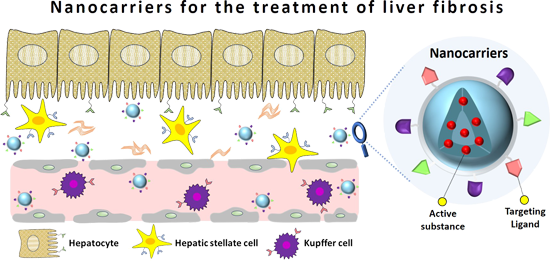
- played an important role in the enhancement of therapeutic outcomes compared to those of conventional therapy. At the same time, nanoparticle drug delivery systems offer a significant reduction in side effects of treatments by lowering the off-target biodistribution of the active pharmaceutical
- ]. The EPR effect has been a cornerstone for cancer nanomedicine development, and various types of nanocarrier drug delivery systems have been developed to take advantage of this passively targeted strategy. Moreover, active targeting strategies have been developed to further improve the drug


Unveiling the potential of alginate-based nanomaterials in sensing technology and smart delivery applications
Beilstein J. Nanotechnol. 2024, 15, 1077–1104, doi:10.3762/bjnano.15.88
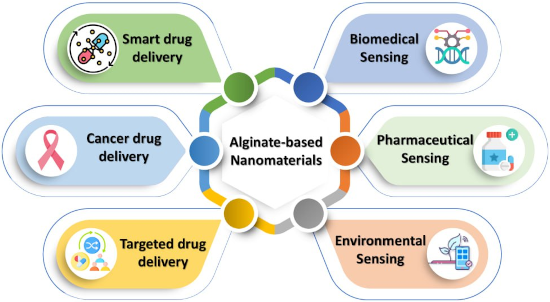
- applications. Biodegradable and bioabsorbable polymers are an excellent choice for a variety of innovative drug delivery systems (DDSs). Biopolymers are also used in cutting-edge scientific applications such as gene expression, tissue engineering, smart drug delivery, and biosensors [11][19]. Modern medicine
- . Also, alginate-based nanoparticles possess excellent mechanical and electrical properties, overcoming the limitations typically associated with biomaterials in sensing applications [73]. Drug delivery applications Alginate-based nanoparticles for smart DDSs Drug delivery systems are one of the areas in


Electrospun nanofibers: building blocks for the repair of bone tissue
Beilstein J. Nanotechnol. 2024, 15, 941–953, doi:10.3762/bjnano.15.77
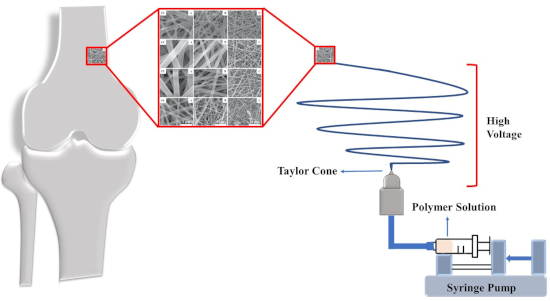
- , antibiotics, anticancer agents, proteins, DNA, RNA, and growth factors for tissue regeneration [6][7][8]. In addition, nanofibers as drug delivery systems provide rapid or delayed and controlled release of pharmaceuticals. Apart from being implantable drug delivery systems, nanofiber scaffolds can contribute
- used as drug delivery systems, which are composed of fibers from a few micrometers down to tens of nanometers in diameter [30]. Among the various scaffolds used for bone regeneration, polymeric nanofibrous scaffolds have attracted attention in recent years, especially regarding their structural
- delivery systems [1][2][3][4][5]. Because of the structural properties of nanofibers, which enable cell growth and proliferation, their use in tissue engineering, especially regarding bone tissue, is quite common [2]. Nanofiber scaffolds may carry active substances such as cells for tissue repair


Electrospun polysuccinimide scaffolds containing different salts as potential wound dressing material
Beilstein J. Nanotechnol. 2024, 15, 781–796, doi:10.3762/bjnano.15.65
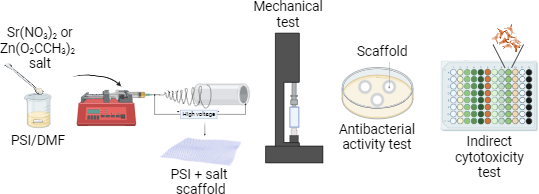
- )/hydroxyapatite in orthopedics [1][2]. Biocompatible polymers are widely used in biomedical fields, such as stents, drug delivery systems in cancer therapy, bone repair, dentistry, joint prostheses, and tissue engineering [2][3][4][5][6]. Polymers have several advantageous properties for these applications as



On the additive artificial intelligence-based discovery of nanoparticle neurodegenerative disease drug delivery systems
Beilstein J. Nanotechnol. 2024, 15, 535–555, doi:10.3762/bjnano.15.47
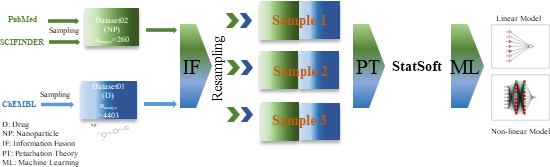
- drugs (NDDs) requires immediate attention. Nanoparticle (NP) systems are of increasing interest for transporting NDDs to the central nervous system. However, discovering effective nanoparticle neuronal disease drug delivery systems (N2D3Ss) is challenging because of the vast number of combinations of NP
- serve as valuable tools in the design of drug delivery systems for neurosciences. Keywords: artificial neural network (ANN); linear discriminant analysis (LDA); machine learning; nanoparticle; neurodegenerative diseases; Introduction Over time, there has been a significant shift in global dietary
- possible nanomedicine strategies for NDD transport to the central nervous system (CNS) [9][10]. For simplicity, we are going to call them nanoparticle neuronal diseases drug delivery systems (N2D3Ss). N2D3Ss have the ability to protect NDDs from chemical and enzymatic degradation, direct the active



Fabrication of nanocrystal forms of ᴅ-cycloserine and their application for transdermal and enteric drug delivery systems
Beilstein J. Nanotechnol. 2024, 15, 465–474, doi:10.3762/bjnano.15.42
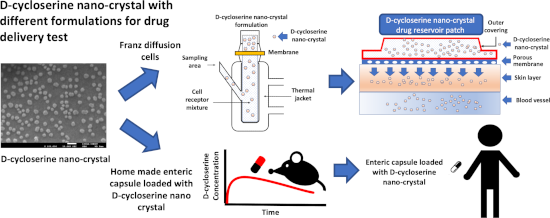
- ) and enteric formulation. In this study, DCS nanocrystals were fabricated and investigated for novel drug delivery systems. Transdermal drug delivery is an administration route wherein the API is delivered across the skin for systemic distribution. The categories of TDD systems include reservoir





