


Search results
Search for "electrostatic interactions" in Full Text gives 141 result(s) in Beilstein Journal of Nanotechnology.
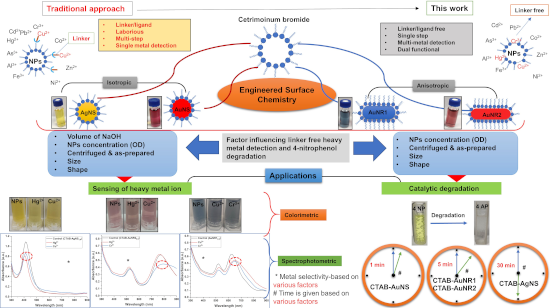
Nanoarchitectonics with cetrimonium bromide on metal nanoparticles for linker-free detection of toxic metal ions and catalytic degradation of 4-nitrophenol
Beilstein J. Nanotechnol. 2024, 15, 1312–1332, doi:10.3762/bjnano.15.106




Interaction of graphene oxide with tannic acid: computational modeling and toxicity mitigation in C. elegans
Beilstein J. Nanotechnol. 2024, 15, 1297–1311, doi:10.3762/bjnano.15.105
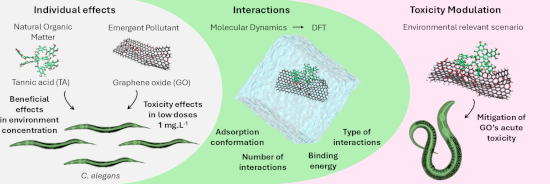
- in hydrogen bonding as well as hydrophobic and electrostatic interactions; also, they are responsible for TA’s high solubility, reactivity to metal cations, binding capacity to molecules and surfaces, and significant reducing and radical scavenging properties [19][21][22][23][24]. This range of


Dual-functionalized architecture enables stable and tumor cell-specific SiO2NPs in complex biological fluids
Beilstein J. Nanotechnol. 2024, 15, 1238–1252, doi:10.3762/bjnano.15.100
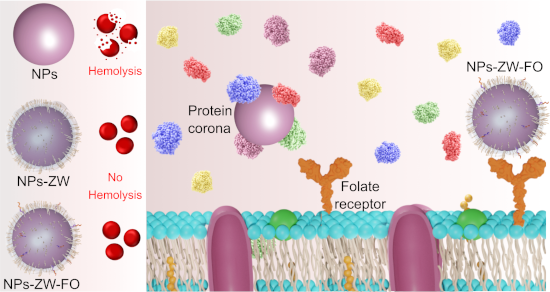
- -functionalized SiO2NPs involves their capability to generate reactive species of oxygen, along with electrostatic interactions of deprotonated silanol groups with membrane proteins and tetra alkyl ammonium groups, which are also present in red blood cell membranes [47][48][49][50]. The addition of the ZW


Curcumin-loaded nanostructured systems for treatment of leishmaniasis: a review
Beilstein J. Nanotechnol. 2024, 15, 37–50, doi:10.3762/bjnano.15.4
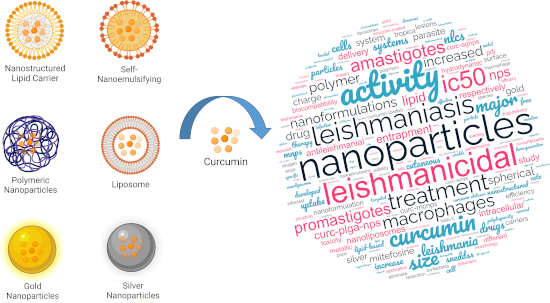
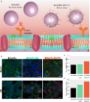
- delivery specific to macrophage targets, such as ᴅ-mannose, phosphatidylserine, or lactoferrin. This may reduce the drug resistance of the parasite in the long term. Furthermore, the surface charge of nanostructures may influence internalization since positive charges favor electrostatic interactions of


Fluorescent bioinspired albumin/polydopamine nanoparticles and their interactions with Escherichia coli cells
Beilstein J. Nanotechnol. 2023, 14, 1208–1224, doi:10.3762/bjnano.14.100
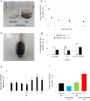
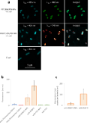
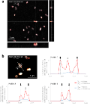
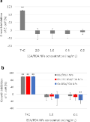
- , the high ionic strength of 150 mM NaCl decreased long-range effect and intensity of electrostatic interactions compared to the other solvents, thus favoring other types of interactions (such as attractive van der Waals interactions) and, therefore, aggregation. Second, the increase in salt
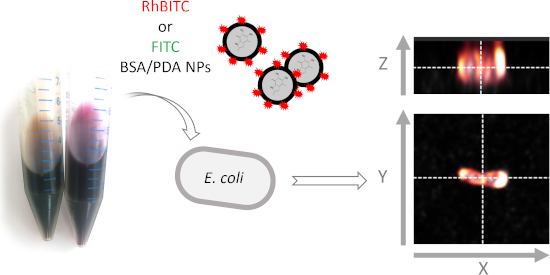
- may result from the positive charges carried by RhBITC at physiological pH, which are absent in the FITC molecules. The positive charges are expected to participate in attractive electrostatic interactions with the negatively charged bacterial membrane, that is, the phosphate groups of their



Metal-organic framework-based nanomaterials for CO2 storage: A review
Beilstein J. Nanotechnol. 2023, 14, 964–970, doi:10.3762/bjnano.14.79

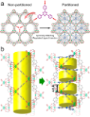
- −1. This discrepancy was attributed to the shorter length of the Mg–O bonds, which facilitated enhanced electrostatic interactions between the Mg sites and CO2 molecules. Moreover, Mg-MOF-74 exhibited a higher heat of adsorption than other variants. Kim et al. synthesized bimetallic MOFs




Antibody-conjugated nanoparticles for target-specific drug delivery of chemotherapeutics
Beilstein J. Nanotechnol. 2023, 14, 912–926, doi:10.3762/bjnano.14.75
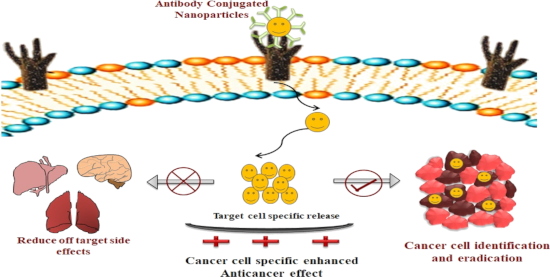
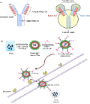
- induce conformational changes, which result in denaturation and loss of activity [43]. Similarly, electrostatic interactions between oppositely charged NPs and antibodies result in weak interactions where the antibodies are easily detached due to small changes in pH or ionic strength [44]. Covalent



Cross-sectional Kelvin probe force microscopy on III–V epitaxial multilayer stacks: challenges and perspectives
Beilstein J. Nanotechnol. 2023, 14, 725–737, doi:10.3762/bjnano.14.59
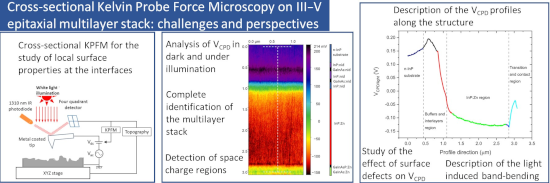
- resolution. In particular, in AM-KPFM the electrical force between the tip and the sample is directly evaluated, whereas in FM-KPFM the gradient of the force is analysed. As a result, FM-KPFM is more sensitive to local tip apex–sample surface interactions; therefore, long-range electrostatic interactions of


ZnO-decorated SiC@C hybrids with strong electromagnetic absorption
Beilstein J. Nanotechnol. 2023, 14, 565–573, doi:10.3762/bjnano.14.47
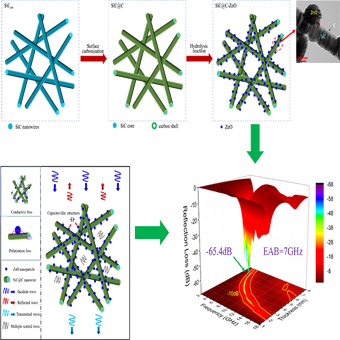
- provide locations for the deposition of Zn2+ via electrostatic interactions. Cao et al. [26] have reported the growth of ZnO particles on MWCNTs through a similar mechanism. However, in their case, the functional groups on the MWCNTs were obtained by ultrasonic treatment in concentrated nitric acid. Four
- locations for the deposition of Zn2+ by electrostatic interactions. SCZ1 exhibits the best EM absorption properties. Its values for RLmin and EAB reach −65.4 dB and 7 GHz (10.96–17.96 GHz), respectively, at a small sample thickness and 30 wt % filler load. The effective EM absorption is related to the


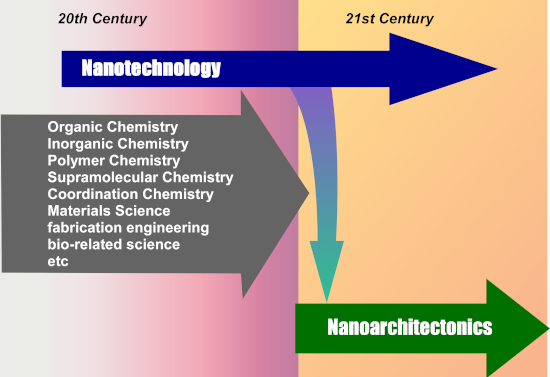
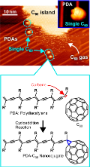
Molecular nanoarchitectonics: unification of nanotechnology and molecular/materials science
Beilstein J. Nanotechnol. 2023, 14, 434–453, doi:10.3762/bjnano.14.35
- . Functional exploration through material accumulation and organization has also been widely conducted. The manipulation of precise molecular alignments and photochemical properties through multiple electrostatic interactions with two-dimensional clay mineral nanosheets has been summarized by Ishida [102]. Yue





Nanotechnology – a robust tool for fighting the challenges of drug resistance in non-small cell lung cancer
Beilstein J. Nanotechnol. 2023, 14, 240–261, doi:10.3762/bjnano.14.23
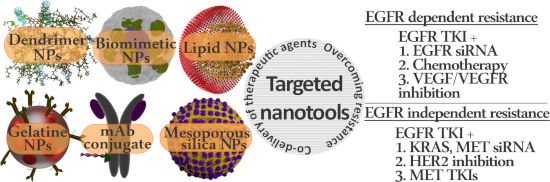
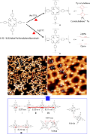
- survivin-small hairpin RNA (survivin-shRNA), which was trapped by electrostatic interactions in the cavity between several assembled nanoparticles (AP/ES+CQ NPs; AP = amine-terminated PAMAM dendrimers modified with anti-EGFR aptamer; ES = erlotinib and survivin-shRNA; Figure 2, Figure 3). The nanocomplexes
- siRNA delivery should generally be positively charged to facilitate siRNA loading by electrostatic interactions. Frequently used traditional polymer materials as nonviral vectors for siRNA encapsulation are polyethyleneimine (PEI), cationic dendrimers, phospholipids, cationic lipids, polysaccharides


Cyclodextrins as eminent constituents in nanoarchitectonics for drug delivery systems
Beilstein J. Nanotechnol. 2023, 14, 218–232, doi:10.3762/bjnano.14.21
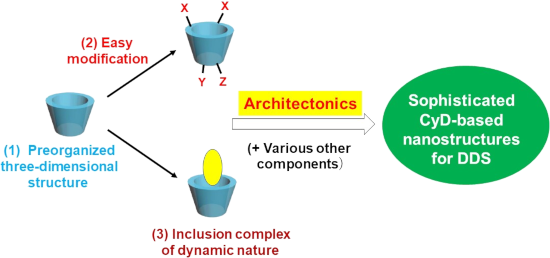
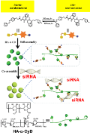
- nanoassemblies (green balls) were constructed through inclusion complex formation between trans-azobenzene and α-CyD (the second row from the top). These α-CyD-based nanoassemblies bind siRNA through electrostatic interactions with the positively charged N-methylimidazolium ions to form ternary supramolecular




LED-light-activated photocatalytic performance of metal-free carbon-modified hexagonal boron nitride towards degradation of methylene blue and phenol
Beilstein J. Nanotechnol. 2022, 13, 1380–1392, doi:10.3762/bjnano.13.114
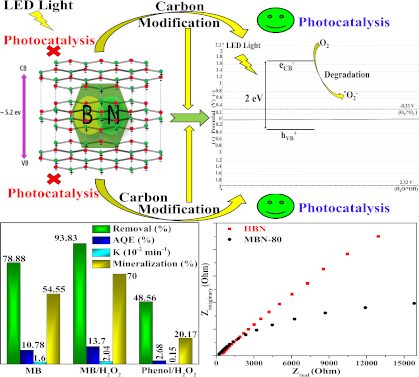
- 7b. The high removal rate towards MB could be ascribed to a better adsorption boosted through electrostatic interactions (cationic MB and negatively charged surface of MBN-80) and the synergy obtained through the photoactivity of MBN-80 and dye sensitization through MB moieties. The



Laser-processed antiadhesive bionic combs for handling nanofibers inspired by nanostructures on the legs of cribellate spiders
Beilstein J. Nanotechnol. 2022, 13, 1268–1283, doi:10.3762/bjnano.13.105
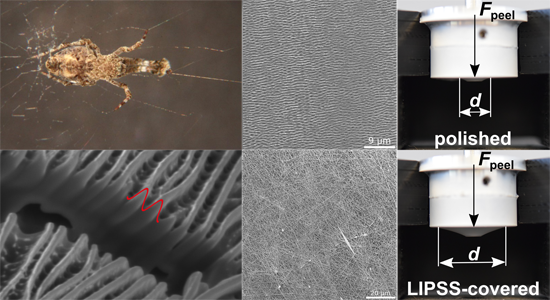
- as electrostatic interactions. All these can be summarized in the term µ(x) and can, therefore, depend on the position and, thereby, on the distance of fiber and surface (w(x) − f(x)). However, only the van der Waals energy E3 exhibits a negative sign and, thus, decreases the total energy stored in






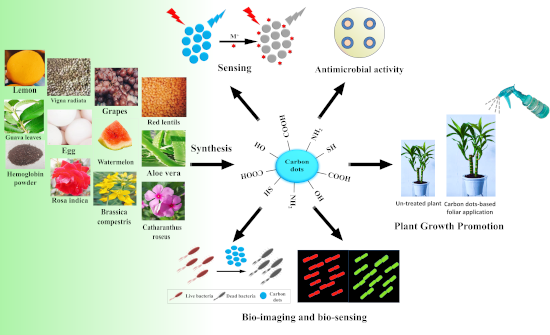
Recent advances in green carbon dots (2015–2022): synthesis, metal ion sensing, and biological applications
Beilstein J. Nanotechnol. 2022, 13, 1068–1107, doi:10.3762/bjnano.13.93


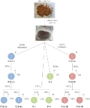


Design and selection of peptides to block the SARS-CoV-2 receptor binding domain by molecular docking
Beilstein J. Nanotechnol. 2022, 13, 699–711, doi:10.3762/bjnano.13.62
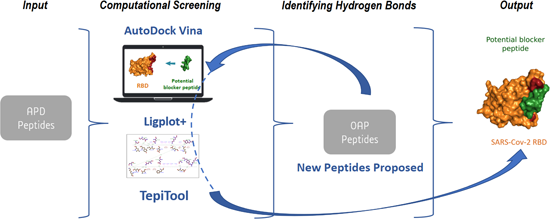
- of the most commonly used programs [16][17][21]. ADV provides theoretical information about hydrophobic interactions, electrostatic interactions, hydrogen bonds, and van der Waals interactions. It can also predict the binding pose and binding affinity [20]. Considering these important features, ADV



Stimuli-responsive polypeptide nanogels for trypsin inhibition
Beilstein J. Nanotechnol. 2022, 13, 538–548, doi:10.3762/bjnano.13.45
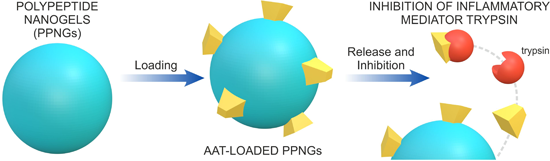
- . Clearly, some fraction of 125I-radiolabeled BSA was again entrapped in the shrunken Nα-Lys-NG nanogel after the pH change (Figure 3a), probably due to high electrostatic interactions during the release at pH 7.4. After the loading and release procedure was optimized for BSA, PHEG-Tyr and Nα-Lys-NG


A comprehensive review on electrospun nanohybrid membranes for wastewater treatment
Beilstein J. Nanotechnol. 2022, 13, 137–159, doi:10.3762/bjnano.13.10
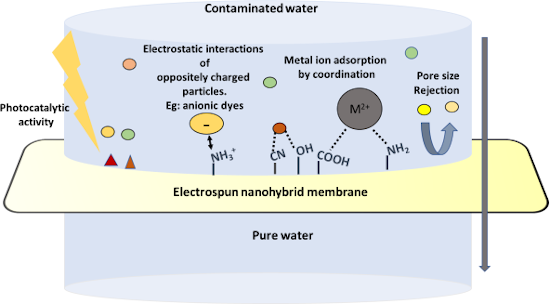
- physisorption, only a reversible physical bond due to electrostatic interactions or intermolecular interactions forms between adsorbate and the adsorbent. An ideal adsorption membrane should exhibit both high adsorption capacity and a high adsorption rate. ENH membranes have been widely used as adsorption




Theranostic potential of self-luminescent branched polyethyleneimine-coated superparamagnetic iron oxide nanoparticles
Beilstein J. Nanotechnol. 2022, 13, 82–95, doi:10.3762/bjnano.13.6
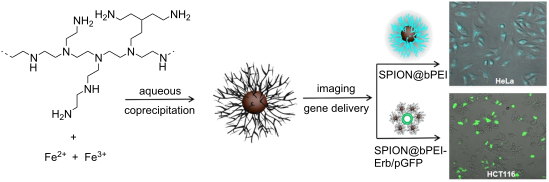
- , 5.6/1, 11.2/1, 22.4/1, and 45/1) which corresponds to SPION@bPEI to PIC w/w ratios of 0.5/1, 1/1, 2/1, 4/1, 8/1, and 16/1. In all these compositions, the amount of PIC was kept constant at 80 µg/mL (4 µg/well). The mechanism of loading of poly I:C on nanoparticles is through electrostatic interactions


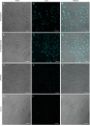


Open-loop amplitude-modulation Kelvin probe force microscopy operated in single-pass PeakForce tapping mode
Beilstein J. Nanotechnol. 2021, 12, 1115–1126, doi:10.3762/bjnano.12.83
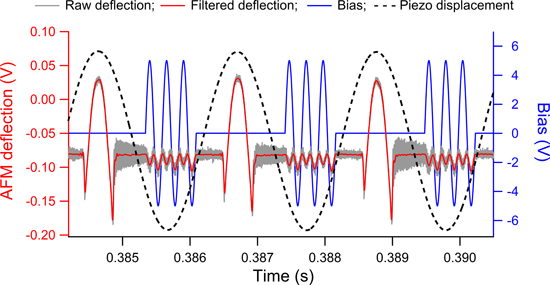
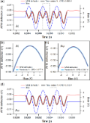
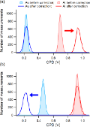
- scale of the order of 20 μs, which is about one hundred times faster than CL KPFM modes and could be used to observe ultrafast dynamics of electrical processes [35][46]. Due to the long-range nature of the electrostatic interactions, contributions from all the conductive parts (apex, cone, and
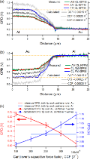
- counterpart. The advantage of using OL AM-KPFM resides in the direct and easy implementation of the measurements with the possibility of accommodating relevant descriptions of the electrostatic interactions probed over various regions of a sample. Disclaimer Certain commercial equipment, instruments, or





An overview of microneedle applications, materials, and fabrication methods
Beilstein J. Nanotechnol. 2021, 12, 1034–1046, doi:10.3762/bjnano.12.77
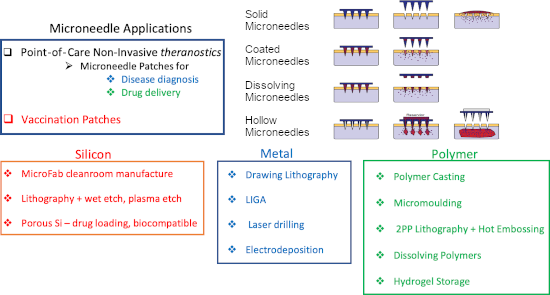
- by adsorption [92], with rates of release depending on interaction of the drug with the porous silicon. Oxidation, covalent binding, and electrostatic interactions can all be used to immobilise the drug on the porous silicon [94], while both hydrophilic and hydrophobic molecules can be loaded on


Modification of a SERS-active Ag surface to promote adsorption of charged analytes: effect of Cu2+ ions
Beilstein J. Nanotechnol. 2021, 12, 902–912, doi:10.3762/bjnano.12.67
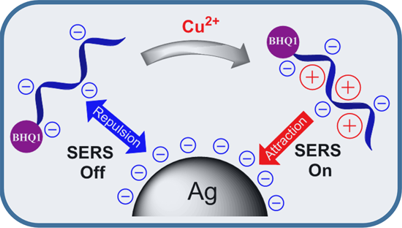
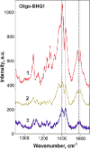
- nucleic acids are of great interest for practical SERS applications. Oligonucleotides are the most suitable biomolecules for electrostatic interaction studies because of their strong negative charge. Recently, we showed the crucial role of electrostatic interactions of oligonucleotides with NP surfaces


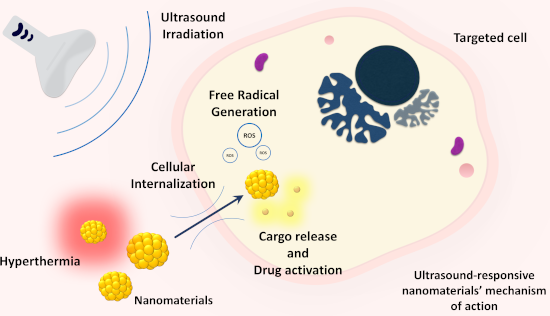
Comprehensive review on ultrasound-responsive theranostic nanomaterials: mechanisms, structures and medical applications
Beilstein J. Nanotechnol. 2021, 12, 808–862, doi:10.3762/bjnano.12.64


Fate and transformation of silver nanoparticles in different biological conditions
Beilstein J. Nanotechnol. 2021, 12, 665–679, doi:10.3762/bjnano.12.53
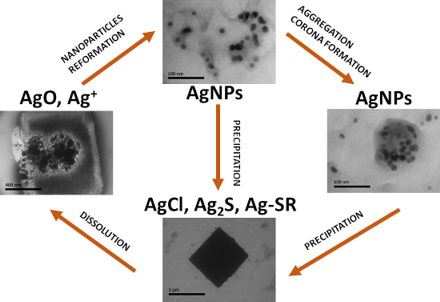
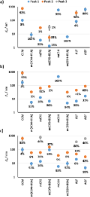
- of GSH was decreased in the case of PVP and AOT coating agents due to either unfavourable steric or electrostatic interactions, respectively. In both ALF and AGF, a significant agglomeration occurred for all three types of AgNPs. Moreover, a significant precipitation, visible in the test vials
- electrostatic interactions, respectively. In most tissue homogenates, AgNPs were well dispersed; however, the crystallization of AgNPs was observed in chloride-rich media resulting in the formation of large cubic and ball-like crystals as an indirect evidence of the formation of AgCl crystals and oxidative




Surface-enhanced Raman scattering of water in aqueous dispersions of silver nanoparticles
Beilstein J. Nanotechnol. 2021, 12, 497–506, doi:10.3762/bjnano.12.40
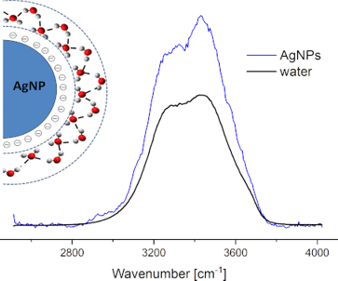
- metal surfaces, which is very different in comparison to bulk water [24]. It was explained that the ordering of water molecules near to AgNPs is due to the electrostatic interactions between water and AgNPs. Some simulation studies also reported the enhancement of hydrogen bonds in the water structure
- it represents the relative slowdown of the solvent mobility induced by the presence of a fixed wall in relation to the solvent mobility in the bulk (determined for a solvent in a non-confined space). The simulation results show that even under athermal conditions (Eb = Ew – case without electrostatic
- interactions), the solvent mobility is lower near the surface in comparison to the bulk. The stronger the water interaction with the surface (in relation to water–water interactions in the bulk), the lower the solvent mobility close to the Ag surface. Moreover, this effect is not limited only to the first





