


Search results
Search for "flexible" in Full Text gives 362 result(s) in Beilstein Journal of Nanotechnology. Showing first 200.
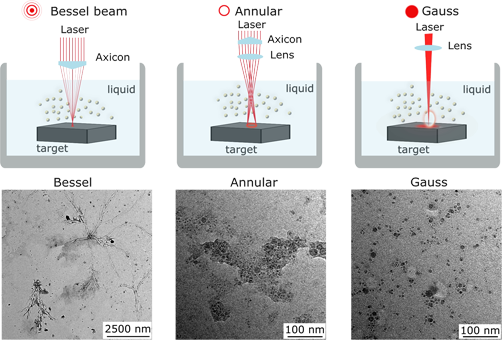
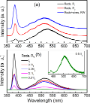
Influence of laser beam profile on morphology and optical properties of silicon nanoparticles formed by laser ablation in liquid
Beilstein J. Nanotechnol. 2025, 16, 1533–1544, doi:10.3762/bjnano.16.108
- number of benefits from the mechanical and chemical stability of the carbon cloth material, which, together with its low cost and large surface area, make it especially promising for the flexible devices. The results of these experiments are the subject of upcoming works. Conclusion In summary, laser


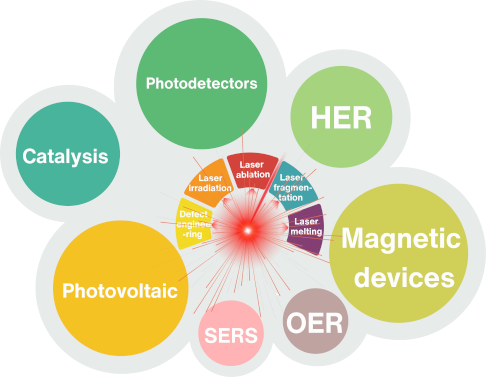
Laser processing in liquids: insights into nanocolloid generation and thin film integration for energy, photonic, and sensing applications
Beilstein J. Nanotechnol. 2025, 16, 1428–1498, doi:10.3762/bjnano.16.104






Wavelength-dependent correlation of LIPSS periodicity and laser penetration depth in stainless steel
Beilstein J. Nanotechnol. 2025, 16, 1302–1315, doi:10.3762/bjnano.16.95
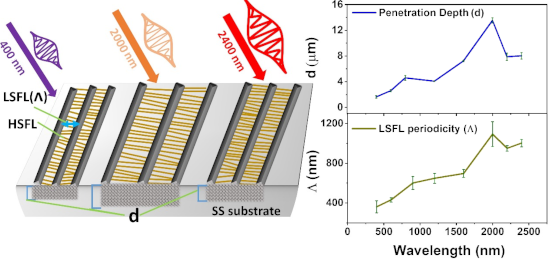
- ablation techniques for micro/nanostructuring have garnered significant attention due to their versatile applications. In particular, fabricating subwavelength structures using high-power pulsed lasers offers a flexible, single-step processing approach compatible with industry standards, making it a
- pulse duration, 5.5 mJ/pulse energy, and a repetition rate of 1 kHz, was utilized for laser direct writing experiments. The fundamental part of the laser, providing 2.6 mJ/pulse, acted as the pump for an optical parametric amplifier (OPA), allowing for flexible tuning of the laser wavelength from 400 to




Hydrogels and nanogels: effectiveness in dermal applications
Beilstein J. Nanotechnol. 2025, 16, 1216–1233, doi:10.3762/bjnano.16.90
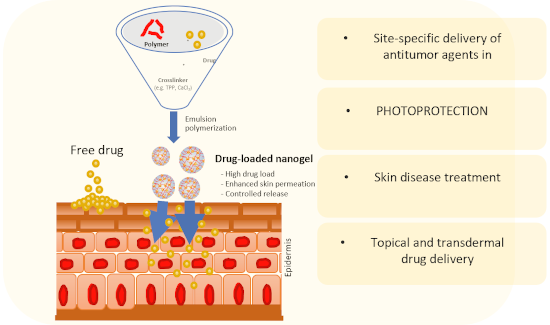
- ][49][50][51]. Interpenetrating polymer networks (IPNs) are materials composed of two or more polymer networks that remain chemically cross-linked through physical and inseparable interweaving, favoring the homogeneous mixing of immiscible polymers. By adding a polymer network with more flexible
- through the oxidative coupling of catechol groups using a hydrogen peroxide/horseradish peroxidase (H2O2/HRP) catalytic system [41]. The addition of the antibiotic doxycycline provided the hydrogels with antimicrobial activity to treat infected full-thickness defect wounds. Flexible films composed of


Electronic and optical properties of chloropicrin adsorbed ZnS nanotubes: first principle analysis
Beilstein J. Nanotechnol. 2025, 16, 1184–1196, doi:10.3762/bjnano.16.87
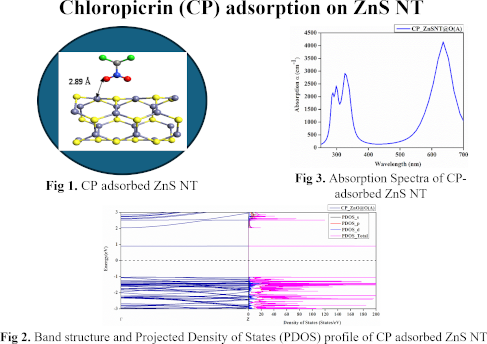
- composites with other materials, such as carbon nanotubes, to optimize performance [26]. Furthermore, the flexible synthesis of ZnS NTs with controlled morphology and size allows for tailoring their sensing capabilities. External stimuli combined with machine learning can further enhance their sensitivity


Crystalline and amorphous structure selectivity of ignoble high-entropy alloy nanoparticles during laser ablation in organic liquids is set by pulse duration
Beilstein J. Nanotechnol. 2025, 16, 1141–1159, doi:10.3762/bjnano.16.84
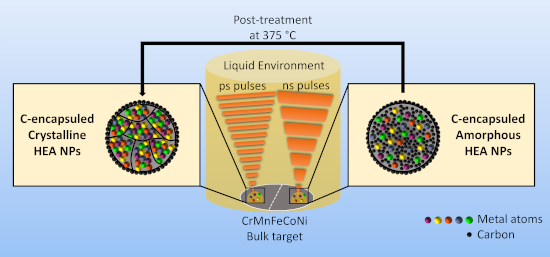
- heterogeneous catalysts, colloids are more flexible as the support material is not predefined by the synthesis route but can be freely chosen. This may be highly relevant as previous studies report on the facile supporting of laser-generated NPs onto multiple carrier materials such as carbon [33][34][35], metal




Soft materials nanoarchitectonics: liquid crystals, polymers, gels, biomaterials, and others
Beilstein J. Nanotechnol. 2025, 16, 1025–1067, doi:10.3762/bjnano.16.77
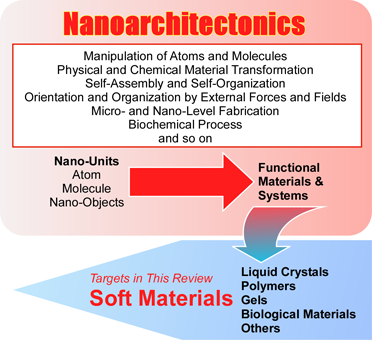
- concept of nanoarchitecture, as a post-nanotechnology methodology, can be defined as the construction of functional materials from nanometer-sized units using a variety of materials processes. It is believed to be particularly well suited to the assembly of soft materials that exhibit flexible and diverse
- nanoarchitectonics are highly flexible. Thus, it is believed to be particularly well suited to the assembly of soft materials that display flexible and diverse structures and properties. Furthermore, it is intriguing to examine the advancements in materials sciences, spanning from hard to soft and from the
- section presents a selection of research studies that illustrate the potential of liquid crystals as a promising avenue of investigation in the field of soft materials nanoarchitectonics. Discotic liquid crystal molecules are constituted of flat discotic cores attached to flexible aliphatic alkyl chains






Multifunctional properties of bio-poly(butylene succinate) reinforced with multiwalled carbon nanotubes
Beilstein J. Nanotechnol. 2025, 16, 1014–1024, doi:10.3762/bjnano.16.76
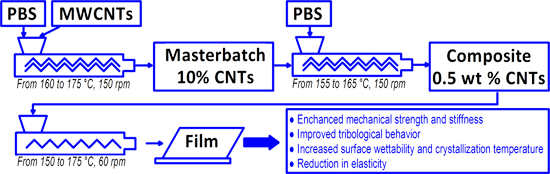
- at a relatively high level, that is, 208% in the machine direction (MD) and 125% in the transverse direction (TD). Combined with moderate stiffness values (620 and 575 MPa in MD and TD, respectively), these characteristics remain in an acceptable range for certain types of flexible and semi-rigid
- packaging, which typically require elongation at break in the range of 100–600% and Young’s modulus between 200 and 700 MPa [25]. Potential applications include stretch sleeves, flexible lids, and barrier films, where controlled deformation and improved wear resistance are desired. Rheological analysis



Structural and magnetic properties of microwave-synthesized reduced graphene oxide/VO2/Fe2O3 nanocomposite
Beilstein J. Nanotechnol. 2025, 16, 921–932, doi:10.3762/bjnano.16.70
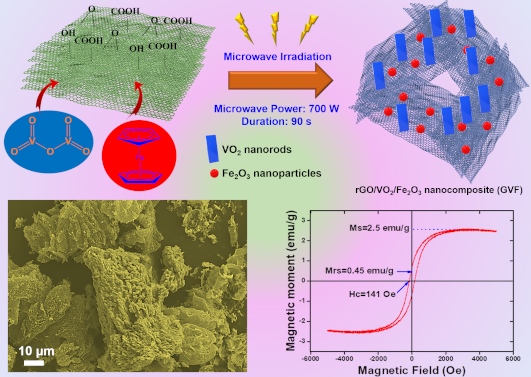
- , including their derivatives, are broadly explored for miscellaneous applications, such as energy storage/conversion, EMI shielding, biosensing, optoelectronics, robotics, flexible electronics, paint industries, textile industries, biomedical devices [5][6][7]. To be specific, the innovation of graphene



Morphology and properties of pyrite nanoparticles obtained by pulsed laser ablation in liquid and thin films for photodetection
Beilstein J. Nanotechnol. 2025, 16, 785–805, doi:10.3762/bjnano.16.60
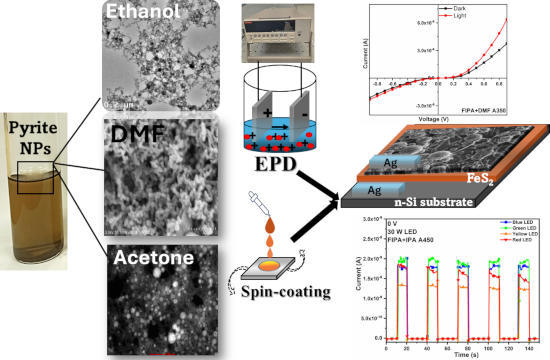
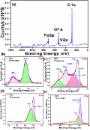
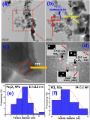
- straightforward, flexible, and affordable methods to obtain thin films using laser-processed nanocolloids. Spin coating is combined with EPD for film deposition with the intention of obtaining seeded film growth with improved thickness and for surface morphology modifications. The importance of using
- downsizing, and low power consumption, self-powered photodetectors, which have numerous uses in the military, civilian purposes, and notably those related to green technology and flexible electronics have been increasingly popular in recent years [33][62]. This greatly interested us in this area and




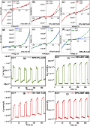


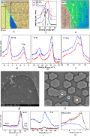
Nanostructured materials characterized by scanning photoelectron spectromicroscopy
Beilstein J. Nanotechnol. 2025, 16, 700–710, doi:10.3762/bjnano.16.54
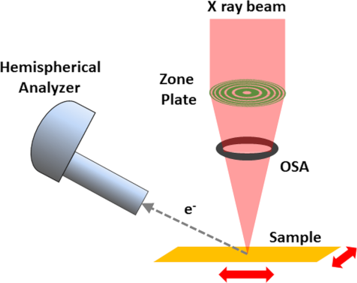
- expensive III–V materials to the active device area. The flexible geometry of nanowires standing upright on their growth substrate directly leads to gate-all-around metal-oxide-semiconductor stacks [23][24], and advanced electronic device designs such as nanowire tunneling field-effect transistors [24] or


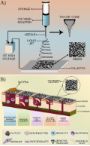
Polyurethane/silk fibroin-based electrospun membranes for wound healing and skin substitute applications
Beilstein J. Nanotechnol. 2025, 16, 591–612, doi:10.3762/bjnano.16.46
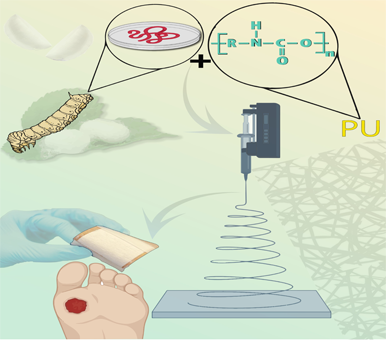
- processing into nanofibers, make it an ideal material for biomedical applications including the reconstruction of bone and cartilage [17][18]. Polyurethan (PU) is a very flexible, long-lasting, and reliable material. It is versatile and can be used in almost every field of work. PU can also be used in
- more effective wound-healing substitutes [50]. Recent advancements in tissue regeneration have further led to the development of innovative wound dressings such as hydrogels and electrospun scaffolds [51]. Electrospinning is an extremely flexible technique that can convert liquids, suspensions, or
- polyurethane fibers for biomedical applications PU comes in various forms, including flexible foams, coatings, adhesives, and rigid thermosets [150]. PU is frequently used as a material for constructing nanowebs because of its chemical stability, diffusion coefficients, superior mechanical capabilities, and



Synthetic-polymer-assisted antisense oligonucleotide delivery: targeted approaches for precision disease treatment
Beilstein J. Nanotechnol. 2025, 16, 435–463, doi:10.3762/bjnano.16.34


Probing the potential of rare earth elements in the development of new anticancer drugs: single molecule studies
Beilstein J. Nanotechnol. 2025, 16, 187–194, doi:10.3762/bjnano.16.15

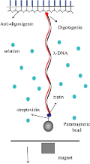
- earths and the DNA double helix. Although such interaction does not induce any change of the contour length of the complexes formed at low rare earth concentrations, it induces effective bends leaving the double helix more flexible with respect to the bending rigidity, which is reflected in the decrease


A review of metal-organic frameworks and polymers in mixed matrix membranes for CO2 capture
Beilstein J. Nanotechnol. 2025, 16, 155–186, doi:10.3762/bjnano.16.14
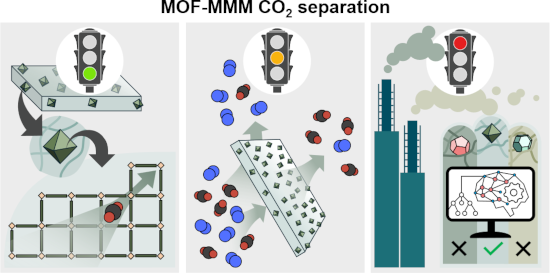
- understand the permeability and selectivity properties of membranes. Conventionally, membranes are classified into two categories, namely, organic and inorganic. Organic polymer membranes possess open and flexible structures that facilitates rapid gas diffusion, resulting in excellent permeability but low
- stated, the more flexible the polymer, the less selective, yet more permeable, it becomes. In contrast, glassy polymers, characterized by low chain mobility and increased rigidity, have the benefit of restricting the movement of gas molecules, but at the cost of reduced permeability and MOF compatibility





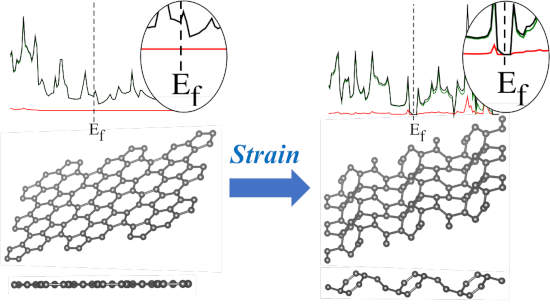
Strain-induced bandgap engineering in 2D ψ-graphene materials: a first-principles study
Beilstein J. Nanotechnol. 2024, 15, 1440–1452, doi:10.3762/bjnano.15.116
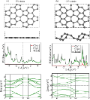
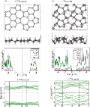
- observed to be −17% to +17%, whereas for ψ-graphone, it lies within the strain span of −16% to +16%. The remarkable strain tolerance of these materials makes them promising candidates for flexible displays and other electronic devices. Computational Methodology The computational parameters used in our


Various CVD-grown ZnO nanostructures for nanodevices and interdisciplinary applications
Beilstein J. Nanotechnol. 2024, 15, 1390–1399, doi:10.3762/bjnano.15.112
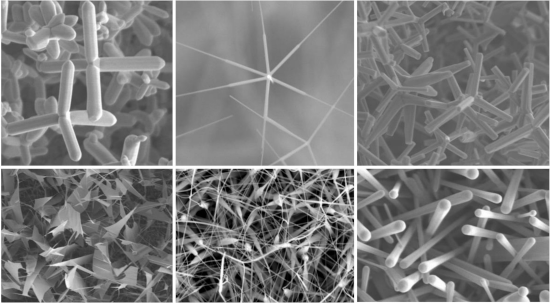
- DMSs, these nanostructures will be beneficial to the development of new ZnO-based materials for photocatalytic [25], biomedical [26], gas sensing [27][28], and flexible electronic/optoelectronic applications [29][30]. They are usually fabricated by chemical vapour deposition (CVD) or solid-vapour phase



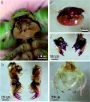
Hymenoptera and biomimetic surfaces: insights and innovations
Beilstein J. Nanotechnol. 2024, 15, 1333–1352, doi:10.3762/bjnano.15.107
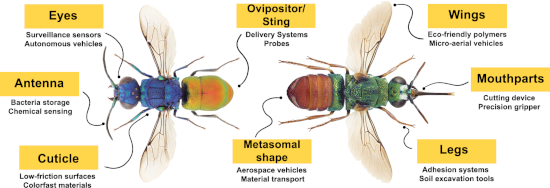
- essential functions, insect wings must effectively transmit force from the muscles at their base to the surrounding air, generate lift, and uphold structural integrity without deformation [102]. Hence, wings need to be lightweight, flexible, and resilient, rendering them captivating subjects for biomimetic
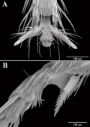
- development of self-cleaning surfaces and materials resistant to biofouling in marine environments. Legs Adhesive pads: The adhesive organ in Hymenoptera consists of a flexible cuticle pad (i.e., arolium) situated between the pretarsal claws, capable of unfolding and retracting with each step [125] (Figure 6A
- hairs, antennal sensilla, and contaminating particles. Microscopic combs and brushes act as filters for particles of different sizes, with larger particles being scraped off by the bristles and comb, while smaller particles are picked up by the brush’s flexible setae. In the honeybee, hairs on the legs




Nanoarchitectonics with cetrimonium bromide on metal nanoparticles for linker-free detection of toxic metal ions and catalytic degradation of 4-nitrophenol
Beilstein J. Nanotechnol. 2024, 15, 1312–1332, doi:10.3762/bjnano.15.106
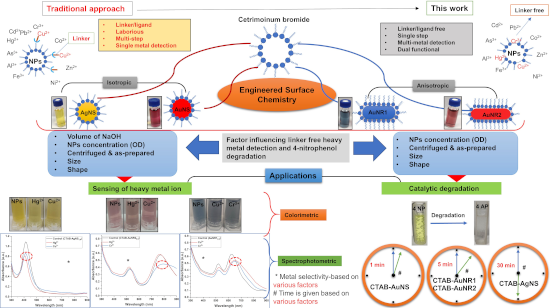
- potentially carcinogenic, and it is hard to predict their toxicity at early stages of exposure. In addition, industrial wastewater may contain toxic compounds such as the widely used 4-nitrophenol [1]. Hence, one need is to develop a dual-functional and flexible linker-free metal nanoparticle-based sensor




New design of operational MEMS bridges for measurements of properties of FEBID-based nanostructures
Beilstein J. Nanotechnol. 2024, 15, 1273–1282, doi:10.3762/bjnano.15.103
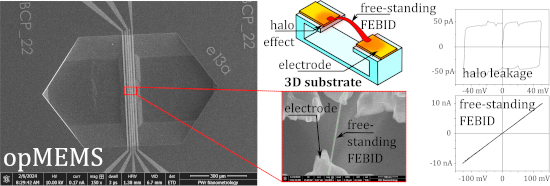
- residual strain field induced by processing steps. The concept of eigenstrain is flexible enough to include all residual stresses in solids [42]. This is done using pseudo-thermal strain, which induces an arbitrary eigenstrain field, which is then compared with experimental data [43]. The aim of the


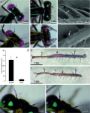
Functional morphology of cleaning devices in the damselfly Ischnura elegans (Odonata, Coenagrionidae)
Beilstein J. Nanotechnol. 2024, 15, 1260–1272, doi:10.3762/bjnano.15.102

- flexible because of the lower degree of sclerotization, and (3) blue areas are rubber-like with a relatively high proportion of resilin-like proteins or unsclerotized chitin. This method has already been widely applied in the literature [37][38][39][40]. The insects to be observed were frozen in a
- and, therefore, mechanical properties [28]. The interdigitated cuticular laminar expansions overlapping at different heights constitute a very flexible surface because of their high resilin content, which enables them to gently press against the antennal surface to be cleaned, thereby squeezing the


Unveiling the potential of alginate-based nanomaterials in sensing technology and smart delivery applications
Beilstein J. Nanotechnol. 2024, 15, 1077–1104, doi:10.3762/bjnano.15.88
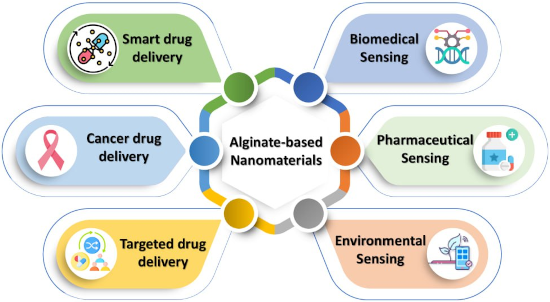
- variable chemical compositions, customizable characteristics, easy processability, great biocompatibility and biodegradability, and nontoxicity, opening up new avenues for the creation of flexible sensing technologies [26][27]. Alginate-based nanomaterials are among the most widely studied biopolymers for
- results in sensing hydrogen peroxide even at very small concentrations [116]. The synergistic combination of each component’s characteristics produced a novel flexible nanocomposite with an excellent ability to detect hydrogen peroxide, which was then used to detect ʟ-lactate oxidation. The hydrogel was


Effect of wavelength and liquid on formation of Ag, Au, Ag/Au nanoparticles via picosecond laser ablation and SERS-based detection of DMMP
Beilstein J. Nanotechnol. 2024, 15, 1054–1069, doi:10.3762/bjnano.15.86

- -dispersive X-ray spectroscopy. Furthermore, NPs of various sizes ranging from 6 to 35 nm were loaded onto a filter paper by a simple and effective drop-casting approach to achieve flexible surface-enhanced Raman spectroscopy (SERS) substrates/sensors. These substrates were tested using a simple, portable
- affordable and accessible fabrication methods which guarantee stability and reproducibility along with accessible sample collection of SERS substrates. There has been significant interest in utilizing flexible materials such as paper, nitrocellulose, polymer film, cotton fabrics, adhesive tape, glass fibers
- , and biomaterials for constructing flexible SERS substrates, owing to their numerous advantages over traditional options such as glass and silicon [31][32][33][34][35][36][37][38][39]. Detecting hazardous molecules, such as pesticides, explosives, and chemical threats (nerve agents) using flexible SERS
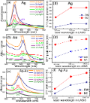


Recent progress on field-effect transistor-based biosensors: device perspective
Beilstein J. Nanotechnol. 2024, 15, 977–994, doi:10.3762/bjnano.15.80
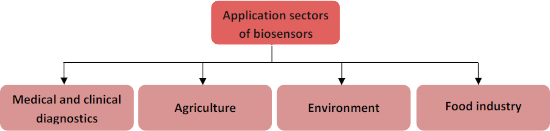
- OTFT-based biosensor. In this structure, one nanocavity was created below the organic semiconductor channel and above the electrode gate for better sensitivity and for advanced flexible biochip applications. Dinaphtho, thieno, and thiophene (DNTT) materials were implemented in the channel, and a


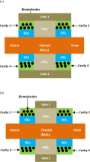


Beyond biomimicry – next generation applications of bioinspired adhesives from microfluidics to composites
Beilstein J. Nanotechnol. 2024, 15, 965–976, doi:10.3762/bjnano.15.79
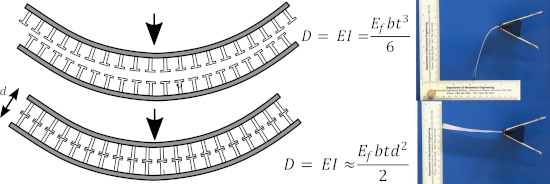
- functional in contact with these liquids and have enabled for a variety of flexible electronics applications. While the geckofluidics project was an example of a traditional application enhanced through the use of an improved bonding solution, the key to advancing the utility of biomimetic adhesives lies in





