


Search results
Search for "gold" in Full Text gives 867 result(s) in Beilstein Journal of Nanotechnology. Showing first 200.
Beyond the shell: exploring polymer–lipid interfaces in core–shell nanofibers to carry hyaluronic acid and β-caryophyllene
Beilstein J. Nanotechnol. 2025, 16, 2015–2033, doi:10.3762/bjnano.16.139
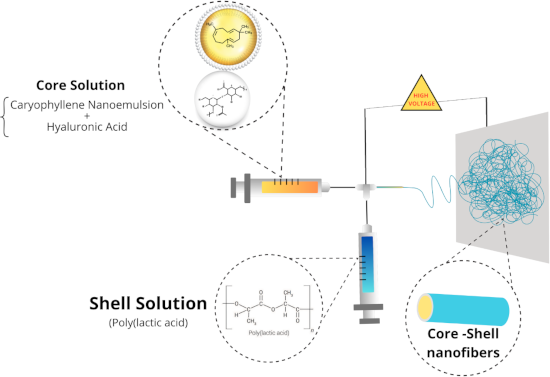
- production conditions. This evaluation allowed for the observation of the cross-sectional structure before and after core removal. The nanofibers were coated with approximately 10 nm of gold via sputter deposition for 1 min at 30 mA. Micrographs were acquired using an acceleration voltage of 2 kV and 0.21 nA




The cement of the tube-dwelling polychaete Sabellaria alveolata: a complex composite adhesive material
Beilstein J. Nanotechnol. 2025, 16, 1998–2014, doi:10.3762/bjnano.16.138
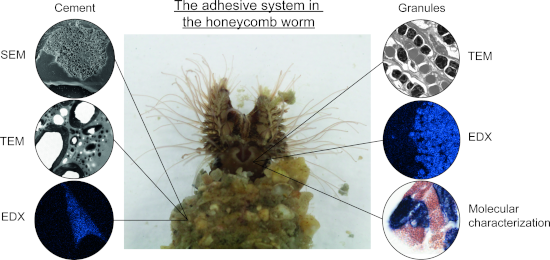
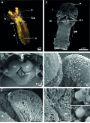
- electron imaging, the anterior parts of a few worms as well as some reconstructed tube fragments were fixed in Bouin’s fluid for 24 h, dehydrated in graded ethanol, dried by the critical-point method, and mounted on aluminium stubs using carbon adhesive tabs. The samples were then coated with gold





Laser ablation in liquids for shape-tailored synthesis of nanomaterials: status and challenges
Beilstein J. Nanotechnol. 2025, 16, 1963–1997, doi:10.3762/bjnano.16.137
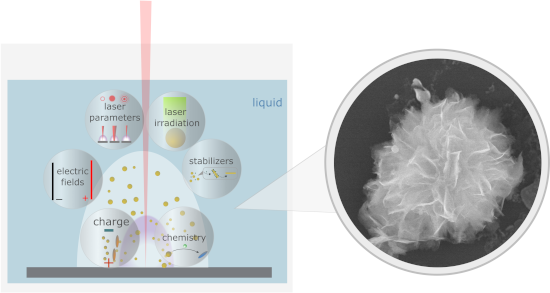
- nanowires was close to the diameter of the initial spherical NPs, so the suggested mechanism was laser-induced melting and fusion into nanowires. The formation of gold nanowires from gold NPs was further observed by several research groups [75][76]. Similar transformation of spherical silver NPs into one





Evaluating metal-organic precursors for focused ion beam-induced deposition through solid-layer decomposition analysis
Beilstein J. Nanotechnol. 2025, 16, 1942–1951, doi:10.3762/bjnano.16.135

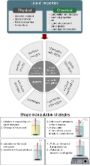
- . These studies also enabled a clear distinction between the processes occurring under ion irradiation and under electron irradiation. Furthermore, investigations on the gold complex [AuMe2(hfac)] have allowed for the assessment of the influence of ion type (mass) and ion energy on molecular decomposition


Targeting the vector of arboviruses Aedes aegypti with nanoemulsions based on essential oils: a review with focus on larvicidal and repellent properties
Beilstein J. Nanotechnol. 2025, 16, 1894–1913, doi:10.3762/bjnano.16.132
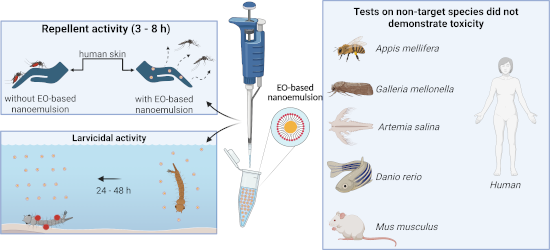
- ]. Additionally, repellents based on DEET (N,N-diethyl-meta-toluamide) are recognized as the gold standard for mosquito repellents; however, these repellents are not widely used in regions at risk for arbovirus transmission, mainly due to accessibility issues, cost, and concerns about long-term safety


On the road to sustainability – application of metallic nanoparticles obtained by green synthesis in dentistry: a scoping review
Beilstein J. Nanotechnol. 2025, 16, 1851–1862, doi:10.3762/bjnano.16.128
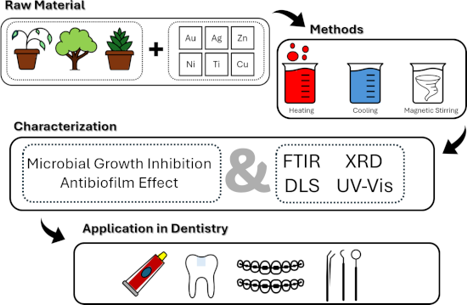
- widely studied nanomaterials are metallic nanoparticles, particularly silver (AgNPs), gold (AuNPs), and copper (CuNPs), and various metal oxide nanoparticles such as zinc oxide (ZnO-NPs), due to their high surface-to-volume ratio, chemical stability, and distinctive optical and antimicrobial properties
- nanoparticles synthesized via green chemistry in dentistry. Search strategy and information sources This review was guided by the PCC framework, that is, population (P): metallic nanoparticles (e.g., silver, gold, copper, zinc oxide); concept (C): green synthesis using plant-based extracts or eco-friendly


Electrical, photocatalytic, and sensory properties of graphene oxide and polyimide implanted with low- and medium-energy silver ions
Beilstein J. Nanotechnol. 2025, 16, 1794–1811, doi:10.3762/bjnano.16.123
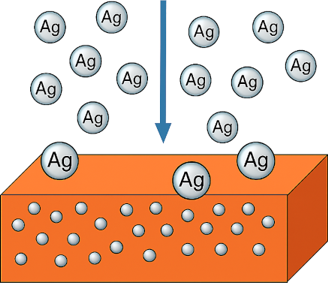
- Keithley 6317B electrometer. To quantify the sheet resistivity, two gold contacts, each with a thickness of 50 nm and a length of 10 mm, were deposited onto the surfaces of GO and PI thin films. The placement of these contacts adhered to a prescribed contact distance of 1 mm, ensuring a consistent and


Advances of aptamers in esophageal cancer diagnosis, treatment and drug delivery
Beilstein J. Nanotechnol. 2025, 16, 1734–1750, doi:10.3762/bjnano.16.121

- a single biometric element to directly analyze biomarkers [45][46], while dual-system biosensors combine two antibodies and/or aptamers [47] into a better composite material to improve the specificity and sensitivity of the sensor. Figure 3 is a schematic diagram of a gold nanoparticle aptasensor
- diagnostic outcomes. The establishment of a multiprotein model [49] confirms this conjecture. There are already gold nanoparticle aptamer biosensors and fluorescent aptamer sensors that show great potential in esophageal cancer diagnosis (Table 1). 3.1 Gold nanoparticle–aptamer sensors Scholars reviewed
- -EGFR antibody was combined with gold nanoparticles to form a complex. The target EGFR in test samples was specifically captured by the aptamer, subsequently forming a sandwich detection complex. While the preparation and detection workflow demonstrates notable simplicity, its clinical performance was


Beyond the bilayer: multilayered hygroscopic actuation in pine cone scales
Beilstein J. Nanotechnol. 2025, 16, 1695–1710, doi:10.3762/bjnano.16.119
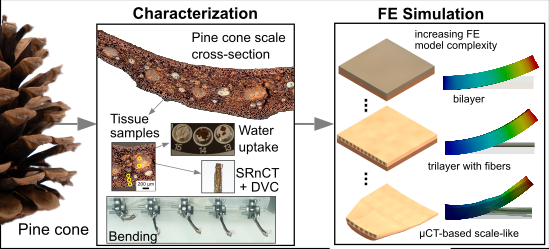
- imaging beamline P05 operated by Helmholtz-Zentrum Hereon at PETRA III (DESY Deutsches Elektronen Synchrotron, Hamburg, Germany). Phase contrast-based near-field holotomography was used to image our samples, utilizing a 300 µm gold Fresnel zone plate to focus the monochromatic beam with an energy of 11


Ambient pressure XPS at MAX IV
Beilstein J. Nanotechnol. 2025, 16, 1677–1694, doi:10.3762/bjnano.16.118
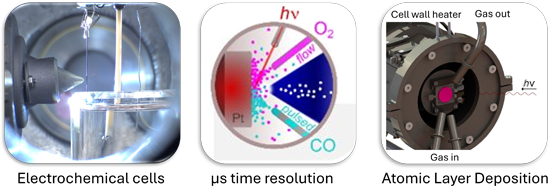
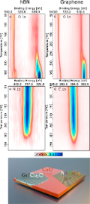
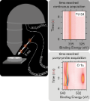
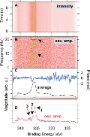
- thick liquid films can be used to infer charge transfer processes, since the emitted kinetic energy of a photoelectron is dependent on the potential of the probed liquid relative to the grounded working electrode [69][70]. Specifically, the interfaces of gold, copper oxide, and LiNi1/3Mn1/3Co1/3O2 with





Prospects of nanotechnology and natural products for cancer and immunotherapy
Beilstein J. Nanotechnol. 2025, 16, 1644–1667, doi:10.3762/bjnano.16.116

- nanoparticles can be subdivided into five groups according to the type used in the product. Patents WO2016178224 and CN117534780 utilized polysaccharide nanoparticles, while patent KR20220169108 used gold nanoparticles, CN427216811 implemented quantum dot nanoparticles, CN367902299 and CN115887415 employed
- , cellular absorption, and slow release of drugs [38]. Polymeric nanoparticles are colloidal polymer systems used as drug carriers for targeted therapies and diagnostics [39]. Gold nanoparticles have properties such as chemical reactivity, anti-inflammatory effects, and protein-binding abilities, while
- , nanoparticles can be subdivided into various structures, such as carrier-free self-assembly nanoparticles, polymeric nanoparticles, polysaccharide nanoparticles, gold nanoparticles, and quantum dot nanoparticles. Carrier-free self-assembly nanoparticles Carrier-free self-assembly nanoparticles are formed


Transient electronics for sustainability: Emerging technologies and future directions
Beilstein J. Nanotechnol. 2025, 16, 1545–1556, doi:10.3762/bjnano.16.109

- challenges for applications requiring complete resorption within a short timeframe. In terms of electrical conductivity, bioresorbable metals still lag conventional interconnect materials such as copper, gold, and silver, showing reductions of up to 1.96- to 3.65-fold [60]. Despite these limitations


Influence of laser beam profile on morphology and optical properties of silicon nanoparticles formed by laser ablation in liquid
Beilstein J. Nanotechnol. 2025, 16, 1533–1544, doi:10.3762/bjnano.16.108
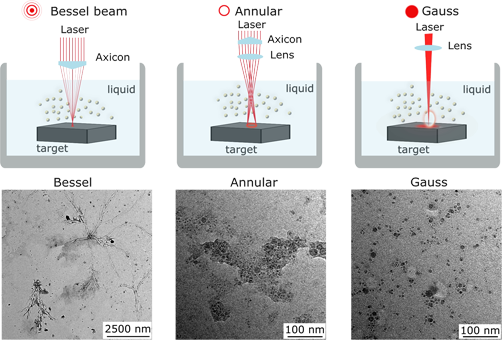
- laser pulses. For example, laser beams with a donut shape were used for ablating gold, yttrium oxide, and high-entropy alloy targets in water. The donut beam enabled NP size reduction and narrower size distributions [28]. Application of femtosecond Bessel beams for the ablation of silver in a liquid was


Nanomaterials for biomedical applications
Beilstein J. Nanotechnol. 2025, 16, 1499–1503, doi:10.3762/bjnano.16.105
- ]. Polymeric nanoparticles, dendrimers, and carbon-based structures such as carbon nanotubes are very promising when it comes to delivering drugs and genes to certain parts of the body [3]. Conversely, metallic nanoparticles such as gold and iron oxide, and fluorescent quantum dots have applications in
- and can be adjusted to emit different colors based on their size. This reason makes them ideal for simultaneously spotting and examining various biological environments, which aids both laboratory and clinical research [16]. Gold nanoparticles are also an essential group in this field. Optical
- properties of these particles are highly dependent on their size and shape. In a diagnostic test, these nanoparticles remarkably improve imaging contrast and even create noticeable color changes, which is useful in biosensors [17]. Gold nanoparticles were being used in certain COVID-19 test kits that change
Laser processing in liquids: insights into nanocolloid generation and thin film integration for energy, photonic, and sensing applications
Beilstein J. Nanotechnol. 2025, 16, 1428–1498, doi:10.3762/bjnano.16.104
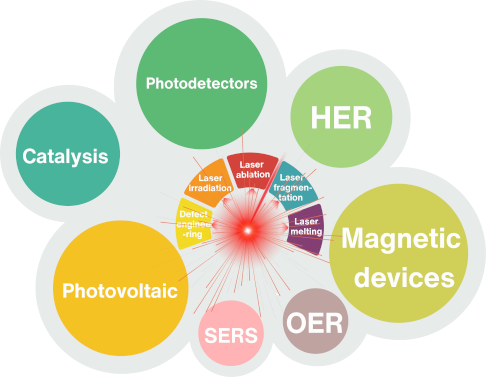
- including mono- and bimetallic NPs with distinctive structural features such as unique catalytic and plasmonic properties that cannot be achieved by conventional methods [13][14]. The latest review on gold-based NPs by PLAL discusses how laser parameters (e.g., wavelength, pulse duration, and fluence) and
- to a broader range of particle sizes compared to lower laser energy. Fujiwara et al. [32] also observed similar kind of features on thionicotinamide (TNA)-capped gold NPs irradiated at 532 nm (Q-switched Nd:YAG laser, 18 ps). TNA-capped gold NPs underwent fusion as well as fragmentation upon laser
- engineering, and energy storage. LFL can be applied to a wide range of materials, including metals such as gold, silver, or copper, semiconductors, and perovskites materials. The method is versatile enough to cater to the synthesis of NPs across different compositions, making it a valuable tool for






Parylene-coated platinum nanowire electrodes for biomolecular sensing applications
Beilstein J. Nanotechnol. 2025, 16, 1392–1400, doi:10.3762/bjnano.16.101
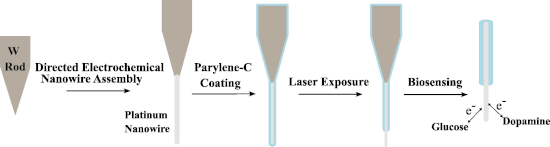
- -volume ratio, enhancing sensitivity and functionalization capabilities. Baetsen-Young et al. used dextrin-capped gold nanoparticles (12 nm) with ssDNA to detect the presence of Pseudoperonospora cubensis DNA, where the results show the ability to detect 18 spores/µL crude extractions [11]. However, the


Automated collection and categorisation of STM images and STS spectra with and without machine learning
Beilstein J. Nanotechnol. 2025, 16, 1367–1379, doi:10.3762/bjnano.16.99
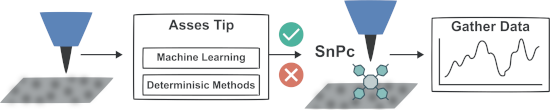
- was operated using an RC5 Nanonis controller, with all experiments carried out in UHV (base pressure ≤5 × 10⁻¹¹ mbar) cooled to 5 K. Gold and silver crystals (spl.eu) were prepared via repeated sputter–anneal cycles, sputtering under an argon pressure of ≈5 × 10⁻⁵ mbar, with a beam energy of 1.5 kV





Enhancing the therapeutical potential of metalloantibiotics using nano-based delivery systems
Beilstein J. Nanotechnol. 2025, 16, 1350–1366, doi:10.3762/bjnano.16.98
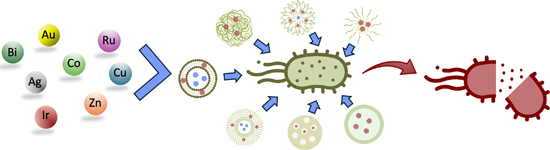
- as a strategy to discover new antibiotic drugs [13]. In this context, the gold(I) antirheumatic drug Auranofin (RidauraTM) [14] was evaluated for its antibacterial activity, exerting potent antimicrobial effect against multiresistant strains [15]. The promising antibacterial profile of auranofin
- oxygen species, ROS), exchange or release of ligands, abolition of key enzyme activities, disruption of membrane function, and damage of the bacterial DNA [20]. Despite the obvious advantages of metal-based over purely organic drugs, there are several potential limitations that must be overcome for gold
- control drug release, the nanoencapsulation of clotrimazole silver complex enhances and prolongs the antibacterial activity. Gold complexes Gold compounds have garnered significant attention in recent years for their diverse clinical applications. Widely recognized for their anti-rheumatic and anticancer


Better together: biomimetic nanomedicines for high performance tumor therapy
Beilstein J. Nanotechnol. 2025, 16, 1246–1276, doi:10.3762/bjnano.16.92
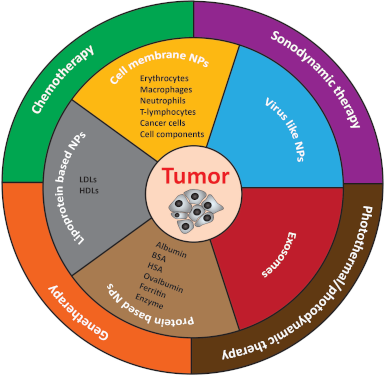
- surface acts as scaffold for synthesis of nanoparticles [76]. The thiol groups are protonated at neutral pH and can entrap Au(III) ions. When the pH is changed to basic (≈12), Au(III) is reduced to Au and gold nanoparticles are formed [77]. Synthesis of albumin-templated nanomaterials depends upon many
- . RBC membrane was also conjugated with gold nanostars to control the release with near-infrared irradiation. Also, RBC and platelet hybrid membrane-coated gold nanostars achieved targeted delivery to melanoma cells while avoiding macrophage phagocytosis [129]. Although RBC-camouflage nanomedicines are
- holliday junction molecules, was demonstrated [155]. DNA tiles mimicking the holliday junction molecule structure were conjugated with gold nanoparticles and successfully used for the delivery of a neutral antisense oligonucleotide, morpholino, for silencing HER2 and ERα genes in breast cancer. Within gene







Chitosan nanocomposite containing rotenoids: an alternative bioinsecticidal approach for the management of Aedes aegypti
Beilstein J. Nanotechnol. 2025, 16, 1197–1208, doi:10.3762/bjnano.16.88
- the nanocomposite to reduce potential environmental damage, such as those reported in the literature for some metal-decorated nanomaterials and their derivatives (silver, gold, copper, zinc, titanium, and silicon) that can be highly toxic to non-target organisms in the environment [18]. The



Towards a quantitative theory for transmission X-ray microscopy
Beilstein J. Nanotechnol. 2025, 16, 1113–1128, doi:10.3762/bjnano.16.82
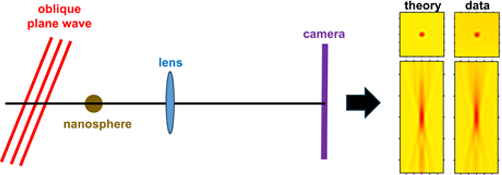
- that this model produces good qualitative agreement with our 3D measurements of 60 nm gold nanospheres, but only if both β and δ for the complex refractive index n = 1 – δ + iβ of gold are included in the model. This shows that both absorption and phase properties of the specimen influence the acquired
- index [22] and so is well suited to the gold nanospheres that we use as test objects in this study. We therefore name our model the partially coherent Mie (pc-Mie) model. Second, we compare the theory for our model to the preceding two 3D models, providing a deeper understanding of the principles that
- underlie the different models. Third, we perform detailed qualitative comparisons of the different models’ predictions to the measured data from the gold nanosphere. This qualitative analysis demonstrates the importance of accounting for both β and δ in the sample’s refractive index, and it also identifies



Soft materials nanoarchitectonics: liquid crystals, polymers, gels, biomaterials, and others
Beilstein J. Nanotechnol. 2025, 16, 1025–1067, doi:10.3762/bjnano.16.77
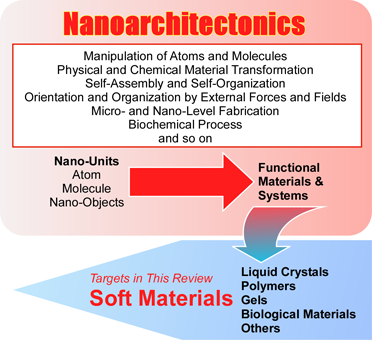
- reversibly alter the orientation of liquid crystals at room temperature. The dissociative adsorption of hydrogen on the palladium/gold film results in the reduction of pre-adsorbed oxygen and the generation of adsorbed hydrogen. This process causes the nitrile-containing liquid crystal to undergo a change in
- or printing technique. Consequently, it will contribute greatly to the miniaturization of organic materials and devices, including computing, sensing, diodes, transistors, and optical switches. The nanoarchitectonics of objects such as gold nanorods can also be performed with the assistance of
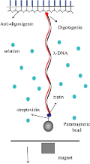
- polymer chains. Having precise control over the spatial arrangement of gold nanorods presents substantial benefits in the creation of plasmonic systems. Achieving dynamic control over the spatial configuration of gold nanorods is often quite difficult. Ijiro, Mitomo, and colleagues have proposed a






Multifunctional properties of bio-poly(butylene succinate) reinforced with multiwalled carbon nanotubes
Beilstein J. Nanotechnol. 2025, 16, 1014–1024, doi:10.3762/bjnano.16.76
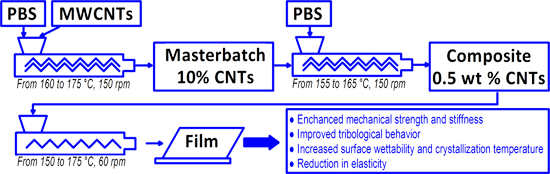
- were prepared using an ion milling system, HITACHI E-3500 (Hitachi, Tokyo, Japan). To enhance conductivity, a 5 nm thick gold layer was sputtered onto all samples using a Cressington 108auto sputter coater (Cressington Scientific Instruments Ltd., Watford, UK). The structural analysis of each material




Time-resolved probing of laser-induced nanostructuring processes in liquids
Beilstein J. Nanotechnol. 2025, 16, 968–1002, doi:10.3762/bjnano.16.74
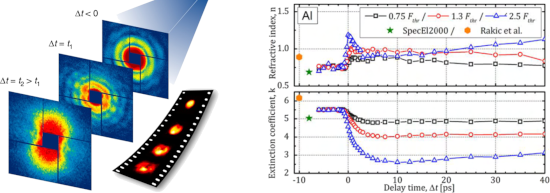
- expected to hold from nanosecond pulse excitation, the absorbed energy by the laser pulse is converted into lattice temperature by taking the material heat capacity into account. Figure 6A shows the temperature of heated gold NPs as a function of the absorbed laser energy. Once the temperature reaches the
- heat capacity is temperature-dependent in simple metals [28] (and the scattering cross section decreases with temperature), the cooling of the electron gas tends to slow down with increasing excitation density [107]. A well-known case is gold with exceptionally weak electron–phonon coupling, such that
- normally considered to set in with electron thermalization with the lattice. Nevertheless, the hot electron gas can exert structural forces on the lattice even before thermalization. Gold or silver NPs in particular have displayed non-thermal effects upon excitation, such as directed fragmentation or near


Heat-induced transformation of nickel-coated polycrystalline diamond film studied in situ by XPS and NEXAFS
Beilstein J. Nanotechnol. 2025, 16, 887–898, doi:10.3762/bjnano.16.67
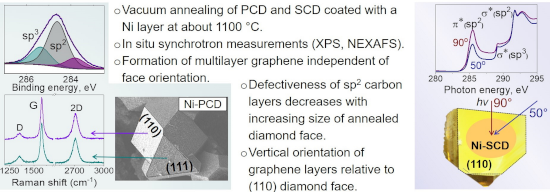
- and 3 nm for AEY. The TEY spectra were recorded by measuring the leakage current with a Keithley ammeter. The experimental data were normalized to the ring current and photon flux measured using a clean gold crystal. In the AEY spectra, emitted Auger electrons were measured using a PHOIBOS 150





