


Search results
Search for "pharmacokinetics" in Full Text gives 43 result(s) in Beilstein Journal of Nanotechnology.
Industrial perspectives for personalized microneedles
Beilstein J. Nanotechnol. 2023, 14, 857–864, doi:10.3762/bjnano.14.70
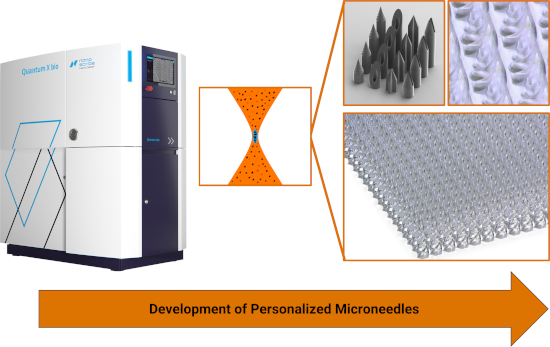
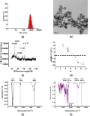
- across the body. Their results agree with previous studies demonstrating that microneedles yield different penetrations depending on the injection site [24][25], whereby the closing of residual micropores and the pharmacokinetics may differ [26]. In the context of drug-loaded microneedle patches for


Overview of mechanism and consequences of endothelial leakiness caused by metal and polymeric nanoparticles
Beilstein J. Nanotechnol. 2023, 14, 329–338, doi:10.3762/bjnano.14.28
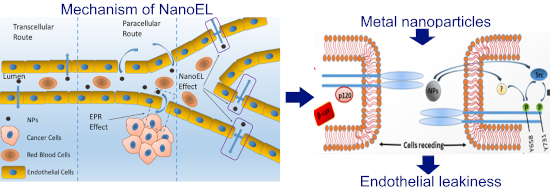
- therapeutic effectiveness, regulated pharmacokinetics, known biodistribution, and minimal side effects are being sought. The mechanism of NanoEL shows great potential for future biomedical applications, but a more thorough investigation is still required [5]. Conclusion Effective transport of NPs to the


Nanotechnology – a robust tool for fighting the challenges of drug resistance in non-small cell lung cancer
Beilstein J. Nanotechnol. 2023, 14, 240–261, doi:10.3762/bjnano.14.23
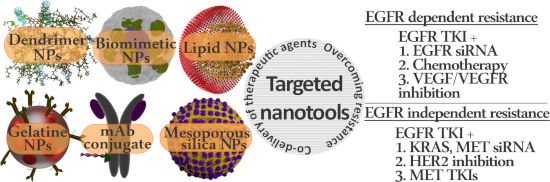
- . However, because of the difference in pharmacokinetics among agents, combined therapies may not effectively reach their targets. The obstacles regarding the simultaneous co-delivery of therapeutic agents at the site of action can be overcome using nanomedicine as a platform and nanotools as delivery


Theranostic potential of self-luminescent branched polyethyleneimine-coated superparamagnetic iron oxide nanoparticles
Beilstein J. Nanotechnol. 2022, 13, 82–95, doi:10.3762/bjnano.13.6
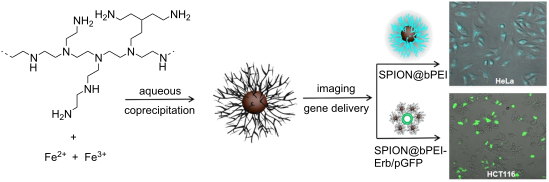
- and a positive surface charge. The former is very important for the pharmacokinetics of nanoparticles and needed for long blood circulation time, especially when a molecular targeting is aimed [36][37][38]. The latter is essential for the highly popular gene therapy, especially in the treatment of




Biocompatibility and cytotoxicity in vitro of surface-functionalized drug-loaded spinel ferrite nanoparticles
Beilstein J. Nanotechnol. 2021, 12, 1339–1364, doi:10.3762/bjnano.12.99
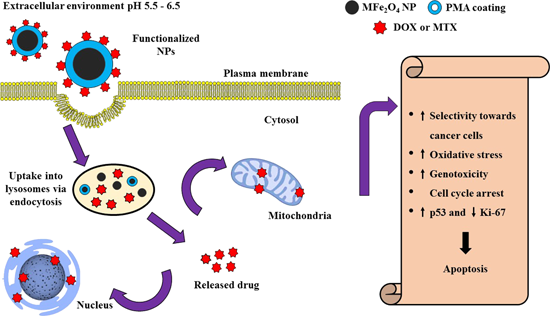
- side effects of conventional therapeutic agents [4]. Functionalized nanoparticles have the potential to improve the therapeutic performance of drugs by regulating pharmacokinetics and pharmacodynamics [5]. Moreover, water compatibility of nanocarriers provides better chemical stability and





pH-driven enhancement of anti-tubercular drug loading on iron oxide nanoparticles for drug delivery in macrophages
Beilstein J. Nanotechnol. 2021, 12, 1127–1139, doi:10.3762/bjnano.12.84
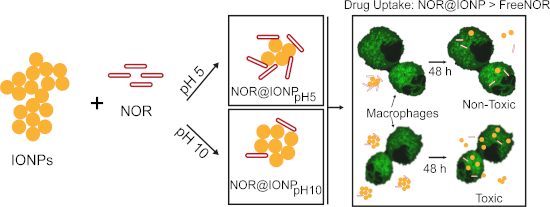
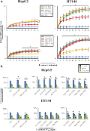
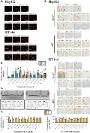
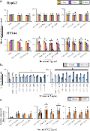
- the center-stage in drug delivery applications, wherein they can improve drug pharmacokinetics and pharmacodynamics and may also increase drug accumulation in both animal cells and bacteria, proving beneficial to overcome drug resistance [1][2]. Iron oxide nanoparticles (IONPs), due to their



Use of nanosystems to improve the anticancer effects of curcumin
Beilstein J. Nanotechnol. 2021, 12, 1047–1062, doi:10.3762/bjnano.12.78
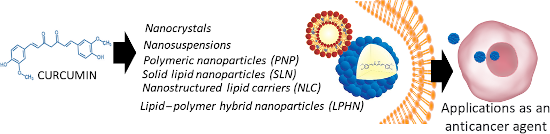
- ]. In addition to the previous data, it should be stated that coadministration of CUR with another anticancer molecule may also serve to complement or potentiate its effects. The use of a single delivery system will also normalize any differences in the pharmacokinetics of co-encapsulated drugs that are
- toxicity, and extending product life cycles [7]. Moreover, they can enhance the therapeutic index and pharmacokinetics of several compounds [40]. This is due to their nanoranged size and the possibility of modifications that can make them able to cross biological barriers to reach a specific target organ
- , cell, or organelle, improving solubility, dissolution rate, and pharmacokinetics [5]. In the case of CUR, the nanosystem size directly influences its biodistribution as demonstrated by Bi et al. [41], who reported differences in the pharmacokinetic profiles when they administered CUR nanosuspension of


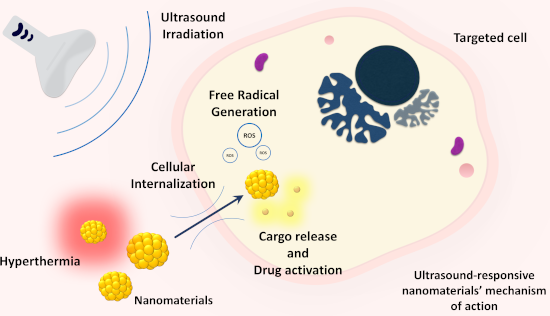
Comprehensive review on ultrasound-responsive theranostic nanomaterials: mechanisms, structures and medical applications
Beilstein J. Nanotechnol. 2021, 12, 808–862, doi:10.3762/bjnano.12.64


The impact of molecular tumor profiling on the design strategies for targeting myeloid leukemia and EGFR/CD44-positive solid tumors
Beilstein J. Nanotechnol. 2021, 12, 375–401, doi:10.3762/bjnano.12.31
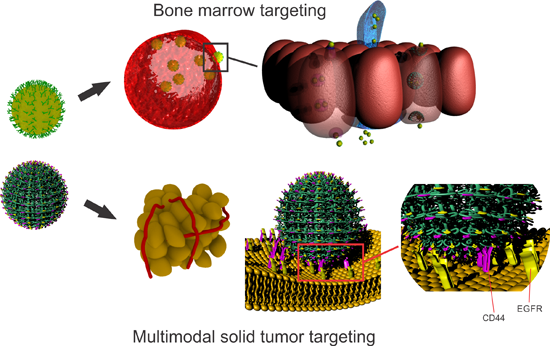
- mechanisms and increasing the overall therapeutic effect. Still, it is challenging to coordinate pharmacokinetics, biodistribution, and intracellular concentration profiles of individual drugs with different physiochemical and biological properties [57][58]. Hence, current clinical combinatorial therapy


Phase inversion-based nanoemulsions of medium chain triglyceride as potential drug delivery system for parenteral applications
Beilstein J. Nanotechnol. 2020, 11, 213–224, doi:10.3762/bjnano.11.16
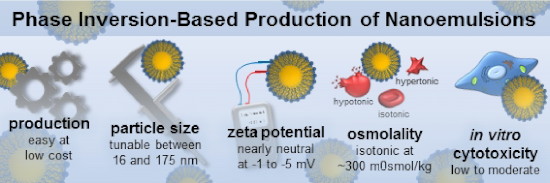
- into the core of the nanoparticles gives the possibility to solubilize and protect the sensitive drugs or contrast agents [2][4][5]. Their pharmacokinetics, including the distribution from the blood stream into the tissue, depend mainly on the size and shape, the surface composition, the charge as well




Rational design of block copolymer self-assemblies in photodynamic therapy
Beilstein J. Nanotechnol. 2020, 11, 180–212, doi:10.3762/bjnano.11.15
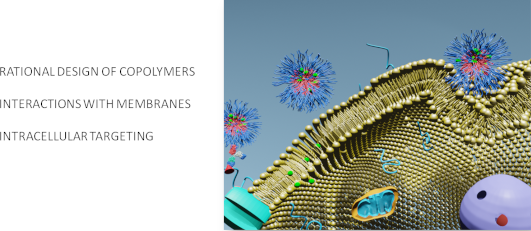
- PDT. Block copolymer nanoassemblies offer the unique possibility to protect the photosensitizer in a hydrophobic environment (as described in Figure 3) and to prevent the aggregation. At the same time, they improve the biodistribution, pharmacokinetics and photochemical reactivity of the






Synthesis and potent cytotoxic activity of a novel diosgenin derivative and its phytosomes against lung cancer cells
Beilstein J. Nanotechnol. 2019, 10, 1933–1942, doi:10.3762/bjnano.10.189
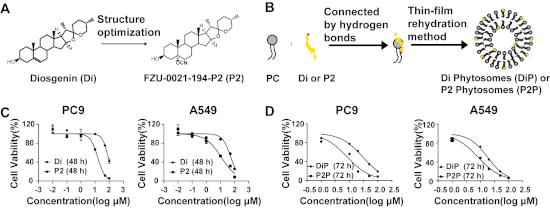
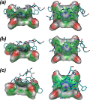
- by cholesterol have been substantially investigated as drug carriers for targeting, modulating drug pharmacokinetics, and decreasing drug toxicity [15][16]. Liposomes also can be used as solubilizing media to enhance solubility and bioavailability of insoluble drugs [17]. Di and our prepared



Microfluidic manufacturing of different niosomes nanoparticles for curcumin encapsulation: Physical characteristics, encapsulation efficacy, and drug release
Beilstein J. Nanotechnol. 2019, 10, 1826–1832, doi:10.3762/bjnano.10.177
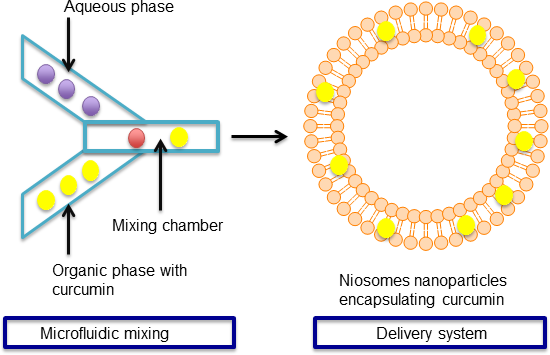
- [6]. The use of nanoparticles as drug delivery systems is currently a corner stone in the field of drug delivery in order to improve the pharmacokinetics and pharmacodynamics of many drugs that have limitations in bioavailability [7]. Therefore, to improve the curcumin characteristics, nanoparticles


From iron coordination compounds to metal oxide nanoparticles
Beilstein J. Nanotechnol. 2016, 7, 2074–2087, doi:10.3762/bjnano.7.198
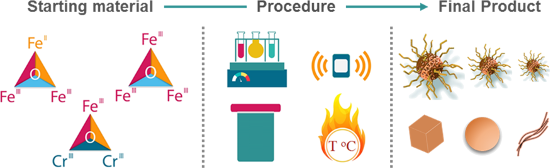
- surfaces are often used for biomedical applications (e.g., biosensing, hyperthermia and MRI) [10]. In biomedical applications, the morphology of the nanoparticle significantly influences both pharmacokinetics and cell uptake [11]. Nanoparticles are also preferred as fillers for polymers to induce certain


Chitosan-based nanoparticles for improved anticancer efficacy and bioavailability of mifepristone
Beilstein J. Nanotechnol. 2016, 7, 1861–1870, doi:10.3762/bjnano.7.178
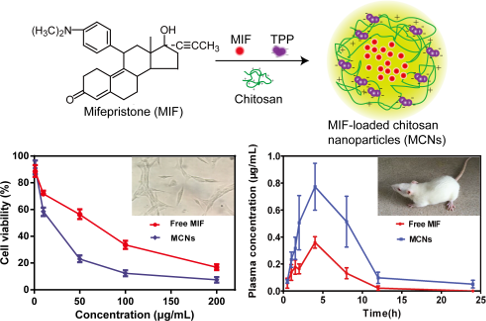
- curve from 0 to 24 h compared with free MIF. These results demonstrated that MCNs could be developed as a potential delivery system for MIF to improve its anticancer activity and bioavailability. Keywords: anticancer; chitosan; drug delivery; mifepristone; nanoparticles; pharmacokinetics; sustained
- plasma concentration (Tmax) are presented in Table 1. The large error bars in the pharmacokinetics curve MCNs indicated that there are great individual differences in the disposition of MCNs. The statistical analysis indicated that significant differences in AUC0−t between MCNs and the MIF suspension


Hematopoietic and mesenchymal stem cells: polymeric nanoparticle uptake and lineage differentiation
Beilstein J. Nanotechnol. 2015, 6, 383–395, doi:10.3762/bjnano.6.38
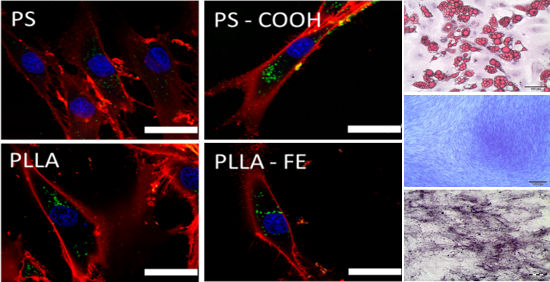
- combination of nanoparticles with these two stem cell types derived from the bone marrow is very promising not only for labelling to monitor biodistribution and migration of stem cells but also to establish the “pharmacokinetics” of such cellular therapeutics. Furthermore, such nanoparticles can be


Functionalized polystyrene nanoparticles as a platform for studying bio–nano interactions
Beilstein J. Nanotechnol. 2014, 5, 2403–2412, doi:10.3762/bjnano.5.250
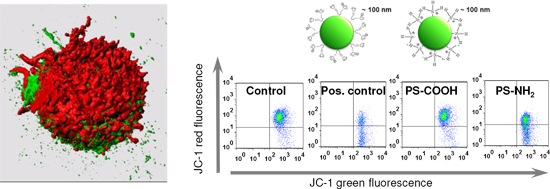
- resistance and cannot be applied orally. Such drugs could be encapsulated within nanoparticles protecting the drug, generating a new hydrophilic surface, improving pharmacokinetics and targeting the drug to distinct cells and tissues This would enable a reduction of the drug dosage thereby improving the
- living cells. The biological effects of nanoparticles depend not only on the particle material and their size, but to a great extent also on the surface chemistry of the particles. Surface functionalization of nanoparticles is crucial for their pharmacokinetics, biocompatibility, and tissue and cell


Near-infrared dye loaded polymeric nanoparticles for cancer imaging and therapy and cellular response after laser-induced heating
Beilstein J. Nanotechnol. 2014, 5, 313–322, doi:10.3762/bjnano.5.35
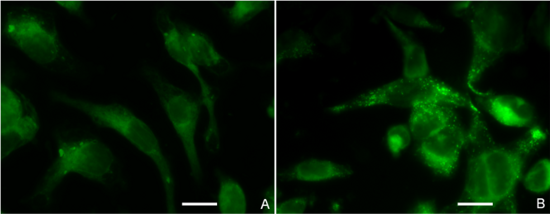
- pharmacokinetics and biodistribution of IR820-PGMD NPs [24]. The present manuscript concentrates primarily on the in vitro response of cancer cells after hyperthermia. Therefore, this paper focuses not only on the cancer imaging and therapy capabilities of IR820-PGMD NPs, but also on exploring the cellular
- compared to the free form [24]. Our release kinetics and pharmacokinetics study results [24] seem to indicate that the NP formulation stabilizes IR820, protecting it from degradation and allowing for longer detection windows. Discussion The MW of PGMD polymer is 3000 Da, which is expected for polymers
- improved plasma circulation time and protect the loading agent from degradation, which would explain the higher intensities observed in vivo when comparing the NP form with the free dye [29][30]. Our pharmacokinetics study showed that IR820-PGMD NPs administration results in significantly increased IR820





