


Search results
Search for "polycaprolactone" in Full Text gives 32 result(s) in Beilstein Journal of Nanotechnology.
Surface functionalization of 3D-printed plastics via initiated chemical vapor deposition
Beilstein J. Nanotechnol. 2017, 8, 1629–1636, doi:10.3762/bjnano.8.162
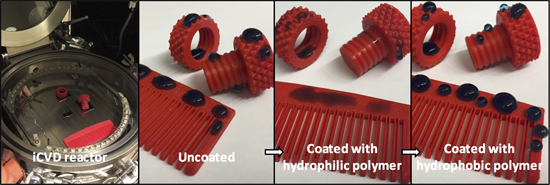
- . Hong et al. demonstrated that simply dipping polycaprolactone/poly(lactic-co-glycolic acid) 3D scaffolds in mussel adhesive proteins promoted cellular adhesion, proliferation and differentiation, showing that a facile surface modification improved the viability of using 3D-printed scaffolds for tissue



Cationic PEGylated polycaprolactone nanoparticles carrying post-operation docetaxel for glioma treatment
Beilstein J. Nanotechnol. 2017, 8, 1446–1456, doi:10.3762/bjnano.8.144
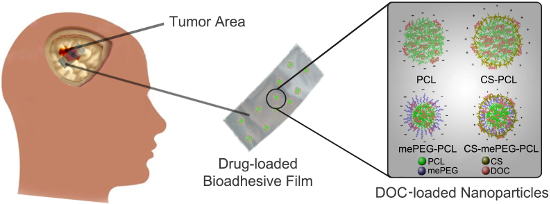
- allow targeted drug delivery [14][15][16][17]. Polycaprolactone (PCL) is a synthetic hydrophobic polymer, which is prepared by ring opening polymerization of the monomer ε-caprolactone. It is used as a polymer in preparation of nanoparticles and other drug depot and delivery systems. Moreover, PCL is
- reported to be nontoxic, biocompatible and biodegradable and is approved for therapeutic use in humans by the FDA. PCL can be copolymerized with other synthetic polymers such as polyethylene glycol (PEG) and polyethylene oxide (PEO) to obtain new polycaprolactone derivatives with various novel properties
- form, while blank nanoparticles were found to be nontoxic on L929 and RG-2 cell lines. It can be said that all drug-loaded nanoparticles are biocompatible, safe and effective against glioma. Our study emphasizes that polycaprolactone and PEGylated derivatives are suitable for the development of




Nanofibers for drug delivery – incorporation and release of model molecules, influence of molecular weight and polymer structure
Beilstein J. Nanotechnol. 2015, 6, 1939–1945, doi:10.3762/bjnano.6.198
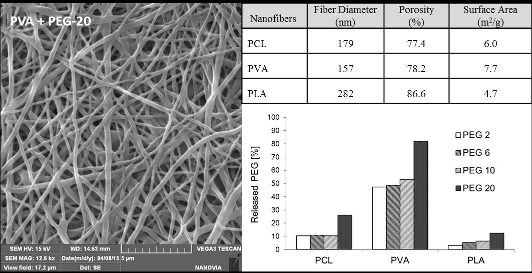
- , Charles University in Prague, Albertov 2030, 128 43 Prague 2, Czech Republic Nanovia Ltd., Podkrusnohorska 271, 436 03 Litvinov-Chuderin, Czech Republic 10.3762/bjnano.6.198 Abstract Nanofibers were prepared from polycaprolactone, polylactide and polyvinyl alcohol using NanospiderTM technology
- implants [26]. In present work the PEGs were added to the solutions of polymers and were incorporated in nanofibers made from polycaprolactone (PCL), polylactide (PLA) and polyvinyl alcohol (PVA) during electrospinning. The release behavior of these molecules into the water environment was investigated and
- into aqueous media in which the solubility of such drugs are very low. Conclusion The release kinetics of polyethylene glycol molecules of various molecular weights from nanofibers prepared from polycaprolactone, polylactide and polyvinyl alcohol were assessed. The release rate and the total released



Oxygen-plasma-modified biomimetic nanofibrous scaffolds for enhanced compatibility of cardiovascular implants
Beilstein J. Nanotechnol. 2015, 6, 254–262, doi:10.3762/bjnano.6.24
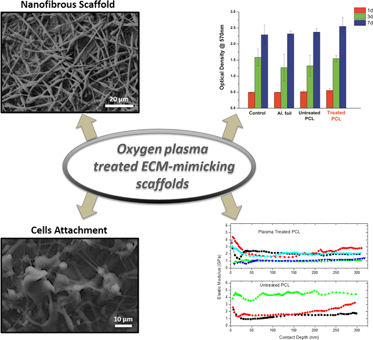
- treatments [17]. Similarly, polycaprolactone (PCL) represents a commonly used biodegradable synthetic polymer for the fabrication of electrospun nanofibrous scaffolds [18], because of its beneficial bulk properties but lacks the proper surface environment for cellular attachment, mainly due to its strongly
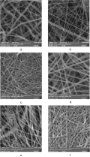
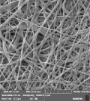
- design and fabrication Materials and methods Polycaprolactone (PCL), Mn = 45,000 Da, chloroform (≥99.8%), methanol (≥99.9%) were obtained from Sigma (Sigma-Aldrich, Greece). All reagents were used without further purification and all solutions were prepared by deionised water. The nanofibrous scaffolds


Synthesis of boron nitride nanotubes and their applications
Beilstein J. Nanotechnol. 2015, 6, 84–102, doi:10.3762/bjnano.6.9
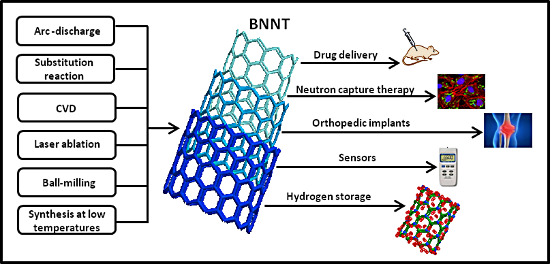
- -embedded polylactide-polycaprolactone (PLC–BNNT) in orthopedic implants [75]. Using real-time PCR methods, they studied the RunX2 gene expression profile, which is a transcription factor responsible for enhancing the cell proliferation. The results of the experiments showed that the PLC–BNNTs increased the
- biomaterials was investigated. In one study, the BNNTs were used in polylactide-polycaprolactone (PLC) copolymer as additives to improve the properties of the polymer as an orthopedic implant [75]. With the addition of BNNTs, a 1370% increase in the mechanical strength of the polymer was observed. The reason




Cyclodextrin-poly(ε-caprolactone) based nanoparticles able to complex phenolphthalein and adamantyl carboxylate
Beilstein J. Nanotechnol. 2014, 5, 651–657, doi:10.3762/bjnano.5.76
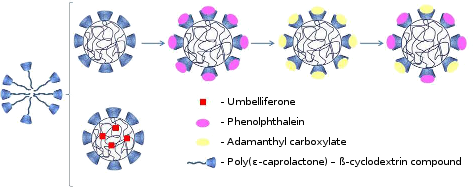
- N-isopropylacrylamide based copolymer have been reported [13]. The characterization and the morphology of a complex based on fish oil encapsulated in CD with the use of polycaprolactone have also been reported [14][15]. Furthermore, CD inclusion complexes with different essential oils and their


Improvement of the oxidation stability of cobalt nanoparticles
Beilstein J. Nanotechnol. 2012, 3, 75–81, doi:10.3762/bjnano.3.9
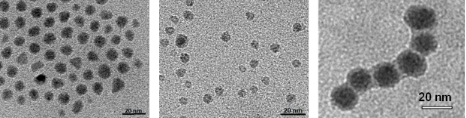
- , respectively. Cobalt nanoparticles with a brush-like shell of linear polycaprolactone (Co@PCL) were obtained by a ring-opening polymerization process of ε-caprolactone starting from ricinolic acid-capped cobalt [13]. Polystyrene coated particles (Co@PS) were accessed by replacing the fatty acid stabilizer
- an analogous investigation of oxidation kinetics. Polycaprolactone coated cobalt nanoparticles (Co@PCL) Co@PCL particles employed in this study were prepared according to a recently published method from ricinolic acid coated cobalt nanoparticles by surface-initiated ring-opening polymerization of CL
- [13][18][19]. This results in brush-like polymer shells. Co@PCL particle oxidation in air was investigated both with a toluene-based dispersion and with a powder sample (Figure 5). The magnetization graphs of the polycaprolactone coated particles in dispersion and as powder exposed to air show no


Other Beilstein-Institut Open Science Activities



