Search results
Search for "size" in Full Text gives 2107 result(s) in Beilstein Journal of Nanotechnology. Showing first 200.
Laser–material interactions in liquids for the synthesis of nanomaterials: current status and perspectives
Beilstein J. Nanotechnol. 2026, 17, 571–575, doi:10.3762/bjnano.17.38

- generation of surfactant-free, high-purity colloidal nanoparticles. Laser fragmentation in liquids (LFL), in turn, involves the irradiation of colloidal micro- or nanoparticle suspensions with high-intensity pulses above the fragmentation threshold, leading to size reduction through photomechanical or
- photothermal mechanisms [17]. Laser melting in liquids (LML) employs lower pulse intensities to increase particle size [18] and/or modify crystallinity and morphology through melting and resolidification [19]. At moderate laser fluences, close to or even below the melting threshold, irradiation can induce
- changes in atomic structure, enabling defect engineering [20]. The broad materials library accessible through LSPC, combined with the wide range of laser, target, and solvent parameters, creates a complex multidimensional optimization space governing nanoparticle size, internal structure, composition, and
Synthesis of Cu–Mo/TiO2 and Co–Mo/TiO2 photocatalysts for the efficient degradation of organic pollutants in water
Beilstein J. Nanotechnol. 2026, 17, 559–570, doi:10.3762/bjnano.17.37
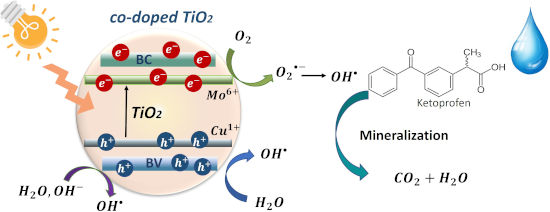
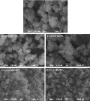
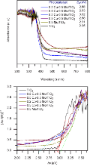
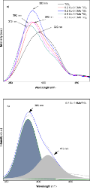
- was evidenced after dopant incorporation into the TiO2 structure. Morphological characterization showed poorly defined spherical particles that decreased in size with increasing Cu and Co concentrations. PL spectra showed an additional signal attributed to the ability of the metal dopants to capture
- from these to the lattice distortion. Additionally, the crystallite size of the materials was determined using the Debye–Scherrer equation and the results are reported in Table 1. The presence of Mo, Cu, and Co metal ions decreases the crystallite size. The inhibition of grain growth in the crystal
- increase in copper concentration (0.5 wt %) resulted in a decrease in particle size and their agglomeration, leading to particles of undefined shape. In contrast, the incorporation of 0.2 wt % of cobalt resulted in smaller particles forming agglomerations. When the cobalt content is increased, particles



Fractional shot noise of an SU(N) Kondo system
Beilstein J. Nanotechnol. 2026, 17, 515–540, doi:10.3762/bjnano.17.34
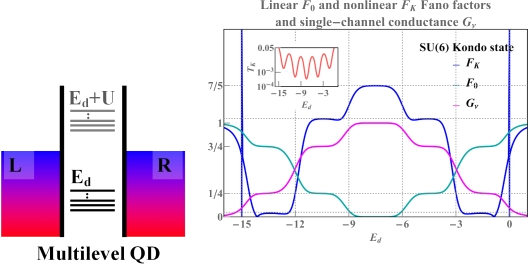
- both fundamental physics and potential quantum information applications, detection, and sensing [1][2][3][4]. To achieve these goals, the increasing ability to manipulate quantum states is crucial. As electrons are confined in fewer dimensions and as the size of the dot decreases, the charging energy
- shift, one must also deal with two particle scattering off the singlet. At finite degeneracy, fluctuations of slave bosons about their mean-field coherent states determine the size of current fluctuations. Motions of the quasiparticles generate fluctuations that create interactions between
- U can be inferred from the size of Coulomb diamonds. For semiconducting carbon nanotubes, the charging energy is of the order of tens of millielectronvolts [7][29] and, for QDs in a 2DEG, U = 1–4 meV [6][100][101]. Γ gives us a quality of contacts and is of the order of millielectronvolts or even


![[Graphic 127]](/bjnano/content/inline/2190-4286-17-34-i187.svg?max-width=637&scale=1.18182)

Probing internal continua and atomic ultrafast charge transfer within size-controlled nanoparticles by post-collision interaction in core-hole clock spectroscopy
Beilstein J. Nanotechnol. 2026, 17, 505–514, doi:10.3762/bjnano.17.33
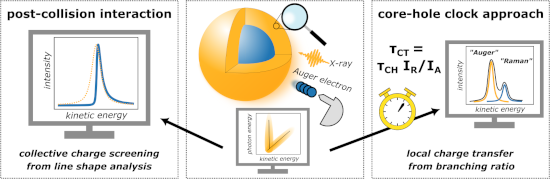
- -Liebknecht-Straße 24/25, 14476 Potsdam-Golm, Germany 10.3762/bjnano.17.33 Abstract This study investigates size-controlled, quantum-confined CdSe/ZnS core–shell quantum dots using core-hole clock spectroscopy in combination with post-collision interaction (PCI) line shape analysis, providing insights into
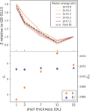
- local charge transfer dynamics and internal continuum states. We observe an acceleration of charge transfer times by almost one order of magnitude in thin-shell quantum dots, comprising only one or three double layers of ZnS, before reaching a size-independent limit. This size-dependence is governed by
- exhibit pronounced quantum confinement effects on their internal continua with a size-dependent transition from bulk-like band properties toward mixed and also atom-like localization [7]. Thus collective electronic states and local charge transfer between atomic units have significant impact. Central



Upcycling agroindustrial waste into graphene oxide supports for gold nanoparticles: toward sustainable nanomaterials
Beilstein J. Nanotechnol. 2026, 17, 489–504, doi:10.3762/bjnano.17.32
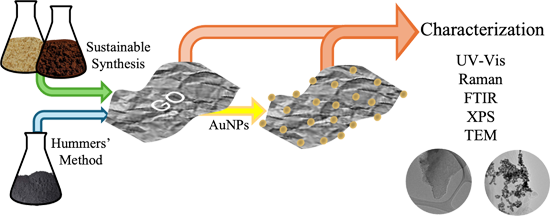
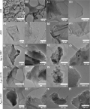
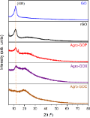
- uniform size distribution before pyrolysis. Synthesis of graphene oxide GO was synthesized using the Hummers' method as modified by Marcano and coworkers [9]. Briefly, 3 g of graphite were added to a flask containing a H2SO4/H3PO4 mixture, followed by the gradual addition of 18 g of KMnO4. The reaction
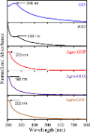
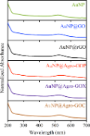
- upon chemical reduction. Conversely, the Agro-GO samples exhibit a different behavior. All three (Agro-GOP, Agro-GOX, and Agro-GOC) show blueshifted π→π* transitions compared with GO, indicating a significant reduction in the size of the conjugated sp2 domains, as smaller and more fragmented sp2
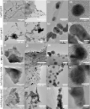
- photochemical growth of AuNPs. This approach takes advantage of the strong affinity between gold precursors and oxygen-containing functional groups on the GO surface, which act as nucleation and anchoring sites for AuNPs, thereby modulating their size, spatial distribution, and interaction with the carbon



Defects and defect-mediated engineering of two-dimensional materials: challenges and open questions
Beilstein J. Nanotechnol. 2026, 17, 454–488, doi:10.3762/bjnano.17.31
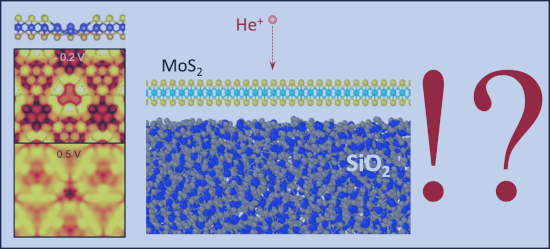
- for the atoms in the investigated material, or under specific imaging conditions using STM, as described in section “Where are the limits for controlled defect engineering in terms of spatial precision, single type or size (e.g., hole size), and scalability?”. As a non-invasive technique, Raman
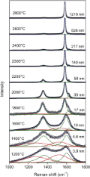
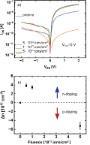
- implemented in the tip-enhanced Raman spectroscopy (TERS) configuration, the well-established D/G ratio depends on the TERS tip enhancement [95] and whether the distance among defects is larger or smaller than the tip apex size [96][97]. As shown in Figure 3, the D/G ratio exhibits three different tendencies
- the groundwork for spin-based quantum technologies in van-der-Waals materials. Where are the limits for controlled defect engineering in terms of spatial precision, single type or size (e.g., hole size), and scalability? Defect engineering in 2D materials is of obvious relevance for applications. For





Nanocarrier-integrated multilayer films produced by 3D printing for improved skin adhesion and curcumin photostability
Beilstein J. Nanotechnol. 2026, 17, 440–453, doi:10.3762/bjnano.17.30
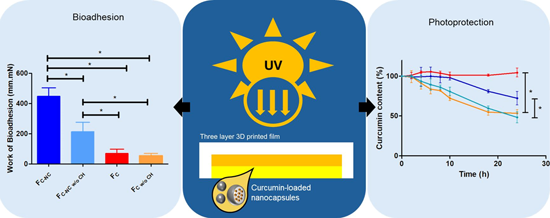
- produced by SSE could address these limitations. To overcome its poor solubility and enhance bioadhesion, curcumin was encapsulated in polymeric nanocapsules (C-NCs), yielding a mean particle size of 218 ± 5 nm, a polydispersity index of 0.10 ± 0.02, a zeta potential of −11 ± 4 mV, and 100% encapsulation
- compared with previously developed hydrogels for skin delivery include improved control over the applied curcumin dose, as well as the personalisation of the size and shape of the printed films for the treatment of specific skin areas, such as wounds. In this proof-of-concept study, we hypothesised that
- concentrated to 10 mL. The experiment was carried out in a dark environment, protected from light. Blank formulations (B-NC) were prepared under the same conditions, without addition of curcumin in the organic phases. All formulations were prepared and characterised in triplicate. Particle size, pH and zeta


First-principles study on elastic properties of Cu, (Cu1−x,Nix)3Sn and interfacial mechanical properties of (Cu1−x,Nix)3Sn/Cu in the lead-free solder joint
Beilstein J. Nanotechnol. 2026, 17, 428–439, doi:10.3762/bjnano.17.29
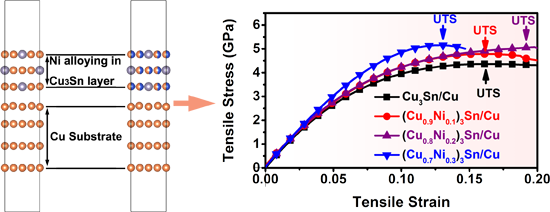
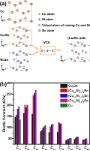
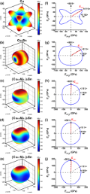
- efficiency without losing the accuracy by reducing the model size of the alloy systems. Considering the phase stability of (CuxNi1−x)3Sn [22], the content of Ni was set within the range from 0 to 30 atom %. As far as the calculations of the structure optimizations and elastic properties are concerned, a


Biomimetic nanoparticles in cancer photodynamic therapy: a review of targeted delivery systems and therapeutic outcomes
Beilstein J. Nanotechnol. 2026, 17, 396–422, doi:10.3762/bjnano.17.27
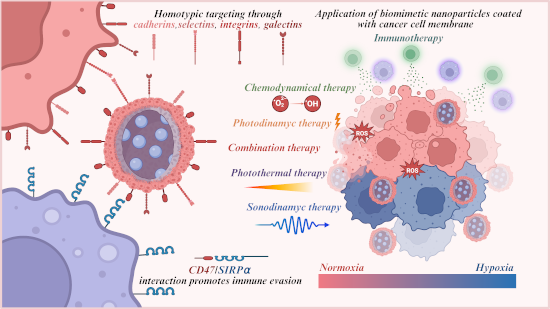
- accumulated in tumors at twice the level of their non-coated counterparts. Fourteen days after treatment, tumor size was reduced to a half with PDT alone and 22-fold with combined


Eco-efficient materials for agricultural crops based on a mineral rich in MOR- and HEU-type zeolites
Beilstein J. Nanotechnol. 2026, 17, 381–395, doi:10.3762/bjnano.17.26
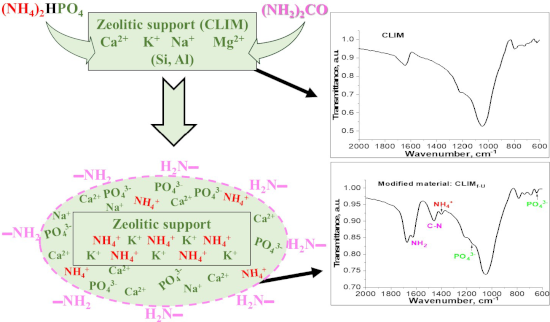
- HEU, which leads to differences in their structural charge. The largest channel of HEU has ten tetrahedra and a size of 3.1 × 7.5 Å [16][35], while, in MOR it has twelve tetrahedra with a size of 6.7 × 7.0 Å [37]. Therefore, this observed difference may be the result of differences in the interaction
- with the zeolitic phase and urea, that is, water molecules in intermediate positions [9][39]. Given the similarity in size between urea molecules (5.6 × 6.3 × 3.0 Å) [41] and the maximum channel sizes of HEU (3.1 × 7.5 Å) and MOR (7.0 × 6.5 Å) [5][36][37], it is possible that urea can be retained in
- zeolitic minerals in agriculture allows one to obtain low-cost, eco-efficient materials for massive application, with rational use of nutrients and agroecological benefits. Experimental Materials and methods In this work, a zeolitic mineral from the San Andrés deposit in Holguín, Cuba, with a particle size




Polycatecholamine nanocoatings on stainless steel: the effect on attachment of human fibroblasts and platelets
Beilstein J. Nanotechnol. 2026, 17, 365–380, doi:10.3762/bjnano.17.25
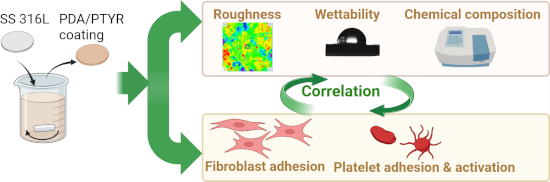
- depends both on the cell type and other surface properties. Human dermal fibroblasts are characterized by large size and relatively low stiffness; thus, at the initial adhesion stage, they favor larger attachment areas (on the peaks of the surface). However, due to the large size and low stiffness, their




Interconnection morphology effects on the radio frequency response of carbon nanotube sponges
Beilstein J. Nanotechnol. 2026, 17, 343–351, doi:10.3762/bjnano.17.23
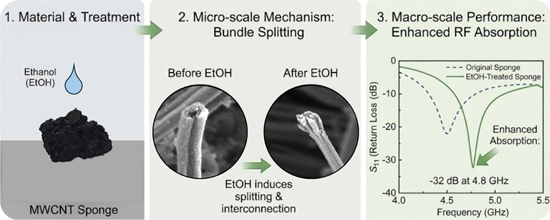
- fits in Figure 5. From the Raman and XPS studies, as well as the SEM micrographs, we conclude that the ethanol treatment induced a change in the structure of the CNS sample, unravelling many of the aggregated tubes, resulting in an increase in pore size and overall available surface area. Without
- collected from the quartz tube. Table S1 in Supporting Information File 1 details the growth parameters adopted for the CNT samples. The CNS bulk material was segmented to a size of 1.5 cm × 1.5 cm with a height of 0.4 cm for the experiment. The treatment with ethanol consisted of wetting the CNS sample




Beam shaping techniques for pulsed laser ablation in liquids: Unlocking tunable control of nanoparticle synthesis in liquids
Beilstein J. Nanotechnol. 2026, 17, 309–342, doi:10.3762/bjnano.17.22
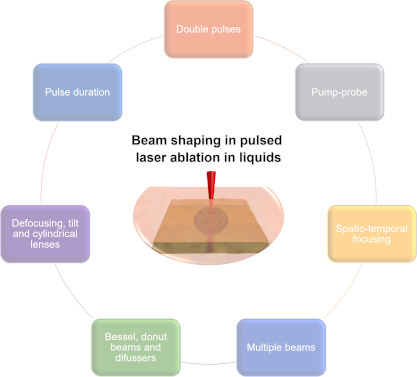
- 10.3762/bjnano.17.22 Abstract Nanoparticle synthesis via pulsed laser ablation in liquids has gained prominence as a versatile and environmentally friendly approach for producing ligand-free colloids with controlled composition, size, and morphology. While pulsed laser ablation in liquids offers
- unparalleled advantages in terms of nanoparticle purity and material versatility, enhancing the size control and productivity require modifications of the standard pulsed laser ablation in liquids technique, such as the incorporation of beam shaping techniques. Recent developments in spatial and temporal beam
- highlighted, offering a comprehensive perspective on the future of this dynamic field. Keywords: green nanoparticles synthesis; PLAL; production upscale; pulsed laser ablation in liquids; size control; spatial beam shaping; temporal beam shaping; Review Introduction Pulsed laser ablation in liquids (PLAL








Fast vortex dynamics and relaxation times in NbRe-based heterostructures
Beilstein J. Nanotechnol. 2026, 17, 292–302, doi:10.3762/bjnano.17.20
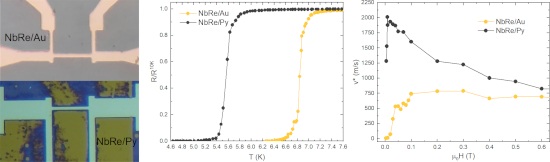
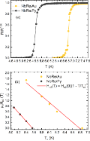
- that NbRe thin films are polycrystalline with oriented grains of nanometric size, of the order of a few nanometers [20][21]. Furthermore, earlier investigations have demonstrated that the superconducting and transport properties of NbRe are robust against moderate thickness variations [19]. These


Advancing nanolithography: a comprehensive review of materials for local anodic oxidation with AFM
Beilstein J. Nanotechnol. 2026, 17, 275–291, doi:10.3762/bjnano.17.19
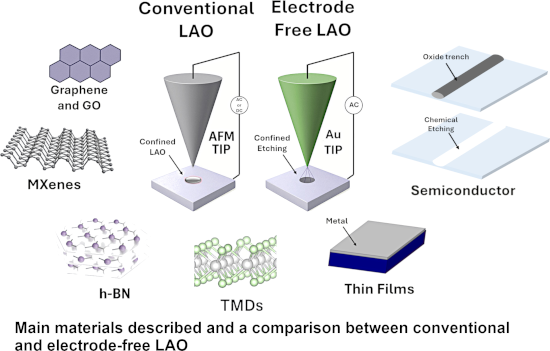
- advantages and limitations. 2.2 Factors influencing oxidation The effectiveness and precision of LAO depend strongly on ambient humidity, which governs formation and size of the water meniscus. Optimal relative humidity (RH) between 35% and 55% ensures reproducible oxidation, while higher humidity enlarges
- applied is fixed (i.e., tens of milliseconds) oxide size increases linearly with pulse amplitude but logarithmically with pulse width [59]. As expected, higher voltages and longer oxidation times increase oxide thickness but may lead to tip wear and reduced lateral resolution. During LAO, the tip
- minimum feature size. Carbon nanotube (CNT)-functionalized AFM tips have been explored for LAO [49][60][61] because their high aspect ratio and good conductivity can, in principle, enable sharper and more controlled oxidation. However, their practical performance is limited by mechanical fragility and


Durable antimicrobial activity of fabrics functionalized with zeolite ion-exchanged nanomaterials against Staphylococcus aureus and Escherichia coli
Beilstein J. Nanotechnol. 2026, 17, 262–274, doi:10.3762/bjnano.17.18
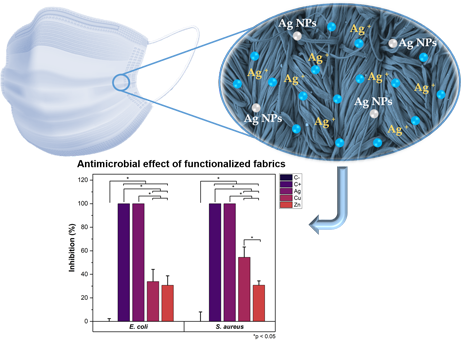
- antibacterial activity against various bacterial strains, including methicillin-resistant Staphylococcus aureus (S. aureus), Bacillus subtilis, Pseudomonas aeruginosa, and Salmonella choleraesuis [15]. Some studies have shown that the size of Cu NPs plays a crucial role in their antimicrobial activity. For
- example, CuO NPs with a size of 4.8 nm demonstrated better antibacterial activity than larger particles (7.8 nm) [16]. The small Cu NPs have a greater capacity to penetrate the cell membrane [17][18]. Zinc oxide NPs are well known for their photocatalytic properties. Also, recent studies have demonstrated
- interval of XRD analysis was 2θ = 5–80°, with a step size of 0.01° and 1 s of measure time for each step. The durability of the finish was assessed by washing the modified textile five times. The fabrics were washed using deionized water and the detergent Alconox. Mechanical action was applied using




Comparative study on 3D morphologies of delignified, single tracheids and fibers of five wood species
Beilstein J. Nanotechnol. 2026, 17, 239–250, doi:10.3762/bjnano.17.16
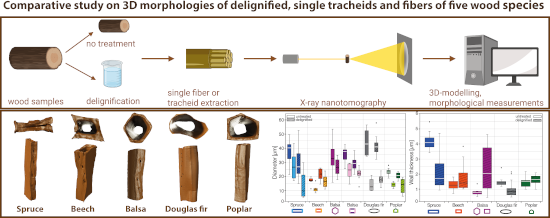
- , Pdet = 6.5 µm pixel size, 2048 × 2048 pixel, 16 bit image depth) with a 10 µm Gadox scintillator was used as the detector. For high-contrast and low-dose imaging, holotomography was applied as the phase contrast technique. Here, a gold Fresnel zone plate with a diameter of 300 µm was used [30]. By
- the pixel sizes were set based on the respective effective pixel size of the scan. Because the diameters differed strongly within and between several wood species, we measured two diameters of each tracheid and fiber, that is, the long and short axes of the lumen from cross section per sample and
- size resulted from the quality of the scans, as some scans were not of sufficient quality for the purpose of this study. We therefore only worked with the scans with sufficient quality (16 in total). Moreover, the diameter and wall thickness were additionally measured from SEM images of the untreated


Gold nanoparticle-decorated reduced graphene oxide as a highly effective catalyst for the selective α,β-dehydrogenation of N-alkyl-4-piperidones
Beilstein J. Nanotechnol. 2026, 17, 218–238, doi:10.3762/bjnano.17.15
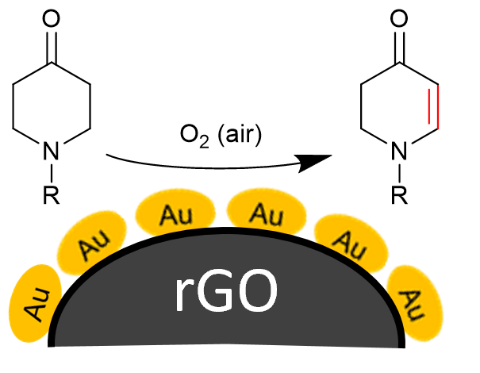
- catalytic properties of AuNPs stem from their nanoscale size, which increases the surface-to-volume ratio, exposes a higher density of active sites, and induces quantum size effects that modulate the electronic structure [5]. These characteristics collectively enhance their reactivity, selectivity, and
- tunability, making AuNPs highly versatile in catalytic applications [5][6]. Traditional ligands such as thiols and citrates are commonly used in the synthesis of AuNPs due to their ability to control particle size, prevent aggregation, and enhance stability in solution [7]. Also, polyoxometalates (POMs) have
- widespread use in direct oxidation processes, Au/C have been less explored in selective α,β-oxidative dehydrogenation reactions, particularly for β-N-substituted saturated ketones [19][21]. In this study, gold nanoparticles with an average size of 10–15 nm, stabilized by sodium citrate (NaCit), and of 3–8 nm


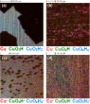
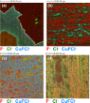
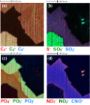
Time of flight secondary ion mass spectrometry imaging of contaminant species in chemical vapour deposited graphene on copper
Beilstein J. Nanotechnol. 2026, 17, 200–213, doi:10.3762/bjnano.17.13
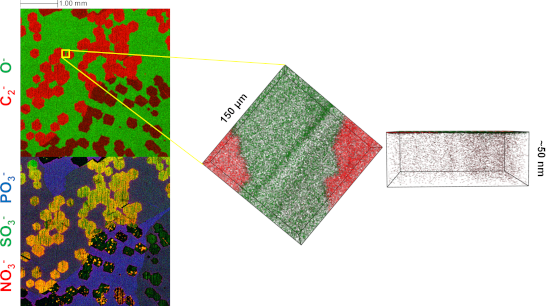
- a pass energy of 40 eV for high resolution, narrow scan window spectra (100 meV step size, 500 ms dwell time), and 160 eV for wide scans (1000 meV step size, 200 ms dwell time), using a monochromated Al Kα X-ray source, with a photon energy of 1486.7 eV. Spectral peak fitting was carried out using
- orientations. Thus, the oxidation of Cu underneath graphene strongly depends on the Cu facet [51][52][53][54], and it is likely that in this case, due to the size of the graphene domains, it can span different Cu facets. Yet, no oxidation is observed. For the other three samples, however, an obvious oxygen





Structure-dependent thermochromism of PAZO thin films: theory and experiment
Beilstein J. Nanotechnol. 2026, 17, 186–199, doi:10.3762/bjnano.17.12
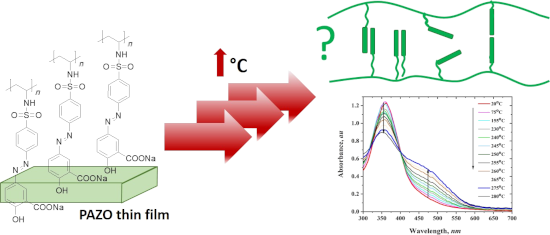
- structure and flexibility of the polymer. These models can be used to understand how the properties of the side chains affect the overall behavior of the polymer, including its ability to interact with other molecules. Applying this practical solution to the "realistic polymer system size" vs "computational


Safe and sustainable by design with ML/AI: A transformative approach to advancing nanotechnology
Beilstein J. Nanotechnol. 2026, 17, 176–185, doi:10.3762/bjnano.17.11
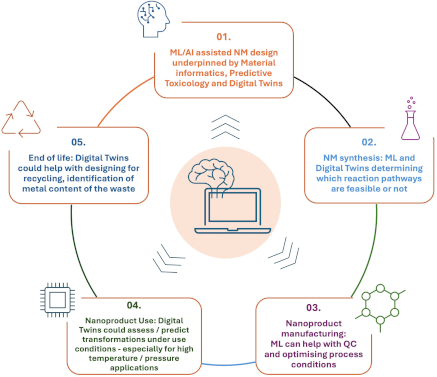
- and sustainability considerations into nanomaterial development. Need for harmonized testing protocols Establishing standardized and reproducible methodologies for characterizing nanomaterial properties – such as size distribution, surface chemistry, and toxicity profiles – is essential. A unified
- information. QSAR models, for instance, rely on known correlations between specific nanomaterial properties – such as size, shape, and surface chemistry – and various toxicity endpoints. By identifying hazardous materials well before synthesis, QSAR-based screening saves resources, decreases late-stage
- powerful aspects of materials informatics lies in its ability to integrate machine learning with multiscale simulation tools – ranging from molecular dynamics to density functional theory – which helps researchers correlate nanoscale features such as particle size, shape, and surface functionalization with


From shield to spear: Charge-reversible nanocarriers in overcoming cancer therapy barriers
Beilstein J. Nanotechnol. 2026, 17, 159–175, doi:10.3762/bjnano.17.10
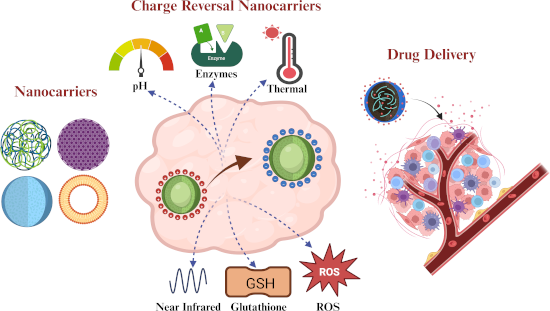
- tumours, undergoing enzymatic cleavage of peptide bonds which causes nanocarrier destabilization, charge reversal, and size reduction. These transformations triggered drug release within the tumour tissue and improved nuclear targeting, optimizing therapeutic efficacy [50]. Thereafter, a study by Lin et
- al. developed MMP-2-responsive PEG-coated nanocarriers that, upon peptide cleavage, underwent PEG detachment, charge reversal, and size reduction, enhancing cellular uptake and tumour-specific drug release. This system effectively inhibited tumour growth with minimal systemic toxicity in mice [51


Influence of surface characteristics on the in vitro stability and cell uptake of nanoliposomes for brain delivery
Beilstein J. Nanotechnol. 2026, 17, 139–158, doi:10.3762/bjnano.17.9
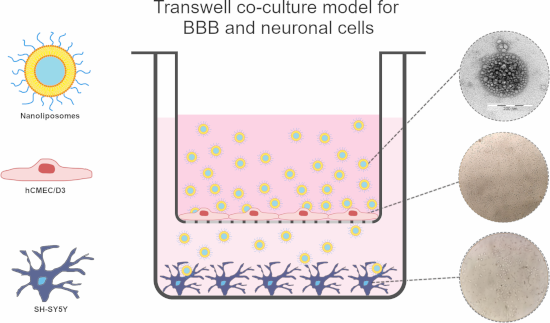
- qualitatively confirmed by spectrophotometry (e.g., by the absence of fluorescence in the supernatant obtained in the last washing cycle), ensuring that the fluorescence signal in subsequent experiments originates exclusively from liposome-associated dye. Particle size, particle size distribution and z
- highlight the dominant independent variables that have a significant effect in the model, the VIP score was used. Results and Discussion Particle size, particle size distribution and z-potential of the nanoliposomes Several studies have reported that despite the composition and the other surface properties
- (i.e. surface charge), the size range of long time circulating NPs may strongly affect their stability, in vivo circulation time, as well as BBB retention, and the possibility of entering into specific interactions with the BBB structures, thus their transport and uptake by brain cells [19]. In this





Capabilities of the 3D-MLSI software tool in superconducting neuron design
Beilstein J. Nanotechnol. 2026, 17, 122–138, doi:10.3762/bjnano.17.8

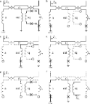
- insets in Figure 3), the variable segment has the simplest (two-layer) cross section. The simulation was performed with mesh steps of 0.125…1 μm, using a reduced-size superconducting screen truncated at a distance of 10 μm from the structure edges (see next section for details). For clarity, the data is
- 5.3 (to 400,000 μm2). Similar modifications were applied to the layout of the Gauss neuron sample described in [27]. Its size was reduced by a factor of 4.7 (to 8,050 μm2), and its ground plane area was increased by a factor of 6.3 (to 400,000 μm2). The neurons were placed in the center of the screen
- with their output arm, which has the same shape for sigma and Gauss neurons, aligned along the symmetry axis of the screen. Suppression of screen-mediated interaction was expected due to the inverse proportionality of the coupling to the transverse (relative to the control line) size of the screen [26



Development and in vitro evaluation of liposomes and immunoliposomes containing 5-fluorouracil and R-phycoerythrin as a potential phototheranostic system for colorectal cancer
Beilstein J. Nanotechnol. 2026, 17, 97–121, doi:10.3762/bjnano.17.7
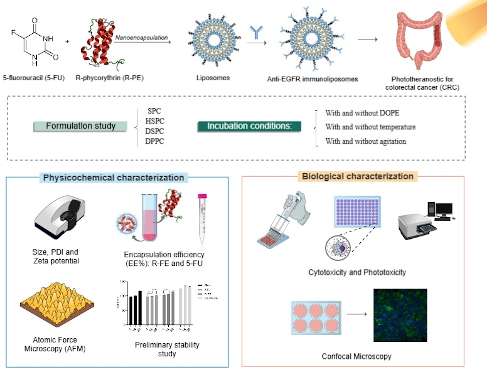
- polydispersity index (PDI) (0.100 ± 0.022), small size (103.43 ± 1.31 nm), and slightly negative zeta potential (−12.23 ± 0.35 mV). The encapsulation efficiency (EE%) was 94 ± 2.4% for R-PE and 42 ± 2.8% for 5-FU. Regarding the stability study, the liposomes maintained vesicle size, PDI and zeta potential values
- in a stable range. From the choice of the 50 mg HSPC liposome, the immunoliposomes were developed. The selected immunoliposomes, composed HSPC/DOPE/Chol/DSPE-PEG-Mal in a ratio of 64:10:22.2:3.7, were named HSPC IM 07. This formulation presented low PDI (0.185 ± 0.01), small vesicle size (99.45
- 7.4 containing 5-FU and/or R -PE, respectively, at final concentrations of 260 μg/mL and 1 mg/mL. Subsequently, the formulations were subjected to an ultrasonic bath for 15 min. To reduce the size of the vesicles, the sonication method with a probe ultrasound was applied (Qsonica Sonicator – Model