Search results
Search for "skin" in Full Text gives 191 result(s) in Beilstein Journal of Nanotechnology.
Development of a mucoadhesive drug delivery system and its interaction with gastric cells
Beilstein J. Nanotechnol. 2025, 16, 371–384, doi:10.3762/bjnano.16.28

- of the mucoid surface [17]. Eudragit RS100 polymer has been used for several applications aimed at different sites of the body such as skin [18], intestinal [16], intranasal [19], or ocular [20] drug delivery. This broad range of application sites is possible because pH-independent swelling of the


Recent advances in photothermal nanomaterials for ophthalmic applications
Beilstein J. Nanotechnol. 2025, 16, 195–215, doi:10.3762/bjnano.16.16
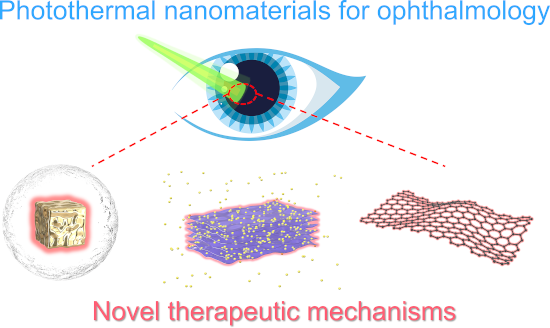
- photochemical reactions [30][31]. UV light helps the skin synthesize vitamin D, but excessive exposure to UV light may lead to DNA damage, sunburn, and photochemical damage [32][33]. Visible and NIR light with longer wavelengths have lower photon energies and are safer for use in the human body [34]. The


Clays enhanced with niobium: potential in wastewater treatment and reuse as pigment with antibacterial activity
Beilstein J. Nanotechnol. 2025, 16, 141–154, doi:10.3762/bjnano.16.13
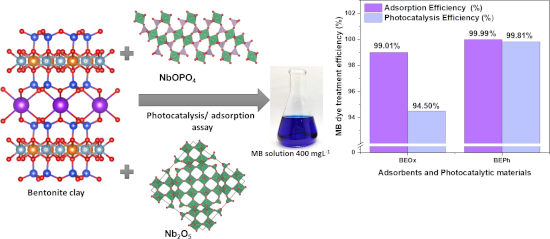
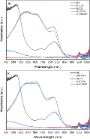
- intense blue cationic dye important in medical sciences, chemistry, and biology, as well as widely used in the textile industry [2]. Prolonged exposure to MB can result in adverse health effects, including abdominal disorders, respiratory distress, skin sensitization, and blindness [3]. The dark blue



Bioinspired nanofilament coatings for scale reduction on steel
Beilstein J. Nanotechnol. 2025, 16, 25–34, doi:10.3762/bjnano.16.3

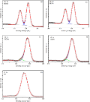
- , Danish Technical University, 2800 Kongens Lyngby, Denmark 10.3762/bjnano.16.3 Abstract Scaling of steel surfaces, prevalent in various industrial applications, results in significant operational inefficiencies and maintenance costs. Inspired by the natural hydrophobicity of springtail (Collembola) skin
- moisture control and water interaction [1][2]. The structure and chemistry of insect skin are finely tuned to navigate these challenges, showcasing a sophisticated natural adaptation to efficiently repel water [3]. Springtails have mastered this capability using micro- and nanostructured skin surfaces
- , which serve as a barrier against unwanted wetting [4][5]. Collembola breathe through their skin and, since they live in humid environments, need to retain air near their skin for survival in diverse habitats [6] (Figure 1A,B). Drawing inspiration from Collembola, our study delves into the potential


Mechanistic insights into endosomal escape by sodium oleate-modified liposomes
Beilstein J. Nanotechnol. 2024, 15, 1667–1685, doi:10.3762/bjnano.15.131
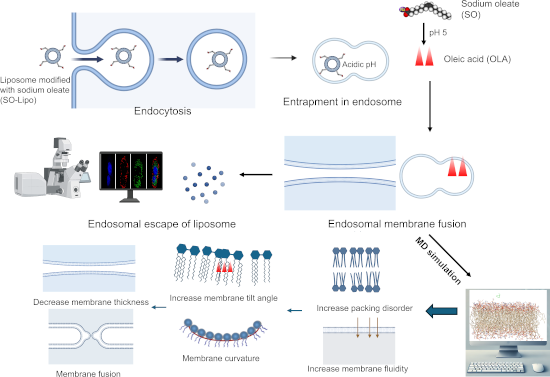
- potential of oleic acid (OLA), the protonated form of sodium oleate (SO), to enhance membrane fluidity in specific lipid bilayer models, including dioleoylphosphatidylcholine (DOPC) and dipalmitoylphosphatidylcholine (DPPC), as well as in complex biological systems such as the human skin barrier [9][10][11




Electrochemical nanostructured CuBTC/FeBTC MOF composite sensor for enrofloxacin detection
Beilstein J. Nanotechnol. 2024, 15, 1522–1535, doi:10.3762/bjnano.15.120
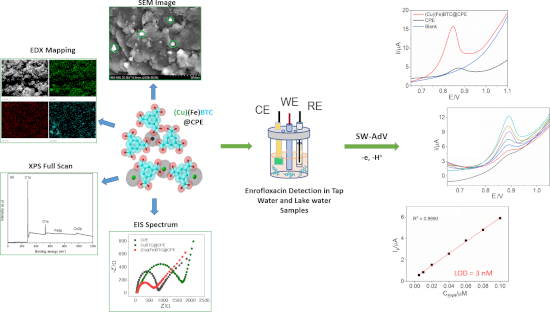
- extensively used in livestock and aquaculture as an antibacterial agent, showing high activity against both Gram-negative and Gram-positive bacteria [1][2]. ENR, like other fluoroquinolones, is used to treat susceptible bacteria responsible for infections of the skin and soft tissue. The overuse of ENR causes





Polymer lipid hybrid nanoparticles for phytochemical delivery: challenges, progress, and future prospects
Beilstein J. Nanotechnol. 2024, 15, 1473–1497, doi:10.3762/bjnano.15.118
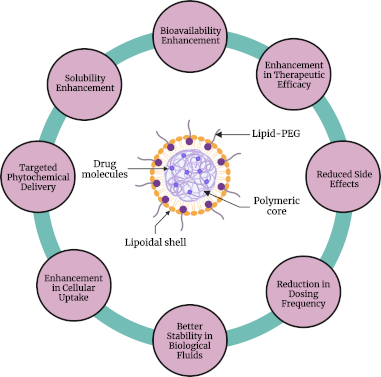
- against BC [101]. The developed THQ-PLHNPs gel showed much higher skin permeation and retention compared to the conventional THQ gel. The THQ-PLHNPs were non-irritant when applied to the skin. Furthermore, the developed gels showed higher antiproliferative activity against MCF-7 and MBD-MB-231 cells than
- PLHNPs for topical treatment of wound healing [165]. The developed HPN-cPLHNPs exhibited excellent stability at refrigerator temperatures and rheological characteristics. The HPN-cPLHNPs showed significantly higher skin permeation with a 2.12 ± 0.52 times higher enhancement ratio than that of the pure


Hymenoptera and biomimetic surfaces: insights and innovations
Beilstein J. Nanotechnol. 2024, 15, 1333–1352, doi:10.3762/bjnano.15.107
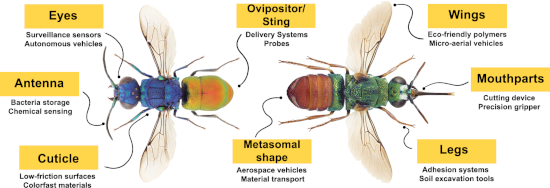
- of artificial surfaces, such as rough coatings on high-speed trains [12], dimples on golf balls [13], and shark skin denticles on aircrafts [14]. Some micromachines can also benefit from micro- and nanostructures that create roughness on surfaces and influence aerodynamics and heat transfer [15]. The




A low-kiloelectronvolt focused ion beam strategy for processing low-thermal-conductance materials with nanoampere currents
Beilstein J. Nanotechnol. 2024, 15, 1197–1207, doi:10.3762/bjnano.15.97

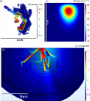
- and fast processing times. Suitable ion beam parameters for lower-energy ions (5 keV) are assessed, and the results are compared to the conventionally used 30 keV ions. The interactions of 5 keV gallium ions and the effect on heat accumulation due to ion impacts with the sample (skin) were
- by milling a TEM lamella and assessing the ion beam-induced heat damage in collagen. Purified collagen was selected as the experimental test material for two main reasons. First, it is the principal component of skin, for which well-documented literature values are readily available [21]. Second
- , collagen’s fibrillar structure, visible by microscopy, is denatured by heat to give gelatin that lacks any fixed structure [22][23], making heat damage easily recognizable. Despite the focus on Ga ions impacting in skin (simulations) and collagen (experimental), the broader results presented here are true



Direct electron beam writing of silver using a β-diketonate precursor: first insights
Beilstein J. Nanotechnol. 2024, 15, 1117–1124, doi:10.3762/bjnano.15.90

- challenges in device design and fabrication. Accordingly, various methods to improve purity during [15][16][17][18] or after deposition [18][19][20][21][22] were developed. For plasmonic applications, a metallic surface layer with a thickness exceeding the skin depth is sufficient to obtain the desired
- functionality [23][24]. Here, skin depth refers to the penetration depth of an electromagnetic field into a (non-transparent) metallic material. While pure metal deposition by direct electron beam writing was demonstrated for gold precursors with inorganic ligands [25][26], high purity comes often at the


Unveiling the potential of alginate-based nanomaterials in sensing technology and smart delivery applications
Beilstein J. Nanotechnol. 2024, 15, 1077–1104, doi:10.3762/bjnano.15.88


The effect of age on the attachment ability of stick insects (Phasmatodea)
Beilstein J. Nanotechnol. 2024, 15, 867–883, doi:10.3762/bjnano.15.72

- , damage, contaminations, and changes of material properties of the integument of the attachment pads. Geckos, however, continuously shed their skin throughout their life, in contrast to insects; this was shown to enable regeneration of the adhesive properties of the attachment system to some extent [62


Investigation on drag reduction on rotating blade surfaces with microtextures
Beilstein J. Nanotechnol. 2024, 15, 833–853, doi:10.3762/bjnano.15.70
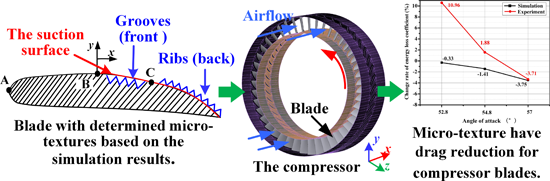
- moving animals, such as the “denticles” found on the surface of shark skin, which enable high-speed swimming [2], as well as the texture of bird feathers [3]. The phenomenon of drag reduction can also be observed on the surface of plants. For example, there is a superhydrophobic structure on the surface
- ]. Lang et al. [8] constructed rectangular and sinusoidal grooves with 2 mm in width, 3 mm in depth, and 1 mm in spacing, thus mimicking the transverse grooves on the surface of dolphin skin. They observed the effect of the grooves on flow separation and boundary layer using digital particle image
- better than that of the other two structures. Tian et al. [10] pointed out that, because of the complexity of microstructures on the shark skin surface, it is difficult to use a uniform method to characterize the skin surface. Triangular grooves or rectangular grooves can be used to simplify the


When nanomedicines meet tropical diseases
Beilstein J. Nanotechnol. 2024, 15, 830–832, doi:10.3762/bjnano.15.69

- Eder Lilia Romero Katrien Van Bocxlaer Fabio Rocha Formiga Nanomedicine Research and Development Centre (NARD), Science and Technology Department, National University of Quilmes, Roque Saenz Peña 352, B1876 Bernal, Provincia de Buenos Aires, Argentina Skin Research Centre, Hull York Medical School
Electrospun polysuccinimide scaffolds containing different salts as potential wound dressing material
Beilstein J. Nanotechnol. 2024, 15, 781–796, doi:10.3762/bjnano.15.65
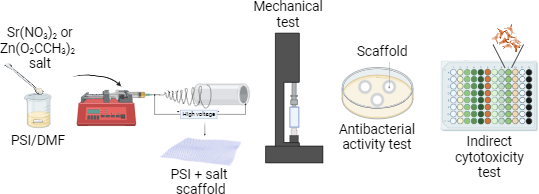
- 8 h; however, only 50% of the zinc acetate was dissolved. In addition, antibacterial activity tests were performed with four different bacterial strains relevant to skin surface injuries, leading to the appearance of inhibition zones around the scaffold discs in most cases. We also investigated the
- 24 h of incubation. The msalt is the calculated mass of the salts in a scaffold disc (6 mm in diameter). In vitro cell studies Cell cultures An osteosarcoma cell line (MG-63, ECACC 86051601) and skin fibroblasts (155BR, ECACC 90011809), both of human origin, were cultured as monolayers at 37 °C and 5
- , including strength and elasticity of the fibrous scaffold, are crucial parameters. Medical gauze has a storage modulus of 1 MPa to 1 GPa [58], while the Young’s modulus of the skin is between 0.1 and 10 kPa, depending on the body parts, layer, and skin age [59]. In our research, we aimed to investigate the



Functional fibrillar interfaces: Biological hair as inspiration across scales
Beilstein J. Nanotechnol. 2024, 15, 664–677, doi:10.3762/bjnano.15.55
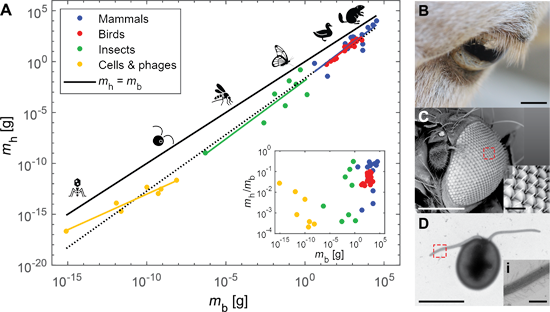
- square centimeter) [32]. Hairs on humans have also been reported to protect the skin from UVA and UVB radiation from the sun [33]. UV radiation from the sun can not only heat up human skin but is also linked to skin cancers. Therefore, in mammals and birds, hairs provide protection from thermal effects
- [21][22]. Burrowing The use of hairs to generate frictional forces is not unique to animals that climb. Hair-like setae on the skin of earthworms aid in burrowing by increasing friction and providing anisotropic anchoring [65][66][67]. When burrowing, the earthworm mainly uses cavity expansion to


Radiofrequency enhances drug release from responsive nanoflowers for hepatocellular carcinoma therapy
Beilstein J. Nanotechnol. 2024, 15, 569–579, doi:10.3762/bjnano.15.49
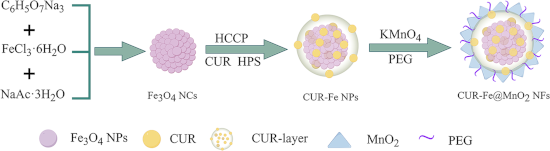
- significant side effects such as hypertension, proteinuria, and skin toxicity [7][8]. Hence, there is a pressing need to develop new therapeutic modalities that offer substantial efficacy while minimizing side effects. Extensive efforts have been dedicated to drug development and delivery technologies in


Cholesterol nanoarchaeosomes for alendronate targeted delivery as an anti-endothelial dysfunction agent
Beilstein J. Nanotechnol. 2024, 15, 517–534, doi:10.3762/bjnano.15.46
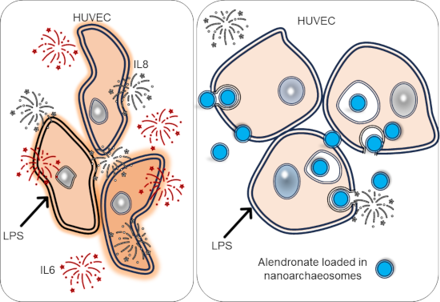
- metalloproteases substrate (FS-6), Sephadex G-50, lipopolysaccharides from Escherichia coli 0111:B4 (LPS), Mitochondria Staining Kit (JC-1 dye), valinomycin, sodium dodecyl sulfate (SDS), dexamethasone (DEX), ammonium persulfate, phorbol 12-myristate 13-acetate (PMA), gelatin from bovine skin type B, and BSA
- normal deliveries with written informed consent from the mother. HUVECs were purified from the human umbilical vein by digestion with collagenase (Gibco, Grand Island, NY, USA) [78]. Cells were grown in plate coated with 2% gelatin from bovine skin type B in EGM-2 supplemented with antibiotics (100 U/mL
- Figure 13. Briefly, HUVECs were seeded in EGM-2 medium at a density of 4 × 10⁴/cm2 on ThinCert™ cell culture inserts (12 wells, 0.4 µm pore size PET membrane Greiner Bio-One GmbH, Austria) previously covered with 2% bovine skin gelatin type B and grown for 24 h. Also, 10.5 × 10⁴/cm2 THP-1 macrophages per





Fabrication of nanocrystal forms of ᴅ-cycloserine and their application for transdermal and enteric drug delivery systems
Beilstein J. Nanotechnol. 2024, 15, 465–474, doi:10.3762/bjnano.15.42
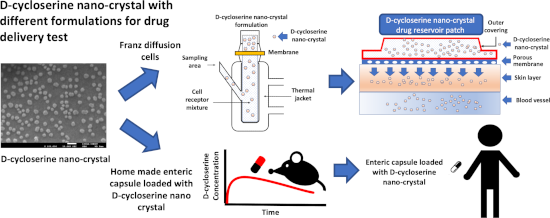
- ) and enteric formulation. In this study, DCS nanocrystals were fabricated and investigated for novel drug delivery systems. Transdermal drug delivery is an administration route wherein the API is delivered across the skin for systemic distribution. The categories of TDD systems include reservoir
- vascular endothelial cells are at low frequency, and that the trans-endothelial pathways are the dominant mechanisms for nanoparticle extravasation in tumors (also called enhanced permeability and retention (EPR) effect) [37]. Since the skin has a denser structure than that of tumor vessels, we speculated
- that a driving force similar to the EPR effect might be one of the forces driving DCS nanocrystals to penetrate the skin layer. The findings above implied that DCS nanocrystals had a much better penetration capability through human skin and could be applied for transdermal drug delivery due to their


Classification and application of metal-based nanoantioxidants in medicine and healthcare
Beilstein J. Nanotechnol. 2024, 15, 396–415, doi:10.3762/bjnano.15.36
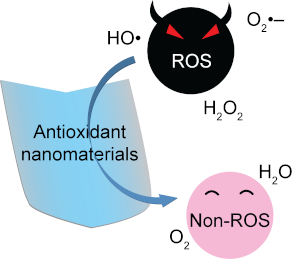
- ) concentration of 0.5 wt % for the successful formation of ferulic acid-loaded lipid-based nanoparticles [141]. The ferulic acid-loaded nanoparticles with improved bioavailability can be useful for skin care products and human skin cancer treatment [142][143][144]. Wound repair The skin is the outermost layer
- , the largest organ, and the first barrier protecting our body against toxic elements, infections, and dehydration, which makes it vulnerable. A major skin injury can cause severe problems to human health such as increased risk of infections, dehydration, and immune system disorders [145][146]. Wound
- repair is a crucial process for the recovery of injured skin by which the integrity of the wounded area is restored and regenerated. In wound repair, ROS acts as a double-edged sword because ROS have both positive and negative effects on wound repair. At a low ROS level, the wound repair process benefits


Nanomedicines against Chagas disease: a critical review
Beilstein J. Nanotechnol. 2024, 15, 333–349, doi:10.3762/bjnano.15.30
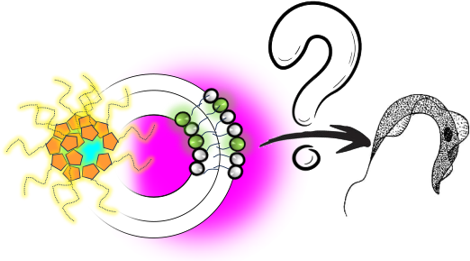
- idiosyncratic adverse drug reactions (ADRs), caused by BNZ reduction products, which are maximal in adults and lead to treatment discontinuation [19]. Typical ADRs include headache, anorexia, weakness and/or lack of energy, skin rash, gastrointestinal complaints, and mild, peripheral neurological effects [20

Exploring the relationships between physiochemical properties of nanoparticles and cell damage to combat cancer growth using simple periodic table-based descriptors
Beilstein J. Nanotechnol. 2024, 15, 297–309, doi:10.3762/bjnano.15.27
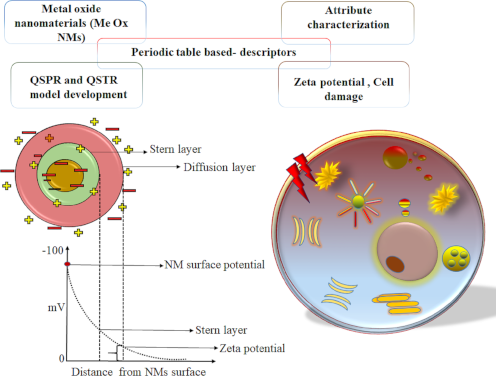
- different areas [1]. However, the innovation of nanomaterials (NMs) is hindered because of potential adverse effects. It is believed that small particles can enter the body through inhalation, ingestion, and skin penetration and have the potency to interact with macromolecules for a long period. Many


Curcumin-loaded nanostructured systems for treatment of leishmaniasis: a review
Beilstein J. Nanotechnol. 2024, 15, 37–50, doi:10.3762/bjnano.15.4
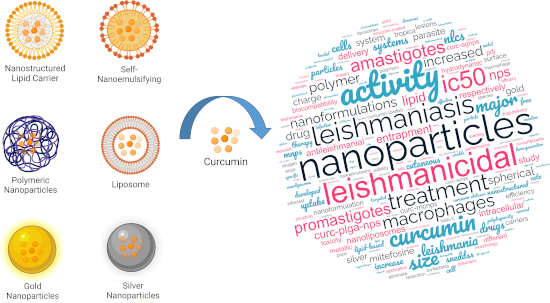
- areas of the skin, or diffuse when several lesions occur over an extensive area of skin tissue [3]; (ii) mucocutaneous leishmaniasis, which causes total or partial degeneration of the mucous membranes of the nose, mouth, and throat [4], and (iii) visceral leishmaniasis (also known as kala-azar), can
- in female Balb/c mice [72]. The results of the study showed an improvement in skin lesions of groups treated with Ag-NP both before and after infection. The group treated after infection displayed a significant decrease in lesion size starting in the second week of treatment, with complete healing
- , respectively. Additionally, this nanosystem proved to be biocompatible with skin fibroblasts (in vitro). However, neither the cell viability of this system in healthy macrophages nor models of parasite infection in this cell type were evaluated. Considering that the nanoscale platform approved by the FDA and


Nanotechnological approaches in the treatment of schistosomiasis: an overview
Beilstein J. Nanotechnol. 2024, 15, 13–25, doi:10.3762/bjnano.15.2
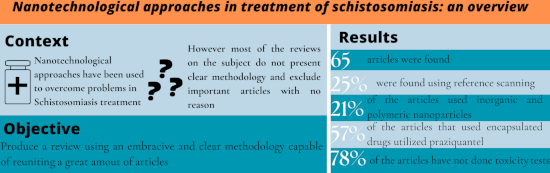
- ]. Every year, 200 thousand deaths are caused by schistosomiasis, making it the third most devastating tropical disease in the world after malaria and intestinal parasitosis [3]. After penetration of the skin by the larval form (cercariae), the schistosomes mature and migrate through the lung to the liver
- unsaturated free fatty acid in the outer layer of human skin, is commonly used as a permeation promoter, inducing the disruption of the lipid structure of the membrane. de Oliveira et al. [85] showed in vitro that oleic acid encapsulated in polymeric nanoparticles could potentially be used in schistosomiasis


Fluorescent bioinspired albumin/polydopamine nanoparticles and their interactions with Escherichia coli cells
Beilstein J. Nanotechnol. 2023, 14, 1208–1224, doi:10.3762/bjnano.14.100
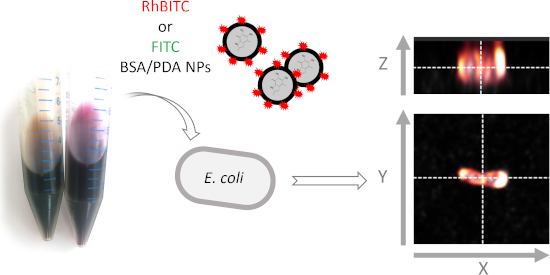
- , France UMR 7199, CNRS/University of Strasbourg, 74 route du Rhin, 67401 Illkirch, France CNRS, 23 rue du Loess, 67200 Strasbourg, France 10.3762/bjnano.14.100 Abstract Inspired by the eumelanin aggregates in human skin, polydopamine nanoparticles (PDA NPs) are promising nanovectors for biomedical
- bacteria. Inspired by the eumelanin aggregates in human skin, polydopamine nanoaggregates (here referred to as nanoparticles, i.e., PDA NPs) have emerged as promising nanovectors for biomedical applications [11][12], especially because of their biocompatibility [13][14] and photothermic properties [15][16