


Search results
Search for "surfaces" in Full Text gives 1303 result(s) in Beilstein Journal of Nanotechnology. Showing first 200.
Micro- and nanoscale effects in biological and bioinspired materials and surfaces
Beilstein J. Nanotechnol. 2026, 17, 214–217, doi:10.3762/bjnano.17.14

- surfaces of any living organism constantly engage with the environment and face a wide range of challenges. To meet these challenges, the surfaces of any organism must often simultaneously fulfil multiple functions and adapt to various environmental pressures, which involve complex interactions between
- generalizing nanoscale properties and processes in biology to engineer functional surfaces and interfaces across different scales. In May 2023, the Beilstein Nanotechnology Symposium titled “Functional Micro- and Nanostructured Surfaces: from Biology to Biomimetics” brought together a diverse group of
- researchers from multiple disciplines in Limburg, Germany. On this occasion, various scientists contributed to a fruitful exchange of ideas across diverse fields focusing on biological and artificial surfaces. The symposium highlighted significant progress in the field of biomimetics and served as an
Time of flight secondary ion mass spectrometry imaging of contaminant species in chemical vapour deposited graphene on copper
Beilstein J. Nanotechnol. 2026, 17, 200–213, doi:10.3762/bjnano.17.13
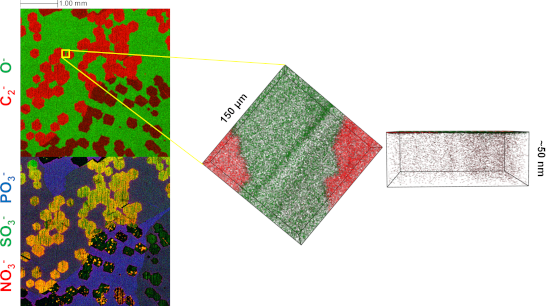
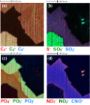
- fragmentation of the graphene carbon lattice [28], we can easily observe the areas of graphene coverage on the copper foil surfaces. Depending on the pre-treatment, the graphene nucleation density varies significantly, resulting in variations in coverage. For the BO and EP samples in Figure 1a,c, nucleation is





Safe and sustainable by design with ML/AI: A transformative approach to advancing nanotechnology
Beilstein J. Nanotechnol. 2026, 17, 176–185, doi:10.3762/bjnano.17.11
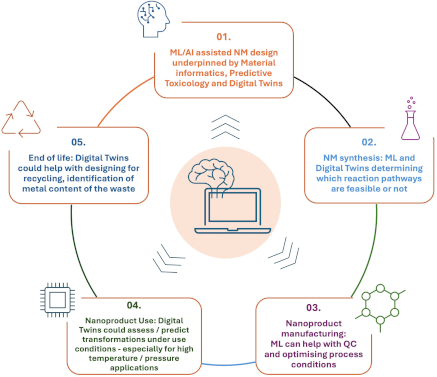
- and risks associated with specific ENMs [56]. One illustrative application involves modelling nanoparticle–protein interactions, a critical factor in drug delivery systems, where digital twins can accurately predict protein adsorption patterns on nanoparticle surfaces through read-across and


From shield to spear: Charge-reversible nanocarriers in overcoming cancer therapy barriers
Beilstein J. Nanotechnol. 2026, 17, 159–175, doi:10.3762/bjnano.17.10
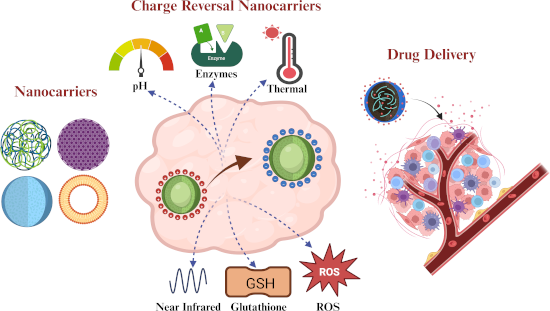
- that zwitterionic and neutral nanoparticles possess highly hydrated, charge-balanced surfaces that minimize serum protein adsorption, complement activation, and cytokine release (IL-6, TNF-α). In murine models, these particles exhibited reduced systemic inflammation and enhanced circulation stability


Functional surface engineering for cultural heritage protection: the role of superhydrophobic and superoleophobic coatings – a comprehensive review
Beilstein J. Nanotechnol. 2026, 17, 63–96, doi:10.3762/bjnano.17.6
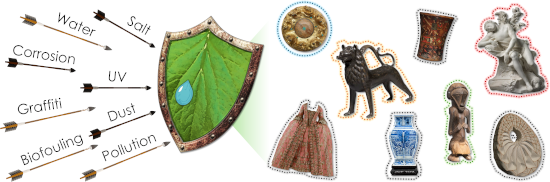
- , pollutants, and oily substances. These functional surfaces, often based on coatings consisting of polymeric, ceramic, and composite materials, can provide durable, non-invasive protection tailored to specific substrate weaknesses and exposure environments (indoor and outdoor). Objective of this review
- , acknowledging the conservative merits of amurca, obtained from wastes of olive oil production, that keeps bronze surfaces shinier and free from rust. Moreover, Pliny himself endorsed bitumen for being highly useful for bronze protection against fire, and mechanical and corrosion threats. Other examples of the
- transparency and reversibility, while smoother substrates favor thinner, more controllable films. Furthermore, artworks having stone or inorganic surfaces, may experience erosion due to the effect of acid rain if in outdoor environment (limestone might shift to gypsum due to sulfur dioxide, becoming porous and


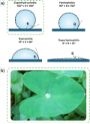


Subdigital integumentary microstructure in Cyrtodactylus (Squamata: Gekkota): do those lineages with incipiently expressed toepads exclusively exhibit adhesive setae?
Beilstein J. Nanotechnol. 2026, 17, 38–56, doi:10.3762/bjnano.17.4
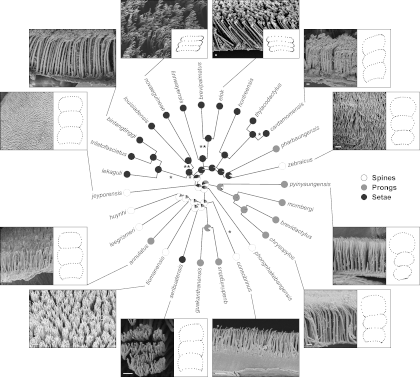
- /bjnano.17.4 Abstract In taxa such as insects, spiders, bats, frogs, and lizards, adhesive structures at the distal ends of their limbs have independently evolved, enabling the animals to adhere to inclined or even inverted surfaces. The adhesive apparatus of geckos functions via a complex interaction
- surfaces, either by employing dry adhesion via microstructures, or wet adhesion, which is additionally supported by secretions [1][2][3][4][5]. In lizards, subdigital adhesive microstructures facilitating dry adhesion evolved independently in anoles, some skinks, and multiple times in geckos [3][6][7][8
- arboreal, lifestyle [29] as these microstructures effect increased adhesive interactions with smooth, inclined surfaces. The surfaces of some arboreal habitats can be very smooth [30][31][32], imposing selective demands for adhesive capabilities that permit safe and efficient locomotion. Saxicoline


Quantitative estimation of nanoparticle/substrate adhesion by atomic force microscopy
Beilstein J. Nanotechnol. 2026, 17, 1–14, doi:10.3762/bjnano.17.1

- NPs and significantly enhancing their interfacial adhesion. Their mechanical stability was tested utilizing scanning probe microscopy nanomanipulation [12]. Another approach tested for SiO2 NPs was functionalizing their surfaces for improved adhesion on epoxy film-covered substrate surfaces [13]. In
- ] stands out as the most commonly utilized and, with subsequently suggested modifications [38], widely accepted state-of-the-art procedure. In this study, a TGZ calibration grating from NT-MDT with defined Si slopes of 55° was used for the wedge calibration. The method is based on scanning sloped surfaces
- partial penetration, removal, or reduction cannot be excluded. We did not detect changes in the roughness between pristine and plasma-treated surfaces (RMS < 0.2 nm at 5 × 5 µm area) that would contribute to a change in friction. Interfacial redox reactions between the copper NP and the wafer surface



Internal 3D temperature mapping in biological systems using ratiometric light-sheet imaging and lipid-coated upconversion nanothermometers
Beilstein J. Nanotechnol. 2025, 16, 2306–2316, doi:10.3762/bjnano.16.159
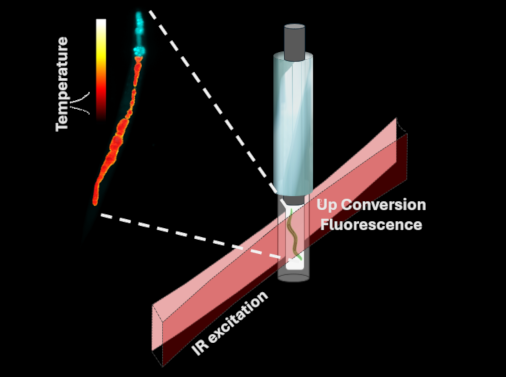
- electrostatic interactions between the cationic PEI coating and negatively charged cell surfaces. The positive charge of PEI can be enhanced at lower pH levels, such as those found in parts of the C. elegans digestive tract [60], potentially promoting further endocytosis. In contrast, the UCNPs@lipids


Optical bio/chemical sensors for vitamin B12 analysis in food and pharmaceuticals: state of the art, challenges, and future outlooks
Beilstein J. Nanotechnol. 2025, 16, 2207–2244, doi:10.3762/bjnano.16.153


Ultrathin water layers on mannosylated gold nanoparticles
Beilstein J. Nanotechnol. 2025, 16, 2183–2198, doi:10.3762/bjnano.16.151
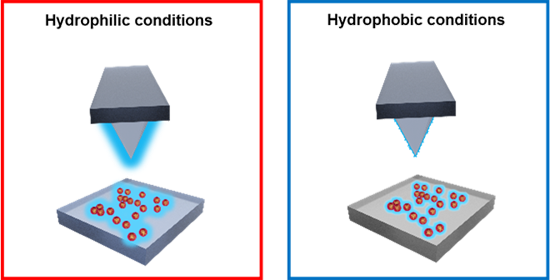
- light scattering, and infrared spectroscopy. We probed particles adsorbed on hydrophilic and hydrophobic surfaces with atomic force microscopy (AFM) and vibrational sum frequency generation (VSFG) spectroscopy, both operated under variable air humidity. For AFM, we additionally tested hydrophilic and
- [17], is essential to infection. Complete dryness is certainly detrimental (lipid bilayers ultimately collapse). Still, how such virus surfaces are preserved under low-humidity conditions, as is typical for airborne transmission in Northern Hemisphere winters, is unknown [18]. We believe that a
- high and the shape cannot be identical (hemagglutinin is roughly a triangular 7 nm prism of 15 nm length), the size is in the typical NP range, and a dense coating with oligomannoside should mimic surface physics. Accordingly, we note that the adsorption of AuNPs on surfaces would mimic the survival of



Microplastic pollution in Himalayan lakes: assessment, risks, and sustainable remediation strategies
Beilstein J. Nanotechnol. 2025, 16, 2144–2167, doi:10.3762/bjnano.16.148
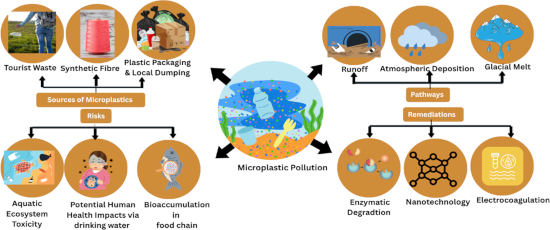
- smaller molecules [48]. Biofilms adhering to the plastic surfaces are required for biological degradation since they secrete enzymes that degrade polymers outside cells [49]. As noted by Rai et al., biofilms can speed up the breakdown of MPs, even though such a process is prone to interference from
- studies showing their capacity to break down PET [46]. Biofilms can accelerate the breakdown process under cold conditions by generating enzymatically active microenvironments [71]. According to Dhiman et al., these microbial colonies stick to the surfaces of MPs and release enzymes that break down
- protective covering made of extracellular polymeric substances (EPSs). These EPSs are made by the microbes themselves and stick to surfaces, such as MPs. The enzymes secreted by these microbial colonies have the ability to degrade synthetic polymers into smaller, biodegradable components. Tiwari et al. have


Electron transport through nanoscale multilayer graphene and hexagonal boron nitride junctions
Beilstein J. Nanotechnol. 2025, 16, 2132–2143, doi:10.3762/bjnano.16.147
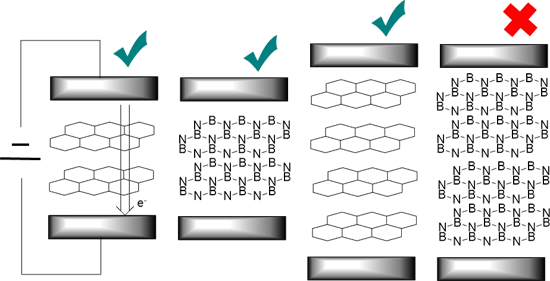
- in far-ultraviolet light-emitting devices. These applications leverage h-BN’s properties like high temperature stability, electrical insulation, and chemical resistance [18][20][21]. An interesting application of multilayer h-BN is its deposition on electrode surfaces as an electron blocking layer


Multifrequency AFM integrating PeakForce tapping and higher eigenmodes for heterogeneous surface characterization
Beilstein J. Nanotechnol. 2025, 16, 2077–2085, doi:10.3762/bjnano.16.142
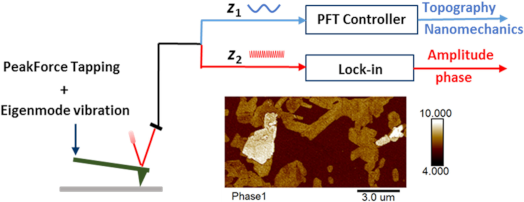
- nanoscale [1][2][3][4][5]. Among its various operating modes, tapping mode AFM is particularly prevalent due to lateral force minimization and its ability to give phase-contrast images of heterogeneous surfaces [6]. This mode involves oscillating the cantilever near its resonance frequency with the tip


Molecular and mechanical insights into gecko seta adhesion: multiscale simulations combining molecular dynamics and the finite element method
Beilstein J. Nanotechnol. 2025, 16, 2055–2076, doi:10.3762/bjnano.16.141
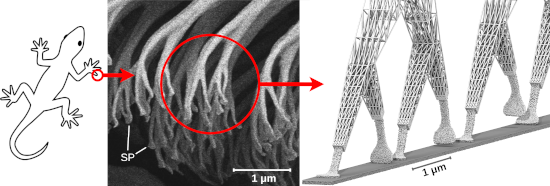
- gecko keratin [11]. It also helped clarify other aspects of humidity-enhanced adhesion, revealing that keratin softening due to water uptake accounts for only a minor part of the increase in adhesion on very smooth surfaces [13]. The present paper builds on our previous research and extends the
- parametrization of our coarse-grained potential against united-atom simulations of gecko keratin on nonpolar surfaces [10]. Hydrophilic substrates, roughness, and humidity, which introduce additional mechanisms such as keratin softening and capillary forces, have been addressed in our previous spatula-scale
- exceedingly smooth compared to real surfaces, agreement with experimental friction values at comparable sliding velocities was not a goal of this study. Nonetheless, our simulations revealed significant spatula sliding, particularly among the pad-dominant (even-numbered) spatulae (Figure 2). During the 400






Stereodiscrimination of guests in chiral organosilica aerogels studied by ESR spectroscopy
Beilstein J. Nanotechnol. 2025, 16, 2034–2054, doi:10.3762/bjnano.16.140
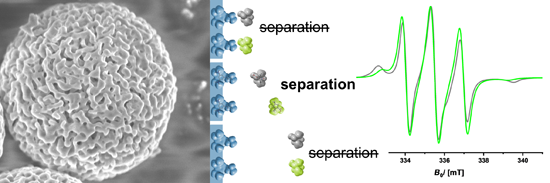
- Sebastian Polarz Yasar Krysiak Martin Wessig Florian Kuhlmann Institute of Inorganic Chemistry, Leibniz-University Hannover, Callinstrasse 9, 30167 Hannover, Germany 10.3762/bjnano.16.140 Abstract Macroporous materials containing surfaces with chiral groups are highly relevant for applications in
- extensive description of the enormous progress of liquid chromatography with chiral, stationary phases made over several decades [18]. The author analyzes that a molecular understanding of the recognition mechanisms on chiral surfaces is still scarce, particularly regarding dynamic aspects. Meanwhile
- surfaces has proven challenging. For the separation of the individual factors, researchers developed powerful nuclear magnetic resonance (NMR) techniques. Great success was reached using pulsed field gradient (PFG)-NMR [19][20][21]. PFG-NMR incorporates the application of magnetic field gradients in




The cement of the tube-dwelling polychaete Sabellaria alveolata: a complex composite adhesive material
Beilstein J. Nanotechnol. 2025, 16, 1998–2014, doi:10.3762/bjnano.16.138
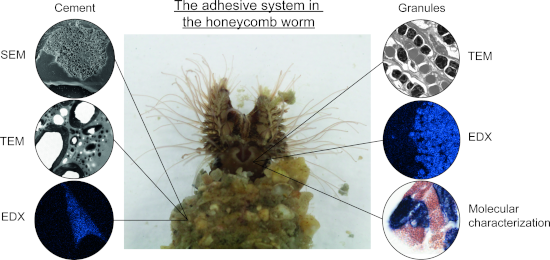
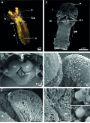
- ) residues, which may facilitate bonding to mineral surfaces and play a role in quinone-mediated cross-linking during cement hardening [14][15]. Pc-3 exists in at least two major isoforms, Pc-3A and Pc-3B. Both isoforms are exceptionally rich in serine (72.9 mol %), with up to 90% of these residues
- contain phosphoserine residues that can bind to calcareous mineral surfaces [45]. But it is in Sabellariid tubeworms that this post-translationally modified amino acid seems to be the most important. In sandcastle worms, more than 25% of the cement was found to be composed of phosphoserine [15]. In this



Laser ablation in liquids for shape-tailored synthesis of nanomaterials: status and challenges
Beilstein J. Nanotechnol. 2025, 16, 1963–1997, doi:10.3762/bjnano.16.137
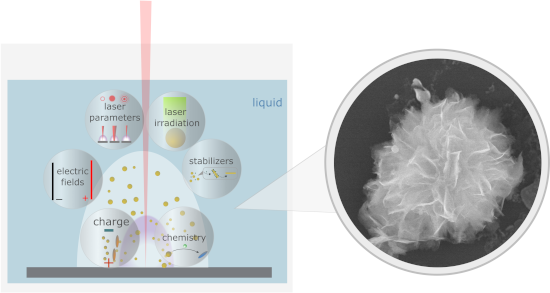
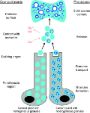
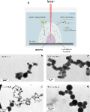
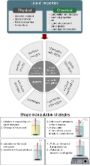
- compared to that in the liquid phase, which has been shown in [27] to have an impact on the NP size. On the contrary, if the conditions favour more NPs to be transferred into the liquid (and their nucleation and growth is occurring preferentially outside the bubble) then fast passivation of the NP surfaces




Mechanical property measurements enabled by short-term Fourier-transform of atomic force microscopy thermal deflection analysis
Beilstein J. Nanotechnol. 2025, 16, 1952–1962, doi:10.3762/bjnano.16.136
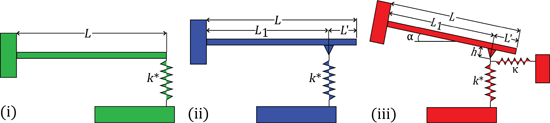
- ); mechanical property measurements; surface science; Introduction Atomic force microscopy (AFM) has become an indispensable tool for imaging the surface topography on a variety of surfaces [1]. Since the invention of the AFM [2], several other modes of AFM have been developed, including friction force
- viscoelastic modulus) of surfaces [5]. It is particularly useful for the measurement of heterogeneous surfaces, characteristic of composite and biological materials, where understanding the interplay between microstructure and mechanical properties of the constituent materials is critical for the performance
- difficult to measure mechanical properties of heterogeneous surfaces as the cantilever is scanned over the surface, or to measure how mechanical properties of the surface evolve with time as the cantilever is pressed against the surface. Furthermore, the analysis assumes that the cantilever’s oscillation




Evaluating metal-organic precursors for focused ion beam-induced deposition through solid-layer decomposition analysis
Beilstein J. Nanotechnol. 2025, 16, 1942–1951, doi:10.3762/bjnano.16.135
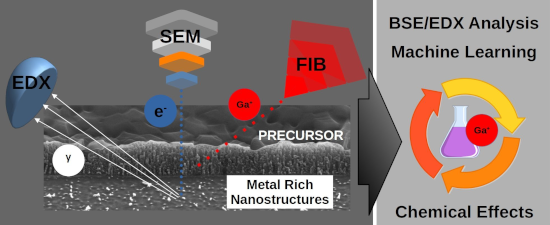
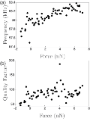
- masks, and resistance, with the flexibility of depositing materials on non-planar surfaces [4][5][14]. The FIBID method has several advantages compared to the FEBID technique in depositing thin films on substrates. First, ions generate more secondary electrons on the substrate surface than electrons


PEGylated lipids in lipid nanoparticle delivery dynamics and therapeutic innovation
Beilstein J. Nanotechnol. 2025, 16, 1914–1930, doi:10.3762/bjnano.16.133
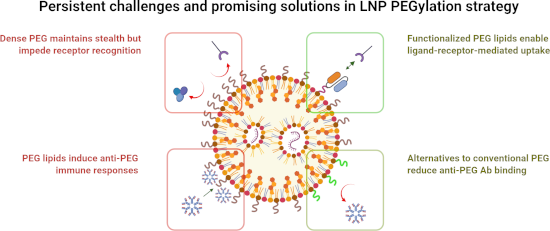
- adsorb onto the nanoparticle surfaces to form a “corona” [21]. This dynamic layer, often called the biomolecular or protein corona, can significantly influence the biological identity and behavior of nanoparticles [22]. Among the factors shaping corona formation, the presence of a PEG layer on the outer
- ]. PEG’s hydrophilic and steric properties are instrumental in reducing the adsorption of proteins onto LNP surfaces. By creating a hydrated barrier, PEG minimizes nonspecific binding, leading to a “stealth” effect that prolongs circulation time and reduces recognition by the mononuclear phagocytic system


Low-temperature AFM with a microwave cavity optomechanical transducer
Beilstein J. Nanotechnol. 2025, 16, 1873–1882, doi:10.3762/bjnano.16.130
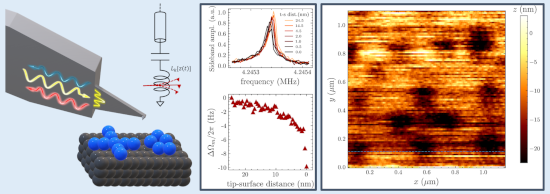
- refrigerator, which was not designed for preparation of pristine surfaces, nor was any attempt made to sharpen the tip in situ. Our analysis shows that the KIMEC principle of detecting cantilever deflection, as it is implemented in these sensors, is capable of operating at the thermal limit of force


Self-assembly and adhesive properties of Pollicipes pollicipes barnacle cement protein cp19k: influence of pH and ionic strength
Beilstein J. Nanotechnol. 2025, 16, 1863–1872, doi:10.3762/bjnano.16.129
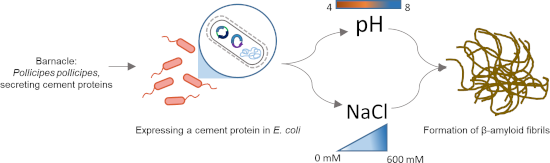
- to promote the formation of extended, needle-like fibrils by the cp19k protein. The β-amyloid nature of fibrils formed under these conditions and at high pH/low salt concentration was confirmed by Thioflavin T assay. Non-fibrillar cp19k adhered most effectively to hydrophilic and hydrophobic surfaces
- bioinspired adhesives and biomaterials. Keywords: adhesive; amyloid fibre; barnacle cement protein; surface coating; transmission electron microscopy; Introduction Marine adhesives are naturally occurring substances secreted by a variety of organisms to attach themselves to submerged surfaces such as rocks
- may help to inform the design of eco-friendly adhesives for application in biomedicine, industry, and underwater engineering [2][3]. Mussel adhesive proteins are the most extensively studied of marine bioadhesives. Mussels anchor to submerged surfaces using a byssus, a bundle of proteinaceous threads


On the road to sustainability – application of metallic nanoparticles obtained by green synthesis in dentistry: a scoping review
Beilstein J. Nanotechnol. 2025, 16, 1851–1862, doi:10.3762/bjnano.16.128
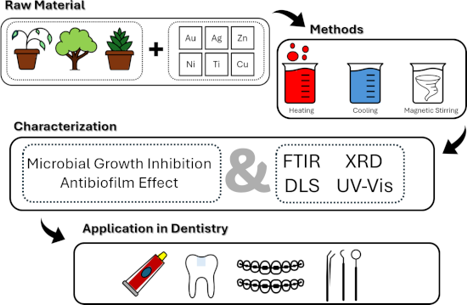
- materials or applied to prosthetic and restorative surfaces [8][25][26]. Despite the potential for application in dentistry, there is a lack of reviews integrating recent advances in the green synthesis of metallic nanoparticles in this field. Therefore, this scoping review employed the “population, concept
- coatings for dental and orthodontic surfaces. Beyond the initial findings, nanoparticles have also been incorporated into a wide range of preventive and restorative dental materials. Composite resins and glass ionomer cements reinforced with silver or zinc oxide nanoparticles exhibit enhanced antimicrobial


Electrical, photocatalytic, and sensory properties of graphene oxide and polyimide implanted with low- and medium-energy silver ions
Beilstein J. Nanotechnol. 2025, 16, 1794–1811, doi:10.3762/bjnano.16.123
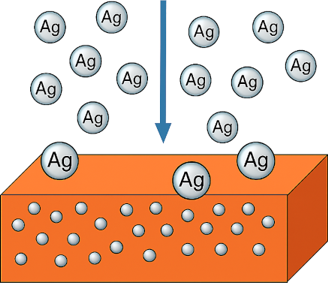
- yield. Such properties are promising for applications including photocatalytic water purification, self-cleaning surfaces, and light-activated antimicrobial coatings [20]. The elemental composition of the modified films was characterized by Rutherford backscattering spectrometry (RBS) and elastic recoil
- detected profile. Surface chemical analysis by XPS Chemical groups and the concentration of chemical elements on the surfaces of GO and PI before and after 20 keV and 1.5 MeV Ag ion implantation were analyzed by X-ray photoelectron spectroscopy (XPS). The XPS method specifically provides information from a
- implanted with 20 keV at the same fluence (RMS = 64 nm). Such surfaces likely provide an optimal balance between the density of active sites and efficient charge carrier transport, thereby reducing recombination. In contrast, excessive roughening, as observed for GO at 1 × 1016 cm−2 (RMS = 590 nm), did not


Exploring the potential of polymers: advancements in oral nanocarrier technology
Beilstein J. Nanotechnol. 2025, 16, 1751–1793, doi:10.3762/bjnano.16.122
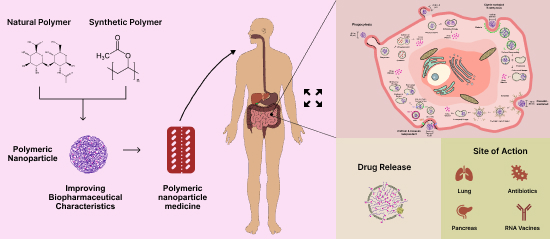
- . Therefore, different polymer surfaces impact the NPs’ fate in the GIT in a different way [20]. Polymers are classified as either natural, derived from natural products, or synthetic, chemically synthesized from monomers. Examples of natural polymers include chitosan, alginate, and hyaluronic acid. Synthetic





