


Search results
Search for "targeting" in Full Text gives 208 result(s) in Beilstein Journal of Nanotechnology. Showing first 200.
Cross-reactivities in conjugation reactions involving iron oxide nanoparticles
Beilstein J. Nanotechnol. 2025, 16, 1504–1521, doi:10.3762/bjnano.16.106
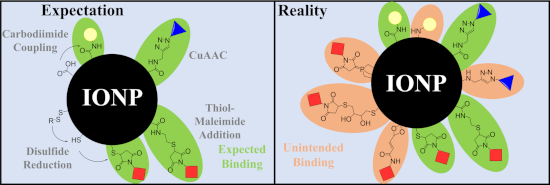
- targeting and drug payload delivery. The ability to chemically modify the ligand layer of IONPs, while maintaining their morphology and magnetic properties, is thus paramount to the preparation of functional IONPs. The use of highly selective conjugation reactions such as 1-ethyl-3-(3-dimethylaminopropyl







Enhancing the therapeutical potential of metalloantibiotics using nano-based delivery systems
Beilstein J. Nanotechnol. 2025, 16, 1350–1366, doi:10.3762/bjnano.16.98
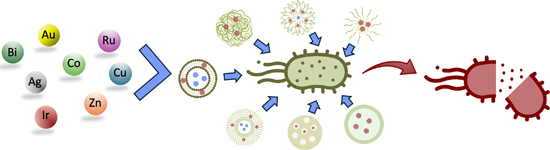
- having a diluted concentration of antibiotics at the site of infection, necessitating higher dosages that increase the risk of side effects [36][37]. To address the abovementioned barriers, delivery systems often incorporate targeting strategies to improve accumulation at infection sites. Targeted
- delivery mechanism are broadly categorized into passive and active targeting [38]. Passive targeting is controlled by size, charge, and composition of the nanoparticle, which influences the localization, cell penetration, and release of the drug as physicochemical features of pathogenic tissues facilitate
- vascular permeability. Due to the intrinsic characteristics of nanoparticles, they can accumulate at infection sites due to this effect, resulting in better therapeutic outcomes and reduced toxic problems [43][44]. In contrast to passive targeting, active targeting takes advantage of the conjugation of


Ferroptosis induction by engineered liposomes for enhanced tumor therapy
Beilstein J. Nanotechnol. 2025, 16, 1325–1349, doi:10.3762/bjnano.16.97
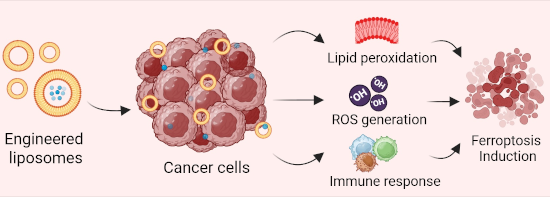
- systems include precise targeting, controlled release over time, prolonged half-life, and reduced systemic toxicity [19]. Liposomes, as lipid-based nanoparticles, hold promise for improving cancer therapies as they can encapsulate various anticancer molecules [20]. A liposome typically consists of a
- example, by inhibiting the expression of SLC7A11, it reduces the uptake of cysteine and sensitizes the cell to ferroptosis [83]. 2.2 Targeting ferroptosis in cancer therapy Some types of cancer are naturally more susceptible to ferroptosis due to distinct metabolic characteristics [84]. PUFA-ePLs produced
- , and that ferroptosis inducers could enhance the effectiveness of these treatments by promoting tumor ferroptosis. Hence, inducing ferroptosis through ferroptosis inducers may represent a promising therapeutic approach for targeting cancers with particular characteristics [84]. As small molecules


Better together: biomimetic nanomedicines for high performance tumor therapy
Beilstein J. Nanotechnol. 2025, 16, 1246–1276, doi:10.3762/bjnano.16.92
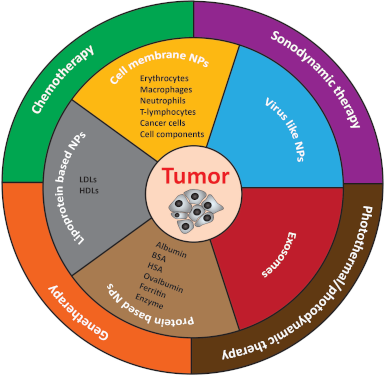
- inherent traits endow biomimetic nanoparticles with a suite of intelligent features, including biocompatibility, low immunogenicity, reduced toxicity, immune evasion, prolonged circulation, homotypic binding, enhanced tumor targeting, and the capability of precise delivery. By integrating biologically
- successfully eradicate tumors [8]. To overcome these discrepancies, an efficient, biocompatible, nontoxic, non-immunogenic and precisely targeted drug delivery system is desirable [9]. Conventional non-targeted delivery systems result in off-targeting as they also affect healthy cells and organs. Therefore
- release behavior, targeting ability, and surface modifications [12][13][14][15]. A variety of nanoparticles have been researched including liposomes, polymer NPs, solid lipid NPs, and hybrid NPs [16]. Nanoscale drug carriers with the advantage of high penetration, long circulation, and significant






Hydrogels and nanogels: effectiveness in dermal applications
Beilstein J. Nanotechnol. 2025, 16, 1216–1233, doi:10.3762/bjnano.16.90
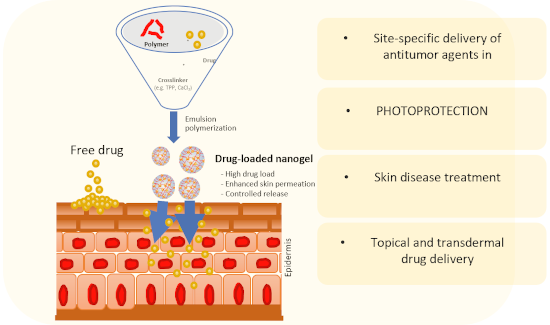
- application of hydrogels and nanogels (Table 2), which aim to optimize site-specific drug targeting in the tumor cells [192][195][209]. Skin cancer arises through the abnormal and uncontrolled growth of cells forming skin tissue. The skin cells are arranged in layers and, according to the affected layers
- therapy [196]. In another study, chitosan nanogels containing capecitabine promoted site-specific drug targeting directed by an ionic attraction mechanism and triggered by pH variation [37]. In this case, the drug encapsulated in chitosan was gelled using Pluronic F-127 and amended with Transcutol® as a
- nanogel triggered by pH leads to the site-specific release of capecitabine in the tumor, showing a cytotoxic effect on tumor cells by what is known as enhanced permeation and retention mechanism (EPR). The EPR refers to the passive targeting technique that occurs in virtue of the vascular organization of


Investigation of the solubility of protoporphyrin IX in aqueous and hydroalcoholic solvent systems
Beilstein J. Nanotechnol. 2025, 16, 1209–1215, doi:10.3762/bjnano.16.89
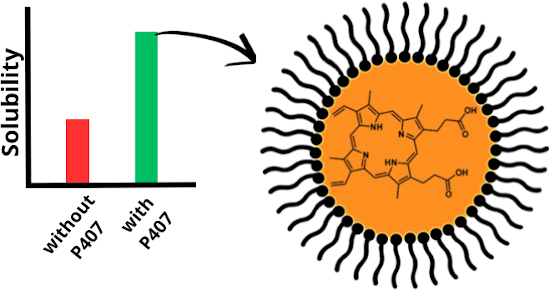
- source, and tissue oxygen. Protoporphyrin IX (PpIX) is commonly used as a PS due to its tumor-targeting properties and phototoxicity. However, the physicochemical properties of PpIX foster self-aggregation, which is a challenge for its incorporation into pharmaceutical formulations. This study aimed to


A calix[4]arene-based supramolecular nanoassembly targeting cancer cells and triggering the release of nitric oxide with green light
Beilstein J. Nanotechnol. 2025, 16, 1003–1013, doi:10.3762/bjnano.16.75
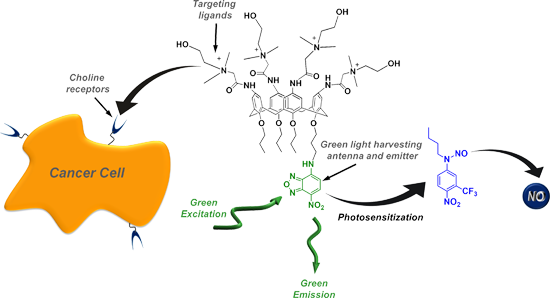
- , C.N.R., I-95126 Catania, Italy Institute for Biomedical Research and Innovation, National Research Council (CNR), I-90146 Palermo, Italy 10.3762/bjnano.16.75 Abstract We have designed and synthesized a novel calix[4]arene derivative bearing four choline appendages as recognition targeting ligands and
- activatable with blue light, and encouraging the NO release with the more biocompatible green light probably by an intra-cage photoinduced electron transfer. Keywords: calixarenes; cell targeting; fluorescence; light; nitric oxide; Introduction Calix[n]arenes are a family of polyphenolic macrocycles
- of an amphiphilic calix[n]arene covalently integrating specific targeting ligands showed improved cell targeting capability [11]. Besides, nanoassemblies of calix[4]arene derivatives proved to be also very suited host supramolecular nanoreactors to amplify the photochemical performances of otherwise


Serum heat inactivation diminishes ApoE-mediated uptake of D-Lin-MC3-DMA lipid nanoparticles
Beilstein J. Nanotechnol. 2025, 16, 740–748, doi:10.3762/bjnano.16.57
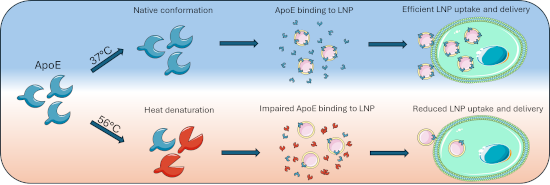
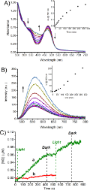
- surface of nanoparticles after administration has garnered substantial attention due to the significant effects it has on their performance. Lipid nanoparticles (LNPs) depend on protein corona formation to mediate their targeting. Such protein–nanoparticle interactions are often initially studied using in


Nanomaterials in targeting amyloid-β oligomers: current advances and future directions for Alzheimer's disease diagnosis and therapy
Beilstein J. Nanotechnol. 2025, 16, 561–580, doi:10.3762/bjnano.16.44
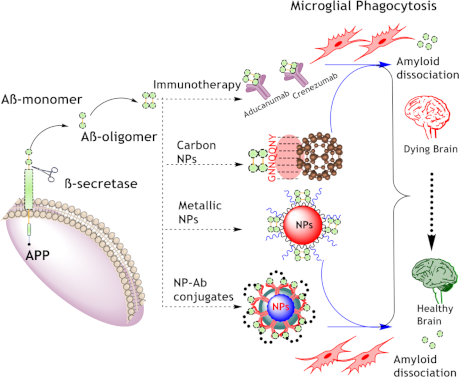
- local inflammation, and impair autophagy processes, which collectively contribute to neuronal loss. As such, targeting AβOs specifically, rather than solely focusing on amyloid-β fibrils (AβFs), may offer a more effective therapeutic approach for AD. Recent advances in detection and diagnosis have
- amyloid oligomers has garnered significant attention over time, primarily because of three key observations related to drug candidates for AD therapy. These observations are (i) ineffectiveness of plaque-targeting therapies, that is, therapeutic agents that focus solely on the removal of amyloid plaques
- or amyloid fibrils have not demonstrated substantial improvements in patients’ cognitive behaviors; (ii) efficacy of oligomer-targeting drugs, that is, drug candidates that specifically target amyloid-β oligomers (AβOs) have shown greater clinical effectiveness in treating AD patients; and (iii


Functionalized gold nanoflowers on carbon screen-printed electrodes: an electrochemical platform for biosensing hemagglutinin protein of influenza A H1N1 virus
Beilstein J. Nanotechnol. 2025, 16, 540–550, doi:10.3762/bjnano.16.42
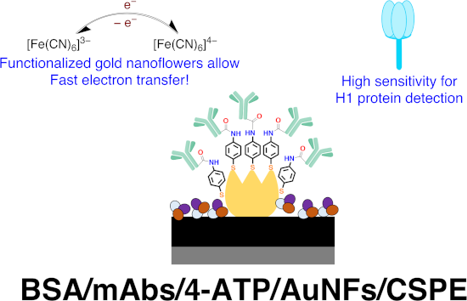
- , and sensitivity [8]. In the last few years, various biosensors for the detection of influenza A H1N1 virus have been developed. Detection of influenza A H1N1 virus can be achieved by targeting one or more relevant biomolecules of the virus. The majority of studies have targeted H1 protein [9][10][11
- developed in this study can be manufactured with antibodies targeting pandemic influenza strains such as the latest H1N1 that emerged in 2009, also known as the Swine Flu. Since then, H1N1 has been circulating in the community together with other seasonal influenza strains, and surveillance of this virus is


Synthetic-polymer-assisted antisense oligonucleotide delivery: targeted approaches for precision disease treatment
Beilstein J. Nanotechnol. 2025, 16, 435–463, doi:10.3762/bjnano.16.34

- post-polymerisation modification for drug conjugation or additional targeting [59]. In addition to small molecules, drugs, and proteins, polymers play an essential role in the delivery of nucleic acids as they provide high stability and flexibility [60]. The delivery or nucleic acids can be improved
- )) targeting solid tumours [66]. Triblock copolymers comprising poly(2-ethyl-2-oxazoline) (PEtOx), poly(2-n-propyl-2-oxazoline) (PnPrOx), and PLL (Mw = 6.9 kDa, degree of polymerization (DP) = 42) segments allowed for the formation of compartmentalised micelles bearing a hydrophilic PEtOx shell, a
- precision disease treatment, as certain receptors for growth factors, hormones, and vitamins are often overexpressed in defective cells. The incorporation of moieties such as proteins, sugars, folic acid, steroids, and growth factors provide an effective means of targeting and enhancing cellular uptake of


Engineered PEG–PCL nanoparticles enable sensitive and selective detection of sodium dodecyl sulfate: a qualitative and quantitative analysis
Beilstein J. Nanotechnol. 2025, 16, 385–396, doi:10.3762/bjnano.16.29
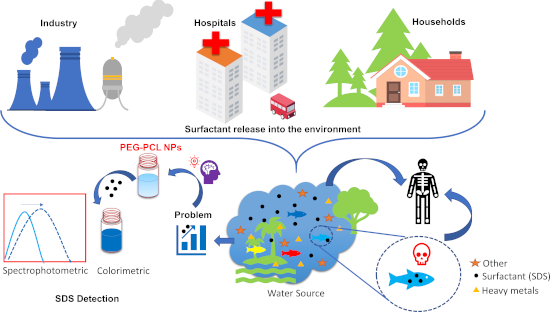
- delivery, targeting, sensing, and imaging [23]. Also, there are a wide variety of nanoparticles available for desired applications. In the case of detection of contaminants or sensing applications, carbon and metal nanoparticles are mostly preferable [24]. Despite their use, these nanoparticles possess
- nanoparticles is a step ahead of the reported studies. Polymer nanoparticles prepared from PEG–PCL are widely used for drug delivery, tumour targeting, and imaging [28]. To our knowledge, there is no report regarding using PEG–PCL nanoparticles (PEG–PCL NPs) as a contaminant detection system. Accordingly, we


Development of a mucoadhesive drug delivery system and its interaction with gastric cells
Beilstein J. Nanotechnol. 2025, 16, 371–384, doi:10.3762/bjnano.16.28

- targeting of drugs requires increased gastric retention to elevate the amount of drug at the site of action. In this study, a mucoadhesive drug delivery system was developed. The fabricated nanoscale particulate system reveals positive charge, which is beneficial for mucus interaction. The entrapment


Graphene oxide–chloroquine conjugate induces DNA damage in A549 lung cancer cells through autophagy modulation
Beilstein J. Nanotechnol. 2025, 16, 316–332, doi:10.3762/bjnano.16.24
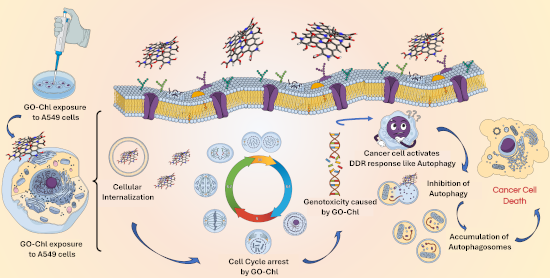
- efflux, DNA damage repair, and activation of pro-survival cell signaling cascades, alterations in drug target moieties limit the effectiveness of chemotherapeutic treatments [2][3]. In general, chemotherapeutic drugs inhibit the cancer progression and metastases by directly or indirectly targeting DNA of
- of DDR either through autophagy modulation or poly (ADP-ribose) polymerase (PARP) inhibition could provide a better therapeutic response [6][7]. Recently, nanomedicine has shown immense potential/efficacy in the treatment of chemoresistant tumors by providing improved molecular targeting, better
- targeting, DNA damage, and dysfunction of other intracellular organelles [52][54]. To assess the interaction of GO–Chl with A549 cells, we incubated the cells with 25 µg/mL of GO–Chl for 24 h at 37 °C and processed the samples as described in the method section. After 24 h of incubation, an increased number



Fabrication and evaluation of BerNPs regarding the growth and development of Streptococcus mutans
Beilstein J. Nanotechnol. 2025, 16, 308–315, doi:10.3762/bjnano.16.23
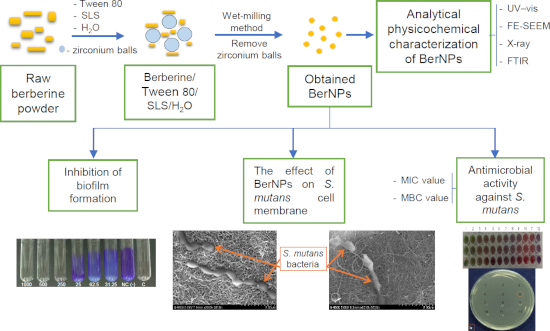
- nm. Biological activity tests demonstrated that BerNPs effectively inhibited the growth of S. mutans, with MIC and MBC values recorded of 78.1 and 312.5 µg/mL, respectively. FE-SEM analysis further indicated that BerNPs caused lysis of S. mutans cells by targeting the cell membrane. Additionally




Radiosensitizing properties of dual-functionalized carbon nanostructures loaded with temozolomide
Beilstein J. Nanotechnol. 2025, 16, 229–251, doi:10.3762/bjnano.16.18
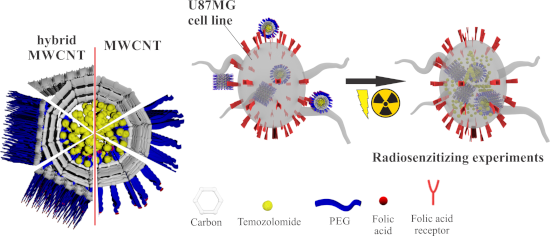
- suitable for crossing the BBTB and targeting brain cancer cells. A biphasic drug release profile was observed for all functionalized TMZ-loaded formulations in simulated in vivo conditions, with a sustained release pointing to the potential for controlled release of TMZ in brain tumor cells. The
- for active agent loading and functionalization with (intra)cellular component targeting ligands, and extremely small size for crossing the blood–brain barrier (BBB) and targeted delivery to the brain. The hydrophobic nature of the CNs offers good membrane permeability. Through chemical modifications
- ]. These findings are supported by several publications in which CNs were evaluated as potential drug carriers or inherent drugs for brain targeting and (synergistic) treatment of Alzheimer disease [20], Parkinson disease [21], and brain tumors [22][23][24][25], and as agents for the detection of brain




Recent advances in photothermal nanomaterials for ophthalmic applications
Beilstein J. Nanotechnol. 2025, 16, 195–215, doi:10.3762/bjnano.16.16
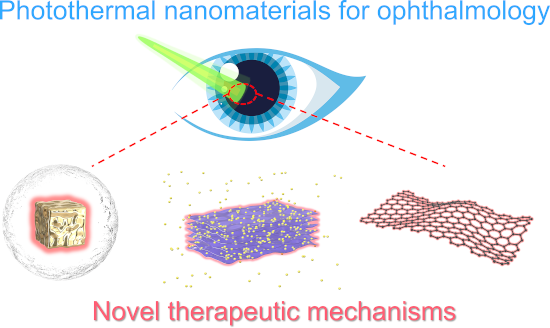
- rich functional groups and surface dangling bonds, enables the effective loading of drugs, targeting molecules, and antibodies [15]. When combined with thermal/pH-sensitive materials, shape memory materials, and hydrogels, they form an efficient platform for photothermal therapy [16]. The efficient
- )), porphyrin dyes, rhodamine dyes, and squaraine dyes [62]. By modifying, adding, or removing functional groups in the molecule, the light absorption spectrum of organic small molecule dyes can be effectively adjusted, and targeting can be achieved. The photothermal conversion efficiency of organic small
- treatment of chronic ocular diseases, as well as the “explosive release” of passive drug delivery systems [116]. Furthermore, photothermal drug delivery systems can be surface-modified to prolong drug residence time, improve mobility, avoid trapping, and provide targeting capabilities, which helps to


A review of metal-organic frameworks and polymers in mixed matrix membranes for CO2 capture
Beilstein J. Nanotechnol. 2025, 16, 155–186, doi:10.3762/bjnano.16.14
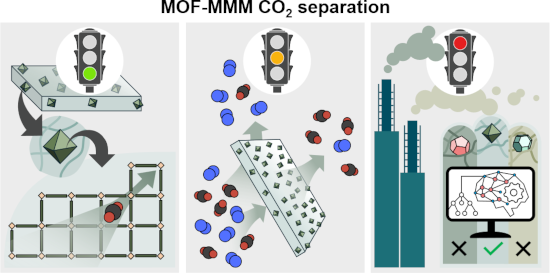
- regeneration [63]. In addition to targeting adsorption based on the OMSs, organic linkers can also contribute to augmenting the adsorption properties of MOFs. The introduction of Lewis basic sites (LBSs) by ligand modification is one effective approach [44]. This fourth strategy is often implemented by




Nanocarriers and macrophage interaction: from a potential hurdle to an alternative therapeutic strategy
Beilstein J. Nanotechnol. 2025, 16, 97–118, doi:10.3762/bjnano.16.10
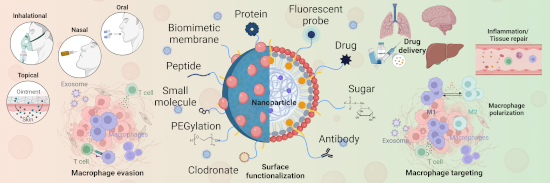
- immunity and enhancing cancer immunotherapy outcomes. Additionally, natural compounds such as berberine and quercetin can modulate macrophage polarization by inhibiting M1 pathways or promoting M2 activity, highlighting the therapeutic potential of targeting macrophage states in inflammatory and
- . Intranasal delivery has emerged as a promising strategy for targeting the central nervous system by bypassing the blood–brain barrier (BBB). This approach was demonstrated by the nose-to-brain administration of D6-cholestrol-loaded liposomes, which led to an accumulation of D6-cholesterol in the brain in
- healthy mice and in a murine model of Huntington's disease [42]. Similarly, inhalation for lung targeting [43], subcutaneous injection for reaching lymph nodes [44], or oral administration for gastrointestinal tract disorders [45] are important alternative routes. 4.2 Macrophage depletion and modulation


Instance maps as an organising concept for complex experimental workflows as demonstrated for (nano)material safety research
Beilstein J. Nanotechnol. 2025, 16, 57–77, doi:10.3762/bjnano.16.7

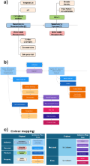
- ). In medicine [7][8] and agriculture [9][10], loading of nanomaterials with active ingredients and targeting the materials to key sites for action are enabled through surface functionalisation and the small size of nanomaterials, which allows them to access all areas. An important consequence of the


Biomimetic nanocarriers: integrating natural functions for advanced therapeutic applications
Beilstein J. Nanotechnol. 2024, 15, 1619–1626, doi:10.3762/bjnano.15.127

- targeting specificity. Biomimetic nanocarriers demonstrate significant advancements in drug delivery systems against cancer therapy, Alzheimer's disease, autoimmune diseases, and viral infections such as COVID-19. Here, we address the therapeutic applications of biomimetic nanocarriers and their promising
- or active targeting mechanisms. In the passive strategy, coated nanocarriers can traverse permeable vessels (as observed in tumors, for example) and exhibit tropism toward specific pathological targets based on the size, surface charge, and physicochemical properties of the nanostructure. The active
- with cancer treatment offer numerous advantages, including immune evasion, targeting behavior, specific site accumulation, targeted delivery of drugs or genes, and reduced side effects. Studies involving inorganic nanocarriers with cell membrane coatings (CMC-NPs) have highlighted the importance of the


Liver-targeting iron oxide nanoparticles and their complexes with plant extracts for biocompatibility
Beilstein J. Nanotechnol. 2024, 15, 1593–1602, doi:10.3762/bjnano.15.125


Polymer lipid hybrid nanoparticles for phytochemical delivery: challenges, progress, and future prospects
Beilstein J. Nanotechnol. 2024, 15, 1473–1497, doi:10.3762/bjnano.15.118
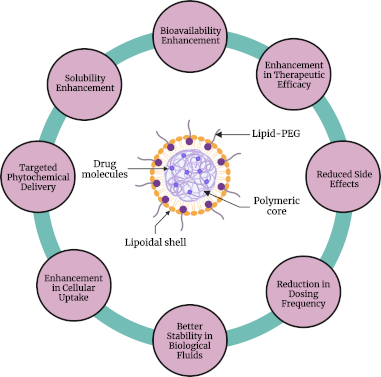
- hydrophilic drugs are entrapped in the lipid shell. PLHNPs demonstrate relatively greater loading capacity for lipophilic compounds than other nanoparticle systems [12][19]. Moreover, the surface modification of PLHNPs with targeting ligands, such as antibodies, peptides, or aptamers, has been explored to
- improve the selective delivery of drugs/phytochemicals to specific tissues or cells. A site-specific targeting approach enhances the therapeutic efficacy of phytochemicals and reduces systemic toxicity. In addition to enhancing solubility and targeting, PLHNPs offer controlled release properties that are
- in the distribution of phytochemicals throughout the body rather than targeting specific tissues or cells. Non-specific distribution increases the risk of off-target effects and systemic toxicity, reducing the concentration of the phytochemical at the desired site of action and decreasing therapeutic


Nanotechnological approaches for efficient N2B delivery: from small-molecule drugs to biopharmaceuticals
Beilstein J. Nanotechnol. 2024, 15, 1400–1414, doi:10.3762/bjnano.15.113
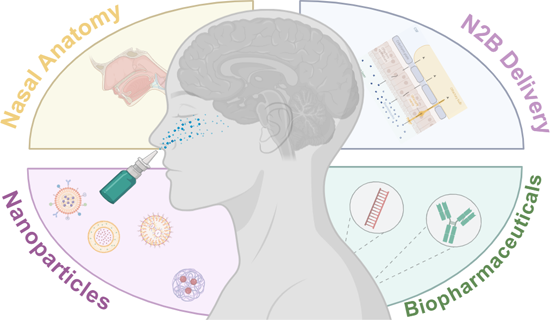
- drugs can be encapsulated into various drug delivery systems to enhance physicochemical characteristics and targeting success. Many preclinical data show that this strategy can effectively deliver biopharmaceuticals to the brain. Therefore, this review focuses on N2B delivery while giving examples of
- opportunity to modify the release profile of the drugs, enhance targeting efficiency, and improve nasal permeation during intranasal administration [21][22][23][24]. In general, the encapsulation of active pharmaceutical ingredients (APIs) into mucoadhesive DDSs can mitigate rapid mucociliary clearance [25
- for CNS targeting. For example, size, shape, and surface characteristics of a DDS directly affect cellular transport and uptake, biodistribution, and the interaction with biological interfaces [64][65]. Regarding particle size, NPs with a size of approx. 15 nm or below were observed to penetrate the


Mn-doped ZnO nanopowders prepared by sol–gel and microwave-assisted sol–gel methods and their photocatalytic properties
Beilstein J. Nanotechnol. 2024, 15, 1283–1296, doi:10.3762/bjnano.15.104
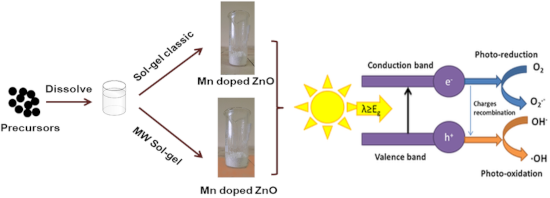
- technologies. Despite the many works dealing with ZnO-based materials dedicated to catalytic applications, there is still room for investigation on inexpensive, noble metal-free active materials under solar irradiation. These materials are more valuable when targeting the organic pollution mineralization from





