Search results
Search for "KOH" in Full Text gives 101 result(s) in Beilstein Journal of Nanotechnology.
Bidirectional biomimetic flow sensing with antiparallel and curved artificial hair sensors
Beilstein J. Nanotechnol. 2019, 10, 32–46, doi:10.3762/bjnano.10.4
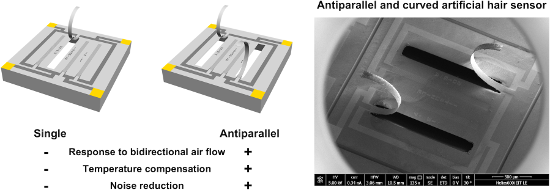
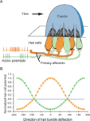
- the cantilever beams (300 nm etching depth). Subsequently, anisotropic back side wet etching with a potassium hydroxide (KOH) 28% solution at 85 °C creates two cavities underneath the cantilever beams (400 μm etching depth). The SiO2 insulating layer acts as an etching barrier. Next, a hydrofluoric
- acid (HF) back side wet etching step removes the SiO2 layer (2 μm etching depth). By performing a last KOH top side wet etching, the exposed (U-shaped) silicon device layer around the cantilevers is removed (2 μm etching depth). Due to the residual stress in the material, the released SiN/Si bilayer


Hydrogen-induced plasticity in nanoporous palladium
Beilstein J. Nanotechnol. 2018, 9, 3013–3024, doi:10.3762/bjnano.9.280
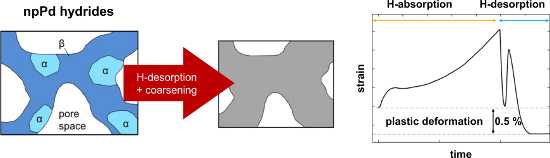
- (CV) in 1 M KOH (see Figure 1). A CV probes the current as a function of the potential, which is varied up and down triangularly at a certain scan rate, which represents the slope of this potential variation. Potentiostatic hydrogen sorption The CV (black) in Figure 1 is typical for palladium and has
- vs Ag/AgCl in 1 M KOH) was determined. Experimental Alloy fabrication A Co75Pd25 master alloy was prepared from Pd granules (AlfaAesar, 99.95%) and Co slug (AlfaAesar, 99.95%) via electron-beam melting. The sample was melted multiple times to ensure complete intermixing in the liquid state and
- KOH aqueous solution. For electrochemical characterisation a porous carbon cloth was used as counter electrode. In order to assure measurement stability a pre-treatment consisting of five voltammetric cycles was applied at a scan rate of 0.1 mV·s−1 in a potential window between −1 V and 0.4 V. All


Thickness-dependent photoelectrochemical properties of a semitransparent Co3O4 photocathode
Beilstein J. Nanotechnol. 2018, 9, 2432–2442, doi:10.3762/bjnano.9.228
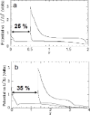
- electrodes with a potential of 1.65 V vs a Co3O4 electrode in 400 mL of an alkaline bath (1 M KOH). The measured current value is presented in Figure 6b for a current density of 25 mA·cm−2 that is stable over a period of 24 h. In order to see the morphological changes after 24 h, the Co3O4 electrodes were
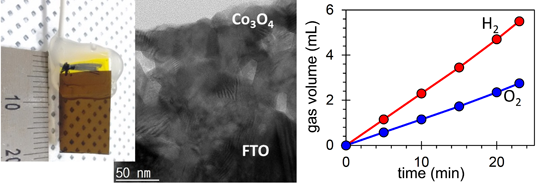
- splitting (Co3O4||Pt electrodes) in our previous report [20]. In order to verify the PEC performance, a PEC cell with dual Co3O4 electrodes was set up for volumetric measurements. The Co3O4 electrodes were loaded into two seperated vials (15 mL, Figure 7) and placed into the 1 M KOH electrolyte bath as
- as a function of the time. The Co3O4 electrode was biased at 1.75 V in 1 M KOH electrolyte. Inset shows the photograph of gas evolution by time. (b) Photographs of the gas evolution at t = 0 and t = 23 min. (c) The hydrogen and oxygen gas evolution as a function of the time. Summarized properties of



ZnO-nanostructure-based electrochemical sensor: Effect of nanostructure morphology on the sensing of heavy metal ions
Beilstein J. Nanotechnol. 2018, 9, 2421–2431, doi:10.3762/bjnano.9.227
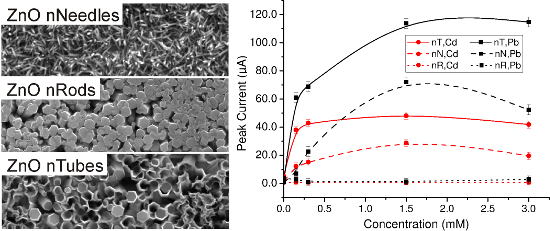
- -dimensional ZnO nanostructures were selected for the experiment: nanorods, nanoneedles and nanotubes. The samples were prepared according to the following description. Glass slides (76 × 26 × 1 mm) were precleaned via ultrasonication in aqueous solutions of KOH and H2SO4, followed by several rinses with


Performance analysis of rigorous coupled-wave analysis and its integration in a coupled modeling approach for optical simulation of complete heterojunction silicon solar cells
Beilstein J. Nanotechnol. 2018, 9, 2315–2329, doi:10.3762/bjnano.9.216
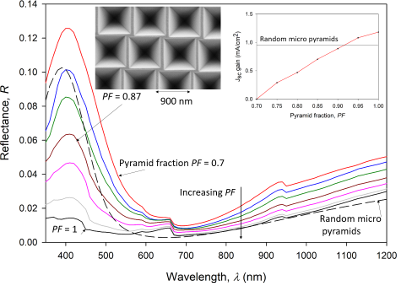
- solar cells and can be obtained by wet etching with KOH [36]. In Figure 4 simulated top views and cross-sectional profiles of the two textures are presented, in this case applied to the front part of the analyzed solar cell. The corresponding front thin layers are indicated by different colors. In


Metal-free catalysis based on nitrogen-doped carbon nanomaterials: a photoelectron spectroscopy point of view
Beilstein J. Nanotechnol. 2018, 9, 2015–2031, doi:10.3762/bjnano.9.191
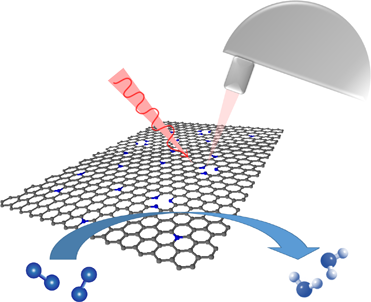
- unaffected by CO poisoning, in contrast to commercial electrodes. Analyzing the RRDE voltammograms for the ORR in air-saturated 0.1 M KOH, the authors showed that the typical curve of pristine vCNTs has a two-step process with onset potential of about −0.2 V and −0.7 V, corresponding to a two-electron
- rearrangement of the nitrogen species: a decrease of pyrrolic N and a general transformation into graphitic N, consistent with other reports [58]. The electrocatalytic performances were measured by cyclic voltammetry in oxygen-saturated 1 M KOH electrolyte. By correlating XPS and ORR, the samples with the
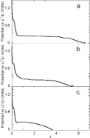
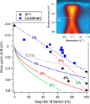
- techniques, engineering and synthesis of the catalyst are to be optimized to yield an optimum concentration of active sites without inactive components. RRDE voltammograms for oxygen reduction in air-saturated 0.1 M KOH at the Pt–C/GC (curve 1), VA-CCNT/GC (curve 2), and VA-NCNT (curve 3) electrodes




Ultralight super-hydrophobic carbon aerogels based on cellulose nanofibers/poly(vinyl alcohol)/graphene oxide (CNFs/PVA/GO) for highly effective oil–water separation
Beilstein J. Nanotechnol. 2018, 9, 508–519, doi:10.3762/bjnano.9.49
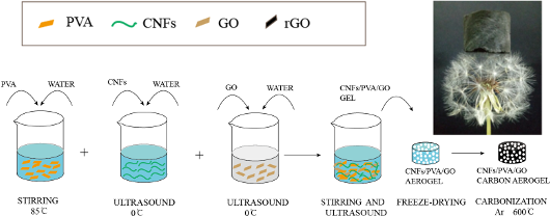
- Zhejiang Lishui, China. Graphite powder (40 μm), used as the source for GO, was obtained from Qingdao Henglide Graphite Co., Ltd. Poly(vinyl alcohol) (PVA, Mw ≈ 95,000 g/mol), glutaraldehyde (GA, crosslinker, 25 wt % in H2O), potassium hydroxide (KOH), Sudan III, acetic acid (CH3COOH), hydrogen peroxide
- previous paper [40]. Briefly, the suspensions were treated with 2 wt % aqueous KOH to remove pectin, hemicelluloses, and residual starch in the bamboo powder. Then, the samples were treated with a solution of NaClO2 and CH3COOH to remove lignin. Finally, the samples were treated with a 1 wt % HCl solution


One-step chemical vapor deposition synthesis and supercapacitor performance of nitrogen-doped porous carbon–carbon nanotube hybrids
Beilstein J. Nanotechnol. 2017, 8, 2669–2679, doi:10.3762/bjnano.8.267
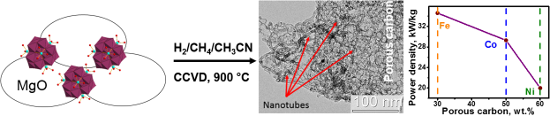
- ]. Electrochemical tests of the obtained materials in 6 M KOH electrolyte evidenced a significant reduction of the interfacial contact resistance of the electrode with the insertion of MWCNTs. Luo et al. have prepared a hierarchical porous carbon–MWCNT hybrid by carbonization of a mixture of phenolic resin and


Interface conditions of roughness-induced superoleophilic and superoleophobic surfaces immersed in hexadecane and ethylene glycol
Beilstein J. Nanotechnol. 2017, 8, 2504–2514, doi:10.3762/bjnano.8.250
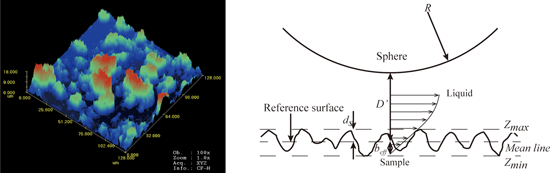
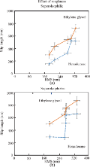
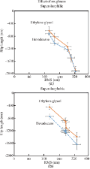
- silicon wafer substrates roughened by treatment with KOH immersed in DI water. The result shows that slip length increases with roughness on a polymer-free surface. A similar result was reported by Guriyanova and co-workers [19]. They studied the slip length of nano-patterned silicon surfaces with varying





Hydrothermal synthesis of ZnO quantum dot/KNb3O8 nanosheet photocatalysts for reducing carbon dioxide to methanol
Beilstein J. Nanotechnol. 2017, 8, 2264–2270, doi:10.3762/bjnano.8.226
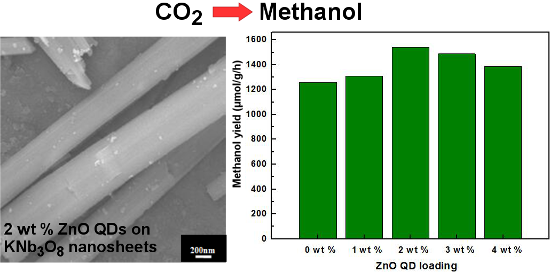
- by reducing CO2 in isopropanol to methanol under UV-light irradiation. Experimental Catalyst synthesis Niobium oxide (Nb2O5, 99.99 wt %) was purchased from Aladdin Industrial Corporation. Potassium hydroxide (KOH, 96 wt %), isopropanol (C3H8O, 99.9 wt %), hydrochloric acid (HCl, 36.5 wt %), zinc
- KNb3O8 nanosheets by a two-step hydrothermal method. Typically, 0.2 g of Nb2O5 powder in 40 mL of aqueous alkaline solution containing 1–4 mol/L KOH were heated to 180 °C for 48 h in a 75 mL sealed Teflon-lined autoclave [21]. After cooling to room temperature naturally, a clear solution was obtained
- hydrothermal process for synthesizing KNb3O8 nanosheets was influenced by several factors. Among them, the concentration of the KOH solution, which is presented by the pH, is the critical factor [23]. Figure 1 shows the powder XRD patterns of the as-synthesized particles with different KOH concentrations. The




In situ controlled rapid growth of novel high activity TiB2/(TiB2–TiN) hierarchical/heterostructured nanocomposites
Beilstein J. Nanotechnol. 2017, 8, 2116–2125, doi:10.3762/bjnano.8.211
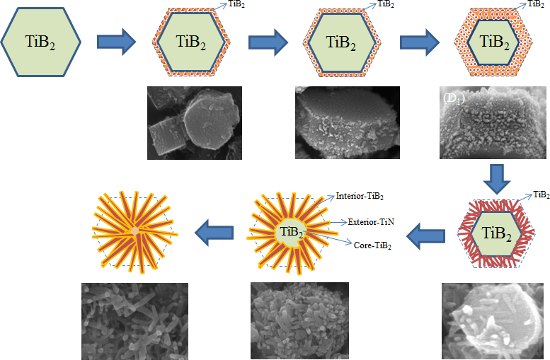
- ][20]. The heat leads to the decomposition of KBH4 and generates KH/BH3 with strong reduction capacity (Equation 3) [21][22][23]. The KH/BH3 reacts with the residual B2O3 and TiO2, then forms B*, Ti*, K2O, H2O and H2 (Equation 4–7). The B* combines with Ti* to produce TiB2 crystals (Equation 8). KOH is


Enhancement of mechanical and electrical properties of continuous-fiber-reinforced epoxy composites with stacked graphene
Beilstein J. Nanotechnol. 2017, 8, 1909–1918, doi:10.3762/bjnano.8.191
- equivalent weight 24 (LEUNA-Harze GmbH); graphite intercalated compound (GIC) of 30–50 mesh, 3.1% sulfur (3772, Anthracite Industries, Inc. a subsidiary of Asbury Carbons); surface-active agents (SAAs) for SG treatment used in this study: polyether polyol (MW = 4000, hydroxyl number: 28 mg KOH/g, (Grade 4200


Carbon nano-onions as fluorescent on/off modulated nanoprobes for diagnostics
Beilstein J. Nanotechnol. 2017, 8, 1878–1888, doi:10.3762/bjnano.8.188
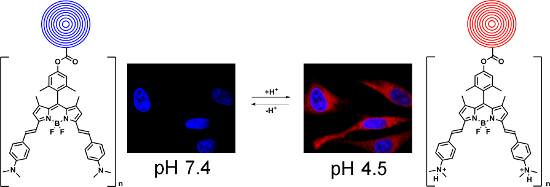
- )carbodiimide (EDC) as the coupling agent at room temperature for 20 h (Scheme 2) to obtain fluo-CNOs. BODIPY Compound 1 was synthetized from 3,5-dimethylphenol following a published procedure [25]. 3,5-dimethylphenol (46.5 g, 0.38 mol) and KOH (39 g, 0.70 mol) were dissolved in water (150 mL). CHCl3 (60 mL




Metal oxide nanostructures: preparation, characterization and functional applications as chemical sensors
Beilstein J. Nanotechnol. 2017, 8, 1205–1217, doi:10.3762/bjnano.8.122
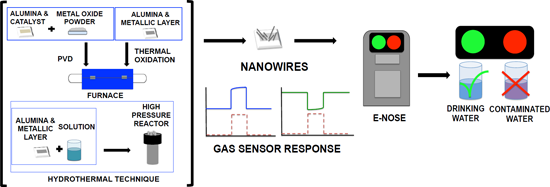
- preparation of niobium oxide nanostructures using a hydrothermal technique, during the first experiments we had adhesion problems of the metal layer to the substrates. We changed the thickness of the film, working temperature, KOH molarity and time in order to find out the best conditions to synthetize
- from the use of KOH during the hydrothermal treatment (Figure 8). The niobium(V) oxide peaks in Figure 8 (marked by dashed lines) match the ones reported in literature [9][10]. The peak at 999 cm−1 corresponds to longitudinal optical mode (LO) of Nb–O stretching associated to NbO6 octahedra. The
- obtained samples were placed in a Teflon beaker with a 0.01 M KOH solution and they were placed in a high-pressure reactor. All the system was heated at 175 °C for 6 h and it was cooled down naturally. After this treatment, a white compound was present on the samples surface and an acid treatment was


Synthesis of graphene–transition metal oxide hybrid nanoparticles and their application in various fields
Beilstein J. Nanotechnol. 2017, 8, 688–714, doi:10.3762/bjnano.8.74






Silicon microgrooves for contact guidance of human aortic endothelial cells
Beilstein J. Nanotechnol. 2017, 8, 675–681, doi:10.3762/bjnano.8.72
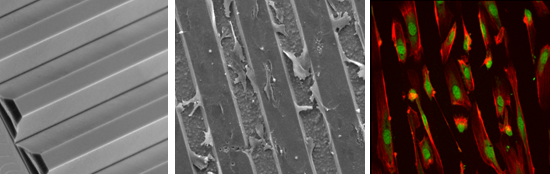
- samples were treated in KOH (0.1 M) for 3 min and HNO3 (0.1 M) for 10 min to increase the density of surface hydroxy groups [39]. For collagen treatment of the substrates, the surface was chemically modified following the APTES–GTA–collagen sequence. In brief, oxidized samples were hydroxylated and


Template-controlled piezoactivity of ZnO thin films grown via a bioinspired approach
Beilstein J. Nanotechnol. 2017, 8, 296–303, doi:10.3762/bjnano.8.32
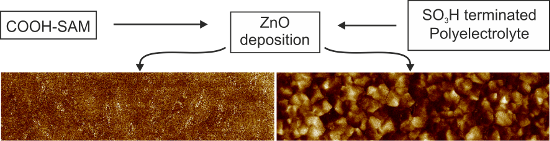
- –30,000 g mol−1) in Milli-Q water with a concentration of 1 mg mL−1 were prepared. The pH of the PLL solution was adjusted to 9 with 0.3 m KOH. The sequence of the layer-by-layer deposition was (PLL + PLGA)5 + PLL + PSS. The substrates were dipped into the polyelectrolyte solutions for 20 min, followed by


Organoclay hybrid materials as precursors of porous ZnO/silica-clay heterostructures for photocatalytic applications
Beilstein J. Nanotechnol. 2016, 7, 1971–1982, doi:10.3762/bjnano.7.188
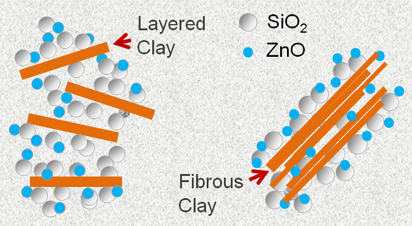
- in the preparation of the CTA-clay derivatives. Ultra-pure deionized water (18.2 MΩ·cm) was produced in an Elga Maxima Ultra-Pure Water system). Methanol and 2-propanol (Fluka, p.a.) were used as solvents or reactants. Zinc(II) acetate dihydrate (CH3COO)2Zn·2H2O and KOH were purchased from Merck





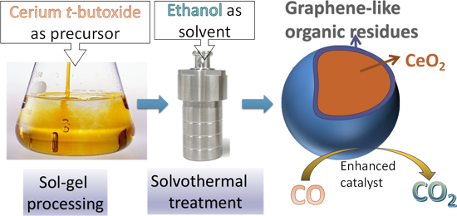
In situ formation of reduced graphene oxide structures in ceria by combined sol–gel and solvothermal processing
Beilstein J. Nanotechnol. 2016, 7, 1815–1821, doi:10.3762/bjnano.7.174
- . The mixture was stirred for 30 min, ultrasonically treated for at least 2 h and then deposited onto glass sheets (20 × 30 cm2), which had been cleaned with 10% KOH, isopropanol and acetone and dried at 100 °C. The deposited films were exposed to ambient humidity at room temperature for 24 h (for




Effect of tetramethylammonium hydroxide/isopropyl alcohol wet etching on geometry and surface roughness of silicon nanowires fabricated by AFM lithography
Beilstein J. Nanotechnol. 2016, 7, 1461–1470, doi:10.3762/bjnano.7.138
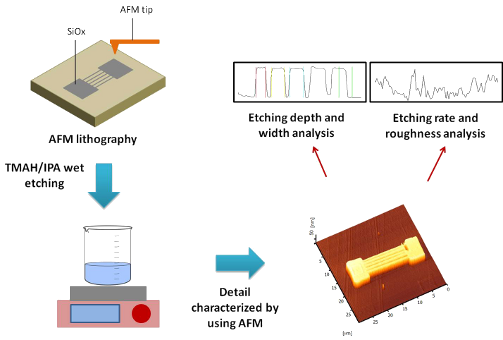
- uniformly in the vertical direction only. Anisotropic wet etching is mostly used to fabricate simple microstructures and nanostructures on a single crystal SOI wafer [8]. Tetramethylammonium hydroxide (TMAH) [9][10][11], potassium hydroxide (KOH) [12], sodium hydroxide (NaOH) [13], ethylenediamine
- potassium hydroxide solution that has become a popular anisotropic etchant because of its good etching performance and lack of toxicity. However, KOH is not CMOS compatible because of the mobile K+ ion contamination [16]. By contrast, TMAH has attracted the interest of researchers because of its simple
- in wet etching was obtained by adding isopropyl alcohol (IPA) to a KOH- or TMAH-based solution to enhance the smoothness of the silicon surface [10][12][16][18][19]. Based on these studies, it was claimed that IPA is an effective admixture for the improvement of surface smoothness. Recently, there




In situ characterization of hydrogen absorption in nanoporous palladium produced by dealloying
Beilstein J. Nanotechnol. 2016, 7, 1197–1201, doi:10.3762/bjnano.7.110
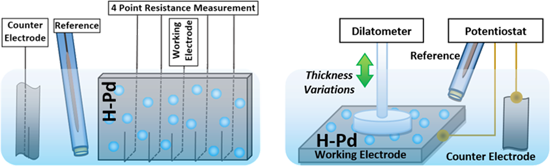
- dealloying were performed in a 1 M solution of KOH, a highly porous carbon fabric contacted by a Pd wire served as counter electrode. The property variations of np-Pd upon electrochemical charging were calculated with respect to the sample resistance R0 and thickness L0 in the electrochemical double layer

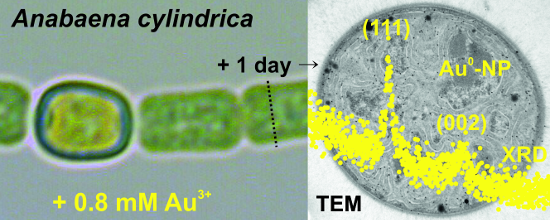
Time-dependent growth of crystalline Au0-nanoparticles in cyanobacteria as self-reproducing bioreactors: 2. Anabaena cylindrica
Beilstein J. Nanotechnol. 2016, 7, 312–327, doi:10.3762/bjnano.7.30
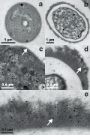
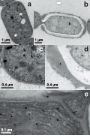
- color and therefore living organisms with high vitality. The pH value was kept constant in all experiments by adding an appropriate volume of KOH after every drop of the HAuCl4 solution added. The last image (Figure 1g) was taken from a culture, which was intentionally exposed to HCl, demonstrating that



Synthesis and applications of carbon nanomaterials for energy generation and storage
Beilstein J. Nanotechnol. 2016, 7, 149–196, doi:10.3762/bjnano.7.17















Single-molecule mechanics of protein-labelled DNA handles
Beilstein J. Nanotechnol. 2016, 7, 138–148, doi:10.3762/bjnano.7.16
- from Sigma-Aldrich (Dublin, Ireland). All aqueous solutions were prepared using nanopure water from a Millipore Milli-Q system, additionally filtered with 0.22 µm pore size filters. We used TICO buffer (20 mM HEPES-KOH, pH 7.5, 6 mM magnesium acetate, 30 mM ammonium acetate, 4 mM 2-mercaptoethanol) to
- HEPES, pH 7.5) and in DTT buffer (40 mM HEPES-KOH, pH 7.5, 60 mM NH4Cl, 10 mM magnesium acetate, 1 mM DTT and 3.6 mM 2-mercaptoethanol) (adapted from [12]). Optical force measurements Measurements of the DNA mechanics were performed with a previously described counter-propagating dual-beam OT setup [13



Metal hydrides: an innovative and challenging conversion reaction anode for lithium-ion batteries
Beilstein J. Nanotechnol. 2015, 6, 1821–1839, doi:10.3762/bjnano.6.186
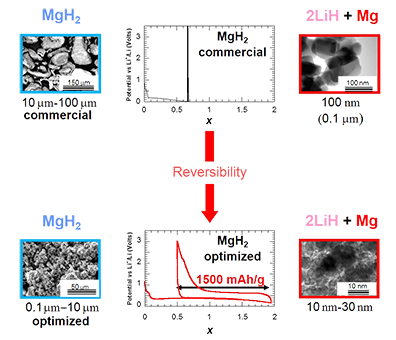
- -ray diffraction pattern obtained at the end of the discharge shows the presence of both Mg0.65Sc0.35H0.8 and Mg0.65S0.35H1.5 cubic phases in agreement with the results obtained in KOH electrolyte and reported by Notten et al. [28]. Such desirable electrochemical behavior is also obtained with the
- -coating through chemical or physical methods. For electrochemical reactions carried out in thin films in KOH electrolyte with non-conductive hydrides such as MgH2, or Mg2NiH4, the presence of a small amount of non-hydrogenated compound (few percent), as Mg or Mg2Ni, in the starting material is sufficient