


Search results
Search for "animals" in Full Text gives 158 result(s) in Beilstein Journal of Nanotechnology.
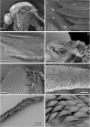
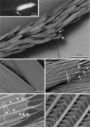
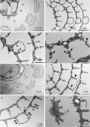
The origin of black and white coloration of the Asian tiger mosquito Aedes albopictus (Diptera: Culicidae)
Beilstein J. Nanotechnol. 2023, 14, 496–508, doi:10.3762/bjnano.14.41
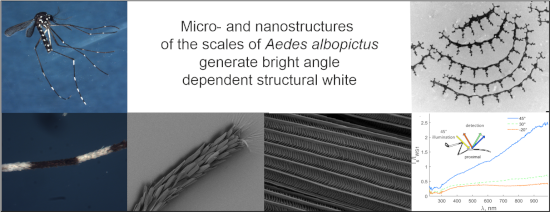
- related to defensive behaviour. The influence of prey coloration of animals living in groups on the “confusion effect” towards predators is a field still largely unexplored. However, there is some evidence in “human predators” that motion dazzle camouflage could enhance the confusion effect [30][31][32



Bismuth-based nanostructured photocatalysts for the remediation of antibiotics and organic dyes
Beilstein J. Nanotechnol. 2023, 14, 291–321, doi:10.3762/bjnano.14.26
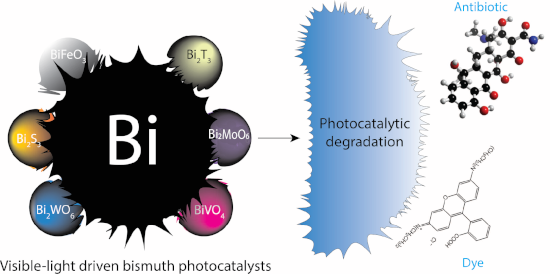
- administered therapeutically to cure/prevent pathogen infections in people, animals, or both, as well as to increase livestock yields. However, since 50–80% of the antibiotic compounds that are taken are typically eliminated through urine and faeces, there are growing concerns regarding their excessive
- dye. Additionally, some dyes, such as xanthene and erythrosine, have been related to allergic reactions, neurotoxins, and DNA damage in both humans and animals [70]. An eco-friendly, practical, and efficient treatment method is urgently needed because of the increasing pollution and health and


Rapid and sensitive detection of box turtles using an electrochemical DNA biosensor based on a gold/graphene nanocomposite
Beilstein J. Nanotechnol. 2022, 13, 1458–1472, doi:10.3762/bjnano.13.120
- therapeutic properties and stimulating components [2][3]. The animals are captured for local use, sold as pets, utilised as foodstuffs, and in traditional Chinese remedies [4]. In addition, tortoise shells are used to make gels, soups, pills, and capsules [5]. However, these animals are hosts of several
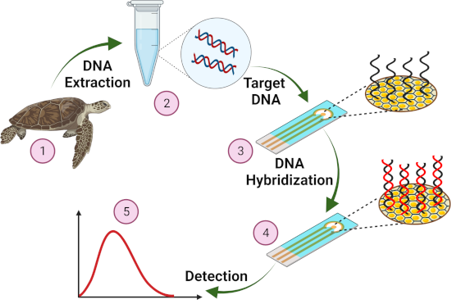
- differentiate BT DNA from DNAs of other animals by using differential pulse voltammetry (DPV) using methylene blue (MB) as a redox species. Results and Discussion Design of a unique probe for BT The identification and differentiation of different species is difficult because related species share many
- compare hybridisation efficacy, and the results show discrimination of BT from other animals. The sequences of the targeted regions of all 30 species, their accession numbers, selected probe sequence, mismatch sequences, and reverse complementary sequences are shown in Figure 1. Characterisation of the



Dry under water: air retaining properties of large-scale elastomer foils covered with mushroom-shaped surface microstructures
Beilstein J. Nanotechnol. 2022, 13, 1370–1379, doi:10.3762/bjnano.13.113
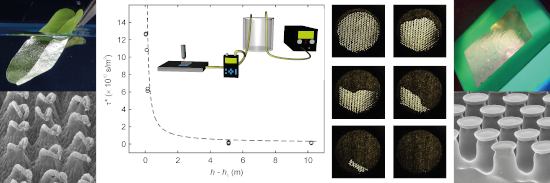
- Holzgerlingen, Germany 10.3762/bjnano.13.113 Abstract Superhydrophobic surfaces are well known for most different functions in plants, animals, and thus for biomimetic technical applications. Beside the Lotus Effect, one of their features with great technical, economic and ecologic potential is the Salvinia
- effective large scale production. Meanwhile, a novel biomimetic surface is commercially available and produced on a large scale: an adhesive elastomeric film with mushroom-shaped surface microstructures that mimic the adhesion system of animals. In this study, we show that these films, which have been


Supramolecular assembly of pentamidine and polymeric cyclodextrin bimetallic core–shell nanoarchitectures
Beilstein J. Nanotechnol. 2022, 13, 1361–1369, doi:10.3762/bjnano.13.112
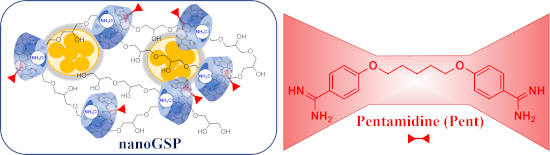
- ) with pentamidine (Pent), an antimicrobial agent used against leishmaniasis [16], to investigate the antimicrobial activity of novel nanosystems (i.e., nanoGSP; Figure 1). Leishmaniasis is an infectious disease caused by protozoan parasites transmitted to humans and animals by the bite of tiny (2–3 mm


Growing up in a rough world: scaling of frictional adhesion and morphology of the Tokay gecko (Gekko gecko)
Beilstein J. Nanotechnol. 2022, 13, 1292–1302, doi:10.3762/bjnano.13.107
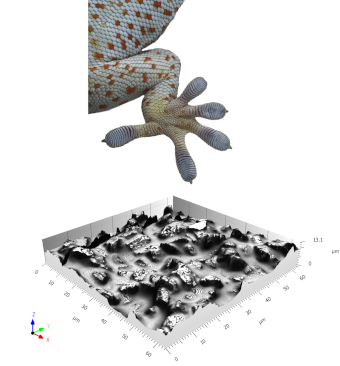
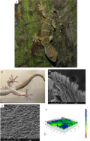
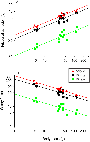
- ability to adhere to surfaces in nature. Using Tokay geckos (Gekko gecko), we examined the post-hatching scaling of morphology and frictional adhesive performance in animals ranging from 5 to 125 grams in body mass. We quantified setal density, setal length, and toepad area using SEM. This was then used
- lower values than smooth surfaces. The safety factor went down with body mass and with surface roughness, suggesting that smaller animals may be more likely to occupy rough substrates in their natural habitat. Keywords: allometry; biomechanics; ecology; habitat; ontogeny; substrate; Introduction
- Animals attach to surfaces in numerous ways, including claws, suction, and both wet and dry adhesion. In fact, some animals can utilize multiple attachment mechanisms [1][2], leading to multifunctionality across surfaces of varying roughness. Dry adhesion is found in many invertebrates and squamate


Laser-processed antiadhesive bionic combs for handling nanofibers inspired by nanostructures on the legs of cribellate spiders
Beilstein J. Nanotechnol. 2022, 13, 1268–1283, doi:10.3762/bjnano.13.105
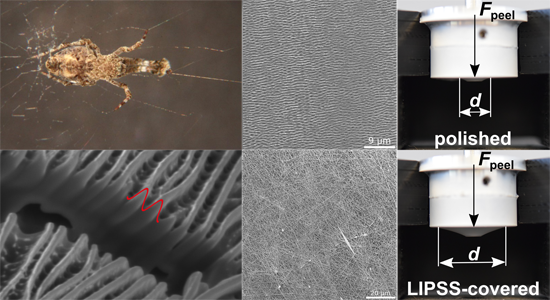
- product in the form of a random network of fibers, referred to as nonwoven fabric, the stickiness of the freshly produced and thus fragile nanofiber nonwoven remains a problem. This is mainly because nanofibers strongly adhere to any surface because of van der Waals forces. In nature, there are animals
- interacting surface area. Though technical nanofiber handling and processing is limited today, in nature, there are animals that are actually able to efficiently produce, process, and handle nanofibers, namely cribellate spiders [10][11]. Their capture thread consists of one or two axial fibers as
- endangered or protected species. Special permits were not required. All applicable international, national, and institutional guidelines for the care and use of animals were followed. Amaurobius similis (Blackwall, 1861) and Uloborus plumipes (Lucas, 1846) were captured in Aachen, Germany, and kept in the






Microneedle-based ocular drug delivery systems – recent advances and challenges
Beilstein J. Nanotechnol. 2022, 13, 1167–1184, doi:10.3762/bjnano.13.98
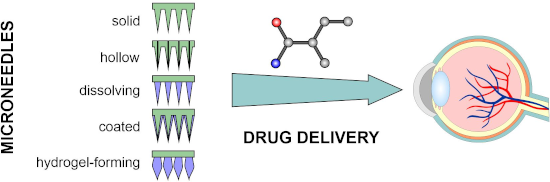
- concluded from the presented studies, the current state of knowledge is related mostly to physicochemical parameters and the number of studies performed with the use of in vivo models is rather limited. It is also noteworthy that the available data refer to animals and, to the best of our knowledge, no


Recent advances in green carbon dots (2015–2022): synthesis, metal ion sensing, and biological applications
Beilstein J. Nanotechnol. 2022, 13, 1068–1107, doi:10.3762/bjnano.13.93




Spindle-like MIL101(Fe) decorated with Bi2O3 nanoparticles for enhanced degradation of chlortetracycline under visible-light irradiation
Beilstein J. Nanotechnol. 2022, 13, 1038–1050, doi:10.3762/bjnano.13.91
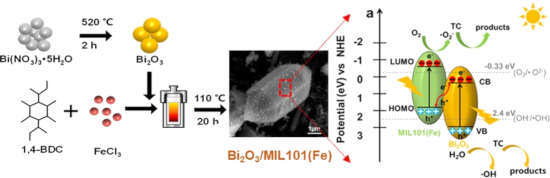
- ]. Chlortetracycline (CTC) is the first tetracycline antibiotic used for veterinary purposes [3]. Due to the abusive use of CTC in livestock industry and the low absorption in animals, a large amount of CTC has been released into the environment through animal excretions. At present, CTC has been detected in aquatic


Interaction between honeybee mandibles and propolis
Beilstein J. Nanotechnol. 2022, 13, 958–974, doi:10.3762/bjnano.13.84
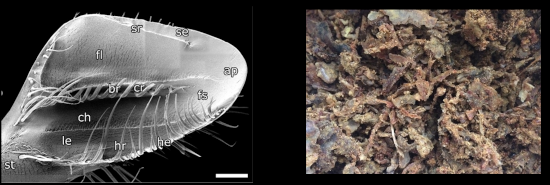
- development process that led to the anatomical investigation of honeybee mandibles. The hypothesis is that animal species that regularly have close contact with resinous plants or even actively harvest resins may have developed counter-stickiness strategies. This is because animals that permanently stick to a
- morphology of the mandibles, as all examined mandibles had this characteristic. Anisotropic structures are also present on other animals such as snakes and were proposed to support anisotropic properties, for example, anisotropic friction [34]. The scales on bee mandibles are mostly oriented towards the apex


Bioselectivity of silk protein-based materials and their bio-inspired applications
Beilstein J. Nanotechnol. 2022, 13, 902–921, doi:10.3762/bjnano.13.81
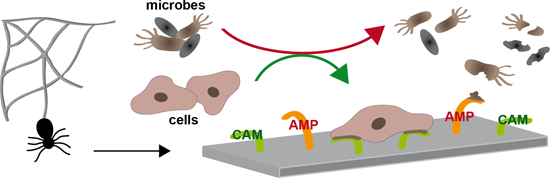
- bioselectivity. Keywords: antifouling; bacteriostatic; biofouling; bioselective cell adhesion; spider silk protein; Review 1 Introduction 1.1 Bioadhesive protein surfaces Biological adhesion is important for all organisms such as plants, animals, bacteria, and fungi, covering a wide range of biological aspects


Micro-structures, nanomechanical properties and flight performance of three beetles with different folding ratios
Beilstein J. Nanotechnol. 2022, 13, 845–856, doi:10.3762/bjnano.13.75
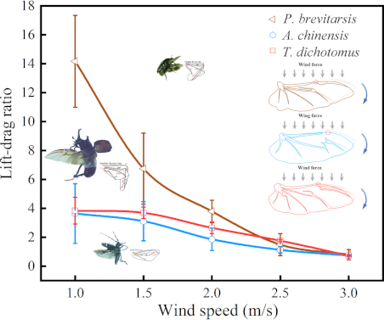
- with the “Guiding Principles in the Care and Use of Animals” (China) and were approved by the ethics committee of experimental animal welfare of Jilin University. High-speed camera A high-speed camera (Phantom V711, Vision Research Inc., USA) was used to obtain the postures and flapping frequencies of




Photothermal ablation of murine melanomas by Fe3O4 nanoparticle clusters
Beilstein J. Nanotechnol. 2022, 13, 255–264, doi:10.3762/bjnano.13.20
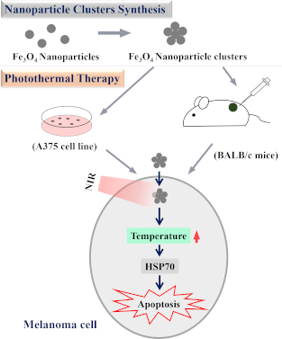
- the heat shock protein HSP70 as a plausible explanation for the observed therapeutic benefits as a result of hyperthermia. Findings of the current study accentuate the potential application of Fe3O4 nanoparticle clusters in the treatment of melanoma. Experimental Reagents and animals Iron


Engineered titania nanomaterials in advanced clinical applications
Beilstein J. Nanotechnol. 2022, 13, 201–218, doi:10.3762/bjnano.13.15
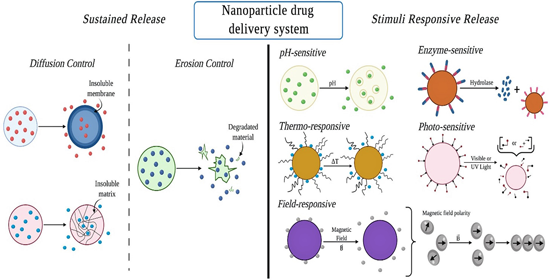
- and chemotherapy methods for cancer treatment [15]. Titania nanomaterials as antidotes to venom Snakebites cause significant morbidity and mortality worldwide (around 100,000 deaths annually). The only treatment of snakebites available are antivenoms from immunized animals, which contain specific IgG


Bacterial safety study of the production process of hemoglobin-based oxygen carriers
Beilstein J. Nanotechnol. 2022, 13, 114–126, doi:10.3762/bjnano.13.8
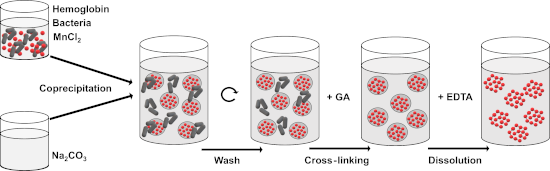
- animals are declared fit for human consumption after a post-mortem inspection. In the geographical area where the blood is collected, many critical viral pathogens do not occur [10]. Nevertheless, the blood is tested for viral contamination. In terms of bacterial safety, the blood and the hemoglobin
- . coli is mainly found in the intestines of humans and animals, is Gram-negative, and has an approximate length of 2 µm with a diameter of 1 µm and a cylindrical shape [31]. S. epidermidis lives on human skin but is also frequently responsible for infections of immunocompromised patients in hospitals [32


Use of nanosystems to improve the anticancer effects of curcumin
Beilstein J. Nanotechnol. 2021, 12, 1047–1062, doi:10.3762/bjnano.12.78
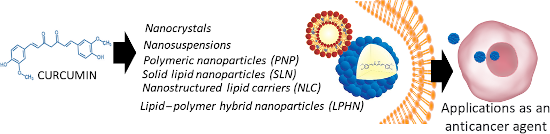
- melanoma cells, respectively) was observed when using doses up to 100 μM. In vivo (C57BL/6 mice) data showed that a topical application prevented regrowth and metastasis of excised tumors (melanoma), in contrast to a significant recurrence (70%) in untreated animals. Based on their data, the authors
- studies performed on human subjects. Data generated in vitro and in animals should complement the efficacy of a treatment and can be used to determine its mechanisms of action at cellular and molecular scales. However, there is no substitute for human-derived data. Figure 1 summarizes relevant data
- esophageal cancer) and to reduce drug resistance. However, further research is necessary to validate its possible beneficial effects in humans. It should also be emphasized that there is significant variation in the metabolism and rate of nanosystems in experimental animals as compared to humans. For example


Comprehensive review on ultrasound-responsive theranostic nanomaterials: mechanisms, structures and medical applications
Beilstein J. Nanotechnol. 2021, 12, 808–862, doi:10.3762/bjnano.12.64


Physical constraints lead to parallel evolution of micro- and nanostructures of animal adhesive pads: a review
Beilstein J. Nanotechnol. 2021, 12, 725–743, doi:10.3762/bjnano.12.57
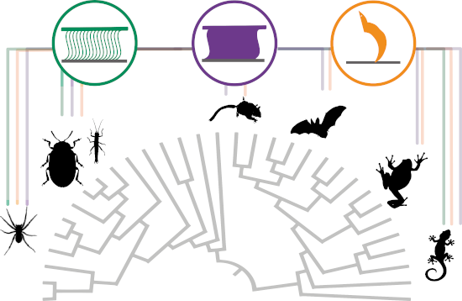
- morphology of attachment devices is affected by physical constraints. This resulted in two main types of attachment devices in animals: hairy and smooth. They differ in morphology and ultrastructure but achieve mechanical adaptation to substrates with different roughness and maximise the actual contact area
- with them. Species-specific environmental surface conditions resulted in different solutions for the specific ecological surroundings of different animals. As the conditions are similar in discrete environments unrelated to the group of animals, the micro- and nanostructural adaptations of the
- influence of different factors, such as substrate roughness and pad stiffness, on contact forces, and review the chemical composition of pad fluids, which is an important component of an adhesive function. Attachment systems are omnipresent in animals. We show parallel evolution of attachment structures on


Fate and transformation of silver nanoparticles in different biological conditions
Beilstein J. Nanotechnol. 2021, 12, 665–679, doi:10.3762/bjnano.12.53
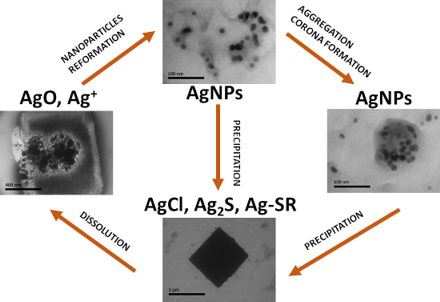
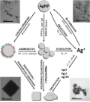
- ]. Here, we exposed Wistar rats to poly(vinylpyrrolidone) (PVP)-coated AgNPs for 28 days. A microscopic examination of liver tissues of treated animals revealed an interesting result (described below) that initiated our subsequent research (presented here) on a possible transformation pattern of AgNPs in
- regarded as an extension of our previous work [40]. In addition, liver tissues of control (untreated) and treated animals were prepared for TEM analysis, which revealed quite surprising observations. While TEM images obtained for control animals conformed to classical histological features of liver tissue
- (Figure 2a), large electron-dense spherical and cubic forms were found in the liver slices of treated animals (Figure 2b). Our first explanation for the origin of these forms was the preparation of the tissue samples for TEM examination (i.e., precipitates of Pb acetate or OsO4). However, such electron




The impact of molecular tumor profiling on the design strategies for targeting myeloid leukemia and EGFR/CD44-positive solid tumors
Beilstein J. Nanotechnol. 2021, 12, 375–401, doi:10.3762/bjnano.12.31
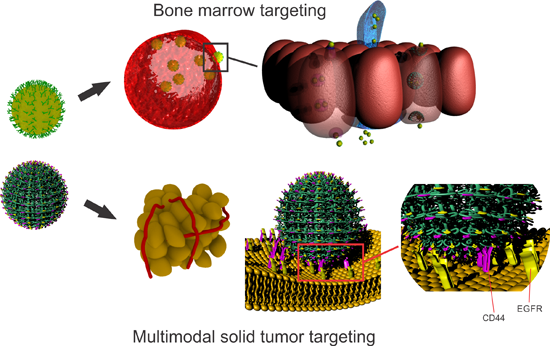
- ascites leukemia models, compared to non-functionalized carriers, and that the pre-treatment of the animals with ATRA further improved the efficacy of the FR-targeted liposomes by up to 50% [51]. Since AML and CML proliferation is mainly governed by leukemia stem cells (LSC), there is a rationale to
- addition, the treated B220+/Mac1− cells were injected in immunodeficient mice, and the median time for leukemia onset in the animals was observed for daunorubicin, daunorubicin-loaded non-functionalized nanoparticles, and anti-B220 antibody-functionalized nanoparticles loaded with daunorubicin. The


Intracranial recording in patients with aphasia using nanomaterial-based flexible electronics: promises and challenges
Beilstein J. Nanotechnol. 2021, 12, 330–342, doi:10.3762/bjnano.12.27
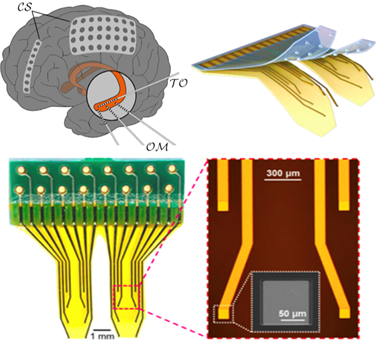
- accurate recordings of cortical activity [6]. Preclinical tests using animals (rats or primates) have shown that nanomaterial-based electronics could boost the spatiotemporal accuracy and resolution of brain imaging signals [7]. In general, iEEG electrode arrays made of nanomaterials are thinner, lighter
- decoding for a long time [84]. The development allows for the observation of brain activity in freely moving animals. Researchers are able to investigate the correlation between behaviour and neural networks. The adaption of nanomaterial-based flexible electronics in iEEG recordings offers a great


A review on the biological effects of nanomaterials on silkworm (Bombyx mori)
Beilstein J. Nanotechnol. 2021, 12, 190–202, doi:10.3762/bjnano.12.15
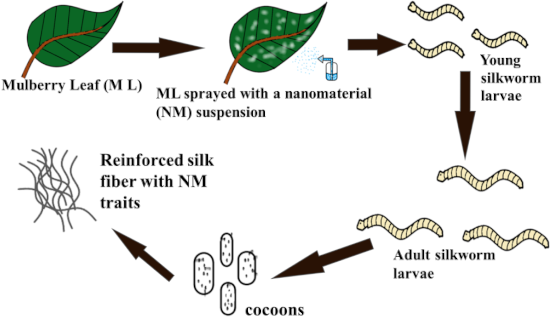
- ]. The use of these model organisms in research has paved the way for new discoveries in science. However, the use of mammalian animal models, such as pigs, mice, and primates have sparked bioethical problems since experimental trials may cause pain and discomfort to the animals. Thus, it is imperative
- numerous advantages in using silkworm as a model organism. These animals require less sophisticated infrastructure for rearing, are prolific breeders, have a short life cycle, a moderate body size which allows for an easy manipulation of genes and organs, a clear genetic background, and abundant mutation
- organs between these two classes of animals. Hamamoto et al. reported that the absence of neurotoxin receptors in silkworms could be a reason why the levels of neurotoxic substances were higher in silkworms when compared to mice [99]. The silkworm is an invertebrate organism that has a distant


Bio-imaging with the helium-ion microscope: A review
Beilstein J. Nanotechnol. 2021, 12, 1–23, doi:10.3762/bjnano.12.1
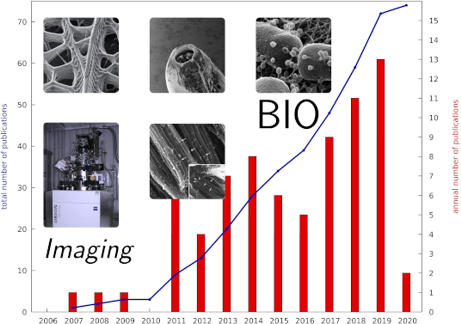
- oligomerisation of the 33-mer peptide gliadin [74]. The HIM data helped the authors to “show a plausible pathway of 33-mer peptide protofilaments formation” via the contact of square-like oligomers and the formation of protofilaments by “longitutinal association of matured rod-like oligomers.” Imaging animals and
- plants HIM imaging of small animals and plants has been around since the early years of helium ion microscopy, when pollen samples [7][8] and pine leaves [14] were imaged. The first in-depth and notable HIM imaging demonstration of small animals was done in 2012 by Boden et al. [12], when the intricate


Transient coating of γ-Fe2O3 nanoparticles with glutamate for its delivery to and removal from brain nerve terminals
Beilstein J. Nanotechnol. 2020, 11, 1381–1393, doi:10.3762/bjnano.11.122
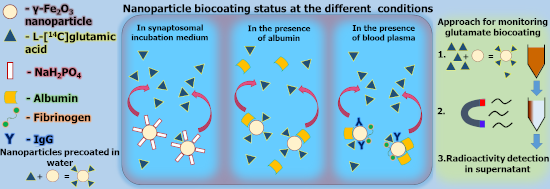
- on the Care and Use of Laboratory Animals 86/609/EEC) and the experimental protocols were approved by the Animal Care and Use Committee of the Palladin Institute of Biochemistry (Protocol from 19/09-2016). Ten animals were used in experiments analyzing ʟ-[14C]glutamate uptake, its extracellular level
- and the membrane potential of nerve terminals. Six animals were used for blood plasma preparation. Isolation of nerve terminals (synaptosomes) from rat cortex The cortex zone of the rat brain was rapidly removed and homogenized in ice-cold 0.32 M sucrose, 5 mM HEPES-NaOH, pH 7.4 and 0.2 mM EDTA. The





