Search results
Search for "deposition" in Full Text gives 1162 result(s) in Beilstein Journal of Nanotechnology. Showing first 200.
Modeling magnetic properties of cobalt nanofilms used as a component of spin hybrid superconductor–ferromagnetic structures
Beilstein J. Nanotechnol. 2025, 16, 1557–1566, doi:10.3762/bjnano.16.110
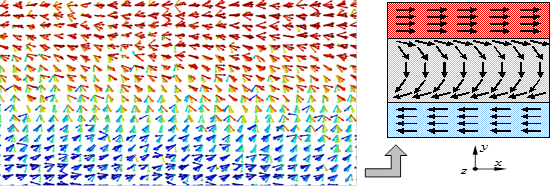
- structure and composition of Co–Ni–Fe films were evaluated, and it was found out how the deposition rate affects the conversion of a weak magnetic field into magnetic induction. In addition, thin-film structures based on Fe and Co are among the most promising materials that can be applied in the creation of


Transient electronics for sustainability: Emerging technologies and future directions
Beilstein J. Nanotechnol. 2025, 16, 1545–1556, doi:10.3762/bjnano.16.109

- ) or silk, enabling implantable sensors, stimulators, or power harvesters that degrade harmlessly after use. For simple sensor devices, direct deposition of inorganic materials onto bioresorbable polymer substrates using shadow masks has been employed [14][48][63][64]. For example, conductive materials
- of organic displays, are known for their superior water resistance due to their densely packed atomic structures. However, even these films are susceptible to defects formed during deposition, which compromise their barrier function. To overcome this, display technologies have utilized techniques
- such as repeated stacking of SiOx/SiNx layers via plasma-enhanced chemical vapor deposition or high-density conformal coatings using atomic layer deposition (ALD) (Figure 2e) [88]. Notably, both SiO2 and Si3N4 are bioresorbable materials [23][88][89][90], and efforts have been made to adopt these


Laser processing in liquids: insights into nanocolloid generation and thin film integration for energy, photonic, and sensing applications
Beilstein J. Nanotechnol. 2025, 16, 1428–1498, doi:10.3762/bjnano.16.104
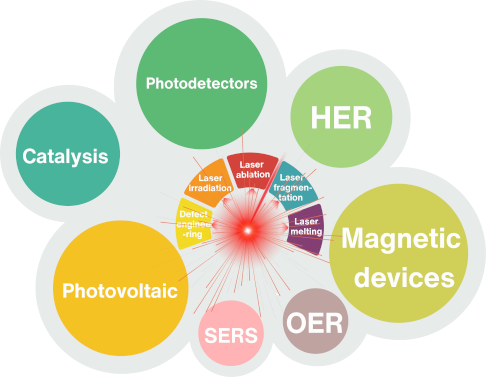
- comprehensive understanding of the process flow, from the laser-induced ejection of material into the gas phase, through its processing and movement in the plume, to its eventual deposition onto a substrate. Figure 1 shows key developments in thin film synthesis and laser-based processing from 1909 to 2025
- storage and conversion to chemical processing and material synthesis [84][85]. One of the key mechanisms underlying laser-induced defect engineering in liquids (LDL) is the rapid and localized energy deposition facilitated by laser irradiation. The high-intensity, coherent light can selectively and
- catalysis. This table is a summary based on the discussion and cited literature in Section 1. 2 Nanocolloids by laser processing in liquids to thin film fabrication For device applications, nanocolloids for thin film deposition play a crucial role in fabrication of devices and enhancing their performance






Photochemical synthesis of silver nanoprisms via green LED irradiation and evaluation of SERS activity
Beilstein J. Nanotechnol. 2025, 16, 1417–1427, doi:10.3762/bjnano.16.103
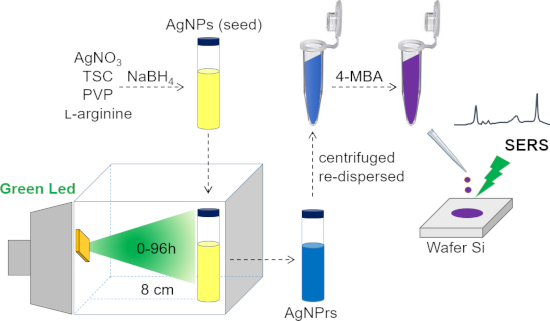
- , the surfaces of the silver nanomaterials (initial AgNP seeds, planar twinned seeds) are continuously excited, and the growth of AgNPrs proceeds via two mechanisms (Figure 6). These mechanisms are: (1) TSC continues to be excited and promotes the reduction of Ag+, resulting in the deposition of Ag0 on


The role of biochar in combating microplastic pollution: a bibliometric analysis in environmental contexts
Beilstein J. Nanotechnol. 2025, 16, 1401–1416, doi:10.3762/bjnano.16.102

- particles/kg [8]. The primary sources of MPs in agricultural soils include irrigation, fertilizers, farming practices (e.g., plastic mulching), and atmospheric deposition [5][6]. Additionally, recreational soils have been reported to contain higher MP concentrations than agricultural soils, as observed in
- biochar with a surface area of 368.3 m2·g−1 for sawdust [32]. Post-synthesis modification: Pre-synthesized biochar is immersed in ferric and ferrous solutions at pH 10–11 for 24 h, resulting in Fe3O4 deposition on the biochar surface [45]. The incorporation of functional groups significantly enhances the



Parylene-coated platinum nanowire electrodes for biomolecular sensing applications
Beilstein J. Nanotechnol. 2025, 16, 1392–1400, doi:10.3762/bjnano.16.101
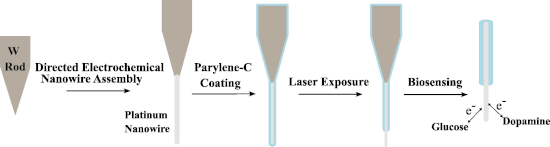
- , which can be coated with parylene-C polymer and the tip can be exposed by a focused laser beam. An electrochemical copper deposition test was performed to verify that the platinum electrode was fully exposed after evaporation of the parylene-C polymer at the tip. The test also demonstrated that the
- remaining parylene-C polymer on the rest of the electrode acted as an insulator. As shown in Figure 2a, a copper nodule was observed on the tip of the nanowire. Copper deposition on the tungsten metal part after parylene deposition and laser evaporation indicated that the parylene insulation was not
- complete as intended and these electrodes were discarded. A thin layer of copper deposition on the exposed platinum nanowire tip was further examined using SEM imaging and energy-dispersive X-ray spectroscopy (EDS) elemental composition analysis. Figure 2b presents an SEM image of the copper-coated


Synthesis and antibacterial properties of nanosilver-modified cellulose triacetate membranes for seawater desalination
Beilstein J. Nanotechnol. 2025, 16, 1380–1391, doi:10.3762/bjnano.16.100
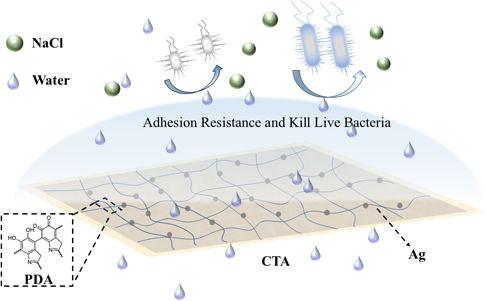
- and exothermic events for the three materials (Figure 2b–d). These differences in transition temperatures confirm the successful surface modification of CTA with PDA and the subsequent successful deposition of Ag nanoparticles. The unique thermal signatures observed in the DTA curves provide clear
- further functionalization (Figure 4c). This PDA layer imparts functional groups, such as catechol and amino groups, which facilitate the subsequent reduction and immobilization of Ag nanoparticles. Upon Ag deposition, the PCTA membrane’s surface exhibits evenly distributed Ag nanoparticles nestled within


Automated collection and categorisation of STM images and STS spectra with and without machine learning
Beilstein J. Nanotechnol. 2025, 16, 1367–1379, doi:10.3762/bjnano.16.99
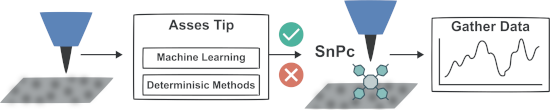
- . The target temperature for SnPc deposition was 360 °C; once reached, the cryostat shields were opened for 1 h, before closing and checking the coverage in STM. Once deposited, the sample was cold annealed to room temperature, which has the effect of driving the molecules preferentially to the “elbow





Deep-learning recognition and tracking of individual nanotubes in low-contrast microscopy videos
Beilstein J. Nanotechnol. 2025, 16, 1316–1324, doi:10.3762/bjnano.16.96
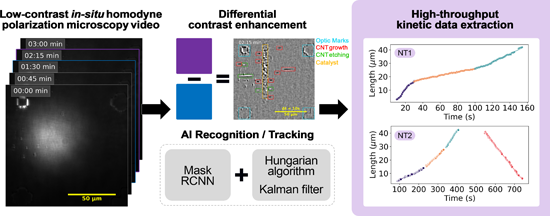
- , horizontally aligned carbon nanotubes (HA-CNTs) were synthesized inside a miniature chemical vapor deposition (CVD) cell with an optical window (Linkam TS1500). ST-cut quartz and iron nanoparticles served as substrate and catalyst, respectively. Ethanol and argon were, respectively, used as carbon precursor


Enhancing the photoelectrochemical performance of BiOI-derived BiVO4 films by controlled-intensity current electrodeposition
Beilstein J. Nanotechnol. 2025, 16, 1289–1301, doi:10.3762/bjnano.16.94
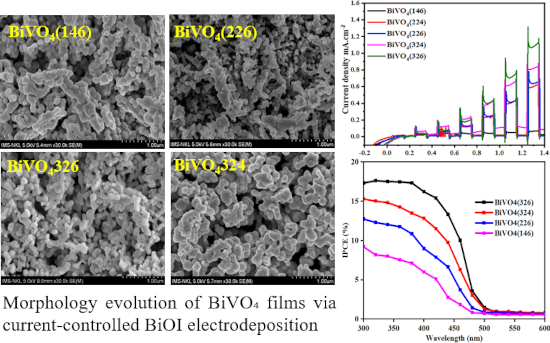
- Abstract This study investigates the fabrication of BiVO4 photoanodes using a controlled-intensity current electrodeposition method to improve their photoelectrochemical (PEC) performance. The impact of varying the deposition current density and VO(acac)2 concentration was systematically analyzed to
- optimize the crystallinity, surface morphology, and electronic properties of the films. Subsequently, an electrochemical deposition method was developed to facilitate the uniform distribution of V2O5 among Bi–O–I flakes to homogeneously enhance the conversion reaction. The XRD pattern confirms the
- monoclinic scheelite BiVO4 structure with dominant (121) and (004) peaks. FESEM imaging revealed that the different deposition conditions influenced the surface morphologies of the BiOI and BiVO4 films. Photocurrent density measurements showed that BiVO4(326) achieved 1.2 mA·cm−2 at 1.23 V vs RHE



Hydrogels and nanogels: effectiveness in dermal applications
Beilstein J. Nanotechnol. 2025, 16, 1216–1233, doi:10.3762/bjnano.16.90
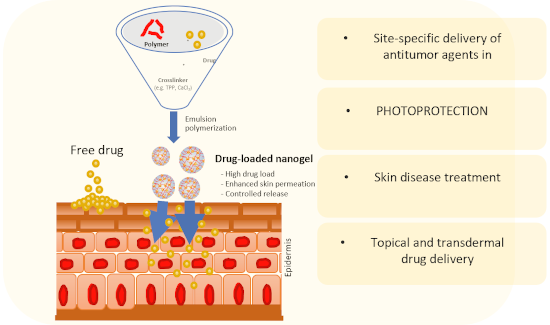
- guanosine quartet hydrogels loaded with recombinant human-sourced collagen can be wrapped onto the skin surface. These films can supply collagen deposition for the wound by recruiting macrophages and fibroblasts and eventually inducing their proliferation and migration [42]. In the study by Zhao et al
- ± 1.8%, respectively. Nanogels containing quercetin (0.12%) and TiO2 (5% and 15%) showed a drug release rate above 70% with a significant increase (p < 0.001) in the deposition of quercetin on the skin when compared with a drug suspension in 24 hours. The mean number of tumors, tumor volume, and


Mechanical stability of individual bacterial cells under different osmotic pressure conditions: a nanoindentation study of Pseudomonas aeruginosa
Beilstein J. Nanotechnol. 2025, 16, 1171–1183, doi:10.3762/bjnano.16.86
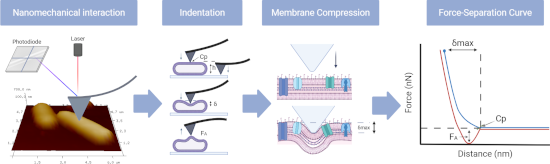
- bacterial adhesion through short-range electrostatic and hydrophobic interactions. Before deposition on the PLL-coated substrate, the bacterial suspension was centrifuged at 2500 rpm for 3 min, and the resulting supernatant was removed. The bacteria were then resuspended in 150 μL of PBS to increase their
- concentration and before the previous deposition of 5 μL on the PLL-coated substrate. A liquid cell was assembled to measure changes in bacterial membrane rigidity response when transitioning between different solutions. Once inside the fluid cell chamber, bacteria were imaged and tested in PBS solution and


Influence of ion beam current on the structural, optical, and mechanical properties of TiO2 coatings: ion beam-assisted vs conventional electron beam evaporation
Beilstein J. Nanotechnol. 2025, 16, 1097–1112, doi:10.3762/bjnano.16.81
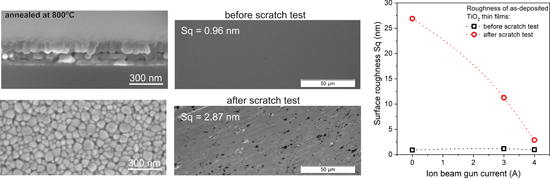
- ) coatings deposited using electron beam evaporation (EBE) and ion beam-assisted deposition (IBAD) are presented. Post-process annealing at 800 °C was also conducted to examine its impact on the properties of the prepared coatings. After annealing at 800 °C, a transition from amorphous to the anatase phase
- , adhesive, and durable TiO2 coatings with improved optical and mechanical properties, suitable for applications requiring enhanced wear resistance. Keywords: electron beam evaporation; ion beam-assisted deposition; mechanical properties; nanocrystalline anatase; optical properties; TiO2 coatings
- ; Introduction One of the commonly used methods for the deposition of various materials for thin film optical coatings, is electron beam evaporation (EBE) [1][2][3][4][5]. Today, in many applications, including medicine, telecommunications, optoelectronics, photovoltaics, the requirements for optical coatings




Single-layer graphene oxide film grown on α-Al2O3(0001) for use as an adsorbent
Beilstein J. Nanotechnol. 2025, 16, 1082–1087, doi:10.3762/bjnano.16.79
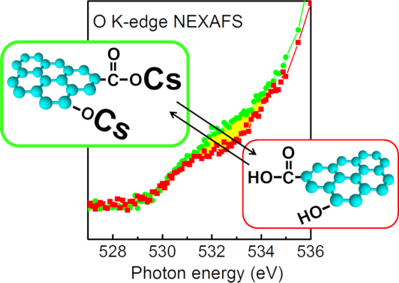
- obtained by oxidizing monolayer graphene grown by metal-free chemical vapor deposition on the α-Al2O3(0001) surface, and the adsorption state was determined by surface analytical techniques. It was clarified that Cs adsorbs on oxygen functional groups by substituting with H atoms from carboxyl and hydroxy
- deposition; electronic state analysis; graphene oxide; X-ray absorption fine structure; Introduction Graphene oxide (GO) is oxidized graphene and its surface and periphery are partially modified by epoxy, hydroxy, and carboxy functional groups [1][2]. GO can be thinned to a monolayer of one carbon atom and
- typically been fabricated through casting small pieces of GO flakes onto a substrate. In this study, the SLGO film was synthesized by oxidizing single-layer graphene (SLG) grown by metal-free chemical vapor deposition (CVD) on a α-Al2O3(0001) substrate. The strong interface interaction between SLG and α


Piezoelectricity of hexagonal boron nitrides improves bone tissue generation as tested on osteoblasts
Beilstein J. Nanotechnol. 2025, 16, 1068–1081, doi:10.3762/bjnano.16.78
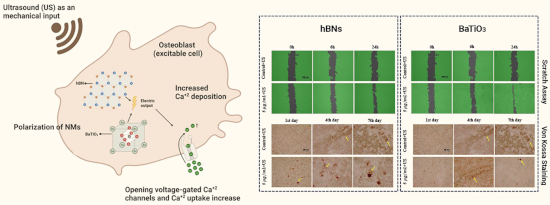
- nucleation of calcium and phosphate ions, imparting stiffness and resistance to bone. Additionally, collagen and noncollagenous matrix proteins contribute to bone formation by offering a scaffold for hydroxyapatite deposition [2][3]. Bone tissue consists of four main cell types: bone lining cells
- , osteoclasts, osteoblasts, and osteocytes, which coordinate bone resorption and deposition. Bone lining cells cover bone surfaces and play a key role in osteoclast differentiation [4][5]. Osteoclasts are large, multinucleated cells responsible for bone resorption through lysosomal enzymes and acid secretion [6
- ]. Osteocytes, the longest-lived bone cells, arise from osteoblast differentiation and regulate bone maintenance [7]. Osteoblasts, found on bone surfaces, drive bone formation through two key steps: matrix deposition and mineralization. During matrix deposition, collagen and noncollagenous proteins are secreted


Time-resolved probing of laser-induced nanostructuring processes in liquids
Beilstein J. Nanotechnol. 2025, 16, 968–1002, doi:10.3762/bjnano.16.74
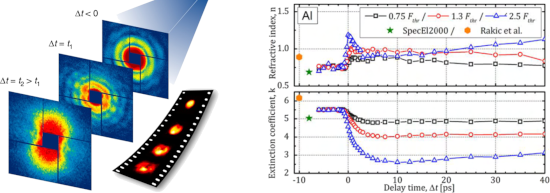
- of ablation, fragmentation or colloidal fusion may look macroscopically different in each application, the underlying fundamental mechanisms are always the same cascade of laser interaction with matter, non-thermal or thermal energy deposition, phase transitions, and the subsequent structure
- experimental platform to explore strong light–matter interactions. Structural dynamics in liquids For laser-based materials processing in liquids, including techniques of LAL, LFL, and LML, a key challenge lies in managing the intricate interplay between laser energy deposition, plasma generation, and the
- , it is important to understand and quantify such processes that may occur concomitantly and will affect each other. First, we develop a basic hypothesis of how laser irradiation with significant energy deposition into the system of interest (for example an aqueous colloid or solid surface in contact


Structural and magnetic properties of microwave-synthesized reduced graphene oxide/VO2/Fe2O3 nanocomposite
Beilstein J. Nanotechnol. 2025, 16, 921–932, doi:10.3762/bjnano.16.70
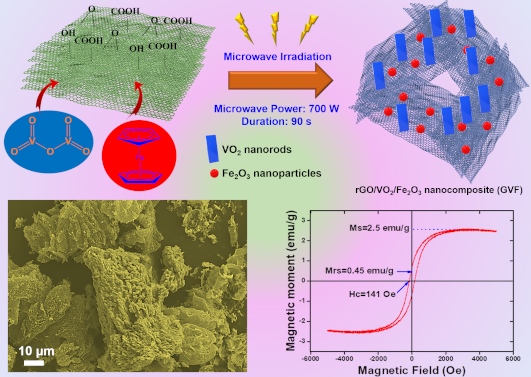
- graphite oxide to form rGO, the reduction of V2O5 to form VO2, and the formation of Fe2O3 from ferrocene. X-ray diffraction and X-ray photoelectron spectroscopy analyses confirm the formation of distinct metal oxides in the presence of rGO. Furthermore, the morphological analysis reveals the deposition of
- ternary NCs of graphene materials, several conventional approaches, such as sol–gel, hydrothermal/solvothermal, calcination/thermal annealing, chemical vapor deposition, liquid-phase exfoliation, and freeze-drying have been reported. However, the MW-assisted synthetic approaches are found to be superior
- , including XRD, Raman, and XPS analyses. The morphological study revealed the deposition of α-Fe2O3 NPs and VO2 nanorods on the rGO surface. Owing to the presence of magnetic components, the ternary NC displayed good magnetic characteristics at room temperature to showcase its potentiality in advanced



Focused ion beam-induced platinum deposition with a low-temperature cesium ion source
Beilstein J. Nanotechnol. 2025, 16, 910–920, doi:10.3762/bjnano.16.69
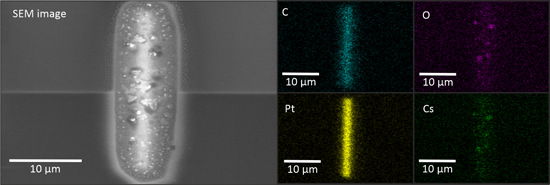
- and Application Center (SUNUM), 34956, Istanbul, Turkey Department of Applied Physics, Eindhoven University of Technology, P.O. Box 513, 5600 MB Eindhoven, The Netherlands 10.3762/bjnano.16.69 Abstract In addition to precise milling, the deposition of material at a specific location on a sample
- surface is a frequently used process of focused ion beam (FIB) systems. Here, we report on the deposition of platinum (Pt) with a new kind of cesium (Cs) FIB, in which the cesium ions are produced by a low-temperature ion source. Platinum was deposited at different acceleration voltages and ion beam
- currents. Deposition rate, material composition, and electrical resistivity were examined and compared with layers deposited at comparable settings with a standard gallium (Ga) FIB. The deposition rate is found to depend linearly on the current density. The rate is comparable for Cs+ and Ga+ under similar


Characterization of ion track-etched conical nanopores in thermal and PECVD SiO2 using small angle X-ray scattering
Beilstein J. Nanotechnol. 2025, 16, 899–909, doi:10.3762/bjnano.16.68
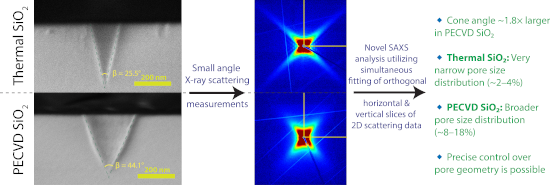
- -etched nanopores in two types of silicon dioxide, namely, one produced by wet thermal oxidation of Si (thermal SiO2) and another deposited by plasma-enhanced chemical vapor deposition (PECVD). Thermally grown SiO2 is of high quality and stoichiometric, however, requires high temperatures for growth, and
- can only be grown on a Si substrate. PECVD, in contrast, allows for the deposition at much lower temperatures on many different substrates with control over the film properties, such as stoichiometry, density, refractive index, and residual stress. As these fabrication methods involve fundamentally
- that can arise from the PECVD deposition processes, as the samples originated from different deposition runs. The 185 MeV-fabricated nanopores also exhibited the highest polydispersity, underscoring the variability in PECVD film characteristics. The validity of our analysis is supported by multiple


Heat-induced transformation of nickel-coated polycrystalline diamond film studied in situ by XPS and NEXAFS
Beilstein J. Nanotechnol. 2025, 16, 887–898, doi:10.3762/bjnano.16.67
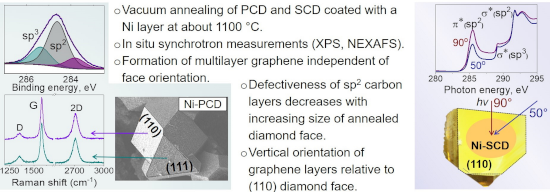
- transformation of bare and nickel-coated polycrystalline diamond films under high-vacuum annealing The PCD film was produced by plasma-enhanced chemical vapor deposition (PE CVD) using acetone (CH3)2CO, hydrogen, and air as the precursor gases for the plasma [37]. The film consists of crystallites with
- crystalline quality in the PCD film at the micron scale (Supporting Information File 1, Figure S2). Thermal evaporation of nickel and its deposition on the PCD film surface resulted in the formation of a uniform metallic layer with a thickness of about 40 nm (Supporting Information File 1, Figure S1d). The
- hydrogen/acetone/air mixture. The deposition parameters were typical of those previously employed for an “Astex” system (2.45 GHz, 4.5 kW): a pressure of 115 Torr, hydrogen, acetone, and air flow rates of 500, 18, and 0.3 sccm, respectively, and substrate temperature in the range of 940–980 °C [28][37


Ar+ implantation-induced tailoring of RF-sputtered ZnO films: structural, morphological, and optical properties
Beilstein J. Nanotechnol. 2025, 16, 872–886, doi:10.3762/bjnano.16.66
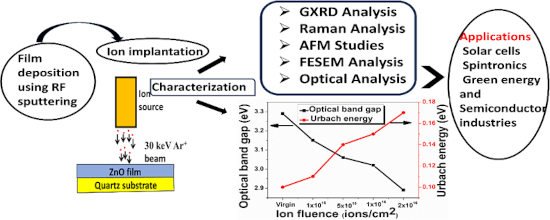
- displays [5], solar cells [6], and light-emitting diodes [7]. There are numerous methods for synthesizing ZnO films, including pulsed laser deposition, spray pyrolysis, radio frequency (RF) sputtering, and sol–gel techniques. Here RF sputtering is preferred over other methods because it provides high
- deposition rates and uniform growth of films with good reproducibility [4]. The physical properties of grown ZnO films can be tuned by altering various growth parameters and employing post-deposition treatments such as ion implantation and thermal annealing. Ion implantation has proven a versatile tool to
- the chamber has stabilized, the sputtering power is set to a value of 80 W. The sputtering is performed at a pressure of 1.8 × 10⁻⁵ Torr at room temperature with a deposition rate of 0.4–0.5 Å·s−1. A spectroscopic ellipsometer is used to calculate the thickness of the pristine ZnO films. An






Insights into the electronic and atomic structures of cerium oxide-based ultrathin films and nanostructures using high-brilliance light sources
Beilstein J. Nanotechnol. 2025, 16, 860–871, doi:10.3762/bjnano.16.65

- minimum of the inelastic mean free path. A study by Simon et al. on porous Pt-doped cerium oxide films prepared by direct liquid injection chemical vapor deposition, comparing conventional and synchrotron-radiation based XPS, has demonstrated that the Pt atoms are uniformly dispersed in the nanoparticles


Synchrotron X-ray photoelectron spectroscopy study of sodium adsorption on vertically arranged MoS2 layers coated with pyrolytic carbon
Beilstein J. Nanotechnol. 2025, 16, 847–859, doi:10.3762/bjnano.16.64
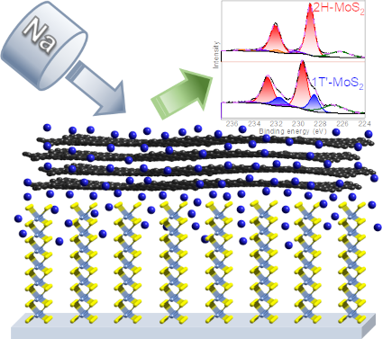
- temperature of 873 K for 30 min. Heating the raw film in a hydrogen atmosphere at 1073 K removes excess sulfur and other contaminations from the film surface. In the final step, a thin PyC film synthesized by chemical vapor deposition (CVD) technique is placed on the surface of the cleaned MoS2 film using the
- with the p orbitals of sulfur [44]. Figure 3 shows the sequence of a three-step sodiation/desodiation experiment performed with samples in the UHV chamber of the spectrometer. Sodium vapor was deposited simultaneously on three studied samples for 10 min. The second step included additional deposition
- deposition/removal of sodium deviate from the corresponding values for the initial MoS2 film by no more than 16% for the surface and 9% for the bulk. The deviations may be due to the fact that it is practically impossible to record spectra from the same place on the sample, which is repeatedly moved between


Facile one-step radio frequency magnetron sputtering of Ni/NiO on stainless steel for an efficient electrode for hydrogen evolution reaction
Beilstein J. Nanotechnol. 2025, 16, 837–846, doi:10.3762/bjnano.16.63
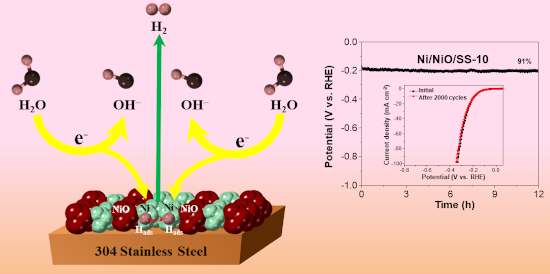
- synthesizing electrode materials in recent years because they offer a cleaner pathway than solution-based synthetic processes [20][21][22]. Among vacuum deposition methods, magnetron sputtering has been widely applied in industrial applications for fabricating thin films because of its advantages, such as good
- adhesion and uniform distribution of materials on various substrates [23][24][25]. For instance, Ren et al. used the magnetron sputtering method to introduce Si into an iridium electrode to achieve efficient water electrolysis [26]. Additionally, this technique’s fast deposition rate and high level of the
- of Ni/NiO were deposited on the SS substrate through reactive RF magnetron sputtering with various O2 flow rates. In particular, the Ni/NiO nanolayers were deposited using a pure Ni target at a deposition pressure of 5 × 10⁻³ Torr, sputtering power of 70 W, and substrate temperature of 250 °C. In


Morphology and properties of pyrite nanoparticles obtained by pulsed laser ablation in liquid and thin films for photodetection
Beilstein J. Nanotechnol. 2025, 16, 785–805, doi:10.3762/bjnano.16.60
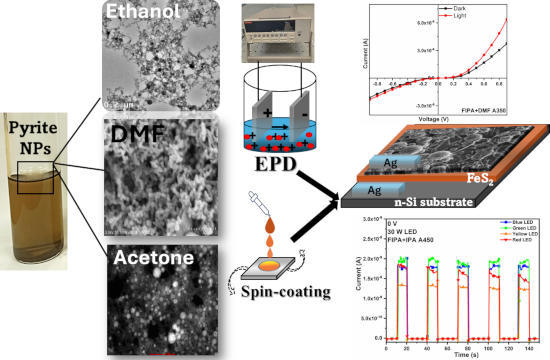
- synthesized by PLAL. FeS2 NPs were successfully synthesized in five different solvents, along with a minor phase of iron sulfide (FeS). Additionally, by combining electrophoretic deposition and spin-coating techniques, thin film photodiodes of FeS2 were fabricated on an n-type Si substrate utilizing the
- prepared by PLAL. Keywords: electrophoretic deposition; pulsed laser ablation in liquid; pyrite nanoparticles; self-powered photodetector; spin coating; Introduction Pyrite (FeS2) is one of the earth-abundant and nontoxic semiconductors possessing a promising role in optoelectronic applications. FeS2 has
- . reported the synthesis of single-phase FeS2 thin films using a combination of electrochemical and hydrothermal techniques. The electrodeposition was performed in a nonaqueous electrolytic bath consisting of diethylene glycol [24]. Among the deposition techniques, electrophoretic deposition (EPD) is a cost