Search results
Search for "drug delivery systems" in Full Text gives 142 result(s) in Beilstein Journal of Nanotechnology.
Nanomedicines against Chagas disease: a critical review
Beilstein J. Nanotechnol. 2024, 15, 333–349, doi:10.3762/bjnano.15.30
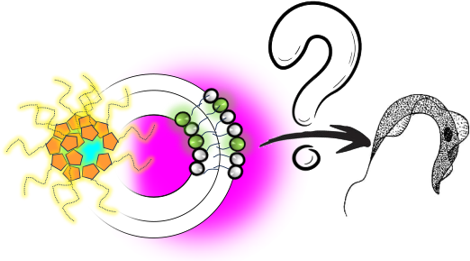
- self-nanoemulsified drug delivery systems (SNEDDSs). SNEEDSs provide a pediatric liquid formulation of BNZ, which is only marketed as solid tablets. SNEDDSs are isotropic mixtures of oil, surfactants, and co-surfactants that form submicrometer-droplet emulsions under agitation in water or

Exploring the relationships between physiochemical properties of nanoparticles and cell damage to combat cancer growth using simple periodic table-based descriptors
Beilstein J. Nanotechnol. 2024, 15, 297–309, doi:10.3762/bjnano.15.27
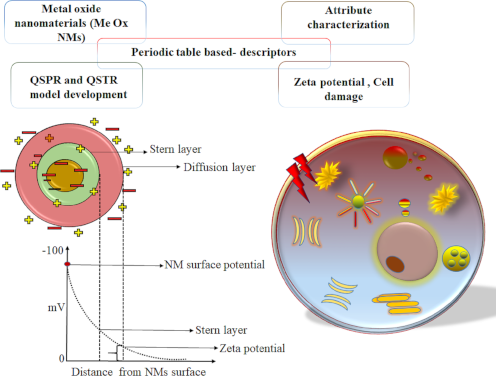
- = 0.54) showing the stability and predictive ability of the model. Utilization of the metal oxide cell damage knowledge for cancer treatment NPs have shown immense potential in treating various diseases owing to their small size and high surface-to-volume ratio, which makes them effective drug delivery
- systems. Metal NPs can lead to greater signal amplification, greater sensitivity, and higher detection. However, NPs with properties that generate ROS can increase cell damage. In cancer cells, rapid proliferation leads to an imbalance of oxygen, abnormal structure, and blood supply, making the tumor


Vinorelbine-loaded multifunctional magnetic nanoparticles as anticancer drug delivery systems: synthesis, characterization, and in vitro release study
Beilstein J. Nanotechnol. 2024, 15, 256–269, doi:10.3762/bjnano.15.24
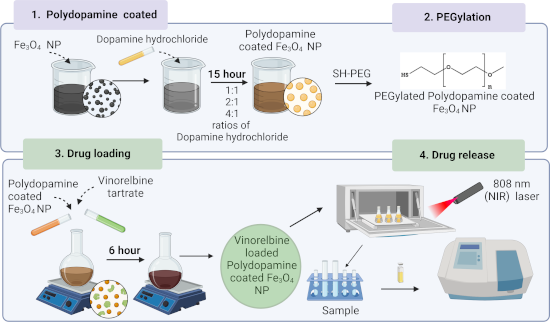
- drug delivery systems to formulate more effective cancer treatments, thereby addressing the current limitations encountered within this field of study. Functional nanostructures have been designed to mitigate potential harm to healthy tissue caused by these techniques [6]. Additionally, they facilitate
- anticancer drugs while mitigating the adverse effects of large dosage administration [6][7]. Additionally, it offers several advantages, such as controlled release, targeted drug delivery, and improved stability [8]. Moreover, nanoscale drug delivery systems hold great promise for specific cancer treatments
- photothermal therapy capabilities, the PDA shell mitigates nanomaterial toxicity while increasing biocompatibility. The strategic integration of PEGylation into tumor-targeted drug delivery systems significantly amplifies passive tumor targeting and retention through the enhanced permeability and retention


Berberine-loaded polylactic acid nanofiber scaffold as a drug delivery system: The relationship between chemical characteristics, drug-release behavior, and antibacterial efficiency
Beilstein J. Nanotechnol. 2024, 15, 71–82, doi:10.3762/bjnano.15.7
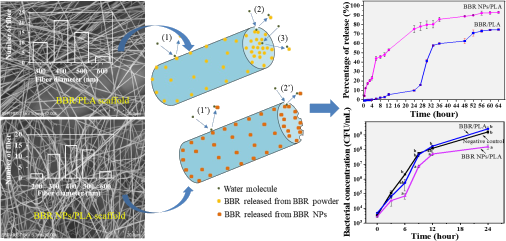
- polymer solution blended with additional components is applied under a high-voltage electrostatic field, generating a charged and stretched solution jet following nanofiber formation [8][9]. Drug delivery systems based on nanofiber scaffolds produced by electrospinning method have strongly attracted
- strongly affect the release behavior of the drug from nanofiber scaffolds [14][17][18][19]. Polylactic acid (PLA), a synthetic polymer that has been approved by the FDA for biomedical usage, is commonly used for drug delivery systems due to its biocompatibility and biodegradability [20]. Yuan et al. [17
- -based drug delivery systems for specific applications. Result and Discussion Morphology of PLA and BBR-loaded PLA nanofiber scaffolds In order to evaluate the distribution of BBR compositions in the electrospun PLA nanofibers, the morphology of BBR powder, BBR NPs, and electrospun nanofibers was


Influence of conductive carbon and MnCo2O4 on morphological and electrical properties of hydrogels for electrochemical energy conversion
Beilstein J. Nanotechnol. 2024, 15, 57–70, doi:10.3762/bjnano.15.6
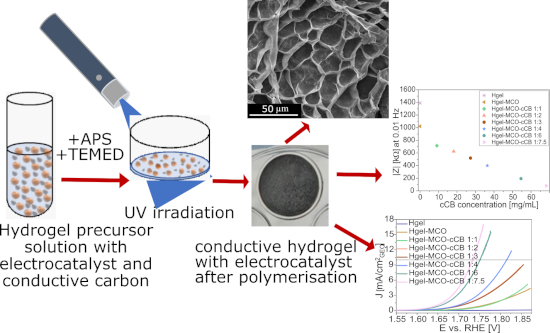
- , such as environmental engineering [32], renewable energy [22][33][34][35], electronics [36][37][38], medical devices [39][40][41], and drug delivery systems [42][43][44][45]. They combine the properties of a hydrophilic matrix with conductive properties obtained thanks to the use of an appropriate


Curcumin-loaded nanostructured systems for treatment of leishmaniasis: a review
Beilstein J. Nanotechnol. 2024, 15, 37–50, doi:10.3762/bjnano.15.4
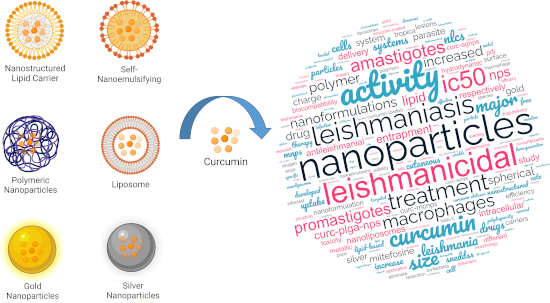
- . Nanostructured systems with curcumin for the treatment of leishmaniasis Different nanostructured systems with curc intended for the treatment of leishmaniasis have been developed (Figure 3). The articles included in this work approach the following nanosystems: (i) self-nanoemulsifying drug-delivery systems
- (SNEDDSs), (ii) nanoliposomes, (iii) nanostructured lipid carriers, (iv) polymeric, and (v) metallic nanoparticles. Different performances of nanostructured systems containing curc are discussed in the section below. Self-nanoemulsifying drug-delivery systems The SNEDDSs are lipid-based drug-delivery
- limitations, improving their physicochemical and leishmanicidal properties [79][80]. In this context, curcumin-loaded SNEDDSs intended for the treatment of leishmaniasis were developed. Khan and collaborators developed curcumin-loaded self-emulsifying drug delivery systems (curc-SNEDDSs) for topical


Nanotechnological approaches in the treatment of schistosomiasis: an overview
Beilstein J. Nanotechnol. 2024, 15, 13–25, doi:10.3762/bjnano.15.2
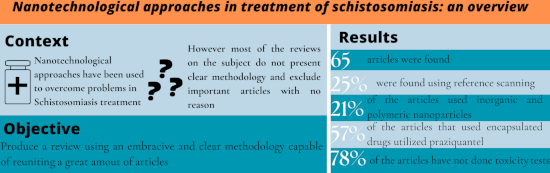
- nanocarriers to enhance drug delivery by ensuring that drugs are delivered in appropriate amounts to specific target areas and remains in the body for the necessary duration [12]. As a result, nanoparticles have been utilized mainly as drug delivery systems in various parasitic diseases, including
- S1 (Supporting Information File 1) summarizes all the articles found regarding the use of nanosystems and encapsulated drugs. In Figure 1, it is possible to observe that only 59% of the publications show effectiveness data solely in vivo. Also, most articles use nanoparticles as drug delivery systems


Elasticity, an often-overseen parameter in the development of nanoscale drug delivery systems
Beilstein J. Nanotechnol. 2023, 14, 1149–1156, doi:10.3762/bjnano.14.95
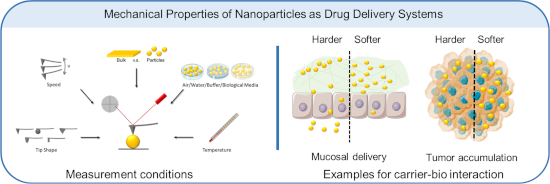
- Agnes-Valencia Weiss Marc Schneider Department of Pharmacy, Biopharmaceutics and Pharmaceutical Technology, Saarland University, Campus C4 1, Saarbruecken, Germany 10.3762/bjnano.14.95 Abstract Nanoparticles have shown an enormous potential as drug delivery systems in the lab. However
- properties of drug carriers. Keywords: atomic force microscopy; drug delivery; elasticity; mechanical properties; nanomedicine; nanoparticles; stiffness measurement; tissue/body distribution; Introduction Drug delivery systems are developed with the aim to transport a given drug to the site of action
- encapsulated obtaining therapeutic relevant concentrations [1][2]. Nanoparticulate drug delivery systems have been researched for more than 35 years and show promising outcomes in the lab [3][4]. Unfortunately, even though nanoparticulate formulations often deliver positive results in vitro, the translation to


Curcumin-loaded albumin submicron particles with potential as a cancer therapy: an in vitro study
Beilstein J. Nanotechnol. 2023, 14, 1127–1140, doi:10.3762/bjnano.14.93
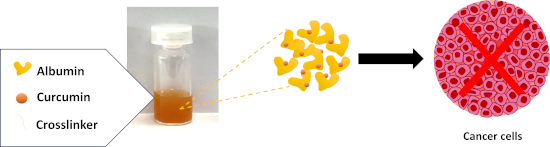
- carrier of CUR through direct binding [22]. Kar et al. evaluated the affinity of HSA molecules to interact with CUR and reported that the binding constant was about 1.74 × 10⁵ M−1, suggesting a strong interaction [23]. Therefore, albumin can be considered a useful carrier in drug delivery systems for
- . Also, it is seen that, despite the addition of CUR, a typical peanut-like structure was formed by the porous MnCO3 template, as previously found in our studies using the CCD technique [26][27][28][29]. There are strict size requirements for particles in drug delivery systems, typically around 100 nm
- [33]. While nanoparticles are generally more efficiently taken up by cells compared to microparticles, there are instances where the size of drug delivery systems can extend to 1000 nm. This was demonstrated by Bahrom et al., who showed that microparticles with sizes up to 1 µm can be taken up by




Nanoarchitectonics for advanced applications in energy, environment and biology: Method for everything in materials science
Beilstein J. Nanotechnol. 2023, 14, 738–740, doi:10.3762/bjnano.14.60

- also discuss coordination-assembled myricetin nanoarchitectonics [32], nanoarchitectonics for membranes with enhanced gas separation capabilities [33], nanoarchitectonics of the cathode of Li–O2 batteries [34], nanoarchitectonics in moist-electric generation [35], nanoarchitectonics for drug delivery
- systems [36], nanoarchitectonics to entrap living cells [37], among other papers in which the concept of nanoarchitectonics has been applied to a variety of targets. Nanoarchitectonics integrates many existing disciplines and bridges nanotechnology and materials science. Due to the universality of the

New trends in nanobiotechnology
Beilstein J. Nanotechnol. 2023, 14, 377–379, doi:10.3762/bjnano.14.32
- some of the areas of focus in the field known as nanobiotechnology [1]. Nanobiotechnology has a wide array of applications: from organ-on-a-chip technologies to nanobiosensors and nanocatalysts for advanced characterisation and imaging tools, from intelligent drug delivery systems to artificial
Quercetin- and caffeic acid-functionalized chitosan-capped colloidal silver nanoparticles: one-pot synthesis, characterization, and anticancer and antibacterial activities
Beilstein J. Nanotechnol. 2023, 14, 362–376, doi:10.3762/bjnano.14.31
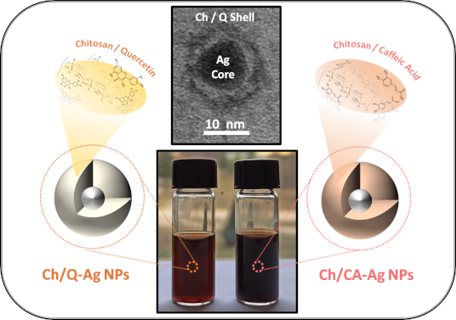
- Gram-negative bacteria and Gram-positive bacteria. More specifically, Ch/Q- and Ch/CA-Ag NPs exhibited a bit higher inhibitions against P. aeruginosa. Consequently, such combinations may provide several advantages in targeted drug delivery systems, such as minimal toxicity to normal cells and enhanced


Polymer nanoparticles from low-energy nanoemulsions for biomedical applications
Beilstein J. Nanotechnol. 2023, 14, 339–350, doi:10.3762/bjnano.14.29
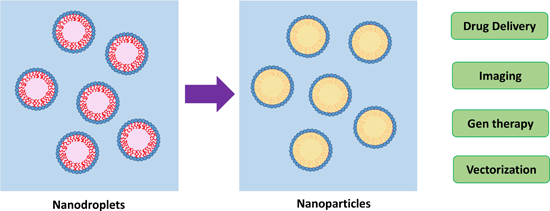
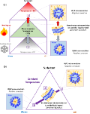
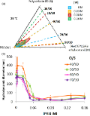
- properties, drug loading, and drug release are discussed. We highlight the utilization of ethyl cellulose, poly(lactic-co-glycolic acid), and polyurethane/polyurea in the field of nanomedicine as potential drug delivery systems. Advances are still needed to achieve better control over size distribution




Nanotechnology – a robust tool for fighting the challenges of drug resistance in non-small cell lung cancer
Beilstein J. Nanotechnol. 2023, 14, 240–261, doi:10.3762/bjnano.14.23
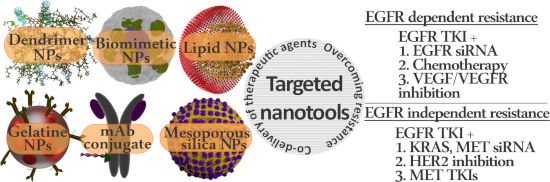
- toxicity, and efficient tumor inhibition in vitro and in a tumor mouse model [97]. An additional example of multilayered cleavable pH-responsive nanoparticles for KRAS mutated cancer is described in Table 2. Multistage drug delivery systems: Multistage nanocarriers address the issue of heterogenous
- and improved induction of apoptosis [116]. Biomimetic drug delivery systems: The natural tropism of biomimetic materials for improved tissue localization has been proven to be a valuable tool in lung cancer targeting. Anselmo et al. evaluated the cell hitchhiking approach in targeting using red blood
- translated to drug delivery systems for lung and brain targeting [119][120][121][122]. Biomimetic cell membrane protein-decorated NPs successfully mitigate immune system recognition, increase blood circulation time, improve nonspecific tumor targeting, and increase tumor homing potential. NPs with red blood


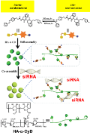
Cyclodextrins as eminent constituents in nanoarchitectonics for drug delivery systems
Beilstein J. Nanotechnol. 2023, 14, 218–232, doi:10.3762/bjnano.14.21
- Makoto Komiyama Research Center for Advanced Science and Technology (RCAST), The University of Tokyo, 4-6-1 Komaba, Meguro, Tokyo 153-8904, Japan 10.3762/bjnano.14.21 Abstract Cyclodextrins have been widely employed for drug delivery systems (DDSs) in which drugs are selectively delivered to a
- nanoarchitectures are highly promising for future applications in medicine, pharmaceutics, and other relevant fields. Keywords: cyclodextrin; drug delivery system (DDS); nanoarchitecture; phototherapy; siRNA; Review 1 Introduction Recently, drug delivery systems (DDSs) have been attracting much interest [1][2][3
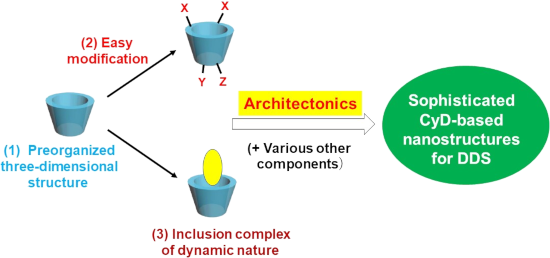
- developments in nanoarchitectonics, these excellent properties of CyDs have been further extended to the construction of well-designed nanostructures for advanced drug delivery systems (DDSs). In some nanoarchitectures, their physicochemical and biological properties are successfully modulated by using CyDs as




Two-step single-reactor synthesis of oleic acid- or undecylenic acid-stabilized magnetic nanoparticles by thermal decomposition
Beilstein J. Nanotechnol. 2023, 14, 11–22, doi:10.3762/bjnano.14.2
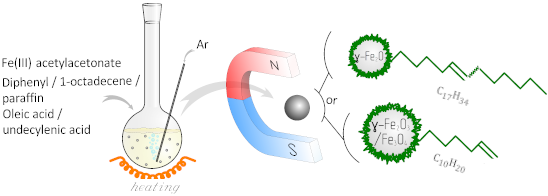
- nanoparticles have been proposed as contrast agents for magnetic resonance imaging, high-precision biosensors, and carriers in magnetic-assisted drug delivery systems. Furthermore, they are used for tumor treatment via the hyperthermia method and in bone tissue regenerative medicine [5][6]. However, using iron


Facile preparation of Au- and BODIPY-grafted lipid nanoparticles for synergized photothermal therapy
Beilstein J. Nanotechnol. 2022, 13, 1432–1444, doi:10.3762/bjnano.13.118
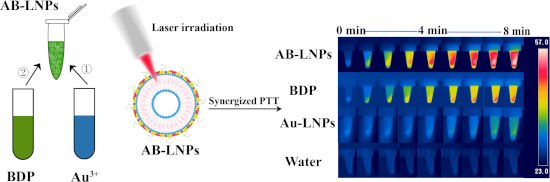
- are hydrophobic PTAs with rigid structure and poor water solubility [11][12]. Therefore, several lipid nanoparticulate drug delivery systems have been reported to encapsulate BODIPYs to improve their water solubility and photostability while retaining their original photothermal effects [13][14
- delivery systems through van der Waals forces, hydrogen bonds, π–π stacking, or electrostatic or hydrophobic interactions [24]. Several BODIPYs have been reported to be loaded into liposomes for cancer therapy [25]. Therefore, we speculated that BODIPY can be associated with our previously reported
- Student’s t-test or one-way analysis of variance (ANOVA). The differences were considered significant for p < 0.05, and p < 0.01 was indicative of a very significant difference. Results Optimizing the reaction order to prepare AB-LNPs Drug molecules can self-assemble into nanoparticles or be loaded into drug




Orally administered docetaxel-loaded chitosan-decorated cationic PLGA nanoparticles for intestinal tumors: formulation, comprehensive in vitro characterization, and release kinetics
Beilstein J. Nanotechnol. 2022, 13, 1393–1407, doi:10.3762/bjnano.13.115
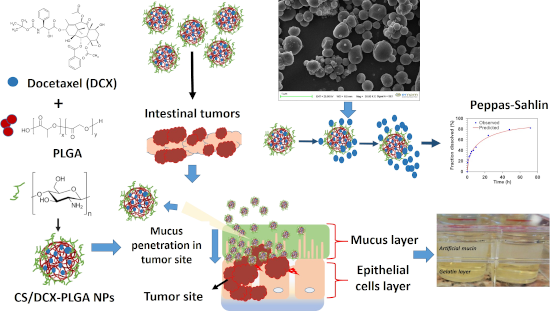
- ][8][9]. However, each brings its own advantages and disadvantages, and an effective formulation for colon carcinomas has not been developed yet. From this point of view, novel drug delivery systems and nanoparticular drug delivery systems are considered and evaluated as trends and promising
- multiple GIT-related barriers through oral administration of nanoparticulate drug delivery systems. From this point of view, polymeric nanoparticles (NPs) are promising in the development of an oral formulation for colon carcinomas. While it protects the drug from various destructive effects of GIT with
- polymer approved by the FDA, which can be synthesized as a copolymer of lactic and glycolic acids at various monomer ratios [21]. With its chemical structure suitable for the preparation of nanoparticulate drug delivery systems and its polymeric structure suitable for drug release profile designs, it is


Microneedle-based ocular drug delivery systems – recent advances and challenges
Beilstein J. Nanotechnol. 2022, 13, 1167–1184, doi:10.3762/bjnano.13.98
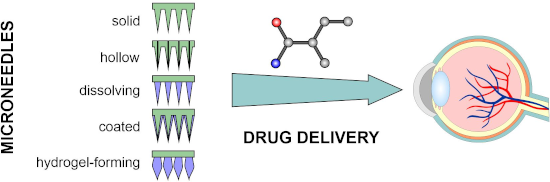
- used. Unfortunately, they are usually not well tolerated by patients due to the need for frequent use as well as the discomfort during application. Therefore, novel drug delivery systems with improved biopharmaceutical properties are a subject of ongoing scientific investigations. Due to the
- movement of the eyeball and eyelids, and irrigation with tear fluid [45][46]. For these reasons, in addition to the search for new active pharmaceutical ingredients (APIs), novel technologically advanced ophthalmic drug delivery systems are being developed each year [38][47][48]. Among the ophthalmic
- utilized not only as drug delivery systems but also as minimally invasive diagnostic tools [145][146]. The advantages of hydrogel-forming systems include relatively high drug-loading capacity and the possibility to modify the drug release rate with respect to the individual needs, which is usually achieved


Gelatin nanoparticles with tunable mechanical properties: effect of crosslinking time and loading
Beilstein J. Nanotechnol. 2022, 13, 778–787, doi:10.3762/bjnano.13.68
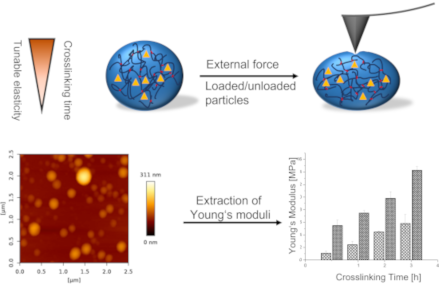
- already cover these aspects [2]. Mechanical properties are important particle characteristics that are often overseen in the development process of drug delivery systems. Mechanical properties significantly impact the fate of particles during in vitro tests and in vivo applications. A great number of


Design and characterization of polymeric microneedles containing extracts of Brazilian green propolis
Beilstein J. Nanotechnol. 2022, 13, 503–516, doi:10.3762/bjnano.13.42
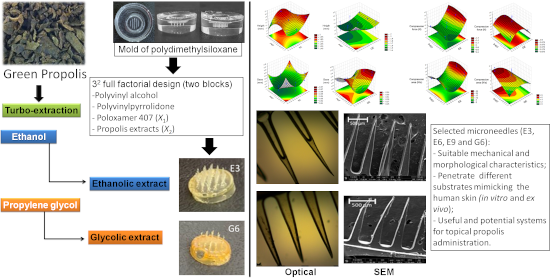
- Camila Felix Vecchi Rafaela Said dos Santos Jessica Bassi da Silva Marcos Luciano Bruschi Laboratory of Research and Development of Drug Delivery Systems, Postgraduate Program in Pharmaceutical Sciences, Department of Pharmacy, State University of Maringa, Maringa, Brazil 10.3762/bjnano.13.42


Micro- and nanotechnology in biomedical engineering for cartilage tissue regeneration in osteoarthritis
Beilstein J. Nanotechnol. 2022, 13, 363–389, doi:10.3762/bjnano.13.31
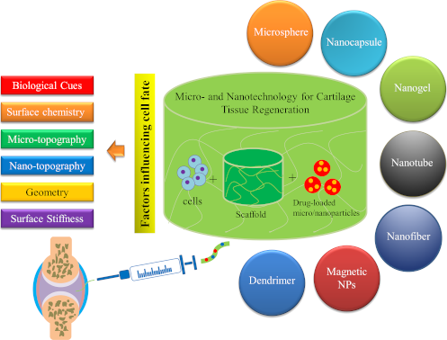
- engineering cartilage tissue structures. 3.1.1 Application of microspheres in chondrogenic differentiation. Microspheres are used in drug delivery systems because of their spatiotemporally controlled release capabilities (see Table 2 below). They are small spherical particles from organic or inorganic
- ]. Electrospun nanofibers are widely used in various fields from industry to biomedicine because of their excellent characteristics. Electrospun nanofibers have been used in medicine as wound dressings [103], medical textile compounds [104], drug delivery systems [105], and in regenerative medicine and TE as


Effects of drug concentration and PLGA addition on the properties of electrospun ampicillin trihydrate-loaded PLA nanofibers
Beilstein J. Nanotechnol. 2022, 13, 245–254, doi:10.3762/bjnano.13.19
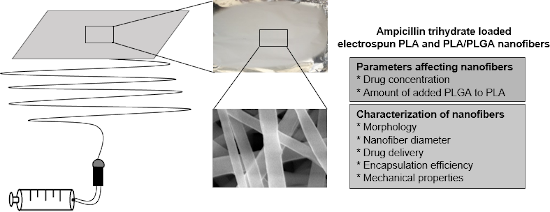
- tissue engineering and drug delivery systems. Electrospinning is the most commonly used polymeric nanofiber preparation method, because it is an easy, single-step, low-cost, and reproducible method. It allows for the production of extracellular matrix-like nanofibers that can be easily scaled up and has


Engineered titania nanomaterials in advanced clinical applications
Beilstein J. Nanotechnol. 2022, 13, 201–218, doi:10.3762/bjnano.13.15
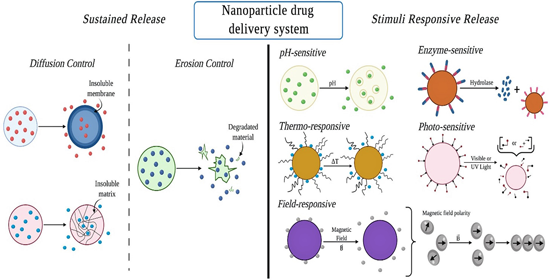
- delivery. Ideal drug delivery systems encompass two elements, that is, the control over drug release and the ability to target specific locations in order to reduce systemic toxicity and undesirable side effects. Porous TiO2 has shown tremendous ability to sustain a concentration of drugs within the
- release rate from nanotubes (up to 21 days) was slower than from nanopores, thus opening a new possibility for the targeted treatment of bones and osteomyelitis [109]. These nanoscale drug delivery systems with targeted delivery are rapidly growing and have the potential to revolutionize the efficacy of
- applications, such as implants, drug delivery systems, phototherapy, antimicrobial agents, and as antidotes to snake venom. TiO2 nanomaterials have admirable potential for bone implants that favor bone cell growth, differentiation, and apatite growth. Furthermore, ROS generation by TiO2 nanoscale systems


Biocompatibility and cytotoxicity in vitro of surface-functionalized drug-loaded spinel ferrite nanoparticles
Beilstein J. Nanotechnol. 2021, 12, 1339–1364, doi:10.3762/bjnano.12.99
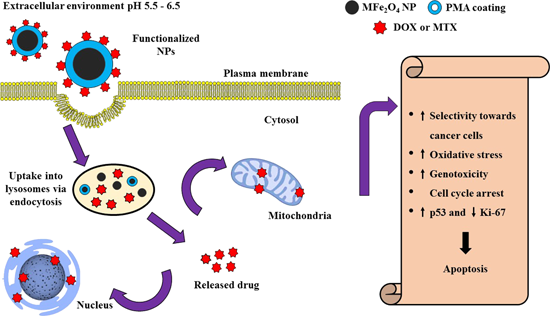
- permeability and retention (EPR) effect [7]. Magnetic nanoparticles (MNPs) have gained significant attention as effective drug delivery systems due to their distinct physiochemical attributes, high surface-to-volume ratio, and the possibility of surface functionalization [8]. Furthermore, magnetic-field
- cytotoxicity of these nanocarriers for potential anticancer drug delivery systems. Results and Discussion Physical characterizations The X-ray diffraction (XRD) data of all samples was analyzed using Rietveld refinement techniques in the Fullprof Suit program. The data was refined according to their space