


Search results
Search for "environment" in Full Text gives 1023 result(s) in Beilstein Journal of Nanotechnology. Showing first 200.
Beyond the shell: exploring polymer–lipid interfaces in core–shell nanofibers to carry hyaluronic acid and β-caryophyllene
Beilstein J. Nanotechnol. 2025, 16, 2015–2033, doi:10.3762/bjnano.16.139
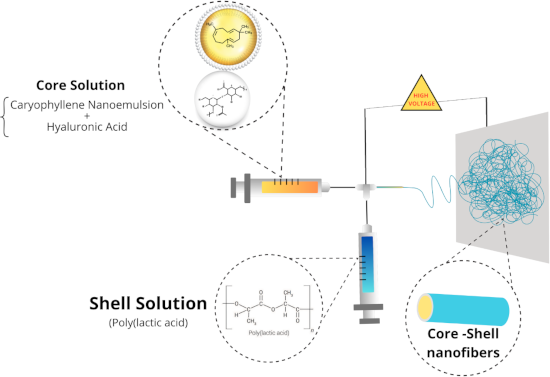
- observable beads, and a heterogeneous diameter distribution. Structural characterization of nanofibers Core–shell nanofibers create a protective environment for bioactive agents within the core, preserving their activity while enabling controlled release. By tailoring the shell architecture, the release


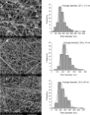
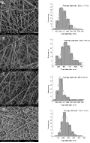


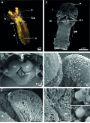
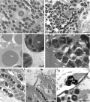
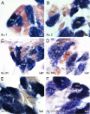
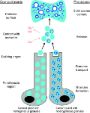
The cement of the tube-dwelling polychaete Sabellaria alveolata: a complex composite adhesive material
Beilstein J. Nanotechnol. 2025, 16, 1998–2014, doi:10.3762/bjnano.16.138
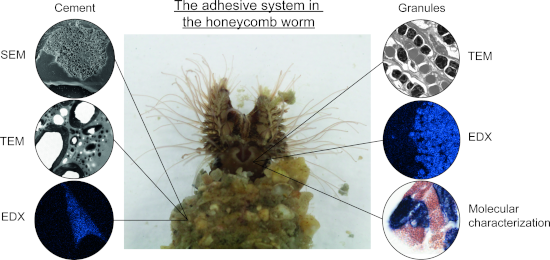
- material; Polychaeta; protein phosphorylation; Introduction Many invertebrate marine organisms have adhesive mechanisms that allow them to firmly attach to various substrates in a wet and salty environment [1][2]. This remarkable ability has raised the interest of scientists in developing bio-inspired



Laser ablation in liquids for shape-tailored synthesis of nanomaterials: status and challenges
Beilstein J. Nanotechnol. 2025, 16, 1963–1997, doi:10.3762/bjnano.16.137
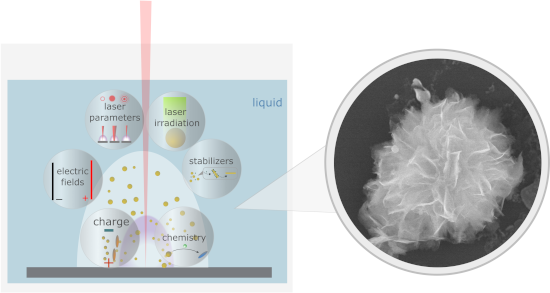
- solvents including methanol. The authors explained the influence of the methanol environment on the nanomaterial shape by attributing it to chemical reactions between iron and methanol molecules, which resulted in the formation of goethite (FeO(OH)) and subsequently led to nanowire growth: Since iron oxide
- number of studies. In [46], ZnO and Zn(OH)2 of different sizes and morphologies were formed by laser ablation in a liquid environment of different temperatures (50, 70, and 90 °C). The temperature increase enhances the interactions of a liquid with the formed NPs, thus promoting their surface





Mechanical property measurements enabled by short-term Fourier-transform of atomic force microscopy thermal deflection analysis
Beilstein J. Nanotechnol. 2025, 16, 1952–1962, doi:10.3762/bjnano.16.136
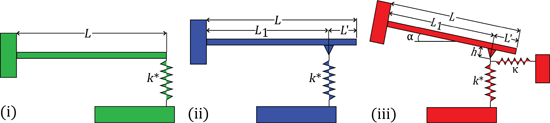
- damping from the ambient environment is not accounted for in Equation 1 and may also be responsible for a small percentage of the difference between the two calculations of the spring constants. However, our results highlight that the measurement of the cantilever’s plan-view dimensions and using these




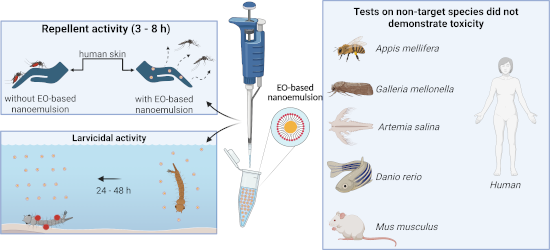
Targeting the vector of arboviruses Aedes aegypti with nanoemulsions based on essential oils: a review with focus on larvicidal and repellent properties
Beilstein J. Nanotechnol. 2025, 16, 1894–1913, doi:10.3762/bjnano.16.132


Self-assembly and adhesive properties of Pollicipes pollicipes barnacle cement protein cp19k: influence of pH and ionic strength
Beilstein J. Nanotechnol. 2025, 16, 1863–1872, doi:10.3762/bjnano.16.129
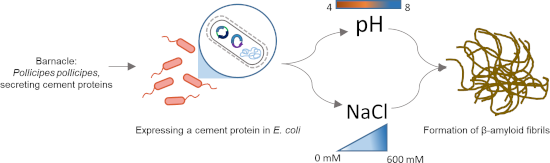
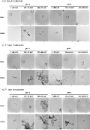
- study, we investigated the influence of environmental parameters on the self-assembly of recombinant cp19k, a key adhesive protein in Pollicipes pollicipes. Using TEM imaging, a low pH (4.0) and high salt concentration (600 mM NaCl) environment, mimicking P. pollicipes gland conditions, was identified
- under low pH/low salt concentration conditions, while pre-formed fibrils retained their adhesion ability upon switching to a high pH/high salt concentration environment, which was designed to mimic the change in the protein environment upon secretion in vivo. These findings support the hypothesis that
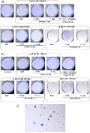
- either pH 8.0 environment. No significant change in staining was observed when samples that had been incubated for 21 days at pH 4.0, 150 mM NaCl to allow fibres to form were switched to pH 8.0, 600 mM NaCl (to mimic seawater) prior to carrying out the adhesion analysis (Figure 4a,b). Discussion This


On the road to sustainability – application of metallic nanoparticles obtained by green synthesis in dentistry: a scoping review
Beilstein J. Nanotechnol. 2025, 16, 1851–1862, doi:10.3762/bjnano.16.128
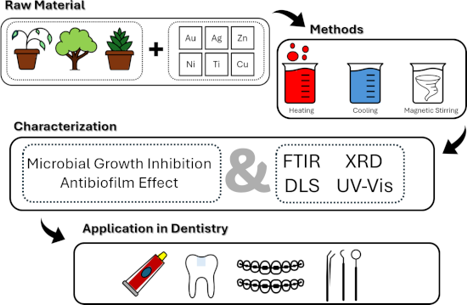
- potential cytotoxicity of these nanoparticles within the complex and dynamic oral environment [15][20]. A significant number of selected studies (n = 23; 24.1%) also failed to perform advanced physicochemical characterizations, such as FTIR, SEM, or XRD, which are essential for confirming nanoparticle


Current status of using adsorbent nanomaterials for removing microplastics from water supply systems: a mini review
Beilstein J. Nanotechnol. 2025, 16, 1837–1850, doi:10.3762/bjnano.16.127
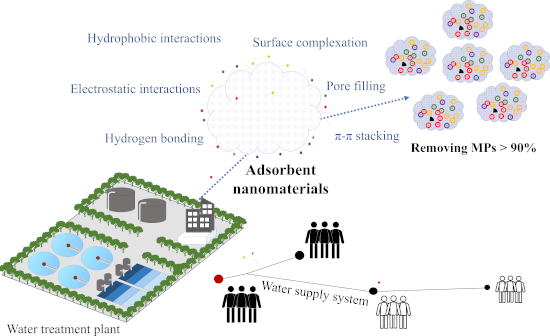
- focused separately on sources and occurrences in the natural environment [13][14][15], contaminant interactions [16][17], risk assessments [18][19], extraction and analysis methods [20][21], and removal technologies of MPs [22][23] without focusing on water supply systems, which directly affect human
- breakdown of plastic waste by physical, chemical, or biological factors [27]. Figure 1 illustrates the sources and distribution of MPs from the natural environment to water supply systems. According to the study of Osman et al., land-based sources originating from plastic bags, bottles, personal care
- shows that millions of MPs are still being released. In Türkiye, a total of 6.18 × 10¹⁰ MPs from 15 WWTPs investigated were discharged into the marine environment per day [30]. A number of 4.95 × 10⁴ to 1.49 × 10⁸ MPs entering the environment daily was recorded in six WWTPs in Iran [31]. A study in


Further insights into the thermodynamics of linear carbon chains for temperatures ranging from 13 to 300 K
Beilstein J. Nanotechnol. 2025, 16, 1818–1825, doi:10.3762/bjnano.16.125
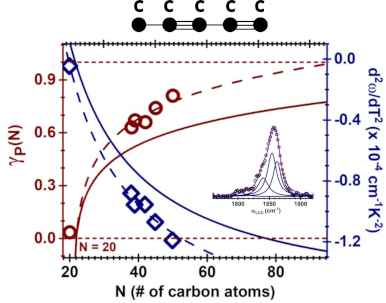
- that the hosting CNT primarily serve as a stabilizing environment rather than one that alters the properties of the materials. In this context, Costa and collaborators [30], demonstrated that LCC encapsulated by both multi-wall (LCC@MWCNT) and double-wall (LCC@DWCNT) carbon nanotubes are materials


![[Graphic 23]](/bjnano/content/inline/2190-4286-16-125-i25.svg?max-width=637&scale=1.18182)
Exploring the potential of polymers: advancements in oral nanocarrier technology
Beilstein J. Nanotechnol. 2025, 16, 1751–1793, doi:10.3762/bjnano.16.122
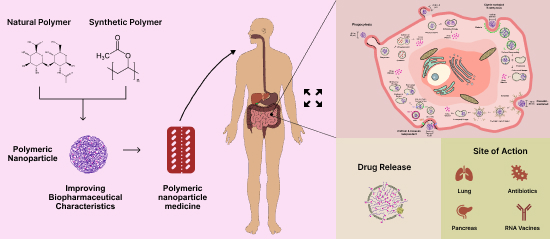
- products intended for human use [1]. Despite their advantages, drug candidates for oral administration face several limitations, as shown in Figure 1, including chemical instability caused by the gastric environment, low bioavailability, and poor permeability across barriers in the gastrointestinal tract
- (GIT), such as mucus and the intestinal epithelium [2][3]. The complex biochemical environment includes pH variations (ranging from 1 to 2.5 in the stomach to 7 to 8 in the colon), metabolizing enzymes (such as pepsin, lipase, peptidase, and amylases), and surfactants like bile salts and those produced
- mucin chains and consequently modifying the aggregation degree of the mucin network through various interactions [68][69]. Surface coating techniques play a key role in the interaction of PNs with the biological environment. These strategies involve the physical adsorption or covalent attachment of


Multifunctional anionic nanoemulsion with linseed oil and lecithin: a preliminary approach for dry eye disease
Beilstein J. Nanotechnol. 2025, 16, 1711–1733, doi:10.3762/bjnano.16.120
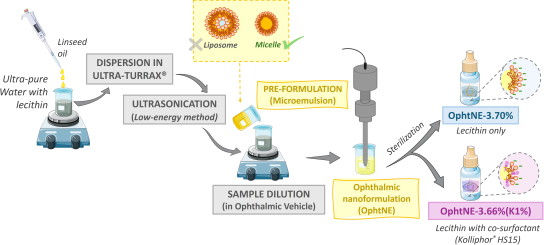
- components of tear fluid [2][89]. Based on this, an anionic profile was selected in this study to optimize retention and interaction with the ocular environment, aiming to support tear film function and alleviate dry eye symptoms through the multifunctional properties of LO. Although the physicochemical


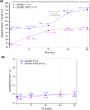

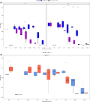
Beyond the bilayer: multilayered hygroscopic actuation in pine cone scales
Beilstein J. Nanotechnol. 2025, 16, 1695–1710, doi:10.3762/bjnano.16.119
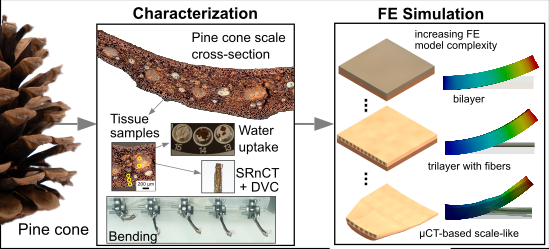
- Pinus jeffreyi tree growing in the Botanical Garden in Freiburg im Breisgau, Germany, and were collected from the ground in February 2022, after they had already opened and dispersed most of their seeds. Following collection, the cones were stored in a climate-controlled environment at room temperature


Ambient pressure XPS at MAX IV
Beilstein J. Nanotechnol. 2025, 16, 1677–1694, doi:10.3762/bjnano.16.118
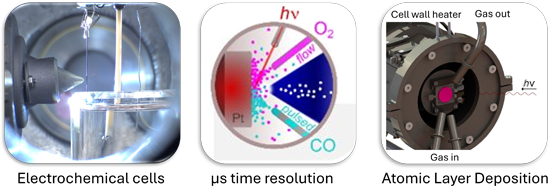
- ; batteries; catalysis; corrosion; Review Ambient pressure XPS Electron spectroscopy has significantly contributed to the understanding of chemical and physical processes that govern the complex interactions between a solid surface and its environment. These processes play crucial roles in phenomena such as
- spectroscopy (XPS) is a powerful surface science technique that enables the investigation of modifications in the chemical environment of a sample surface and its electronic states, owing to its exceptional surface sensitivity. However, the requirement for ultrahigh vacuum (UHV) conditions previously limited
- tracking surface chemical processes in real time. Due to the scattering of the photoelectrons in a gas environment at millibar pressures, APXPS is intrinsically a photon-hungry technique. Although pioneering work on gases and liquids performed by Kai and Hans Siegbahn date back to the 1970s [1], it was





Energy spectrum and quantum phase transition of the coupled single spin and an infinitely coordinated Ising chain
Beilstein J. Nanotechnol. 2025, 16, 1668–1676, doi:10.3762/bjnano.16.117
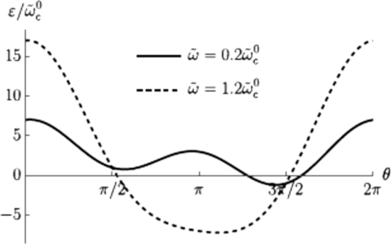
- Ising chain. From a purely theoretical point of view, this model arises when studying the physics of open systems [1][2]. In this case, the chain is modelling the external environment to which the single spin is connected. In such models, it is convenient to study not only Markovian dynamics of the
- mode, but to a more complicated environment [16][17][18]. Diagonalization in the Spin Space The Hamiltonian in the spin space can be diagonalized using the formula for the determinant of a 2 × 2 block matrix. This is also known as the Fulton–Gouterman transformation [19]. This leads to two effective

![[Graphic 39]](/bjnano/content/inline/2190-4286-16-117-i63.svg?max-width=637&scale=1.18182)


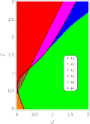
![[Graphic 51]](/bjnano/content/inline/2190-4286-16-117-i75.svg?max-width=637&scale=1.18182)
Prospects of nanotechnology and natural products for cancer and immunotherapy
Beilstein J. Nanotechnol. 2025, 16, 1644–1667, doi:10.3762/bjnano.16.116
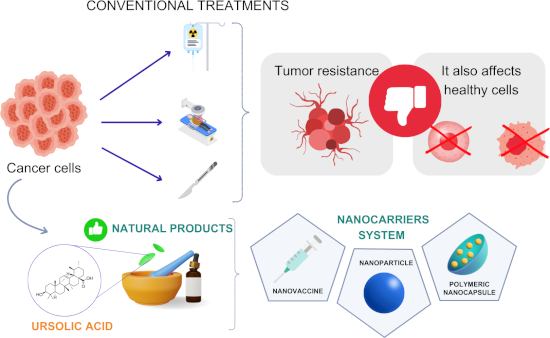
- products from traditional Chinese medicine like baicalin and wogonin, which reverse the immunosuppressive environment of tumors [48][50]. In addition to their active effects, natural products can be used as adjuvants and aids to conventional treatments, helping to boost antitumor capacity and reduce
- T cells, controllable size, and protection of the tumor environment [131]. They also help by reducing adverse effects, increasing antitumor response, as well as increasing solubility and precision in drug delivery [132][133]. Seeking a new pharmaceutical application for procyanidines (PCs) as APIs


Nanotechnology-based approaches for the removal of microplastics from wastewater: a comprehensive review
Beilstein J. Nanotechnol. 2025, 16, 1607–1632, doi:10.3762/bjnano.16.114
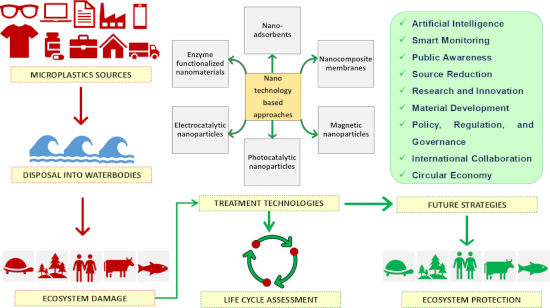
- stress, immune system activation, developmental and reproductive toxicity, and damage to the nervous system [8]. MPs possess high specific area and strong adsorption capacity, enabling them to attract pollutants from the environment. They can accumulate harmful substances such as polycyclic aromatic
- sources [18]. Figure 2 represents the different sources of MPs. The marine environment is considered as the primary sink of MPs. MPs that are generated on land are eventually transported by various modes, including surface runoff and streams, and find their way to ocean. In oceans, these particles with
- are later polymerised to produce various plastic materials. This results in the release of microplastic particles, which enter into wastewater treatment facilities through industrial effluents. Wastewater treatment plants (WWTPs) are the major contributors to microplastic pollution in the environment


Bioinspired polypropylene-based functionally graded materials and metamaterials modeling the mistletoe–host interface
Beilstein J. Nanotechnol. 2025, 16, 1592–1606, doi:10.3762/bjnano.16.113
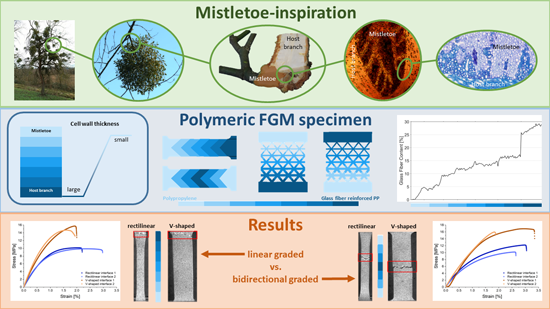
- failure locations can be introduced, which should have little or no effect on the overall mechanical properties in the regular product environment. A class of materials characterized by a high degree of flexibility and distribution of material properties, which enables locally adapted behavior and, thus


Transient electronics for sustainability: Emerging technologies and future directions
Beilstein J. Nanotechnol. 2025, 16, 1545–1556, doi:10.3762/bjnano.16.109

- environment, thus serving as a foundational element in the realization of high-performance bioresorbable electronic systems. Fabrication strategies and scalability of bioresorbable electronics Hybrid architectures that combine the high-performance characteristics of inorganic electronic components with the
- electronic systems seamlessly interact with their environment, fulfill their intended functions, and then disappear without residue or retrieval. As the field matures, the convergence of materials science, device engineering, and systems integration will be essential to unlock the full potential of these


Influence of laser beam profile on morphology and optical properties of silicon nanoparticles formed by laser ablation in liquid
Beilstein J. Nanotechnol. 2025, 16, 1533–1544, doi:10.3762/bjnano.16.108
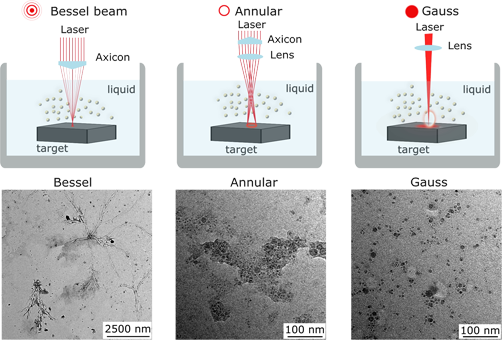
- electrical properties suitable for a wide range of practical applications [7][8][9]. PLAL has a number of advantages over other NP production methods due to the accessibility of equipment for ablation, the simplicity of the method, which does not require a special environment such as vacuum, and the ability
- temperature [5][22] or pressure [23], or the presence of a catalyst [24]. Consequently, alternative approaches for the formation of Si nanowires by laser ablation in liquid environment and under ambient conditions are of high interest. In this work, we have applied a method based on the change of the spatial


Dendrimer-modified carbon nanotubes for the removal and recovery of heavy metal ions from water
Beilstein J. Nanotechnol. 2025, 16, 1522–1532, doi:10.3762/bjnano.16.107

- of water bodies with heavy metal ions poses a significant threat to the environment and human health due to their non-degradable nature and toxicity. Metal-oriented industries such as battery manufacturing, mining, electroplating, and metal recycling are growing day by day, and so are the chances of


Nanomaterials for biomedical applications
Beilstein J. Nanotechnol. 2025, 16, 1499–1503, doi:10.3762/bjnano.16.105
- to ease symptoms or slow the disease, but through tissue engineering, the aim is to restore full functioning by supporting the healing capability of the body. Nanomaterials play an important role in this process as they better mimic the natural environment of cells than conventional materials. In
Laser processing in liquids: insights into nanocolloid generation and thin film integration for energy, photonic, and sensing applications
Beilstein J. Nanotechnol. 2025, 16, 1428–1498, doi:10.3762/bjnano.16.104
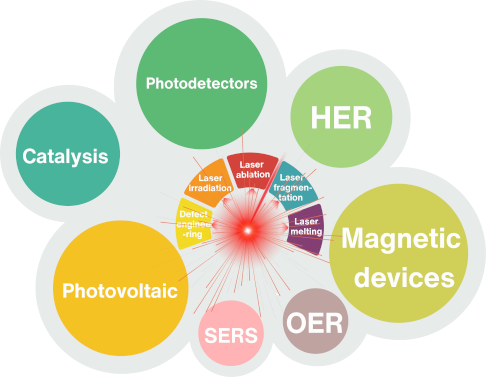
- uses an unfocused laser beam and source NPs, ensuring a more homogeneous and controlled reaction environment [69]. One significant drawback of LAL is its very low productivity, typically only several milligrams per hour [70][71]. However, research has shown that transforming NPs into submicrometer






The role of biochar in combating microplastic pollution: a bibliometric analysis in environmental contexts
Beilstein J. Nanotechnol. 2025, 16, 1401–1416, doi:10.3762/bjnano.16.102
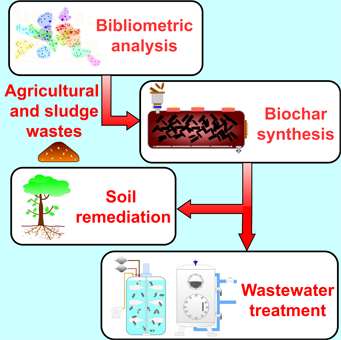
- recycled in 2015, with 12% incinerated and 79% accumulating in landfills or the natural environment [4]. Microplastics (MPs) have garnered significant attention due to their adverse impacts on human health and the ecological environment. Research primarily focuses on identifying their presence, risks, and
- sources in the environment and biota. Although MPs are produced in large quantities, effective removal techniques remain underdeveloped [5][6]. Recent studies have confirmed the widespread presence of MPs in agricultural soils and water bodies, highlighting their environmental and human health risks. In


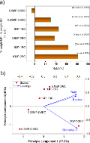

Synthesis and antibacterial properties of nanosilver-modified cellulose triacetate membranes for seawater desalination
Beilstein J. Nanotechnol. 2025, 16, 1380–1391, doi:10.3762/bjnano.16.100
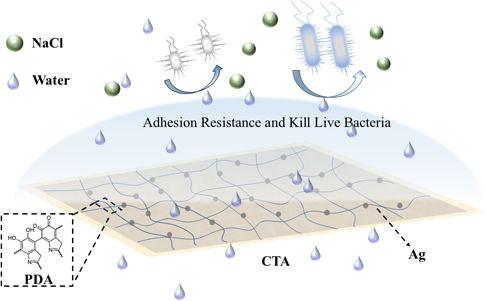
- layer. EDS is again used to analyze the elemental composition of the coating. It can be seen that the coating has been compromised and Na+ has penetrated the coating. Furthermore, the AgNPs partially aggregate or migrate within the PDA layer due to changes in the local chemical environment (Supporting


Enhancing the therapeutical potential of metalloantibiotics using nano-based delivery systems
Beilstein J. Nanotechnol. 2025, 16, 1350–1366, doi:10.3762/bjnano.16.98
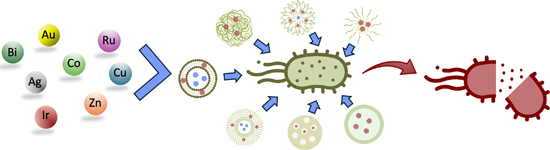
- overcome these problems [24]. Thus, encapsulation systems create a protective environment for metallodrugs, ensuring that they are delivered to the therapeutic site intact and limiting their interaction with healthy cells. In this way, nanoencapsulation systems drastically improve the efficacy and safety
- highly selective and efficient photosensitizer delivery systems. Ir(III) complexes are excellent photosensitizers due to their highly sensitive excited-state properties in response to the surrounding environment, high photostability, and unique intracellular localization [137][138]. However, the





