Search results
Search for "in vitro studies" in Full Text gives 69 result(s) in Beilstein Journal of Nanotechnology.
Protein corona – from molecular adsorption to physiological complexity
Beilstein J. Nanotechnol. 2015, 6, 857–873, doi:10.3762/bjnano.6.88
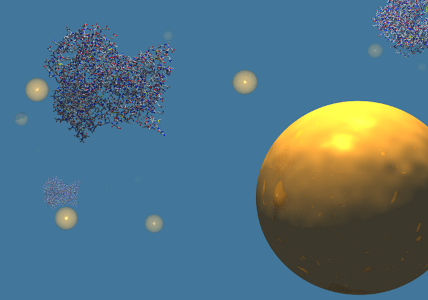
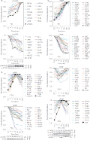
- [41]. This becomes a critical problem in many in vitro studies, in which the actual dose rate to the cells may be strongly affected by agglomeration kinetics and subsequent sedimentation rates rather than the original NP concentration [41]. Particle size and surface curvature have also been identified



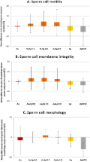
Influence of gold, silver and gold–silver alloy nanoparticles on germ cell function and embryo development
Beilstein J. Nanotechnol. 2015, 6, 651–664, doi:10.3762/bjnano.6.66
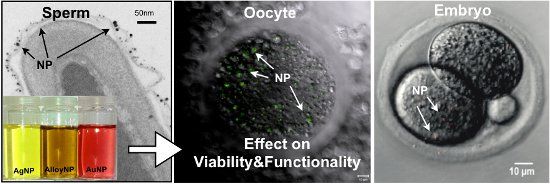
- trials, there is also a wide field of in vitro studies. From the final stages of gamete maturation up to the blastocyst stage, when implantation becomes imminent, the reproductive process can be monitored employing easily obtainable, well-defined primary cells with clearly defined functions by using
- of nanoparticles per embryo. Therefore, to improve the predictive value of future in vitro studies the experimental design should involve the testing of dosages realistic for in vivo exposure scenarios. However, to facilitate this, more biodistribution studies need to be performed, which firstly




Silica micro/nanospheres for theranostics: from bimodal MRI and fluorescent imaging probes to cancer therapy
Beilstein J. Nanotechnol. 2015, 6, 546–558, doi:10.3762/bjnano.6.57
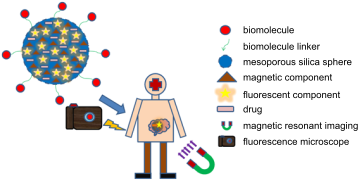
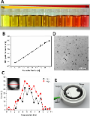
- was more prominent than that of LSMO@SiF@Si-w, which was attributed to the fact that the latter contains less fluorescein. To check the biocompatibility of these nanocomposites, in vitro studies were carried out on HeLa cells and primary skin fibroblasts. The studies suggested that the HeLa cells
- fluorescence studies. The size of the particles was found to be 31 ± 4 nm with an emission peak at approx. 620 nm. The in vitro studies with human umbilical vein endothelial cells (HUVEC) suggested that these NPs could be used simultaneously as fluorescent and MRI contrasting agent. 2.4 Manganese oxide as
- the synthesized nanocomposites exhibited a signal enhancement in the T1-weighted MRI images with increasing Mn concentration. The in vitro studies performed on HeLa cells suggested cell viability of more than 80% even at a Mn concentration of 50 mg·mL−1. The combination of results obtained from flow


Pulmonary surfactant augments cytotoxicity of silica nanoparticles: Studies on an in vitro air–blood barrier model
Beilstein J. Nanotechnol. 2015, 6, 517–528, doi:10.3762/bjnano.6.54
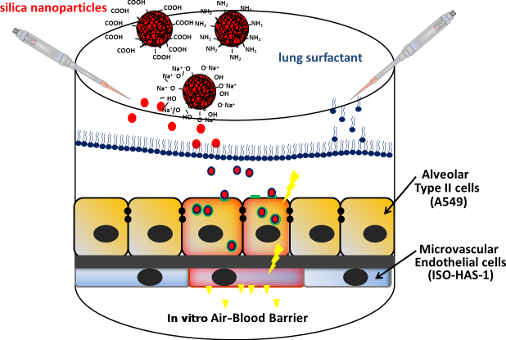
- to investigate the potential hazard of NPs. However, in most in vitro studies a crucial alveolar component has been neglected. Before aspirated NPs encounter the cellular air–blood barrier, they impinge on the alveolar surfactant layer (10–20 nm in thickness) that lines the entire alveolar surface
- ]. Thus, in vitro studies focusing on cytotoxicity of NPs at and transport of NPs across this cellular air–blood barrier, must take into account that a prior interaction of NPs with pulmonary surfactant components will occur. Pulmonary surfactant comprises up to 90% phospholipids (phosphatidylcholines
- (aSNPs) that they will be entirely coated with a phospholipid bilayer [7]. Consequently, an impaired cytotoxicity and transport/translocation to other organs may be perceived due to this surfactant coating. Several in vitro studies on aSNP toxicity have already been conducted using simple as well as


Tailoring the ligand shell for the control of cellular uptake and optical properties of nanocrystals
Beilstein J. Nanotechnol. 2015, 6, 232–242, doi:10.3762/bjnano.6.22
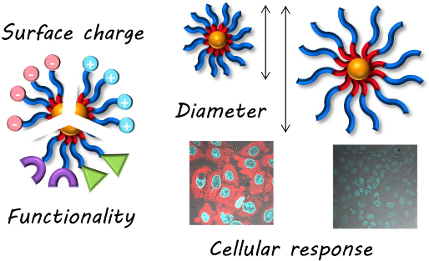
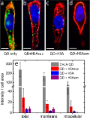
- PI-b-PEO a successive emulsion polymerization gives the possibility of adding a variety of functional monomers to the nanoparticle. In vitro studies The influence of differently sized and functionalized nanocontainers on the interaction with cells was tested on human alveolar epithelial cells (A549






Synthesis of boron nitride nanotubes and their applications
Beilstein J. Nanotechnol. 2015, 6, 84–102, doi:10.3762/bjnano.6.9
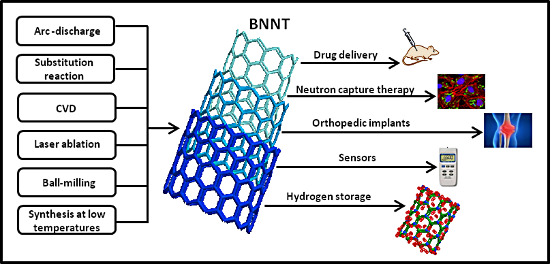
- ENMs, there are several issues with the assessment of the possible toxic effects of BNNTs. In early studies, there was no clear consensus regarding their cytotoxicity. In some reports it was found that BNNTs were toxic [73], and in others, not [74]. Naturally, first, in vitro studies were undertaken to
- , although all in vitro studies provide very valuable data for the toxicity assessment, evaluation of this novel material under in vivo conditions is critically important. At the moment, a lack of in vivo data is one reason a solid conclusion about the toxicity of the BNNTs cannot be drawn. Drug delivery The




Functionalized polystyrene nanoparticles as a platform for studying bio–nano interactions
Beilstein J. Nanotechnol. 2014, 5, 2403–2412, doi:10.3762/bjnano.5.250
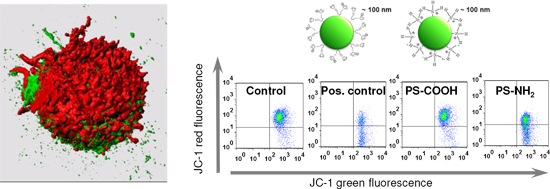
- implicated in the development of atherosclerosis [27]. In vitro studies showed that this receptor is engaged in the internalization of negatively charged ResovistTM, a SPIO of 20–60 nm in size, by human macrophages via clathrin-mediated endocytosis. Hence, the uptake of negatively charged nanoparticles of
- infiltrate inner organs, such as spleen, liver, and lungs [38]. To mimic the differentiated state of macrophages for in vitro studies, monocytic cells can be further differentiated with phorbol-12-myristate-13-acetate (PMA) or 1,25-dihydroxyvitamin D3 [39][40]. Figure 2 shows that the phenotype of human


Electrostatic interplay: The interaction triangle of polyamines, silicic acid, and phosphate studied through turbidity measurements, silicomolybdic acid test, and 29Si NMR spectroscopy
Beilstein J. Nanotechnol. 2014, 5, 2026–2035, doi:10.3762/bjnano.5.211
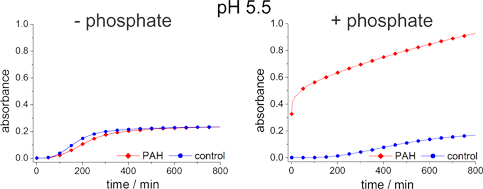
- inspired numerous in vitro studies aiming to characterize polyamine–silica interactions. The determination of these interactions at the molecular level is of fundamental interest on one hand for the understanding of cell wall biogenesis in diatoms and on the other hand for designing bioinspired materials
- negatively charged silica particles [18][20]. Subsequent in vitro studies support the idea of polyamine-stabilized sols [21][22]. In contrast to the charged PAH, uncharged polymers such as polyvinylpyrrolidone or polyethylene glycol cannot undergo such a self-assembly process driven by electrostatic
- “tuning” parameter for bioinspired silica synthesis approaches based on the use of LCPAs which should be further exploited in future in vitro studies. Experimental Reagents and chemicals Polyallylamine hydrochloride (PAH; (C3H8ClN)n; M = 15000 g/mol, n ≈ 160), allylamine (C3H7N; M = 57.09 g/mol


PVP-coated, negatively charged silver nanoparticles: A multi-center study of their physicochemical characteristics, cell culture and in vivo experiments
Beilstein J. Nanotechnol. 2014, 5, 1944–1965, doi:10.3762/bjnano.5.205

- nanoparticles over time may induce secondary effects, which cannot be ruled out by such in vitro studies. Chronic exposure and inhalation studies need to address this issue in the future. As summarized in Table 2, the effects induced by the PVP-coated silver nanoparticles in three different lung systems, i.e


Carbon-based smart nanomaterials in biomedicine and neuroengineering
Beilstein J. Nanotechnol. 2014, 5, 1849–1863, doi:10.3762/bjnano.5.196
- . These differences can induce distinct toxicological responses in biological systems and require a systematic investigation. In vitro studies, carried out on human cell lines (i.e., HepG2, BEAS-2B, PC12, hMSCs), have demonstrated that the cyto- and genotoxicity of graphene depends on the dose, shape, and


The surface properties of nanoparticles determine the agglomeration state and the size of the particles under physiological conditions
Beilstein J. Nanotechnol. 2014, 5, 1774–1786, doi:10.3762/bjnano.5.188
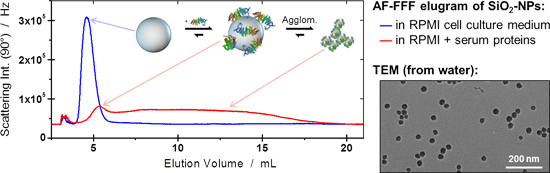
- physiological media is possible. As a result, it is shown that differences in the agglomeration state and therefore in size were observed under physiological conditions both in presence and in absence of serum proteins. This is especially relevant with regard to in vitro studies. Characterization techniques As
- physiological salinity. The high stability of silica NPs can be attributed to a "gel-like" layer on the surface of the particles, which is discussed in the literature as sterically stabilizing coating [81]. With regard to in vivo and in vitro studies, NexSil20 was also characterized in the presence of serum


In vitro and in vivo interactions of selected nanoparticles with rodent serum proteins and their consequences in biokinetics
Beilstein J. Nanotechnol. 2014, 5, 1699–1711, doi:10.3762/bjnano.5.180
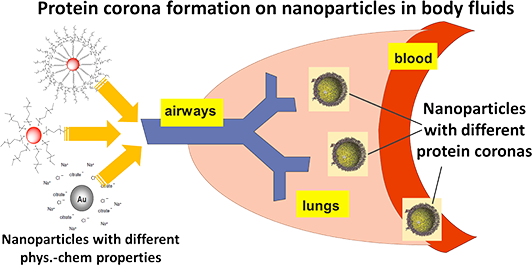
- AuNP in mouse serum after 15 min of incubation. Figure 5 shows the very good reproducibility of two independent LC–MS/MS measurements for each of all five AuNP. Biokinetics of AuNP after administration via three routes of intake The above mentioned in vitro studies were designed to provide a better
- of the PEG shell. Our in vitro studies clearly demonstrated the rapid binding of serum proteins to AuNP. This is likely reflected in the in vivo biokinetics results found after intravenous injection which led to a predominant accumulation in the liver and Kupffer cell endocytosis. Yet, the fact that
- translocation across membrane barriers by either transcellular endo- and exocytosis, or by paracellular transport mechanisms. While there are some in vitro studies suggesting protein exchange on NP surfaces during membrane crossing we are not aware of any in vivo studies having shown such exchange [17][18][19


Silica nanoparticles are less toxic to human lung cells when deposited at the air–liquid interface compared to conventional submerged exposure
Beilstein J. Nanotechnol. 2014, 5, 1590–1602, doi:10.3762/bjnano.5.171
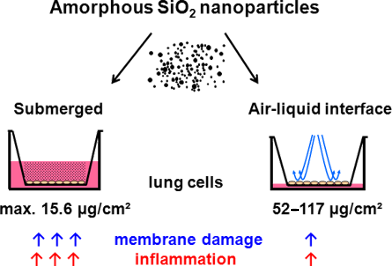
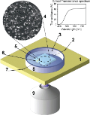
- nanoparticles (NPs) in the lung by in vitro studies are usually performed under submerged conditions where NPs are suspended in cell culture media. However, the behaviour of nanoparticles such as agglomeration and sedimentation in such complex suspensions is difficult to control and hence the deposited cellular
- dose rates differ, but also the distribution of the NPs within the lung and the clearance are different. As in our in vitro studies these two confounding factors are eliminated, the dose rate still remains an important determinant to possibly explain the differences in toxicity when exposing cells at


In vitro interaction of colloidal nanoparticles with mammalian cells: What have we learned thus far?
Beilstein J. Nanotechnol. 2014, 5, 1477–1490, doi:10.3762/bjnano.5.161
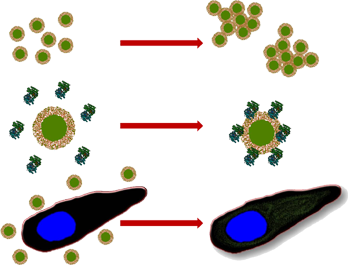
- has to be assessed. In the context of this review we have focused on in vitro studies. The advantage of such studies is the easy screening capability and the possibility to monitor in detail biomolecular pathways and changes in gene expression as a measure of a possible biologically adverse response


Mimicking exposures to acute and lifetime concentrations of inhaled silver nanoparticles by two different in vitro approaches
Beilstein J. Nanotechnol. 2014, 5, 1357–1370, doi:10.3762/bjnano.5.149
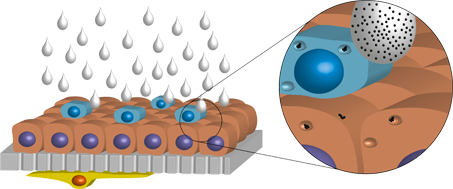
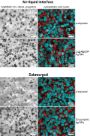
- reflects a more realistic scenario for in vitro studies than addition of NPs in suspension. Our results indicated a significant difference between the two exposure methods with submerged cultures showing a stronger effect than ALI exposed cells and, thus, revealed the importance of an adequate experimental



Optimizing the synthesis of CdS/ZnS core/shell semiconductor nanocrystals for bioimaging applications
Beilstein J. Nanotechnol. 2014, 5, 919–926, doi:10.3762/bjnano.5.105
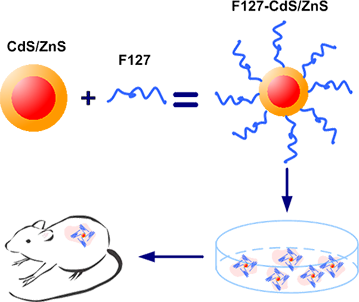
- -encapsulated nanoparticles under various pH values, testing the stability of the F127-CdS/ZnS QDs. The variation of the hydrodynamic diameter under different pH values is shown in Figure 9. The result suggests that their stability is not affected by pH values. Cell imaging and viability studies For in vitro
- studies, a cell viability (MTS) assay was carried out for F127-CdS/ZnS QDs. As shown in Figure 10, we tested the cell viability of Panc-1 cells, treating them with various concentrations of ternary nanocrystal formulations for 48 h. The cell viability remained at 84% even at a concentration as high as 500


Biocalcite, a multifunctional inorganic polymer: Building block for calcareous sponge spicules and bioseed for the synthesis of calcium phosphate-based bone
Beilstein J. Nanotechnol. 2014, 5, 610–621, doi:10.3762/bjnano.5.72
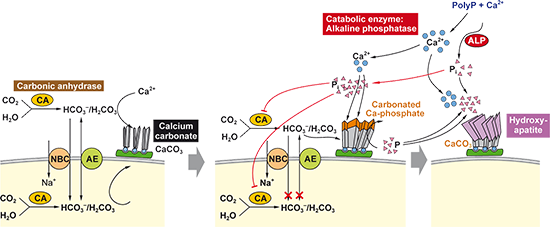
- osteoporosis [19]. Recently, we could show in in vitro studies, by using SaOS-2 cells growing in calcium bicarbonate-deprived medium that these cells respond with a significant increase in calcium deposit formation after exposure to bicarbonate [20]. The cells start to form larger crystallite nodules on their



Near-infrared dye loaded polymeric nanoparticles for cancer imaging and therapy and cellular response after laser-induced heating
Beilstein J. Nanotechnol. 2014, 5, 313–322, doi:10.3762/bjnano.5.35
- was evaluated by using a Cary WinUV spectrophotometer (Varian/Agilent Technologies, Switzerland). In vitro studies of NPs Cancer cells MES-SA, Dx5, and SKOV3 were purchased from American Type Culture Collection (Manassas, VA) along with McCoy’s 5A medium and fetal bovine serum. Cell culture supplies
- after background subtraction). The ratio R was then determined by normalizing the total pixel intensity of this region of interest to its total area. HT treatment Two different heating modes, namely (1) an incubator and (2) a laser/NP HT delivery system, were used for in vitro studies. Detailed


Cytotoxic and proinflammatory effects of PVP-coated silver nanoparticles after intratracheal instillation in rats
Beilstein J. Nanotechnol. 2013, 4, 933–940, doi:10.3762/bjnano.4.105
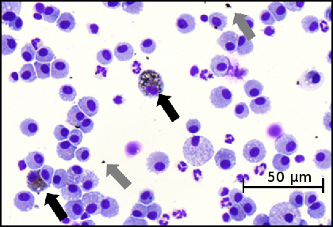
- be able to cross the air-blood-barrier (ABB), towards circulation, and accumulate in secondary organs [16][17]. Some in vitro studies have demonstrated toxic effects of AgNP on lung cells: In vitro incubation of a rat alveolar macrophage cell line with AgNP induced a concentration- as well as a size
- metabolization of silver ions. Thus, the dissolution of AgNP and release of silver ions as well as the subsequent biochemical transformations are an important issue in AgNP toxicity [27]. However, most of the information available about the mechanisms of AgNP toxicity has been derived from in vitro studies. The
- were not assessed in these studies. Several in vitro studies dealt with the mechanism of cytokine induction after AgNP exposure. Incubation of human mesenchymal stem cells and of peripheral blood monocytes with the same PVP-AgNP that were used in the present study induced a concentration-dependent