


Search results
Search for "uptake" in Full Text gives 324 result(s) in Beilstein Journal of Nanotechnology. Showing first 200.
Biomimetic nanocarriers: integrating natural functions for advanced therapeutic applications
Beilstein J. Nanotechnol. 2024, 15, 1619–1626, doi:10.3762/bjnano.15.127

- the nanoparticles due to the coating [63]. A similar study with nanoparticles coated with cytotoxic T lymphocyte membranes for the treatment of gastric cancer showed a reduction in macrophage uptake compared to other membrane types [64]. Other studies on nanoparticles loaded with the antitumor
- molecule bufalin and covered with platelet membranes demonstrated their ability to evade macrophage uptake and enhance binding to target cancer cells. Together, these results confirm the ability of biomimetic coated nanostructures to evade the immune system, enabling prolonged circulation time and


Liver-targeting iron oxide nanoparticles and their complexes with plant extracts for biocompatibility
Beilstein J. Nanotechnol. 2024, 15, 1593–1602, doi:10.3762/bjnano.15.125
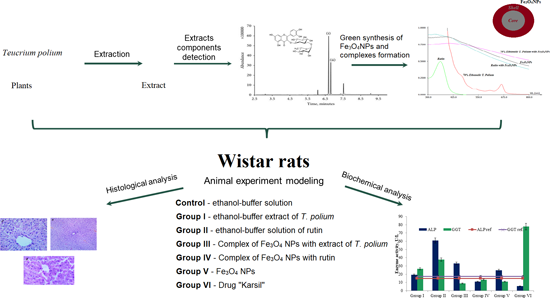
- particles have been identified as 80–90% in the liver, 5–8% in the spleen, and 1–2% in the bone marrow [30]. One of the major organs where nanoparticles are likely to accumulate, depending on the route of administration, is the liver [31][32][33], where Kupffer cells can quickly uptake large nanoparticles


The round-robin approach applied to nanoinformatics: consensus prediction of nanomaterials zeta potential
Beilstein J. Nanotechnol. 2024, 15, 1536–1553, doi:10.3762/bjnano.15.121
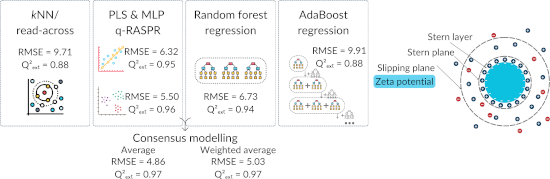
- of nanoinformatics, various consensus approaches have been proposed over the past years for the prediction of different NM endpoints, such as NMs’ cellular uptake [20], zeta potential (ZP) [16], and electrophoretic mobility [21]. The complexity of predictive models requires the development of


Integrating high-performance computing, machine learning, data management workflows, and infrastructures for multiscale simulations and nanomaterials technologies
Beilstein J. Nanotechnol. 2024, 15, 1498–1521, doi:10.3762/bjnano.15.119
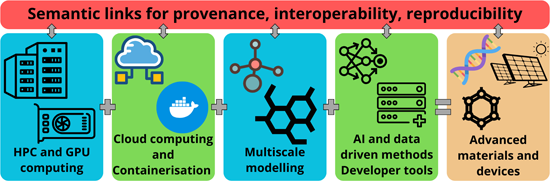
- addressing aspects related to both predictivity and automation. The integration of multiscale physical and data-driven modelling of materials can support the prediction of materials properties and the design of novel materials and processes. In addition, digitalization also enables the uptake of automation


Polymer lipid hybrid nanoparticles for phytochemical delivery: challenges, progress, and future prospects
Beilstein J. Nanotechnol. 2024, 15, 1473–1497, doi:10.3762/bjnano.15.118
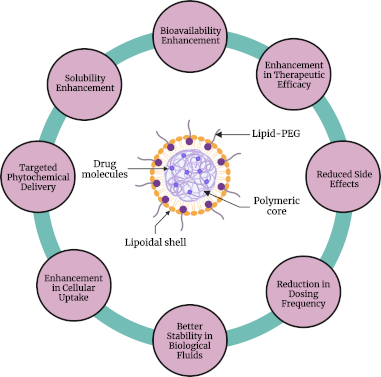
- water/or buffer. Because of the positive charge, the lipids in the inner core encapsulate the drug more efficiently compared to PLHNPs with a polymeric core. In addition, because of the outer lipoidal PEG layer, these nanocarriers escape the uptake by macrophages and enhance the stability of the
- yields a natural vehicle for drug delivery, and these nanocarriers can easily escape the uptake by macrophages. In this system, the drugs are encapsulated in the lipophilic polymeric core, and the lipids in the outer natural membrane enhance the sustained release of drugs. With the development of these
- and synergistic therapeutic efficacy against breast cancer (BC) [63]. The scheme for the development of these ligand-decorated PLHNPs is depicted in Figure 3. The findings suggested that the targeted PLHNPs significantly improved uptake in BC cells by receptor-mediated endocytosis when compared with


Nanotechnological approaches for efficient N2B delivery: from small-molecule drugs to biopharmaceuticals
Beilstein J. Nanotechnol. 2024, 15, 1400–1414, doi:10.3762/bjnano.15.113
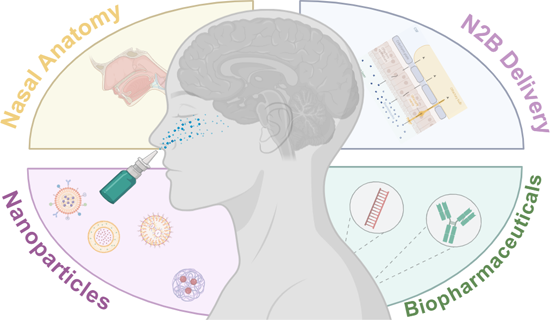
- for CNS targeting. For example, size, shape, and surface characteristics of a DDS directly affect cellular transport and uptake, biodistribution, and the interaction with biological interfaces [64][65]. Regarding particle size, NPs with a size of approx. 15 nm or below were observed to penetrate the
- delivery. They showed that the transferrin-decorated NPs with the highest amount of targeting ligand exhibited the highest cellular uptake in the RPMI 2650 human epithelium cell line [79]. In another study, the researchers studied the chitosan coating of PLGA NPs regarding the mucosal uptake. Chatzitaki et
- through sheep nasal mucosa compared to their non-coated PLGA counterparts [80]. In another study by Spindler et al., the researchers prepared PLGA NPs in batches of different sizes, as well as chitosan-coated PLGA NPs, to study the uptake mechanisms of these particles into the olfactory mucosa through ex


Interaction of graphene oxide with tannic acid: computational modeling and toxicity mitigation in C. elegans
Beilstein J. Nanotechnol. 2024, 15, 1297–1311, doi:10.3762/bjnano.15.105
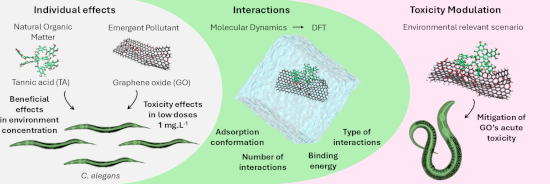
- on the well’s bottom most of the time. At 5 mg·L−1, GO aggregates and precipitates in EPA medium, which increases the exposure to C. elegans. The amount of material ingested by the nematode is limited by the size of its mouth, which is where most of the uptake occurs. C. elegans exhibits a size


Realizing active targeting in cancer nanomedicine with ultrasmall nanoparticles
Beilstein J. Nanotechnol. 2024, 15, 1208–1226, doi:10.3762/bjnano.15.98
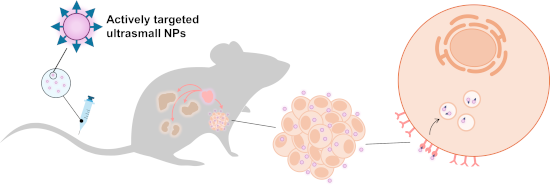
- potential for tumor accumulation though passive targeting [76]. Fortunately, strategies to slow down renal clearance and extend the blood half-life of usNPs for more efficient tumor uptake are feasible, including fine-tuning hydrodynamic diameter (HD) through surface chemistry [77], controlling core density
- [78], and, potentially, modulating ultraweak nonspecific interactions with proteins [79]. For instance, Zheng and colleagues showed that AuNCs can be designed to demonstrate passive tumor targeting behavior comparable to that of larger NPs. GSH-coated AuNCs reached passive tumor uptake levels of 2–3
- % ID/g, while PEG-coated AuNCs displayed even higher passive tumor uptake efficiency of ≈8% ID/g owing to their longer blood retention time [77]. Besides achieving decent tumor uptake levels in some cases, usNPs exhibit easier penetration and diffusion through the dense tumor microenvironment relative


Synthesis, characterization and anticancer effect of doxorubicin-loaded dual stimuli-responsive smart nanopolymers
Beilstein J. Nanotechnol. 2024, 15, 1189–1196, doi:10.3762/bjnano.15.96
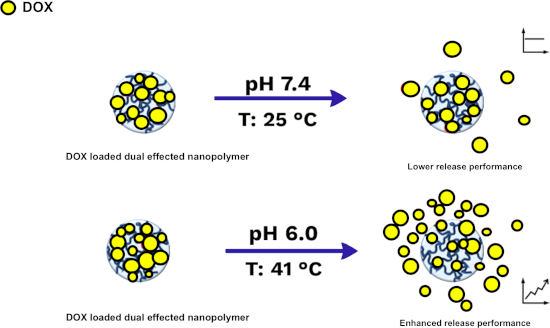
- . Physicochemical features such as size, shape, and surface charge play an extremely important role in the internalization of nanostructures. The uptake of nanoparticles into cells requires two steps. The first is the binding to the cell membrane, and the second is the uptake into the cell [34]. The zeta potential


Introducing third-generation periodic table descriptors for nano-qRASTR modeling of zebrafish toxicity of metal oxide nanoparticles
Beilstein J. Nanotechnol. 2024, 15, 1142–1152, doi:10.3762/bjnano.15.93
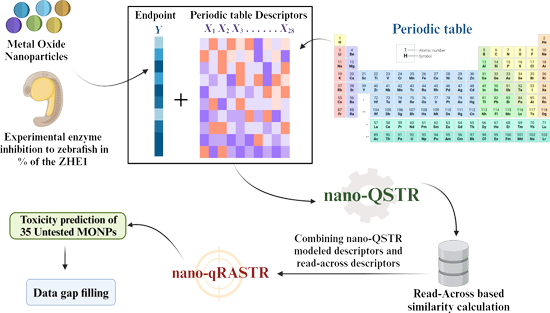
- . Conversely, MONPs with larger atomic radii and crystal ionic radii tend to exhibit a lower surface area-to-volume ratio, which can reduce their cellular interactions and uptake. This reduction in uptake can lead to less cellular dysfunction and toxicity. Larger atomic radii may result in MONPs that are less
- alternative, more detrimental cellular uptake pathways or provoke harmful responses by accumulating on cell surfaces. Such MONPs might also elevate oxidative stress by triggering the production of reactive oxygen species, which damage cellular components. They can obstruct vital biological processes and


Recent updates in applications of nanomedicine for the treatment of hepatic fibrosis
Beilstein J. Nanotechnol. 2024, 15, 1105–1116, doi:10.3762/bjnano.15.89
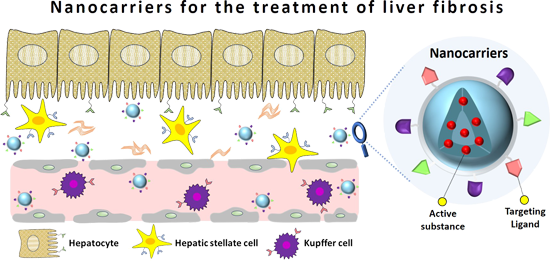
- in the liver [27][28]. The interaction of the nanocarriers with various types of cells is size-dependent [30]. Nanocarriers with a particle size bigger than 100 nm could be taken up by LSECs and Kupffer cells through endocytosis. With the increase of particle size, the uptake of nanocarriers by
- hepatobiliary clearance in vivo. For example, positively charged mesoporous silica NPs (MSNPs) underwent significant uptake by hepatocytes, while MSNPs with negative charges were rapidly internalized by Kupffer cells in liver sinusoids [33]. The negative charge of the nanocarriers could facilitate efficient
- binding to the scavenger receptors on the surface of Kupffer cells and LSECs, leading to the improved uptake by these cell types [34][35]. Another intrinsic property that dictates the uptake pathway of the nanocarriers by liver cells is hydrophilicity/hydrophobicity. Increased hydrophilicity via


Entry of nanoparticles into cells and tissues: status and challenges
Beilstein J. Nanotechnol. 2024, 15, 1017–1029, doi:10.3762/bjnano.15.83
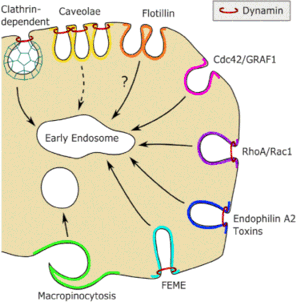
- ) are important tools to diagnose and treat diseases, and have proven useful in basic mechanistic studies of cells and animals. Thus, knowledge about cellular uptake, intracellular transport, and metabolism of NPs in cells, as well as their biodistribution, degradation, and excretion following
- of new types of NPs, there is a knowledge gap when it comes to our understanding of the interaction of NPs with both cells and tissues. However, it is well known that NP properties, such as surface charge, size, and the material they are composed of can affect cellular uptake, biodistribution, and
- are high for conventional NPs, and one can easily foresee that demonstrating reproducibility for the production of EVs with their thousands of constituents will be a huge challenge. In this article, we will not cover EVs specifically, but several of the challenges discussed when it comes to uptake


Therapeutic effect of F127-folate@PLGA/CHL/IR780 nanoparticles on folate receptor-expressing cancer cells
Beilstein J. Nanotechnol. 2024, 15, 954–964, doi:10.3762/bjnano.15.78
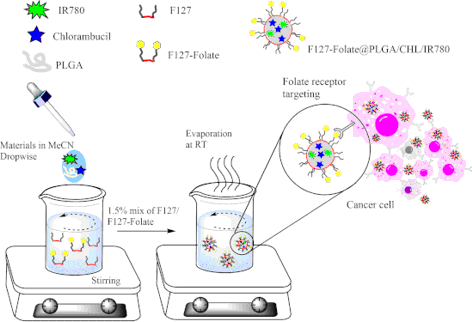
- nanoprecipitation technique, resulting in small size, high homogeneity, and negative surface charge. Importantly, the folate-targeted nanoparticles demonstrated enhanced uptake and cytotoxicity in folate receptor-positive cancer cell lines (MCF-7 and HepG-2) compared to folate receptor-negative cells (HEK 293
- would initially bind to the folate receptor, compete, and reduce the uptake of folate-containing nanoparticles. Therefore, folate@PLGA/Cou-6 was taken up much less by MCF7 and HepG2 cells when folic acid was present (Figure 2). In contrast, in the folate receptor-negative cells (HEK 293), the addition
- × PBS and in cell culture medium and (B) SEM image of F127-folate@PLGA/CHL/IR780 at magnifications of 10k and 40k. Uptake of F127@PLGA/Cou-6 and F127-folate@PLGA/Cou-6 in folate receptor-expressing cells (MCF-7, HepG2) and HEK 293 cells, which do not express the folate receptor. Cells represented in



Identification of structural features of surface modifiers in engineered nanostructured metal oxides regarding cell uptake through ML-based classification
Beilstein J. Nanotechnol. 2024, 15, 909–924, doi:10.3762/bjnano.15.75
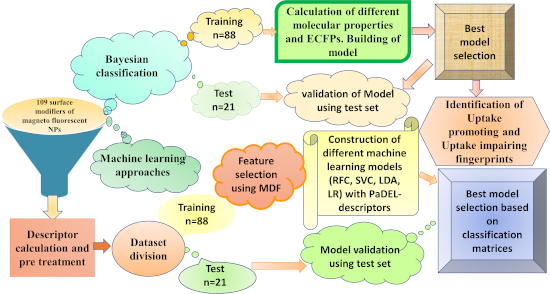
- medicine, electronics, and environmental science. Understanding the structural aspects of surface modifiers in nanoparticles that govern their cellular uptake is crucial for optimizing their efficacy and minimizing potential cytotoxicity. The cellular uptake is influenced by multiple factors, namely, size
- significantly contribute to the cellular uptake of ENMOs in multiple cell types, including pancreatic cancer cells (PaCa2), human endothelial cells (HUVEC), and human macrophage cells (U937). The best models have been identified for each cell type and analyzed to detect the structural fingerprints/features
- governing the cellular uptake of ENMOs. The study will direct scientists in the design of ENMOs of higher cellular uptake efficiency for better therapeutic response. Keywords: Bayesian classification; cellular uptake; machine learning; nanoparticles (NPs); Introduction In recent years, the rapid


Facile synthesis of Fe-based metal–organic frameworks from Fe2O3 nanoparticles and their application for CO2/N2 separation
Beilstein J. Nanotechnol. 2024, 15, 897–908, doi:10.3762/bjnano.15.74
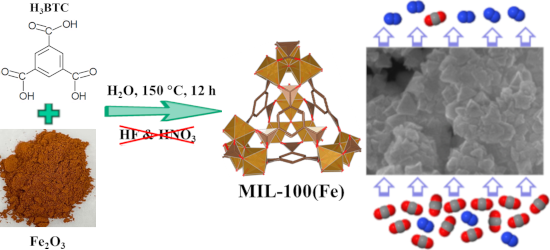
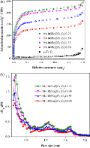
- surface area (Table 1). It is well known that the MIL-100(Fe) framework contains an abundance of active sites, including unsaturated metal sites, and –OH and free –COOH groups, which perhaps form adsorptive interactions with CO2 molecules [32]. Consequently, the samples showed outstanding CO2 uptake in
- the rising BET surface area resulting from an increase in the H3BTC amount in the reaction system from 0.90 to 2.25 g. A similar trend was observed in the porosity analysis when increasing the H3BTC amount from 1.80 to 2.25 g. It corresponds to a negligible improvement in CO2 uptake, changing from
- 1.10 to 1.18 mmol·g−1 at 25 °C and 100 kPa. Taking into account the balance between CO2 adsorption performance and the quantity of H3BTC consumed, M-100Fe@Fe2O3#1.80 stands out as the preferred sample, exhibiting a CO2 uptake capacity of 1.1 mmol·g−1 and a CO2/N2 selectivity of 18 at 25 °C and 100 kPa





Comparative analysis of the ultrastructure and adhesive secretion pathways of different smooth attachment pads of the stick insect Medauroidea extradentata (Phasmatodea)
Beilstein J. Nanotechnol. 2024, 15, 612–630, doi:10.3762/bjnano.15.52
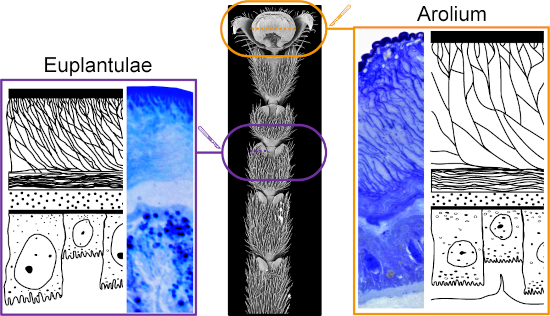
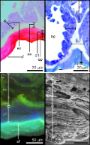
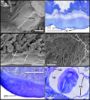
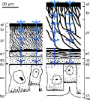
- cells with surface expansions into the hemolymph increasing the area for reactant uptake. The adhesive fluid is secreted through pores in the endocuticle layer 2 [45] and accumulates in the adhesive secretion reservoir (indicated by the split arrow). Subsequently, the secretion traverses the endocuticle



Radiofrequency enhances drug release from responsive nanoflowers for hepatocellular carcinoma therapy
Beilstein J. Nanotechnol. 2024, 15, 569–579, doi:10.3762/bjnano.15.49
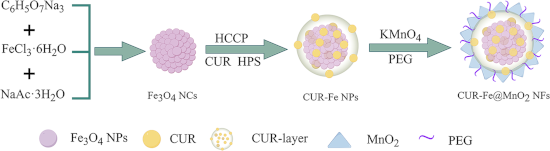
- with the release of CUR-Fe NPs and is in accordance with the Fick diffusion (Table 2). Cellular uptake study Prussian blue staining was performed to detect the ability of Huh-7 cells to uptake NFs, as shown in Figure 5. Compared with those in the control group, blue particles were observed in the
- = kHt1/2, where Qt is the amount of CUR in NFs released after time t, and kH is the Higuchi dissolution constant. Ritger–Peppas Model: Mt/M∞ = ktn, where Mt/M∞ is the fraction of CUR in NFs released at time t, k is the rate constant, and n is the diffusional release exponent. Cellular uptake of CUR-Fe
- @MnO2 NFs The CUR-Fe@MnO2 NFs uptake by Huh-7 cells was observed under a fluorescence microscope. Huh-7 cells were incubated with 50 µg/mL NFs for 24 h. Then, 4% paraformaldehyde was used to fix the Huh-7 cells for 15 min, followed by washing with PBS. Fixed cells were stained by the Prussian Blue kit


On the additive artificial intelligence-based discovery of nanoparticle neurodegenerative disease drug delivery systems
Beilstein J. Nanotechnol. 2024, 15, 535–555, doi:10.3762/bjnano.15.47
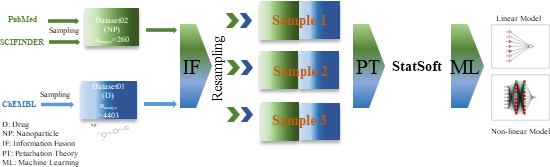
- majority of NPs for NDD delivery in this database is in the range of 70–115 nm. Recently, Chithrani et al. [91] have demonstrated that size, coating, and surface charge of nanoparticles have a crucial impact on the intracellular uptake process. Similarly, Shilo et al. have investigated the influence of NP
- size on the probability to cross the BBB by using the endothelial brain cell method. The results indicated that the intracellular uptake of NPs strongly depends on the NP size. This characteristic has a direct impact on biomedical applications. When NPs serve as carriers for drug delivery through



Cholesterol nanoarchaeosomes for alendronate targeted delivery as an anti-endothelial dysfunction agent
Beilstein J. Nanotechnol. 2024, 15, 517–534, doi:10.3762/bjnano.15.46
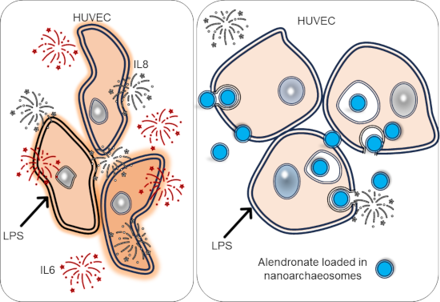
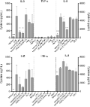
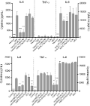
- . Finally, the absorbance was measured at 550 nm as stated before. Uptake of nanovesicles The uptake of RhPE-labelled nanovesicles by THP-1 monocytes and macrophages was measured by flow cytometry. Briefly, THP-1 monocytes were seeded on 24-well culture plates at a density of 1 × 10⁶ cells per well (150 µL
- (Flowing Software, Finland). Plasma membrane order Effects of nanovesicle uptake on THP-1 macrophages and HUVEC plasma membrane order were determined by measuring the Laurdan generalized polarization (GP) [83]. Briefly, THP-1 macrophages and HUVECs grown at a density of 1–1.5 × 10⁴ cells/cm2 on 96-well
- at λem = 440 nm and λem = 490 nm, respectively. Mitochondrial membrane potential The effect of nanovesicle uptake by THP-1 macrophages and HUVECs on the mitochondrial membrane potential was determined using JC-1 dye according to the manufacturer’s guidelines [84]. Briefly, THP-1 macrophages and





Exploring the relationships between physiochemical properties of nanoparticles and cell damage to combat cancer growth using simple periodic table-based descriptors
Beilstein J. Nanotechnol. 2024, 15, 297–309, doi:10.3762/bjnano.15.27
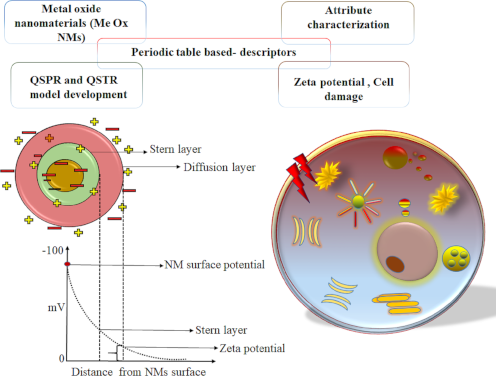
- was obtained from Cao et al. [26], where the zeta potential of MeOx NPs was measured in a cell culture of 20% fetal bovine complete medium. Dataset II was taken from Toropova et al. [27], where cell damage measurement was performed based on the uptake of propidium iodide (PI). The dataset is related


Multiscale modelling of biomolecular corona formation on metallic surfaces
Beilstein J. Nanotechnol. 2024, 15, 215–229, doi:10.3762/bjnano.15.21
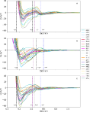
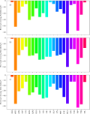
- reactivity, sensitivity of NPs, as well as their cellular uptake and systemic transfer [21]. However, in order to develop predictive models, a deeper understanding of the interactions at the bionano interface and their relationship to material and protein properties is necessary. Gathering more information




Nanocarrier systems loaded with IR780, iron oxide nanoparticles and chlorambucil for cancer theragnostics
Beilstein J. Nanotechnol. 2024, 15, 180–189, doi:10.3762/bjnano.15.17
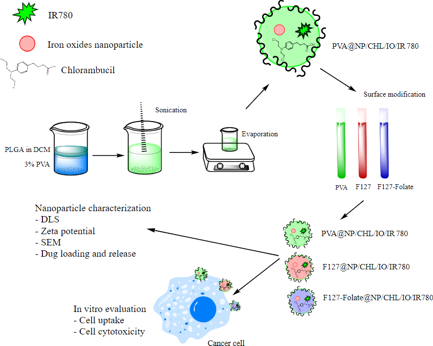
- observed for all three kinds of NPs. The release of chlorambucil was quicker at pH 5.4 than at pH 7.4 at 37 °C. The F127@NPs and F127-folate@NPs demonstrated much greater cell uptake and toxicity up to 72 h after incubation. Our in vitro results of F127@NPs and F127-folate@NPs have demonstrated the ability
- additional 10 min. Cell culture The cell lines HepG2, MCF-7, 3T3, and Hek were cultured in DMEM, 10% FBS, and 1% antibiotic at 37 °C and 5% CO2. Cell uptake estimation The cells were seeded onto 6-well plates at 100,000 cells/well and were cultured overnight. On the next day, the cells were incubated with
- endothelial growth factor (VEGF) receptors [38][39]. The folate receptor was selected as a targeting modality in our investigation. The findings of the uptake assays (Figure 3), fluorescent assay (Supporting Information File 1, Figure S2) and the cytotoxicity testing (Figure 4) revealed that F127-folate@NP


Assessing phytotoxicity and tolerance levels of ZnO nanoparticles on Raphanus sativus: implications for widespread adoptions
Beilstein J. Nanotechnol. 2024, 15, 115–125, doi:10.3762/bjnano.15.11
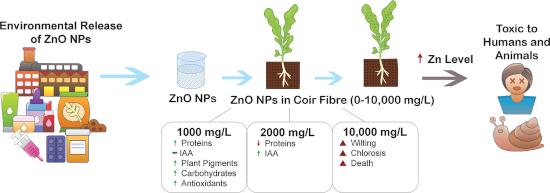
- nanoparticle uptake, transport, and bioaccumulation in the food chain when ZnO NPs reach the soil, which positively or negatively affects plant growth and productivity [16]. For instance, ZnO NPs at an optimum concentration of 0.13 g/L promoted seed germination and root growth of groundnut (Arachis hypogaea L
- and water uptake in the presence of Zn [39], or else by accelerating the activity of carbonic anhydrase [2]. Several published information is available on the effect of Zn on photosynthetic pigments of other crops. Nanopriming Triticum aestivum seeds with 10 mg/L of ZnO resulted in a significant


Curcumin-loaded nanostructured systems for treatment of leishmaniasis: a review
Beilstein J. Nanotechnol. 2024, 15, 37–50, doi:10.3762/bjnano.15.4
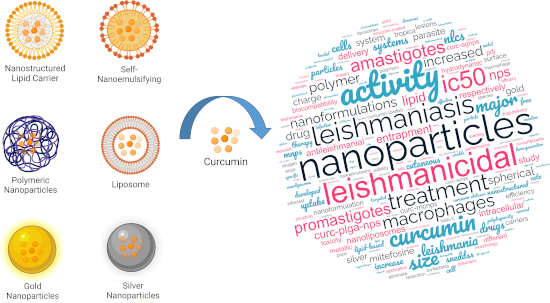
- parasite towards a given drug through decreased uptake of the drug by macrophages [55][56][57]. Thus, nanotechnology-based systems are a promising alternative for drug delivery and vectorization in the treatment of leishmaniasis as they present several advantages. One could mention decreased side effects
- , the intracellular uptake of bioactive molecules is especially hindered for hydrophobic molecules [64], making it difficult for the drug to reach the parasite. On the other hand, nanocarriers can target the interior of macrophages residing in the spleen, liver, and bone marrow, effectively delivering
- these carriers with the macrophage membrane. As a result, the macrophages uptake the drug-loaded nanocarrier by phagocytosis, where they will directly act on the parasites [65][66][67]. Several types of nanosystems have been studied for carrying antileishmanial drugs, such as polymeric nanoparticles


Elasticity, an often-overseen parameter in the development of nanoscale drug delivery systems
Beilstein J. Nanotechnol. 2023, 14, 1149–1156, doi:10.3762/bjnano.14.95
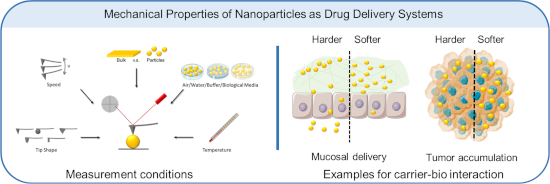
- examining the characteristics of nanoparticles used for drug delivery, one can see that some are better understood then others. The size of nanoparticles, for example, is shown to play an important role in tissue or mucus penetration [8] and in cellular uptake [9]. Also surface charge and chemical
- properties are well investigated regarding their effect on cellular uptake and the influence on in vivo performance [3][10]. Only since the first decade of the 2000s, mechanical properties have been investigated in the development of nanoparticulate drug delivery systems. A well-known example in biology
- uptake for softer particles [30]. Cell uptake is often the first biological evaluation during the development phase besides toxicity and biocompatibility. However, after application, particles first need to reach the cells and overcome several other biological barriers. During uptake, other biological





