Search results
Search for "EDTA" in Full Text gives 104 result(s) in Beilstein Journal of Nanotechnology.
Improved biocompatibility and efficient labeling of neural stem cells with poly(L-lysine)-coated maghemite nanoparticles
Beilstein J. Nanotechnol. 2016, 7, 926–936, doi:10.3762/bjnano.7.84
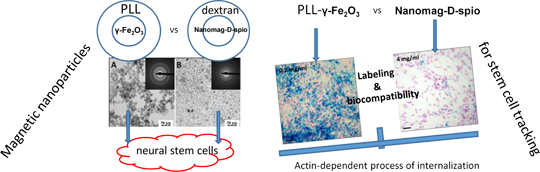
- detector was used. The cytometer was set up to measure FSC linearly and SSC logarithmically. After labeling the NSCs were dissociated with StemPro Accutase (Life Technologies) cell dissociation reagent, washed with PBS, resuspended in PBS containing 2% FBS and 2 mM EDTA (pH 7.4) and passed through a 40 µm


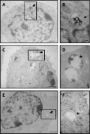


Reconstitution of the membrane protein OmpF into biomimetic block copolymer–phospholipid hybrid membranes
Beilstein J. Nanotechnol. 2016, 7, 881–892, doi:10.3762/bjnano.7.80
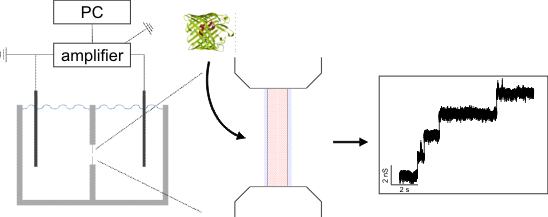
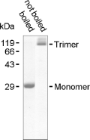
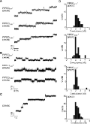
- . The supernatant containing OmpF was dialysed overnight against 20 mM Tris (pH 8), 1 mM EDTA and 1% (w/v) n-octyl polyoxyethylene (octyl-POE). The purity of the protein was assessed by SDS-PAGE. Formation of planar lipopolymer membranes Planar membranes of the lipopolymer mixtures were prepared across
- the bilayers we made sure, that the current trace reflects a stable baseline. Then OmpF was added by pipetting 10 to 50 µL of purified protein (1 mg mL−1 to 2 mg mL−1 in 20 mM Tris (pH 8), 1 mM EDTA and 1% w/v octyl-POE) to both sides of the membrane. At this dilution, the concentration of octyl-POE



Investigating organic multilayers by spectroscopic ellipsometry: specific and non-specific interactions of polyhistidine with NTA self-assembled monolayers
Beilstein J. Nanotechnol. 2016, 7, 544–553, doi:10.3762/bjnano.7.48
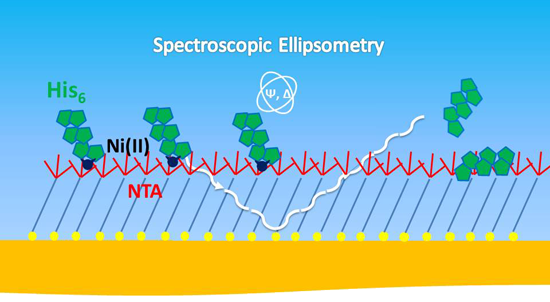
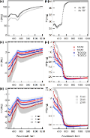
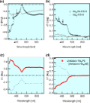
- eventually leading to the regeneration of the NTA film. Representative difference between spectra measured after and before the imidazole/EDTA treatment, for brevity and , are shown in Figure 4c,d (red open circles). The graphic choice in panels c and d emphasizes that and spectra are specular (with
- obtained from ex situ measurements. In Figure 5, δΔ2,1 and δΨ2,1 spectra (black symbols), related to the His6 adsorption, are compared with δΔ1',1 and δΨ1',1 spectra (grey symbols) obtained after the completion of the imidazole/EDTA treatment. Note that these difference spectra are referenced to the NTA/Au
- index in the range of 1.35–1.40, the layer thickness is estimated in the range of 1.5–1.7 nm range. Analogously, we can also estimate that the imidazole/EDTA treatment removed ≈75% of the His6 layer. The removal percentage could be even higher considering the conceivable effect of imidazole/EDTA



Influence of calcium on ceramide-1-phosphate monolayers
Beilstein J. Nanotechnol. 2016, 7, 236–245, doi:10.3762/bjnano.7.22
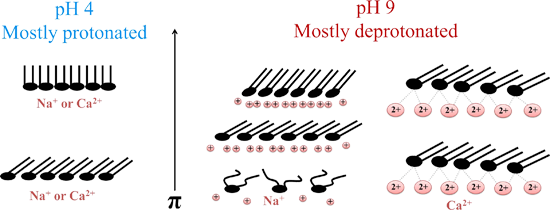
- with and without calcium in the subphase. For pH 9, a solution of 10 mM borax buffer has been used, and for pH 4, a 10 mM citric buffer. Either 150 mM NaCl was added to mimic the physiological environment and 1 mM EDTA to chelate traces of divalent cations, or the EDTA was substituted by 1 mM CaCl2. On
- ± 1)°. In our experiments, at the same pressure, non-tilted molecules are observed. This could be attributed to possible traces of divalent ions in the Millipore water used in our experiments with no addition of EDTA, and supports the finding that small amounts of divalent ions have a big influence on
- ) was purchased from Matreya, LLC (PA, USA). EDTA (≥99.4%), NaCl (≥99.5%), NaOH (≥99.5%), CaCl2 (≥99%) and HCl were purchased from Sigma Aldrich GmbH (Taufkirchen, Germany). Chloroform (≥99.9%) and citric acid monohydrate (≥99.5%) were purchased from Carl Roth GmbH (Karlsruhe, Germany) and methanol


Mismatch detection in DNA monolayers by atomic force microscopy and electrochemical impedance spectroscopy
Beilstein J. Nanotechnol. 2016, 7, 220–227, doi:10.3762/bjnano.7.20
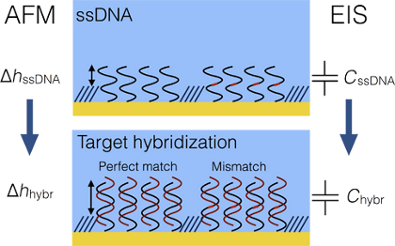
- , the AFM tip is scanned at high load (approx. 100 nN) over the TOEG6 SAM, operating in a buffer solution (10 mM Tris-HCl, 1 mM EDTA, (hereafter TE), 1 M NaCl, pH 7.1) containing 5 μM thiolated ssDNA oligonucleotides. The applied load is sufficient to displace the TOEG6 molecules from the gold surface


Single-molecule mechanics of protein-labelled DNA handles
Beilstein J. Nanotechnol. 2016, 7, 138–148, doi:10.3762/bjnano.7.16
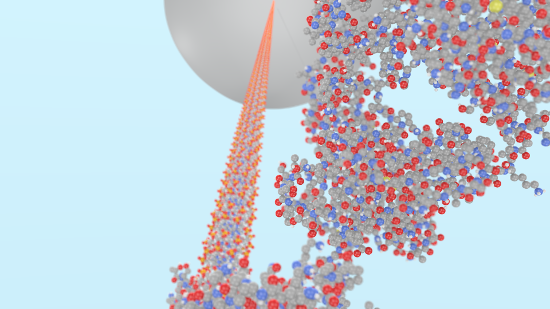
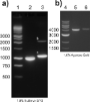
- . The successful labelling of the DHs with proteins, compared with unlabelled DHs, was confirmed via electrophoresis in a 1% (SeaKem® Gold, Lonza Rockland, USA) and 1.8% agarose gel (NuSieve™ GTG™ Agarose, Lonza Rockland, USA) with 1× Tris-acetate-EDTA buffer (Eppendorf AG, Hamburg, Germany) using a 1
- reaction at 4 °C with T4 DNA ligase (Roche, Lifescience, Switzerland). Excess oligonucleotides were cleaned off by ethanol precipitation using sodium acetate as counter ions. Modified λ-DNA was resuspended in 10 mM HEPES, 1 mM EDTA buffer, pH 7.2. The biotinylated end was modified with a 100× concentration



Fabrication and characterization of novel multilayered structures by stereocomplexion of poly(D-lactic acid)/poly(L-lactic acid) and self-assembly of polyelectrolytes
Beilstein J. Nanotechnol. 2016, 7, 81–90, doi:10.3762/bjnano.7.10
- . Experimental Materials Sodium carbonate, calcium chloride, poly(styrene sulfonate) (PSS, MW 70,000), poly(allylamine hydrochloride) (PAH, MW 58,000), poly(L-lysine-hydrobomide) (MW = 30,000–70,000), L-lactide, D-lactide, tannous octoate, ethylenediaminetetraacetic acid (EDTA) were obtained from Sigma-Aldrich
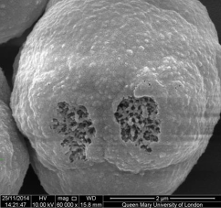
- structure PLL(PDLA/PLLA)n directly on calcium carbonate microtemplates. The obtained PLA-coated particles were then transferred back to water after washing off the organic solvent and the CaCO3 cores were solubilized by 0.2 M EDTA solution. The hollow microcapsules were redispersed in water and were stored


Peptide-equipped tobacco mosaic virus templates for selective and controllable biomineral deposition
Beilstein J. Nanotechnol. 2015, 6, 1399–1412, doi:10.3762/bjnano.6.145
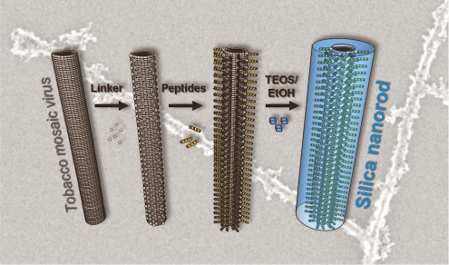
- Coomassie Brilliant Blue R250 (Serva Electrophoresis, Heidelberg, Germany) according to standard procedures [96]. Modified and unmodified TMV–Lys templates were separated as intact particles in native 0.9% agarose gels in 98 mM Tris pH 8.0, 89 mM boric acid, 2 mM EDTA. 12 µg of total protein in sample




Novel ZnO:Ag nanocomposites induce significant oxidative stress in human fibroblast malignant melanoma (Ht144) cells
Beilstein J. Nanotechnol. 2015, 6, 570–582, doi:10.3762/bjnano.6.59
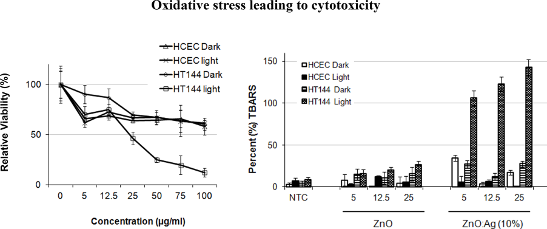
- ), pyruvic acid, silver nitrate, NaN3, sodium chloride, sodium dodecyl sulfate (SDS), sodium hydroxide (NaOH), sodium sarcosinate, streptomycin sulfate, sulforhodamine B (SRB), 1,1,3,3-tetramethoxypropane, MTT, thiobarbituric acid (TBA), trichloroacetic acid (TCA), Triton X-100, trizma-Base, trypsin/EDTA (5
- , 1 mM Na-pyruvate, 100 U/mL penicillin/streptomycin at 5% CO2 and 37 °C in humidified environment. Cells were harvested by trypsinization with 1 mL 0.5 mM trypsin/EDTA for 1 min at room temperature. Screening for photo-oxidative effect of NPs The nanoparticle stock suspensions (1 mg/mL) were prepared




Silica micro/nanospheres for theranostics: from bimodal MRI and fluorescent imaging probes to cancer therapy
Beilstein J. Nanotechnol. 2015, 6, 546–558, doi:10.3762/bjnano.6.57
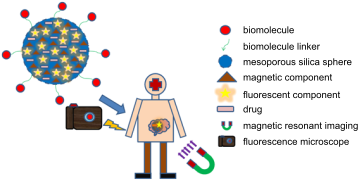
- chloride salts of rare earth and lanthanide metals, namely yttrium (Y), ytterbium (Yb) and erbium (Er) in presence of EDTA solution. The silica coating of these NPs was done by hydrolysis of TEOS and APS followed by conjugation of streptavidin on the silica surface. The TEM micrographs revealed that the


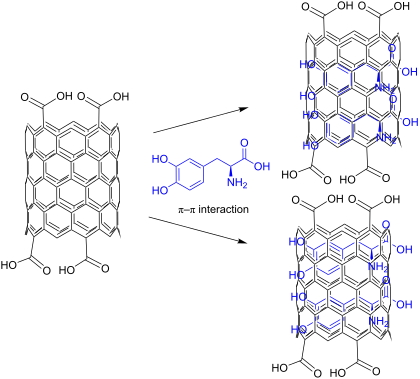
Release behaviour and toxicity evaluation of levodopa from carboxylated single-walled carbon nanotubes
Beilstein J. Nanotechnol. 2015, 6, 243–253, doi:10.3762/bjnano.6.23
- from American Tissue Culture Collection (ATCC). Dulbecco's Modified Eagle Medium (DMEM), fetal bovine serum (FBS), trypsin-EDTA (1×) and penicillin-streptomycin (100×) were purchased from PAA (Pasching, Austria). 2-(3,5-diphenyltetrazol-2-ium-2-yl)-4,5-dimethyl-1,3-thiazole bromide (MTT) was purchased




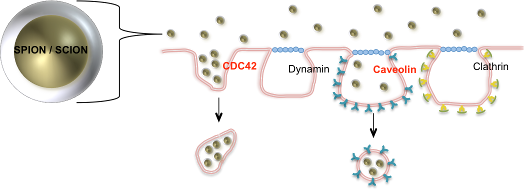
Caveolin-1 and CDC42 mediated endocytosis of silica-coated iron oxide nanoparticles in HeLa cells
Beilstein J. Nanotechnol. 2015, 6, 167–176, doi:10.3762/bjnano.6.16
- medium without detaching cells from the culture surface. Afterward cells were detached with trypsin/EDTA, counted and cell pellets were resuspended in concentrated hydrochloric acid. Treatment with hydrochloric acid and ultrasound for 10 min destroyed the cells and dissociated the iron cores of SPIONs


Increasing throughput of AFM-based single cell adhesion measurements through multisubstrate surfaces
Beilstein J. Nanotechnol. 2015, 6, 157–166, doi:10.3762/bjnano.6.15
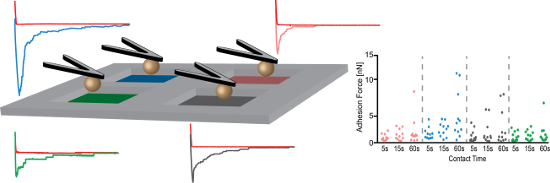
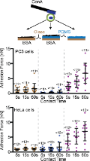
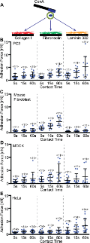
- grown to ≈80% confluency were detached from culture flasks by trypsin/EDTA and washed off with measurement media (cell line-specific media supplemented with 20 mM HEPES) containing 10% FCS. Cells were pelleted (420 g for 90 s) and resuspended in measurement media. Petri dishes with PDMS masks were


Functionalization of α-synuclein fibrils
Beilstein J. Nanotechnol. 2015, 6, 124–133, doi:10.3762/bjnano.6.12
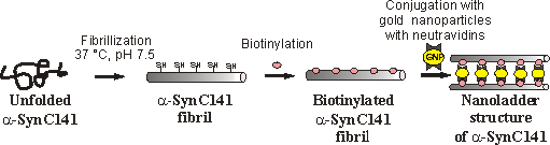
- ), containing 0.1 mM EDTA, 0.2 mM PMSF, and 500 mM NaCl. The cell lysate was heated at 100 °C for 10 min and subsequently centrifuged at 13200g for 20 min. The supernatant was dialyzed against 50 mM Tris-HCl, pH 8.0, 1 mM dithiothreitol, 1 mM EDTA, pH 8.0, and loaded into a HiTrap ANX column (GE Healthcare
- )) (Thermo Scientific): 4 mg of Ellman’s reagent was dissolved in 1 mL of reaction buffer (0.1 M sodium phosphate, 1 mM EDTA, pH 8.0) to obtain the 10 mM concentration. The fibril samples were tested by preparing a tube containing 18 μL of Ellman’s reagent solution, 90 μL of fibril solution and reaction


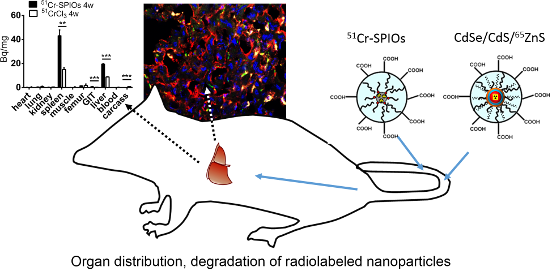
The distribution and degradation of radiolabeled superparamagnetic iron oxide nanoparticles and quantum dots in mice
Beilstein J. Nanotechnol. 2015, 6, 111–123, doi:10.3762/bjnano.6.11
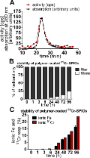
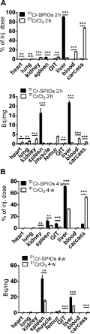
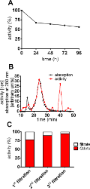
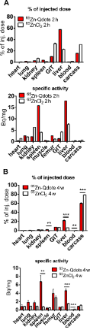
- normal diet of 260 µg Zn [35][36][37]. Size-exclusion chromatography (SEC) Similar to that previously described in [24], SEC was performed using a Superose-6 10/300 GL column (Amersham Bioscience, Munich, Germany) with buffer (10 mM tris(hydroxymethyl)aminomethane, 0.15 mM NaCl, 10 mM EDTA) at a flow





The fate of a designed protein corona on nanoparticles in vitro and in vivo
Beilstein J. Nanotechnol. 2015, 6, 36–46, doi:10.3762/bjnano.6.5
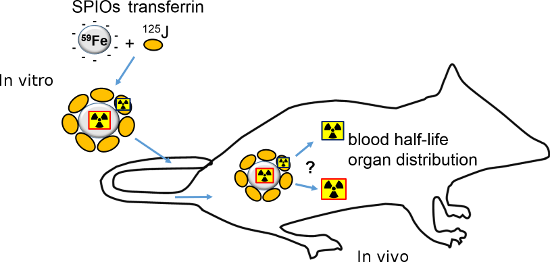
- (hydroxymethyl)aminomethane, pH 8.0; 0.15 mM NaCl, 10 mM EDTA) at a flow rate of 0.5 mL/min. Under UV 280 nm detection, fractions of 0.5 mL were collected and 125I and 59Fe were measured using a γ-counter. The column was calibrated by injecting a sample of human plasma and DLS-measurements were performed in
- injection the torso was opened and blood was removed from the right ventricle using an EDTA-coated syringe. The right atrium was opened and PBS containing 10 units of heparin was perfused via the left ventricle for 3 min. Then, the organs (spleen, kidney, liver, etc.) were harvested, weighted and the


Mammalian cell growth on gold nanoparticle-decorated substrates is influenced by the nanoparticle coating
Beilstein J. Nanotechnol. 2014, 5, 2479–2488, doi:10.3762/bjnano.5.257
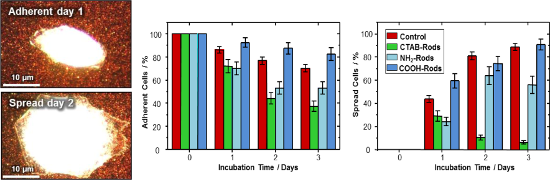
- agent ethylenediaminetetraacetic acid (EDTA, 2 mL) for 10 min in the incubator. Then, EDTA was removed and cells were detached from the substrate by incubation with trypsin/EDTA (1 mL) for 10 min in the incubator. Trypsination was stopped by addition of medium (10 mL), which was removed afterward by


The gut wall provides an effective barrier against nanoparticle uptake
Beilstein J. Nanotechnol. 2014, 5, 2092–2101, doi:10.3762/bjnano.5.218
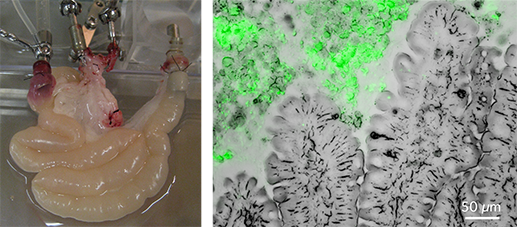
- harvested by first flushing the gut with air and then gently squeezing the tissue with moist cotton pads. Mucus was dissolved in a lysis buffer (100 mM Tris-Cl, pH 8.0–8.5, 200 mM NaCl, 0.2% SDS, 5 mM EDTA, 100 µg/mL proteinase K) for 15 to 30 min, and the fluorescence of the solubilized effluate was


Effect of silver nanoparticles on human mesenchymal stem cell differentiation
Beilstein J. Nanotechnol. 2014, 5, 2058–2069, doi:10.3762/bjnano.5.214
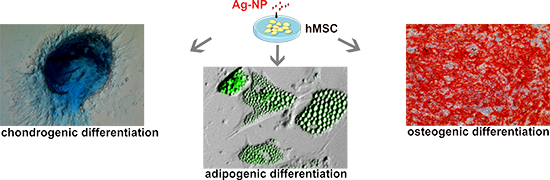
- Technologies) and detached from the culture flasks by the addition of 0.2 mL·cm−2 0.25% trypsin/0.05% ethylenediaminetetraacetic acid (EDTA, Sigma-Aldrich, Taufkirchen, Germany) for 5 min at 37 °C. Subsequently, the hMSCs were collected and washed twice with RPMI1640/10% FCS. Determination of cellular Ag-NP


Rapid degradation of zinc oxide nanoparticles by phosphate ions
Beilstein J. Nanotechnol. 2014, 5, 2007–2015, doi:10.3762/bjnano.5.209
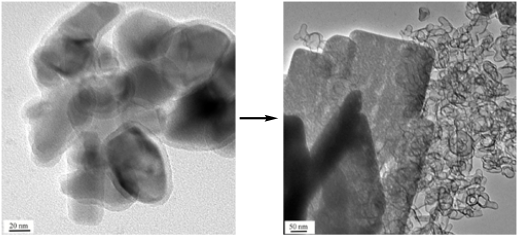
- centrifuged again. This washing was repeated two more times. The final product was redispersed in 1.5 mL of ethanol, and 0.1 mL were used for TEM measurements. From the remaining solution the ethanol was evaporated and the residue was dissolved in 10 mL of 0.01 N HCl and 10 mL of an aqueous solution of EDTA


Real-time monitoring of calcium carbonate and cationic peptide deposition on carboxylate-SAM using a microfluidic SAW biosensor
Beilstein J. Nanotechnol. 2014, 5, 1823–1835, doi:10.3762/bjnano.5.193
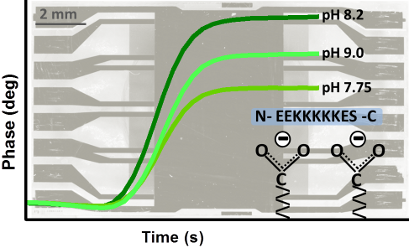
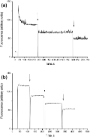
- 8.2 and pH 9.0 were performed analogous on the same biosensor chip using separate channels. The flow rate was 40 µL/min and the running buffer was the respective Gly–Gly buffer. Between the injections of the peptides EDTA was injected. Volumes of 200 µL were injected if not otherwise indicated. The
- . Ethylendiamintetraacetate (EDTA) solution For regenerating the sensor chip after exposure to calcium carbonate, 1 mM and 10 mM EDTA solutions were prepared from a 0.5 M EDTA stock solution, pH 8.0 (146 g/L). Glycerol solution For determining viscosity effects, a 5% glycerol solution was prepared in aqueous buffer. Phase


Different endocytotic uptake mechanisms for nanoparticles in epithelial cells and macrophages
Beilstein J. Nanotechnol. 2014, 5, 1625–1636, doi:10.3762/bjnano.5.174
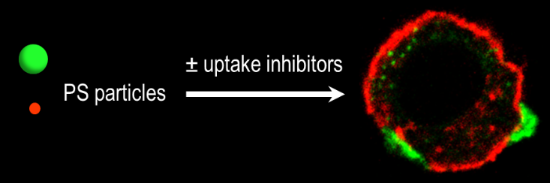
- , Switzerland) and 1% penicillin/streptomycin (Gibco, Luzern, Switzerland) and kept at 37 °C and 5% CO2. The A549 epithelial cells were split twice per week using trypsin (0.05% trypsin-EDTA, GIBCO, Switzerland). J774A.1 cells were sub-cultured using the scraping method, resuspended in the medium and finally



Donor–acceptor graphene-based hybrid materials facilitating photo-induced electron-transfer reactions
Beilstein J. Nanotechnol. 2014, 5, 1580–1589, doi:10.3762/bjnano.5.170
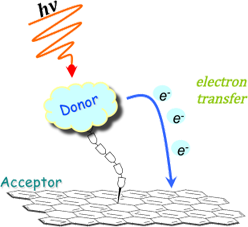
- EDTA and re-complexes after fresh addition of Fe(II) (Scheme 2). Furthermore, Fe–tpy–GO was tested as a catalyst for the oxygen reduction reaction (ORR) and found to be durable against carbon monoxide poisoning and to exhibit a higher fuel selectivity compared with commercially available Pt/C electro


Model systems for studying cell adhesion and biomimetic actin networks
Beilstein J. Nanotechnol. 2014, 5, 1193–1202, doi:10.3762/bjnano.5.131
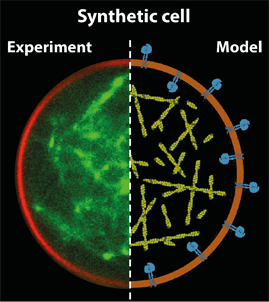
- regenerating the binding capacity of the artificial membranes by dissociating the integrin–ECM ligand complexes with ethylenediaminetetraacetate (EDTA). They concluded that integrin-functionalised membranes are well qualified as sensing devices for the detection of sensible ligand–receptor interactions. 2.2


Manipulation of isolated brain nerve terminals by an external magnetic field using D-mannose-coated γ-Fe2O3 nano-sized particles and assessment of their effects on glutamate transport
Beilstein J. Nanotechnol. 2014, 5, 778–788, doi:10.3762/bjnano.5.90
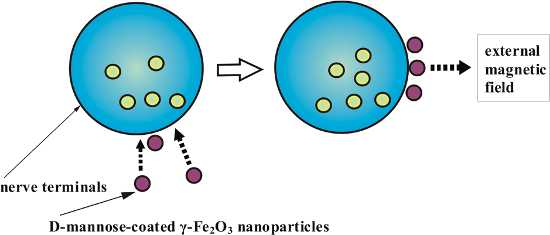
- animals were removed and homogenized rapidly in ice-cold 0.32 M sucrose, 5 mM HEPES–NaOH, pH 7.4, and 0.2 mM EDTA. The synaptosomes were prepared by differential and Ficoll-400 density gradient centrifugation of rat brain homogenate [31] with slight modifications [30]. All manipulations were performed at