


Search results
Search for "amino acids" in Full Text gives 109 result(s) in Beilstein Journal of Nanotechnology.
Preparation of alginate–chitosan–cyclodextrin micro- and nanoparticles loaded with anti-tuberculosis compounds
Beilstein J. Nanotechnol. 2016, 7, 1208–1218, doi:10.3762/bjnano.7.112
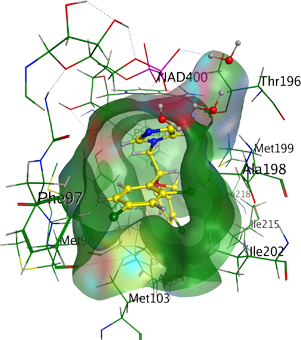
- interactions with isoconazole. Multiple hydrophobic contacts of amino acids with the inhibitor were indicated by green spheres in Figure 12b. Frontier molecular orbital analyses The analysis of specificity of the enzyme–ligand interaction is closely related to the analysis of frontier orbitals (HOMO and LUMO
- Figure 13a, the electron density of the HOMO was distributed on the atoms of the amino acid residues. Methionine amino acids and Ile215, Tyr158, Gly96, and Phe97 residues are involved in the acceptor interaction of the HOMO. In contrast, the role of frontier orbitals in the ligand–receptor interaction



Tight junction between endothelial cells: the interaction between nanoparticles and blood vessels
Beilstein J. Nanotechnol. 2016, 7, 675–684, doi:10.3762/bjnano.7.60
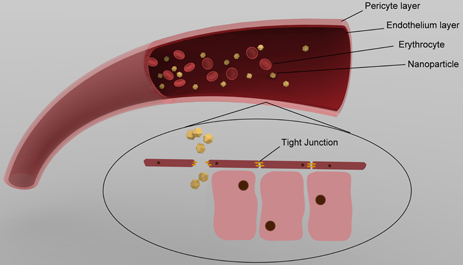
- from 21 to 63 amino acids, which may be associated with the localization of these proteins in the tight junction. However, there are only a limited number of proteins in this family that are expressed in endothelial cells, among those proteins, is claudin-5 which shows its predominant function in the

Novel roles for well-known players: from tobacco mosaic virus pests to enzymatically active assemblies
Beilstein J. Nanotechnol. 2016, 7, 613–629, doi:10.3762/bjnano.7.54
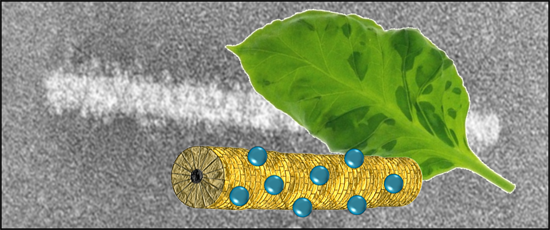
- consists of 158 amino acids. Numerous studies have investigated the self-assembly of TMV in vitro and provided many pieces of the puzzle, with most of them evidencing a bidirectional tube growth starting at an origin of assembly (OAs) site in the 3'-portion of the viral RNA [33][47], as illustrated in
- 1.11.1.9), a natural selenoenzyme: Computer-aided design identified adjacent, adequately positioned amino acids of the viral CP which offered the chance to be modified into a glutathione-attracting pocket containing a catalytic selenocysteine (Sec) moiety [133]. A corresponding project thus investigated if


Bacteriorhodopsin–ZnO hybrid as a potential sensing element for low-temperature detection of ethanol vapour
Beilstein J. Nanotechnol. 2016, 7, 501–510, doi:10.3762/bjnano.7.44
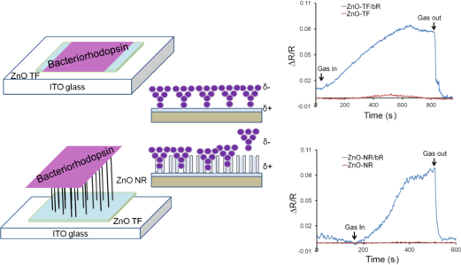
- attributed to C–O–C asymmetric stretching, O–H bending, C=C stretching and C–H bending of the retinal chromophore, amino acids and lipids [66]. Further investigation indicates a small change in the amide I vibration spectra (at 1660 cm−1) due to the C=O stretch in the skeleton and amide II vibration spectra


Organized films
Beilstein J. Nanotechnol. 2016, 7, 406–408, doi:10.3762/bjnano.7.35

- molecules such as small amino acids, which allow fundamental and still open issues to be addressed about the subtle interplay between molecule–molecule and molecule–substrate interactions in determining the molecular networking at surfaces [27][28][29]. These few notes introduce this Thematic Series, which
Early breast cancer screening using iron/iron oxide-based nanoplatforms with sub-femtomolar limits of detection
Beilstein J. Nanotechnol. 2016, 7, 364–373, doi:10.3762/bjnano.7.33
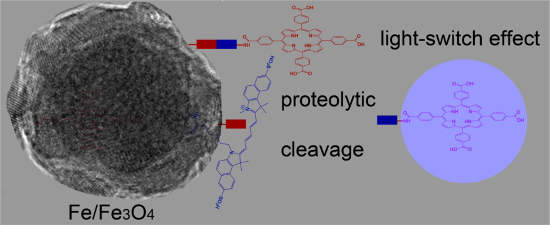
- ://www.lifetein.com/peptide-analysis-tool.html). Essential amino acids of the consensus sequences are bold. Supporting Information Supporting Information File 68: Determination of matrix effects on the observed fluorescence intensities of the nanoplatforms, relative error from 10 repetitive protease measurements


Single pyrimidine discrimination during voltage-driven translocation of osmylated oligodeoxynucleotides via the α-hemolysin nanopore
Beilstein J. Nanotechnol. 2016, 7, 91–101, doi:10.3762/bjnano.7.11
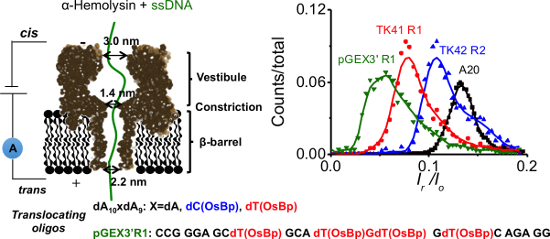
- bases by amino acids or by PEGylation [33][34][35], assessing the specific current level sensed by the pore for each possible sequence in order to create a complete data set of current signatures [36], and the use of improved bioinformatic tools [37][38]. Incorporation of a processing enzyme, phi29 DNA



Ultrastructural changes in methicillin-resistant Staphylococcus aureus induced by positively charged silver nanoparticles
Beilstein J. Nanotechnol. 2015, 6, 2396–2405, doi:10.3762/bjnano.6.246
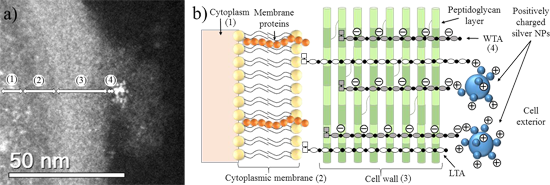
- permeability [38]. After penetrating the cell membrane, AgNPs can also alter sulfur-containing amino acids and phosphorus (a main constituent of DNA), inhibiting replication via attaching to the bacterial ribosome [39][40]. The proteomic signatures of AgNP-treated E. coli demonstrated an accumulation of


Green and energy-efficient methods for the production of metallic nanoparticles
Beilstein J. Nanotechnol. 2015, 6, 2354–2376, doi:10.3762/bjnano.6.243
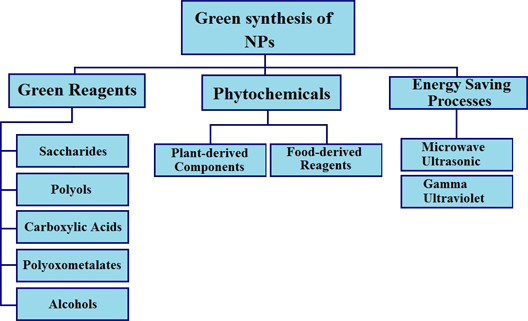
- their FTIR results, different sugars, amino acids and fatty acids are responsible for the stabilization processes. They also observed that by changing the concentration of precursor, one can obtain NPs with average particle diameter from 7.8 to 4.8 nm [89]. Polyols Shameli et al. used polyethylene
- Ag ions during process [66]. Kumar et al. used amino acid based phenolic compounds as reducer and stabilizer for production of Ag NPs from AgNO3 at room temperature. They stated that amino acids have reactive hydroxyl groups and their structural variations can result in the production of spherical


Au nanoparticle-based sensor for apomorphine detection in plasma
Beilstein J. Nanotechnol. 2015, 6, 2224–2232, doi:10.3762/bjnano.6.228
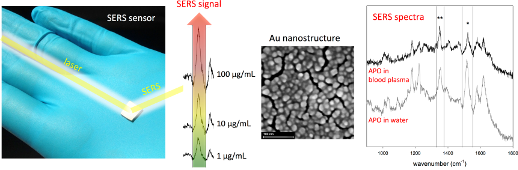
- regions where the SERS spectrum of blood plasma does not display any characteristic band. Using the near-infrared excitation at 785 nm, the spectra are dominated by protein bands with broad amide bands at 1650 cm−1 (amide I) and 1250 cm−1 (amide III), and sharp bands due to aromatic amino acids at 1004 cm


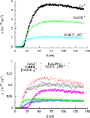
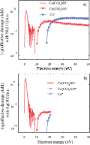
The role of low-energy electrons in focused electron beam induced deposition: four case studies of representative precursors
Beilstein J. Nanotechnol. 2015, 6, 1904–1926, doi:10.3762/bjnano.6.194
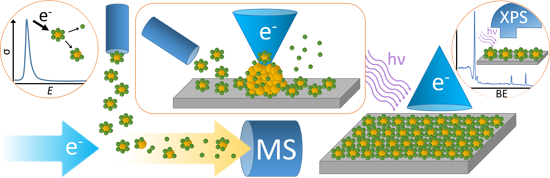
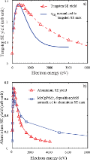
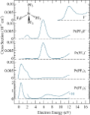
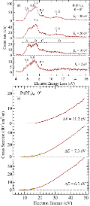
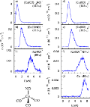
- attachment leads to the formation of neutral HF, which in turn releases the 5.9 eV HF BDE [37] and promotes further fragmentation of the parent molecule. This is also observed for other molecules such as the amino acids glycine [38] and valine [39], and hexafluoroacetone azine [40], wherein the formation of








Atomic force microscopy as analytical tool to study physico-mechanical properties of intestinal cells
Beilstein J. Nanotechnol. 2015, 6, 1457–1466, doi:10.3762/bjnano.6.151
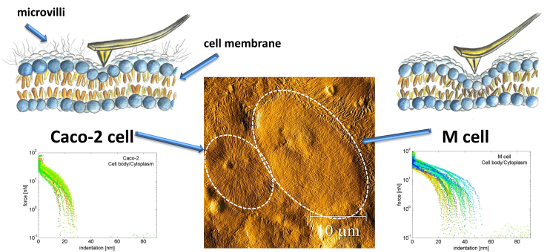
- University of Graz, Austria) and were grown in RPMI 1640 medium supplemented with 10% fetal bovine serum (FBS) (Invitrogen GmbH, Darmstadt, Germany), 1% non-essential amino acids (NEAA) (Invitrogen GmbH, Darmstadt, Germany), 1% L-glutamine (Invitrogen GmbH, Darmstadt, Germany) and 1% penicillin and


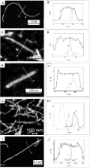
Peptide-equipped tobacco mosaic virus templates for selective and controllable biomineral deposition
Beilstein J. Nanotechnol. 2015, 6, 1399–1412, doi:10.3762/bjnano.6.145
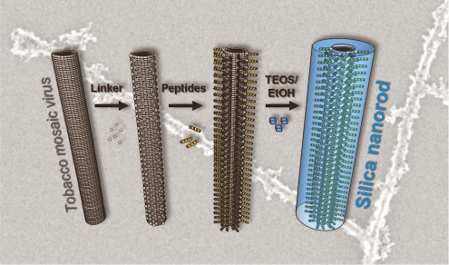
- [53][54], or into particles fashioned evenly with mixtures of two or more functional groups at predefined ratios [51]. To vary and control the deposition of inorganic minerals on TMV templates, extensive modifications of the surface amino acids are desirable. They enable defined alterations of the
- modification of the TMV–CP sequence is, however, limited in view of the extent of alteration tolerated by virus particles upon their multiplication in plants, regarding number and composition of exchanged or inserted amino acids. In addition, high-throughput screening of different surface-expressed peptides is
- tetraethylorthosilicate, TEOS) in alcohol-containing media (see Figure 1 for the mechanistic scheme). Obviously, the viral coating (which exhibits patches of both positively and negatively charged amino acids in nanometric vicinity to each other) is prone to silica deposition by itself. Concomitant with silicification




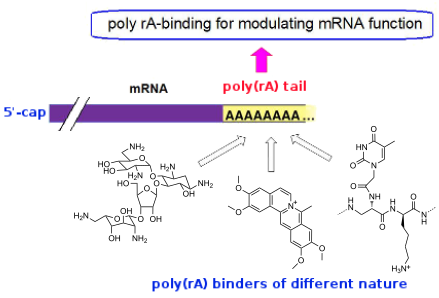
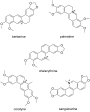
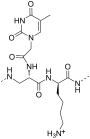
Natural and artificial binders of polyriboadenylic acid and their effect on RNA structure
Beilstein J. Nanotechnol. 2015, 6, 1338–1347, doi:10.3762/bjnano.6.138
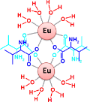
- structures of adducts formed between amino acids and europium metal ions, was investigated for the first time. In particular, a L-valine-europium complex (Figure 12) proved to be able to bind both the DNA and RNA molecules studied by the authors. Interestingly, this complex was able to induce self-structure





Fulleropeptide esters as potential self-assembled antioxidants
Beilstein J. Nanotechnol. 2015, 6, 1065–1071, doi:10.3762/bjnano.6.107
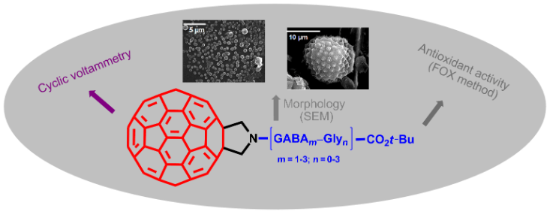
- -assembly has been observed. Here, cryo-transmission electron microscopy [14] and SEM [15] experiments on aqueous solutions of fullerene-based amino acids and peptides confirmed their strong aggregation behavior and formation of spherical and ellipsoidal clusters. In the area of biological applications, a
- described the synthesis and provided a thorough spectral characterization of a series of fulleropeptide tert-butyl esters (2–12, Figure 1) consisting of two aliphatic amino acids, γ-aminobutyric acid (GABA) and glycine (Gly), using fulleropyrrolidinic ester 1 as a starting compound. In continuation of our


Morphology control of zinc oxide films via polysaccharide-mediated, low temperature, chemical bath deposition
Beilstein J. Nanotechnol. 2015, 6, 799–808, doi:10.3762/bjnano.6.83
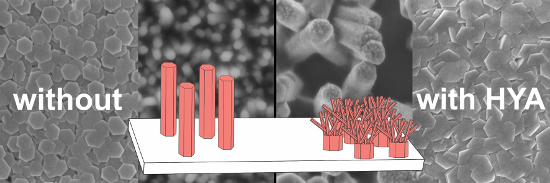
- (malate) [36], ascorbate [37], diaminopropane [38], hexadecyl(trimethyl)azanium bromide (CTAB) [39], and block copolymers [40] have been used for this purpose, in addition to naturally occurring amino acids and peptides [41], which have already been successfully applied in this respect. We recently




Functionalization of α-synuclein fibrils
Beilstein J. Nanotechnol. 2015, 6, 124–133, doi:10.3762/bjnano.6.12
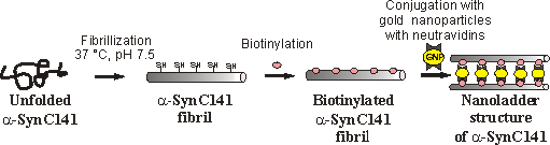
- ]. α-Syn has an unfolded C-terminal region and the NAC region (amino acids 61–95) that is responsible for aggregation. It was also demonstrated that the C-terminal is very important in the oligomerization process [47] and has a chaperone-like activity [11]. Therefore, a α-SynC141 mutant with one


Chemoselective silicification of synthetic peptides and polyamines
Beilstein J. Nanotechnol. 2015, 6, 103–110, doi:10.3762/bjnano.6.10
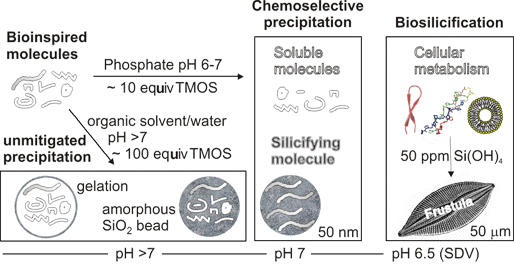
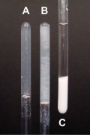
- by 1H NMR. The polyamines 1, 2, and 3 have increasing numbers of 4, 5 and 11 basic nitrogens. Peptide 4 is a simplified sequence derived from the silaffins and bears 6 primary amines. Amino acids are characterized by the one-letter code (S Serin, K Lysin, G Glycin, Y Tyrosine). Toxine 5 is the




Synthesis of boron nitride nanotubes and their applications
Beilstein J. Nanotechnol. 2015, 6, 84–102, doi:10.3762/bjnano.6.9
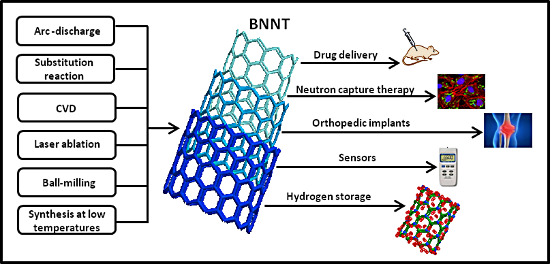
- interaction with the surface of the BNNTs. This study provides a deeper understanding into the nature of the interactions of amino acids (and perhaps similar molecules) with surface of the BNNTs [68]. The interaction of a peptide, HWSAWWIRSNQS, with BNNTs was studied using AFM [69]. It was found that the




Coating with luminal gut-constituents alters adherence of nanoparticles to intestinal epithelial cells
Beilstein J. Nanotechnol. 2014, 5, 2308–2315, doi:10.3762/bjnano.5.239
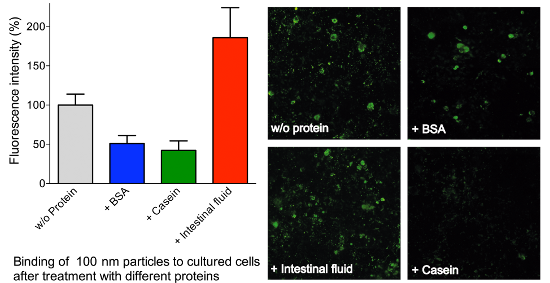
- acids representative for an alimentary peptide source, we noticed that this seemed to have no substantial effect on the adherence of NPs to the cells, only with the 20 nm NPs slightly higher fluorescence intensities were measured (Figure 2A). Individual peptides and amino acids of this extract do
- showed that the decrease in fluorescence at the cell surface was not associated with an increased fluorescence inside the cells, indicating that the protein coat had not led to an enhanced NP uptake by the cells. When analyzing the effect of NP treatment with meat extract, a mixture of peptides and amino



Biopolymer colloids for controlling and templating inorganic synthesis
Beilstein J. Nanotechnol. 2014, 5, 2129–2138, doi:10.3762/bjnano.5.222
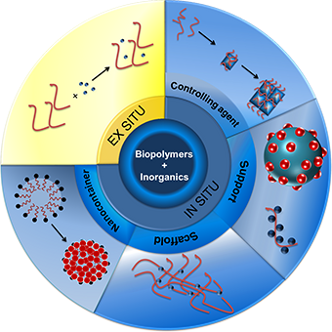
- find starch [13][14], different cellulose derivatives [15], dextran [16], pectin [17], alginate [18], and poly(amino acids) or proteins [19][20][21][22][23][24][25][26][27][28][29]. Researchers in the biomineralization field very often extract proteins from biological matter and use them for the ex
- to the surface of colloidal particles. In this sense, Krattiger et al. [44] reported the morphogenesis of CaCO3 and DL-alanine crystals in the presence of polystyrene beads functionalized with synthetic peptides with different amino acids and oligopeptides. B. Biopolymers as “supports” B1. Molecular


Real-time monitoring of calcium carbonate and cationic peptide deposition on carboxylate-SAM using a microfluidic SAW biosensor
Beilstein J. Nanotechnol. 2014, 5, 1823–1835, doi:10.3762/bjnano.5.193
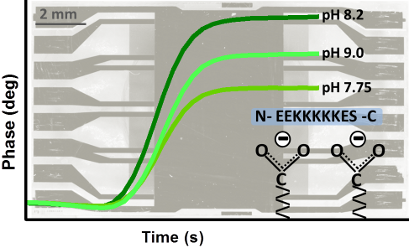
- -lysine core (N-EEKKKKKES-C vs N-AKKKKKAS-C) interact with carboxylates on the SAM-biosensor chip surface in a different way. The presence of the glutamic acid residues stabilizes the mode of interaction with the charged surface. When lysine residues are flanked by neutral amino acids, the interaction


Donor–acceptor graphene-based hybrid materials facilitating photo-induced electron-transfer reactions
Beilstein J. Nanotechnol. 2014, 5, 1580–1589, doi:10.3762/bjnano.5.170
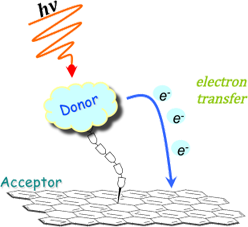
- to introduce fused pyrrolidine rings into the skeleton of graphene [38]. Azomethine ylides are organic 1,3-dipoles possessing a carbanion next to an iminium ion and can be readily produced upon decarboxylation of the iminium salts derived from the condensation of α-amino acids with aldehydes or


Synthesis of hydrophobic photoluminescent carbon nanodots by using L-tyrosine and citric acid through a thermal oxidation route
Beilstein J. Nanotechnol. 2014, 5, 1513–1522, doi:10.3762/bjnano.5.164
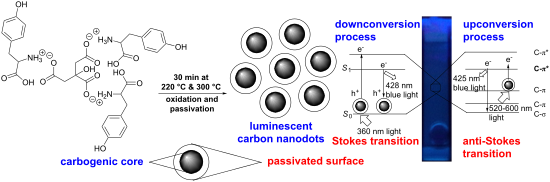
- ]. The as-prepared CNDs are hydrophilic in nature. There are some synthetic routes by using citric acid and some surface passivating agents like L-lysine [15], ethanolamine [20], betaine [21] to obtain hydrophilic CNDs through thermal oxidation in air. Amino acids like histidine, arginine, threonine, and






Protein-coated pH-responsive gold nanoparticles: Microwave-assisted synthesis and surface charge-dependent anticancer activity
Beilstein J. Nanotechnol. 2014, 5, 1452–1462, doi:10.3762/bjnano.5.158
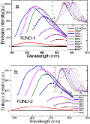
- . Whereas at acidic, neutral and basic pH conditions, different colored dispersions were observed, and detailed studies on their size and shape are in progress. Hence, varying the pH of the protein solution modifies the structural confirmation of the protein, which alters the native state of the amino acids
- , respectively. Based on these results, we speculate that there were no major structural deformations for LYS and HIS. However, OVA and BSA, which are globular proteins, may have unpacked into a linear chain, thereby exposing other amino acids that could absorb in the UV region and thus increasing the UV
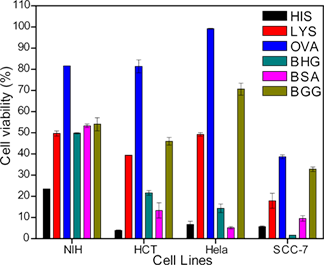
- amino acids could be responsible for the formation of AuNPs. The percentage of hydrophobic residues (HR), aromatic residues (ArR), polar residues (PR), acidic residues (AcR), basic residues (BR), and charged residues (CR) contained in each protein was calculated and compared with the intensities of the





