


Search results
Search for "antioxidant" in Full Text gives 90 result(s) in Beilstein Journal of Nanotechnology.
Voltammetric determination of polyphenolic content in pomegranate juice using a poly(gallic acid)/multiwalled carbon nanotube modified electrode
Beilstein J. Nanotechnol. 2016, 7, 1104–1112, doi:10.3762/bjnano.7.103
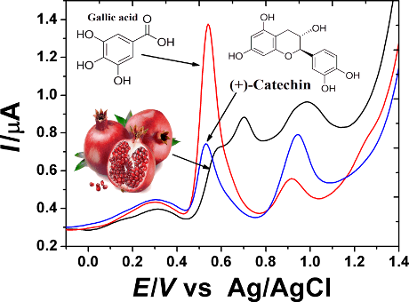
- attributed to the oxidation of different polyphenolic compounds, including GA and CAT, as judged from a comparison of their voltammetric response. Thus, it can be concluded that the first wave may dominate the response of GA. Gallic acid is one of the most common references for evaluation of the antioxidant


Unraveling the neurotoxicity of titanium dioxide nanoparticles: focusing on molecular mechanisms
Beilstein J. Nanotechnol. 2016, 7, 645–654, doi:10.3762/bjnano.7.57
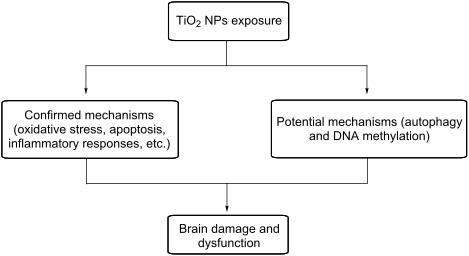
- . This was accompanied by elevated levels of ROS, MDA, constitutive nitric oxide synthase (cNOS), induced nitric oxide synthase (iNOS), and nitric oxide (NO), and inhibited activities of SOD, CAT, ascorbate peroxidase (APX), glutathione peroxidase (GSH-Px), total antioxidant capacity (T-AOC), and AChE
- , in the hippocampal area. Meanwhile, the ROS levels were enhanced, and the activities of antioxidant enzymes such as SOD, CAT, ascorbate peroxidase (Apx), and GSH-Px were inhibited. In addition, the ratios of AsA to DAsA and GSH to GSSG were decreased. These changes suggested that apoptosis and OS
Green and energy-efficient methods for the production of metallic nanoparticles
Beilstein J. Nanotechnol. 2015, 6, 2354–2376, doi:10.3762/bjnano.6.243
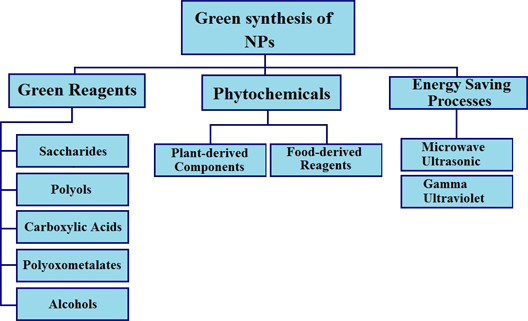
- preventive or protective properties with regard to human health. They are not essential for the human body to survive but they can act as antioxidant, enzyme stimulator, or antibacterial agent, and they can interfere with DNA to prevent the multiplication of cancer cells. Researchers found that several


Green synthesis, characterization and catalytic activity of natural bentonite-supported copper nanoparticles for the solvent-free synthesis of 1-substituted 1H-1,2,3,4-tetrazoles and reduction of 4-nitrophenol
Beilstein J. Nanotechnol. 2015, 6, 2300–2309, doi:10.3762/bjnano.6.236
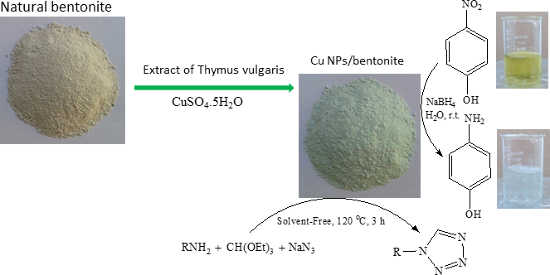
- , the use of plants as a natural and biological source for biosynthesis of nanoparticles should be explored. Common thyme with the scientific name Thymus vulgaris is one of the plants indigenous to Iran which is valued for its antiseptic and antioxidant properties [19]. Thymol (1), carvacrol (2), p


Electrochemical behavior of polypyrrol/AuNP composites deposited by different electrochemical methods: sensing properties towards catechol
Beilstein J. Nanotechnol. 2015, 6, 2052–2061, doi:10.3762/bjnano.6.209
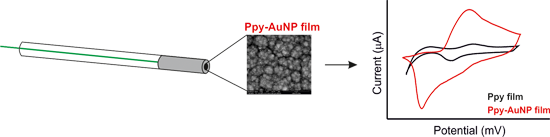
- detection of phenolic compounds, which are strong antioxidant reagents present in foods, with beneficial effects on human health [23]. As phenols are electroactive compounds, they can be detected by amperometric or voltammetric techniques using graphite or platinum electrodes [24][25][26]. In addition
- based on electrodeposited Ppy/AuNps for the detection of catechol (an antioxidant of interest in the food industry) and to evaluate the influence of the electrodeposition method in their performance. For this purpose Ppy/AuNp films doped with 1-decanesulfonic acid (DSA) were deposited using different


Fulleropeptide esters as potential self-assembled antioxidants
Beilstein J. Nanotechnol. 2015, 6, 1065–1071, doi:10.3762/bjnano.6.107
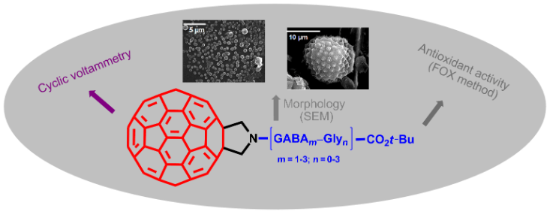
- delocalization of the π-electronic system over the C60 sphere, its antioxidant capacity remained high for all twelve derivatives. The compounds expressed up to two-fold and 5–12-fold better peroxide quenching capacity as compared to pristine C60 and standard antioxidant vitamin C, respectively. During
- precipitation and slow evaporation of the solvent, all compounds underwent spontaneous self-assembly giving ordered structures. The size and morphology of the resulting particles depend primarily on the sample concentration, and somewhat on the side chain structure. Keywords: antioxidant activity; cyclic
- , Keller et al. [18] reported the synthesis of fullerenedihydropyrrole cationic peptides, which did not show antibacterial activity. Neuroprotective and antioxidant properties are based on the fact that fullerene derivatives possess an extended π-bond system, with high electron and free-radical species


Novel ZnO:Ag nanocomposites induce significant oxidative stress in human fibroblast malignant melanoma (Ht144) cells
Beilstein J. Nanotechnol. 2015, 6, 570–582, doi:10.3762/bjnano.6.59
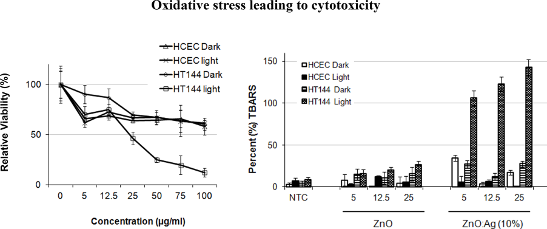
- up-regulation of the antioxidant defense system as a possible mechanism for the enhanced cytotoxicity by ZnO:Ag NPs. These findings show that the incorporation of Ag in the nanocomposites substantially enhances the photo-oxidative effect and anticancer activity of the NPs. The presence of Ag




Release behaviour and toxicity evaluation of levodopa from carboxylated single-walled carbon nanotubes
Beilstein J. Nanotechnol. 2015, 6, 243–253, doi:10.3762/bjnano.6.23
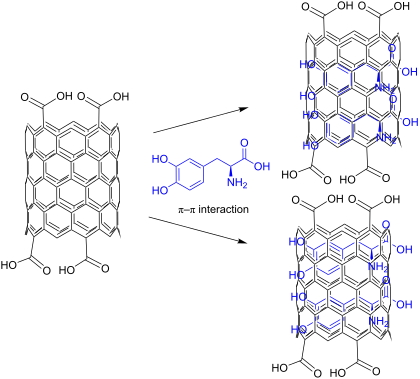
- Mytilineou et al. [30], where the LD exposed to mesencephalic cultures at 72 h of treatment was associated with a dose-dependent reduction in cell survival. The authors attributed the potential toxicity of LD to the decreased antioxidant capacity in the limited environment of the cell culture that makes the




Interaction of dermatologically relevant nanoparticles with skin cells and skin
Beilstein J. Nanotechnol. 2014, 5, 2363–2373, doi:10.3762/bjnano.5.245
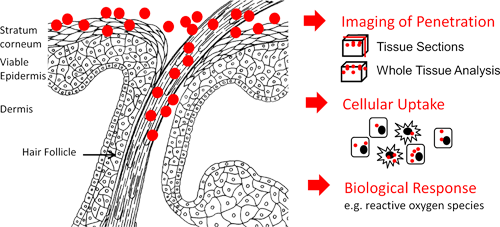
- antioxidant levels as indicators of oxidative stress [16], it is now increasingly being used to study particle–skin interactions [17][18]. Yet, not all particle types are equally suited for such investigations. In the following, we report our results on confocal Raman microscopy for analyzing the skin


Liquid-phase exfoliated graphene: functionalization, characterization, and applications
Beilstein J. Nanotechnol. 2014, 5, 2328–2338, doi:10.3762/bjnano.5.242
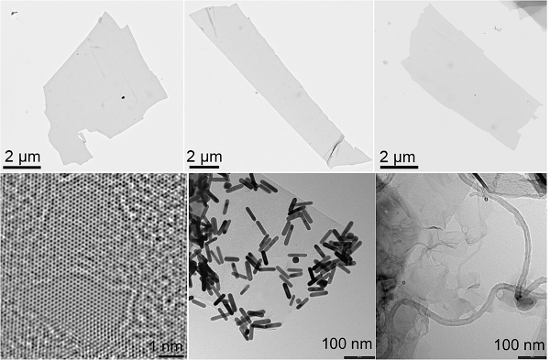
- graphene close to the defects and at the edges. Under prolonged periods of ultrasonication, the oxidation can cut graphene sheets into small pieces. A well-known strategy to mitigate the damage induced by radicals in different biological processes is through the addition of antioxidant. Following this
- approach, the ultrasonication of graphite upon addition of N-(2-mercaptopropionyl)glycine (tiopronin) was reported [9]. Tiopronin is an antioxidant molecule that traps electrons, radicals and peroxides. The ultrasonication of graphite in the presence of tiopronin produced larger graphene layers as compared
- produces dispersions of larger graphene sheets of higher concentration than common ultrasonication in DMF. With this, it was demonstrated that the use of antioxidant molecules during ultrasonication treatments reduces the damage caused by radicals and other oxidizing chemical species, attacking mainly the




Nanobioarchitectures based on chlorophyll photopigment, artificial lipid bilayers and carbon nanotubes
Beilstein J. Nanotechnol. 2014, 5, 2316–2325, doi:10.3762/bjnano.5.240
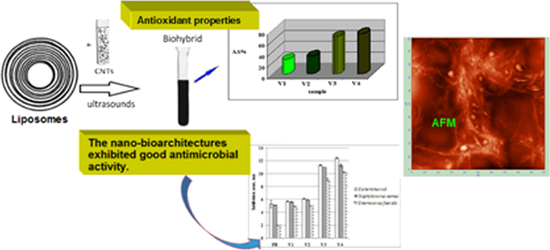
- stability, good antioxidant and antimicrobial properties, and could be used as biocoating materials. As compared to the cholesterol-free samples, the cholesterol-containing hybrid structures demonstrated better stability (i.e., their zeta potential reached the value of −36.4 mV), more pronounced oxygen
- radical scavenging ability (affording an antioxidant activity of 73.25%) and enhanced biocidal ability, offering inhibition zones of 12.4, 11.3 and 10.2 mm in diameter, against Escherichia coli, Staphylococcus aureus and Enterococcus faecalis, respectively. Keywords: antibacterial activity; antioxidant
- largely used as drug delivery vehicles, showing potential in targeting specific cancer cells [18] with a necessary dosage lower than conventional drugs, without harming healthy cells and significantly reduced side effects. Another interesting property of carbon nanotubes is their antioxidant activity


PVP-coated, negatively charged silver nanoparticles: A multi-center study of their physicochemical characteristics, cell culture and in vivo experiments
Beilstein J. Nanotechnol. 2014, 5, 1944–1965, doi:10.3762/bjnano.5.205

- nanoparticles neither caused toxicity nor oxidative stress, while an incubation for 4 h with 100 µM (10.8 µg mL−1) silver in the form of silver nitrate strongly damaged cultured astrocytes and deprived these cells almost completely of the important antioxidant glutathione [108]. The high resistance of cultured


Precise quantification of silica and ceria nanoparticle uptake revealed by 3D fluorescence microscopy
Beilstein J. Nanotechnol. 2014, 5, 1616–1624, doi:10.3762/bjnano.5.173
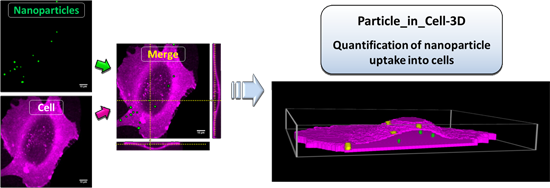
- , several investigations showed that the toxicity increases with decreasing particle sizes, increasing doses and longer exposure times [14][15][16]. In the case of ceria nanoparticles, very contradictory findings have been reported. On the one hand, the anti-inflammatory, antioxidant and radio-protective


Mimicking exposures to acute and lifetime concentrations of inhaled silver nanoparticles by two different in vitro approaches
Beilstein J. Nanotechnol. 2014, 5, 1357–1370, doi:10.3762/bjnano.5.149
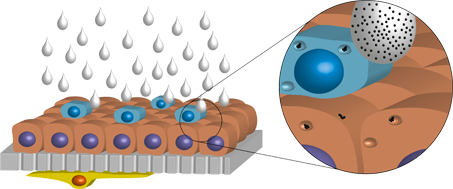
- , increased levels of oxidative stress and reactive oxygen species (ROS) were detected over a time period of 48 h [22][25][26]. Environmental stressors trigger the production of intracellular ROS, which can overwhelm the cellular antioxidant defence system. ROS can cause DNA damage, which results in the



Glassy carbon electrodes modified with multiwalled carbon nanotubes for the determination of ascorbic acid by square-wave voltammetry
Beilstein J. Nanotechnol. 2012, 3, 388–396, doi:10.3762/bjnano.3.45
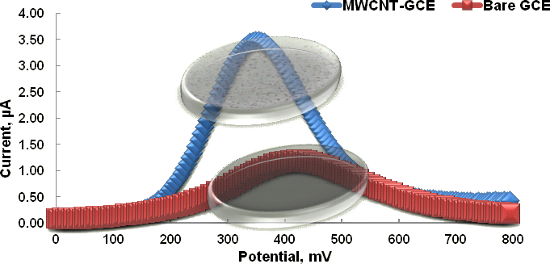
- no significant difference (P = 0.05). Keywords: ascorbic acid; carbon nanotubes; glassy carbon electrode; square-wave voltammetry; Introduction L-ascorbic acid (AA), also known as vitamin C, is a well-known antioxidant, which helps the human body to reduce oxidative damage and protects food quality
- -wave voltammetry (SWV), have been employed as alternative tools for the evaluation of antioxidant activity [8]. These methods are attractive because of the speed of analysis, simplicity and low cost of the instrumental requirements. Ascorbic acid oxidation at a bare glassy carbon electrode (GCE





