


Search results
Search for "cross-linking" in Full Text gives 133 result(s) in Beilstein Journal of Nanotechnology.
Oxidative stabilization of polyacrylonitrile nanofibers and carbon nanofibers containing graphene oxide (GO): a spectroscopic and electrochemical study
Beilstein J. Nanotechnol. 2017, 8, 1616–1628, doi:10.3762/bjnano.8.161
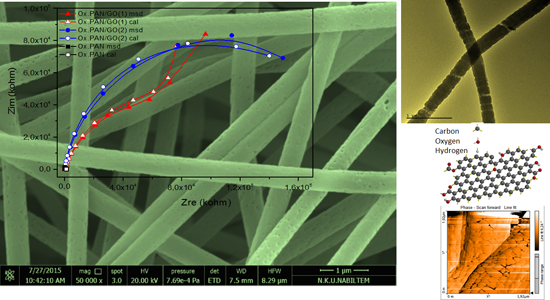
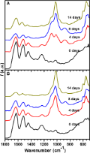
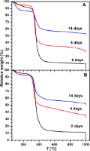
- PAN nanofiber web causes a deviation in the oxidation ratio values compared to pure PAN. GO acts via ionic mechanism in the oxidation step and improves the conversion of C≡N bonds to C=N, C=C and N–H [35][42][43]. During the stabilization process, the cyclization of the nitrile groups and cross
- -linking of the chain molecules is followed by dehydrogenation [38]. This reaction promotes the creation of a ladder structure from the linear molecule [36][38][44]. Ladder-structure polymers are thermally more stable than linear polymers, because the structure prevents them from melting at higher


Evaluation of quantum dot conjugated antibodies for immunofluorescent labelling of cellular targets
Beilstein J. Nanotechnol. 2017, 8, 1238–1249, doi:10.3762/bjnano.8.125
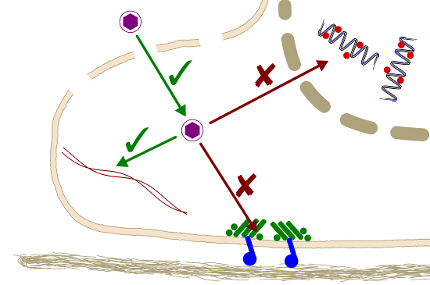
- most likely due to the size of the Qdot-Abs, leading to steric hindrance and limited access to certain epitopes. Additionally, if cross-linking of the target protein has occurred, Qdot 625 aggregates may restrict access to the epitope and thus affect the specific labelling of these proteins [36




Vapor-phase-synthesized fluoroacrylate polymer thin films: thermal stability and structural properties
Beilstein J. Nanotechnol. 2017, 8, 933–942, doi:10.3762/bjnano.8.95
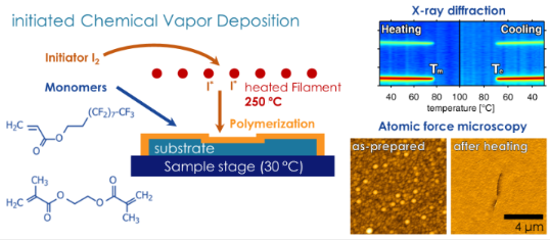
- hydrophobicity of cross-linked p-PFDA films was preserved likely because of the lack of internal strain due to the coexistence of both crystalline and amorphous phases. The possibility to finely tune the degree of cross-linking can therefore expand the application portfolio in which PFDA polymers can be utilized
- hysteresis between advancing and receding contact angle [14]. The advantage of cross-linking with EGDMA is the elimination of the annealing step, resulting in a cross-linked film already in the as-deposited form. The thermal stability of the thin films was evaluated by ellipsometry, Fourier transform
- micrometers to monolayers [15][16]. Experimental The monomer precursor 1H,1H,2H,2H-perfluorodecyl acrylate (PFDA, purity 97%), the cross-linking agent ethylene glycol dimethacrylate (EGDMA, purity 98%) and the initiator tert-butyl peroxide (TBPO, purity 98%) were purchased from Sigma-Aldrich (Germany) and


The role of 2D/3D spin-polarization interactions in hybrid copper hydroxide acetate: new insights from first-principles molecular dynamics
Beilstein J. Nanotechnol. 2017, 8, 857–860, doi:10.3762/bjnano.8.86
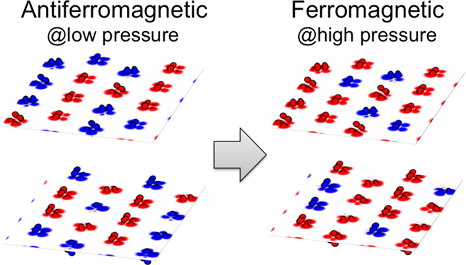
- difference increases upon compression whereas for S = 8 the difference decreases. The cross-linking between these two trends, at about the AF-to-F transition pressure, suggests that the driving force to induce this transition is the tendency of the system to acquire equal values of finite spin polarization


Recombinant DNA technology and click chemistry: a powerful combination for generating a hybrid elastin-like-statherin hydrogel to control calcium phosphate mineralization
Beilstein J. Nanotechnol. 2017, 8, 772–783, doi:10.3762/bjnano.8.80
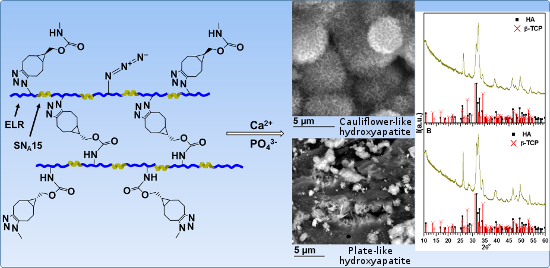
- correct sequence, and the clickable ELR-based hydrogels studied herein are no exception. This process starts with the gene design, using recombinant DNA technology, and finishes with the final purification steps. The recombinamers are then chemically modified to enable their cross-linking to form a
- , forming fibrillar structure of several hundred nanometres in diameter [47]. Thus, the SEM micrographs (Figure 2 and Supporting Information File 1, Figure S7) clearly show that the chains after cross-linking inside the IK24 and H3AH3 hydrogels are composed of thin, rather homogeneous, fibres that often
- acid residues along the ELR chain in a regular manner. These lysine amino acid residues are easily modified with cyclooctyne and azide groups (Figure 1, Supporting Information File 1, Figures S1–S6). Moreover, the cross-linking reaction is easily performed in water, which is an important condition for



Investigation of the photocatalytic efficiency of tantalum alkoxy carboxylate-derived Ta2O5 nanoparticles in rhodamine B removal
Beilstein J. Nanotechnol. 2017, 8, 604–613, doi:10.3762/bjnano.8.65
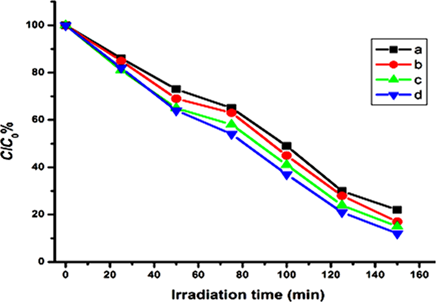
- down their replacement by –OH groups. This can be achieved by the longer or more branched alkyl groups of –OR, or by replacing alkoxo ligands with chelating groups. As a result, a homogenous gel is obtained with a lesser extent of cross-linking. Bidentate complexing ligands (BL) are usually employed in
- CCl3). The peaks at 2θ values 22.88, 28.77, 36.66, 46.64 and 55.60° correspond to (001), (100), (101), (002) and (102) crystallographic planes of the orthorhombic phase of Ta2O5 [19]. The reason behind this observation can be attributed to the fact that the cross-linking of the gel is reduced in


Tailoring bifunctional hybrid organic–inorganic nanoadsorbents by the choice of functional layer composition probed by adsorption of Cu2+ ions
Beilstein J. Nanotechnol. 2017, 8, 334–347, doi:10.3762/bjnano.8.36
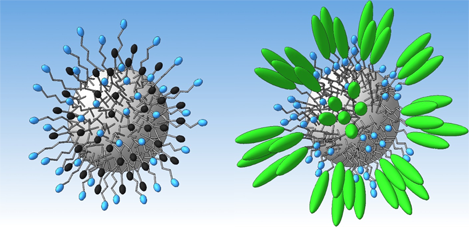
- Q4 structural units decreased. This might indicate lower degree of cross-linking in the polysiloxane networks in the particles. The most broadly used technique for the preparation of aminoalkyl functionalized silica has been, however, the surface modification of pre-produced nanoparticles with


Functionalized TiO2 nanoparticles by single-step hydrothermal synthesis: the role of the silane coupling agents
Beilstein J. Nanotechnol. 2017, 8, 304–312, doi:10.3762/bjnano.8.33
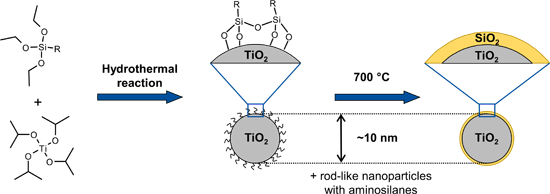
- nanoparticles (Degussa P-25) [14]. They concluded that the silane coupling agents covalently bond onto the surface of TiO2 nanoparticles. Using a mixture of isomeric octyltriethoxysilanes (OTES), Milanesi et al. focused on the structure of the hydrophobic layer and proposed that cross-linking (via Si–O–Si bonds
- ) and chemical bonding (via Ti–O–Si bonds) of silanes onto TiO2 nanoparticles occurred [16]. Later, Zhao et al. detailed the cross-linking and chemical bonding mechanisms of APTMS and 3-isocyanatopropyltrimethoxysilane on TiO2 nanoparticles [15]. A contact angle of about 150° for water was measured



Flexible photonic crystal membranes with nanoparticle high refractive index layers
Beilstein J. Nanotechnol. 2017, 8, 203–209, doi:10.3762/bjnano.8.22
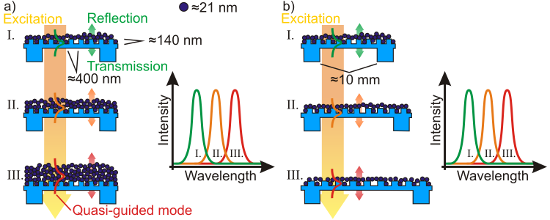
- is non-toxic, biocompatible and may be used for mass production in medical applications [17][18]. The mixture is cured by an organometallic cross-linking reaction that is promoted by heat resulting in an amorphous network of polymer chains. The random PDMS coils are 0.7 nm in diameter and have a


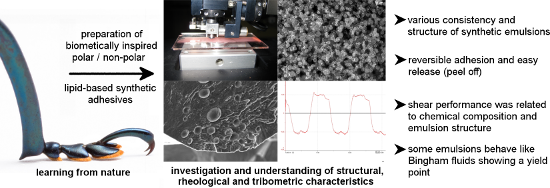
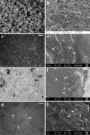
Structural and tribometric characterization of biomimetically inspired synthetic "insect adhesives"
Beilstein J. Nanotechnol. 2017, 8, 45–63, doi:10.3762/bjnano.8.6


Effect of nanostructured carbon coatings on the electrochemical performance of Li1.4Ni0.5Mn0.5O2+x-based cathode materials
Beilstein J. Nanotechnol. 2016, 7, 1960–1970, doi:10.3762/bjnano.7.187
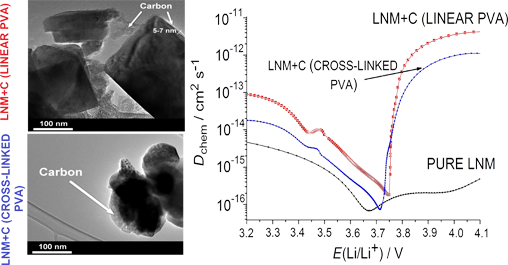
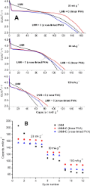
- synthesis technique (additional stage of thermal cross-linking of PVA) leads to LNM/C composites with different properties of the carbon coatings, including a different micro-/nanomorphology and a different ratio of sp2- to sp3-hybridized carbon. The last feature is also confirmed by the different integral



Chitosan-based nanoparticles for improved anticancer efficacy and bioavailability of mifepristone
Beilstein J. Nanotechnol. 2016, 7, 1861–1870, doi:10.3762/bjnano.7.178
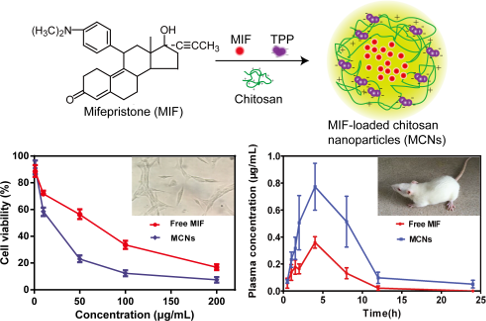
- decreases. In the same way, we found the TPP concentration also has a great effect on EE and DL of MCNs. With the increase of the TPP concentration, the EE and DL of MCNs dropped significantly. This could be due to the increased reaction degree between Cs and TPP, leading to cross-linking of nanoparticles


Numerical investigation of depth profiling capabilities of helium and neon ions in ion microscopy
Beilstein J. Nanotechnol. 2016, 7, 1749–1760, doi:10.3762/bjnano.7.168
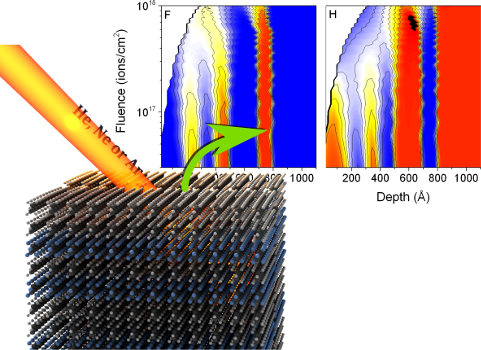
- functional groups and cross-linking and the formation of “pre-carbon” structures. Next, the nucleation and growth of carbon-enriched structures is observed, followed by the aggregation of carbon clusters up to formation of quasi-continuous carbon-rich buried layer forming a network of conjugated bonds


Nano- and microstructured materials for in vitro studies of the physiology of vascular cells
Beilstein J. Nanotechnol. 2016, 7, 1620–1641, doi:10.3762/bjnano.7.155
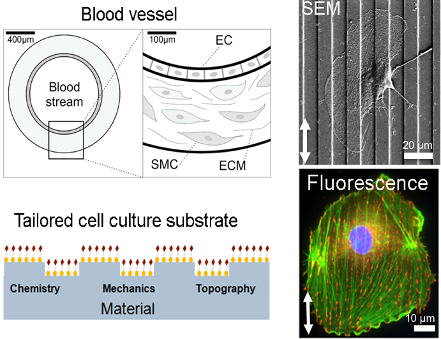
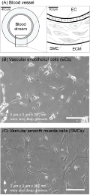
- and water content of the gel [114]. In the elastomer polymer, only the cross-linking density is varied. The stiffness of PDMS is modified by altering the ratio between monomer and curing agent, curing temperature, and curing time [114][115][166]. The Young’s modulus of PDMS can vary from 0.1 kPa [114



Reasons and remedies for the agglomeration of multilayered graphene and carbon nanotubes in polymers
Beilstein J. Nanotechnol. 2016, 7, 1174–1196, doi:10.3762/bjnano.7.109
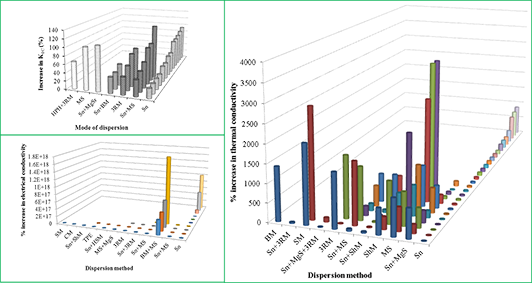
- direct relation to the quantity of acetone used to produce epoxy samples [50]. The degraded mechanical properties may be associated with a restriction of the cross-linking process and a variation in cure kinetics due to the residual organic solvent [51]. Hong and Wu reported that the residuum of organic


Experimental and simulation-based investigation of He, Ne and Ar irradiation of polymers for ion microscopy
Beilstein J. Nanotechnol. 2016, 7, 1113–1128, doi:10.3762/bjnano.7.104
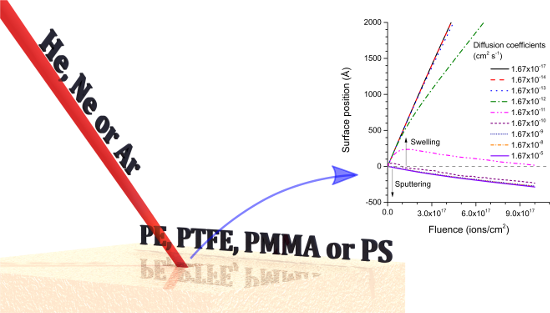
- chain scission, cross-linking as well as carbonization of the target. For the multiple impacts, larger molecular fragments (up to C36H69) and a smaller H to C ratio was observed. These results show that different species are not necessarily sputtered in the ratio as present in the sample, which may lead


Novel roles for well-known players: from tobacco mosaic virus pests to enzymatically active assemblies
Beilstein J. Nanotechnol. 2016, 7, 613–629, doi:10.3762/bjnano.7.54
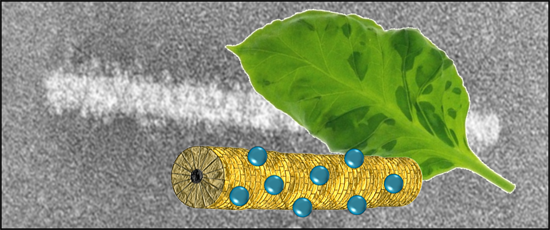
- towards a better handling of fully active enzyme preparations. A broad range of different immobilization methods is applied, ranging from protein adsorption, covalent coupling, entrapment and encapsulation to intermolecular cross-linking with filler components, specific high-affinity docking and


Nanoscale effects in the characterization of viscoelastic materials with atomic force microscopy: coupling of a quasi-three-dimensional standard linear solid model with in-plane surface interactions
Beilstein J. Nanotechnol. 2016, 7, 554–571, doi:10.3762/bjnano.7.49
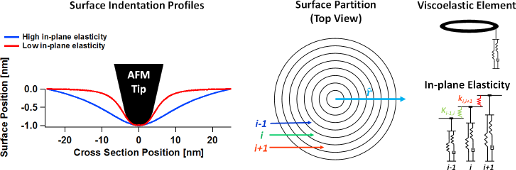
- calculations is not known in an experiment since the deformation may be limited to an unknown region near the surface (the deformed region can be localized, for example, due to cross-linking or layering of the material, which prevents the small deformation imparted at the top of the film from ever reaching the
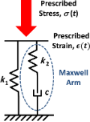
- allow the molecules to rearrange with relative ease [19][20]. There are also many viscoelastic surfaces which are formed by macromolecules that have cross-linking covalent bonds, such as vulcanized rubber [19], in which case there are restrictions on the relative mobility of adjacent molecules. From the


3D solid supported inter-polyelectrolyte complexes obtained by the alternate deposition of poly(diallyldimethylammonium chloride) and poly(sodium 4-styrenesulfonate)
Beilstein J. Nanotechnol. 2016, 7, 197–208, doi:10.3762/bjnano.7.18
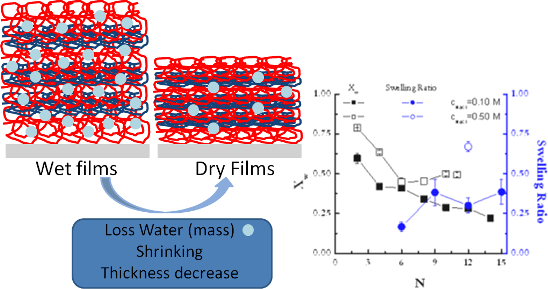
- also be built based on other intermolecular forces, for instance hydrogen bonds, acid–base reactions, covalent cross-linking and host–guest interactions [11][12]. Polyelectrolyte multilayers can be considered an example of non-equilibrium materials, because the corresponding soluble or insoluble
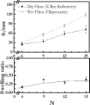
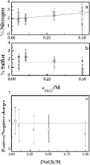
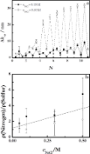
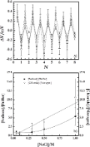
- -workes [49]. This is in agreement with a transition from an intrinsic compensation to an extrinsic one with the increase of N [50][51] that has a strong influence on the viscoelastic character of the film (Figure 1) [36] due to the reduction of the ionic cross-linking between chains in adjacent layers
- expected that films with low degree of swelling exhibit a strong ionic cross-linking under hydrated conditions with their rigidity almost unaffected during the drying process. On the other side, the films with the higher degree of swelling (under conditions of high ionic strength) are expected to exhibit a



Single-molecule mechanics of protein-labelled DNA handles
Beilstein J. Nanotechnol. 2016, 7, 138–148, doi:10.3762/bjnano.7.16
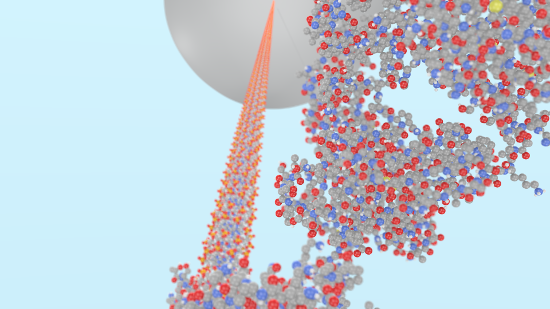
- Scientific, Dublin, Ireland) in 0.2 M triethanolamine (Sigma, Arklow, Ireland). The DMP cross-linking reaction was then quenched in 0.1 M ethanolamine at pH 8.2 for 5 min pelleted and resupended in 0.05 M sodium tetraborate, pH 8.2. Non-crosslinked anti-DIG antibodies were removed by pelleting twice in 0.1 M



Single pyrimidine discrimination during voltage-driven translocation of osmylated oligodeoxynucleotides via the α-hemolysin nanopore
Beilstein J. Nanotechnol. 2016, 7, 91–101, doi:10.3762/bjnano.7.11
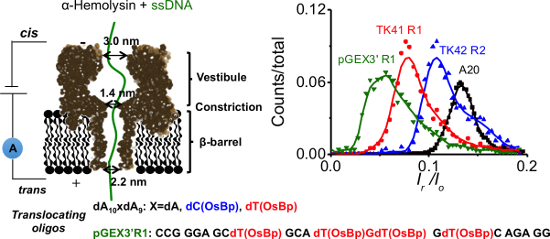
- , yields substantial amounts of cross-linking between strands to form a duplex covalently bound, in a parallel manner, like an “H”. We tested this hypothesis by monitoring the OsBp labeling reaction with a 32 nt long deoxyoligo, pGEX3’-dA9 (tail at the 3’-end), by high performance liquid chromatography
- (HPLC) with ion exchange chromatography (see Experimental section). The oligo was chosen so that cross-linking of two strands to form a 64 nt long conjugate could be easily detected by this HPLC method. The presence of the tail is not expected to have a major effect on the reactivity of the alleged OsBp



Chemiresistive/SERS dual sensor based on densely packed gold nanoparticles
Beilstein J. Nanotechnol. 2015, 6, 2498–2503, doi:10.3762/bjnano.6.259
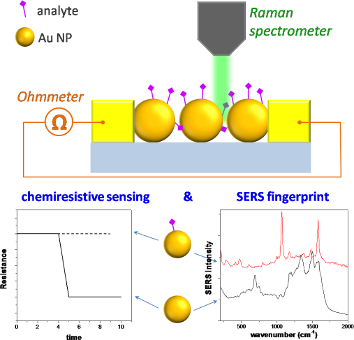
- cross-linking reactions, and connected to (micro)electrodes [5][6]. In this work we propose a dual electrical/optical sensor (DEOS) capable of exploiting both chemiresistive and SERS-based sensing. The device consists of a self-assembled film of spherical gold nanoparticles that is electrically


Nanostructured surfaces by supramolecular self-assembly of linear oligosilsesquioxanes with biocompatible side groups
Beilstein J. Nanotechnol. 2015, 6, 2377–2387, doi:10.3762/bjnano.6.244
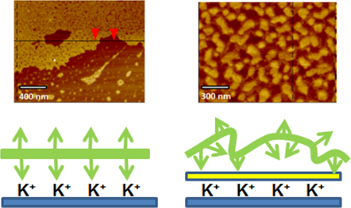
- -acetylcysteine, cysteine hydrochloride or glutathione) can form specific, self-assembled nanostructures when deposited on mica by dip coating. The mechanism of adsorption is based on molecule-to-substrate interactions between carboxylic groups and mica. Intermolecular cross-linking by hydrogen bonds was also




Green and energy-efficient methods for the production of metallic nanoparticles
Beilstein J. Nanotechnol. 2015, 6, 2354–2376, doi:10.3762/bjnano.6.243
- aggregation due to lower availability of amines and the reduced cross-linking ability. The average sizes of Pt, Au, and Ag NPs were about 3.5, 23, and 7.5 nm respectively. According to their FTIR data, the amine and amide functionalities had the most interaction in CTS, while in CMC, the alcohol
- ]. Jang et al. used dextran (dex), a readily available polysaccharide, both as reducing and stabilizing agents to synthesize dex–Au NPs from HAuCl4. The stability of Au NPs is enhanced due to cross-linking of aminated dextran chains on the surface of NPs using epichlorohydrin (C3H5ClO). The average


Self-organization of gold nanoparticles on silanated surfaces
Beilstein J. Nanotechnol. 2015, 6, 2345–2353, doi:10.3762/bjnano.6.242
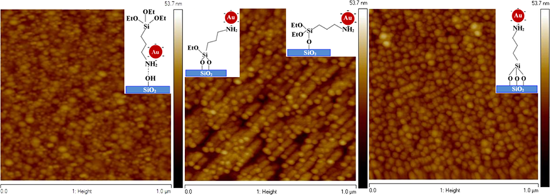
- type II) may create cross-linking of APTES molecules, which in turn would lead to lower availability of free amine terminal groups for a potential attachment of AuNPs. Another possible scenario (type III) is that hydrogen bonds may form between some of the amine functional groups and –OH from the





